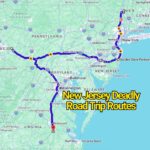
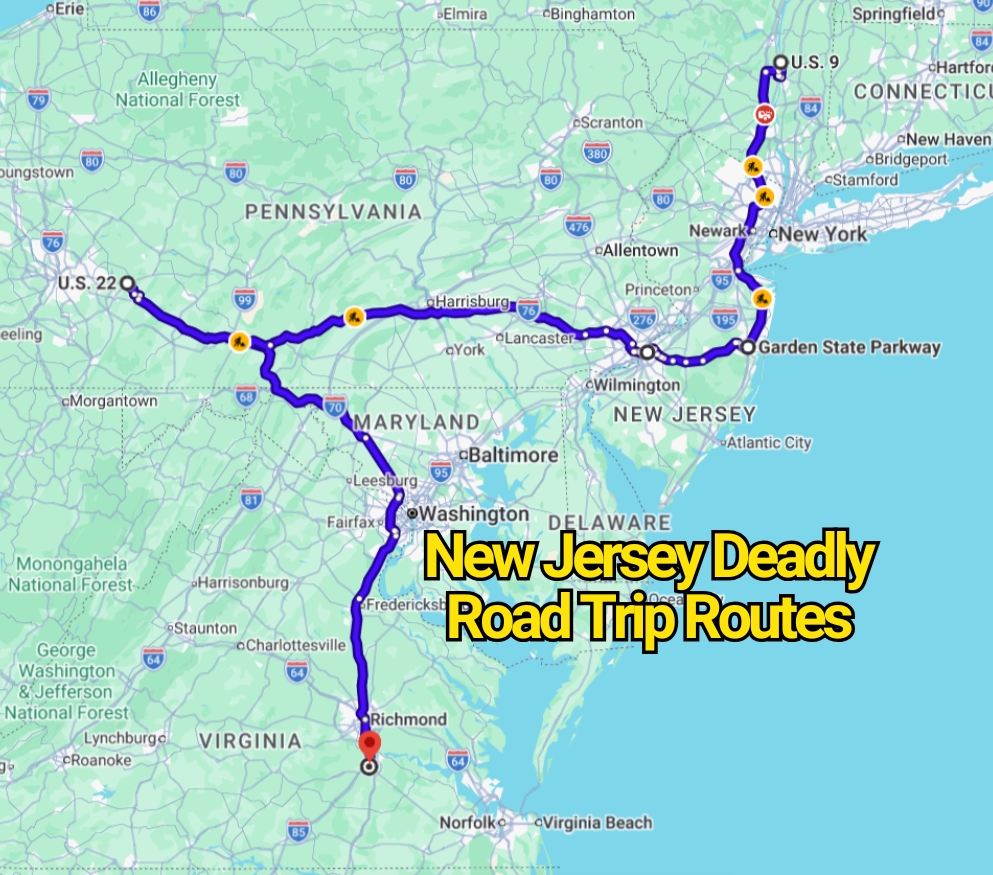
New Jersey may look small on the map, but anyone who has driven across the state knows how intense the roads can get. Between commuter traffic, shore-season backups, older highway designs, fast lane changes, short merge areas, and busy commercial strips, some routes feel more stressful than scenic.
This is not a “danger tour” or a road trip to take lightly. These are real New Jersey routes with long-standing safety concerns, crash history, congestion problems, or local reputations for difficult driving. If you plan to use them, the best approach is simple: slow down, stay alert, avoid distractions, and give yourself extra time.
Route 130
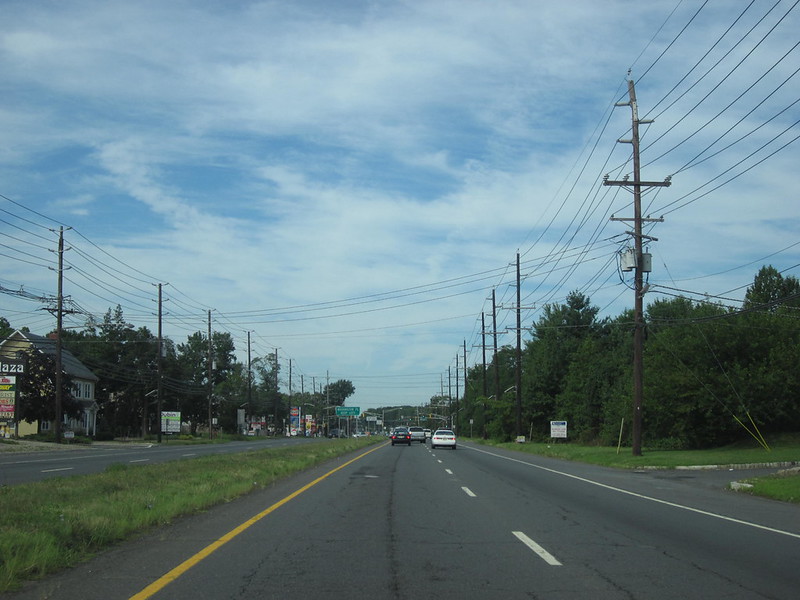
Route 130 is one of the most talked-about dangerous roads in New Jersey, especially through parts of Burlington County and nearby South Jersey communities. It runs through busy commercial zones, residential areas, and highway-style stretches where traffic can move quickly even near places where people need to cross.
What makes Route 130 especially concerning is its pedestrian-safety history. Older road design, wide lanes, fast-moving vehicles, and long distances between safe crossings have all contributed to its rough reputation. Drivers may see shopping centers, gas stations, bus stops, and side roads packed close together, which means conditions can change quickly.
Route 130 can feel ordinary at first, but that is part of the risk. It does not always look dramatic or scary, yet the mix of speed, traffic lights, turning vehicles, and pedestrians creates danger in several areas. Night driving can add another layer of concern because visibility drops near busy roadside businesses and intersections.
For a road trip, this route should be treated as a practical connector rather than a relaxed scenic drive. Keep your speed controlled, watch for sudden stops, and be extra careful near crosswalks, bus stops, and shopping entrances.
Route 22
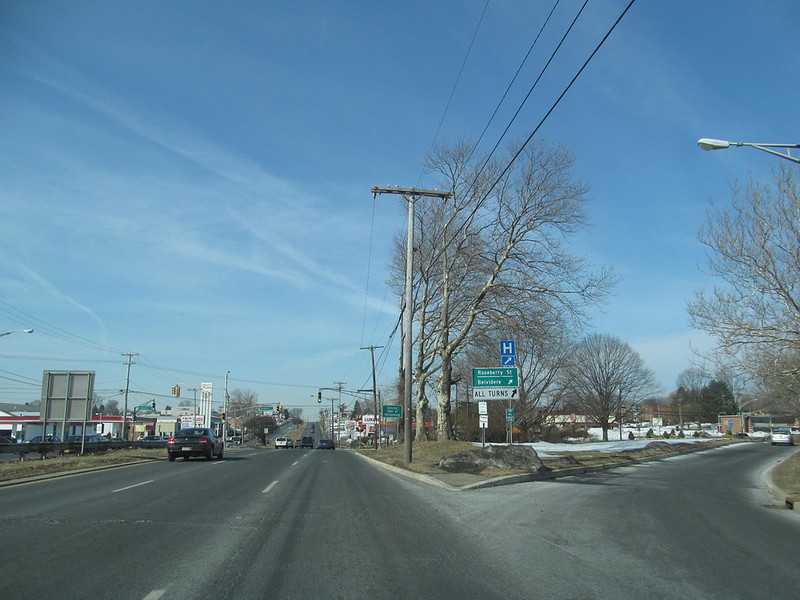
Route 22 is one of those roads New Jersey drivers complain about again and again. It cuts through dense areas of North Jersey, including Union and Springfield, where traffic, shopping plazas, U-turn areas, short ramps, and quick lane changes make driving feel chaotic.
The unusual layout is what catches many travelers off guard. In some sections, businesses sit close to the roadway, exits can arrive fast, and drivers may need to cross lanes quickly to reach a ramp or driveway. During rush hour, Route 22 can feel less like a normal highway and more like a test of patience.
Route 22 is not always dangerous because of high speeds alone. The bigger issue is decision pressure. Drivers often have very little time to choose the correct lane, merge safely, or react to someone entering from a business driveway. Add heavy traffic and aggressive drivers, and the route can become stressful fast.
If you are unfamiliar with the area, use navigation early, avoid last-second lane changes, and stay out of unnecessary passing battles. Missing an exit is better than forcing a risky move.
Route 1
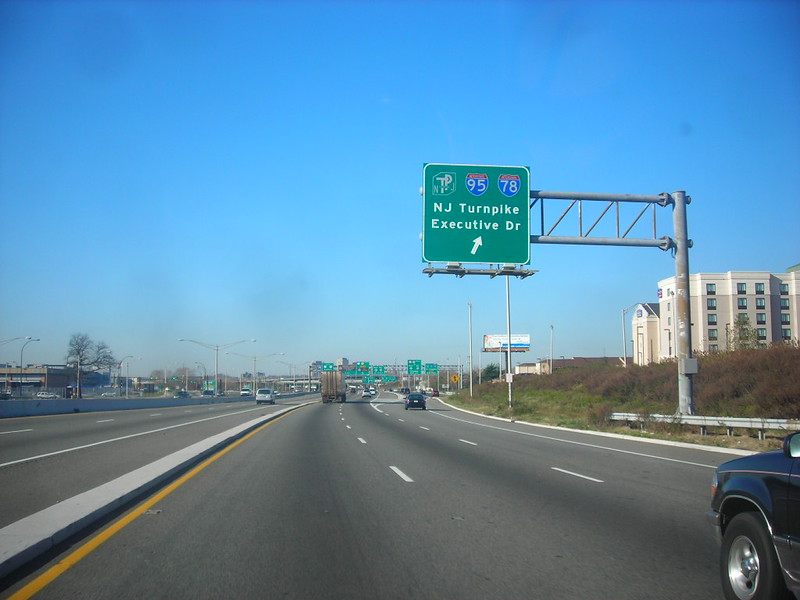
Route 1 is one of New Jersey’s major north-south roads, passing through busy parts of Middlesex and Mercer counties. Areas around Edison, North Brunswick, South Brunswick, and Princeton can bring a difficult mix of commuter traffic, shopping centers, office parks, traffic lights, and fast-moving vehicles.
This road often feels like a highway and a local road at the same time. That combination can make it tricky. Cars may be moving at higher speeds, but drivers also have to watch for traffic signals, turning vehicles, side-road entrances, and sudden congestion.
Route 1 has been highlighted in state safety planning because of its high number of injury crashes linked with unsafe speeding and distracted driving. That does not mean every mile is equally dangerous, but it does mean travelers should not treat it casually.
The most stressful moments often happen near busy intersections and shopping zones. Expect sudden slowdowns, keep a safe following distance, and avoid using your phone even for a second while driving.
Route 9
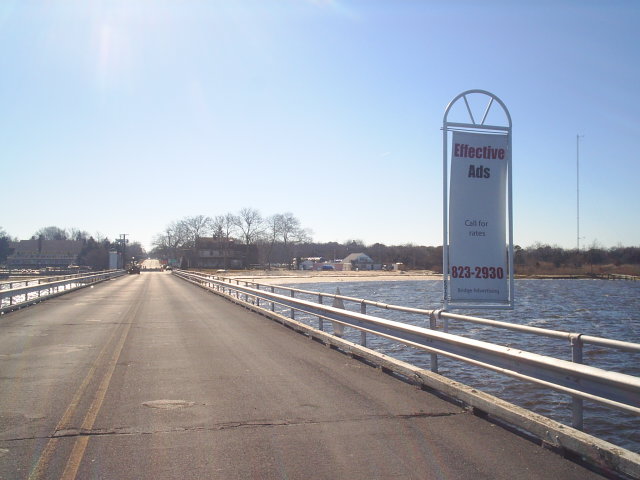
Route 9 stretches through many parts of New Jersey and becomes especially busy in Middlesex, Monmouth, Ocean, and Cape May County areas. It is used by commuters, local drivers, shore-bound travelers, and buses, which can make traffic heavy at different times of the day.
One well-known trouble area is around Sayreville, where backups near the Garden State Parkway connection have drawn attention because of congestion and crash issues. Rear-end and sideswipe crashes are common risks in bottleneck areas because drivers are merging, braking, and changing lanes in tight spaces.
Route 9 may look simple on a map, but the drive can become tiring because of lights, shopping areas, local turns, and commuter traffic. During summer travel season, the pressure increases as more people head toward the Jersey Shore.
If you are using Route 9 as part of a weekend trip, avoid peak Friday afternoon and Sunday evening travel when possible. Keep space in front of your car and watch for drivers making sudden turns into side roads or businesses.
Garden State Parkway
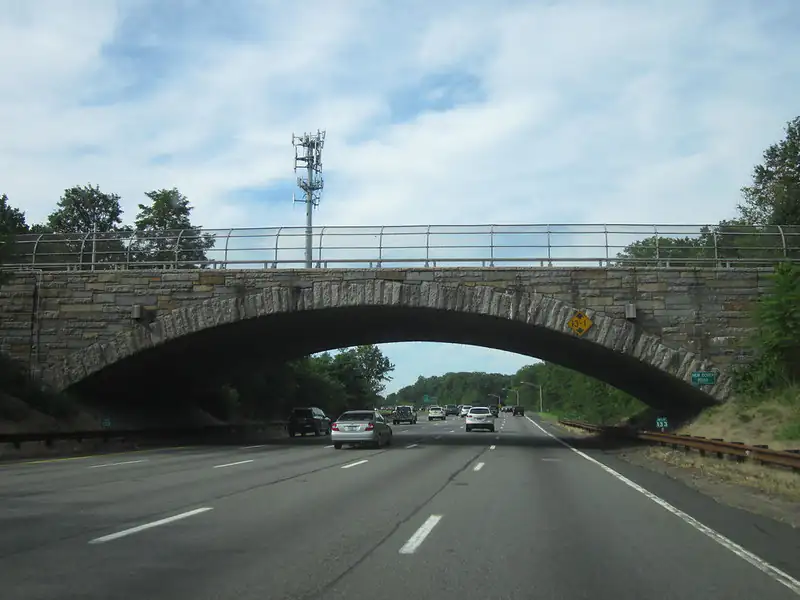
The Garden State Parkway is one of New Jersey’s most important highways. It carries commuters, vacationers, buses, and shore traffic across a long stretch of the state. During summer weekends and holiday periods, traffic can become heavy and impatient, especially near beach exits and major interchanges.
The Parkway can feel smooth and easy when traffic is light, but that can also lead to speeding. When traffic suddenly slows, crashes can happen quickly. Rain, night driving, construction zones, and lane shifts can make the road even more demanding.
Many travelers think of the Garden State Parkway as the road to beaches, boardwalks, and summer weekends. That is true, but it is also a high-volume highway where mistakes can have serious consequences. The mix of local commuters and visitors unfamiliar with exits creates extra risk.
Plan your exits early, do not tailgate, and be patient around toll areas, merge zones, and shore-bound backups. If you are tired after a beach day, take a break before driving home.
Safety Tips Before Driving These New Jersey Routes
Check traffic before leaving, especially on Fridays, Sundays, holidays, and summer weekends. New Jersey traffic can change fast, and a smooth drive can turn into a long delay with very little warning.
Avoid distractions completely. Several of these roads require quick decisions, and looking away from the road for even a moment can create risk. Keep your phone mounted only for navigation and let a passenger handle changes if possible.
Give yourself more space than usual. Tailgating is common on busy New Jersey roads, but it leaves almost no room to react when traffic suddenly stops. This matters most on Route 1, Route 9, Route 22, and the Garden State Parkway.
Slow down near commercial strips and intersections. Route 130 and Route 22 can have vehicles entering from businesses, people crossing near bus stops, and drivers making last-second turns.
Final Thoughts
The scariest New Jersey roads are not always remote mountain passes or dramatic cliffside highways. Many of them are ordinary-looking commuter roads where speed, congestion, confusing design, and constant merging create danger.
Route 130, Route 22, Route 1, Route 9, and the Garden State Parkway all deserve extra attention. They are important roads, but they are not roads to drive carelessly. With patience, planning, and full attention, travelers can pass through these corridors more safely while understanding why so many locals warn others about them.