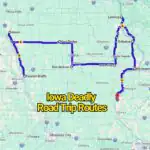
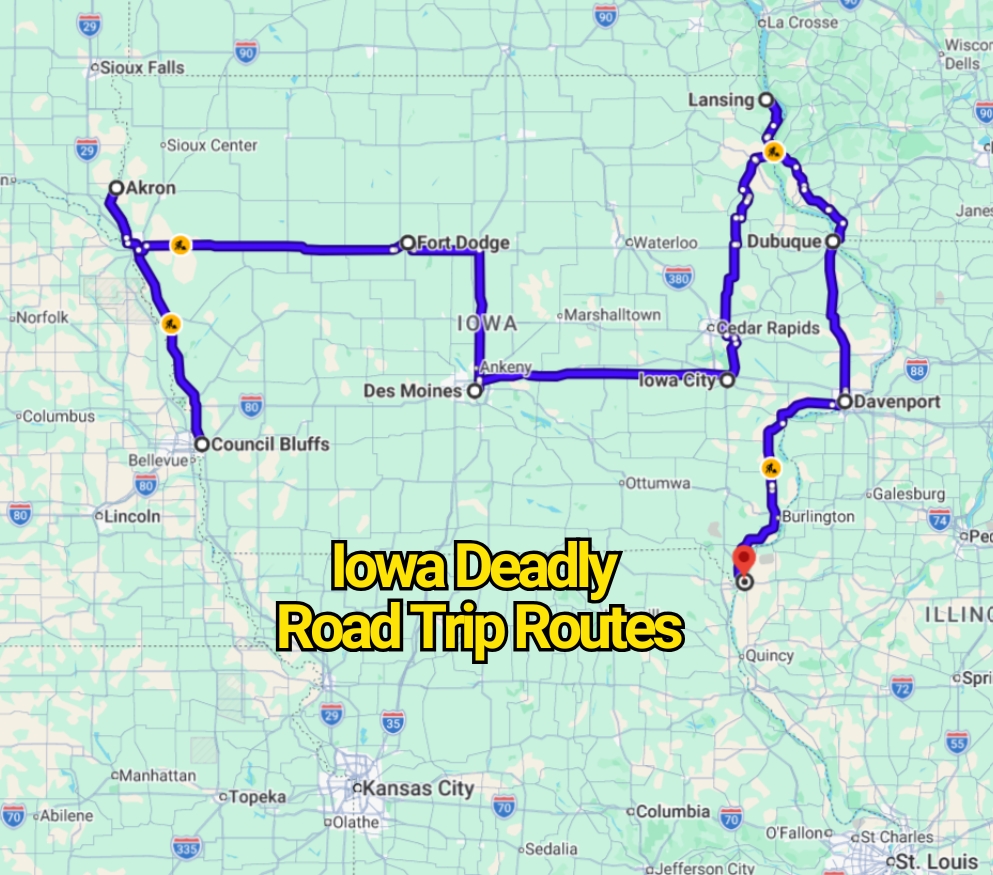
Iowa road trips can look calm on the map, but some drives become far more serious once weather, speed, rural distance, deer movement, fog, and river-bluff roads come into play. The state is full of long highways, quiet byways, and open farmland routes where conditions can change fast.
This guide is not an official ranking of Iowa’s “deadliest” roads. Instead, it looks at real Iowa routes that travelers should treat with extra caution, especially during winter storms, heavy rain, harvest season, high-wind days, and late-night drives.
Before taking any of these trips, check Iowa 511, watch the forecast, fill your gas tank, and avoid rushing. The most dangerous part of an Iowa road trip is often not the scenery — it is assuming the drive will stay easy the whole way.
Interstate 80 Across Iowa
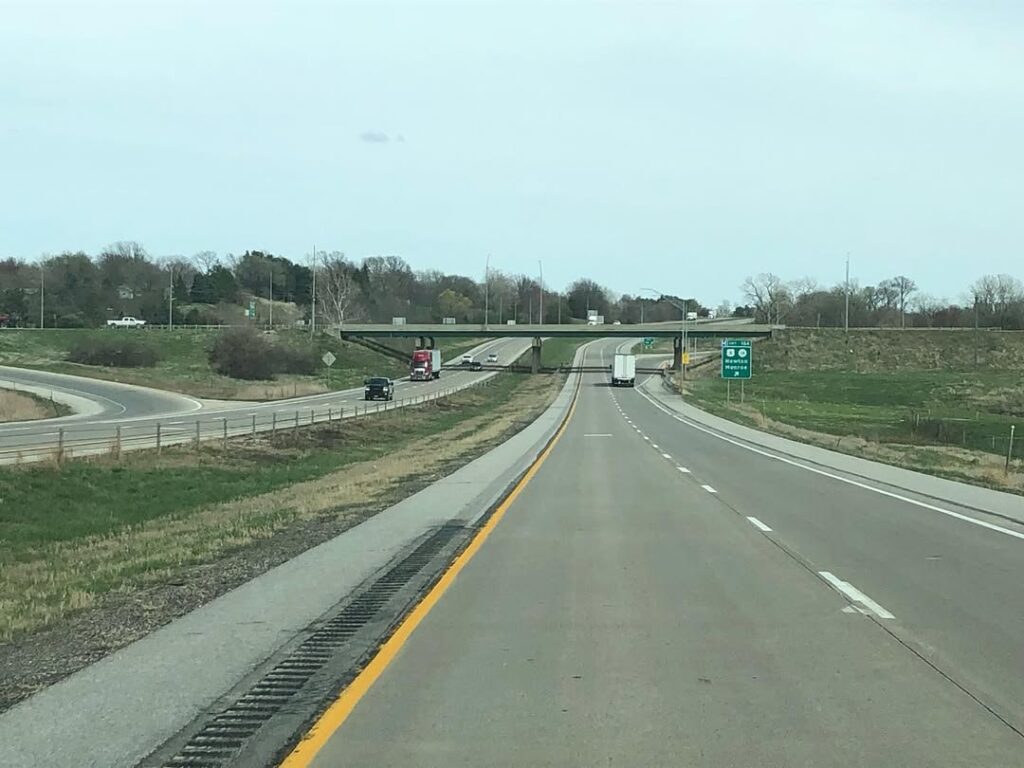
Interstate 80 is one of the most important highways in Iowa. It runs across the state from the Omaha/Council Bluffs area through Des Moines, Iowa City, and the Quad Cities. For travelers, it is often the fastest way to cross Iowa from west to east.
The risk comes from the mix of high speed, long-distance fatigue, heavy semi-truck traffic, sudden slowdowns, and winter weather. During snow, freezing rain, and strong wind, wide-open stretches can become slick or hard to see across. Bridges and overpasses may freeze before the rest of the road.
This route can feel simple because it is an interstate, but that can make drivers too relaxed. A safe Iowa I-80 trip means checking road conditions before leaving, keeping extra distance from trucks, slowing down near work zones, and avoiding late-night driving when tired.
I-80 is not “hidden,” but many of its dangers are easy to underestimate. Blowing snow, icy patches, construction zones, and traffic near Des Moines or Iowa City can create sudden problems. During bad weather, this is one road where waiting a few hours can be smarter than pushing through.
Interstate 35 Through Central Iowa
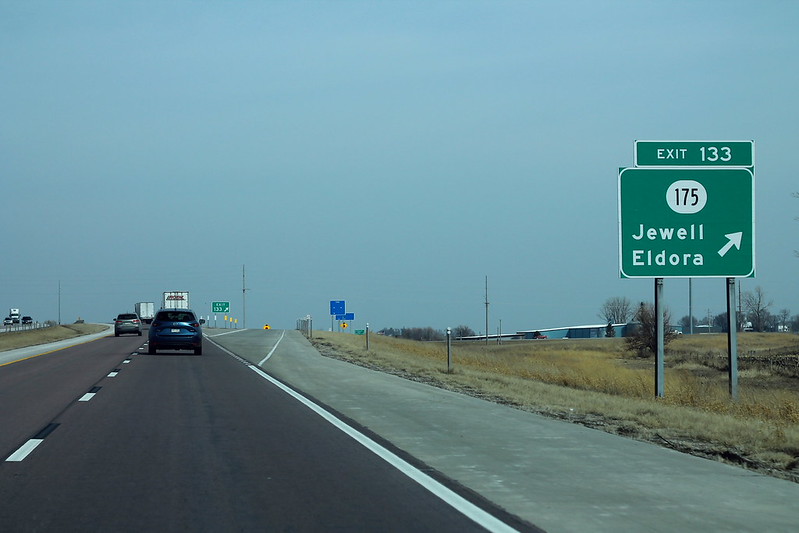
Interstate 35 cuts through central Iowa and connects the Minnesota border, Ames, Des Moines, and the Missouri border. It is a major road for commuters, truckers, college travelers, and long-distance drivers.
The Des Moines metro section can be busy, while rural areas north and south of the city can feel empty. That contrast matters. One minute you may be dealing with tight traffic, and later you may be driving through open land where wind, fog, or snow can reduce visibility.
During winter, I-35 can become especially difficult because open fields allow snow to blow across the pavement. In warmer months, heavy rain, deer movement, and distracted driving can still create danger.
This route is dangerous when drivers treat the open sections like a speedway. Long straight roads can make people less alert. Combine that with changing weather, fast traffic, and heavy trucks, and I-35 deserves respect on any Iowa road trip.
U.S. Highway 20 Across Northern Iowa
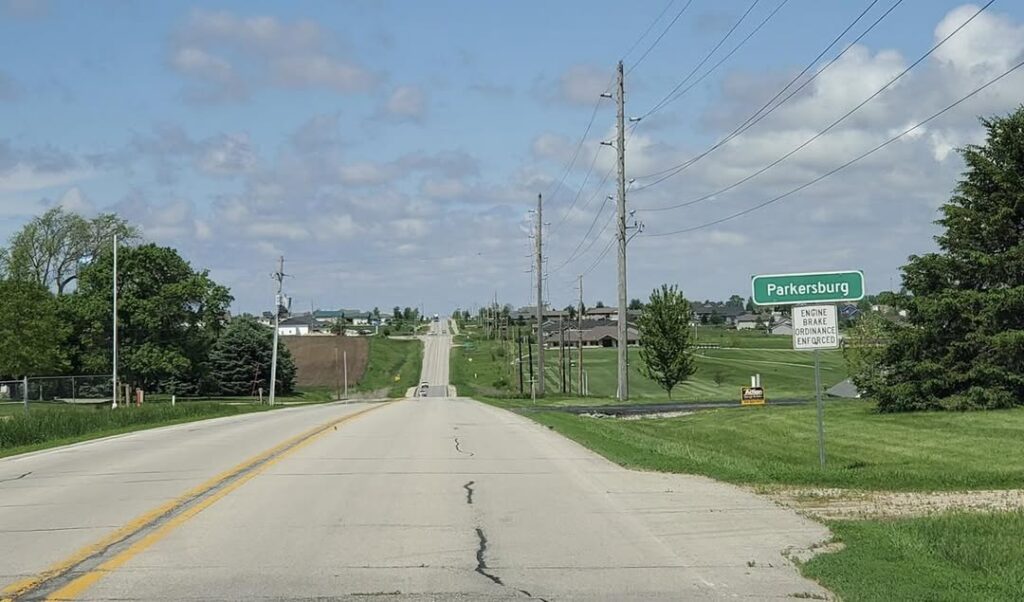
U.S. Highway 20 is a major east-west route across northern Iowa. It connects areas near Sioux City, Fort Dodge, Waterloo, and Dubuque. It can be a useful road trip route, but it also includes long rural stretches where drivers may not find help as quickly as they would near a metro area.
This drive can be risky during snow, fog, freezing drizzle, and early-morning or late-night hours. Wildlife is another concern, especially around sunrise and sunset. Rural intersections can also surprise travelers who are not familiar with local traffic patterns.
Highway 20’s wide-open feel can be peaceful, but that same openness can become a problem when weather moves in. A driver may go from clear pavement to low visibility in a short time.
The biggest issue on U.S. 20 is distance. If something goes wrong, services may be farther away than expected. Travelers should start with fuel, water, a charged phone, and a winter emergency kit during cold months.
Great River Road
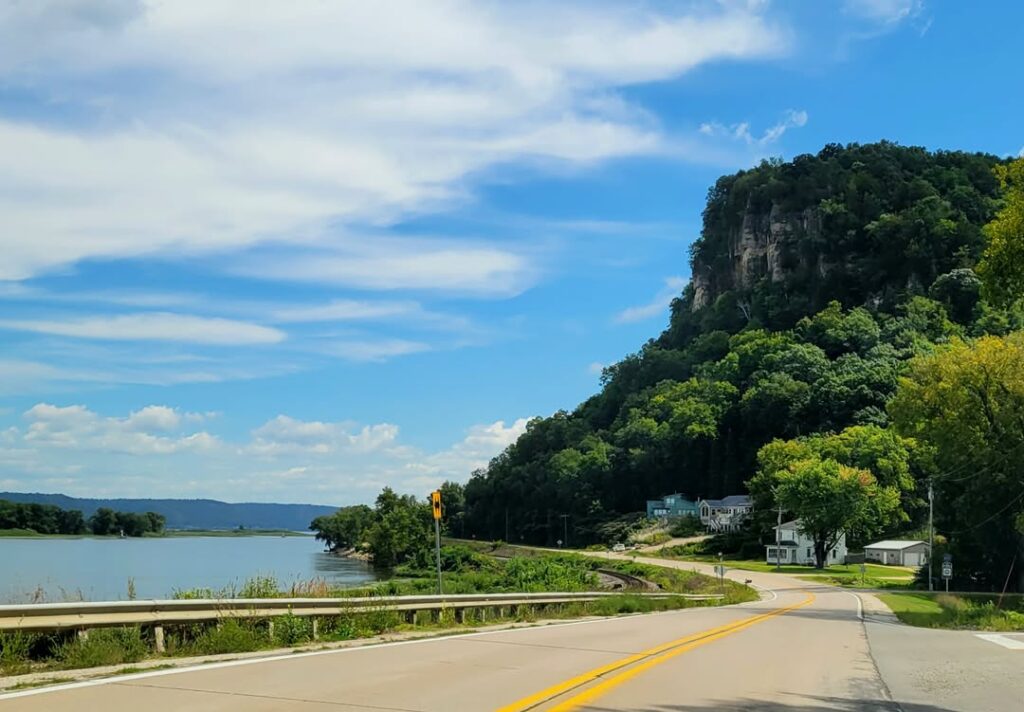
The Iowa portion of the Great River Road follows the Mississippi River along the eastern edge of the state. It passes river towns, overlooks, bluffs, and historic communities. It is one of the most scenic road trips in Iowa.
The same features that make it beautiful can also make it more dangerous. River roads often include curves, hills, narrow shoulders, changing speed limits, wet pavement, and wildlife. In some areas, fog can rise near the river, making visibility worse.
Travelers should be especially careful around scenic pull-offs, town entries, and winding sections near bluff country. It is tempting to look at the river while driving, but this is a route where passengers should enjoy the view while the driver stays focused.
This is not a road to rush. The Great River Road is better as a slower scenic trip. Drivers should watch for curves, cyclists, pedestrians in river towns, farm vehicles, and wet leaves or icy spots during colder seasons.
Loess Hills National Scenic Byway
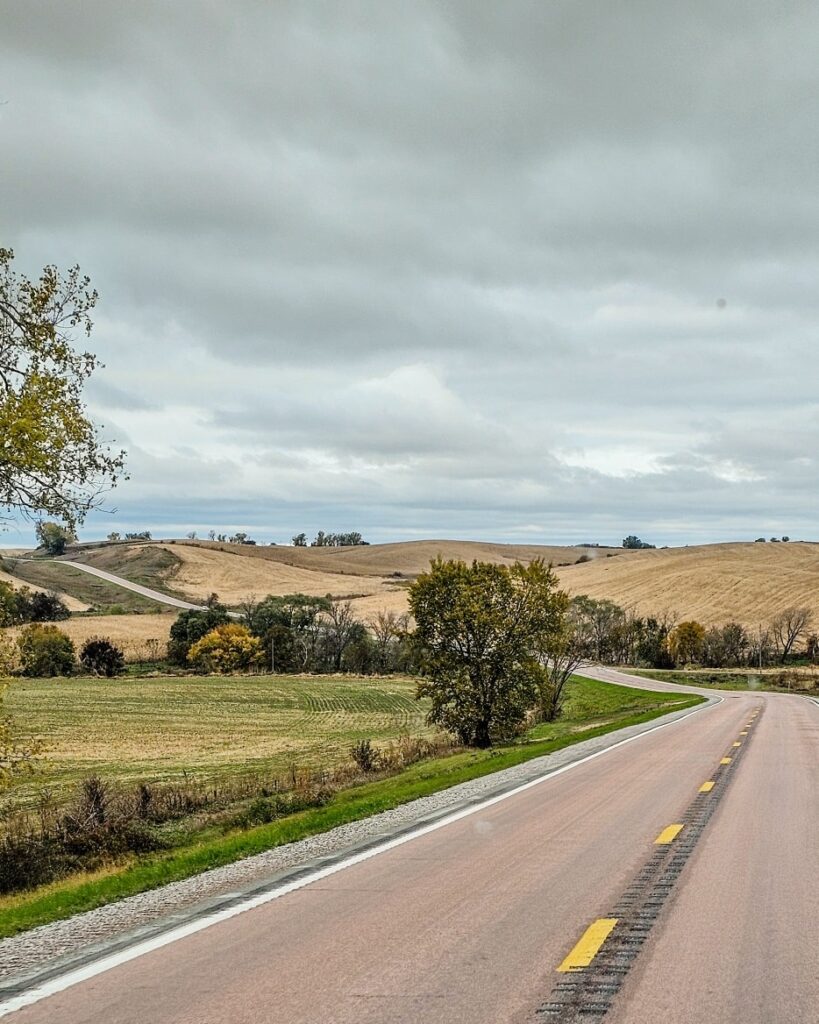
The Loess Hills National Scenic Byway runs through western Iowa near the Missouri River valley. It is known for rolling hills, scenic overlooks, prairie areas, and rural roads that feel very different from flat interstate driving.
The main route is paved, but optional loops can include gravel roads. That matters because gravel, steep grades, sharp curves, and limited shoulders can surprise visitors. Rain can make rural roads slick, and winter weather can make hills and curves more difficult.
This is one of Iowa’s most rewarding drives, but it should be planned carefully. Travelers should not rely only on cell service, and they should avoid wandering onto gravel loops without checking road conditions first.
The Loess Hills area is not dangerous because it is crowded. It is risky because it is rural, hilly, and easy to underestimate. Slow speeds, daylight driving, and a planned route make the trip much safer.
Hidden Iowa Road Trip Dangers Many Visitors Forget
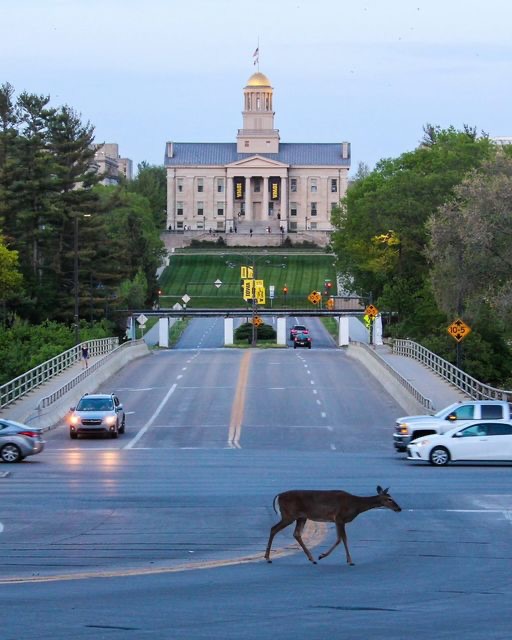
Iowa’s road risks are not always dramatic. Many are ordinary hazards that become serious when drivers are tired, distracted, or unprepared.
Winter Storms and Blowing Snow
Open fields allow snow to blow across roads, even after plows have passed. Visibility can drop quickly, and bridges may become icy before nearby pavement.
Deer Crossings
Deer are a real concern across Iowa, especially around dawn, dusk, and fall movement periods. Rural highways and scenic byways deserve extra attention.
Rural Intersections
Some rural crossings appear suddenly. Drivers should watch for stop signs, farm equipment, slow-moving vehicles, and traffic entering from side roads.
Long Stretches Without Services
On rural byways and highways, gas stations, repair shops, and rest areas may be farther apart than expected. This matters more in winter or at night.
Driver Fatigue
Long, straight highways can make drivers sleepy. Fatigue can be just as dangerous as bad weather, especially on interstate drives across the state.
Safety Tips Before Driving These Iowa Routes
- Check Iowa 511 before leaving, especially during winter or severe weather.
- Fill your gas tank before rural stretches.
- Keep extra distance from trucks and snowplows.
- Avoid stopping on narrow shoulders unless it is an emergency.
- Do not rush scenic roads near bluffs, rivers, or gravel loops.
- Carry water, snacks, a phone charger, and a warm layer during colder months.
- Watch closely for deer near sunrise and sunset.
- Delay the trip if roads are listed as covered, icy, or travel is not advised.
Final Thoughts
Iowa has some beautiful drives, from the Mississippi River bluffs to the Loess Hills and the long open highways that cross the state. But these routes deserve more caution than many travelers expect.
The safest road trip is the one planned with weather, distance, road type, and driver energy in mind. Iowa may look easy to drive across, but hidden risks can appear fast. Take your time, check conditions, and let the road trip be memorable for the right reasons.