Florida looks simple on a map, but a week on the road quickly proves otherwise. One day can feel packed with theme-park energy, while the next can slow down beside mangroves, turquoise water, quiet beaches, or small coastal towns that feel far removed from the rush.
This 7-day Florida road trip covers roughly 800 miles, with around 32 hours of total driving. The route begins with Orlando’s famous theme parks before moving through Miami, Key West, the Everglades, Fort Myers, Tampa, Destin, and Tallahassee. It is a big loop, but that is part of the appeal.
The beauty of this trip is how much the scenery changes. Orlando brings the thrills. Miami adds color, food, and nightlife. Key West feels like a tropical finish line at the edge of the road. Then the Everglades shift the mood completely, replacing city lights with wild wetlands, slow waterways, and open skies.
As the drive continues across Florida’s Gulf Coast and Panhandle, the trip becomes softer and more relaxed. Fort Myers and Tampa offer beach time, culture, and easy waterfront stops, while Destin brings bright sand and clear Gulf water. Tallahassee rounds out the route with history, greenery, and a different side of Florida many travelers skip.
A week is just enough time to taste the state’s biggest contrasts. You will not see everything, but you will get a road trip filled with beaches, wildlife, theme parks, food, islands, cities, and long scenic stretches that make Florida feel much larger than expected.
The Ultimate Florida Road Trip Itinerary
The ultimate Florida road trip itinerary starts in Jacksonville, then heads inland to Orlando for theme parks, family fun, and classic Florida excitement. From there, the route follows the Atlantic Coast south through beach towns, Miami, and the Overseas Highway before reaching Key West.
After Key West, the drive turns north across South Florida toward the Everglades, where wetlands, wildlife, and open skies give the trip a completely different feel. Then the route continues along the Gulf Coast through Fort Myers, Tampa, Destin, and Pensacola.
This full loop covers about 1,800 miles, with an average of around 4 hours and 30 minutes of driving each day. Along the way, you get beaches, cities, islands, theme parks, scenic bridges, coastal highways, and plenty of stops that make Florida one of the best states for a road trip.
Day 1: Jacksonville to Orlando
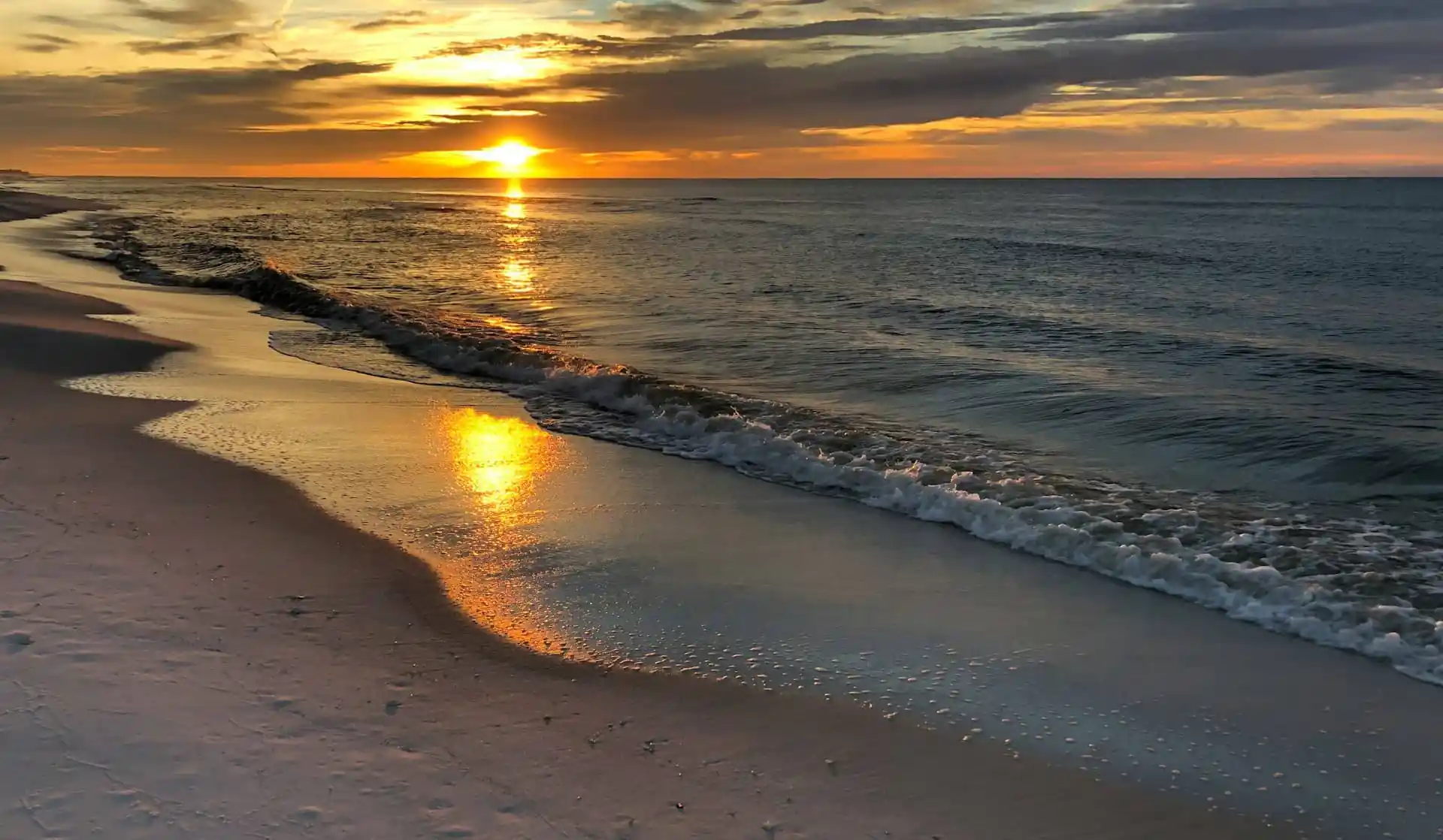
Your Florida road trip begins with an easy drive from Jacksonville to Orlando. This first stretch covers about 145 miles and takes around 2 hours and 30 minutes, making it a smooth start before the longer travel days ahead.
You can leave early and add a few stops along the way, or take it slow with breakfast or brunch before getting on the road. Either way, the short drive gives you plenty of room to settle into the trip without feeling rushed.
By the time you reach Orlando, the mood of the journey shifts from coastal Florida to theme-park country. Spend the rest of the day relaxing, checking into your hotel, or heading straight for your favorite Orlando attraction.
Road Trip Route From Jacksonville to Orlando
Start your drive from Jacksonville by taking I-95 South, then make your first stop in St. Augustine. After exploring the city, you can return to the highway by US-1 or take the slower Route A1A if you want more ocean views along the way to Daytona Beach. From Daytona, merge onto I-4 and continue inland past Lake Monroe until you reach Orlando.
Things to Explore on the Way to Orlando
St. Augustine is the main highlight on this route, with old streets, Spanish history, Castillo de San Marcos, Matanzas Bay, and nearby beaches. Daytona Beach is another great stop, especially if you want time by the water, water activities, or motorsports history at Daytona International Speedway.
Where to Stay in Orlando
Orlando is the best overnight base for theme parks, downtown dining, and entertainment. You can stay near the parks for easy access to Disney or Universal, or choose downtown Orlando if you want restaurants, bars, Lake Eola, museums, and a more city-style evening before continuing your Florida road trip.
Day 2: Orlando to Miami
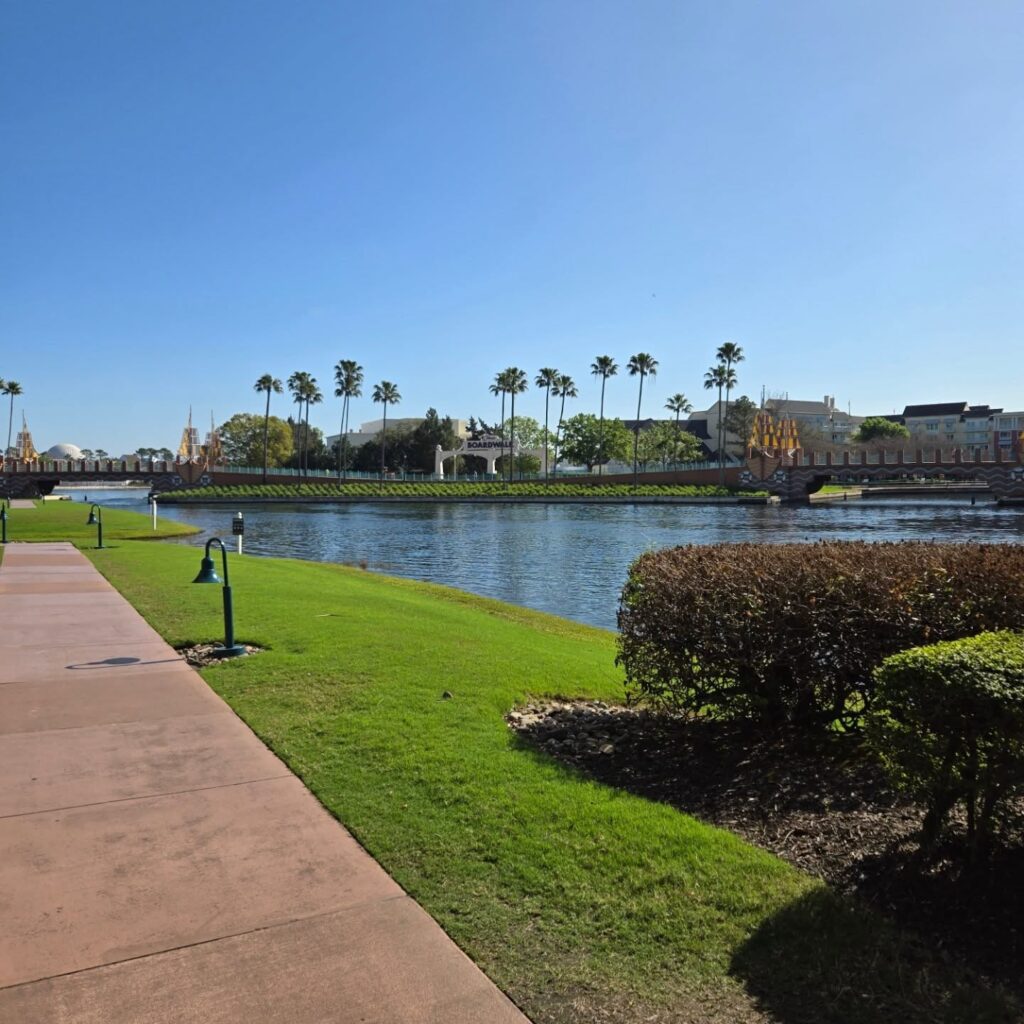
Day 2 of your Florida road trip takes you from Orlando to Miami on a longer but rewarding coastal drive. This stretch covers about 255 miles and takes around 5 hours and 30 minutes, so it works best with an early start.
The route gives you time to mix space history, beach towns, and South Florida scenery in one day. Cape Canaveral is the biggest stop, especially if you want to visit Kennedy Space Center before continuing down the coast.
If you have extra time, Juno Beach, Boca Raton, and Fort Lauderdale all make strong stops before reaching Miami. By the end of the day, the trip shifts from theme-park Florida to palm-lined streets, ocean views, and big-city energy.
Road Trip Route From Orlando to Miami
Leave Orlando by heading east toward the coast, then connect with FL-528 near the airport. This road carries you out to Cape Canaveral, where you can detour north for Kennedy Space Center before continuing along the coastal route. After Pineda Beach Park, turn back inland and follow US-1 south through Palm Bay, Vero Beach, and Port Salerno before joining I-95 near Palm Beach for the final stretch into downtown Miami.
Things to Explore on the Way to Miami
Cape Canaveral is the biggest highlight of this drive, especially if you want to visit Kennedy Space Center, see space exhibits, or try one of the visitor center simulators. The area also has a wilder side at Canaveral National Seashore, where beaches, trails, and waterways give the route a peaceful coastal break. Farther south, Palm Beach adds classic Florida style with Clematis Street, sandy shores, surfing, kayaking, paddleboarding, diving, and plenty of people-watching.
Where to Stay in Miami
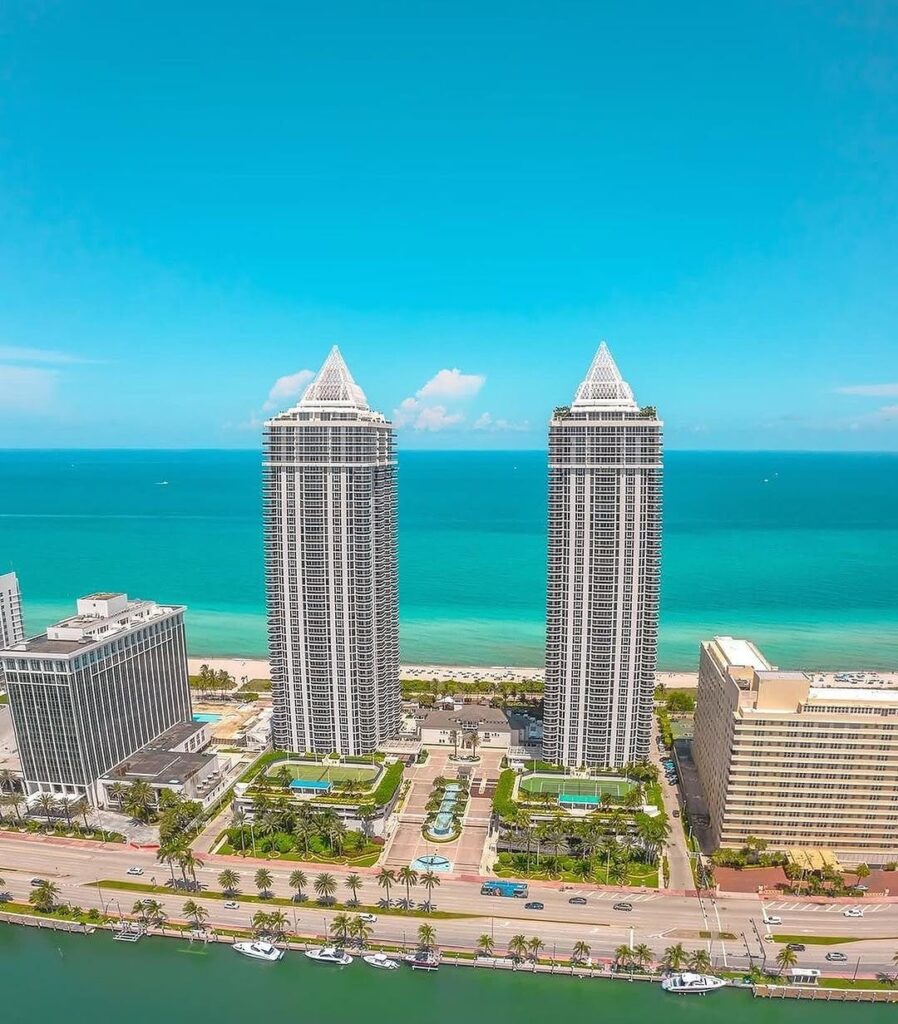
Miami makes a lively overnight stop after a long day on the road. Stay downtown if you want easy access to restaurants, nightlife, museums, and I-95 for the next morning. A modern aparthotel with parking, a pool, and kitchen facilities can work well here, especially for groups or travelers who want a break from eating every meal out.
Day 3: Miami to Key West
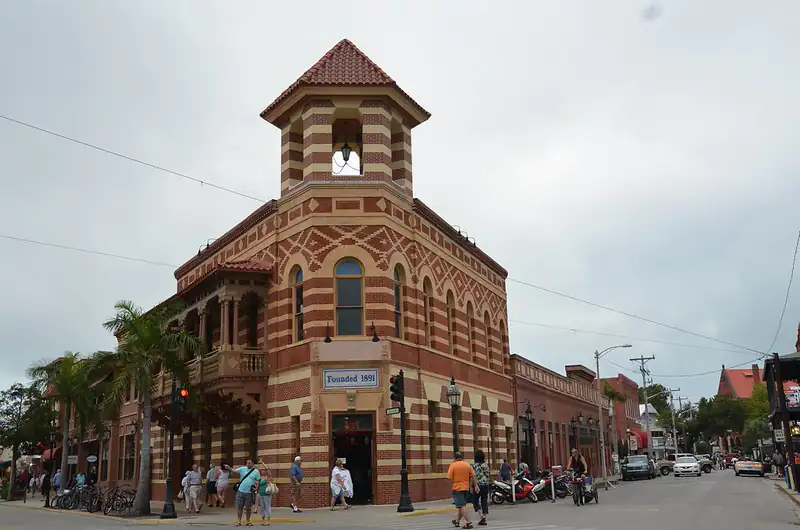
Day 3 takes you from Miami to Key West on one of the most memorable drives in Florida. This 170-mile route usually takes around 3 hours and 30 minutes, but the journey often feels longer because the road itself becomes part of the experience.
After leaving Miami, the drive passes through Homestead before reaching the Florida Keys. From there, the highway crosses island after island, passing Key Largo, Marathon, Big Pine Key, and long stretches of blue water before arriving in Key West.
Some travelers skip the full Keys drive and head to Marco Island instead, where they can take a ferry to Key West. This can be a calmer option if you want to avoid heavy weekend traffic, parking stress, or expensive stays in Key West.
Road Trip Route From Miami to Key West
Leave Miami through Westchester and Kendall, then connect with the Ronald Reagan Turnpike toward Florida City. From there, US-1 carries you across Manatee Bay and Blackwater Sound into the Florida Keys. This part of the trip is easy to follow because there is one main road between the islands, with ocean views leading you past Key Largo, Plantation Key, Islamorada, and finally Key West.
Things to Explore on the Way to Key West
Key Largo is one of the best stops on this drive, especially for fishing trips, scuba diving, beach time, and coral reef scenery. Islamorada is another strong stop if you want more time near the water or a short walk or bike ride along the Florida Keys Overseas Heritage Trail. The whole route feels like more than a drive, with bridges, island towns, and blue water turning the journey into a major part of the day.
Where to Stay in Key West
Key West is the perfect place to slow down after the drive. Spend time near the waterfront, watch the sunset, visit Truman’s Little White House, see Audubon House and Gardens, or walk through the Historic Seaport. Since Key West hotels can be expensive, staying mid-week can help lower the cost while still keeping you close to beaches, galleries, restaurants, and the island’s relaxed subtropical feel.
Day 4: Key West to Fort Myers
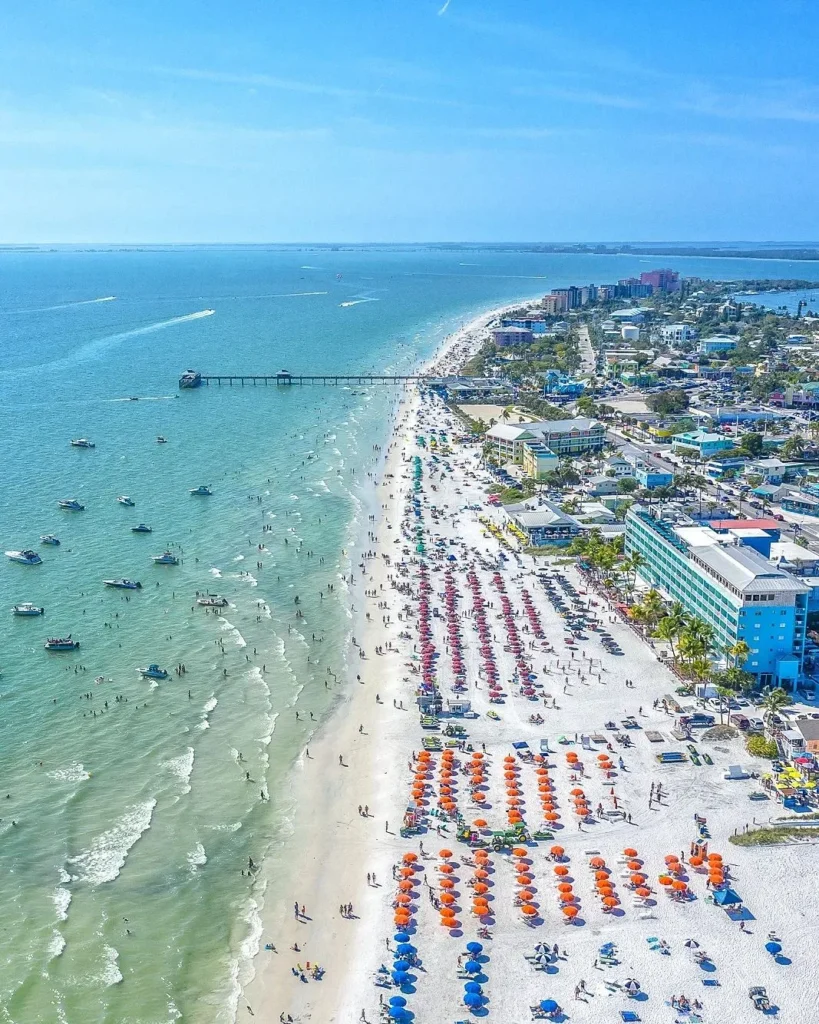
Day 4 takes you from Key West to Fort Myers on a longer cross-state drive. This route covers about 300 miles and usually takes around 5 hours and 30 minutes, so it is best to start early and leave plenty of room for breaks.
The drive first takes you back through the Florida Keys before reaching Homestead. From there, the route continues past Sweetwater and cuts across the lower part of Florida, moving from the Atlantic side of the state toward the Gulf Coast.
By the time you reach Fort Myers, the trip has a completely different feel. Key West’s island atmosphere gives way to Gulf beaches, calmer coastal towns, waterfront dining, and a softer side of Florida that makes a great overnight stop.
Road Trip Route From Key West to Fort Myers
Leave Key West by driving back through the Florida Keys, then continue through Florida City to join the Ronald Reagan Turnpike. Follow it past Sweetwater, then connect with I-75 for the westbound drive to Fort Myers. Along the way, you can detour into the Everglades, with several entrance points depending on how much time you want to spend there.
Things to Explore on the Way to Fort Myers
The Everglades is the main highlight on this route, with wetlands, creeks, wildlife, and wide-open scenery that feels completely different from the Keys. You may spot alligators, wetland birds, manatees, and other animals while passing through the area. For a closer look, take an airboat ride or join a kayak tour for a slower trip across the water.
Where to Stay in Fort Myers
Fort Myers makes a relaxed Gulf Coast stop after the long drive. You can spend the evening by the beach, take a dolphin boat tour, or visit the Edison and Ford Winter Estates. Staying near the Caloosahatchee River gives you easy access to downtown dining, Sanibel Island, museums, and sunset views over the Gulf side of Florida.
Day 5: Fort Myers to Tampa
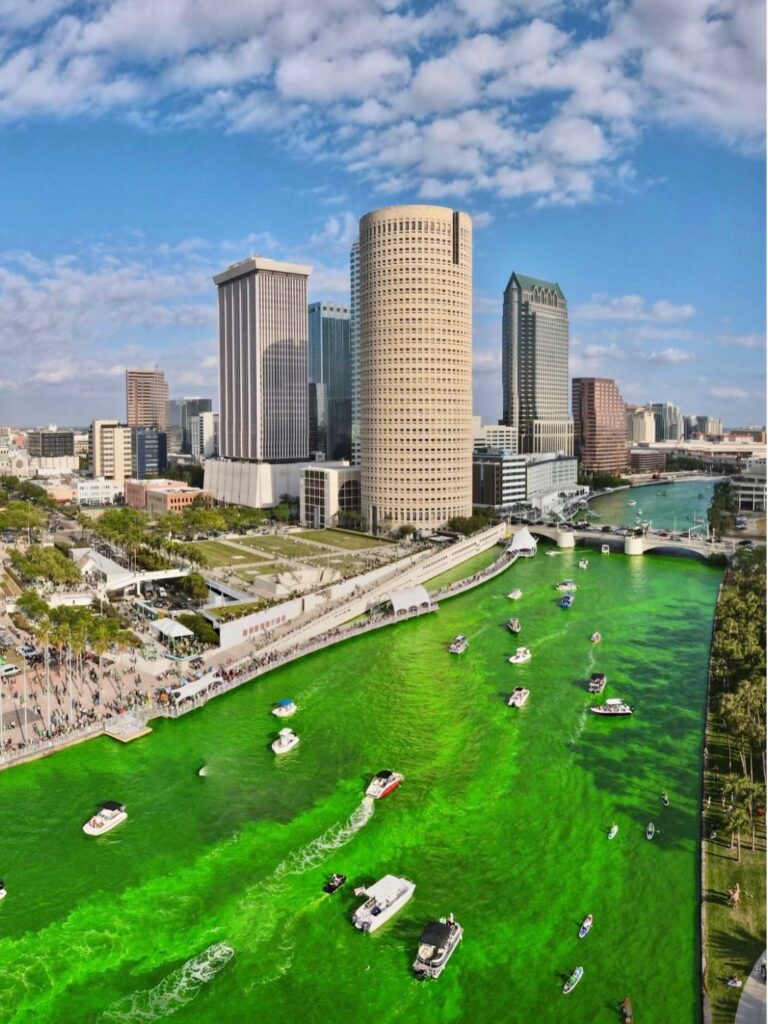
Day 5 gives you a lighter stretch after the longer drives earlier in the trip. The route from Fort Myers to Tampa covers about 130 miles and usually takes around 2 hours and 10 minutes, making it a much easier travel day.
This shorter drive leaves more space for stops instead of rushing straight to the next city. Myakka River State Park is a great nature break, while Sarasota adds beaches, art, dining, and a relaxed Gulf Coast mood.
You can also detour to Anna Maria Island if you want soft sand, clear water, and a slower island feel before reaching Tampa. By evening, you will have time to settle in, enjoy dinner, and get ready for the next part of your Florida road trip.
Road Trip Route From Fort Myers to Tampa
Leave Fort Myers on I-75 North, crossing the Peace River near Solana before the road runs close to Myakka River State Park and Sarasota. After the Manatee River, take I-275 through Terra Ceia Preserve State Park, then cross the Sunshine Skyway Bridge over Tampa Bay. From there, continue through St. Petersburg and over the Howard Frankland Bridge to reach Tampa.
Things to Explore on the Way to Tampa
Myakka River State Park is the best stop on this shorter drive. It gives you time for boating, fishing, kayaking, canoeing, hiking, or biking, depending on the weather and water levels. The park is also known for its palms, oak-lined riverbanks, birds, and quiet wild scenery that makes a strong break from Florida’s busier beach towns.
Where to Stay in Tampa
Clearwater Beach is a great place to stay if you want ocean views near Tampa. You can relax on the sand, visit Clearwater Marine Aquarium, walk through Florida Botanical Gardens, or take a trip to Caladesi Island State Park. A hotel near the beach with parking, water views, and an outdoor terrace makes this stop feel easy after a day on the road.
Day 6: Tampa to Destin
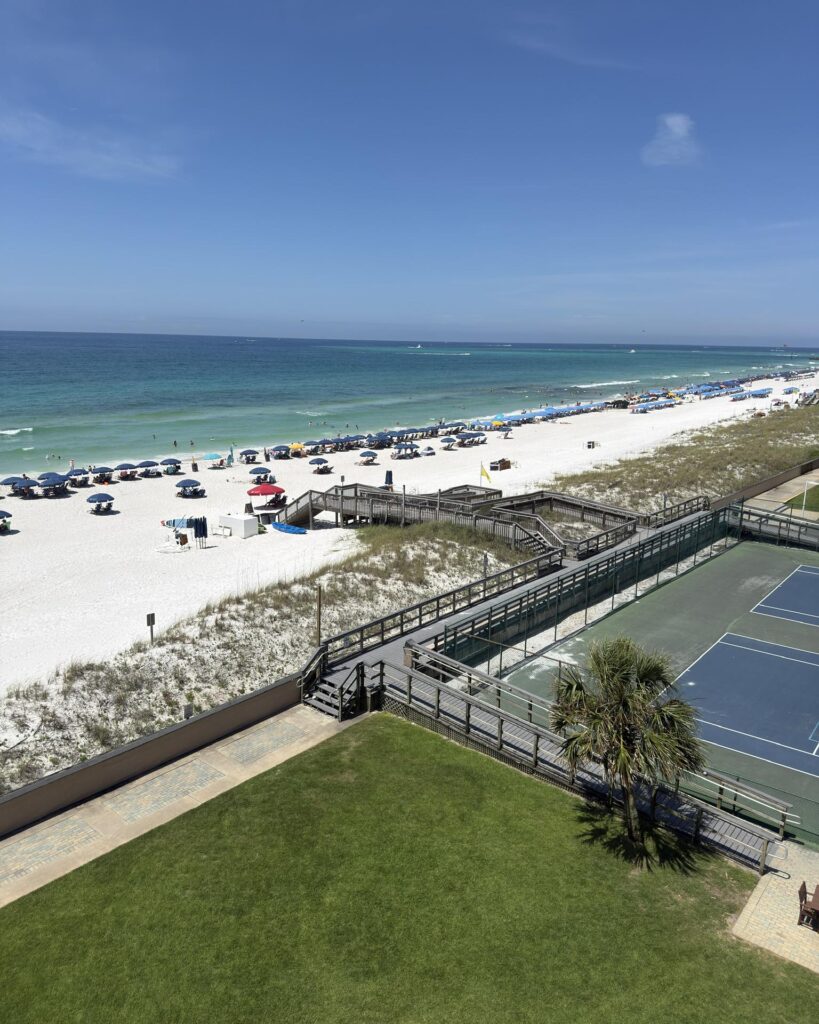
Day 6 brings the longest drive of your Florida road trip, taking you from Tampa to Destin across the Panhandle. This stretch covers about 400 miles and takes around 7 hours and 15 minutes, so an early start will make the day feel much easier.
You can stay on the interstate if you want the fastest route, but the coastal road gives this day much more character. Since this is your last big ocean drive, it is worth following the coast past East Point, Mexico Beach, and Panama City.
The route feels long, but the scenery helps break it up. By the time you reach Destin, you will trade highway miles for white sand, clear Gulf water, seafood spots, and a relaxed beach-town evening.
Road Trip Route From Tampa to Destin
Leave Tampa on FL-589, passing Citrus Park and Odessa before reaching Crystal River. From there, turn onto US-98, which runs close to the Gulf Coast past Big Bend and Apalachee Bay before ocean views appear near Alligator Point. Continue along the Panhandle coast, passing Panama City, the East and North Bays, and Point Washington State Forest before arriving in Destin.
Things to Explore on the Way to Destin
Crystal River is one of the best stops on this long drive, especially if you want to see manatees in the warm spring waters during winter. You can also visit Crystal River Archaeological State Park, see the Yulee Sugar Mill ruins, or stretch your legs on the Withlacoochee State Trail. Farther along the coast, Apalachicola adds a quieter Florida feel with waterfront streets, old timber buildings, seafood, and fishing trips.
Where to Stay in Destin
Destin is a great overnight stop if you want white sand, clear Gulf water, and a lively beach-town evening. Spend time at Destin Harbor, visit Henderson Beach State Park, or take a boat out near Crab Island for some of the clearest water on the route. A hotel with beach access, a rooftop pool, bikes, spa options, or golf nearby can make this stop feel like a reward after the longest drive of the trip.
Day 7: Destin to Jacksonville
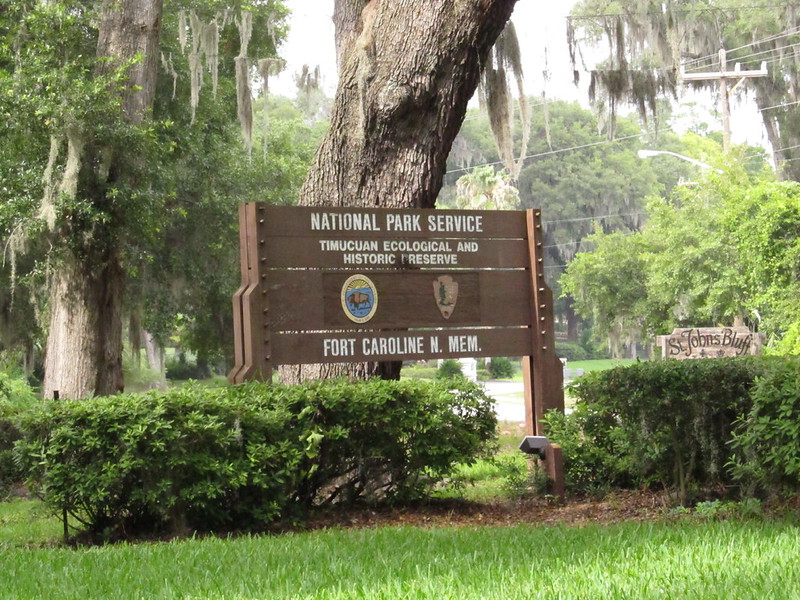
Day 7 closes your Florida road trip with a long drive from the western Panhandle back to Jacksonville on the Atlantic side. This route covers about 400 miles and takes around 6 hours, making it one of the biggest travel days of the itinerary.
Before turning east, the route can swing farther west toward Pensacola, giving you one last taste of Florida’s Gulf Coast. After that, the drive connects with the interstate for the main cross-state stretch back toward Jacksonville.
There is still room for a final bit of exploring along the way. Tallahassee brings Florida’s capital-city history, while Lake City offers a calmer stop before the road carries you back to Jacksonville and completes the full Florida loop.
Road Trip Route From Destin to Jacksonville
Leave Destin on US-98 and follow the Gulf Coast toward Pensacola, with scenic views over Santa Rosa Sound along the way. After crossing Pensacola Bay and passing through the city, connect with I-10 for the long eastbound drive back to Jacksonville. Instead of rushing through the final stretch, stop in Tallahassee and Lake City to see a quieter inland side of Florida after several days near the coast.
Things to Explore on the Way to Jacksonville
Tallahassee is the biggest stop on this route and gives the final day a dose of history and culture. You can visit an antebellum mansion, spend time at the Museum of Florida History, or stop at the Tallahassee Automobile Museum to see vintage cars that fit the road trip theme perfectly. Lake City also makes a peaceful final break, with golf, springs, and year-round 72-degree water for a refreshing stop.
Where to Stay in Jacksonville
Back in Jacksonville, finish the trip with one last beach visit along Atlantic Beach, Neptune Beach, or Jacksonville Beach. If you need an overnight stay, choose a riverfront hotel with spacious rooms, a rooftop pool, dining on-site, and easy access around the city. After 1,800 miles across Florida, this is the right place to slow down and relive the best parts of the journey.
Things to See on the Ultimate Road Trip in Florida
A Florida road trip is full of golden beaches, blue water, and sunny coastal drives, but the state has far more waiting along the route. From theme parks and coral reefs to historic streets, wildlife areas, lighthouses, and canal cities, these stops add variety to the journey.
- Disney World: Enjoy rides, live shows, parades, and themed lands across Disney World’s four famous Florida theme parks.
- Universal Orlando Resort: Step into movie-inspired attractions at Universal Studios Florida, Islands of Adventure, and Volcano Bay Water Theme Park.
- The National Navy SEAL Museum: Learn about the training, history, missions, and legacy of the U.S. Navy SEALs at this coastal museum.
- Boca Raton: Spend time golfing, walking near the water, or visiting a sea turtle sanctuary focused on Florida coast conservation.
- Fort Lauderdale: See the canals of this beachfront city, then walk along the oceanfront Strip for beach views, dining, and nightlife.
- John Pennekamp Coral Reef State Park: Visit Key Largo’s famous coral reef park for scuba diving, snorkeling, or a glass-bottom boat trip over the water.
- Cape Coral: Wander through “Florida’s Venice,” a Gulf Coast city known for its many canals, boating routes, and waterfront views.
- Ding Darling National Wildlife Refuge: Follow the trails or the 4-mile Wildlife Drive to see wetlands, birds, marsh scenery, and possible crocodile sightings.
- Ybor City: Visit this historic Tampa district for old streets, nightlife, cigar history, and ghost-tour stories after dark.
- Big Bend Seagrasses Aquatic Preserve: Take a kayak trip or wildlife boat tour through one of Florida’s quieter and less-developed coastal areas.
- Pensacola Lighthouse: Climb this 150-year-old lighthouse for wide Gulf of Mexico views and a classic Panhandle stop.
- Pensacola History Museum: Learn about Florida’s long settlement history, then follow a self-guided walk past historic buildings around Pensacola.
Best Time to Go on the Ultimate Road Trip in Florida
Florida can work for a road trip in almost any season, but each part of the year changes the experience. Winter brings warm sunshine and busy prices, summer brings heat and beach energy, while spring and fall often give the best balance of weather, crowds, and cost.
Traveling in Winter
Winter is one of Florida’s busiest seasons because the weather stays mild while much of the country is cold. Temperatures often sit in the mid-70s Fahrenheit, making it a great time for beaches, theme parks, outdoor dining, and coastal drives.
January also brings Tampa’s Gasparilla Pirate Fest, while the Orlando theme parks run festive events around the holiday season. The only downside is demand. Hotels, flights, and popular attractions can cost more, so booking early is a smart move.
Traveling in Summer
Summer gives Florida its classic sunshine-vacation feel, with temperatures often reaching the low 90s Fahrenheit. It is a strong season for beach days, surfing, boat trips, and water parks, especially if you want the trip to feel bright, bold, and tropical.
The trade-off is humidity. Afternoon storms are common, and hurricane season runs from June through October. If you travel during this period, build extra flexibility into your route and choose hotels with good air-conditioning and easy parking.
Traveling in Spring or Fall
Spring and fall are often the best times for a Florida road trip. Temperatures usually sit around 80 degrees Fahrenheit, the weather feels warm without being too heavy, and many places are calmer than the winter and summer rush.
Spring brings events like the Sugar Sand Festival in Clearwater, while fall can be great for quieter beaches and easier hotel rates. Just watch out for spring break crowds if you want a smoother, more relaxed drive.
Related Post: