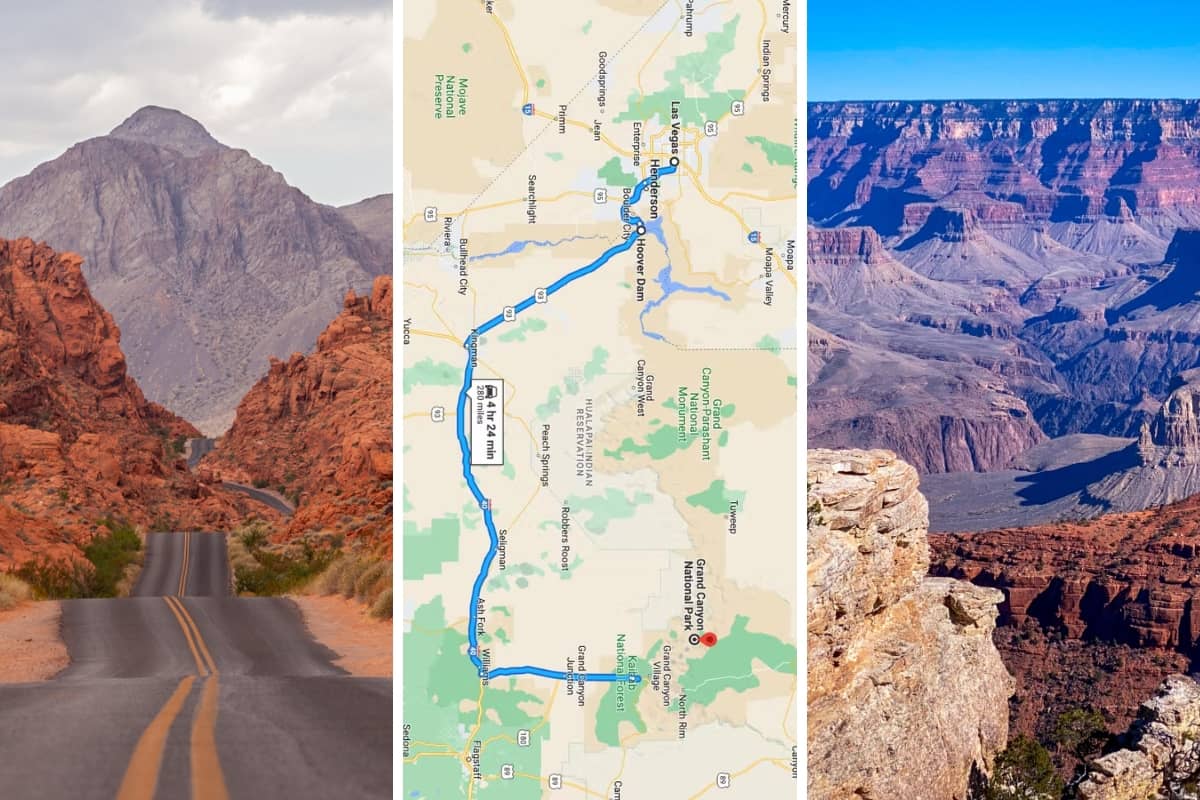
A road trip from Las Vegas to Grand Canyon National Park delivers a mix of wide-open desert, dramatic rock formations, and unforgettable viewpoints. The drive takes roughly four and a half hours one way, though the journey often feels shorter thanks to the changing scenery along the route.
While it’s possible to visit the canyon and return to the city in a single day, the schedule can feel rushed. Spending a night or two along the way allows you to slow down and enjoy several stops that turn the drive into a full experience rather than just a destination run.
The park itself offers multiple sections to explore. The South Rim is the most visited and provides sweeping canyon views with easy access to viewpoints and facilities. The North Rim, sitting at a higher elevation, features cooler temperatures, thicker forest cover, and longer hiking options that feel more remote.
You may also hear about the East Rim, which connects well with scenic drives and works nicely if you plan to enter through Desert View. Meanwhile, the West Rim, located on the Hualapai Indian Reservation, is home to the famous Grand Canyon Skywalk—a glass bridge extending out over the canyon for a completely different perspective. This section is closer to Las Vegas, making it a practical option for a shorter trip.
No matter which direction you choose, plan time for scenic pullouts. A quick stop at a viewpoint can turn into one of the most memorable parts of the drive, especially during sunrise or late afternoon light.
On a recent trip, we traveled toward the eastern side of the park, stopping overnight in Cameron before heading into the canyon the next day. Much of the first day was spent around Page, where highlights included the winding curve of Horseshoe Bend and the narrow passageways of Antelope Canyon.
Preparing for Your Road Trip
When setting off on a journey from Las Vegas to the Grand Canyon, it’s important to keep a few key details in mind to ensure a smooth and memorable adventure. Here are some tips to help guide your travel experience.
Ideal Time for Your Visit
Starting in the north, each part of the Grand Canyon opens seasonally so observe your watch as you plan that road trip. If you can avoid the middle of summer and late autumn, Spring (typically between March to May) or Fall (usually from September through November). These are the seasons which welcome tourists for sightseeing due to mild climate.
If you are considering going to the North Rim, keep in mind that region is open only mid-May through October. If you use google maps or GPS, remember to account for this small window.
The West Rim is still open 365 days of the year and this can be very convenient for people who have tight schedules.
Exploring Route Options from Las Vegas to the Grand Canyon
There are several ways to journey from Las Vegas to the Grand Canyon, each offering it’s own unique sights and experiences.
Option 1: South Rim
Taking I-40 East and then connecting to AZ-64 North is the most direct way to reach the South Rim of the Grand Canyon South Rim. Without stops, the drive runs around 4.5 hours, making it a practical choice for travelers who want a straightforward journey without too many detours. The road conditions are generally smooth, and signage along the way keeps things simple, even for first-time visitors.
If you’re open to a slightly longer ride, detouring onto Historic Route 66 adds a different flavor to the trip. This stretch introduces old roadside stops, vintage diners, and a sense of nostalgia that contrasts with the modern highway. It typically adds about 30 minutes, but the change in atmosphere can make the drive feel less routine and more engaging.
As you move away from Las Vegas, the desert landscape gradually takes over, setting the tone for what lies ahead. A worthwhile pause comes at the Hoover Dam, an impressive structure built across the Colorado River. Walking along the viewpoints offers a closer look at its massive scale and the role it plays in supplying power across the region.
Nearby, Lake Mead stretches across the horizon as the largest reservoir in the United States. A quick stop at one of the overlooks gives you a wide-angle view of the water against the surrounding desert terrain. Just a short distance away, the Mike O’Callaghan–Pat Tillman Memorial Bridge provides another impressive vantage point, where you can take in both the dam and the river from above before continuing your drive toward the canyon.
Option 2: East Rim
Choosing the northern approach to the canyon offers a longer yet more varied drive, leading you to the East Rim of the Grand Canyon in roughly six hours. By following I-15 North, connecting to US-89A South, and then AZ-64 East, this route trades speed for a broader range of landscapes and stopovers. It’s a good fit for those who prefer turning the journey itself into part of the experience rather than just focusing on the destination.
One of the first worthwhile stops along this path is Valley of Fire State Park. The terrain here is shaped by deep red sandstone formations, with ancient petroglyphs etched into rock surfaces that date back thousands of years. Short trails and roadside viewpoints make it easy to pause, stretch, and take in the dramatic scenery without committing to long hikes.
Continuing onward, a stop at Zion National Park can easily turn into a full-day or even multi-day visit. Towering cliffs, narrow canyons, and river-carved valleys create a striking contrast to the open desert seen earlier in the drive. Whether you choose a short walk or a longer hike, this section of the trip adds depth and variety before heading further east.
As you approach northern Arizona, the town of Page becomes another key stop. This area is known for its slot canyons, where narrow sandstone corridors twist and filter sunlight into shifting patterns along the walls. Exploring these formations offers a completely different perspective compared to the wide canyon views you’ll encounter at the Grand Canyon, making the final stretch of the drive feel even more rewarding.
Option 3: West Rim
For a shorter and more direct outing, heading to the West Rim of the Grand Canyon West Rim takes about two hours. The route follows US-93 South before turning onto Pierce Ferry Road, offering a simple drive that works well for a day trip. It’s a practical choice if you’re limited on time but still want to experience the canyon up close.
Even though the drive is quicker, you don’t have to skip the highlights along the way. Stops like the Hoover Dam remain within reach, giving you a chance to pause and take in one of the most recognizable engineering landmarks in the region. Nearby viewpoints also open up wide desert views that contrast nicely with the canyon scenery ahead.
As you continue, the road becomes quieter, with long stretches of open land leading toward the canyon’s edge. Unlike the busier South Rim, the West Rim offers a different perspective, including attractions like the Skywalk and viewpoints that place you directly above the canyon floor. This route keeps things simple while still delivering a memorable visit.
Option 4: North Rim
Reaching the North Rim of the Grand Canyon North Rim follows a path similar to the East Rim route, though the total drive time is shorter at around 4.5 hours. By taking I-15 North and connecting through US-89A, this route leads you into a quieter, less crowded side of the canyon. It’s a solid pick for travelers who want a calmer setting and a slightly different view of the landscape.
Along the way, you can still include stops that break up the drive and add variety. Valley of Fire State Park offers striking red rock formations and ancient carvings, making it an easy place to pause before continuing north. The terrain shifts as you move forward, giving the drive a changing backdrop rather than a single, continuous scene.
Further along, Zion National Park remains a strong addition to this route. Whether you stop for a few hours or stay overnight, the towering cliffs and narrow canyons provide a different kind of scenery before reaching the Grand Canyon. By the time you arrive at the North Rim, the surroundings feel more remote, with fewer crowds and a slower pace that allows you to take in the canyon from a fresh angle.
Starting Point: Las Vegas, Nevada
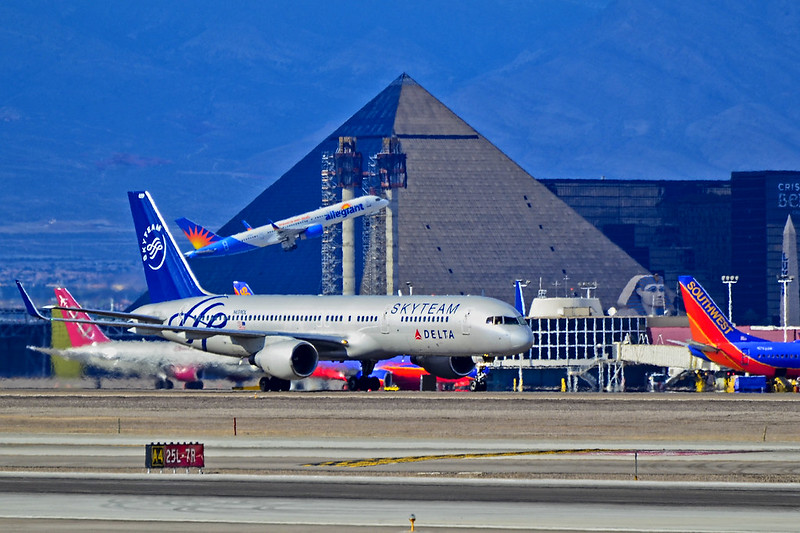
Your journey begins in Las Vegas, a well-known travel hub in the American Southwest. The city draws visitors year-round with its nightlife, large-scale shows, and endless entertainment choices. It’s also one of the most convenient gateways for road trips to the Grand Canyon, thanks to its location and strong transport links.
If you’re arriving by air, you’ll most likely land at Harry Reid International Airport (formerly called McCarran International Airport). From here, getting onto the highway is quick, which makes it easy to start your drive without wasting time in transit.
To make the most of the routes outlined above, renting a car is the most practical option. Having your own vehicle gives you the freedom to stop along the way, adjust your pace, and explore side attractions as they come up. If driving isn’t your preference, guided tours are also available, though they may follow fixed schedules and skip certain stops depending on the itinerary.
Key Stops and Landmarks: Southern Route
1. Boulder City, NV (26 miles from Las Vegas)
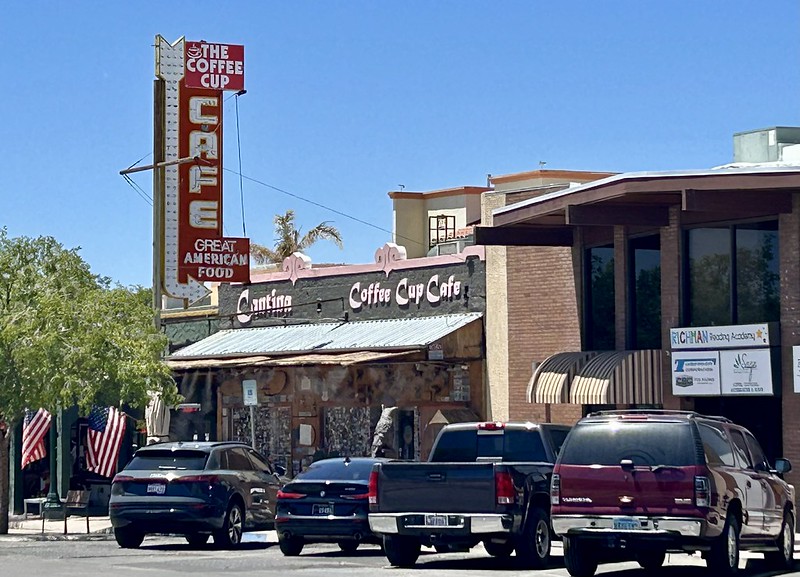
Boulder City is a cute little town and just a short drive away from the Las Vegas strip, so this makes an ideal day trip to break up some of that glitz within history washer charm.
Highlights: Boulder City with its quaint downtown area near the Hoover Dam, is a North American Goldilocks not too big and bustly to be impersonal or intimidating and Return(false);
Things to Do: Boulder City/Hoover Dam Museum (702 Hoover Dam Dr. ) — explore local art galleries and the historic district
Recommend Time: A brisk 1–2 hours bathing in the ambiance of this beautiful little town before you head out.
2. Hoover Dam (36 miles from Las Vegas)
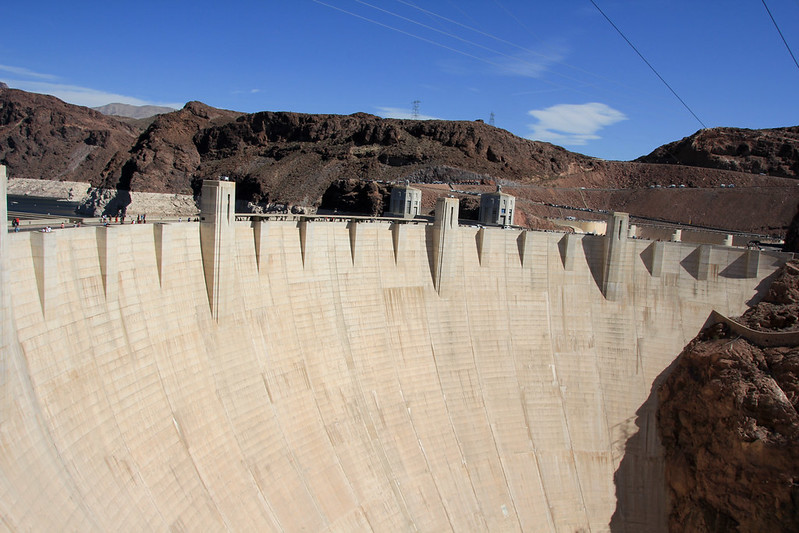
You can also stop here to see Hoover Dam, an iconic structure and well worth the hour drive from Vegas.
Highlights: Tall art deco style concrete dam that stops the Colorado River, offers scenic landscape views.
Things to Do: Guided tours explaining the construction of the dam, walking across to see panoramic views and exhibits at Hoover Dam Visitor Center.
Recommended Time: You should budget anywhere from 1 to over the course of your visits here, taking a moment to absorb it all.
3. Lake Mead National Recreation Area (32 miles from Las Vegas)
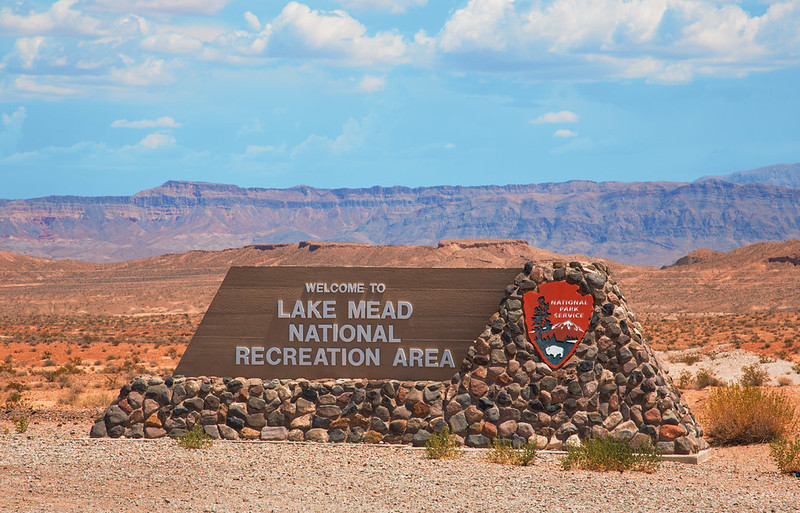
Lake MeadPhoto courtesy of Lake Mead National Recreation Area A vast and stunning body of water, the country’s largest reservoir—Lake Mead is an outdoor person’s playground set among desert landscapes.
Haighlights: A lake unblemished a desert, with every type of land adventure you could want at the ready.
Things to Do: Spend the day on the lake by boating, fishing, or swimming; picnic and drive scenic shoreline
Recommend Time: Plan to spend 2-3 hours at the lake and enjoy its beauty, recreational opportunities.
4. Boulder Beach (32 miles from Las Vegas)
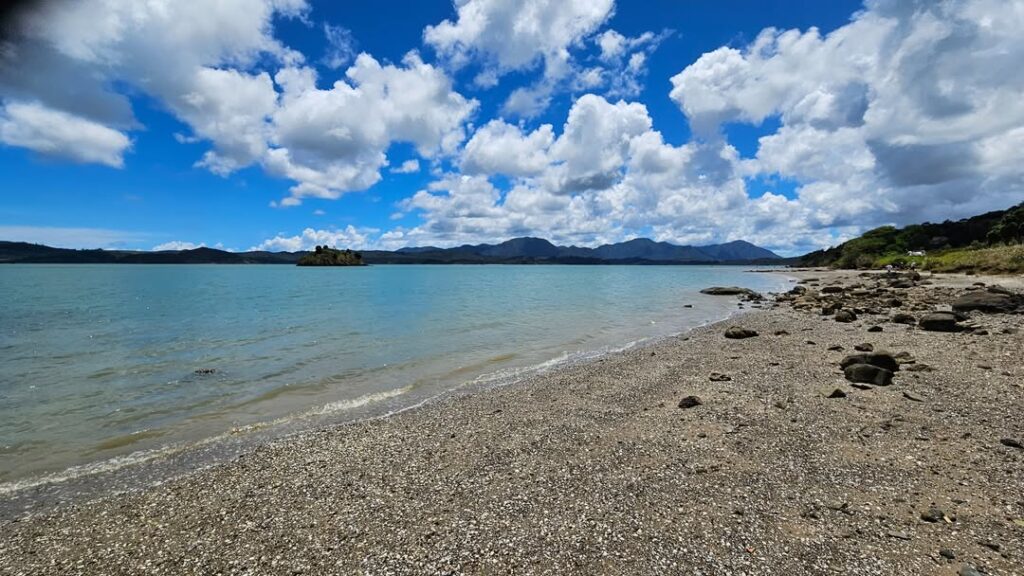
Boulder Beach is one of the most accessible and relaxing spots along Lake Mead, offering a peaceful break before continuing deeper into your road trip. It’s a great place to slow down and enjoy the desert-meets-water scenery.
Highlights: Calm shoreline views, open swimming areas, and wide desert landscapes meeting the lake.
Things to Do: Take a short walk along the beach, enjoy a picnic by the water, relax, or snap photos of the scenic surroundings.
Recommended Time: Plan for 30 minutes to 1 hour to stretch your legs and enjoy a quick lakeside stop.
5. Nelson Ghost Town (45 miles from Las Vegas)
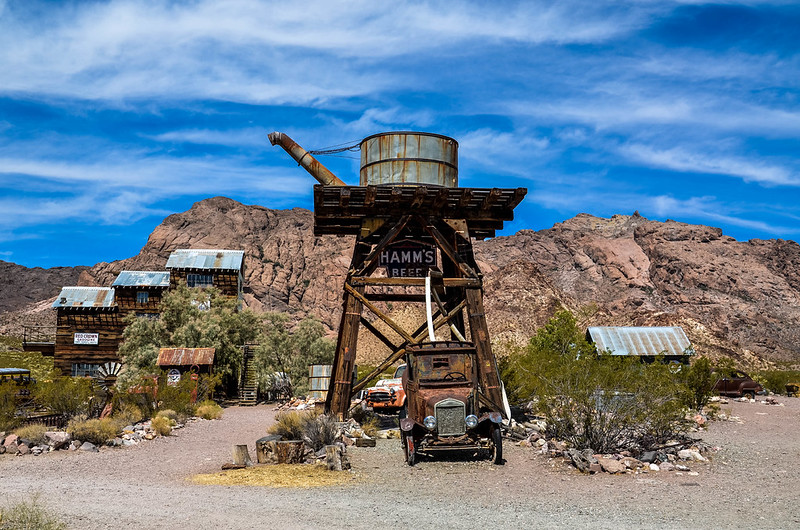
Take a step back in time at this abandoned mining site that is chock full of intriguing historical artifacts.
Attractions: Dead mining town with a lot of old, western-style buildings and relics from the past.
Things to Do: Take a tour of the old mining sites, picture shots with retro cars and aged artifacts remaining all across town or opt for hiking in Eldorado Canyon which is just close by.
Recommended Time: Allow 1-2 hours to meander through this intriguing display of Nevada antiquity.
6. Kingman, AZ (107 miles from Las Vegas)
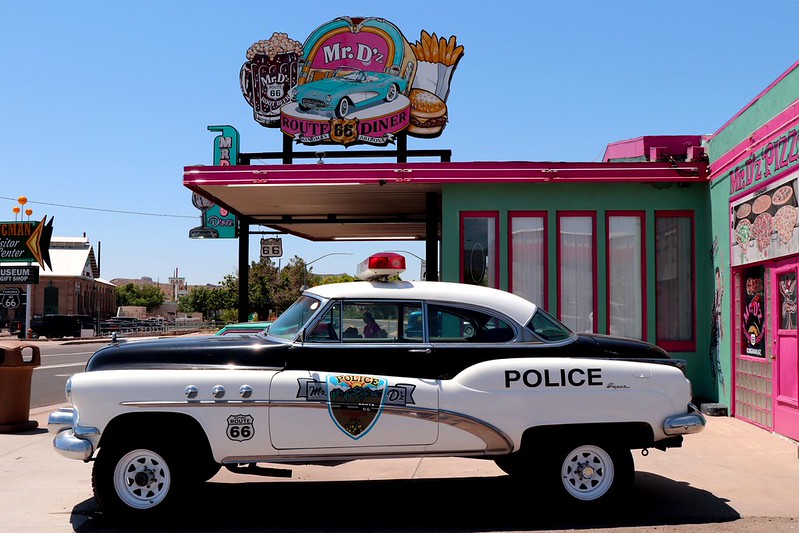
A stop rich with history, Kingman is a classic Route 66 town that offers a blend of cultural heritage and scenic surroundings.
Highlights: A quintessential Route 66 destination known for its storied past and charming views.
Things to Do: Spend time at the Route 66 Museum to immerse yourself in the road’s history, wander through the historic downtown area, or visit the Kingman Railroad Museum for a glimpse into the town’s rail heritage.
Recommended Time: Plan to explore for 1-2 hours, soaking up the nostalgia and unique attractions Kingman has to offer.
7. Hackberry, AZ (135 miles from Las Vegas)
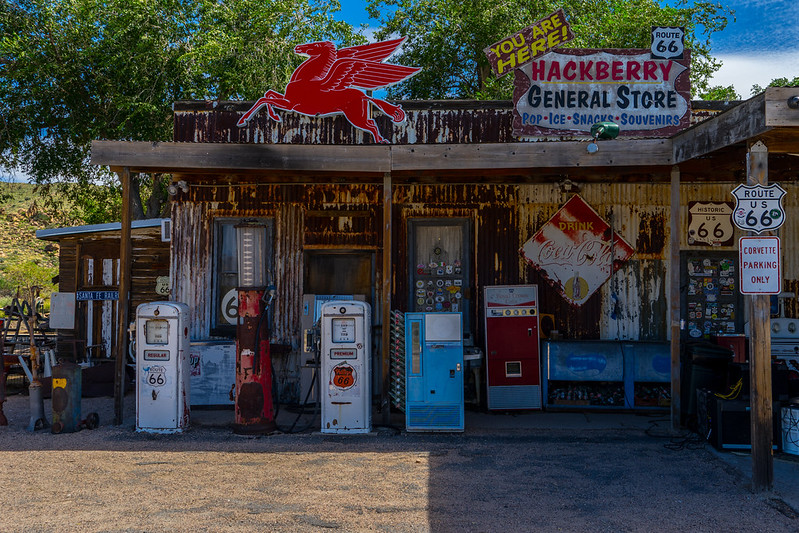
Hackberry is not a gem stop on Route 66, filled with nostalgia and old-school ambiance.
Highlights: This timeless Route 66 location houses a nostalgic general store that whisks visitors away to the bygone era of road trips.
Things to Do: Visit the Hackberry General Store, photograph retro gas pumps and kooky signs, sip soda with fellow American Road enthusiasts.
Recommended Time: 30 minutes up to an hour soaking in the retro glory and charm of this classic roadside attraction.
8. Peach Springs, AZ (157 miles from Las Vegas)
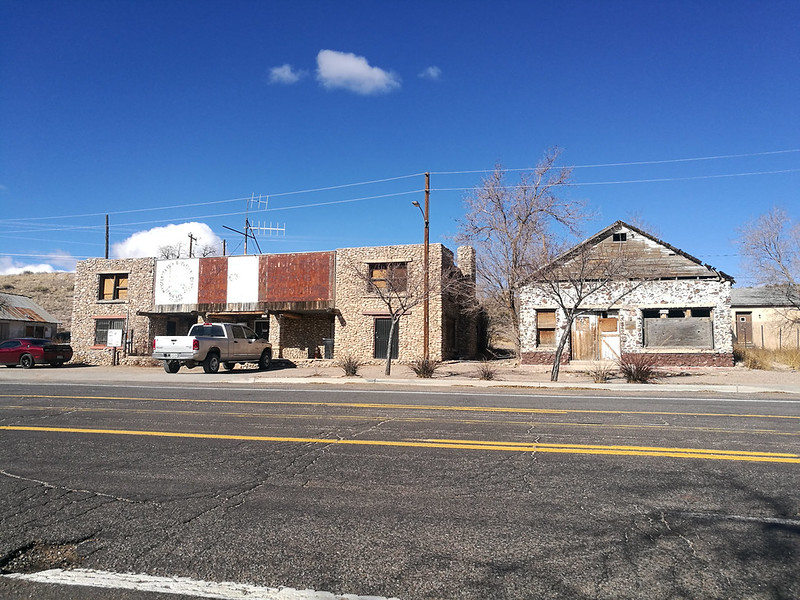
It also functions as a jumping off point for the Grand Canyon Caverns and is located on both Route 66, as well as upon Hualapai reservation land.
Highlights: Home to the Grand Canyon Caverns and boasting a deep Route 66 history.
Things to Do: If the caverns are open, take a roughly 3-hour guided tour; explore Route 66 history around town; visit Hualapai Lodge for some cultural infusion.
Recommended Time: Half hour to 1 hr, or more if you plan on hiking back into the caves.
9. Seligman, AZ (180 miles from Las Vegas)
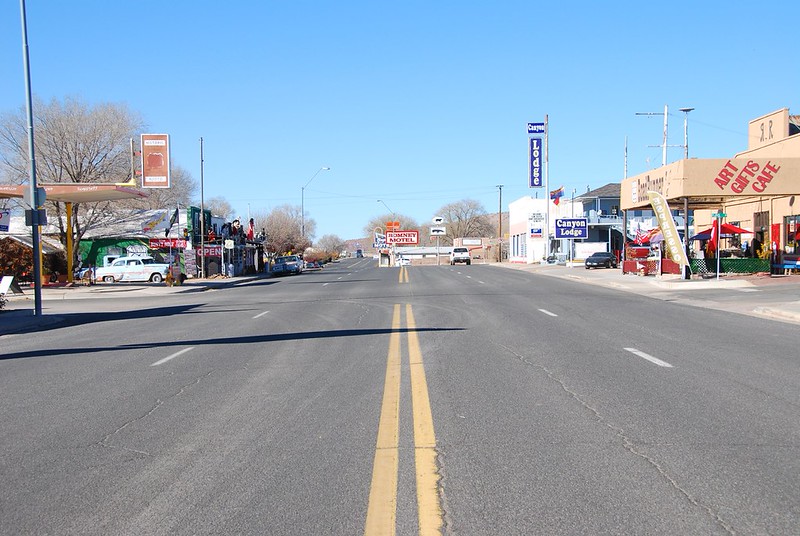
Quirky Seligman, the birthplace of Historic Route 66 and home to roadies around the world.
Highlights: Known for its vibrant, old-timey feel that keep the spirit of Route 66 alive.
Things to Do: Munch on a wacky snack at the well-loved Delgadillo’s Snow Cap Drive-In, and shop for quirky Rap 66 bric a brac as you see throughout city; tons of tchotchkes just call out to your phone camera.
Recommended Time: Take your time spending 30 minutes to one hour soaking in the nostalgic atmosphere and finding out about unique points of interest this little city has.
10. Williams, AZ (220 miles from Las Vegas)
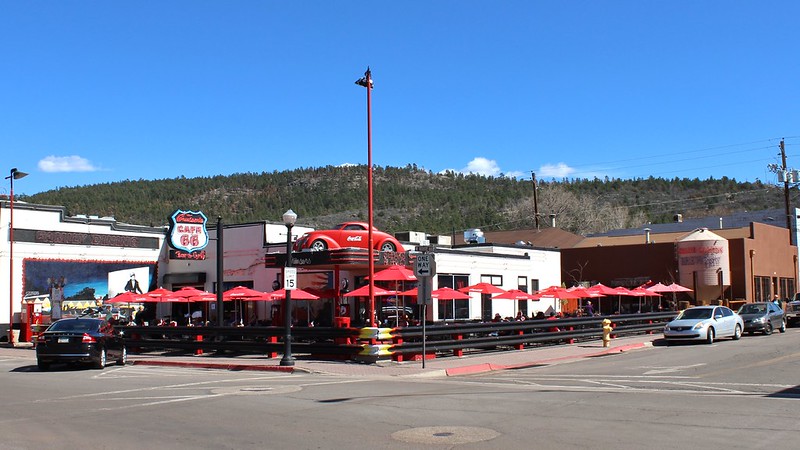
Williams is the final town in Route 66 to be bypassed by Interstate forty and serves because of the gateway towards Grand Canyon.
Highlights: A charming historic town dedicated to maintaining its Route 66 legacy paired with easy access to the Grand Canyon.
Things to Do : jump on the Grand Canyon Railway for a journey through scenic landscapes all the way to The Grand Canyon or take a wander around downtown history, tour Bearizona Wildlife Park and experience wildlife encounters close up.
Recommended Time: 2-3 hrs (or stay the night and make a complete day out of it.
11. Grand Canyon South Rim (280 miles from Las Vegas)
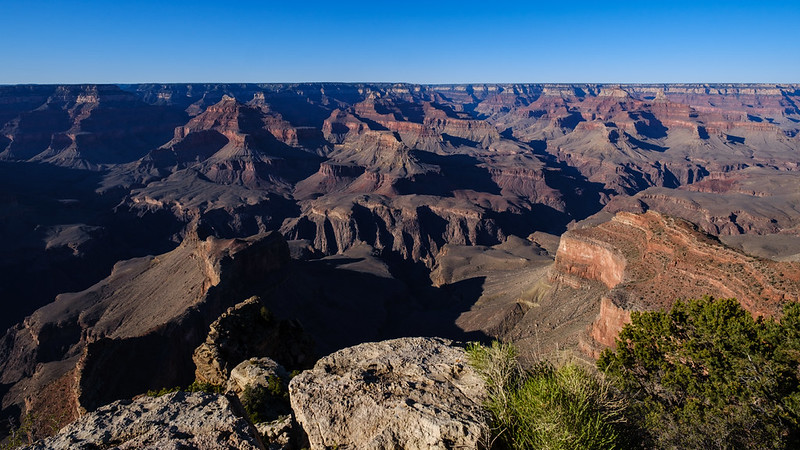
The South Rim (which is the most popular and therefore, often busier) offers more awe inspiring vistas with activities abound.
Highlights: The South Rim is renowned for its extensive and accessible panoramic vistas that afford views of the most expansive section of canyon.
Activities: Stop in at well-known overlooks, such as Mather Point and Yavapai Point to see views that’ll put you a mile high (literally), hit the trails with a hike on the iconic Bright Angel Trail or learn about more of what makes up this vast hole known locally as The Abyss.
Recommended Time: Considering the amount of natural beauty and depth this place offers, ideal is 1 -2 daysavo
We created a route from Las Vegas to the Grand Canyon South Rim that take in history, huge landscapes and outdoor adventures all ingredients of an award winning road trip.
Key Stops and Landmarks: Northern Route
For those heading from Las Vegas toward the Grand Canyon East Rim, the northern route offers fascinating stops along the way.
12. Valley of Fire State Park (46 miles from Las Vegas)
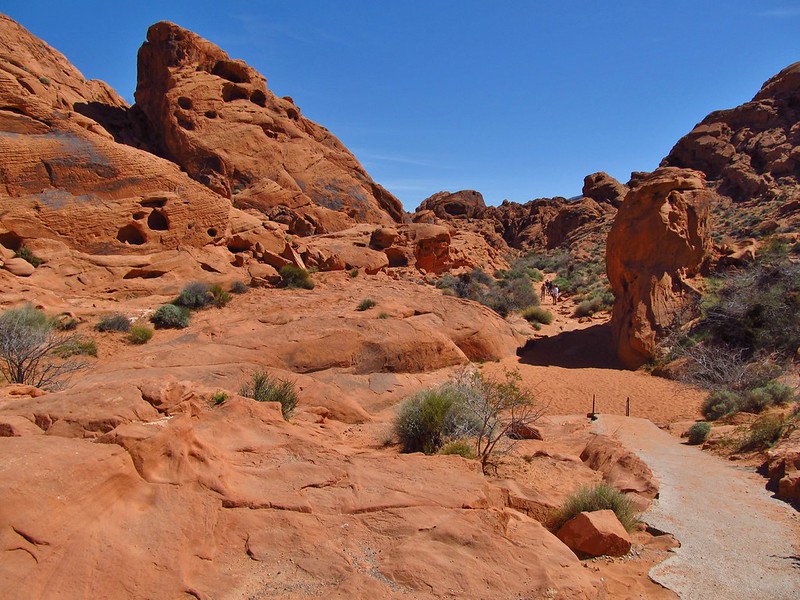
It’s main features include its dramatic red sandstone formations and prehistoric petroglyphs, some dating back over 5,000 years.
Highlights:Red Rock formations Vast panoramas of red rock More than 2,000 petroglyphsPlace to look for Spirit Animals:Sculptures Garden TrailHighlights ~ This place is so amazing it plays with your mind and spiritwaters!
Things to Do : Fire Wave, Elephant Rock, Atlatl Rock Use the hiking trails to closer with this beautiful rock structures.
Recommended Time: 2-3 hours to trek the pathways and savor otherworldly views Take me there!
13. Mesquite, NV (82 miles from Las Vegas)
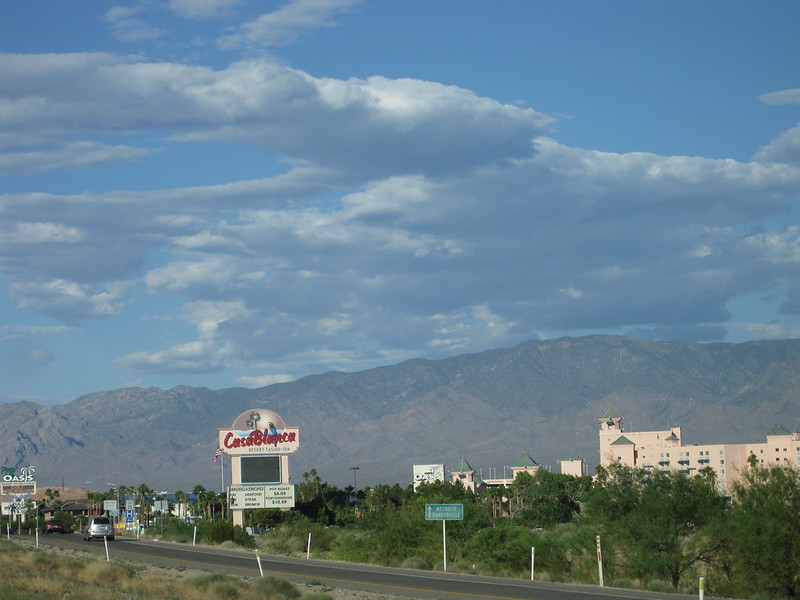
Kathleen Rellihan Mesquite is a quaint desert city that provides both relaxation and recreation as well.
Highlights: Home to golf courses, casinos and scenic desert landscapes — perfect for recharging.
Things to Do : Visit the Virgin Valley Heritage Museum for historical insights about local history, spend your days playing golf on one of our 5 beautiful and unique courses, or test out some lady luck at any one of the casinos.
Recommended Time: 1-2 hours casually seeing the attractions in BJ or take your time before resuming s road trip.
14. St. George, UT (120 miles from Las Vegas)
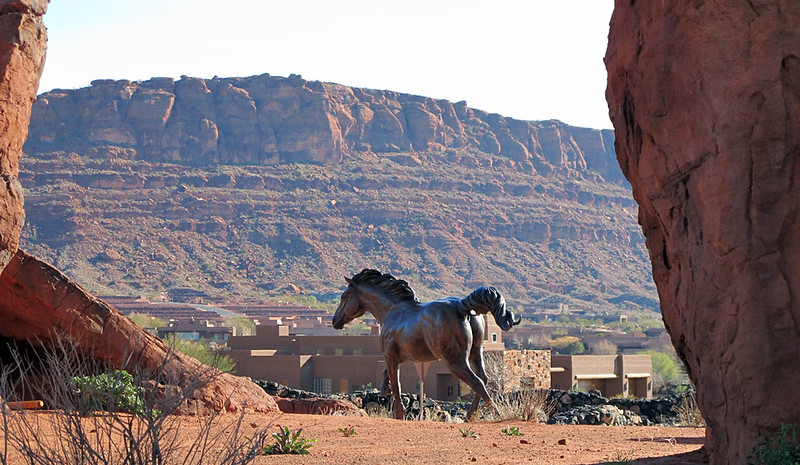
A bustling entryway to everything in the great outdoors and Southern Utah history, St.George is a perfect place to pull over between stops on your journey west.
Highlights: Adjacent to Zion National Park; red rock views, historical downtown.
Things to do: Snow Canyon State Park, St. George Diner Discover Site or stroll through historic downtown for local shopping and dining
Recommended Time: 1-2 hours (longer, if you are interested in Town’s history and natural sights)
15. Zion National Park (152 miles from Las Vegas)
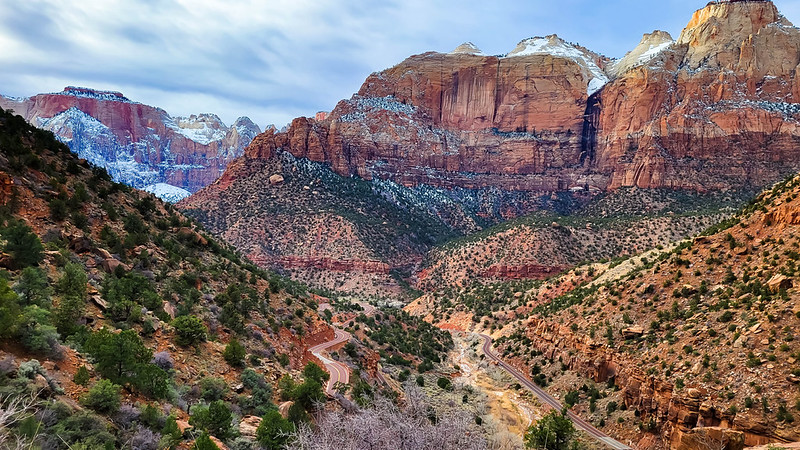
Zion National Park is an incredible place and a sanctuary of stunning cliffs, forests with winding canyons, and important wilderness where wildlife roams free.
Highlights: It’s pair of 140µmetre (460-foot) sandstone cliffs create a backdrop for an excellent blend of active pursuits and quiet relaxation.
Things to do: tackle the exhilarating Angels Landing hike, wade The Narrows — which made Zion famous in the first place — or take a leisurely stroll to The Emerald Pools.
Recommended Time: Your visit may take you a day to hike, or even an overnight stay gives fuller appreciation for the park’s incredible scenery.
16. Coral Pink Sand Dunes State Park (180 miles from Las Vegas)
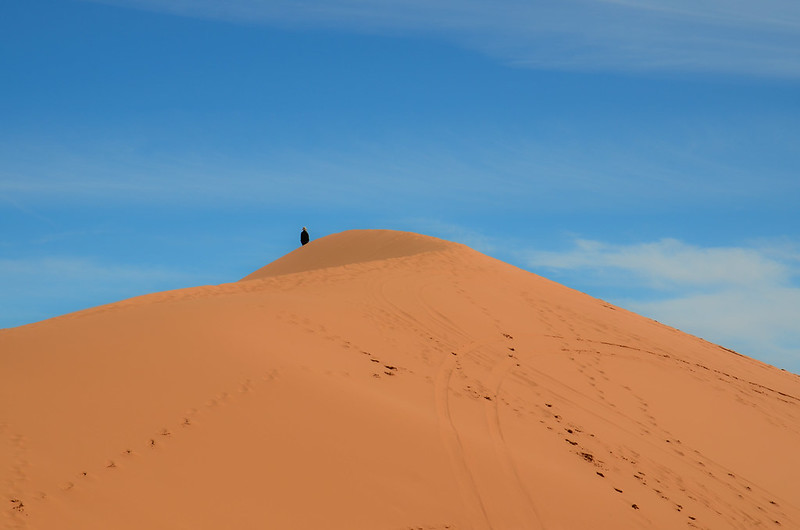
Coral Pink Sand Dunes State Park is a seemingly out-of-place, otherworldly destination where soft coral-red sands create vistas that are quite difficult to fathom beforehand.
Highlights: Sleek dunes bottomed out, coral-colored against desert scenery
Things to do: You can either attempt to slide on the precipices, adventure with desert dune flights or even walk through its swells by passing over various valleys.
Recommended Time: Undertake one or two hours of adventure, it depends on what you do and how much fun is their waiting for you.
17. Vermilion Cliffs National Monument (186 miles from Las Vegas)
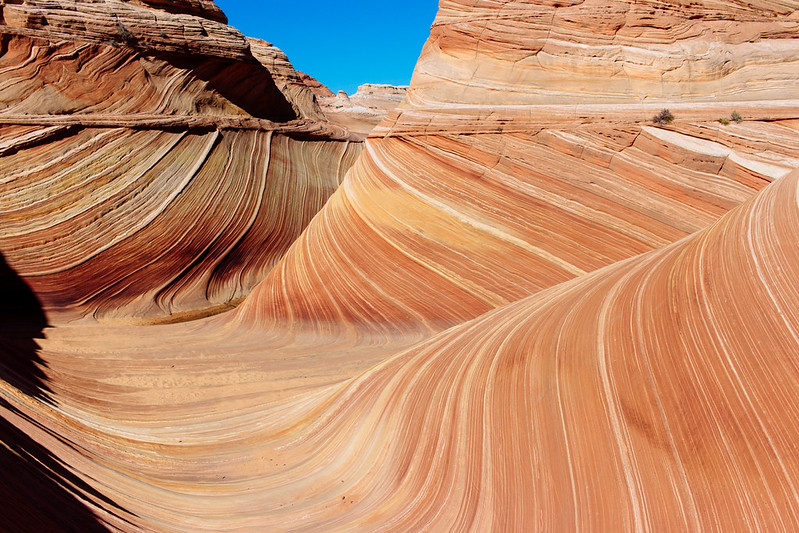
Vermilion Cliffs National Monument offers striking geological formations in the form of tall, escarpment cliffs and vast desert landscapes.
Highlights: Arizona Key Feature: With its dramatic rock formations and rugged beauty in total isolation, this is one of the best surprises for any outdoor adventure seeker.
Things to Do: Test yourself on the arduous hike to The Wave (permit required), navigate Paria Canyon and its picturesque narrows, or wander among otherworldly rockscapes at White Pocket.
Recommended Time: Spend a few hours to 2+ or goals within this huge and jaw-dropping area.
18. Kanab, UT (200 miles from Las Vegas)
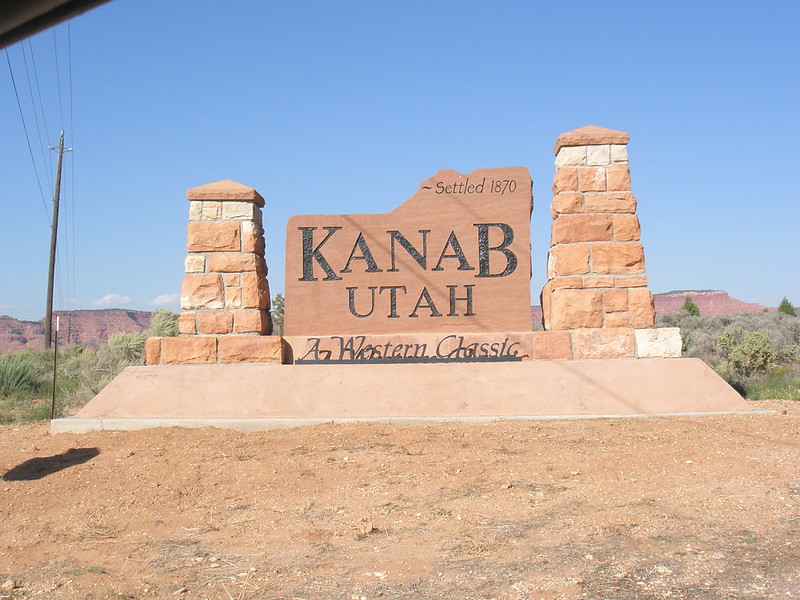
Known as “Little Hollywood” due to its filming past, Kanab is a great small town for visiting the incredible sights nearby.
Highlights: Culture touches and proximity to some of the area’s most incredible landforms from Kanab, a movie-history town.
Things to Do: Learn more about the town’s history with a visit to Kanab Heritage House Museum, discover why Best Friends Animal Sanctuary is important in this part of southern Utah and get out on some guided tours at nearby slot canyons for some adventure.
Recommended Time: A 1-2 hour visit, though to take in more of the attractions at a leisurely pace you could stay overnight.
19. Marble Canyon & Lees Ferry (262 miles from Las Vegas)
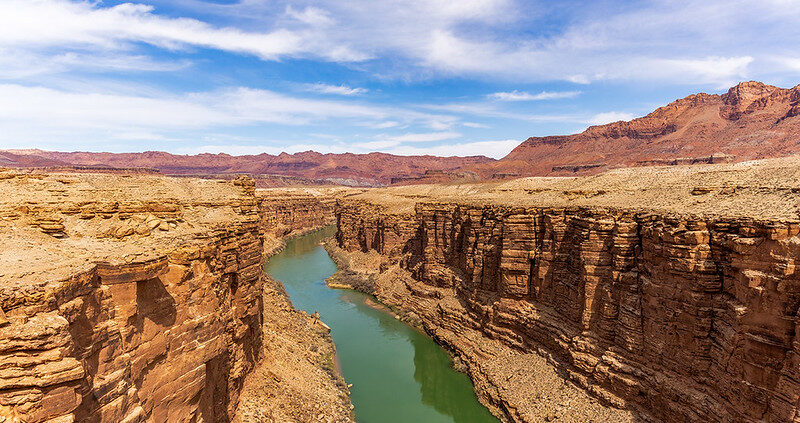
Marble Canyon and Lees Ferry offer dramatic views and a rich history, making them a must-see stop on your journey.
Highlights: This area is known for its breathtaking vistas of Marble Canyon and the historic significance of Lees Ferry, a former river crossing.
Things to Do: Take a rafting trip along the Colorado River, enjoy fishing in the clear waters, or hike the Cathedral Wash Trail to experience the area’s rugged beauty up close.
Recommended Time: Plan to spend 1-2 hours here, whether you’re soaking in the scenery or embarking on a short adventure.
20. Page, AZ (272 miles from Las Vegas)
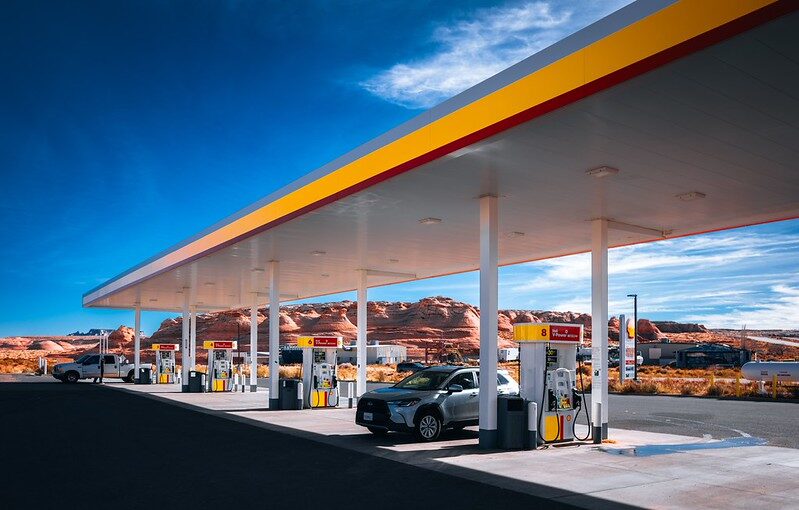
Page serves the doorway to some of Arizona’s best natural wonders and outdoor adventures.
Highlights: Page is a go-to scenic destination for nature lovers, with close proximity to Horseshoe Bend, Antelope Canyon and the sprawling Lake Powell.
Things to Do: visit Horseshoe Bend for an iconic panoramic view of the Colorado River; take a guided tour through breathtaking slot canyons at Antelope Canyon (Upper or Lower); recreational opportunities abound on Lake Powell – boat, fish and kayak to your heart’s content.
Recommended time : 2-4 hours, unless you want to make a weekend of exploring everything in Page.
21. Grand Canyon East Rim (Desert View Drive) (366 miles from Las Vegas)
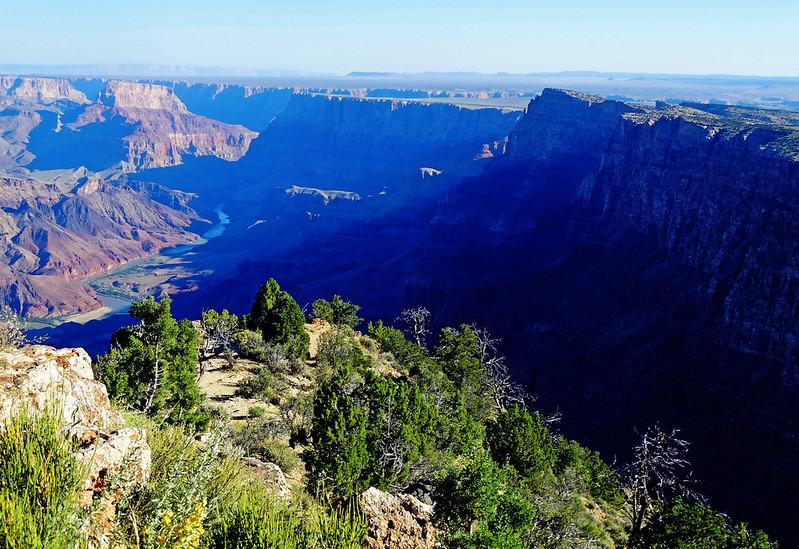
Nothing beats sweeping vistas and a great story, so the East Rim of Grand Canyon is among it’s most beautiful destinations for spoils in planning travel.
Highlights: One of the most panoramic routes in the park, highlighting breathtaking canyon views and culminating at Desert View Watchtower.
Things to Do: Drive through Desert View drive and the Navajo Point, Lipan point for canyon vista points. The Desert View Watchtower is a must-visit stop to learn about the area’s cultural heritage.
Recommended time : 2–3 hours for all the different viewpoints and historical monuments.
This route is a mix of great outdoors and cultural stops which makes your Las Vegas to the Grand Canyon East Rim road trip itinerary easily customizable according to what you are interested in doing or how much time you have on hand. Be sure to plan ahead as the hotels here are few.
Accommodation Options: Hotels, Lodging, & Camping
Choosing where to stay during your road trip is important because if you get a good place it will make the journey comfortable.
In case of plans for more than just a casual visit to any one place (in this instance the Grand Canyon after leaving Las Vegas,) here are 3 Options as stopovers on your way.
Top Lodging Options Near the South Rim Route
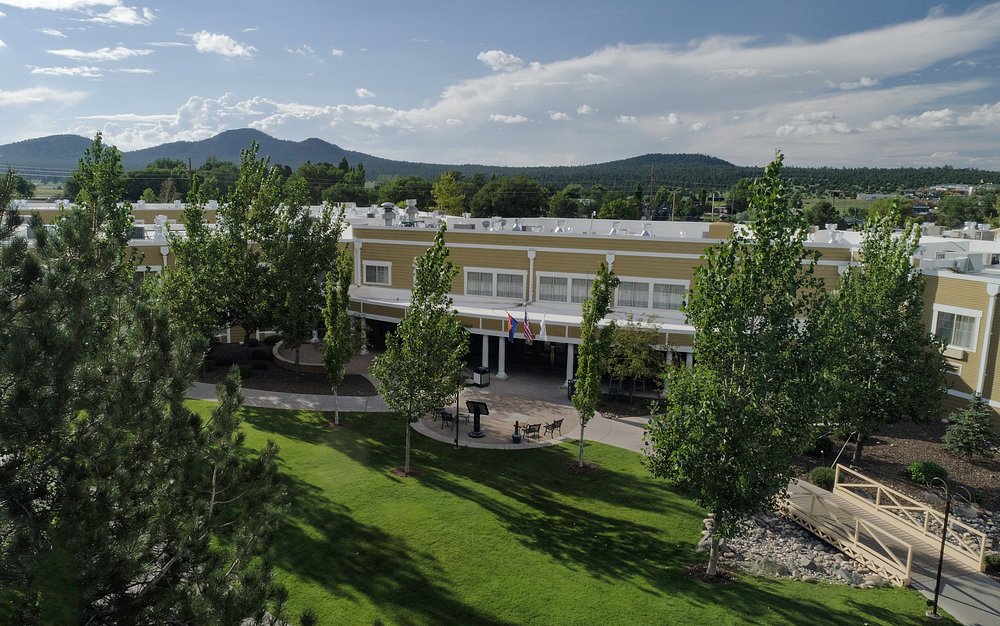
If you’re heading toward the South Rim of the Grand Canyon, both Williams and Flagstaff offer solid places to stay. In Williams, Grand Canyon Railway Hotel stands out for its historic feel and close connection to the nearby train route that leads directly to the canyon. It’s a convenient stop, especially if you want to start your journey early the next morning.
Flagstaff sits a bit farther out but gives you more variety. Properties like Little America Hotel Flagstaff and Drury Inn & Suites Flagstaff offer modern rooms, dining options, and easy highway access. The extra drive time is often worth it for the added comfort and range of nearby restaurants and services.
For travelers who prefer staying inside the park, Mather Campground is a central option with basic facilities and a location close to major viewpoints. It works well for families or anyone wanting quick access to trails and shuttle routes without leaving the park boundaries.
If you’re traveling by RV, Grand Canyon Camper Village in Tusayan offers full hookups along with useful extras like showers and laundry. It’s a practical base just outside the park entrance, keeping you close while still providing the comforts needed for a longer stay.
Lodging Options Along the North Rim to East Rim Route
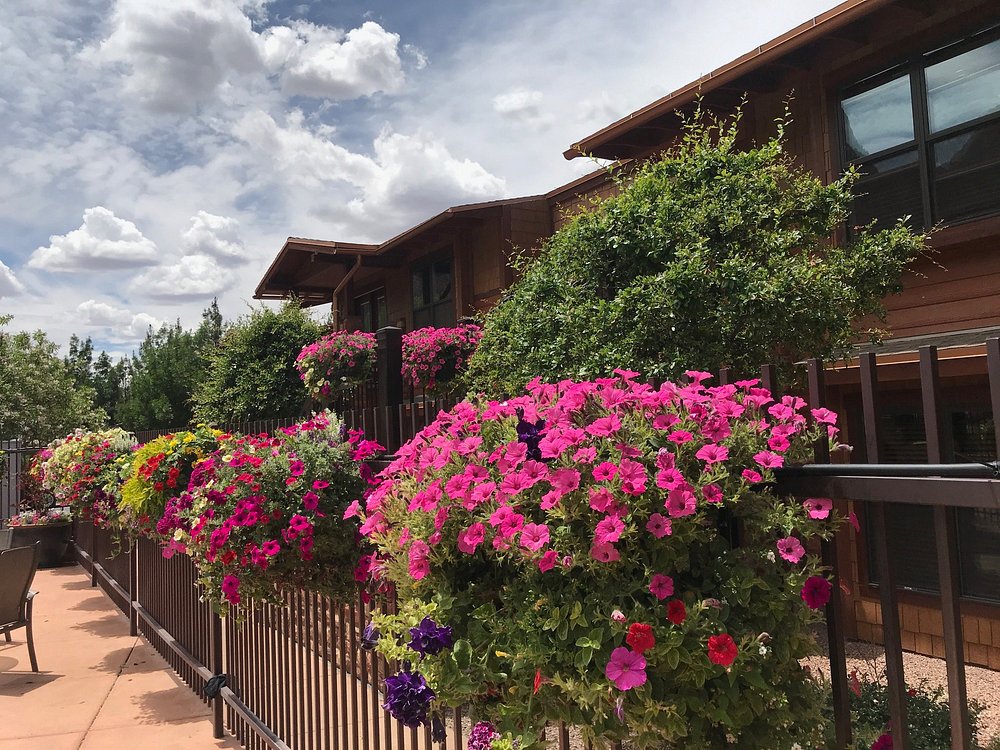
If your route passes near Zion National Park, it’s worth slowing down for a night. Zion Lodge places you right inside the park, making early starts and late walks simple. Just outside the entrance in Springdale, Cable Mountain Lodge offers a more relaxed setup with easy access to restaurants and shops.
Heading between Zion and Page, the small town of Kanab works well as a stopover. Canyons Boutique Hotel provides a comfortable stay with a modern touch, while Parry Lodge carries a bit of old Hollywood character. Both give you a convenient base for nearby trails and scenic spots.
Once you reach Page, options like Hyatt Place Page Lake Powell and Lake Powell Resort stand out for their views and easy access to Lake Powell. From here, it’s a short drive to landmarks such as Horseshoe Bend, making it a practical base for exploring the East Rim area.
Closer to the canyon, Cameron Trading Post offers a stay with a Southwestern feel. The rooms are simple but comfortable, and the on-site dining is worth trying after a long drive. Its location also makes it easy to continue deeper into the canyon region without backtracking.
For those traveling with camping gear, Desert View Campground provides a quiet place to stay inside the park, while Wahweap Campground near Page has both tent and RV sites close to the water. These spots offer a more laid-back way to experience the area, especially if you want to stay closer to nature overnigh
What to Do at the Grand Canyon
The Grand Canyon offers far more than scenic overlooks. From walking along the rim to taking in sweeping canyon views at different times of day, there’s plenty to keep you engaged without feeling rushed. Each area reveals a slightly different side of the landscape, making it worth exploring beyond just one viewpoint.
Trails Worth Exploring
Hiking is one of the most memorable ways to experience the canyon’s scale. The Bright Angel Trail is a demanding 12-mile round-trip route that descends deep into the canyon, with changing scenery at every turn. It usually takes between 9 and 12 hours, so it’s best suited for those who are well-prepared and comfortable with long hikes.
For a more relaxed option, the South Rim Trail follows the edge of the canyon with minimal elevation change. It’s easy to walk short sections and still enjoy wide, open views. You can also take advantage of the park shuttle, which allows you to return to your starting point without retracing your steps.
Scenic Views That Redefine Scale
The vast expanse of the Grand Canyon leaves a lasting impression the moment you arrive. Layers of red rock stretch across the horizon, shifting in color as the light changes throughout the day. A stop at the Desert View Watchtower gives you a sweeping look across the canyon, where the Colorado River appears as a thin ribbon far below. For something more dramatic, a helicopter ride lifts you above the cliffs, offering a wide-angle perspective that’s hard to match from the ground.
If you prefer a slower pace, take a drive along Desert View Drive. This route is dotted with pullouts where you can pause, step out, and take in the changing views. Each stop presents a slightly different angle—some closer to the canyon walls, others opening up to far-reaching vistas. It’s a simple way to experience the scale and detail of the landscape without rushing through it.
Cultural Experiences Beyond the Canyon Walls
The Grand Canyon holds more than dramatic landscapes—it carries stories shaped over generations. A visit to the Tusayan Museum and Ruin offers a closer look at the lives of Native American communities who once lived here. Walking through the remains of the ancient village, you get a sense of how people adapted to the land long before modern travel reached the area. The exhibits inside the museum add depth, sharing traditions, tools, and daily practices tied to this place.
For a different kind of experience, step aboard the Grand Canyon Railway. This classic train journey brings a touch of the Old West to life, with vintage-style cars and scenic views along the route. The ride itself feels like a step back in time, blending history with the surrounding desert landscape as you make your way to the canyon.
Final Thoughts
A drive from Las Vegas to the Grand Canyon delivers far more than a simple change of scenery. Along the way, desert highways open up to wide horizons, with changing colors and rock formations that make even short stops feel worthwhile. It’s the kind of route where the journey itself holds as much appeal as the destination.
Choosing between the South Rim, North Rim, East Rim, or West Rim shapes the experience in different ways. Some routes offer easy access and popular viewpoints, while others feel quieter and more remote. Taking a loop around the park adds variety, letting you see how the landscape shifts from one side to another.
As you map out your plan, focus on what fits your pace and interests. Some travelers prefer scenic overlooks and short walks, while others lean toward longer hikes or guided tours. There’s no single right way to do it—just give yourself enough time to pause and take it all in.
Whether it’s your first road trip or one of many, this drive leaves a lasting impression. With the right mix of stops, viewpoints, and a bit of flexibility, the experience becomes something you’ll remember long after the trip ends.
More Related Articles :