
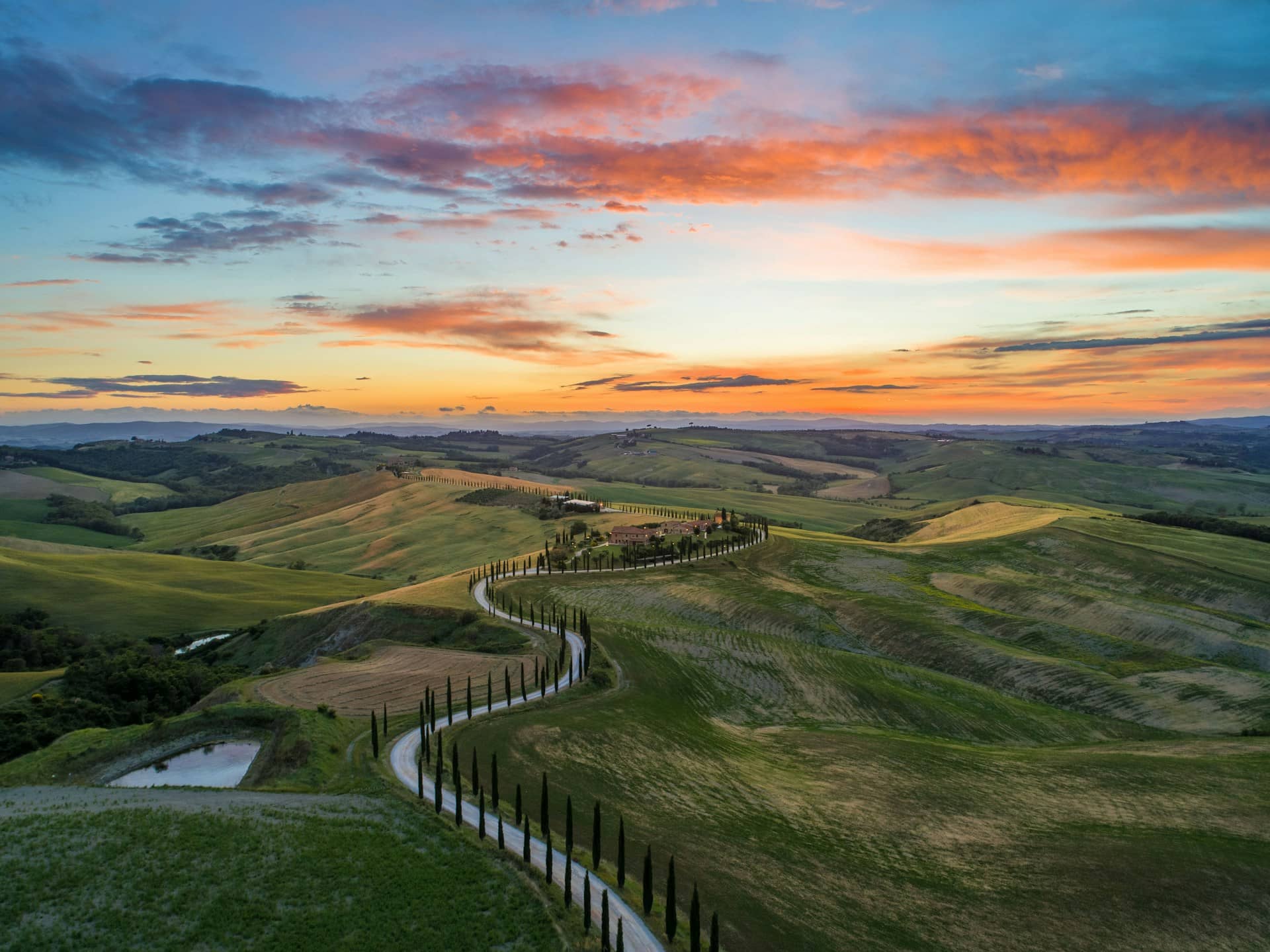
Tuscany holds more than its famous vineyards and crowded piazzas. Beyond the usual tourist routes, you can find thermal springs tucked into quiet valleys, medieval villages perched on steep cliffs, and centuries-old estates where life moves at a gentler pace. These spots allow visitors to experience the region without the bustling crowds.
Wander cobblestone streets where local artisans still craft their wares, or pause at panoramic overlooks that frame rolling hills and olive groves. Each place tells a story of history, culture, and lifestyle that rarely reaches guidebooks.
From secluded hot springs to tiny hilltop hamlets, these 12 locations provide genuine encounters with Tuscany’s charm. Exploring them offers an opportunity to connect with the landscapes and communities that make the region remarkable for those who seek something beyond the usual destinations.
12 Secret Spots in Tuscany
Explore the places Italians cherish to experience authentic Tuscany, from hidden thermal baths to charming villages that feel untouched by time.
1. Pitigliano: Tuscany’s Cliffside Treasure
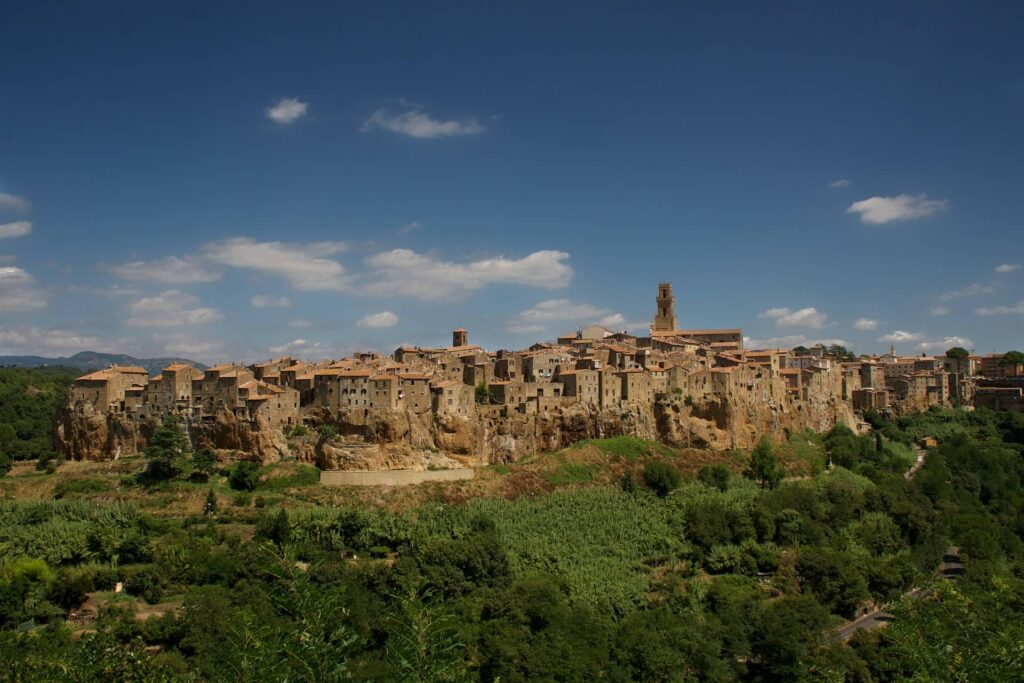
Perched on volcanic cliffs in southern Tuscany, roughly 2.5 hours from Florence and 2 hours from Siena, Pitigliano draws attention with its striking skyline. The town’s compact streets and layered architecture create a dramatic setting that feels worlds apart from typical tourist hubs.
Known as “Little Jerusalem” for its historic Jewish community, Pitigliano offers a rare look into centuries of cultural heritage. Visitors can wander the old Jewish quarter, explore underground passages, and visit an ancient synagogue that tells stories of resilience and tradition.
This Tuscan gem combines history and scenery in a way that leaves a lasting impression. Each corner of Pitigliano invites exploration, from quiet alleyways to cliffside viewpoints, providing an experience that lingers long after the visit ends.
2. Cascate del Mulino: Hidden Thermal Pools of Tuscany
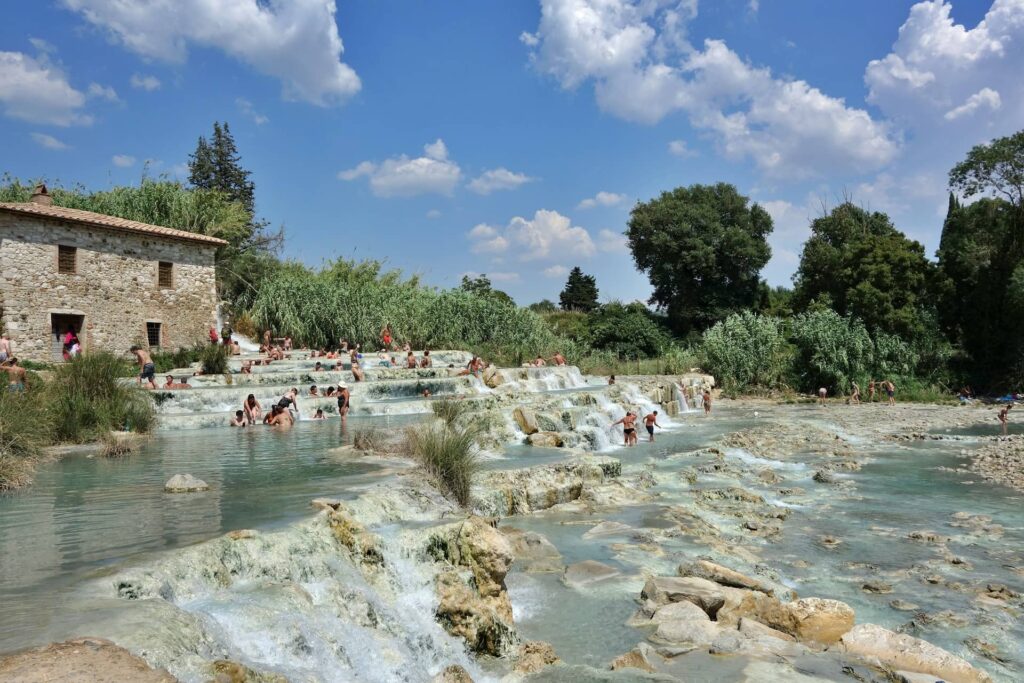
A short drive from the well-known Saturnia springs in Maremma, Cascate del Mulino offers a quieter alternative for soaking in naturally heated waters. Unlike the crowded main springs, these public pools maintain a relaxed atmosphere cherished by locals for generations.
The travertine formations cradle warm, 37.5°C water, creating small cascades and pools that invite visitors to linger. Each pool feels shaped by time, blending geology and gentle currents into an experience rarely found elsewhere in Italy.
Visiting Cascate del Mulino provides more than a simple dip—it’s an opportunity to connect with the rhythms of the land. From the sound of flowing water to the smooth stone underfoot, the site delivers a thermal experience that leaves a lasting impression.
3. Monticchiello: A Timeless Village in Val d’Orcia
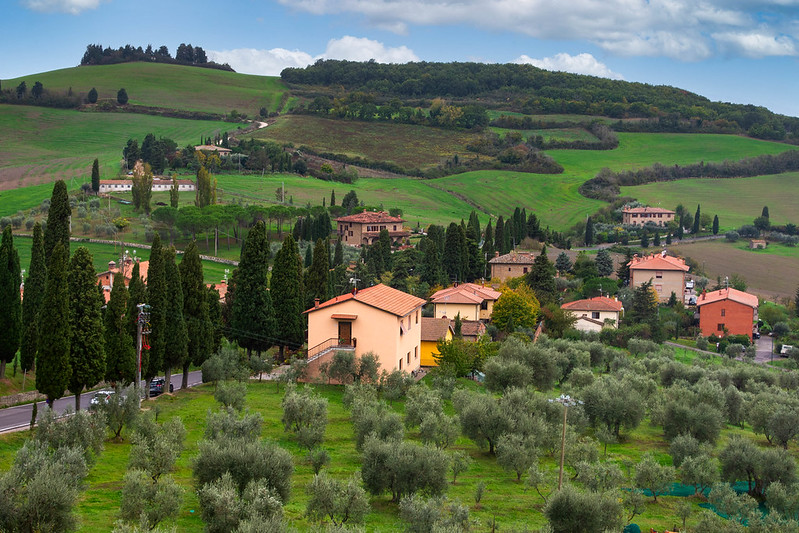
Set between Pienza and Montepulciano, Monticchiello remains off the beaten path, offering a glimpse of Tuscany that few travelers encounter. Its narrow streets and stone houses reflect centuries of history, giving the village an enduring charm.
The town is known for “Teatro Povero,” a community theater where locals stage plays inspired by everyday life and regional stories. This living tradition adds depth to a visit, allowing travelers to connect with the village’s culture in a way that goes beyond sightseeing.
Monticchiello’s quiet lanes and surrounding countryside create a sense of calm and continuity. Every corner invites a slow stroll, from the small piazzas to the walls that hold generations of stories, making it a memorable stop for those seeking a more intimate Tuscan experience.
4. Manciano: Hillside Views and Tuscan Horizons
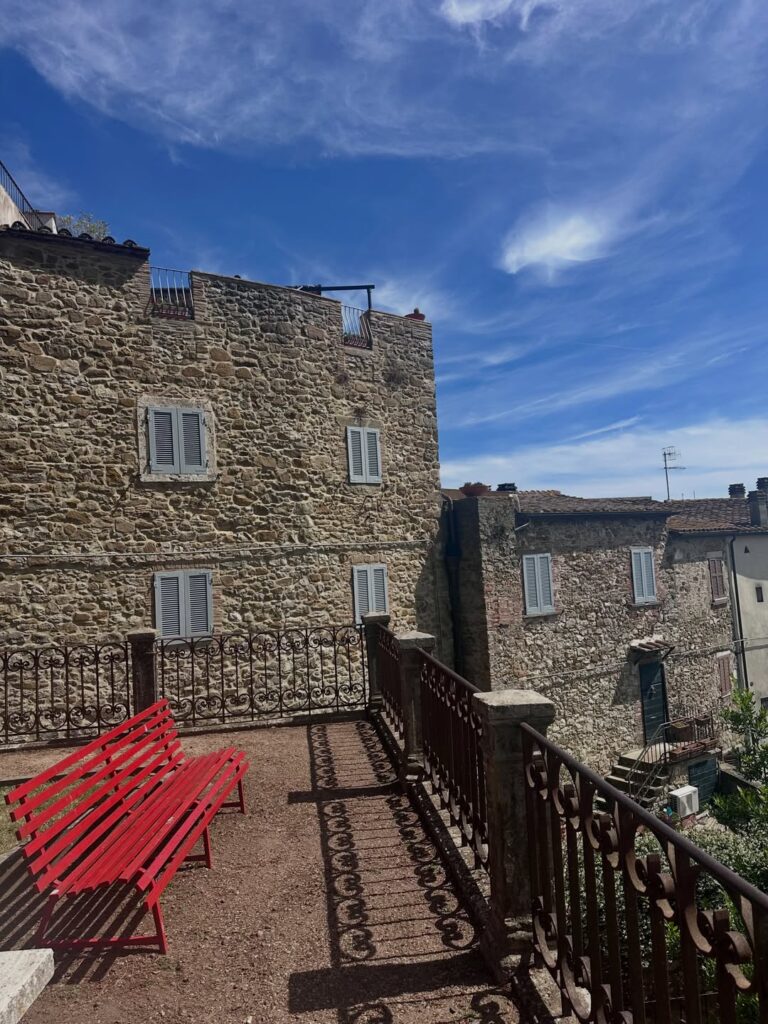
Perched amid the gentle slopes of Maremma, Manciano provides expansive vistas stretching from the Apennines to the sparkling Mediterranean and its scattered islands. The town’s elevated position allows visitors to take in landscapes that blend countryside charm with coastal allure.
While often overlooked by typical itineraries, Manciano offers a strategic starting point for excursions. Travelers can explore medieval villages inland or enjoy seaside towns within a short drive, making it a versatile hub for those seeking both history and nature.
The town itself exudes a calm rhythm, with narrow streets and quiet piazzas that encourage wandering. From sun-drenched viewpoints to nearby cultural sites, Manciano presents a range of experiences that highlight the region’s variety without the crowds.
5. Monteriggioni: The Hilltop Fortress of Tuscany
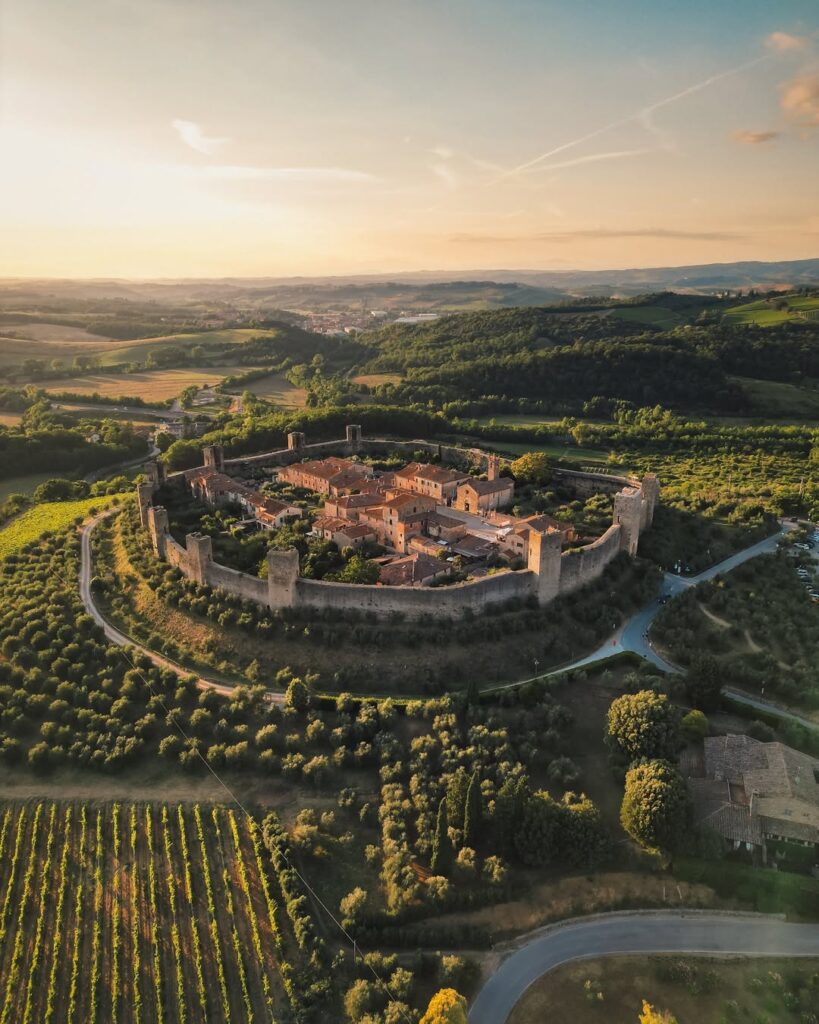
Positioned between Florence and Siena, Monteriggioni rises from its hill as a remarkably intact medieval stronghold. Its circular walls, punctuated by fourteen towers, remain preserved, giving a clear sense of the town’s defensive past.
Though easily reachable, Monteriggioni sees fewer travelers than nearby San Gimignano, allowing visitors to explore the cobblestone streets and ramparts without heavy crowds. Walking along the walls offers panoramic views of the surrounding countryside, where vineyards and olive groves stretch toward the horizon.
This walled town combines history and quiet charm, making each turn and gate a glimpse into medieval life. From the fortress’s towers to the peaceful squares within, Monteriggioni invites slow exploration and reflection on Tuscany’s enduring heritage.
6. Montefioralle: A Hidden Chianti Village
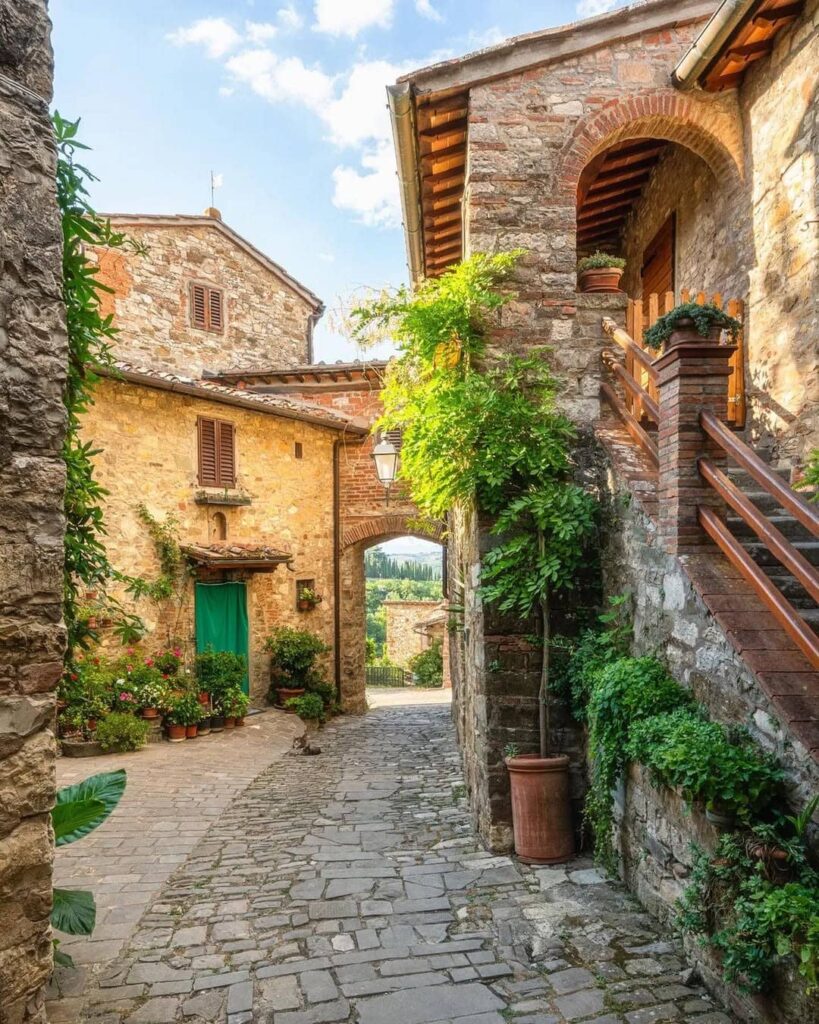
Perched above Greve in Chianti, Montefioralle remains largely untouched by the crowds that gather in the main square below. Its narrow streets and stone houses convey a sense of history that feels immediate and tangible.
Known as the birthplace of Amerigo Vespucci, the village holds layers of stories in every corner. Walking through its medieval lanes, visitors encounter quiet courtyards, ancient walls, and glimpses of the surrounding vineyards that stretch across the hills.
Montefioralle offers an intimate experience of Chianti life, where time seems slowed and the rhythm of the countryside can be felt. Each turn through the village invites reflection on centuries of local life, making it a rewarding stop for those venturing off the typical tourist path.
7. Arezzo: Tuscany’s Understated Treasure
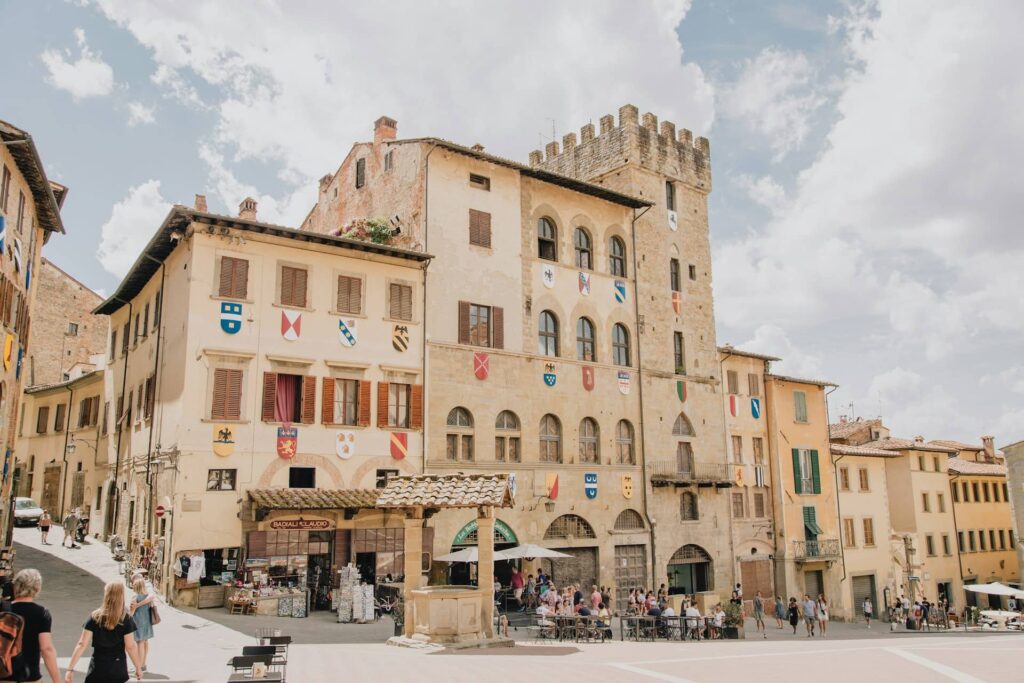
Situated in eastern Tuscany, roughly an hour from Florence by train, Arezzo remains largely overlooked by most travelers, preserving a calm and genuine atmosphere. Its streets weave through history, offering glimpses of Renaissance artistry and traditional Italian life.
Art lovers are drawn to Piero della Francesca’s frescoes, while the monthly antique market in Piazza Grande provides a lively scene where locals gather. The town also gained fame as a backdrop for Life is Beautiful, giving its lanes a cinematic charm that blends naturally with everyday life.
Arezzo’s slower rhythm allows visitors to experience Tuscany beyond the typical tourist hubs. Cafés, squares, and historic buildings maintain their original character, inviting those who venture here to immerse themselves in the town’s enduring authenticity.
8. San Gimignano: Secrets Beyond the Towers
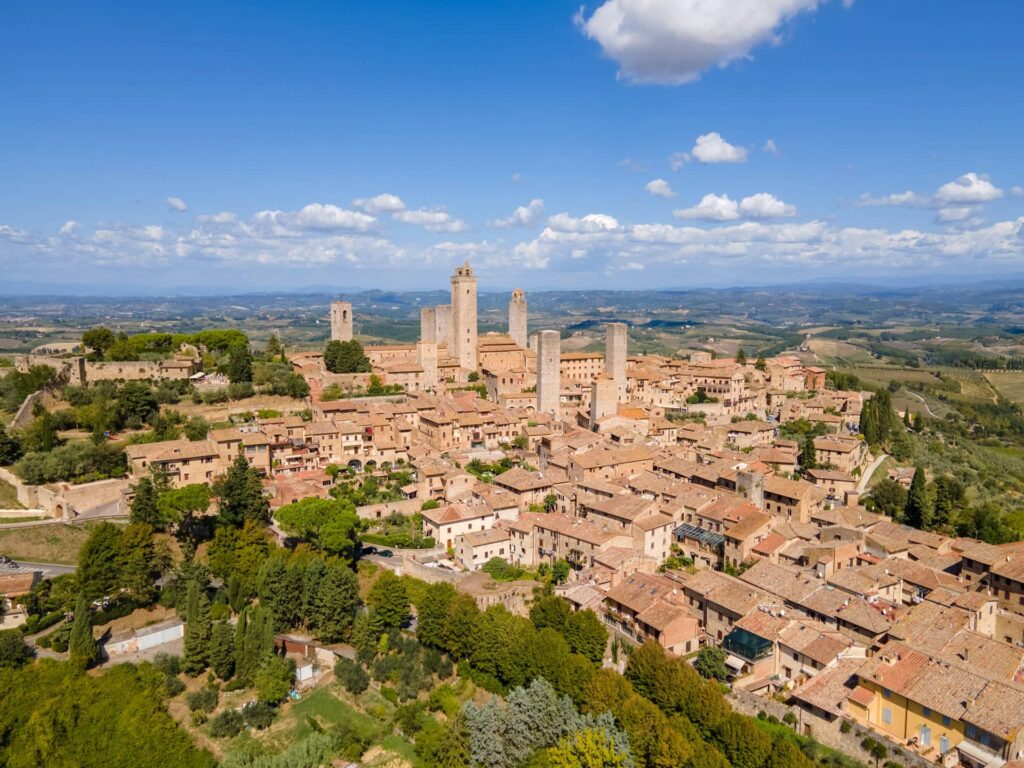
Famed for its medieval skyline, San Gimignano holds quieter corners that often go unnoticed. The western quarter, in particular, offers a chance to explore narrow lanes where the town’s daily life unfolds away from the bustling main street.
Here, artisan workshops line cobblestone paths, and small gardens provide peaceful spots for a pause. Towers in this area grant expansive views of the surrounding Tuscan hills, all without the crowds that gather along the central thoroughfare.
Venturing into these hidden streets reveals a side of San Gimignano that balances history with intimate local experiences. Each step invites observation of centuries-old architecture, subtle details, and the rhythms of a town that continues to breathe quietly beyond its famed towers.
9. San Quirico d’Orcia: A Quiet Stop in Val d’Orcia
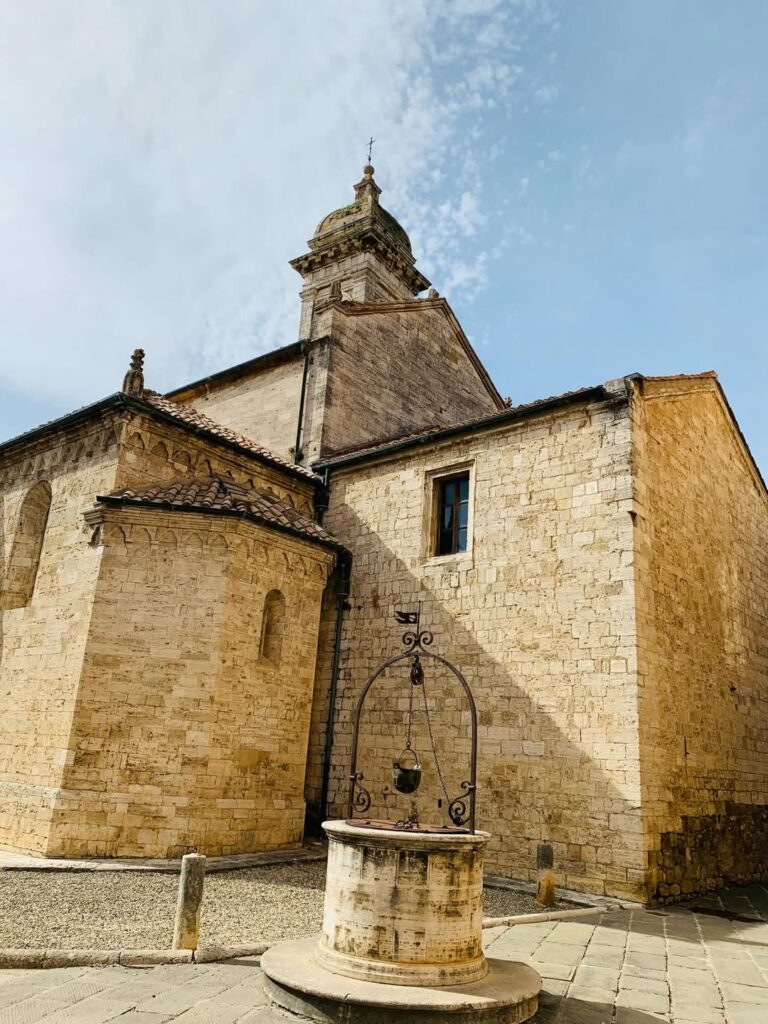
Situated between Montalcino and Pienza, San Quirico d’Orcia often slips under the radar as travelers move between its more famous neighbors. Its calm streets and historic buildings provide a gentle counterpoint to the busier towns nearby.
The Horti Leonini gardens offer orderly green spaces perfect for a reflective stroll, while the Romanesque Collegiata church displays architectural details that rival those found in larger, more visited towns.
Visiting San Quirico d’Orcia allows for a slower pace, where each alley and square reveals layers of history. It’s a place where the rhythm of daily life feels uninterrupted, offering an authentic glimpse of the Tuscan countryside.
10. Anghiari: Tuscany’s Hilltop Time Capsule
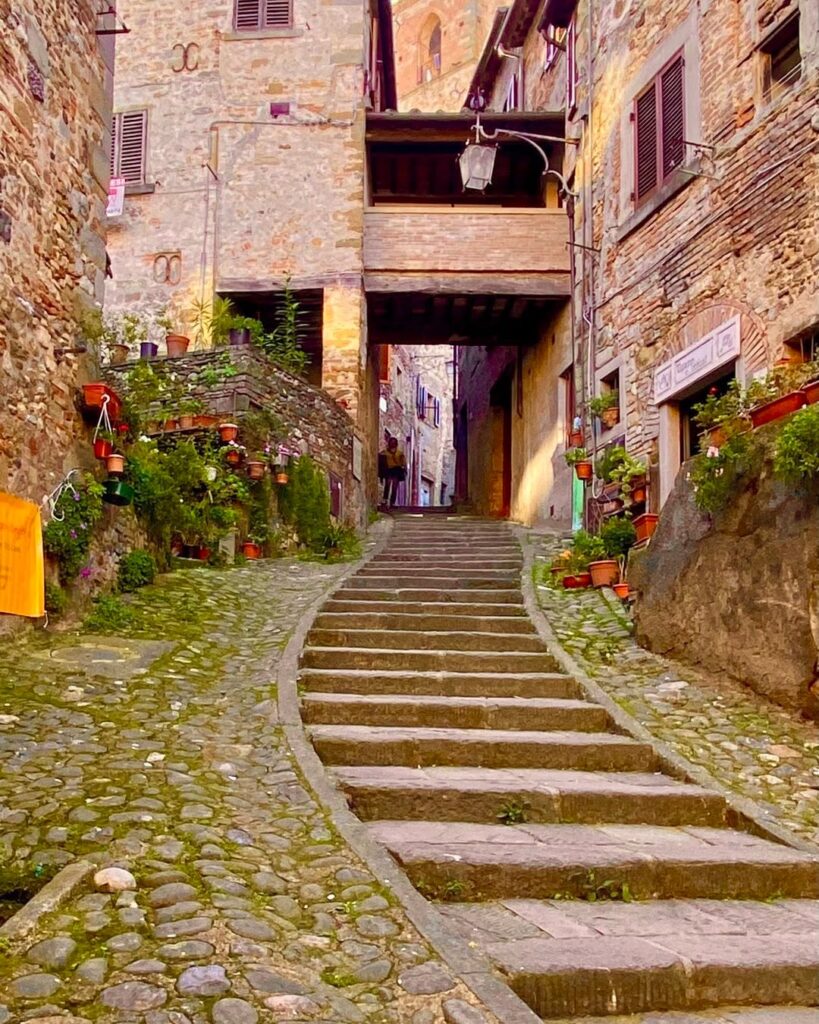
Perched above the Tiber Valley in eastern Tuscany, roughly 30 minutes from Arezzo, Anghiari remains largely unvisited by international travelers. Its elevated location provides sweeping views of the valley below, where history and landscape intertwine.
The town is remembered for the 1440 battle that inspired a commission from Leonardo da Vinci, leaving echoes of the past in every street and piazza. Walking through its lanes offers a sense of connection to events that shaped the region centuries ago.
Anghiari combines scenic charm with historical depth. From its hilltop vantage points to quiet squares, visitors can experience a village that retains its old-world character while offering views that stretch across the Tuscan horizon.
11. Porto Santo Stefano: Coastal Charm on Monte Argentario
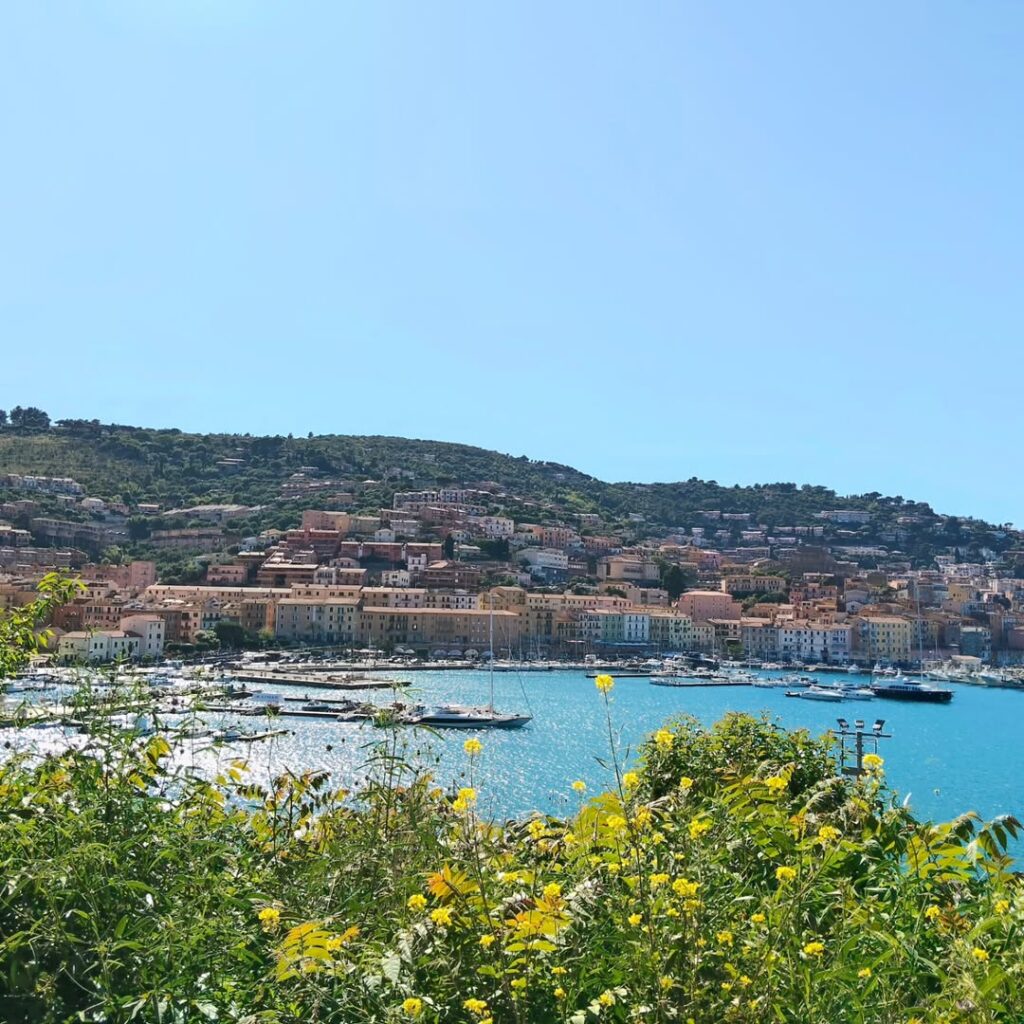
Located on the Monte Argentario peninsula, linked to the mainland by narrow sandy strips, Porto Santo Stefano provides a fresh view of Tuscan life. Its harbor hums with activity as fishing boats return with the day’s catch, adding a lively rhythm to the town.
Unlike the nearby island of Giglio, this port preserves its authentic atmosphere. Seafood trattorias line the waterfront, and quiet lanes invite visitors to explore beyond the main promenade.
The surrounding coastline offers scenic walking paths, where cliffs and sea meet in dramatic contrasts. From sunrise over the harbor to sunset along the shores, Porto Santo Stefano combines maritime heritage with a sense of calm that lingers long after the visit.
12. Sorano: Tuscany’s Cliffside Retreat
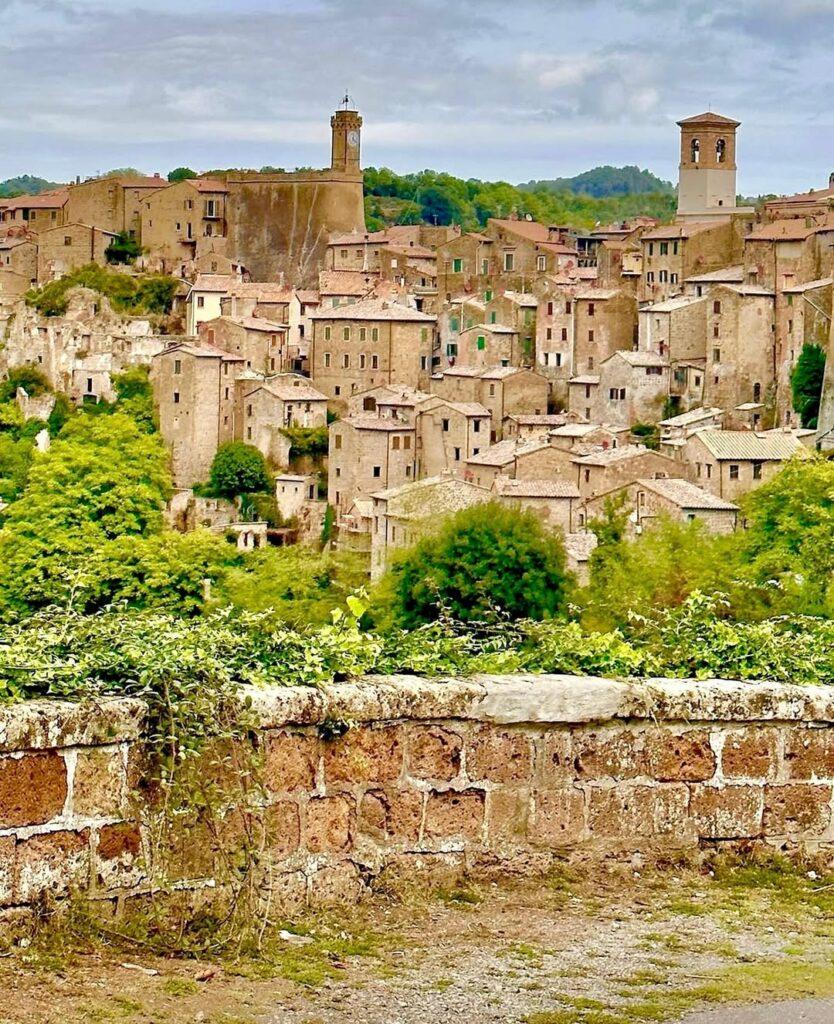
Located just 15 minutes from Pitigliano, Sorano remains largely overlooked, offering dramatic views with far fewer visitors. The town clings to tuff cliffs, creating a striking silhouette against the surrounding landscape.
Ancient Etruscan pathways wind through the rock, inviting exploration of tunnels and passages that speak to a civilization long past. A massive fortress dominates the skyline, a reminder of the town’s strategic importance over centuries.
Local trattorias serve regional dishes rarely found elsewhere in Tuscany, allowing visitors to savor flavors that reflect the area’s heritage. Between the historic streets, stone stairways, and cliffside panoramas, Sorano offers an intimate encounter with Tuscan history and scenery.
Final Thoughts on Tuscany’s Hidden Corners
Tuscany offers far more than the well-trodden streets of Florence and Pisa. Its quieter villages, cliffside towns, and lesser-known coastal ports provide experiences that remain largely unseen by typical travelers.
Exploring these hidden spots reveals local traditions, historic sites, and landscapes that capture the essence of the region. From medieval lanes to thermal springs and hilltop vistas, each location offers its own story and atmosphere.
For those willing to venture beyond the popular routes, Tuscany unfolds in unexpected ways. These secret corners invite a slower pace, where history, culture, and scenery combine to create lasting impressions that go beyond the usual itinerary.
Ready to chart your own hidden Italy journey? Explore our complete travel guides for the region: