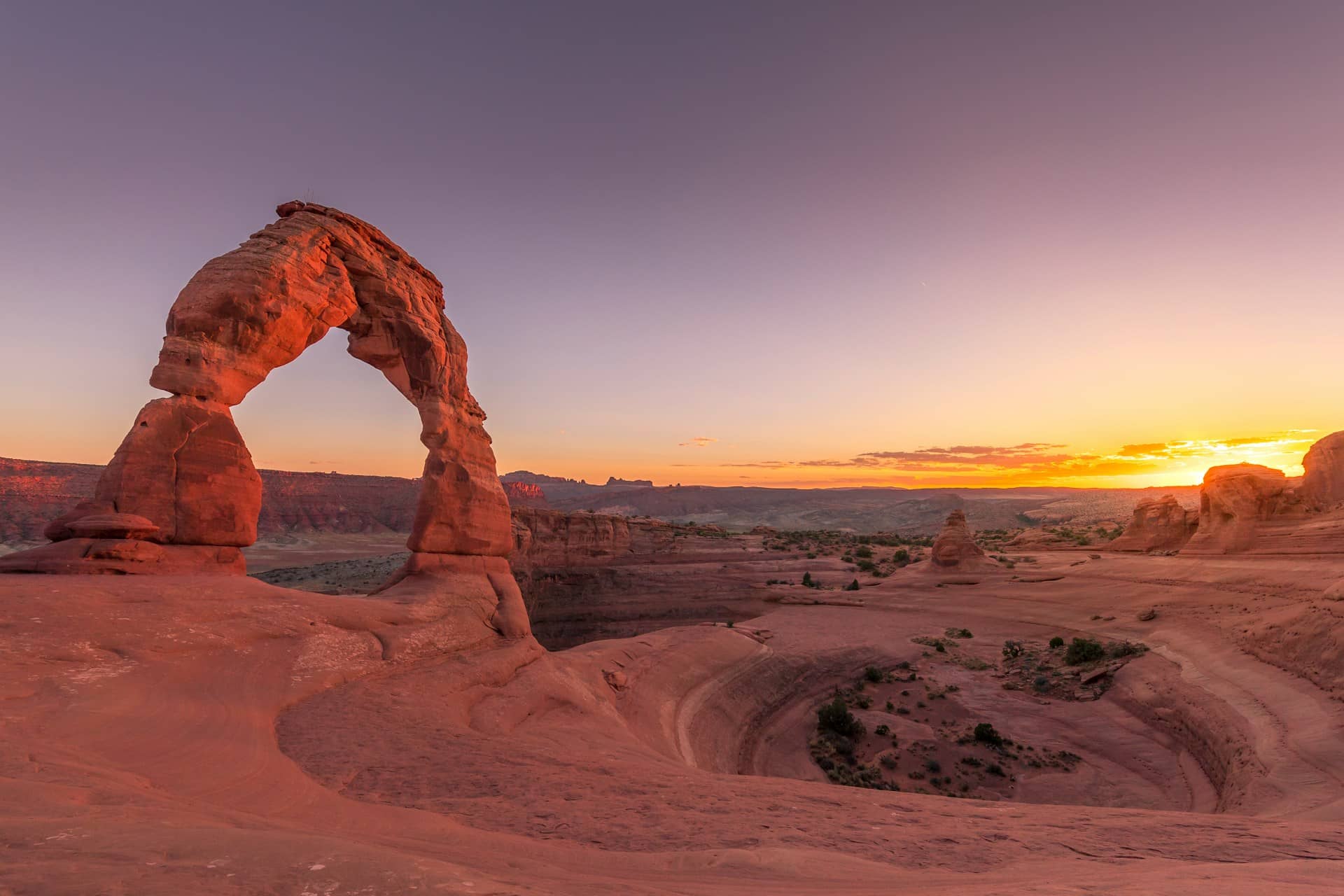
Many travelers fly far away for glaciers, deserts, or mountain views, but the United States already holds an incredible range of natural scenery. From geysers and deep canyons to forests and wetlands, remarkable landscapes are spread across the country, often within easy reach.
The U.S. is one of the most geographically varied nations, and that variety is reflected across its protected parklands. These areas preserve wild terrain and important ecosystems, giving visitors a chance to see nature in its raw form across different climates and regions.
The National Park Service manages more than 400 protected sites, including 63 national parks — from Yellowstone to remote places like Big Bend and Voyageurs near the Canadian border. Some parks are famous, others quieter but just as rewarding.
When you want a serious outdoor trip without international travel, national parks are a strong pick. An annual America the Beautiful pass grants entry to all of them, making repeated visits simple. One trip can mean towering trees and alpine trails; the next, open valleys and star-filled night skies.
Smart Tips for Visiting the Prettiest National Parks in the US
Visiting America’s national parks is one of the best ways to experience wide open landscapes, wildlife, and dramatic scenery in one trip. A little planning goes a long way here. From entry passes to trail habits, small choices can make your park days smoother, safer, and more rewarding.
Get the National Park Pass
Most national parks charge about $30 for a 7-day entry pass per vehicle. If you plan to visit more than two or three parks in a year, the $80 annual pass is the better deal. It covers entry to all national parks plus thousands of recreation areas across the country. One purchase can save money quickly if you’re road-tripping.
Follow Leave No Trace Principles
Leave No Trace means caring for natural areas through simple actions. Pack out your trash, avoid picking plants, and keep a respectful distance from wildlife. Treat the land like a shared home. What you leave behind — or don’t — affects every visitor after you.
Don’t Skip Sunscreen
Sun exposure adds up fast at higher elevations and open viewpoints. Use a sunscreen that feels light on your skin so you’ll actually reapply it. A good formula without heavy scent or residue makes daily use easier. Keep a small bottle in your daypack at all times.
Wear Hiking Boots with Strong Grip
Even maintained trails can have loose gravel, mud patches, and exposed roots. Slips happen when footwear lacks traction. Good hiking boots give ankle support and a steady grip on uneven ground. Your feet will thank you after a long day outdoors.
Stay on Marked Trails
Open fields and flower areas may look inviting, but stepping off trail can damage fragile plant life and soil structure. Tree roots along paths are also sensitive — repeated pressure can weaken them. Walk over roots when needed and stick to the marked route from start to finish.
Pack for Weather and Bugs
Carry insect repellent during warmer months and bring a light rain shell even if the forecast looks clear. Weather in park regions can shift quickly. Always pack more water than you think you’ll need, especially on longer hikes or exposed routes.
Plan Around Crowds
Popular parks draw millions of visitors each year. Expect busy parking lots and full trails in peak season. For quieter moments, go on weekdays and begin hikes early in the morning. Starting before 8 a.m. often means cooler air and fewer people on the path.
Know the Rules About Dogs
Many national parks restrict dogs on trails, in backcountry zones, on snow routes, and inside buildings. In most cases, pets are limited to roads and developed areas. Check each park’s official rules before arriving so you don’t face a last-minute surprise at the trailhead.
A bit of preparation turns a park visit into a far better experience. Respect the land, pack smart, start early, and you’ll get more from every mile.
1. Sequoia National Park – Where Trees Feel Larger Than Memory
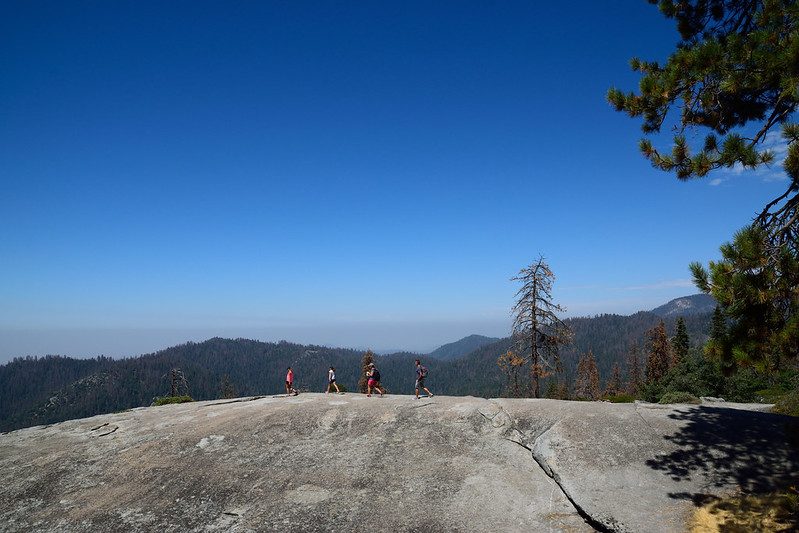
Sequoia National Park stands among the most visually striking parklands in the United States. Many travelers talk about famous landmarks abroad, yet showing photos of these enormous trees often leaves people speechless. The scale feels unreal, almost like a camera trick — until you walk beside one and look straight up.
The giant sequoias don’t register correctly at first glance. Their trunks rise like towers, their bark glowing deep red against pale ground and sky. During a winter visit, snow piled around the bases and softened every sound in the forest. The contrast between white ground and dark bark made every step feel cinematic and slightly surreal.
A longer stay changes your pace. Five days here can pass quickly between forest trails, quiet overlooks, and slow drives through mountain roads. Many visitors leave already planning a second trip because a short visit rarely feels like enough time.
Best things to do in Sequoia National Park
- See the General Sherman Tree (largest tree on Earth by volume)
- Walk the Congress Trail loop
- Hike through the Giant Forest area
Crowd level: 5/10
Best time to visit: June through August for comfortable hiking weather. Winter trips bring snow-covered scenery and far fewer visitors, which gives the park a very different mood.
2. Bryce Canyon National Park – A Compact Park With Strange Stone Cities
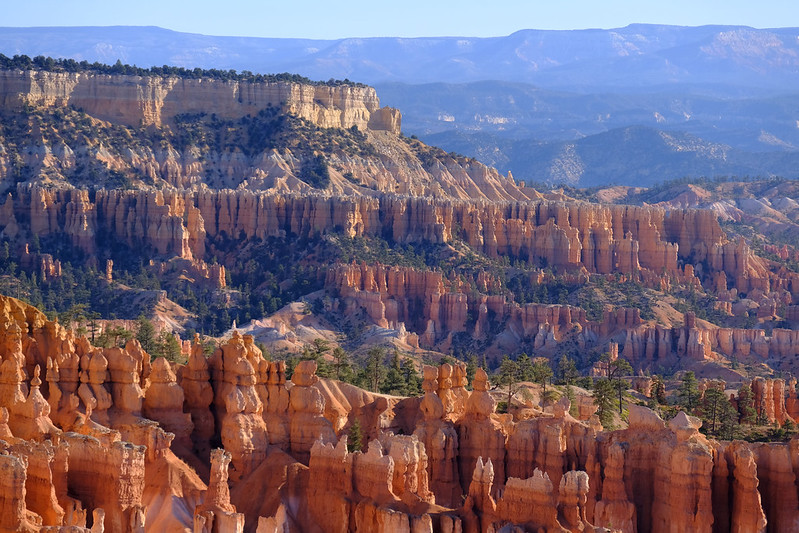
Bryce Canyon National Park was part of a summer road trip across Utah’s five national parks, often called the Mighty 5 route. Each stop along that drive left a strong impression, yet Bryce Canyon stood out in an unexpected way and became the most talked-about stop afterward.
Compared with many large U.S. parks, Bryce Canyon covers a smaller area, which makes trip planning simpler. Key viewpoints sit close to trailheads, and several headline hikes connect in smart loops. With an early start, it’s possible to cover several major trails in a single day without rushing every step.
The landscape looks almost unreal at first glance. Thousands of thin rock towers — called hoodoos — rise from the ground like a broken stone skyline. Light shifts their color hour by hour, moving from soft orange to deep red. Sunrise here is especially dramatic, with shadows and glow moving across the amphitheater walls.
Best things to do in Bryce Canyon National Park:
- Hike the Navajo Loop Trail
- Hike the Peek-a-Boo Loop Trail
- Watch sunrise from Sunrise Point
Crowd level: 5/10
Best time to visit: May through September for open trails and easier weather conditions.
3. Haleakalā National Park – Sunrise Above the Clouds
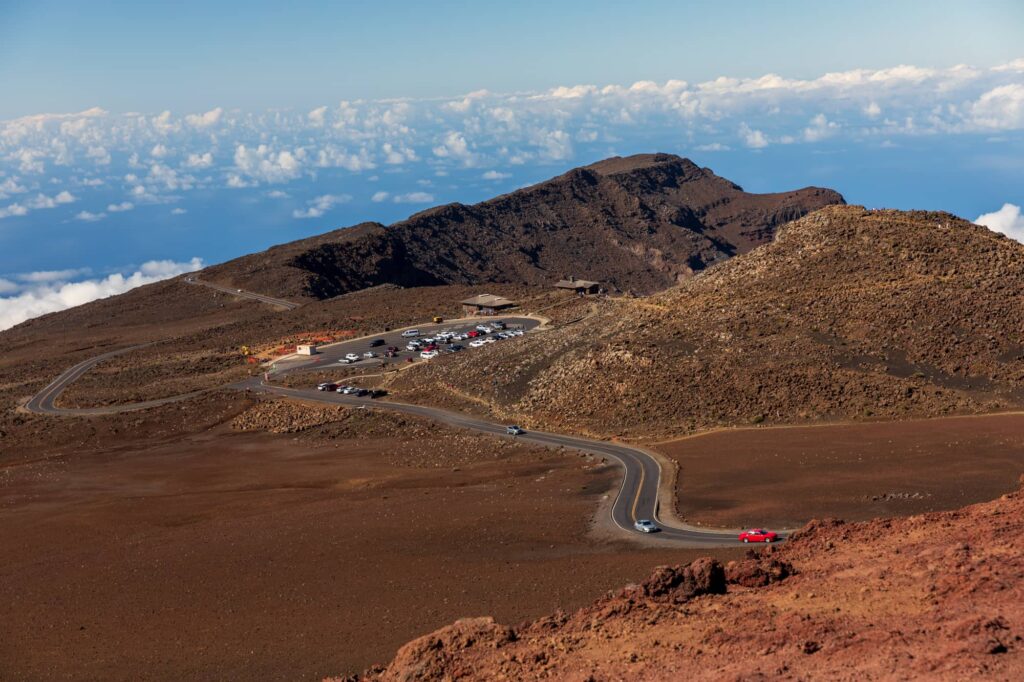
Haleakalā National Park easily earns its place among America’s most striking park destinations. Hawaii already carries a strong reputation for natural beauty, and this park adds a high-altitude volcanic landscape that feels far removed from typical beach scenes.
The park packs a wide range of terrain into one protected area. Visitors move from lava slopes and cloud layers near the summit to green valleys, waterfalls, and dense bamboo trails lower down. Weather can flip quickly with elevation, so a single day may include cold wind at the top and warm air near the coast.
Sunrise from the Haleakalā summit is the headline event. Entry requires a permit and an early wake-up, but the view above the cloud deck makes the effort worthwhile. Light spreads slowly across the crater and painted slopes, turning dark rock into bands of gold and rust color.
Best things to do in Haleakalā National Park:
- Watch sunrise from the summit (permit required)
- Hike into Haleakalā Crater
- Trek to Waimoku Falls (about 400 feet tall)
- Drive the Road to Hana route nearby
One geological fact stands out: Haleakalā is one of two volcanoes forming the island of Maui. Its peak rises 10,023 feet above sea level, yet from the ocean floor to the top it reaches roughly 30,000 feet — placing it among the tallest mountains on the planet by base-to-summit height.
Crowd level: 4/10
Best time to visit: December through February for milder temperatures and lighter visitor traffic.
4. Rocky Mountain National Park – High Roads, Thin Air, Wide Views
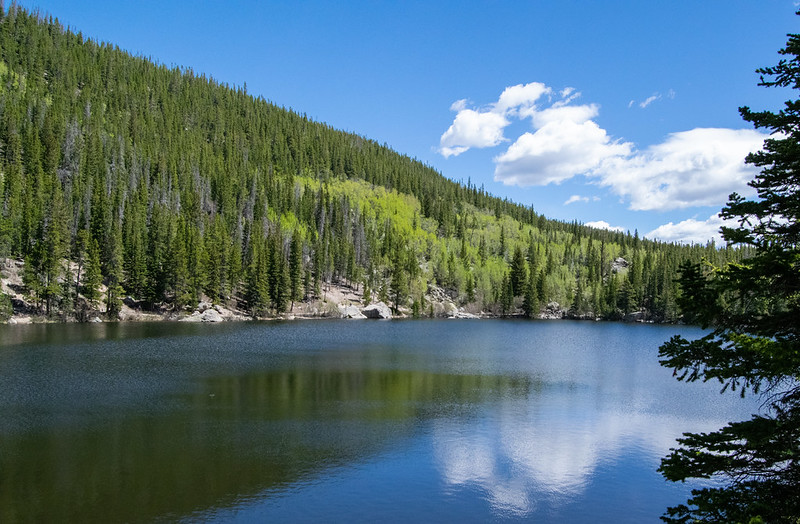
Rocky Mountain National Park is a strong pick for crisp air and mountain horizons. First, the elevation changes your pace. Then, the open views reset your thoughts. Fall adds extra color across slopes and valleys.
The park covers a huge vertical range. As a result, weather and terrain shift quickly. Forest trails, alpine lakes, and exposed ridges appear within short driving distances. Wildlife sightings are also common, especially during early morning hours.
Moreover, the road system helps visitors reach high points fast. Trail Ridge Road climbs above the tree line and crosses the park. Meanwhile, shorter hikes lead to lakes and glacier-shaped basins without extreme effort.
Best things to do in Rocky Mountain National Park:
- Drive Trail Ridge Road
- Hike Emerald Lake Trail
- Watch for elk, moose, and bighorn sheep
Elevation is a defining feature here. The park reaches 14,259 feet at its highest summit. In addition, 77 peaks rise above 12,000 feet. Lakes and steep walls sit side by side across many zones.
Crowd level: 7/10
Best time to visit: November through April for cooler weather and fewer people. However, fall colors are especially strong.
5. Great Smoky Mountains National Park – Misty Ridges and Endless Trails

Great Smoky Mountains National Park sits along the North Carolina–Tennessee border. It draws more visitors than any other U.S. national park. First-time guests often come for fall colors. Then they return for waterfalls, wildlife, and long ridge views.
The park covers a wide mountain spread. As a result, plant and animal variety is unusually high. Forests shift by elevation and slope. Morning fog rolls through valleys and lifts by midday. Meanwhile, trail options range from short walks to full-day climbs.
Moreover, hiking routes connect many signature spots. Waterfalls, rocky viewpoints, and wooded ridges appear in quick sequence. However, crowds can build fast near popular trailheads. Therefore, early starts help a lot.
Best things to do in Great Smoky Mountains National Park:
- Hike to Rainbow Falls
- Walk to Charlie’s Bunion
- Climb the Chimney Tops trail
This park leads national attendance charts each year. Consequently, facilities and access points are well developed. Trail networks stretch for hundreds of miles. Scenic drives add extra viewing options.
Crowd level: 8/10
Best time to visit: Summer and fall. Fall leaf color is especially strong. Also, visibility improves after cool nights.
Read more :
6. Death Valley National Park – Extreme Land, Strange Beauty
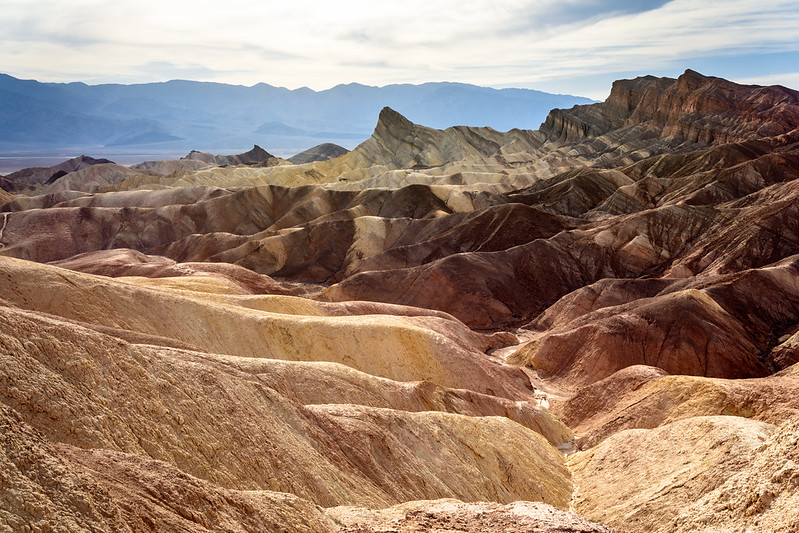
Death Valley National Park often gets skipped by desert skeptics. However, that’s a mistake. First impressions change quickly after one full day here. Then the scale and silence start to sink in.
At over three million acres, the park is massive. In fact, it’s the largest national park outside Alaska. Even long visits cover only small sections. Therefore, return trips are common.
The terrain looks empty at first glance. Yet details appear with time. Sand dunes, sharp mountain ridges, salt flats, and rare water spots break the wide open ground. Meanwhile, color shifts across hills during morning and evening light.
Best things to do in Death Valley National Park:
- Watch sunrise at Zabriskie Point
- See sunset at Mesquite Flat Sand Dunes
- Walk the Badwater salt flats
- Drive Artist’s Drive loop
Several records are tied to this park. It ranks as the largest park in the lower 48 states. Also, it holds heat and dryness records. In addition, Eureka Dunes form North America’s tallest dune field.
Crowd level: 4/10
Best time to visit: November through February. Summer heat is severe, so cooler months work better.
7. Olympic National Park – Mountains, Rain Forest, and Coast in One Place
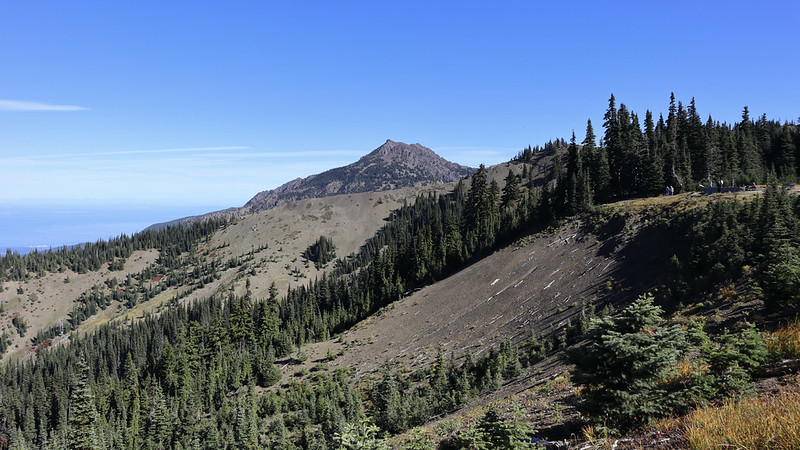
Olympic National Park stands out for its wide terrain mix. First, you get glacier-capped peaks. Then, deep rain forest trails appear. After that, wild coastline comes into view. Few parks pack this much variety into one boundary.
The park covers about one million acres. As a result, trip plans need smart routing. Road distances are longer than they look on maps. However, each zone feels completely different from the last. Weather also shifts fast between elevations.
Hurricane Ridge gives quick access to high views. Meanwhile, Lake Crescent offers calm water and early light scenes. The Hoh Rain Forest feels dense and ancient. In contrast, Marymere Falls adds a short, rewarding hike.
Best things to do in Olympic National Park:
- Hike Hurricane Ridge trails
- Watch sunrise at Lake Crescent
- Walk the Hoh Rain Forest paths
- Hike to Marymere Falls
This park also holds rare natural features. The Hoh Rain Forest ranks among the few temperate rain forests left. Also, a record-setting dam removal project happened here.
Crowd level: 6/10
Best time to visit: Late spring through early summer. Trails open wider, and snow risk drops.
Read more :
8. Redwood National Park – Walking Among the Tallest Trees on Earth
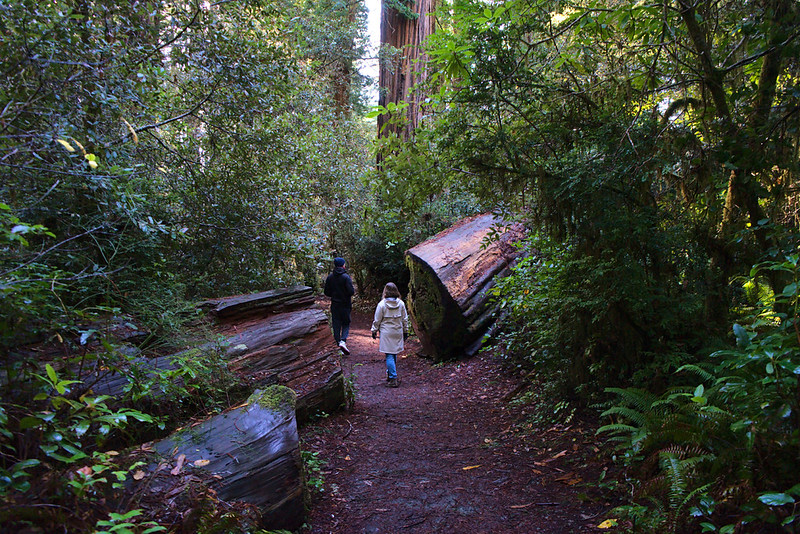
Redwood National Park feels oversized from the first step. Trees rise hundreds of feet overhead. As a result, scale becomes hard to judge. Photos rarely match real height.
These forests protect the tallest trees on the planet. Also, large old-growth sections still stand here. Trails pass through thick groves and narrow canyons. Meanwhile, fog often moves between trunks and softens the light.
Hiking routes vary in length and surface. Some paths stay flat and shaded. Others cut through fern-lined corridors and creek beds. In addition, scenic drives give access without long walks.
Best things to do in Redwood National Park:
- Walk the Stout Grove trail
- Explore Fern Canyon
- Take a scenic drive through redwood corridors
Crowd level: 6/10
Best time to visit: Weather stays mild most of the year. However, spring and fall bring lighter visitor traffic.
9. Mount Rainier National Park – Glaciers, Flower Fields, and High Trails
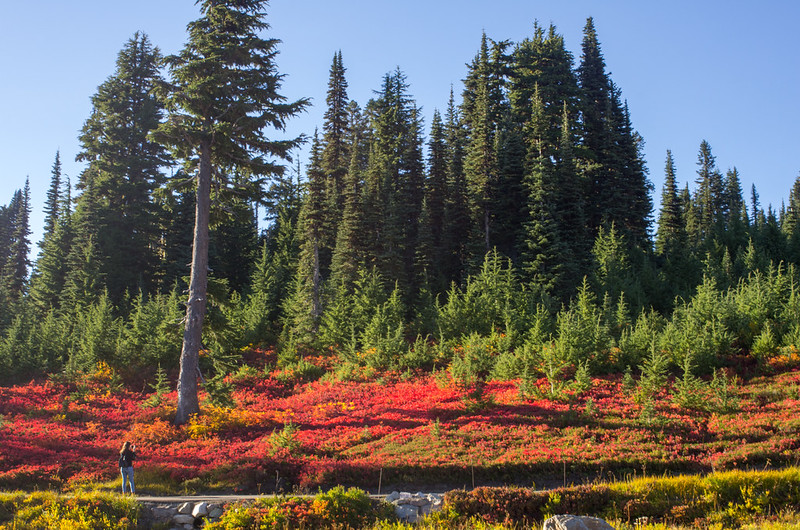
Mount Rainier National Park ranks high on many park lists. First, the volcano dominates every skyline nearby. Then, glaciers and meadows fill the lower slopes. The mountain keeps your attention all day.
Frequent summer visits reveal how much terrain sits here. Trails cover forests, ridges, and open flower fields. As a result, routes rarely feel repetitive. Even short hikes produce wide mountain views.
Seasonal change shifts the park’s character fast. Snow lingers well into early summer. After that, wildflowers spread across open areas. Meanwhile, clear nights create strong stargazing conditions.
Best things to do in Mount Rainier National Park:
- Hike the Mount Fremont Lookout Trail at sunrise
- Walk the Skyline Loop Trail
- Visit during peak wildflower bloom
- Stargaze on clear nights
The mountain holds major ice coverage. In fact, it is the most heavily glaciated peak in the lower 48 states. Also, this park ranks among the oldest in the country. It was the first U.S. national park that allowed cars.
Crowd level: 6/10
Best time to visit: July through August for open trails and major wildflower displays.
10. Yellowstone National Park – Geysers, Springs, and Moving Earth
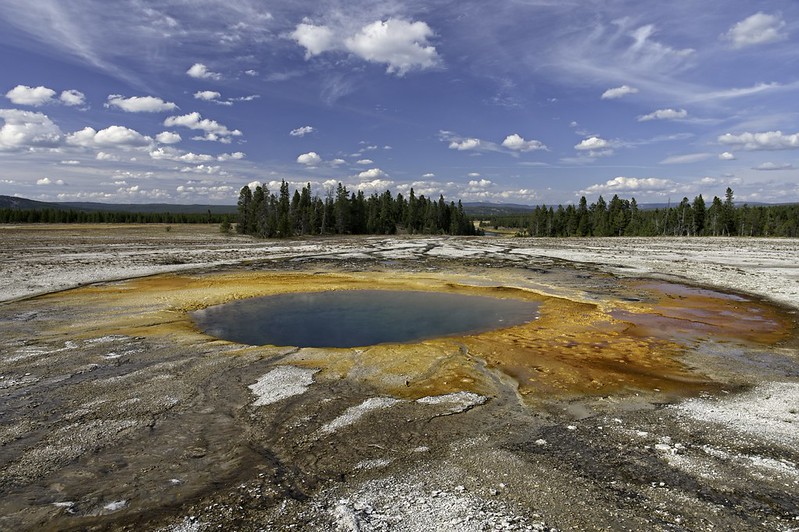
Yellowstone National Park holds a historic title. First, it became the first national park in the United States. Then, it set the model used worldwide. The land earned protection because of its geothermal force.
The ground here stays active and restless. As a result, steam vents, hot springs, and geysers appear across large zones. Colors show up in mineral pools and runoff channels. Meanwhile, boardwalk paths let visitors get close safely.
Distances between highlights can be long. Therefore, planning drive times matters. Wildlife also appears often near roads and valleys. Bison and wolves draw strong interest from visitors.
Best things to do in Yellowstone National Park:
- Walk through Mammoth Hot Springs terraces
- Hike the Fairy Falls Trail
- Watch Old Faithful erupt
The numbers are impressive. This park contains about 500 active geysers. That equals more than half the global total. Also, Yellowstone Lake ranks as North America’s largest high-elevation lake.
Crowd level: 10/10
Best time to visit: April–May and September–October. Shoulder seasons bring cooler weather and fewer people.
11. Grand Canyon National Park – Scale That Stops You Mid-Step
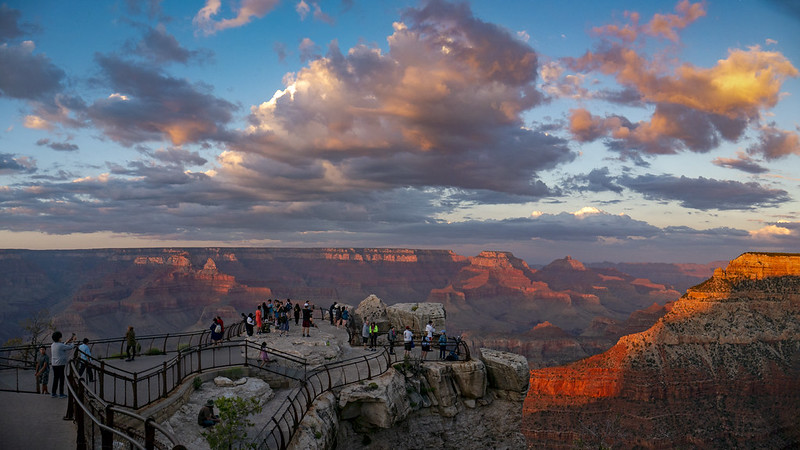
Grand Canyon National Park ranks among the most recognized parks in the country. First-time visitors often go silent at the rim. Then the size becomes hard to process. The horizon looks cut open.
The canyon stretches for miles in every direction. Meanwhile, the Colorado River winds far below like a narrow thread. Light shifts the rock color by the hour. As a result, morning and evening views feel very different.
Reactions here run strong. Some people stand still for long minutes. Others keep walking just to check if it’s real. Photos help, however they miss the depth and air.
Best things to do in Grand Canyon National Park:
- Drive Desert View Drive
- Walk the Trail of Time
- Stop at the Visitor Center
The numbers explain the scale. The park covers 1,904 square miles. That’s larger than Rhode Island. Also, it ranks among the most visited U.S. parks.
Crowd level: 6/10
Best time to visit: Spring and fall work best. Summer heat can be extreme.
12. Glacier National Park – Ice, Roads, and Sharp Mountain Lines
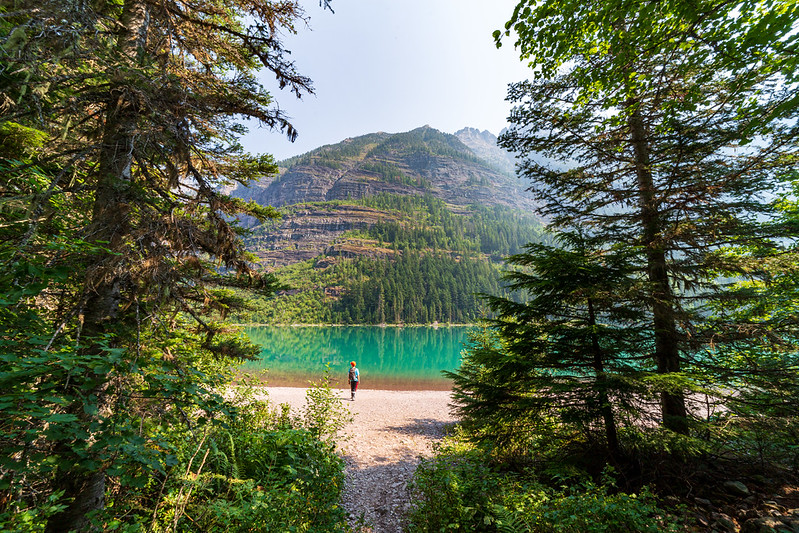
Glacier National Park often feels almost unreal on first sight. Steep peaks crowd the skyline while icy blue lakes sit far below, framed by rock, snow patches, and thick forest. The mix of textures and elevations creates strong contrast in nearly every direction.
Light changes the mood quickly across the park. Morning and late afternoon sun add long shadows and bright highlights, making ridges and valleys stand out more clearly. As clouds pass overhead, the same viewpoint can look completely different within minutes.
Going-to-the-Sun Road is one of the park’s most famous routes, cutting across the mountains and linking major overlooks. The drive itself is a highlight, with many pullouts for photos and short stops. Waterfalls, high meadows, and dramatic cliffside turns appear one after another, so even a short visit covers a lot of scenery.
Best things to do in Glacier National Park:
- Drive Going-to-the-Sun Road
- Hike the Highline Loop Trail
- Trek to Iceberg Lake
- Take the Grinnell Glacier hike
Terrain variety stands out here. Alpine backcountry mixes with dozens of clear lakes. Also, the main park road required over twenty years to plan and build.
Crowd level: 8/10
Best time to visit: July through August for open roads and snow-free trails.
13. Grand Teton National Park – Sharp Peaks Beside Open Valleys
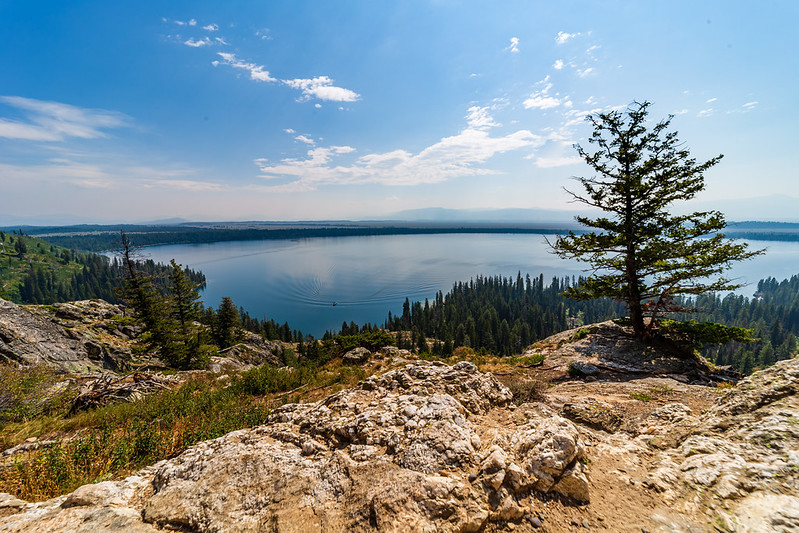
Grand Teton National Park sits directly south of Yellowstone. However, it receives fewer visitors overall. As a result, many areas feel less congested. The mountain wall rises suddenly from flat valley ground.
First, the peaks grab attention with their steep angles. Then, lakes and rivers fill the foreground. Meanwhile, wildlife often appears near roads and river bends. Moose and elk sightings are fairly common.
Driving routes help cover ground quickly. The 42-Mile Scenic Loop links lakes, overlooks, and trailheads. Also, short stops produce strong photo angles without long climbs.
Best things to do in Grand Teton National Park:
- Watch sunset at Mormon Row
- Hike Cascade Canyon
- Stop at Oxbow Bend viewpoint
Distances between highlights stay fairly short. Therefore, multi-stop days work well here. In contrast, nearby parks often require longer drives.
Crowd level: 7/10
Best time to visit: May through September for open roads and accessible trails.
14. Zion National Park – Canyon Walls and Narrow River Paths
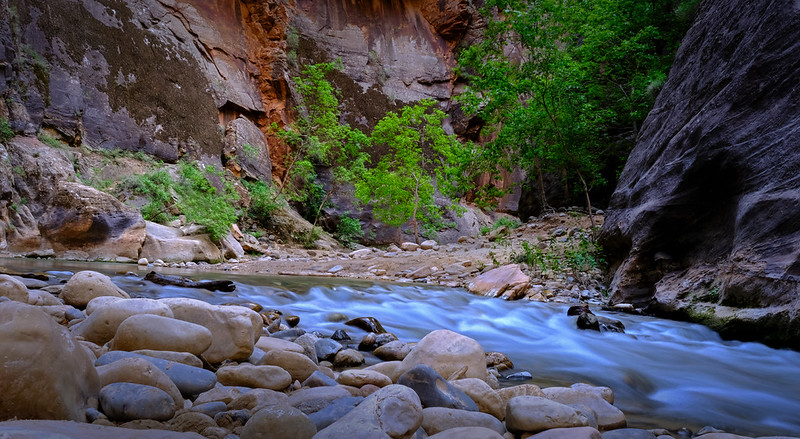
Zion National Park ranks among the most visited parks in the country. Yet the attention makes sense. First, the canyon walls rise fast and steep. Then the colors shift with every hour of light.
Moreover, much of the main canyon requires shuttle access. Private cars cannot enter that core stretch. Therefore, early shuttle booking matters. Without tickets, key trailheads stay out of reach.
Timing changes the whole visit. Early morning rides cut wait times sharply. In contrast, late arrivals face long lines. Also, cooler hours make hikes more comfortable.
Best things to do in Zion National Park:
- Hike to Observation Point
- Walk or wade through the Narrows
- Climb Angels Landing trail
Trip pacing helps here. Plan two full days if possible. First, ride the shuttle corridor. Then, explore outer areas by car. Meanwhile, take breaks and look up often.
Crowd level: 10/10
Best time to visit: May through November. However, summer brings heavy traffic. Start before 8am for shorter queues.
Read more :
15. Yosemite National Park – Granite Walls and Roaring Falls
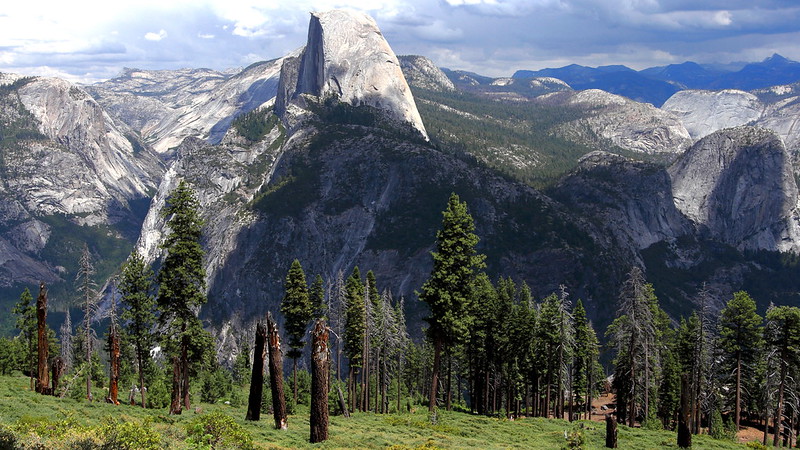
Yosemite National Park draws heavy attention every year. First-time visitors often stare upward in silence. Then the cliff scale becomes clear. The rock faces dominate the valley floor.
Granite monoliths shape most major views. Meanwhile, waterfalls drop from high ledges during snowmelt season. Giant sequoias stand in separate groves nearby. As a result, terrain variety stays high within short distances.
Repeat visits rarely feel wasted here. Trail angles, river flow, and light direction change the mood. Also, wildlife appears across meadows and forest edges. Movement happens everywhere if you pause.
Best things to do in Yosemite National Park:
- Walk to Bridalveil Fall
- Hike the Mist Trail to Vernal Fall
- Visit Mariposa Grove
- Drive to Glacier Point
Visitor numbers rank near the top nationally. Therefore, crowd pressure is real in peak months. The park supports over 400 wildlife species. Also, its granite formations are recognized worldwide.
Crowd level: 10/10
Best time to visit: April–May and September–October. Shoulder seasons reduce congestion and heat.
16. Voyageurs National Park – Lakes, Islands, and Night Skies
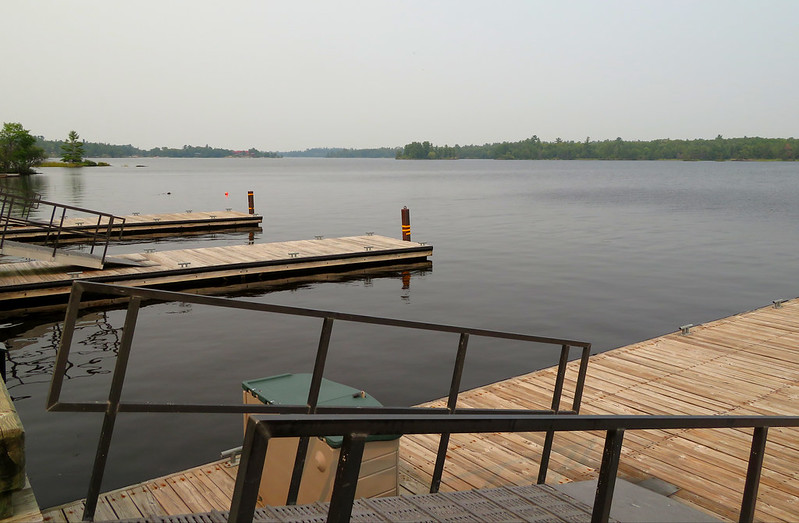
Voyageurs National Park sits in northern Minnesota near the Canadian border. Because road access is limited, visitor numbers stay low. As a result, trips here feel quiet and spread out.
Water shapes almost every activity here. Over one-third of the park is waterways. Therefore, boats and canoes replace cars on many routes. Meanwhile, islands and inlets create hundreds of camp spots.
Canoe travel works especially well for overnight stays. Paddle routes link lakes and narrow channels. Then, boat-access campsites allow shoreline camping. On clear nights, aurora sightings sometimes appear overhead.
Bird activity is another strong draw. Wetlands and forests support many species. For example, eagles and woodpeckers appear in several zones. Early hours improve sightings.
Best things to do in Voyageurs National Park:
- Canoe or kayak between lake chains
- Camp at boat-access shoreline sites
- Watch for northern lights
- Birdwatch at Anderson Bay and Echo Bay
Best time to visit: Late August through April for higher northern lights probability. Summer works best for paddling trips.
Crowd level: 3/10 overall, lighter than most U.S. parks.
17. New River Gorge National Park – Steel Bridge, Deep Gorge, Fast Water
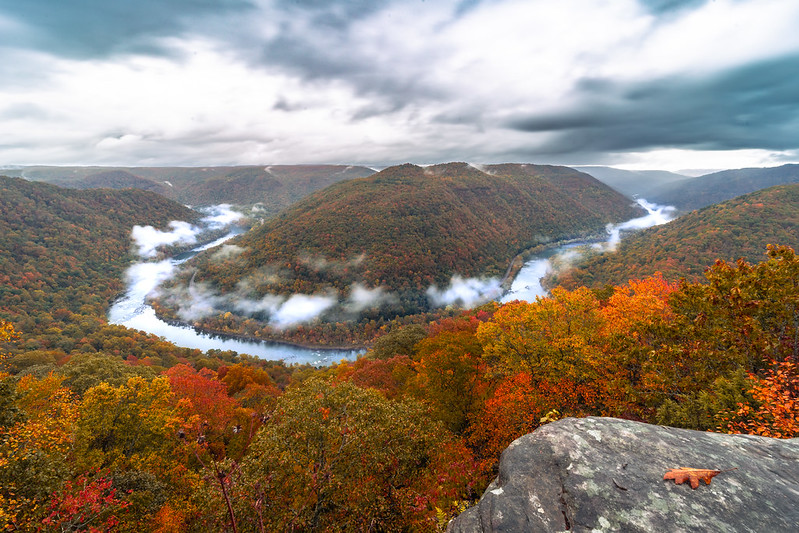
New River Gorge National Park and Preserve became a national park in late 2020. Since then, visitor numbers have climbed fast. Even so, large sections still feel open and uncrowded.
The gorge follows a long, powerful river channel. As a result, whitewater rafting is a headline activity. Rapids range from moderate to very difficult. Therefore, guided trips are common and recommended.
Trails line the rim and inner slopes. Some routes lead to overlooks. Others drop closer to the river. Meanwhile, the main steel arch bridge dominates many viewpoints.
Adventure options vary by season. Rafting peaks during higher spring water levels. In contrast, dry months favor hiking and bridge walks. Each period gives a different park mood.
Best things to do in New River Gorge National Park:
- Raft the New River rapids
- Walk or view the New River Gorge Bridge
- Hike rim and forest trails
- Stop at Grandview Main Overlook
Best time to visit: Spring for stronger rapids and rafting trips. Fall also works well for hiking weather.
Crowd level: 6/10, higher near the bridge and main overlooks.
18. North Cascades National Park – Glaciers, Blue Lakes, Remote Valleys
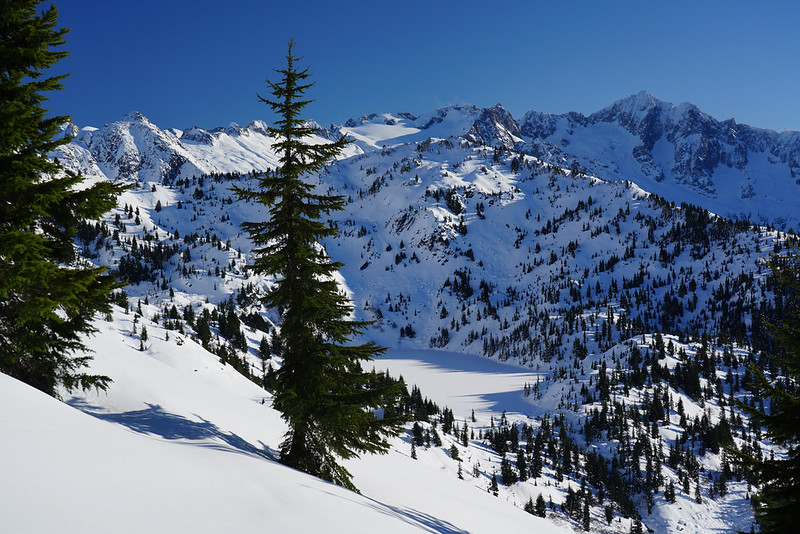
North Cascades National Park records some of the lowest visitor counts in the system. As a result, many trails feel empty. First, glacier-cut peaks fill the skyline. Then bright blue lakes appear below.
The terrain often gets compared to parts of New Zealand. However, it sits within Washington State. Glacial runoff gives Diablo Lake its bright color. Meanwhile, forested slopes drop straight to the water.
Wildlife sightings add another layer of interest. Gray wolves and fishers live in this region. Also, grizzly bear reintroduction plans moved forward recently. Therefore, habitat protection remains a major focus.
Access can be limited in certain zones. Stehekin Valley stands out as a remote section. You can reach it only by foot, boat, or small plane. That extra effort keeps traffic low.
Best things to do in North Cascades National Park:
- View Diablo Lake overlooks
- Hike alpine and glacier-view trails
- Visit Stehekin Valley
- Watch for mountain wildlife
Best time to visit: June through August for clearer weather and open roads.
Crowd level: 2/10 across most areas.
19. Arches National Park – Stone Arches and Desert Shapes
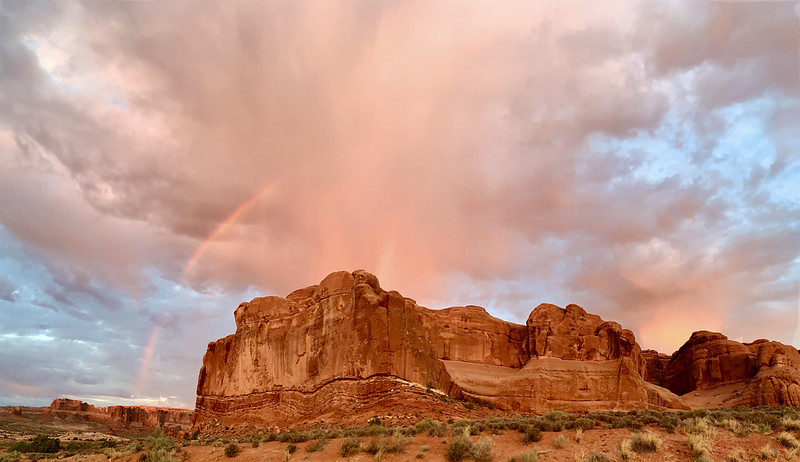
Arches National Park sits just north of Moab, Utah. It contains over 2,000 natural sandstone arches. As a result, rock shapes dominate every horizon. Wind and time carved the terrain.
First, the arch density stands out immediately. Then, smaller details appear across the landscape. Rock fins, towers, and balanced stones fill the area. Meanwhile, color shifts from orange to deep red at sunset.
Access here is fairly simple compared with many parks. Many headline formations sit near roads. Therefore, scenic stops require little walking. However, longer hikes reach less crowded arches.
Delicate Arch draws the most attention. Its outline appears on Utah license plates. Still, many other formations deserve equal time. Early and late hours improve light and comfort.
Best things to do in Arches National Park:
- Hike to Delicate Arch
- Explore Devils Garden trails
- View Balanced Rock
- Take the scenic park road drive
Camping adds another layer to the trip. Devils Garden Campground allows overnight stays. Then, sunrise hits the arches with strong color.
Best time to visit: April to early May and late fall after Labor Day. Summer heat runs very high.
Crowd level: 7/10 near main arches and viewpoints.
20. Glacier Bay National Park – Ice Fjords and Whale Waters
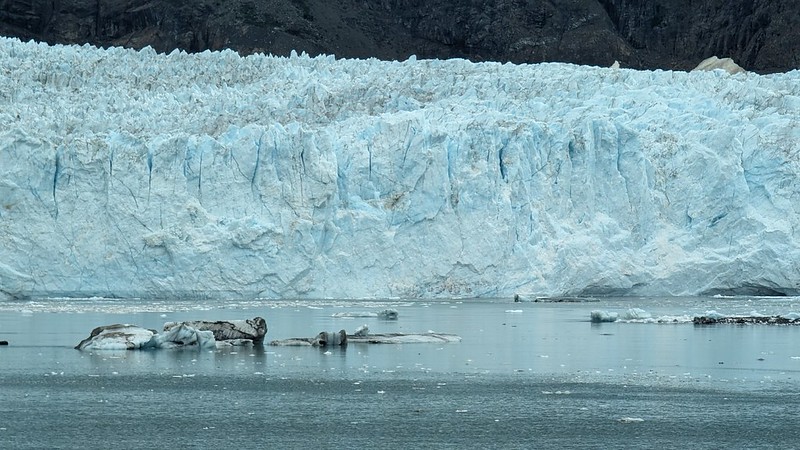
Glacier Bay National Park and Preserve covers more than 3 million acres in Alaska. First, massive glaciers meet the sea. Then long fjords stretch inland. Ice and water shape nearly every route.
Glacier retreat makes timing important for visits. As a result, many travelers come sooner rather than later. Most people enter by cruise ship. However, smaller boats and kayaks reach quiet coves.
Wildlife appears frequently along the water. Humpback whales surface near channels. Meanwhile, sea otters and puffins rest near floating ice. On shore, tracks from wolves and moose show up on beaches.
Ranger-led trips run daily during summer months. Therefore, guided walks and boat tours add helpful context. Getting onto the water improves glacier views greatly. Land viewpoints alone miss the scale.
Best things to do in Glacier Bay National Park:
- Take a glacier boat tour
- Kayak along fjord edges
- Join ranger-led walks
- Watch for whales and otters
Best time to visit: Summer for longer daylight and clearer viewing conditions. Outside summer, daylight hours drop sharply.
Crowd level: 4/10, mostly concentrated on cruise routes.
21. White Sands National Park – Rolling Gypsum Dunes and Open Sky
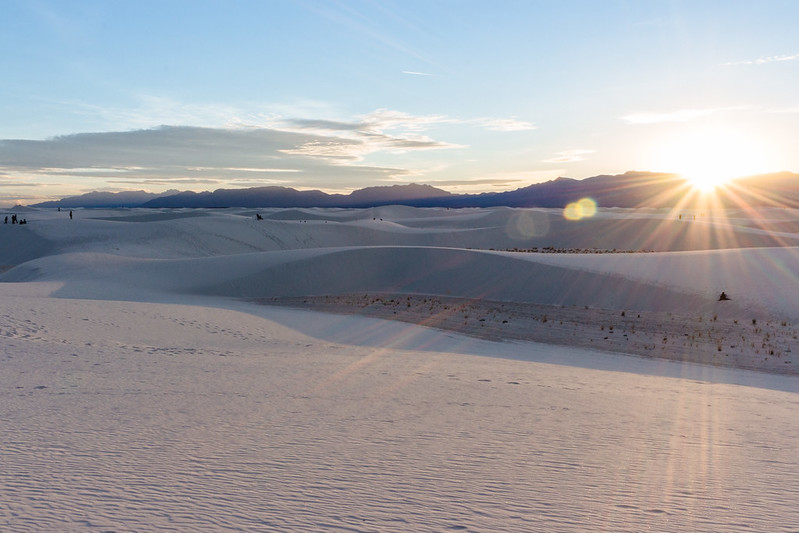
White Sands National Park covers about 270 square miles in New Mexico. First, the color stands out immediately. Then the dune waves stretch far in every direction. The ground looks like snow, not desert.
These dunes formed from gypsum left by ancient inland seas. Unlike regular sand, gypsum reflects more heat. Therefore, the surface feels cooler underfoot. As a result, barefoot walking is common here.
Marked trails cross several dune sections. However, open wandering is also allowed in many zones. Meanwhile, plastic sleds let visitors slide down slopes. Rentals are available near the entrance area.
Wind and heat affect trip timing. Spring can bring strong gusts and blowing dust. Summer gets very hot by midday. In contrast, fall brings steadier air and milder temperatures.
Best things to do in White Sands National Park:
- Walk marked dune trails
- Try sand sledding
- Catch sunset over the dunes
- Take the scenic dune drive
Nearby stops add extra interest. Local farms and wineries sit within driving distance. Many visitors pair both in one trip.
Best time to visit: Fall for lighter winds and moderate temperatures.
Crowd level: 5/10, higher near sunset hours and main dune areas.