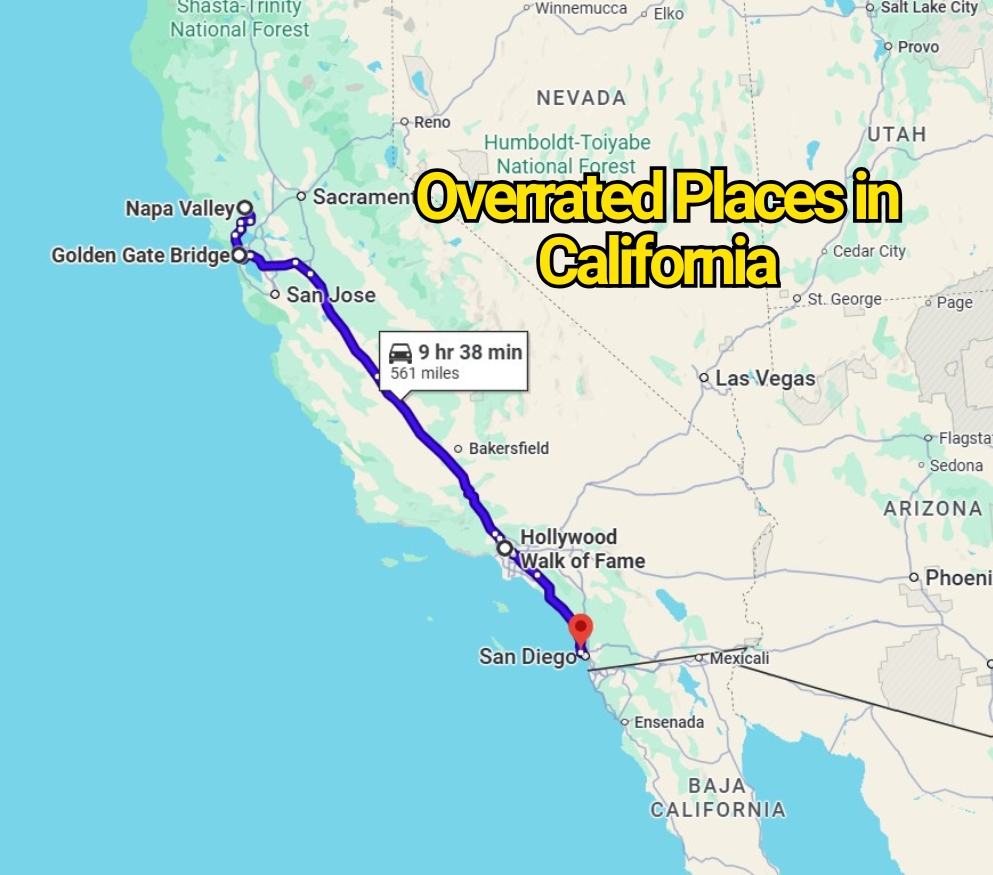
California often arrives in people’s minds shaped by films, music, and glossy travel stories. It is imagined as a place of endless sunshine, polished lifestyles, and effortless beauty, where every mile feels larger than life. That image isn’t entirely wrong, but it only tells part of the story.
Stretching from the Pacific shoreline to high mountain ranges and forested interiors, the state shifts character every few hours of driving. Coastal routes bring open ocean air and long sandy stretches, while inland corridors move into desert heat and rugged peaks. Major cities pulse with constant activity, mixing culture, ambition, and movement in a way that rarely slows down.
Yet some of the most talked-about tourist stops do not always match expectations. Crowds, heavy commercialization, and inflated reputations can take away from the experience. In contrast, quieter locations often deliver a stronger sense of place—small coastal towns, lesser-traveled forest roads, and open landscapes where time feels less compressed.
A journey through California works best with flexibility rather than fixed expectations. Moving from the southern coastline up to the northern reaches reveals constant change in scenery and mood. Between well-known landmarks and lesser-visited routes, the state offers a wide spread of experiences that go far beyond its most photographed spots.
1. Revisiting the Hollywood Walk of Fame Experience
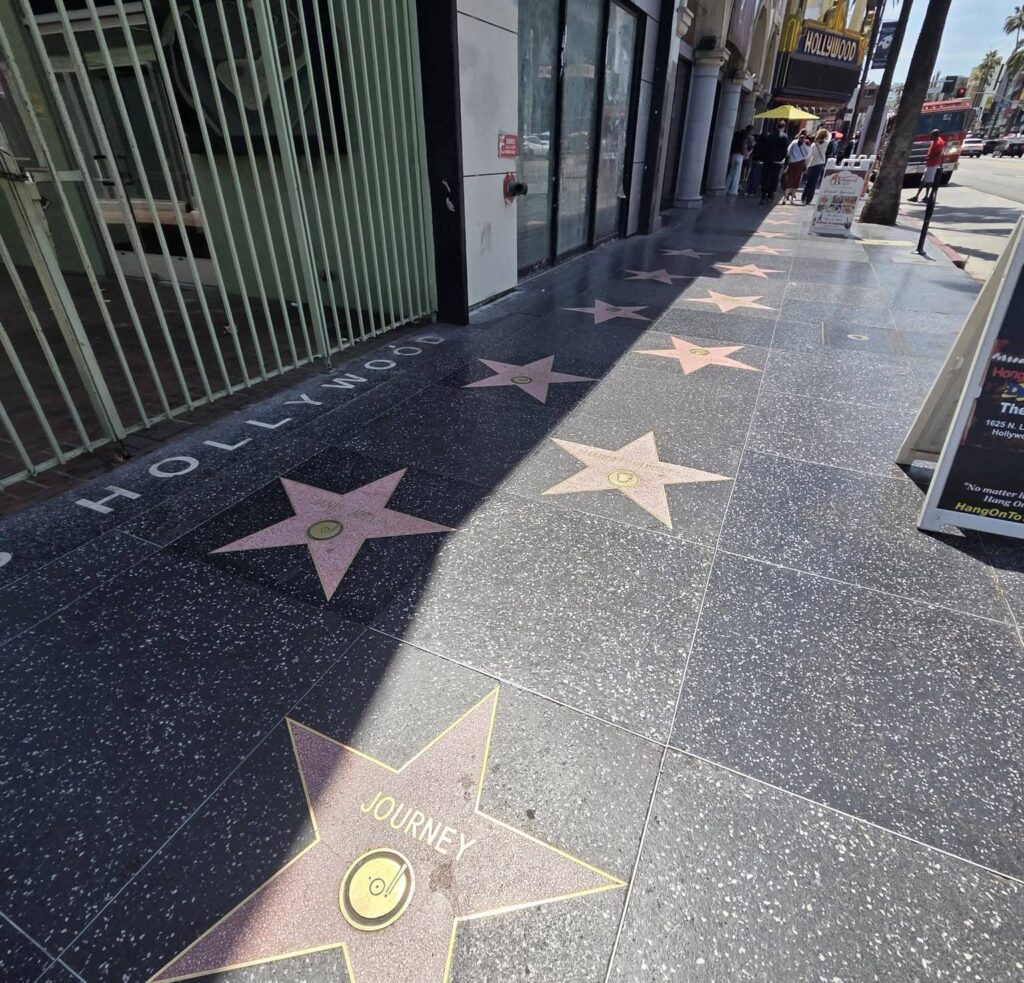
The Hollywood Walk of Fame along Hollywood Boulevard is widely recognized for its star-lined sidewalks honoring entertainers from film, television, music, and more. Many visitors arrive expecting a standout highlight and quickly head straight for a favorite celebrity’s name. That moment is often the peak of their stop.
After that initial experience, some people feel the surrounding area offers less than expected. Crowds move steadily through the sidewalks, street vendors fill the space, and the atmosphere can feel rushed rather than immersive. The visit may come across as more brief than memorable for those expecting a slower cultural experience.
However, stepping a few blocks away changes the tone completely. Small coffee spots, independent shops, and lesser-known creative spaces appear once you leave the busiest stretch behind. These side streets carry a more relaxed pace, offering a different side of Hollywood that many visitors overlook.
Beyond the main boulevard, there are also small museums, film history corners, and art-focused locations that provide more context about the entertainment industry’s past and present. Shifting attention away from the central strip often leads to a more balanced and rewarding visit overall.
2. Looking at the Golden Gate Bridge From a New Angle
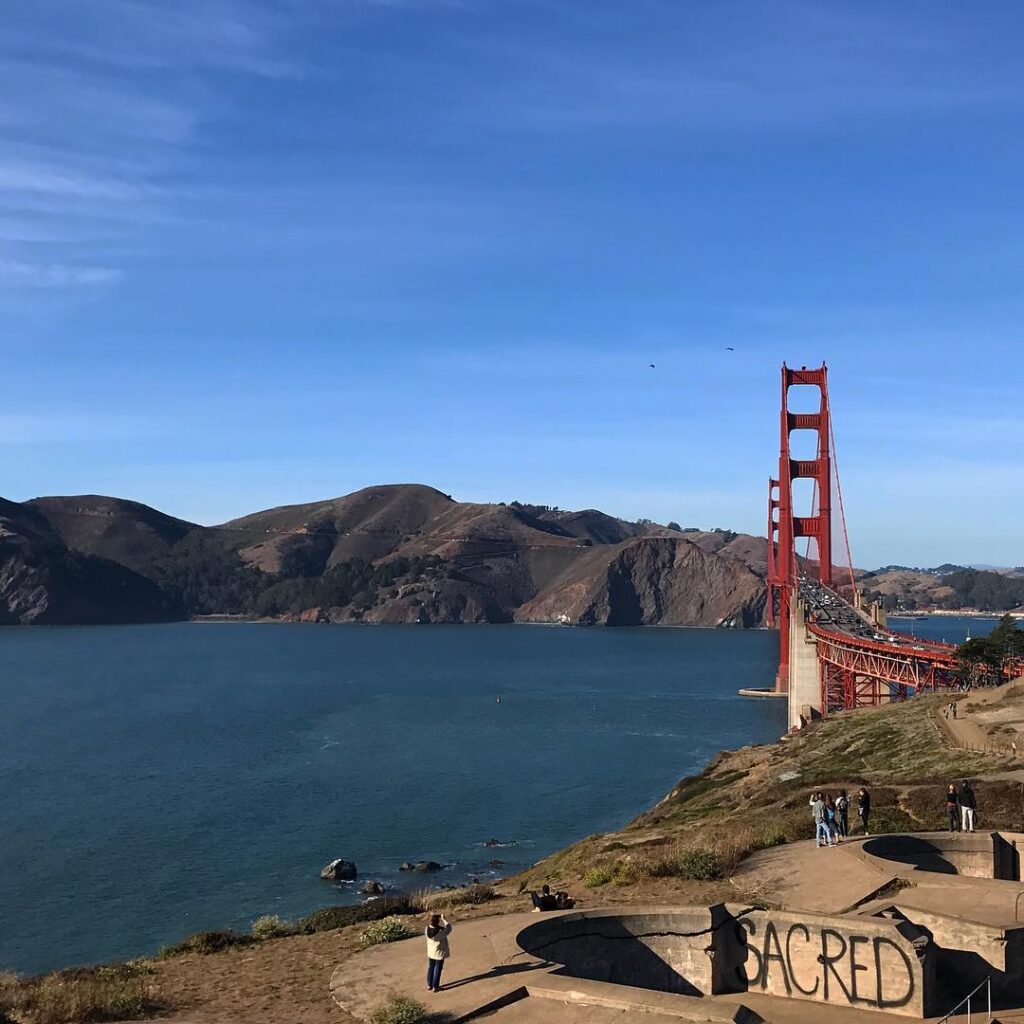
The Golden Gate Bridge stands as one of San Francisco’s most recognized landmarks, known worldwide for its striking design and international symbolism. Its massive red-orange structure stretching across the bay often appears on travel lists and postcards alike, drawing large numbers of visitors every day.
While the view can be impressive—especially during softer light hours—the actual visit may feel brief for some travelers. Many people arrive, take photos, and leave soon after, since there are limited activities directly on the bridge itself. This can make the experience feel shorter than expected.
Rather than focusing only on the bridge viewpoint, the surrounding area offers far more variety. Nearby parks, coastal walking paths, and elevated overlooks provide different angles and quieter spots to enjoy the scenery without heavy crowds. These locations often give a broader sense of the landscape.
A short distance away, San Francisco opens up into culturally rich neighborhoods and historic sites. Areas like Chinatown and North Beach bring food, architecture, and local character into the experience, while Alcatraz Island adds historical depth for those interested in the city’s layered past.
3. Questioning the Napa Valley Wine Country Reputation
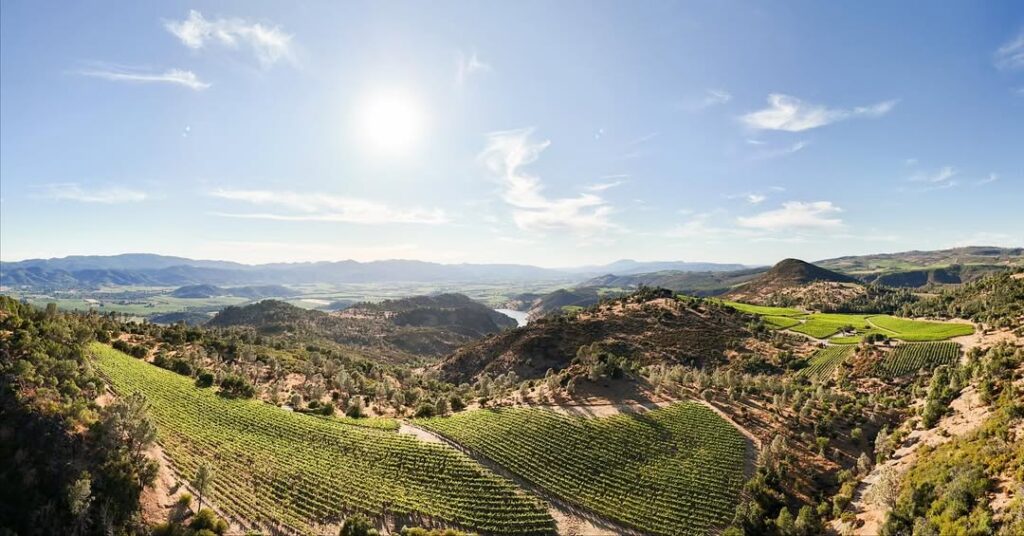
Napa Valley is widely known for its extensive vineyards and reputation as a premier wine-producing region in California. It is frequently promoted as a top destination for wine enthusiasts, with polished tasting rooms and large-scale wine estates drawing steady visitor traffic throughout the year.
However, the on-the-ground experience can differ from expectations. Popular tasting rooms often come with high prices, scheduled bookings, and crowded environments, especially during peak travel seasons. Some tours may feel structured around sales rather than offering deeper insight into winemaking traditions.
That said, the region still has meaningful experiences for those willing to step away from the busiest stops. Smaller, family-run wineries often provide a more personal setting, where conversations about production and history feel less rushed and more grounded.
Beyond wine tasting, Napa Valley also offers strong food culture and outdoor experiences. Local restaurants focus heavily on regional ingredients, while surrounding hills and trails provide open landscapes for hiking and scenic drives, adding balance to a visit focused only on vineyards.
4. Rethinking San Diego’s SeaWorld Experience
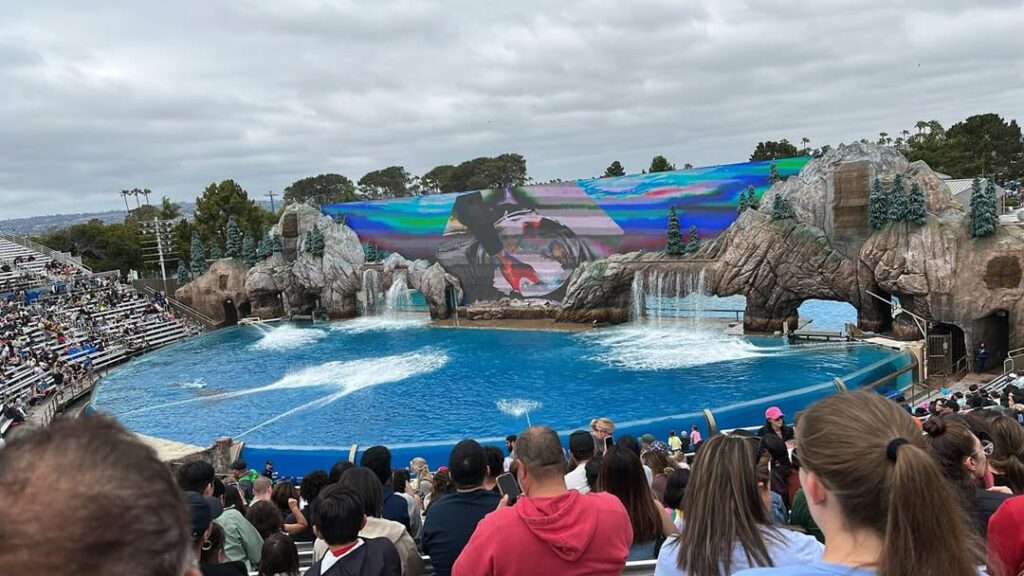
SeaWorld in San Diego is often promoted as a major family attraction, drawing visitors with marine shows and close-up animal encounters. It has long been included in travel itineraries for people looking to experience marine life entertainment in a controlled setting.
However, reactions to the experience can be mixed. While performances featuring orcas and dolphins may appear impressive, many visitors leave with questions about the environment these animals are kept in. The contrast between entertainment and animal welfare concerns often shapes how people interpret the visit.
For those interested in marine life in a more natural context, alternative experiences exist outside the park. Whale-watching trips along the Southern California coast offer a chance to observe ocean wildlife in open waters, where movement and behavior are unrestricted.
These coastal excursions also shift the focus from staged shows to real ecosystems at work. Seeing marine animals in their natural surroundings often leaves a stronger impression, especially for travelers who prefer experiences connected directly to nature rather than controlled environments.
More Related Articles :