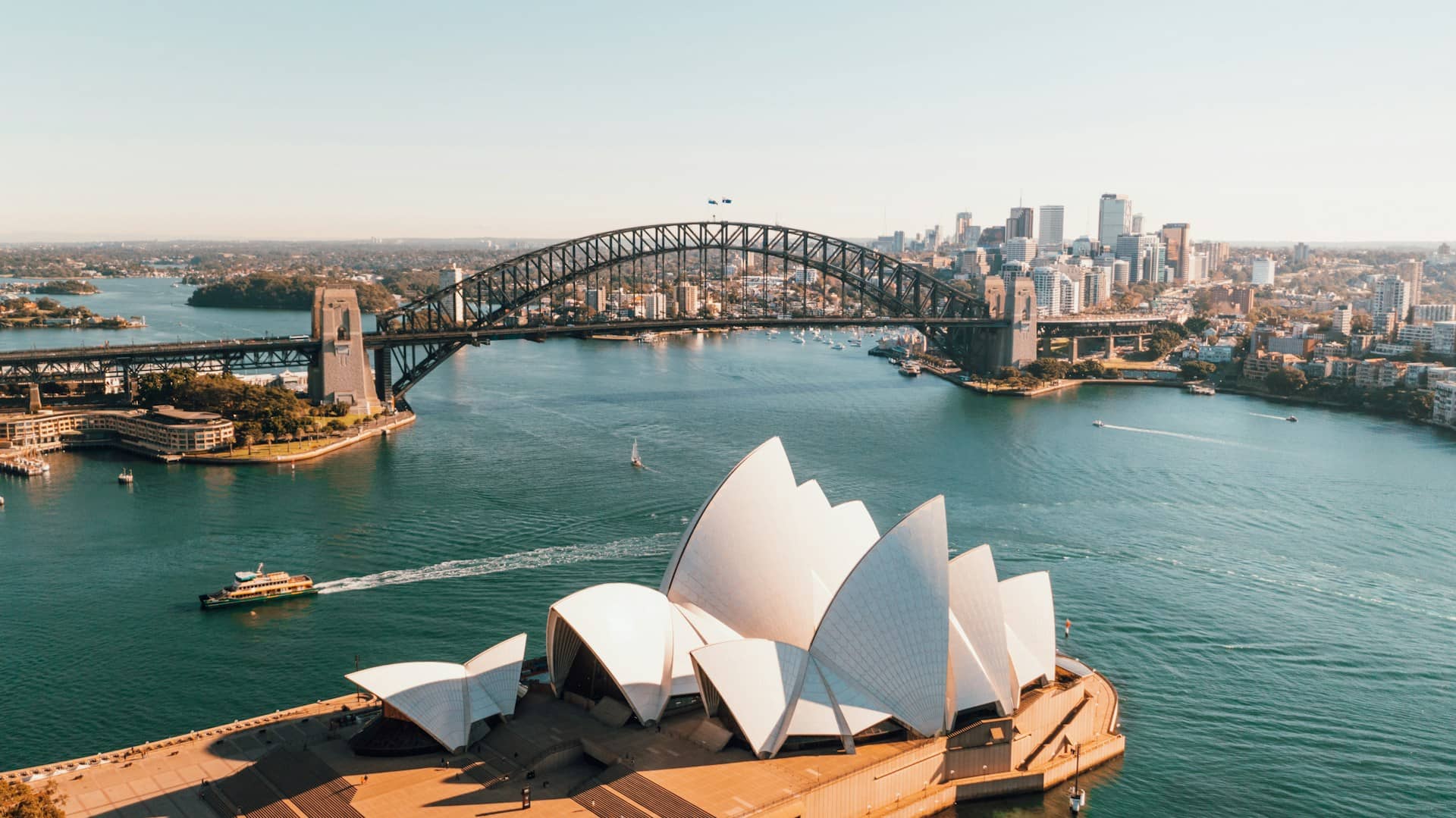
Australia is an enormous and ancient country, shaped by powerful natural forces and thousands of years of human history. Its sheer size means experiences change quickly—from tropical waters and coral reefs to long coastal drives, arid interiors, and temperate southern regions. Travelling here often feels like moving between entirely different countries within a single trip.
Some of the best places in Australia sit along the coast, where reefs, beaches, and ocean roads define the landscape. Others are found inland, where wine regions, small towns, and wide horizons slow the pace. Major cities add another layer, blending waterfront settings with food scenes, arts, and everyday local life that feels distinct from one city to the next.
What makes Australia especially compelling is how these contrasts coexist. Iconic landmarks sit alongside lesser-known parks and islands, and even familiar destinations can feel different depending on season and route. No matter how many times you visit, the country has a way of offering new angles, fresh routes, and unexpected moments along the way.
Map of Australia’s Top Destinations
How to Use the Map:
- Click the white button in the top-left corner to view the full list of locations.
- Select any location to see it highlighted on the map.
- Click the top-right corner to open a larger version in a new tab.
- You can also add this map directly to your Google Maps for easy navigation.
New South Wales
1. Sydney: Harbour & Laneways
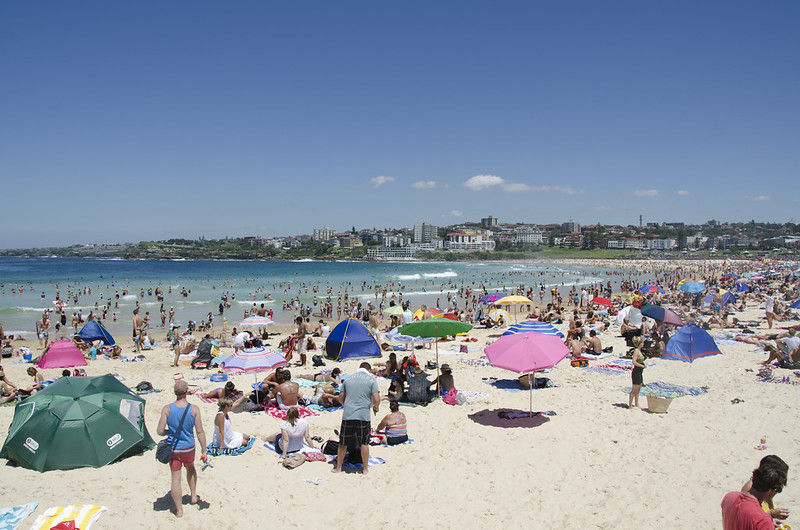
Often mistaken for Australia’s capital, Sydney quickly explains the confusion. Set along the east coast, the city spreads out around an expansive harbour lined with coves, inlets, and beaches. Water shapes daily life here, whether you’re near Darling Harbour or following the shoreline where the city opens up to the sea.
For many international visitors, Sydney sits high on the travel list—and with good reason. Landmarks like the Opera House and Harbour Bridge dominate the views around Circular Quay, while coastal areas such as Bondi live up to their reputation. Beyond the icons, the city offers clifftop paths, lookout points, and neighbourhoods that feel very different from one another, depending on where you wander.
Top 3 Things to Do
- Spend time at Bondi Beach or walk the Bondi to Coogee Coastal Walk
- Ride the Manly Ferry from Circular Quay to Manly across the harbour
- Walk through Surry Hills, known for its cafés, galleries, and street life
Where to Stay
- Crystalbrook Albion – A refined boutique hotel located in Surry Hills. We stayed here on our last visit and found both the rooms and the location hard to fault.
- Sydney CBD – A practical choice if you want quick access to major sights, transport hubs, and harbour walks
How to Get There
Fly into Sydney International Airport. As the country’s busiest airport, it connects easily with a wide range of domestic routes and long-haul international flights.
2. Byron Bay: Surf & Sunset
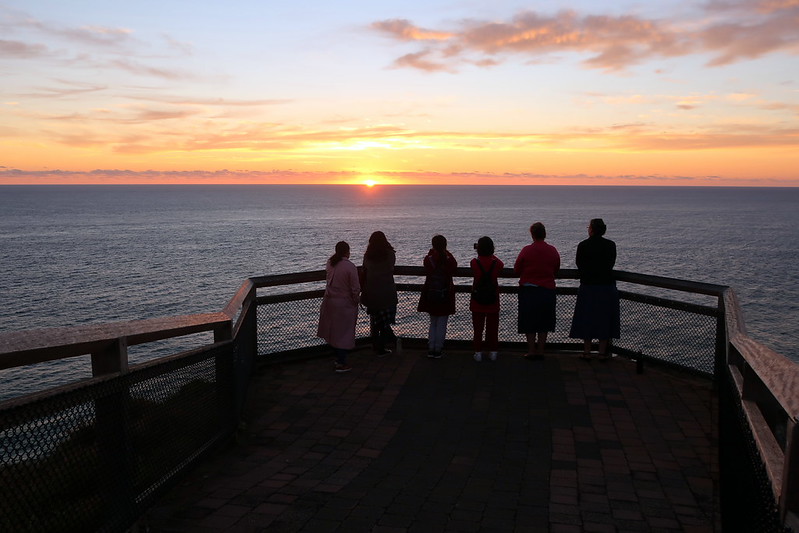
Byron Bay ranks among Australia’s most loved beach towns, set along the far northern edge of New South Wales. Its location places it closer to southeast Queensland than to Sydney, making it a natural add-on for trips from Brisbane or the Gold Coast rather than a detour from the south.
Once known as a laid-back enclave shaped by surf culture and alternative living, Byron Bay has changed over the past two decades. An influx of city residents brought new energy, cafés, and accommodation options. While the pace is faster than it used to be, the coastline, headlands, and ocean views remain a strong part of its appeal.
Top 3 Things to Do
- Watch the sunset at Cape Byron, the easternmost point of mainland Australia, reached by road or a 3.7 km walk up to the lighthouse
- Join a whale-watching trip between June and November to see migrating humpback whales
- Spend a relaxed day at Main Beach
Where to Stay
- The Lord Byron – A centrally located hotel offering queen rooms, plus an on-site pool and tennis court
- Waves Byron Bay – A modern hotel with a convenient location close to the beach and town centre
How to Get There
Byron Bay sits about 70 km south of the Queensland–New South Wales border. The drive takes roughly two hours from Brisbane or around 75 minutes from the Gold Coast, though travel times can stretch during school holidays. Flights arrive via Brisbane Airport or Coolangatta Airport, followed by a drive south.
3. Waterfall Way: Hidden Falls Drive
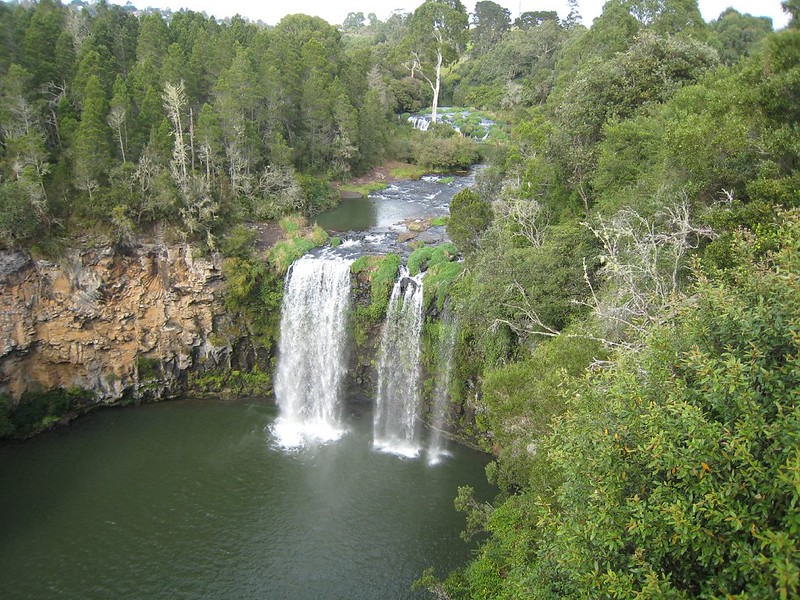
Waterfall Way is a striking driving route in northern New South Wales, running roughly 200 km between Coffs Harbour and Armidale. Despite its reputation among locals, it often slips past the attention of international travellers, which adds to its appeal for those who enjoy quieter roads and changing scenery.
The drive moves steadily from the coast into higher country, passing through rainforest pockets, open farmland, and national parks. Waterfalls appear frequently along the way, breaking up the journey with short walks and lookout points that make the route feel varied rather than repetitive.
Small towns add character between stops. Places like Dorrigo and Bellingen offer cafés, local produce, and places to pause before continuing inland. The route also links several major falls, including Dangar Falls, Wollomombi Falls, and Ebor Falls, each with a different scale and setting.
For travellers who enjoy slow travel and landscape-driven journeys, Waterfall Way offers a rewarding alternative to faster highway routes, turning the drive itself into the highlight.
Top 3 Things to Do
- Stop at major waterfalls along the route, including Ebor Falls, Dangar Falls, and Wollomombi Falls
- Walk the Dorrigo Skywalk, a raised platform extending above the forest canopy
- Spend time in Bellingen, a laid-back hinterland town with cafés and local markets
How to Get There
Waterfall Way runs through northern New South Wales and requires a bit more commitment to reach than many coastal stops. The closest airport is Coffs Harbour, a regional hub located about an hour’s drive from sections of the route.
For those who prefer a longer journey, driving from Brisbane or Sydney turns the trip into a road-based adventure. Expect around five to six hours behind the wheel from either city, depending on traffic and chosen stops.
Queensland
4. Gold Coast: Beaches & Surf
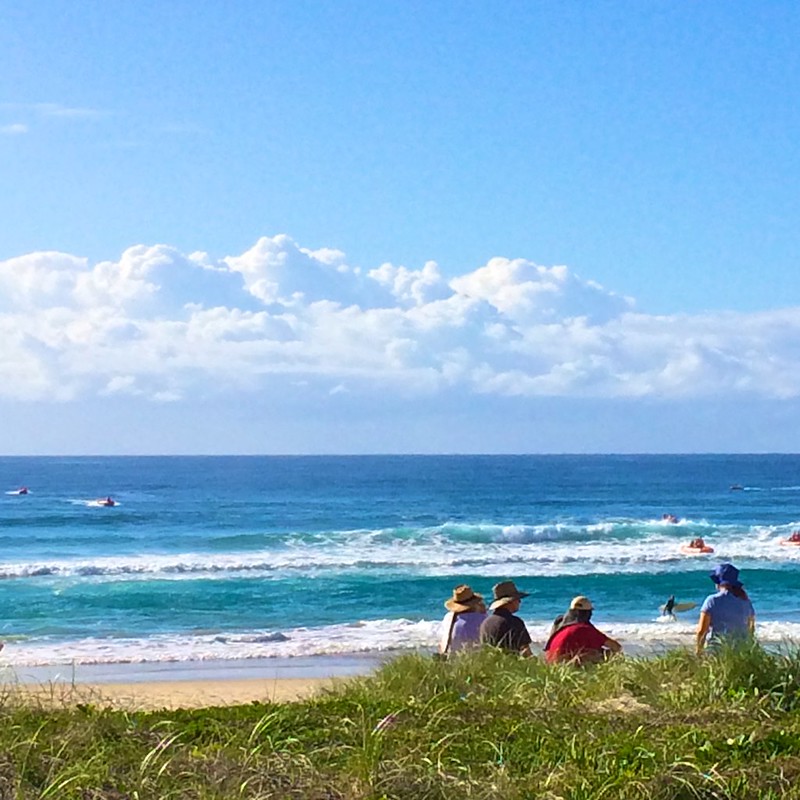
The Gold Coast stands as one of Australia’s best-known coastal destinations, combining long stretches of sand with a sizeable urban footprint in southeast Queensland. The shoreline runs for miles, backed by consistent surf breaks that have shaped the area’s identity for decades.
While Surfers Paradise draws the largest crowds and the brightest lights, it represents just one side of the Gold Coast. Areas such as Broadbeach, Burleigh Heads, Mermaid Beach, and Coolangatta offer a slower rhythm without sacrificing access to the ocean.
Together, these neighbourhoods give the Gold Coast a layered feel. You can move easily between busy beachfront strips and quieter sections where mornings revolve around surf sessions, coastal walks, and cafés a short stroll from the sand.
Top 3 Things to Do
- Spend the day moving between different stretches of sand along the Gold Coast, each with its own feel and surf conditions
- Take on the short but steep coastal hike in Burleigh Heads National Park, rewarded with sweeping ocean views
- Join a whale-watching tour between June and November to see migrating humpback whales offshore
Where to Stay
- QT Gold Coast – A playful, design-focused hotel with bold interiors and a lively atmosphere
- The Langham Gold Coast – An upscale hotel positioned between Surfers Paradise and Broadbeach, known for polished rooms and beachfront access
How to Get There
The Gold Coast is served by Gold Coast Airport (OOL), located at the southern end of the region. From there, expect around a 40-minute taxi or rideshare trip to Surfers Paradise or Broadbeach.
Driving from Brisbane is another option, with travel times averaging about 90 minutes in light traffic and closer to two hours during busier periods.
5. Brisbane: River City Escape
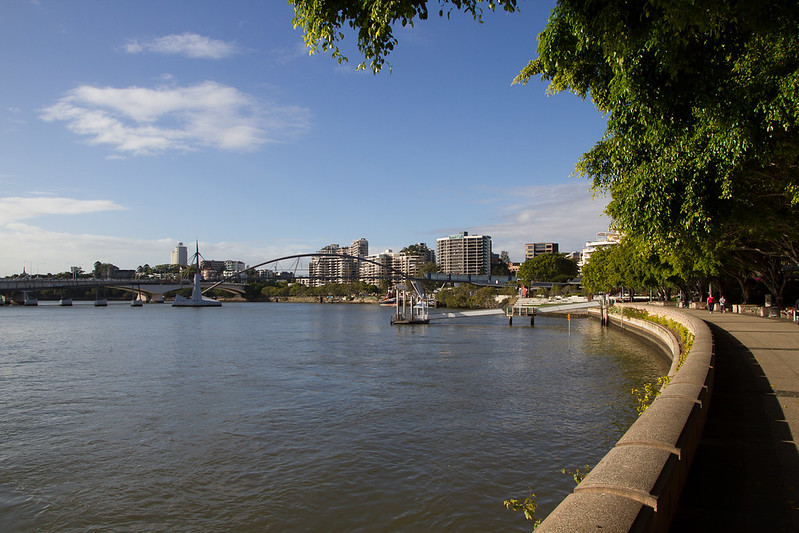
Brisbane sits in southeast Queensland and carries a warm, subtropical climate year-round. As Australia’s fastest-growing major city, it balances steady expansion with an easygoing rhythm shaped by river life and outdoor living. It also happens to be my hometown, which gives every return visit a familiar, welcoming feel.
Over the past decade, Brisbane has shifted noticeably, with new precincts, public spaces, and cultural venues reshaping the city ahead of the 2032 Olympic Games. Time here is best spent outdoors—walking, dining by the river, or moving between neighbourhoods—since even central areas feel open and relaxed rather than dense.
Much of daily life follows the curve of the Brisbane River. Walks along South Bank, evenings beneath the Story Bridge at Howard Smith Wharves, and ferry rides on the CityCat all reveal different angles of the city. Shopping along James Street adds a design-focused contrast, while Roma Street Parkland offers green space close to the CBD and holds personal significance for us as our wedding location.
Top 3 Things to Do
- Eat and drink along the river at Howard Smith Wharves
- Shop and wander through James Street in New Farm
- Walk or jog beside the water through South Bank Parklands
Where to Stay
- The Calile, New Farm—An internationally recognised design hotel near James Street. We stayed here for a week before our wedding, and it remains a standout for comfort and style.
- Hotel X, Fortitude Valley – A high-end design hotel a short walk from Howard Smith Wharves, with an excellent rooftop pool and restaurant.
- Voco Brisbane City Centre – Well positioned for exploring the CBD or crossing Victoria Bridge into South Bank.
How to Get There
Fly into Brisbane Airport, which handles both domestic and international flights. Travel time is around one hour from Sydney and roughly two and a half hours from Melbourne.
6. The Whitsundays: Islands & Reef
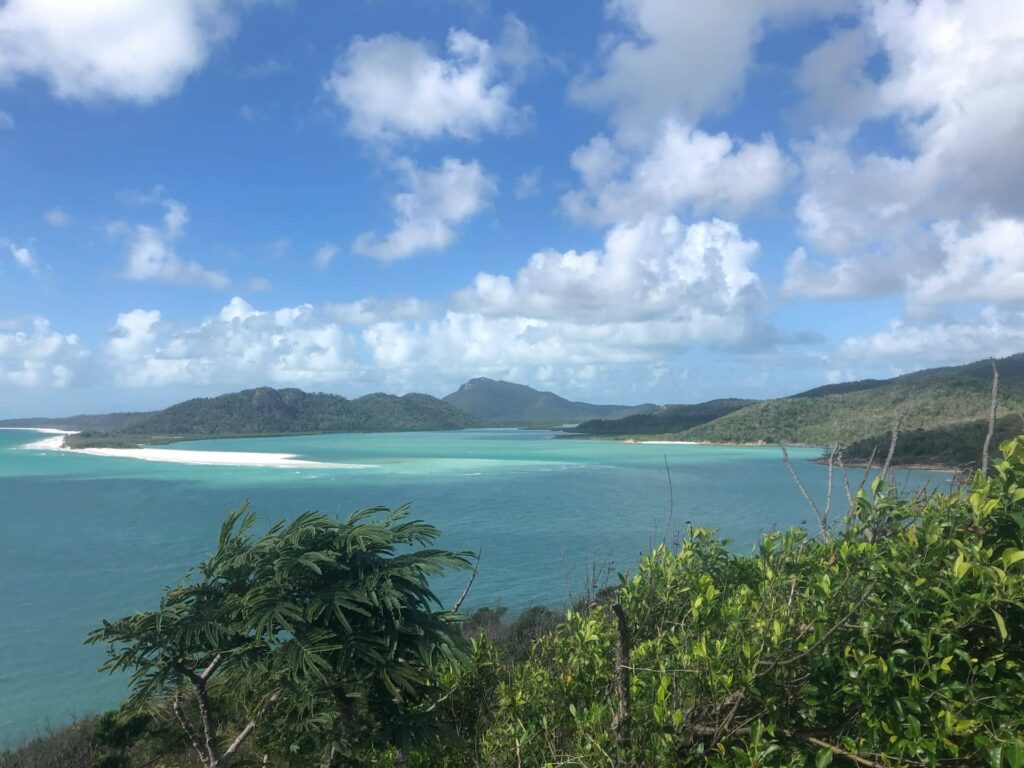
The Whitsundays form a chain of 74 tropical islands scattered off the coast of North Queensland. The area is best experienced from the water or above it—by sailboat, small plane, or short island hops—each option revealing different shades of sea and shoreline that shift throughout the day.
Several islands act as comfortable bases, including Hamilton Island, Hayman Island, and Daydream Island. Accommodation ranges from relaxed, family-orientated resorts to polished, high-end retreats. One highlight stands apart: Whitehaven Beach, located on uninhabited Whitsunday Island and known for its pale silica sand and sweeping shoreline, is easily reached on a day trip.
Top 3 Things to Do
- Take a day trip to Whitehaven Beach with Cruise Whitsundays
- Snorkel sections of the Great Barrier Reef on a guided cruise
- Spend a night or two at InterContinental Hayman Island Resort
Where to Stay
- Hamilton Island – Wide-ranging accommodation, including the high-end qualia
- Hayman Island – Home to InterContinental Hayman Island Resort, known for its secluded setting
- Daydream Island – A mix of accommodation styles suited to families and shorter stays
- Airlie Beach – Mainland option with hotels, hostels, and easy access to island tours
7. Cairns & the Great Barrier Reef: Tropics & Coral
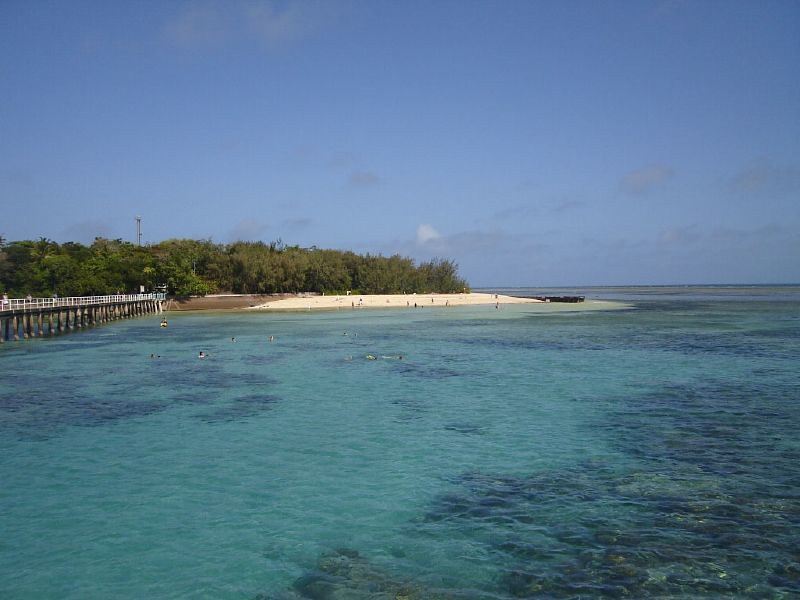
Cairns sits at the edge of Australia’s tropical north, close to two globally significant landscapes: the Great Barrier Reef and the Daintree Rainforest. Warm seas meet dense forest here, creating a region where land and water experiences carry equal weight.
Snorkelling the reef draws visitors from around the globe, and Cairns works well as a launch point. Day trips to the Outer Reef place you above coral systems alive with colour and movement, offering a close look at one of the planet’s most remarkable marine environments. Conditions vary by season, but the experience remains a highlight for many first-time visitors.
Inland, the Daintree tells a much older story. As the oldest living rainforest on Earth, it rewards time spent learning about its plants, wildlife, and Indigenous heritage. Guided excursions from Cairns help unpack its layers and make sense of what you’re seeing beyond the surface.
Cairns functions as a practical base, though some travellers prefer quieter coastal alternatives. Port Douglas offers a more polished holiday feel, while Palm Cove appeals to those who want beachfront mornings and slower evenings.
Top 3 Things to Do
- Snorkel sections of the Great Barrier Reef on a day cruise
- Island hop to Green Island and Fitzroy Island
- Spend a day exploring the Daintree Rainforest with a local guide
Where to Stay
- Palm Cove – A relaxed beach town with accommodation ranging from resorts to apartments
- Port Douglas – A refined holiday base known for resort-style stays and dining
- Crystalbrook Riley, Cairns – A stylish hotel well placed for organising reef and rainforest tours
How to Get There
Fly into Cairns Airport. Transfers and car hire make it easy to reach Palm Cove in about 30 minutes or Port Douglas in roughly one hour by road.
8. Sunshine Coast: Coastlines & Hinterland
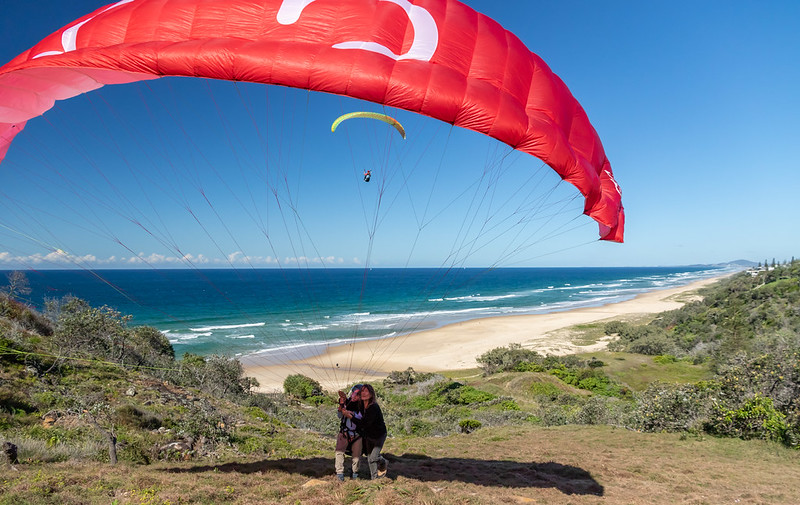
The Sunshine Coast stretches north of Brisbane and is defined by a chain of relaxed beach towns rather than a single centre. Places such as Caloundra, Mooloolaba, Sunshine Beach, and Noosa line the coast, making it easy to move between different stretches of sand. With more than 30 beaches, the region suits travellers who prefer variety over staying in one spot.
Time here often revolves around the ocean—swimming, surfing, or slow mornings by the water. Noosa adds a food-focused edge with waterfront dining, while inland areas shift the tone entirely. The hinterland introduces forest reserves, walking trails, and the striking forms of the Glasshouse Mountains, offering a break from coastal routines.
Top 3 Things to Do
- Spend time at beaches across Noosa, Mooloolaba, Caloundra, and Kings Beach
- Walk coastal tracks in Noosa National Park
- Tackle hikes in the Glasshouse Mountains within the hinterland
Where to Stay
- Noosa – The most in-demand base on the coast, known for its dining scene and higher price range
- Mooloolaba – A family-friendly option with a wide beach and varied accommodation
- Caloundra – Well suited to families, with easy access to Kings Beach
How to Get There
You can fly directly into Sunshine Coast Airport (MCY). As a regional airport, flight options may be limited, so another option is flying into Brisbane and driving north. Depending on traffic and your final stop, the drive usually takes between 90 minutes and two and a half hours.
Victoria
9. Melbourne: Cafes, Laneways & Culture
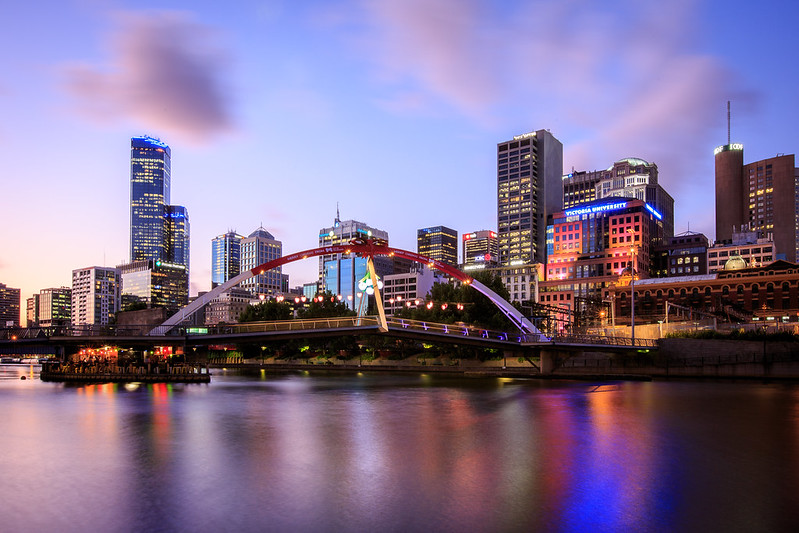
Melbourne has long carried a reputation for culture, food, retail, and sport, and it has now overtaken Sydney as Australia’s largest city. European influences run deep here, most noticeably in café habits, long lunches, and sprawling food markets that draw locals daily rather than just on weekends.
The city’s personality often reveals itself far away from main roads. Narrow laneways hide small bars, espresso counters, and dining rooms that reward wandering. Street art shifts regularly, coffee standards are taken seriously, and Australian rules football shapes winter weekends, with nine AFL teams calling the city home.
Neighbourhoods north of the CBD add another layer. Areas like Fitzroy and Collingwood are known for independent shops, music venues, and a creative edge that keeps the city feeling restless rather than settled.
As Victoria’s capital, Melbourne also works well as a base. Coastal drives, wine regions, and mountain towns sit close enough for easy day trips, often within a couple of hours by car, making it simple to pair city time with short escapes.
Top 3 Things to Do
- Spend time in key neighbourhoods such as Carlton, Fitzroy, and St Kilda
- Walk through the CBD’s laneways to see cafés, bars, and street art tucked between buildings
- Visit the National Gallery of Victoria, widely regarded as the country’s leading art museum
Where to Stay
- QT Melbourne – A design-forward hotel centrally located in the CBD, close to shopping, dining, and major sights
How to Get There
Fly into Melbourne Airport. Flight time is around one hour from Sydney and roughly two hours from Brisbane, with frequent services from both cities.
10. Great Ocean Road: Coastal Drive & Views
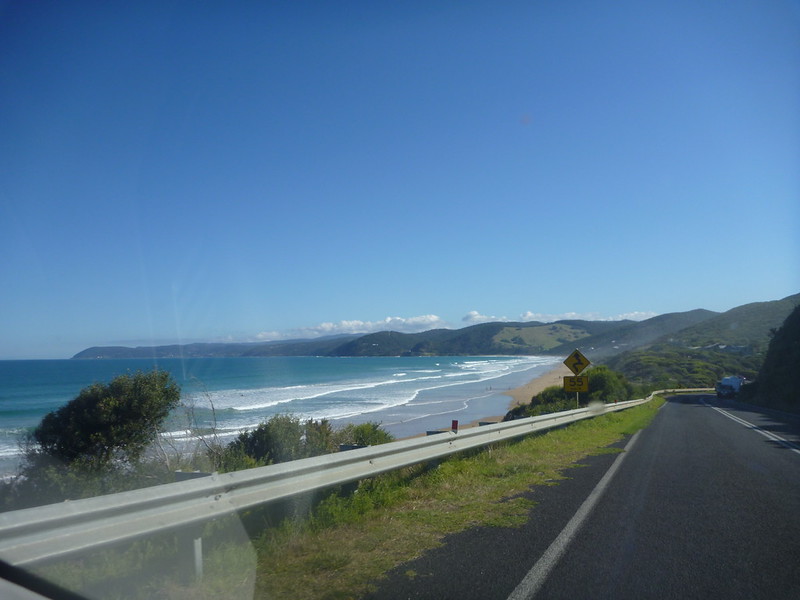
The Great Ocean Road is widely regarded as Australia’s most celebrated coastal drive, running for more than 200 km along Victoria’s southern edge between Torquay and Port Fairy. The route follows cliffs and beaches shaped by the Southern Ocean, with constant shifts in light, weather, and scale that keep the drive engaging from start to finish.
Its best-known feature is the Twelve Apostles, a group of limestone stacks rising from the sea and slowly changing form over time. Nearby, Port Campbell National Park adds lookout points and coastal paths, while small beach towns break up the journey and invite unplanned stops.
Away from the coast, inland roads lead into Great Otway National Park, where forest drives, short walks, and waterfalls offer a different pace. This mix of ocean views and forest detours is what makes the Great Ocean Road feel like more than a simple drive.
While day tours from Melbourne cover the highlights, spending three to four days allows time to slow down, revisit viewpoints, and explore beyond the roadside stops.
Top 3 Things to Do
- See the Twelve Apostles and walk sections of Port Campbell National Park
- Look for koalas resting in eucalyptus trees around Kennett River
- Visit waterfalls and forest tracks in Great Otway National Park
Where to Stay
- Lorne Hotel, Lorne – A restored historic hotel in my favourite town along the route, well placed for coastal walks
- Apollo Bay – A practical midway stop with a wide range of accommodation options
How to Get There
You can join a guided day tour from Melbourne, though hiring a car offers far more flexibility. Lorne sits about a two-hour drive from the city, and the coastal stretch between Torquay and Port Fairy often takes longer than expected due to winding roads and frequent stops.
11. Goldfields Trail: History & Heritage Towns
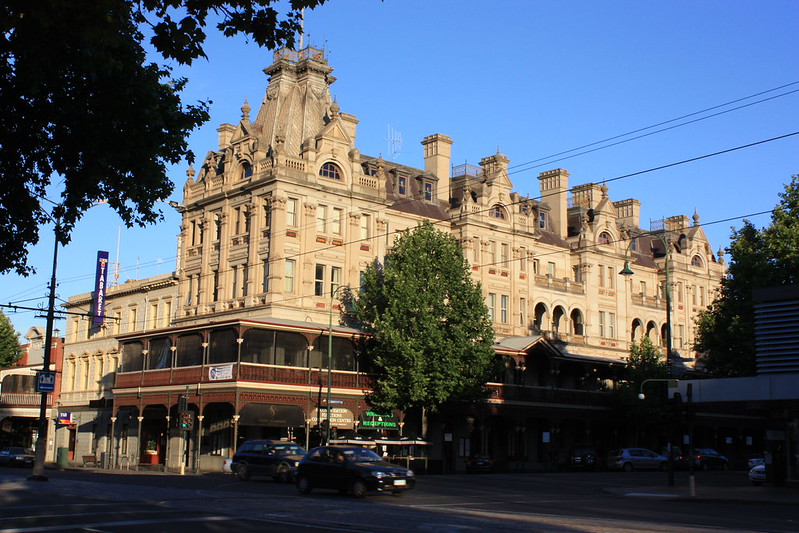
The Victorian Goldfields sit north of Melbourne and trace their story back to the 19th-century Gold Rush, a period that briefly turned Melbourne into one of the wealthiest cities on the planet. That surge of prosperity left a lasting mark: towns built grand civic buildings, theatres, and streetscapes that still define the region today.
Larger centres such as Bendigo and Ballarat remain remarkably intact, offering a strong sense of continuity between past and present. Walking their streets gives context to how rapidly fortunes rose during the gold era and why these towns still feel confident and well-formed rather than fleeting boom settlements.
Beyond history, the Goldfields extend into wine country. The Heathcote region is particularly known for Shiraz, shaped by ancient soils and warm inland conditions. Visiting in June adds another layer, when the town hosts its annual wine weekend over the King’s Birthday long weekend.
Top 3 Things to Do
- Spend a day in Ballarat, including the Ballarat Botanical Gardens, lunch at Pancho, and time at Sovereign Hill
- Explore Bendigo, with its heritage streets and exhibitions at the Bendigo Art Gallery
- Attend Heathcote on Show, where local winemakers host pop-up tastings across the town during the June long weekend
How to Get There
The main Goldfields towns are around a 90-minute drive from Melbourne, making the region an easy day trip or a relaxed overnight escape.
12. Grampians National Park (Gariwerd): Ridges & Waterfalls
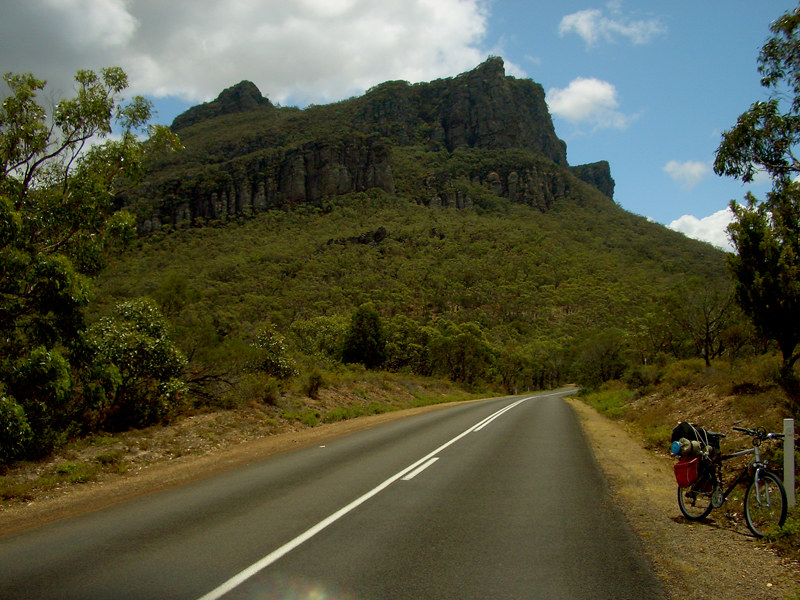
Grampians National Park (Gariwerd) is a popular long-weekend escape for Melburnians and a strong draw for hikers, sitting about four hours west of the city in western Victoria. The landscape is defined by five sandstone ranges that rise sharply from surrounding plains, creating bold ridgelines, deep valleys, and a steady run of walking tracks.
Waterfalls and lookouts punctuate the park, rewarding those willing to spend time on foot. Trails range from short climbs to longer ridge walks, each offering a different angle on the terrain. Accommodation is limited close to the park boundary, so securing a place in Halls Gap often requires planning ahead, especially during peak seasons.
Top 3 Things to Do
- Walk to Boronia Peak Lookout for one of the park’s most recognisable views
- Visit MacKenzie Falls and Silverband Falls
- Stop by Mount Langi Ghiran to sample wines from the Grampians region
Where to Stay
- Halls Gap – Choose from cottages or B&B-style stays, and book early due to limited supply near the park entrance
How to Get There
The park is around a four-hour drive from Melbourne. Given the travel time and the number of walks on offer, it works best as a three- to four-day trip rather than a quick overnight visit.
13. Mornington Peninsula: Wineries & Coast
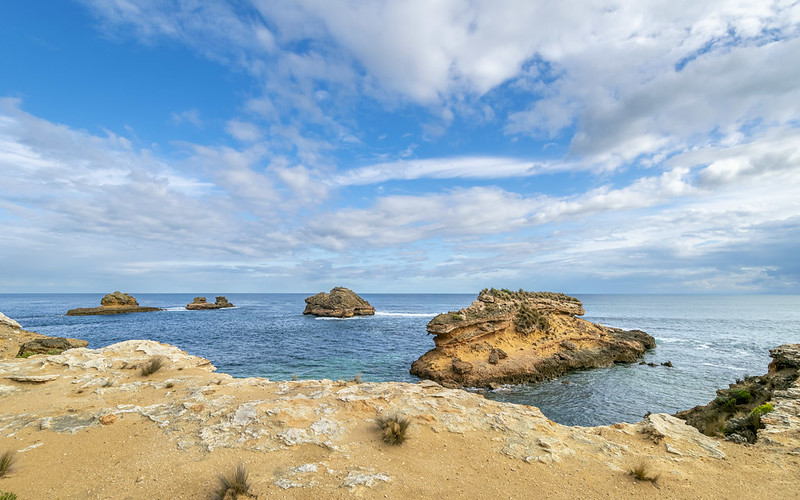
The Mornington Peninsula sits just over an hour southeast of Melbourne, making it the city’s go-to escape for short breaks. The area blends vineyard-lined back roads with coastal stretches shaped by cliffs and bays, a pairing that works well for slow weekends without long travel times.
Wine estates are spread across the interior, while the shoreline delivers beaches and headland walks that feel far removed from the city. This mix allows days to shift easily between cellar doors, ocean air, and long lunches, all within a compact radius that suits a two- or three-day stay.
Top 3 Things to Do
- Visit cellar doors across the peninsula’s wine-growing areas
- Walk the short but steep track at Cape Schanck, one of the standout coastal viewpoints
- Book a destination dinner at Port Phillip Estate Dining Room or Audrey’s (note: late-night rideshares are limited outside main towns, so driving is usually required)
Where to Stay
Jackalope Hotel – A high-profile vineyard stay offering striking architecture, pool, hot tub, and views over the vines
Portsea Hotel – Boutique rooms above the historic pub, lively during summer months
InterContinental Sorrent o Mornington Peninsula – A polished hotel with on-site bars, dining, and a generous pool area
14. High Country: Alpine Trails & Views
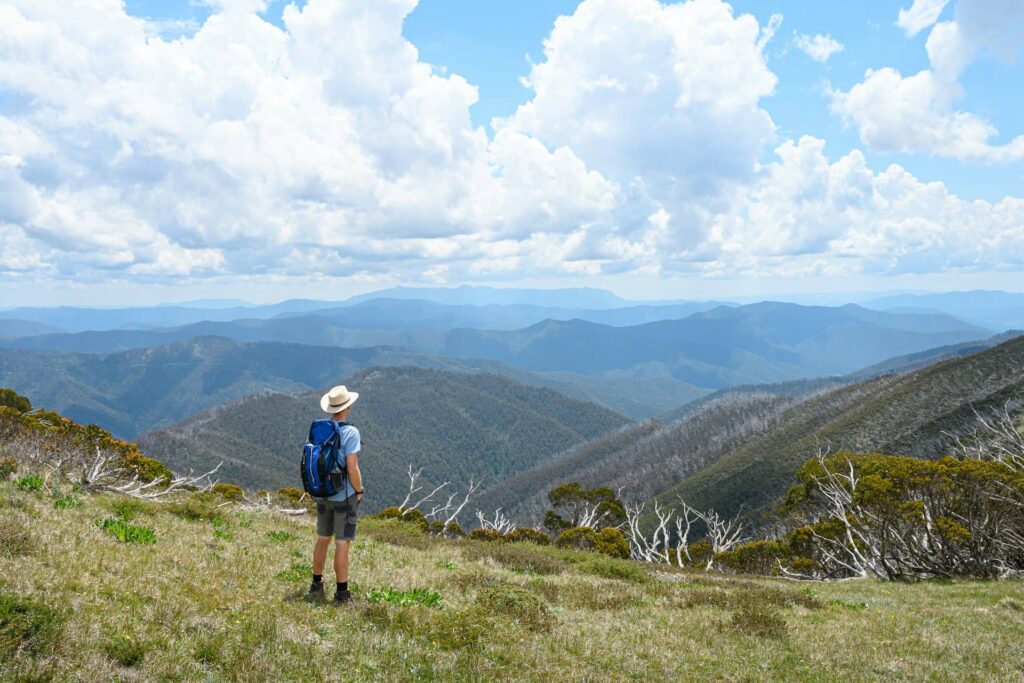
High Country Victoria covers a broad sweep of regional Victoria marked by alpine terrain, ski areas, rivers, lakes, wide valleys, and long-established wine districts. The landscape changes quickly with altitude and season, shifting from snow country to pastoral lowlands within a single drive.
A highlight is Beechworth, where broad streets and preserved buildings reflect its gold-era past. Walking through town feels like stepping into an earlier chapter of regional Australia, especially when paired with lunch at the historic Tanswell’s Commercial Hotel. Nearby, the King Valley adds a different flavour, shaped by Italian settlement and best known for prosecco and cool-climate wines.
Further south, areas such as Nagambie and the Strathbogie Ranges offer a slower weekend rhythm built around food, wine, and open views. Their proximity to Melbourne makes them appealing for shorter breaks without the alpine drive.
What to Do
- Taste wines across the King Valley, with a focus on prosecco and Italian-influenced styles
- Spend time in Beechworth and stop at Tanswell’s Commercial Hotel for lunch
- Ski at Mount Hotham, Mount Buller, or Falls Creek during winter
Where to Stay
- King Valley – A practical base for weekends centred on wine and regional produce
- Beechworth – Well suited for heritage stays, with B&B-style accommodation along historic streets
- Mitchelton Hotel – A luxury option set on a wine estate near Nagambie
How to Get There
High Country Victoria sits roughly two to four hours by car from Melbourne. Beechworth is around a three-hour drive and works well as a base for exploring nearby towns and wine regions. Given the distance, the area suits a long weekend more than a quick day trip.
Tasmania
15. Freycinet & Wineglass Bay: Coastal Hikes
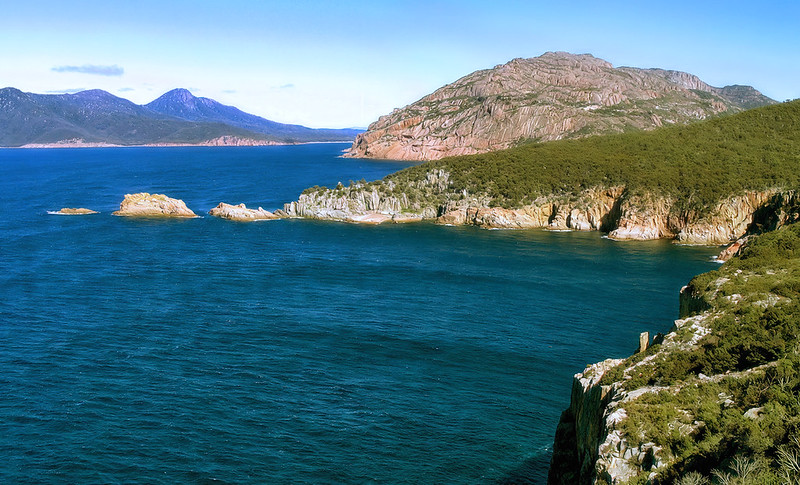
Freycinet National Park lies along Tasmania’s east coast and is best known for the sweeping curve of Wineglass Bay and the pink granite peaks of The Hazards. While these landmarks draw most first-time visitors, the park also includes quiet coves, walking tracks, and sheltered beaches that reward slower exploration.
Staying close to the park allows early starts and late finishes, when light and tides shift the mood of the coastline. Freycinet Lodge sits within the park boundary and offers elevated views across the bush and water, making meal times part of the experience rather than a pause between activities.
Top 3 Things to Do
- Walk to the Wineglass Bay Lookout and continue down to the beach via a steep but satisfying track
- Spend time at Honeymoon Bay, an easy-access spot with calm water
- Try a Tasmanian wine tasting flight at Freycinet Lodge
Where to Stay
- Freycinet Lodge – Located inside the national park and known for its setting and dining views
- Coles Bay – The small settlement just outside the park, offering a broader mix of accommodation styles
How to Get There
Freycinet National Park sits roughly midway between Hobart and Launceston on Tasmania’s east coast. You can fly into either city and hire a car for the drive, which takes about two and a half hours.
16. Hobart: Markets, Culture & Waterfront
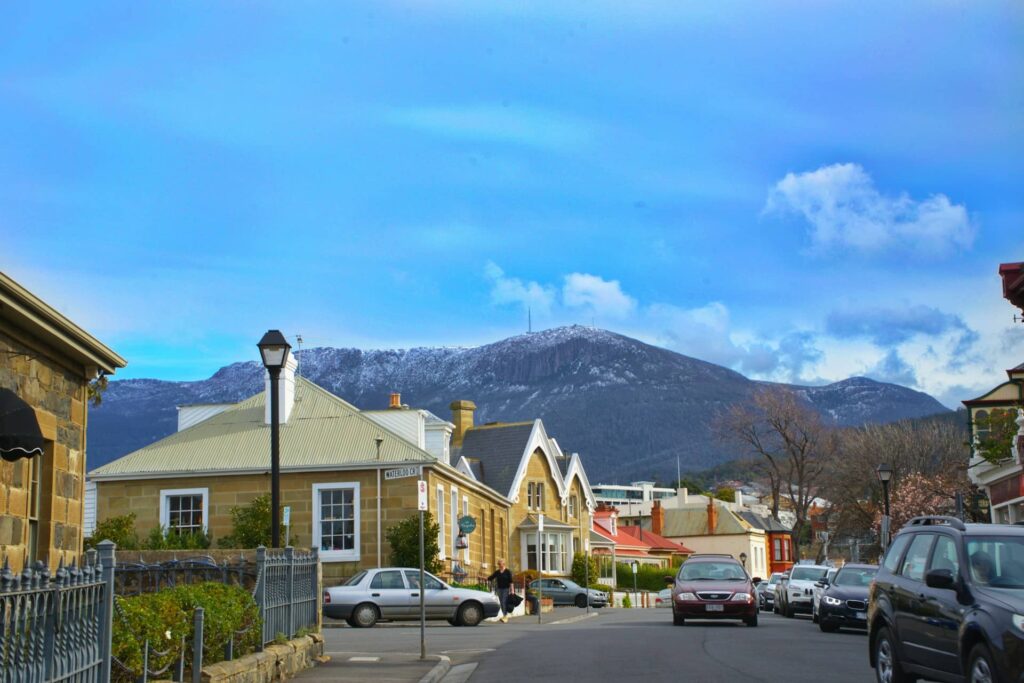
Hobart is Australia’s smallest and southernmost capital, set along the south coast of Tasmania. The city’s scale works in its favour: a compact historic centre unfolds along the waterfront, making it easy to move between wharves, sandstone buildings, and hillside streets on foot.
Tasmania’s reputation for clean air and clear water shapes what ends up on the table. Hobart concentrates much of the island’s dining scene, from seafood pulled straight from nearby waters to locally distilled whisky and cool-climate wines. Booking ahead is wise here, as popular restaurants fill quickly, especially on weekends.
Beyond food, Hobart balances old and new. Heritage areas sit close to contemporary galleries and cultural venues, creating a city that feels grounded without standing still. Short walks lead to neighbourhoods where maritime history, cottages, and quiet lanes give context to daily life.
Top 3 Things to Do
- Visit Museum of Old and New Art (MONA) and arrive by the MONA ferry for a memorable trip along the river
- Grab coffee and breakfast at the Salamanca Market in historic Salamanca Place
- Walk through Battery Point, known for its preserved streets and early colonial buildings
Where to Stay
- Hadley’s Orient Hotel – A heritage hotel in the CBD with period details
- The Tasman – A contemporary hotel centrally located near the waterfront
How to Get There
As an island state, Tasmania is best reached by air. Flights commonly route through Melbourne, with the journey to Hobart taking about 60 minutes. Another option is the Spirit of Tasmania, an overnight ferry running from Geelong to Hobart.
17. Launceston & the Tamar Valley: Rivers & Vineyards
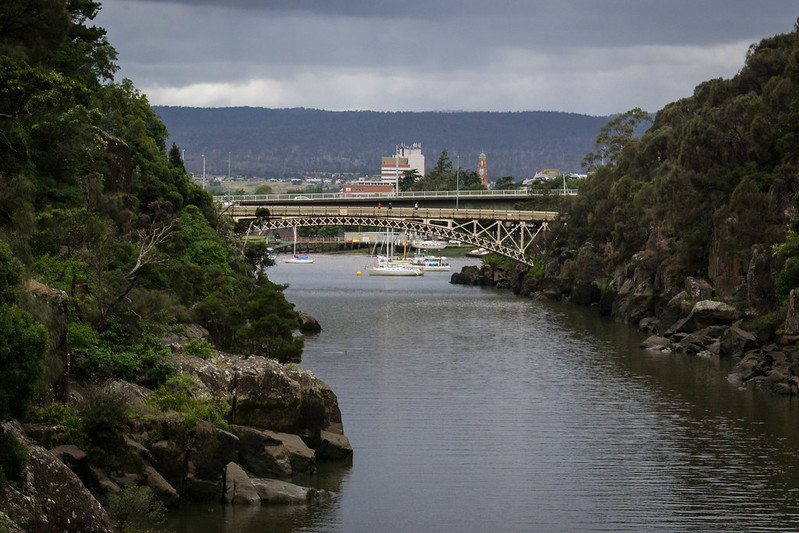
Launceston, often called “Lonnie”, sits on Tasmania’s north coast and ranks as the island’s second-largest city—though it still feels small and approachable by most standards. The pace here is unhurried, with heritage streets, riverside walks, and compact neighbourhoods that are easy to explore without a car.
Launceston works particularly well as a base for the nearby Tamar Valley, Tasmania’s leading wine area. Its proximity to Melbourne makes it a convenient stop, and it pairs naturally with trips across the island. Many travellers pause here for a night when heading east to Freycinet National Park, using the time to get a feel for northern Tasmania.
Food plays a central role in daily life. Cafés open early, wine bars fill in the evening, and local produce shapes menus throughout the day. The dining scene feels thoughtful rather than flashy, with an emphasis on quality ingredients and seasonal cooking.
What to Do
- Walk through Cataract Gorge, a natural reserve just minutes from the CBD
- Taste cool-climate wines across the Tamar Valley
- Eat well from morning to night, with stops at Bread + Butter for breakfast and Havilah for an evening glass and small plates
Where to Stay
- Hotel Grand Chancellor Launceston – Known for spacious rooms and a central location; a comfortable option within walking distance of the CBD
How to Get There
As with most travel to Tasmania, flying is the simplest option. Launceston is around a one-hour flight from Melbourne, with regular daily services.
18. Barossa Valley: Shiraz & Cellar Doors
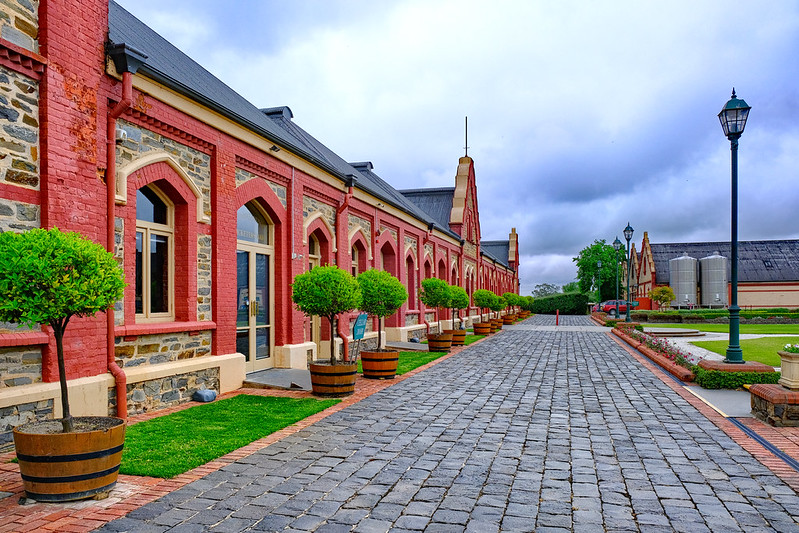
The Barossa Valley holds a long-standing reputation as Australia’s oldest and most established wine district. Set about an hour from Adelaide, the region spreads across rolling farmland dotted with historic estates and family-run vineyards. With more than 150 wineries—around 80 welcoming visitors for tastings—it offers depth rather than novelty.
Architecture here adds character to the tasting circuit. Many celler doors occupy grand stone buildings and chateau-style properties, lending a continental atmosphere that contrasts with the surrounding South Australian landscape. Time moves differently in the Barossa, with long lunches, shaded courtyards, and slow conversations forming part of the experience.
While the region is best known for full-bodied Shiraz, variety is a strength. GSM blends (Grenache, Shiraz, and Mourvèdre) show a softer, more layered side of local winemaking and are well worth seeking out alongside the headline styles.
Top 3 Things to Do
- Visit well-known wineries such as Seppeltsfield, St Hugo, and Yalumba
- Book a meal at standout restaurants like Maggie Beer’s Farm Eatery or Vintners Bar & Grill
- Try fortified wines, including aged ports, a long-held Barossa specialty
Where to Stay
- Towns such as Angaston, Tanunda, and Nuriootpa make practical bases for tasting days, with a range of B&B-style accommodation
How to Get There
Fly into Adelaide, then hire a car for the drive north. The trip to the Barossa Valley takes around 60 minutes and is straightforward, making it an easy addition to a South Australia itinerary.
19. Adelaide: City & Nearby Adventures
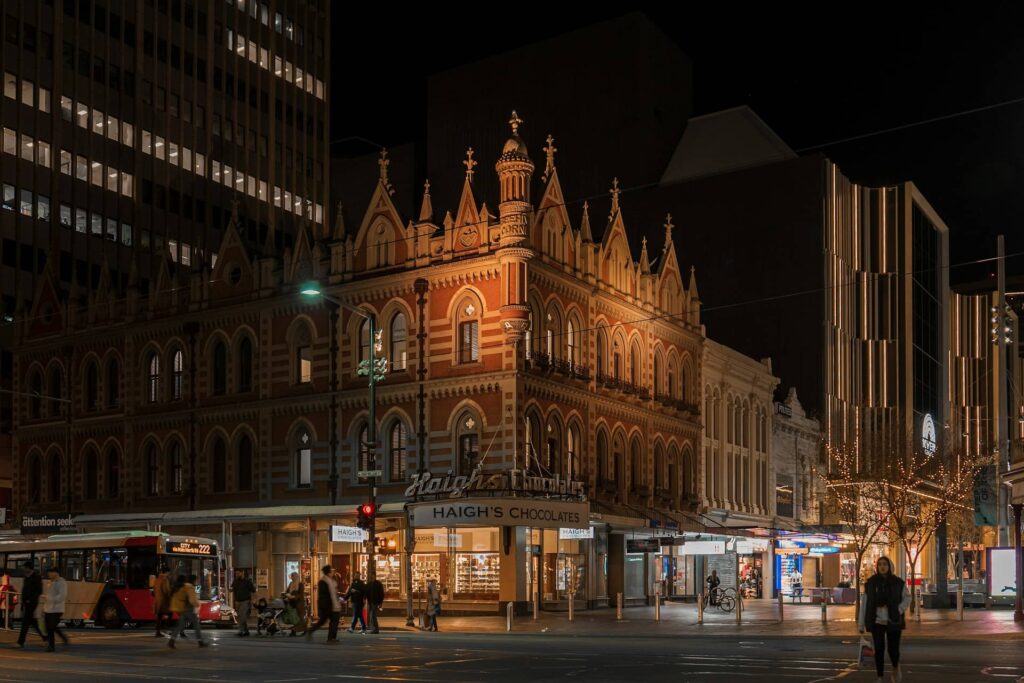
Adelaide may be compact compared to other Australian capitals, yet it carries considerable weight in food and wine culture. Its advantage comes from location: several of the country’s leading wine regions sit within easy reach. The CBD itself is easy to cover on foot, with a strong cluster of bars and restaurants concentrated around Leigh Street and Peel Street.
Dining here leans confident rather than flashy. Menus highlight regional produce, and wine lists reflect what’s grown nearby rather than chasing trends. This gives the city a grounded feel, where evenings are spent lingering over meals instead of rushing between sights.
Just beyond the city grid sits Penfolds Magill Estate, part of the original home of Australia’s most recognised wine label. A short drive brings you to tastings and views across the foothills, offering a clear link between Adelaide and the vineyards that shape its reputation.
Top 3 Things to Do
- Step inside the Mortlock Wing at the State Library of South Australia
- Join a tour and tasting at Penfolds Magill Estate
- Wander through Adelaide Central Market for a casual breakfast and local flavours
How to Get There
Fly directly into Adelaide Airport, which handles both domestic and international arrivals and sits close to the city centre.
20. Adelaide Hills: Wineries & Gardens
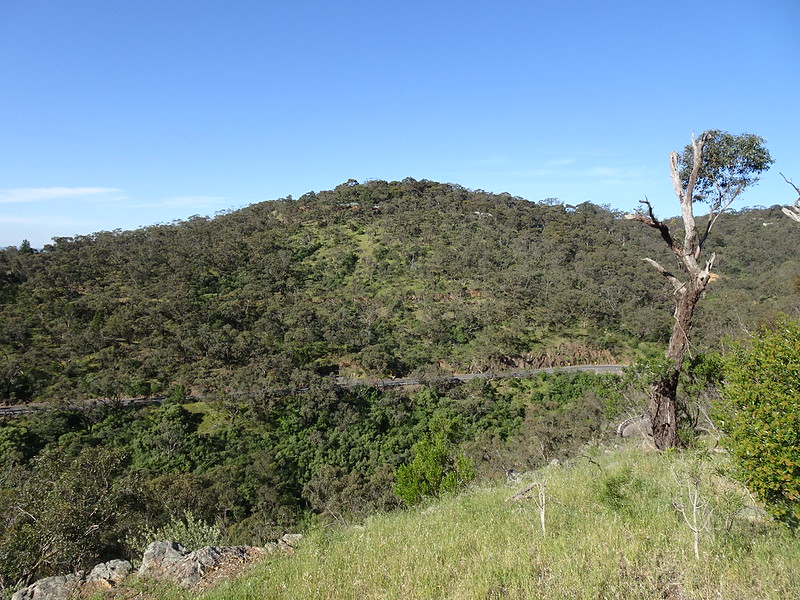
The Adelaide Hills sit just half an hour from Adelaide, offering a cooler climate and a slower tempo than the city below. Rolling roads link small towns, cellar doors, and long-standing pubs, making the area easy to explore over a day or two.
Wine anchors much of the appeal. Producers such as Shaw + Smith and Nepenthe are known for crisp, cool-climate styles, while farmgate stops like Beerenberg Farm add local flavour between tastings. Meals tend to lean seasonal and generous, often enjoyed fireside in historic buildings.
Top 3 Things to Do
- Book lunch at The Crafers Hotel, a classic gastropub with a strong food and wine focus
- Taste wines at leading cellar doors, including Shaw + Smith, Nepenthe, and Cobb’s Hill Estate
- Walk through Hahndorf, a 19th-century German settlement with bakeries and specialty shops
Where to Stay
- The Manor Basket Range – A distinctive stay set within a castle-style estate dating to 1935
How to Get There
The Adelaide Hills are around a 30-minute drive from Adelaide. Fly into Adelaide Airport, then hire a car for easy access to the region.
21. McLaren Vale: Vineyards & Countryside Charm
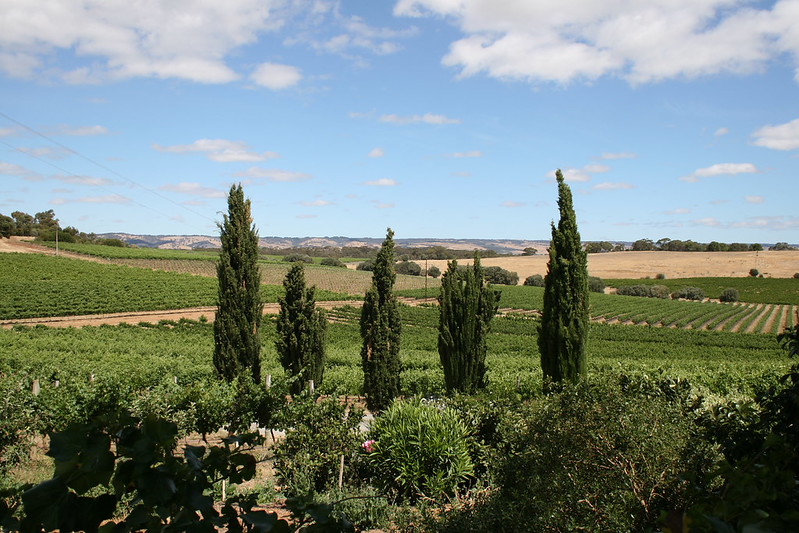
McLaren Vale sits on the Fleurieu Peninsula, stretching south from Adelaide. The appeal lies in contrast: a rugged shoreline on one side and vine-covered hills on the other. Mornings often suit coastal drives and beach stops, while afternoons drift inland for long lunches and cellar-door visits.
The region’s wine scene blends tradition with experimentation. Established producers share space with newer labels that push styles and presentation, giving tastings a varied rhythm. Being so close to Adelaide, McLaren Vale works comfortably as a day trip, yet it can easily fill a slower weekend if you linger.
Top 3 Things to Do
- Taste wines at producers such as Coriole and Alpha Box & Dice
- Visit d’Arenberg Cube to view the building and Salvador Dalí sculptures before a tasting
- Drive the coast and stop at beaches, including Port Willunga, Aldinga Beach, and Noarlunga
How to Get There
McLaren Vale is around a 45-minute drive from Adelaide, making access straightforward for a day trip or an overnight stay.
Related Posts: