
Exploring the lesser-known destinations across Europe often leads to serene bus rides through quiet valleys, challenging hikes to forgotten villages, or adrenaline-fueled boat trips to remote islands. For those who enjoy the thrill of picking a random location on a map, such as Počitelj, and setting off on an adventure, this list is just what you need.
Europe offers a variety of hidden treasures, each catering to different tastes and preferences. From secluded coastal villages to peaceful mountain retreats, these off-the-beaten-path spots offer a refreshing change from the usual tourist destinations. Whether you’re searching for a quiet getaway or an adventurous escape, you can expect to find something truly special among these gems. Planning to explore these gems solo? Check out our guide on traveling alone in Europe safely for helpful tips.
This selection features a mix of serene locations that promise unforgettable experiences. With its array of quiet getaways, secret islands, and uncharted villages, these spots offer something for everyone, far from the usual crowded destinations. Whether you seek remote relaxation or thrilling outdoor adventures, Europe’s hidden gems are ready to be explored.
1. Bosnia and Herzegovina’s Remote Corners
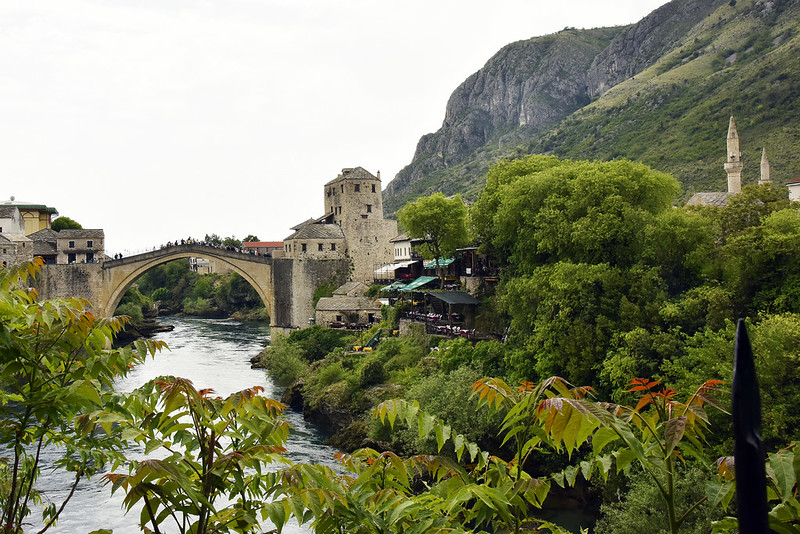
Bosnia and Herzegovina offers a unique mix of adventure activities, Ottoman architecture, and remote villages, making it one of Europe’s hidden gems. Despite its beauty, it remains an affordable and less-traveled destination in Europe.
The country’s greatest allure lies in its stunning lakes, green landscapes, and challenging hiking trails. While Mostar’s famous bridge gets attention, Bosnia deserves more than a quick day trip from Dubrovnik.
For outdoor lovers, Konjic offers crystal-clear river rafting, and Kravica Waterfall is a stunning spot for nature lovers. Zavala, a tiny village with a population of two, has transformed into a cycling haven, and nearby Bjelašnica mountain leads to Lukomir, one of the most isolated villages in the country.
What makes Bosnia truly magical are the moments of connection, like sharing homemade wine in Zavala or sipping coffee in Počitelj while admiring the Ottoman architecture. These experiences capture the essence of hidden Europe.
Trip Planning Tip: Take 7 to 14 days to truly immerse yourself in the valley’s atmosphere. Late spring to autumn is perfect for outdoor activities, while winter brings skiing to the higher peaks. For a more adventurous experience, off-road jeep tours take you to the mountains, while a 5-day hiking tour along the Via Dinarica offers a structured exploration of the stunning landscapes.
Pro tip: If Sarajevo flights are hard to find, try Tuzla or Dubrovnik as alternatives.
2. Graz, Austria: A Hidden Gem for Sustainable Travel
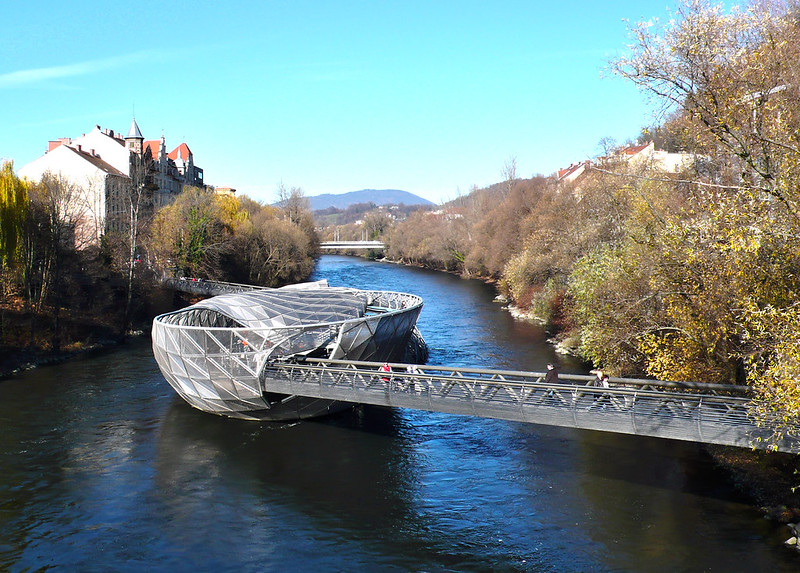
Graz, Austria’s second-largest city, is one of Europe’s best-kept secrets. While it lacks the fame of Vienna or Salzburg, it more than makes up for it with its focus on sustainability and fresh, local cuisine. The city’s charm is rooted in its green appeal, especially for those seeking an eco-friendly city break.
Graz is an ideal destination for sustainable travel, especially for those arriving without a flight. Surrounded by the Styrian countryside, the city offers an abundance of farm-to-table dining options. Here, Austrian cuisine is elevated with fresh, locally sourced ingredients, often catering to vegetarians and those seeking innovative culinary experiences.
With two UNESCO designations, Graz is home to a rich mix of historical and modern attractions. The historic Old Town, with its cobblestone streets, medieval fortresses, and grand avenues, exudes classic European charm. Meanwhile, the city’s “City of Design” status is reflected in cutting-edge art installations and contemporary architecture, including a floating gallery and the striking modern art museum.
Graz invites visitors to savor its slower pace, blending the charm of both a city and countryside getaway. It’s the perfect spot for anyone looking to explore a less-traveled European destination.
Plan your trip: Set aside two nights to fully absorb the city’s charm. Graz is ideal for a relaxed visit, with the best seasons being summer and autumn, perfect for taking in the surroundings at your own pace.
Pro tip: The best way to reach Graz is by train, whether from Vienna (2.5 hours) or Salzburg (4 hours). Long-distance buses, like FlixBus, also connect the city to other major destinations.
3. Pico Island, The Azores: A Hidden Gem for Adventure and Wine
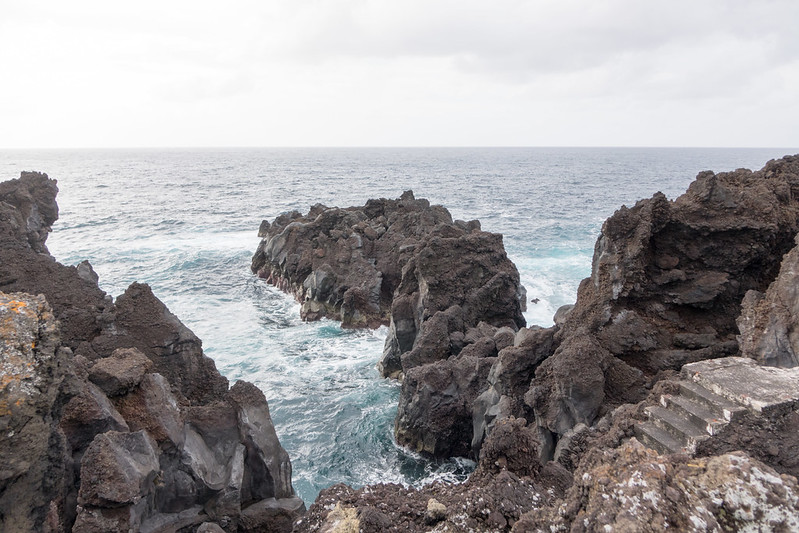
Pico Island, part of the Azores archipelago, is a top destination for those seeking lofty hikes, lava tunnel exploration, and a taste of the Atlantic swell. While São Miguel often grabs the spotlight, Pico offers a quieter, more secluded experience with its breathtaking landscapes and unique charm.
At the heart of Pico stands Mount Pico, Portugal’s highest peak, rising 2,351 meters into the sky. Known for often piercing the clouds, the summit rewards hikers with expansive views of the island and the surrounding Atlantic. Due to the delicate nature of the area, 2023 saw new hiking restrictions, making it even more crucial to go with a guide, especially for a night hike.
Beneath the surface, Pico offers its own brand of adventure at Gruta das Torres, Portugal’s largest lava tube. Exploring the dark tunnels of this geological wonder adds a thrilling dimension to the island’s appeal.
On land, the island’s UNESCO World Heritage-listed vineyards stand out as a fascinating testament to resilience. Weathered vines grow from the volcanic rock, producing wines in one of the most challenging environments imaginable. At sea, guided boat tours offer the chance to spot dolphins and whales in their natural habitat, rounding off Pico’s diverse attractions.
Plan your trip: If you prefer a guided experience, Intrepid Travel offers a 7-day fast-paced tour of the Azores, including Pico. Arrive at São Miguel, the primary international gateway, and allow at least a week to explore the central islands of Pico, Faial, and São Jorge. Be mindful that winter can bring wet and windy conditions, as you’re located in the middle of the Atlantic.
Pro tip: For ferry travel across the Azores, note that the long-distance routes are only available in summer.
Read More: Discover 15 Charming Small Towns in Portugal That Will Steal Your Heart.
4. Villa Romana del Casale, Italy: A Masterpiece of Roman Mosaics
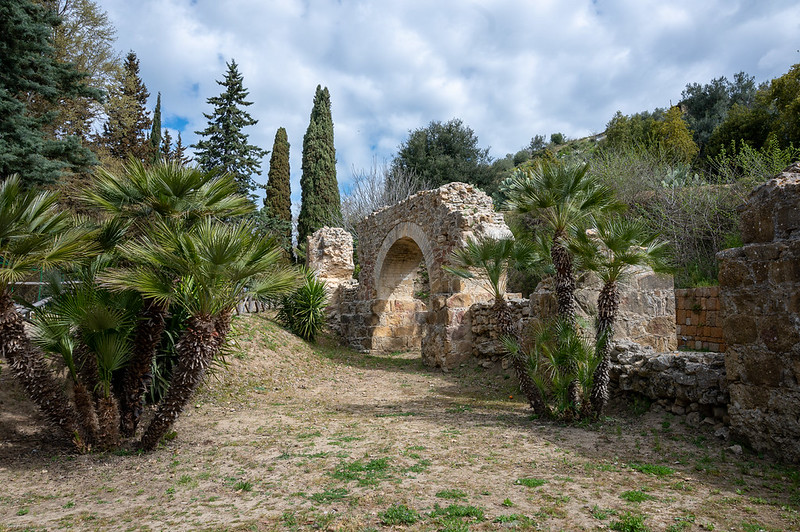
Villa Romana del Casale, located in Sicily, offers one of Europe’s most impressive hidden treasures. Known for its breathtaking mosaics, this villa holds what UNESCO calls “the finest mosaics in situ anywhere in the Roman world.” Unlike the more famous sites near Rome, this exceptional example of Roman craftsmanship is tucked away in the southern part of Italy, providing a quieter yet equally captivating experience.
Built in the 4th century AD, the villa’s vast floors are adorned with an incredible array of mosaics that depict stories from Roman life. Walking through the site, visitors are treated to a rich tapestry of images, each tile telling a tale from ancient times. This remarkable preservation earns the villa its UNESCO status, making it a must-see for history lovers visiting Sicily.
For those unable to travel as far south, an alternative mosaic experience awaits in Palestrina, just a 70-minute bus ride from Rome. The Museo Archeologico Nazionale di Palestrina houses the Hellenistic Nile Mosaic, an intricate artwork that predates the Roman era and vividly illustrates scenes from ancient Egypt.
Plan your trip: The site is mostly covered, making it ideal for visits year-round. Allow at least two hours to fully explore. For a more time-efficient experience, day tours from Palermo that combine Villa Romana del Casale and the Valley of the Temples are worth booking.
Pro tip: Upon arriving in Piazza Armerina, shared taxis are available for about €5 per person, providing an easy ride to the villa.
5. Vipava Valley, Slovenia: Cycling Through Vineyards and Private Cellars
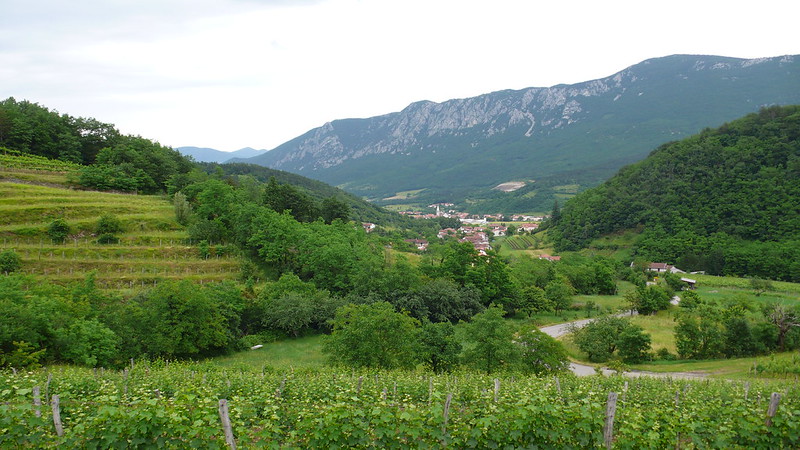
Slovenia is beginning to capture the attention it deserves, with Ljubljana gaining popularity as a weekend destination and Lake Bled solidifying its place among travel favorites. However, as many locals point out, over-tourism is taking its toll, particularly in the capital. Thankfully, parts of this beautiful country, like Vipava Valley, remain peacefully tucked away from the crowds, offering an authentic escape.
Vipava Valley is a perfect destination for those seeking an eco-friendly getaway. With its rolling hills, lush vineyards, and stunning mountain views, it could easily be mistaken for a scene straight out of Tuscany. Here, sustainable travel isn’t just a trend, but a way of life, making it an ideal spot for slow travel and nature lovers alike.
Cycling or hiking between the valley’s picturesque hamlets lets visitors fully embrace its natural beauty. The wind here, known as The Burja, also powers thrilling paragliding experiences, adding an extra element of adventure. The local cuisine is equally appealing, with every meal featuring fresh, zero-kilometer ingredients from the surrounding area.
Of course, the region’s wine scene is a highlight, with countless private cellars tucked under homes, where locals often double as hosts. Sipping on the valley’s signature Zelen wine in a cozy, candlelit cellar while listening to tales of the past is an experience that stays with you.
Plan your trip: A long weekend or a week is ideal for this hidden gem in Europe. Visit during spring through autumn. Given Slovenia’s limited flight options, Trieste in Italy is the best entry point.
Pro tip: If you’re in Ljubljana and don’t have a designated driver, consider taking a day wine tour or reach out to my friend Jani at Wajdusna for an active e-bike tour through the vines.
6. León, Spain: A Hidden Gem for Architecture Lovers
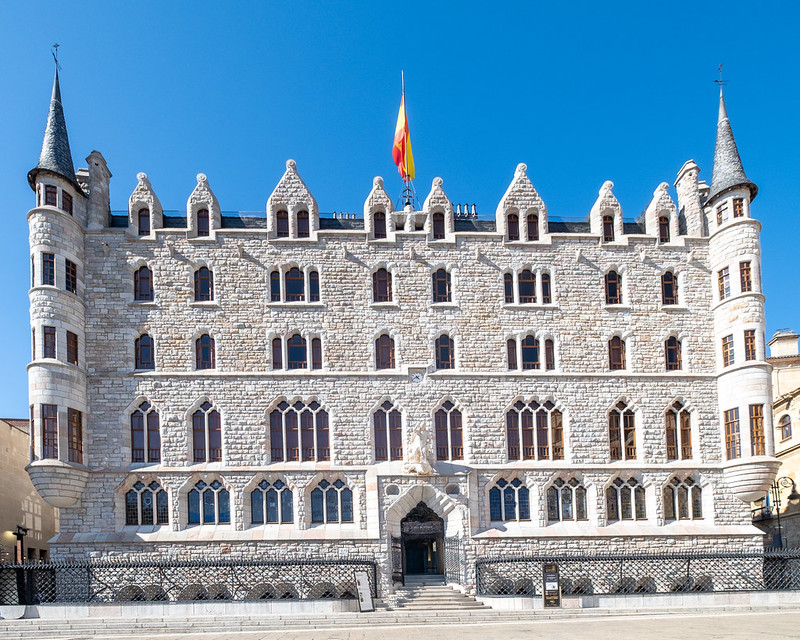
León, Spain, is often overlooked in favor of more famous cities, yet it boasts a blend of rich history, impressive architecture, and a laid-back atmosphere. Despite being one of Spain’s significant cities, it remains an under-the-radar destination for many travelers, offering a quiet yet captivating city break.
The city’s charm extends beyond its buildings. León’s culinary scene is a treat, with countless bars offering free tapas to accompany your drinks in the pedestrianized center. The nightlife is lively yet relaxed, and the compact city layout makes it easy to explore. The bar quarter is a maze of delicious food and late-night revelry.
León’s standout feature is its architecture. The city is home to Casa Botines, one of Antoni Gaudí’s few works outside of Catalonia, bringing a Modernist twist to its otherwise historic landscape. The cathedral’s 13th-century stained-glass windows are among the finest in Europe, and the Romanesque frescoes in the basilica showcase the city’s artistic richness.
While León may not be the most secret spot in Europe, it provides a delightful alternative to the bustling crowds of Madrid, offering a much more relaxed yet equally enriching experience.
Plan your trip: León offers stunning architecture year-round, though winters can be cold. High-speed trains from Madrid take about two hours, making it an easy getaway.
Pro tip: For a memorable stay, book a night at Hotel Real Colegiata San Isidoro, a place steeped in history and charm.
Read More: Explore 25 Iconic Things to Do in Barcelona, Spain You Can’t Miss.
7. The Georgian Caucasus Mountains: An Affordable Mountain Escape
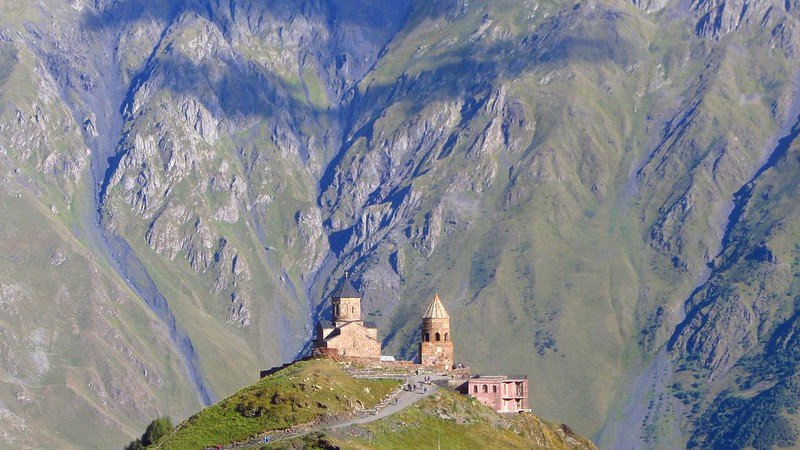
The Georgian Caucasus Mountains stretch from Georgia to Azerbaijan, offering some of Europe’s best hidden gems for hikers. These peaks provide incredible trails in warmer months and snowy adventures come winter. The rugged landscape makes this region a perfect destination for those seeking an affordable mountain retreat.
Georgia’s capital, Tbilisi, is well-known among digital nomads due to its one-year visa and low tax rates. However, the true magic of the country lies in its highest mountains. The dormant Mount Kazbek stands at 5,055 meters, towering over the landscape and offering one of the most stunning sights in the region. The nearby town of Stepantsminda, located on the main Georgia-to-Russia highway, is a popular starting point for adventurers.
The surrounding area features monasteries perched above the clouds, dogs that eagerly accompany trekkers, and warm homestays where you’re welcomed with homemade Chacha, a local brandy. The food here is exceptional, with traditional dishes like Khinkali dumplings and Khachapuri bread that are sure to delight.
Plan your trip: Accessible year-round, the area can experience occasional challenges in road access during winter due to snowy conditions. Kutaisi airport tends to offer cheaper flights compared to Tbilisi. Whether it’s a brief visit or an extended hiking adventure, it’s worth planning for both.
Pro tip: Public buses from Tbilisi are an affordable and frequent option for getting around, while group day tours offer a budget-friendly way to explore.
8. The Hague, The Netherlands: A Blend of Politics, Culture, and Relaxation
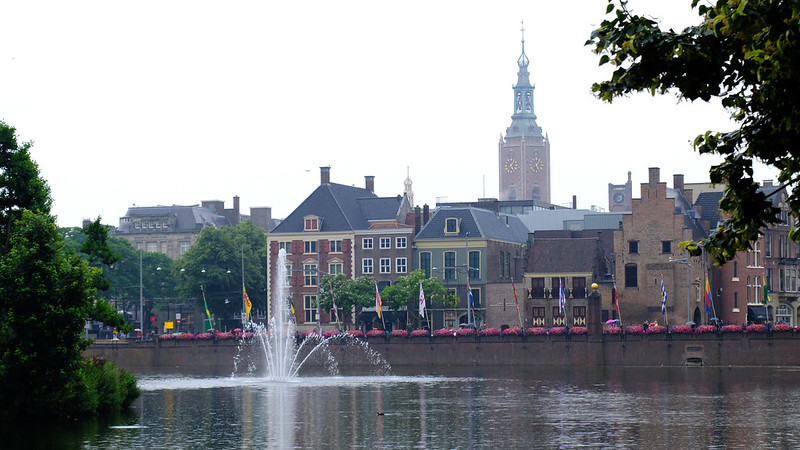
The Hague is an underrated gem in Europe, offering a rich mix of history, politics, and leisure. While Amsterdam often steals the spotlight, The Hague delivers a refreshing alternative with its blend of international significance and laid-back charm. It’s a great destination for those looking to explore a more relaxed, less crowded city without missing out on culture and history.
Known globally for housing international courts, The Hague has much more to offer beyond its legal reputation. The city’s food and drink scene is impressive, especially for vegetarians, with a range of delicious options. Museums like the Mauritshuis, home to Vermeer’s iconic Girl with a Pearl Earring, provide deep cultural experiences, while Humanity House, focused on refugee issues, adds another layer of understanding.
Along its golden beaches, chic beach clubs provide a perfect spot to unwind. The city also plays a key role in global peace and justice work, further adding to its significance. While it lacks the canals of Amsterdam, The Hague compensates with its laid-back atmosphere, welcoming locals, and abundance of cultural attractions.
Plan your trip: The Hague is great for a year-round visit, with the best time being summer for beach lovers. September offers a quieter experience. It’s also a relaxed base for day trips to Amsterdam.
Pro tip: The Peace Palace is only open for public tours a few days each year, so plan your visit around the Peace and Justice weekend to experience it firsthand.
9. Berat, Albania: A Perfect Village Retreat After the Beaches
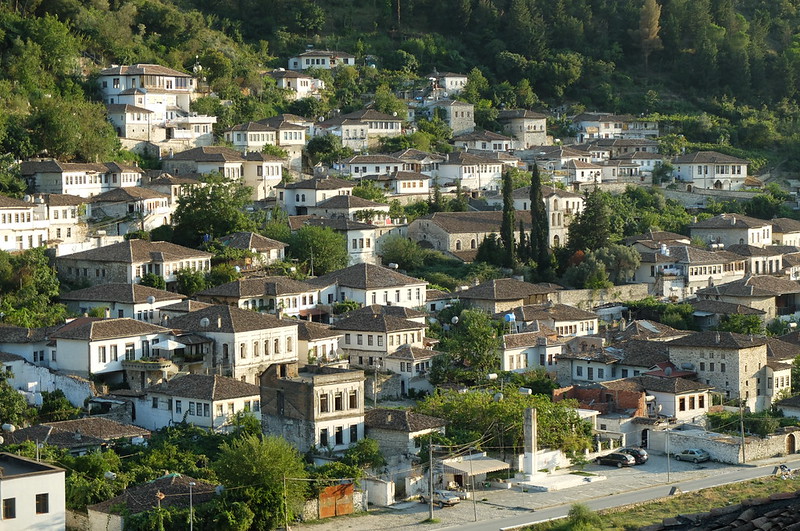
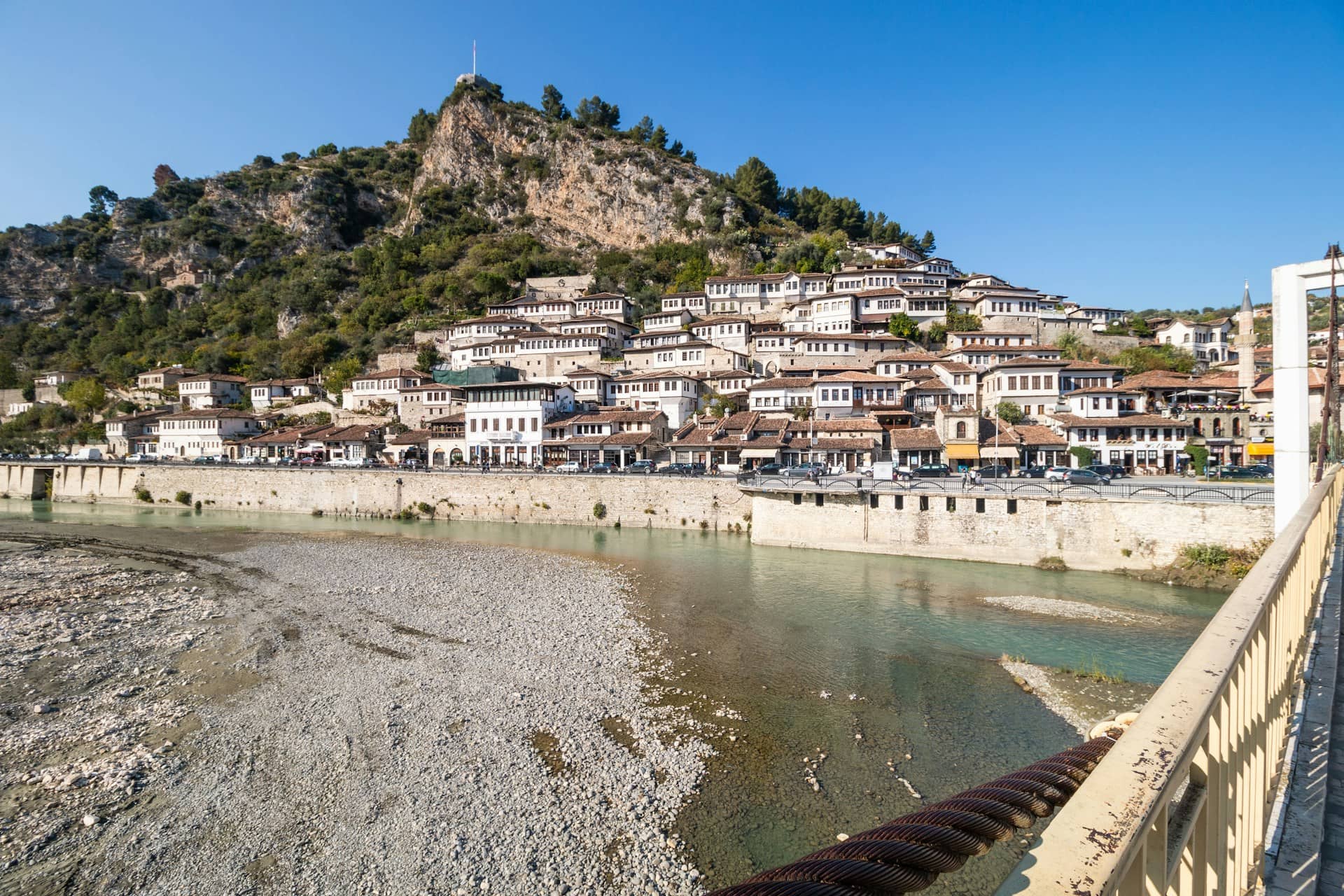
Berat, often called the ‘City of a Thousand Windows,’ is one of Albania’s hidden gems. The moment you arrive, the sight of whitewashed Ottoman houses cascading down the hill toward the fortress is striking. The village offers a charming escape, perfect for those seeking a peaceful retreat after spending time on the beaches.
At the top of the hill stands Berat Castle, which has witnessed over 2500 years of history. While much of the structure dates back to the 13th century, Byzantine churches remain a testament to the region’s rich past. We initially planned a short stay within the castle walls but found ourselves extending our visit to two days, enjoying every moment in this captivating village.
While Albania has become a sought-after beach destination, the country’s inland areas are equally worthy of attention. From Gjirokaster to Lake Komani and the stunning Bogovë Nature Park, including its secluded waterfall, the Albanian interior offers plenty to explore.
For a deeper understanding of the region, I recommend the book Minarets in the Mountains by Tharik Hussain, which explores the Muslim history of Europe, often overlooked in mainstream discussions.
Plan your trip: Many travelers pass through Berat on their way from Tirana to Ksamil’s beaches. However, it’s worth staying at least one night to experience the stunning sunset views from the town’s wide windows, bathed in a warm orange hue.
Pro tip: Don’t miss the chance to stay within the castle walls. I highly recommend Guesthouse Kris, where the friendly hosts made the experience unforgettable – and we’re still in touch to this day.
Read More: Find 11 Breathtaking Beaches in Albania That Are Still Off the Beaten Path.
10. The Asitz Mountain, Austria: A Sustainable Summer Escape of Art, Culture, and Adventure
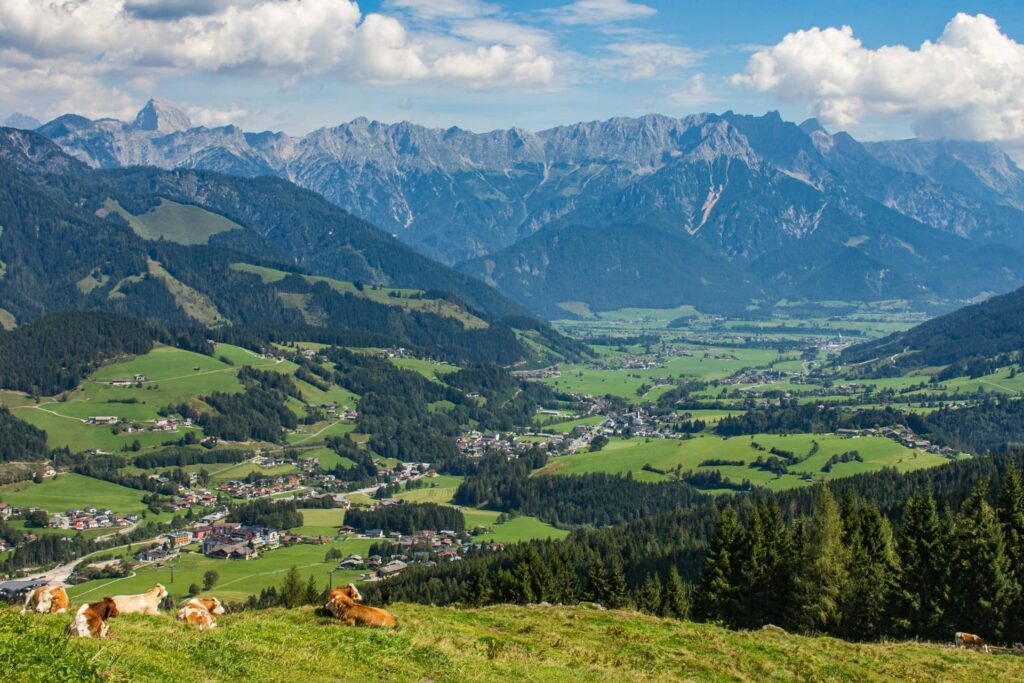
The Saalfelden Leogang region in the Austrian Alps is a recent discovery of mine, and it’s one of Europe’s hidden gems. While many associate this area with winter sports, I visited at the start of summer, and I’m so glad I did. The region offers a completely different experience, one filled with culture, art, and breathtaking landscapes.
Saalfelden and Leogang, the two towns of the region, each have their own charm. Saalfelden is more urban, while Leogang offers a rural feel, and the entire valley is simply stunning. However, the highlight of this region is undoubtedly the Asitz Mountain, which offers an unforgettable mountain experience. Rising 655 meters above the valley, this peak is not just for skiing—it’s also home to thrilling mountain biking trails. Known locally as “the mountain of senses,” Asitz Mountain is much more than just extreme sports.
For culture enthusiasts, this spot remains somewhat of a secret. After riding the gondola to the summit, visitors can enjoy an array of experiences. Art and sculpture trails wind through the forest, water features provide a chance for paddling, and herb gardens offer a sensory experience. There’s also a “nature cinema” and, most spectacularly, outdoor concerts set against the backdrop of a stunning mountain lake.
The Asitz Mountain also features TONspurs, unique wooden huts where visitors can relax and listen to past concert performances while taking in panoramic views. It’s one of my favorite European destinations to date.
Plan your trip: For a slow-paced experience, a long weekend or even more time is perfect. During summer, enjoy hikes and cultural events, while winter brings the excitement of skiing. Travel by train from the UK with an overnight stay, and take the Alpine Express to reach the area. Airports in Innsbruck and Salzburg are nearby.
Pro tip: Stay at Stockinggut Leogang for amazing views and comfort. Check out my review for more details.
11. Porto Santo Island, Portugal: The Ideal Escape for Beach Days and Winter Sun
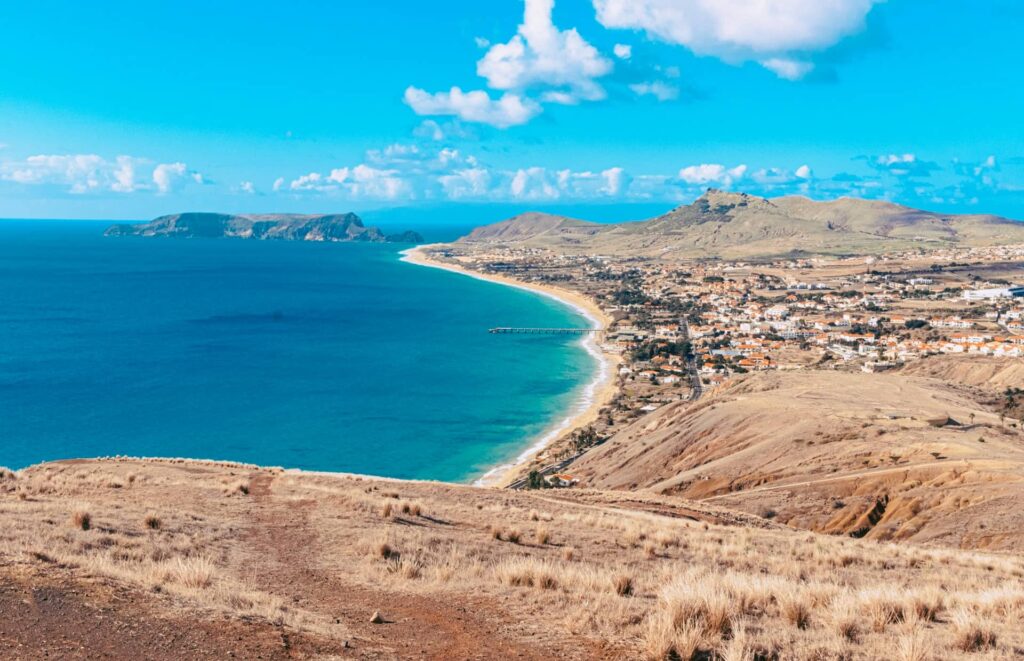
While Madeira, with its famous hikes and volcanic coastline, often takes the spotlight, Porto Santo Island offers a quieter, more laid-back alternative. Just a three-hour ferry ride from Madeira, Porto Santo remains one of the best hidden gems in Europe, perfect for those seeking a peaceful beach getaway or a winter sun retreat.
Porto Santo’s nine-kilometre stretch of golden sand stands in stark contrast to Madeira’s darker shores. It’s an ideal spot for unwinding with a book and soaking up the sun. If you’re after a bit of adventure, the gentle hills that rise behind the island offer easy hikes with sweeping views. The relaxed atmosphere here provides a perfect balance of rest and recreation.
Accommodations range from upscale resorts to more modest home rentals, catering to all types of travelers. Porto Santo is all about slow-paced days, with fresh seafood meals and stunning sunsets rounding off each one. It’s more of a beach with an island than an island with a beach, making it an excellent choice for anyone looking for a serene escape.
Plan your trip: Whether you’re spending a week or just a few days, this destination makes for a great beach getaway, especially when combined with Madeira. The mild climate is pleasant year-round, with winter offering a peaceful, less crowded beach experience.
Pro tip: It’s often more affordable and convenient to fly into Madeira and take the ferry to Porto Santo. In summer, there’s also a ferry service from mainland Portugal to Madeira for a flight-free route.
12. Castelmezzano, Italy: A Dream Mountain Village Getaway
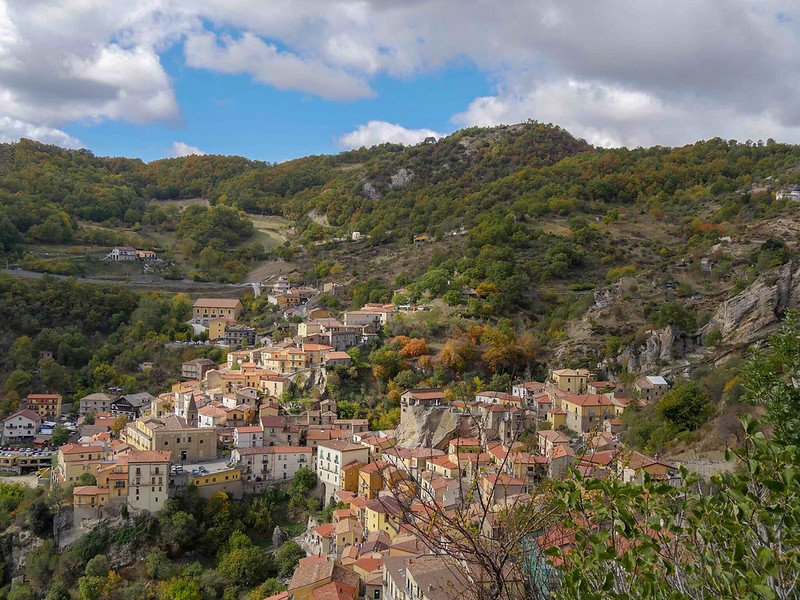
Castelmezzano, a stunning mountain village nestled in the Dolomiti Lucane, is one of Italy’s most beautiful small towns. It was a last-minute discovery on a road trip through southern Italy, and the sight of the ochre rooftops against the dramatic landscape instantly stole my heart. Located in the lesser-known region of Basilicata, Castelmezzano offers the perfect escape to the countryside.
Across from Castelmezzano lies its twin village, Pietrapertosa. These two picturesque towns are connected by The Angel’s Flight, a thrilling zip line that speeds visitors between the mountain peaks, offering sweeping views of the surrounding area. It’s an unforgettable way to experience the unique landscape.
While the village itself is mesmerizing, especially from a distance, the surrounding region is filled with scenic hiking trails, dense forests, and a national park. Staying overnight in Castelmezzano’s ancient 10th-century settlement truly encapsulates the charm and magic of this hidden gem.
Plan your trip: For a truly peaceful retreat, you can either stay for a while to fully embrace the village’s charm or stop by as part of a road trip through southern Italy. The zip-line is typically closed from November to May.
Pro tip: Be sure to visit Matera, a city full of caves, ancient underground dwellings, and fascinating history. It’s a must-see destination close by.
Read More: Check Out 15 Picturesque Small Towns in Italy for a Dreamy Vacation.
13. Durham, England: The Quintessential British Experience
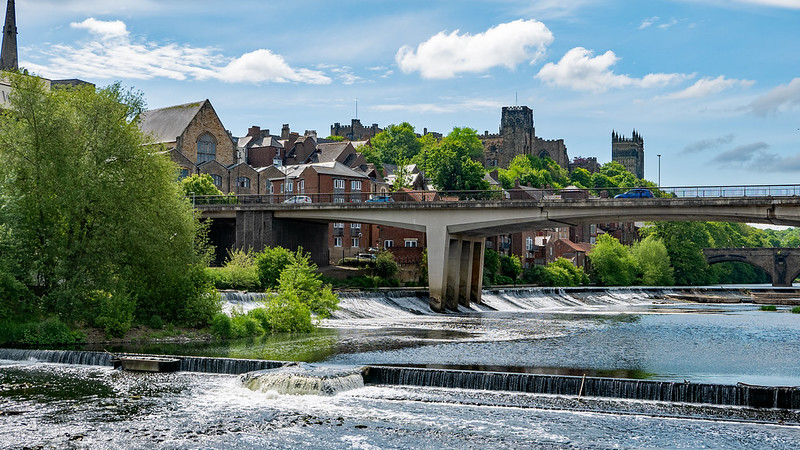
For those craving the charm of English city life paired with the beauty of the countryside, Durham is the perfect destination. Famous for its UNESCO World Heritage-listed castle and cathedral—some of the oldest structures dating back to the 9th century—Durham offers a glimpse into Britain’s rich history. A half-day is ideal to tour these iconic landmarks, and the city’s large university brings a youthful energy, along with a selection of lively bars and quality restaurants, including plenty of vegetarian-friendly options.
Beyond the city, the Durham Heritage Coast is a must-see. This European gem boasts a stunning beach scattered with sea glass, perfect for a quiet stroll. You can also visit Raby Castle, a medieval treasure that’s featured in Downton Abbey, and explore its beautifully preserved grounds.
For a deep dive into English history, Beamish Museum is a highlight. This living museum blends the experience of a theme park with historical exhibits, offering an interactive journey through England’s past from the 1800s onward. You’ll find vintage trams, old-school sweet shops, and even actors in period costumes, bringing the past to life in a truly engaging way. I spent a whole day here—it’s that captivating!
Plan your trip: At least three days, or a packed weekend, is recommended to fully experience the city, explore a couple of castles, and visit the Beamish Museum. It’s best to visit during the warmer months for a more enjoyable experience.
Pro tip: Booking your train tickets in advance in the UK can save you a lot of money. Public buses in the region are also reliable, making it easy to explore all these sights.
14. Erfurt and Thuringia, Germany: A Hidden Gem for History, Culture, and Accessibility
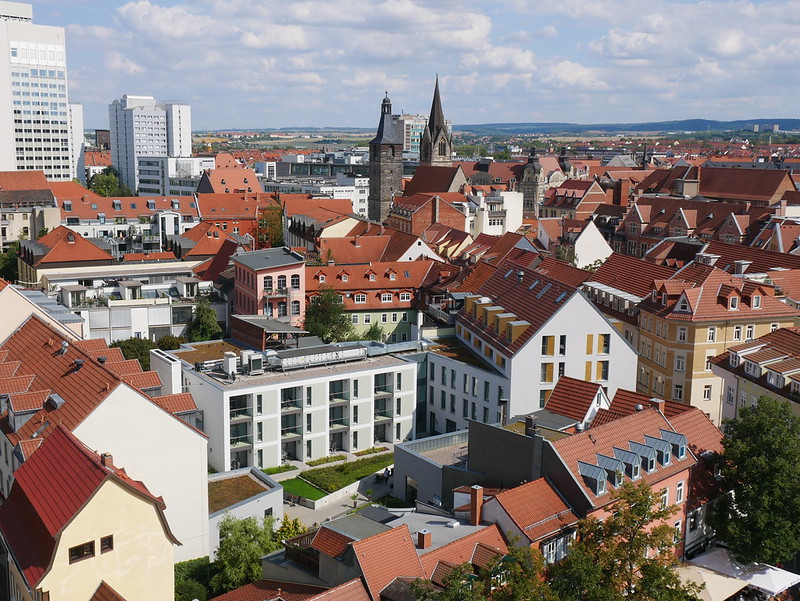
Erfurt, the capital of Thuringia, offers an undiscovered slice of Germany full of history, culture, and charming corners. While many travelers flock to the more popular cities, Erfurt remains a quiet gem, relatively compact and brimming with character. Dating back to around 700 AD, the city rose to prominence as a trading hub in the Middle Ages. Its Old Town, remarkably untouched by WWII, allows visitors to step back in time and experience the city as it once was.
With Germany’s oldest university located here, Erfurt balances its classical history with a youthful energy. During my visit in the summer, the beer gardens were lively, riverside walks were a joy, and the warm evenings brought a unique energy that I hadn’t found elsewhere in Germany. This combination of history and vibrant student life gives Erfurt a special charm.
Erfurt’s main attractions include its impressive Gothic cathedral and the Petersberg Fortress, both towering over the city. Another highlight is Krämerbrücke, a bridge lined with boutique stores that arches gracefully over the river, providing both a scenic and historical experience.
Erfurt is also a perfect base for exploring nearby gems. The nearby city of Weimar is especially worth the visit, home to the stunning Anna Amalia Library, a Renaissance masterpiece.
Plan your trip: Spend a weekend in Erfurt or explore the highlights of Thuringia for a week. The best months are from spring through autumn. Frankfurt is the nearest major airport (2.5 hours), and discounted train tickets are available for hotel bookings in the region. Erfurt is also known for being one of the best accessible city breaks in Germany.
Pro tip: If you have the time, combine a road trip through Thuringia and Saxony. These two states are known as the Cultural Heart of Germany, offering a wealth of history and art to explore.
15. Bansko & Pirin National Park, Bulgaria: Affordable Skiing and Scenic Summer Hiking
Bansko was supposed to be my first skiing adventure, but it quickly became clear that I wasn’t cut out for the slopes. However, I still made the most of the trip as an enthusiastic après-skier. Thankfully, Bansko offers great value, making it an excellent choice for beginners who don’t want to splurge on expensive Alps trips, or experienced skiers searching for a more low-key European experience.
A week in Bansko, with accommodation, meals, transfers, and drinks included, cost me around £300 with Snomads. Lift passes and ski lessons are reasonably priced too. Away from the slopes, the prices remain equally affordable—imagine enjoying a €1.55 gin and tonic after a day on the mountain.
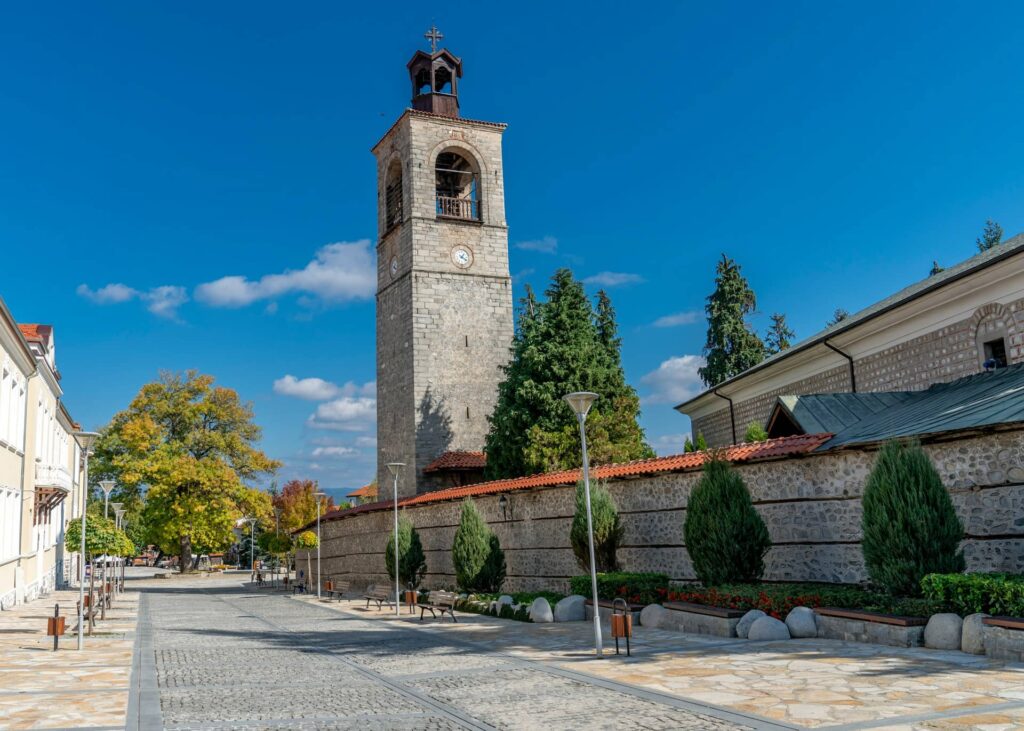
Beyond skiing, Bansko’s Old Town offers cultural exploration. Strolling through its historic streets, you’ll find charming heritage buildings, house museums, and a beautiful Orthodox church. Even if you visit during the warmer months, the old town remains a lovely spot to enjoy. Plus, Pirin National Park offers a refreshing hiking experience with verdant trails leading to serene lakes.
Plan your trip: Come in summer for hiking or opt for a skiing week in winter. If you’re short on time, one overnight stay is enough to explore the town and enjoy a day hike.
Pro tip: If you’re continuing to Plovdiv, the narrow-gauge train provides a scenic, slow journey perfect for taking in the views.
16. The Frosinone Valley, Italy: A Hidden Escape for Verdant Walks and Vineyard Views
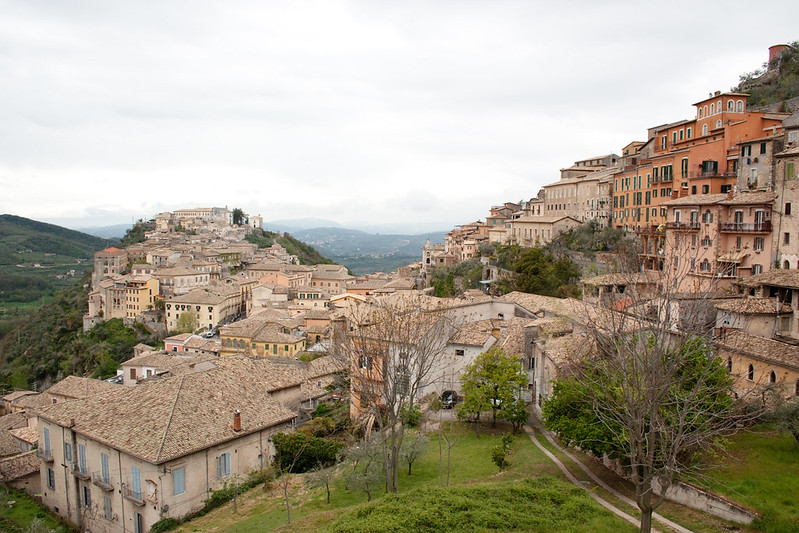
Located halfway between Rome and Naples, the Frosinone Valley in the southern Lazio region offers a peaceful alternative to the usual tourist routes. This region is perfect for those looking to enjoy scenic walks, charming villages, and vineyard vistas without the crowds of more popular destinations.
The Abbey of Montecassino, perched on a hill in Cassino, is the valley’s most notable site. Although the abbey was destroyed during World War Two, it was beautifully rebuilt and remains a symbol of resilience and history. However, I spent most of my time in the Valle di Comino, a region rich in history but now known for its calm olive groves, mountains, and quaint villages.
Frosinone exudes that dreamy, verdant Italian landscape often seen in films. Sip award-winning Cabernet in Atina’s vineyards or visit Arpino, known as the ‘city of Cicero,’ with its ancient Acropolis. The charming village of San Donato Val di Comino, with its mountain views and inviting agriturismos offering farm-to-table dining, is a perfect spot to relax and take in the surroundings.
Plan your trip: Late September, during the wine harvest, is a particularly enjoyable time to visit. The best months are spring through autumn, and it can be a great post-Rome getaway or a standalone vacation.
Pro tip: Arpino is ideal for a stay, offering a good selection of restaurants and a lively atmosphere. If you prefer a more tranquil, rural experience, San Donato Val di Comino’s agriturismo accommodations are a great option.
17. Nisyros Island, Greece: A Hidden Gem on an Active Volcano
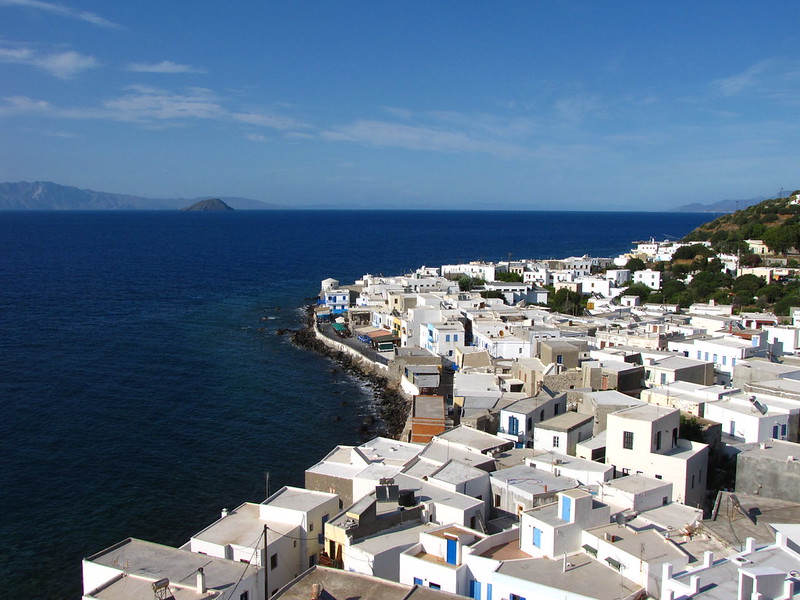
The volcanic island of Nisyros was a completely unexpected discovery for me. In fact, I didn’t even know I was heading to Greece until I was invited there on a second date. While that romance didn’t take off, I found something even better: a beautiful, hidden gem in the Aegean Sea.
The island itself is striking, built atop a massive volcano surrounded by classic whitewashed villages. The tavernas serve up the usual Greek delights, while the vibrant blue and white buildings stand out against the natural landscape, complemented by bursts of bright bougainvillea.
What truly sets Nisyros apart, however, is Stefanos, one of the world’s largest hydrothermal craters. There are several of these craters scattered across the island, and stepping into the caldera, with its otherworldly, sulfur-scented landscape, feels like entering another planet—a surreal experience that should be on every traveler’s bucket list.
While you’re there, take time to explore the island’s peaceful coastal villages and relax on its dark sand and pebble beaches. Nisyros offers a great opportunity to enjoy a laid-back Greek escape, without the overwhelming crowds found on islands like Santorini.
Plan your trip: You can either day-trip from Kos or combine it with a longer stay to escape the crowds. Hiking and other outdoor activities make for a wonderful multi-centre holiday, but it’s best to avoid the colder months.
Pro tip: Ferries depart from Kardamena, Kos, or you can book a day tour in advance for a convenient visit.
18. Monsanto and Central Portugal’s Schist Villages: A Quirky Escape of Boulders, Creativity, and Secluded Trails
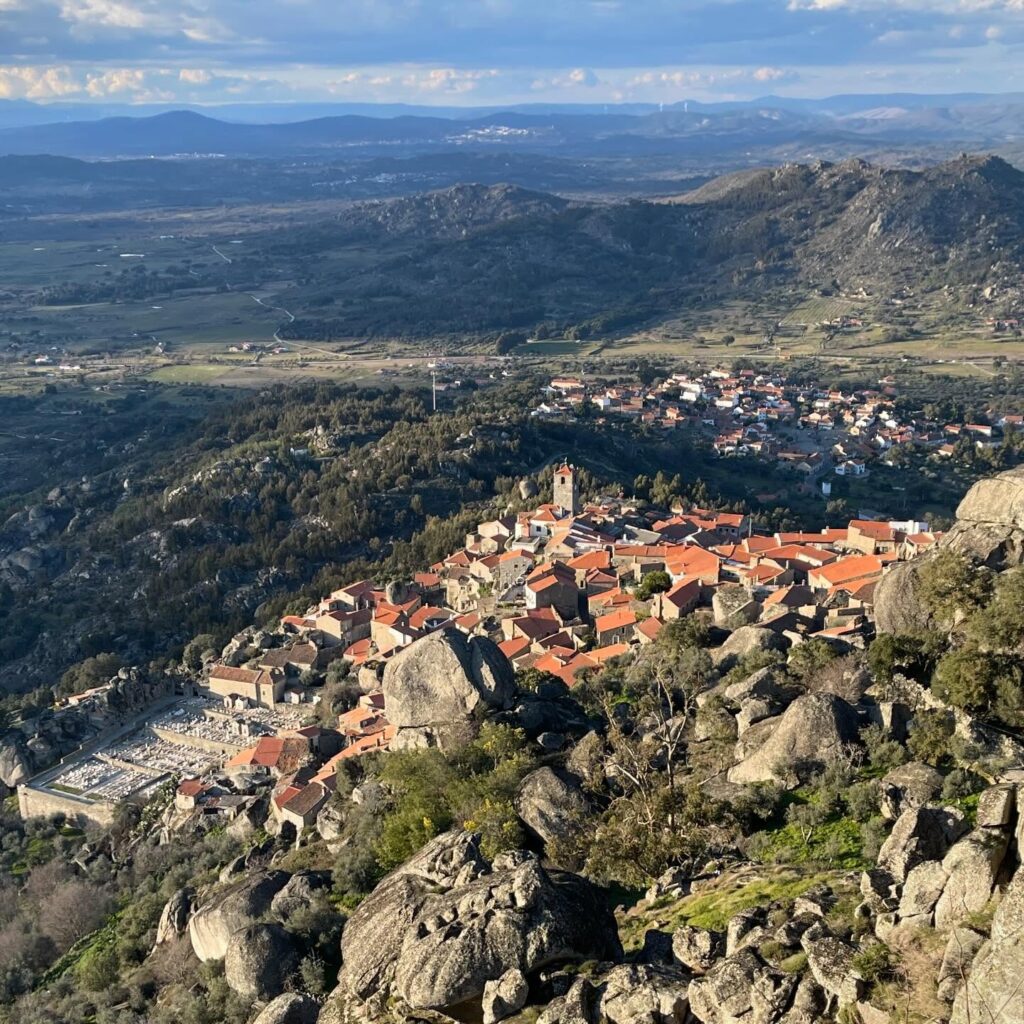
Monsanto, a village in Portugal’s dry interior, is one of the most quirky places to visit in Europe. With its giant boulders defining the landscape, this hidden gem is unlike anywhere else. The village sits atop a volcanic massif, offering sweeping views all the way to the Spanish border, with massive rocks scattered throughout.
The village’s charm lies in how its inhabitants adapted to the rocky terrain. Many homes are built around, under, and even between enormous boulders, creating a surreal and fascinating atmosphere. Monsanto doesn’t offer much in terms of bustling activity, but that’s part of the appeal. With panoramic vistas, the ruins of a medieval castle, and a timeless feel, Monsanto is the perfect place to slow down.
For those willing to explore further, side trips around the region are well worth it. Visit Penha Garcia to see ancient fossils, or explore the remains of a Roman settlement at Idanha-A-Velha. Not far from Coimbra, you’ll find the Serra da Lousã, home to more Schist Villages. Cerdeira, a beautifully restored village, now hosts creative retreats and workshops, offering a peaceful escape for artists and nature lovers.
Plan your trip: Located in the heart of the sun-scorched countryside, Monsanto experiences intense summer heat and chilly winters. Visit in spring or early autumn to fully enjoy the stunning sunsets, and plan to stay for at least one or two nights.
Pro tip: Getting to Monsanto from Lisbon by public transport can be tricky, so plan to stay overnight. If you’re short on time, booking a tour is the best way to see it in a day.
19. Annecy, France: A Picturesque Lakeside Escape
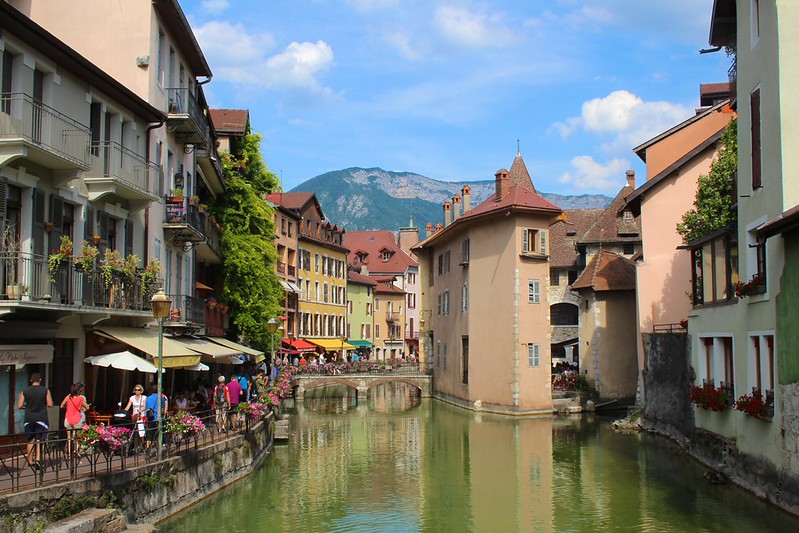
Annecy, located in southeastern France, was my final off-the-beaten-path destination in Europe for 2022. On a bright, sunny day, I found that the Christmas markets I had come for felt a bit out of sync with the season, but the town’s charm quickly made up for it. The allure of this small alpine town was undeniable, with the bright sunlight adding a special touch to the scene.
The best way to explore Annecy is by wandering through its beautifully preserved medieval center, the Vieille Ville. As you stroll, you’ll cross canals bordered by pastel-colored buildings, which give the town a fairytale-like atmosphere. On one of the islands in the main canal stands Le Palais de l’Île, a small castle that now houses a mini museum and provides an excellent photo opportunity. Higher up, the Château d’Annecy, a historical monument, offers a more expansive museum experience and a sweeping view of the town below.
For me, the true pleasure was in simply meandering along the canals, cobbled streets, and the lakeside Jardins de l’Europe. Annecy sits at the edge of Lake Annecy, one of the cleanest lakes in Europe, making it ideal for peaceful waterside walks. The nearby mountain trails also provide the perfect escape into the Haute-Savoie region, far from the usual tourist crowds.
Plan your trip: Annecy is perfect for a weekend break year-round. In December, the Christmas market is one of France’s best winter attractions. It’s a small town, ideal for a day trip or as a base to explore nearby snow-capped mountains.
Pro tip: If you enjoy fine art, make sure to take an 80-minute side trip to Grenoble, home to the Musêe de Grenoble. For a regional museum, it’s packed with an impressive collection of masterpieces.
20. Sutherland and Moray, Scotland: A Castle Lover’s Dream and Coastal Retreat
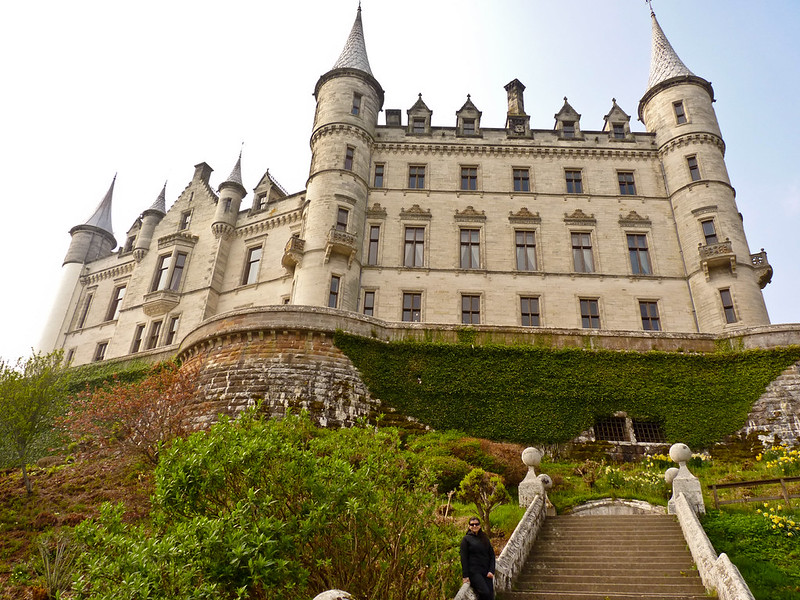
Scotland’s popularity makes it hard to find hidden gems outside its famed destinations, like Skye or Edinburgh. While the country is known for its majestic lochs, myths, and munros, the large crowds during peak seasons can overwhelm even the most scenic locations. However, Sutherland and Moray, two lesser-known regions, offer an exceptional escape into Scotland’s rich history and breathtaking landscapes.
You can base yourself in Inverness, conveniently located in the middle of Sutherland and Moray, and easily accessible by public transport. While it may not be as grand as Edinburgh, Inverness offers its own charm with a beautiful cathedral and an impressive castle, providing a quiet yet stately setting to explore the surrounding area.
In Sutherland, the highlight is Dunrobin Castle, a stunning turreted structure set within lush gardens. Although relatively modern, its elegance and grandeur make it a must-see. In Moray, history lovers will be drawn to the ruins of Elgin Cathedral, dating back to 1224, which exude ancient charm. Along the coast, quaint villages and dramatic coastal views await, allowing you to escape the crowds flocking to Scotland’s more famous spots, such as the West Highlands or Glencoe. However, the NC500 coastal route has grown popular in recent years, so visiting outside peak season may offer a more peaceful experience.
Plan your trip: Use Inverness as a base for exploring the surrounding area or, even better, make it part of a Scotland road trip. Showers can occur year-round, but it’s best to avoid winter’s harsh weather and summer’s crowds.
Pro tip: Dunrobin Castle is closed from November to March, so plan your visit accordingly.
21. Lake of the Four Cantons, Switzerland: History, Scenic Views, and Serene Outdoor Escapes
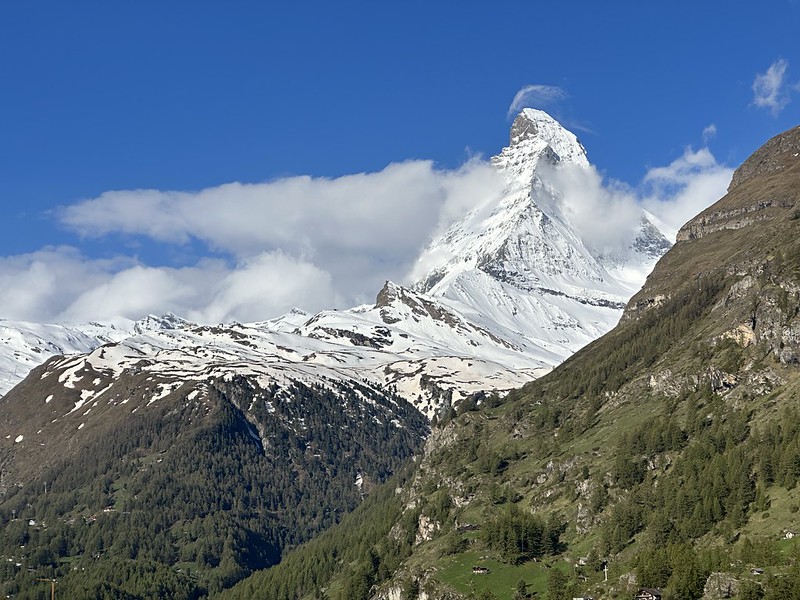
Switzerland, known for its stunning lakes, majestic mountains, and iconic timepieces, has long attracted travelers with deep pockets. While it may not be the most budget-friendly destination, the great outdoors offers plenty of free activities that make exploring the country more accessible.
Lake Lucerne, also known as the Lake of the Four Cantons, is one of the most beautiful lakes in Switzerland. Along its shores, you’ll find hidden gems such as Tellskapelle, a chapel dedicated to William Tell, Switzerland’s national hero. Though Tell is likely a figure of legend, the area holds significant historical value. The cantons of Uri and Schwyz were where Switzerland first established its independence, and two museums in the area highlight these pivotal moments in the nation’s story.
For outdoor enthusiasts, hiking trails connect several small towns along the lake, offering stunning views. The soaring mountains that surround the area, many of which can be reached by cable car, add to the breathtaking scenery.
End your visit in Lucerne, where medieval architecture brings the Altstadt (Old Town) to life. Among its attractions is the Kapellbrücke, a 12th-century wooden bridge adorned with triangular paintings, and the mournful Lion Monument, a tribute to the Swiss Guards who perished during the French Revolution.
Plan your trip: Spring through autumn is the best time to visit, with October being especially enjoyable. Allow for a couple of days for village-hopping and one day in Lucerne. A public ferry pass could provide great value if you want to visit several stops around the lake.
Pro tip: For a more leisurely experience, take a private boat tour of the lake, either for a brief sightseeing excursion or a luxury lunch cruise.