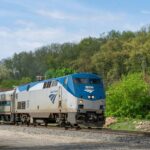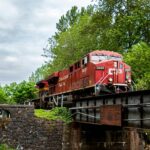
A cross-country trip across the United States doesn’t always have to mean airports, rental cars, gas station stops, or expensive flights. For travelers who enjoy slow movement, changing landscapes, and budget-friendly adventure, rail travel through Amtrak offers a completely different way to experience the country.
One of the most talked-about examples is the famous low-cost coast-to-coast train journey from the San Francisco Bay Area to New York City. At its most surprising, this route has been seen for around $313, making it one of the most unexpected long-distance travel deals in the United States when booked at the right time.
While fares vary depending on season, demand, and booking date, the idea remains powerful: you can cross an entire continent by train, watch mountains, rivers, deserts, and cities unfold outside your window, and do it for far less than most travelers expect.
Why Crossing America by Train Feels Different
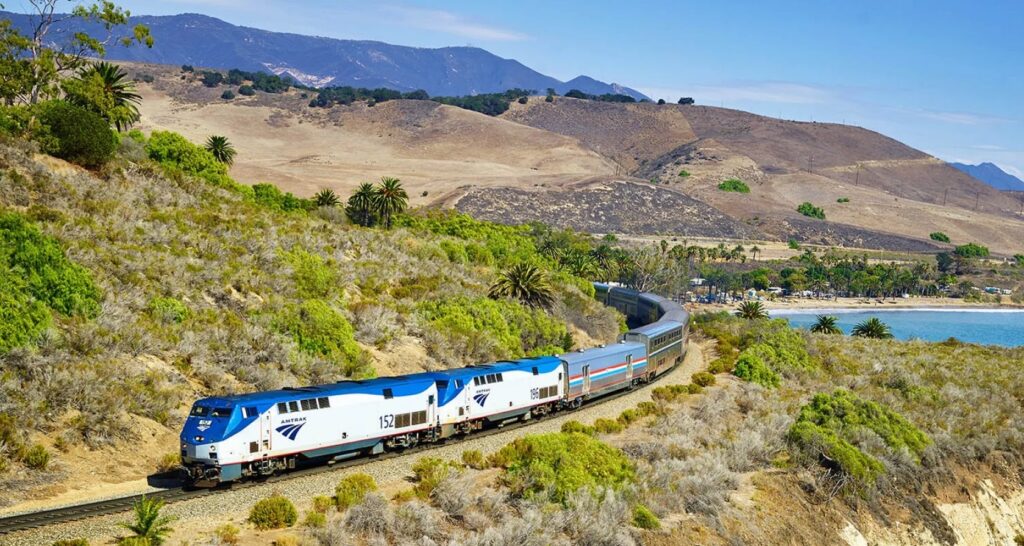
Most people imagine the United States through highways, road trips, and airports. But train travel changes that perspective completely.
Instead of rushing through security lines or focusing on driving, you sit back in a wide seat and let the landscape move around you. The country doesn’t feel compressed—it feels continuous.
Cities slowly fade into farmland. Farmland rises into mountains. Mountains stretch into deserts, rivers, and open plains. The experience becomes less about reaching a destination and more about watching the country reveal itself one mile at a time.
A Slower Way to See the Country
A long-distance rail journey is not about speed. It’s about presence.
Onboard a cross-country train, you have time to read, think, write, sleep, or simply stare out the window as the scenery changes. Conversations with other passengers often happen naturally, and the rhythm of travel becomes calm and steady.
Unlike flying, where everything feels compressed into hours, train travel stretches time in a way that makes the journey itself memorable.
A Budget-Friendly Adventure
One of the reasons this route became so popular online is the price. A coast-to-coast journey for around $313 sounds almost unreal compared to flights, hotel transfers, and car rentals.
Even though that exact fare is not guaranteed today, it still represents what’s possible with early booking and flexible travel planning.
Travelers who book in advance or choose off-peak dates often find significantly lower fares compared to last-minute purchases.
The Classic Route: San Francisco to New York by Train
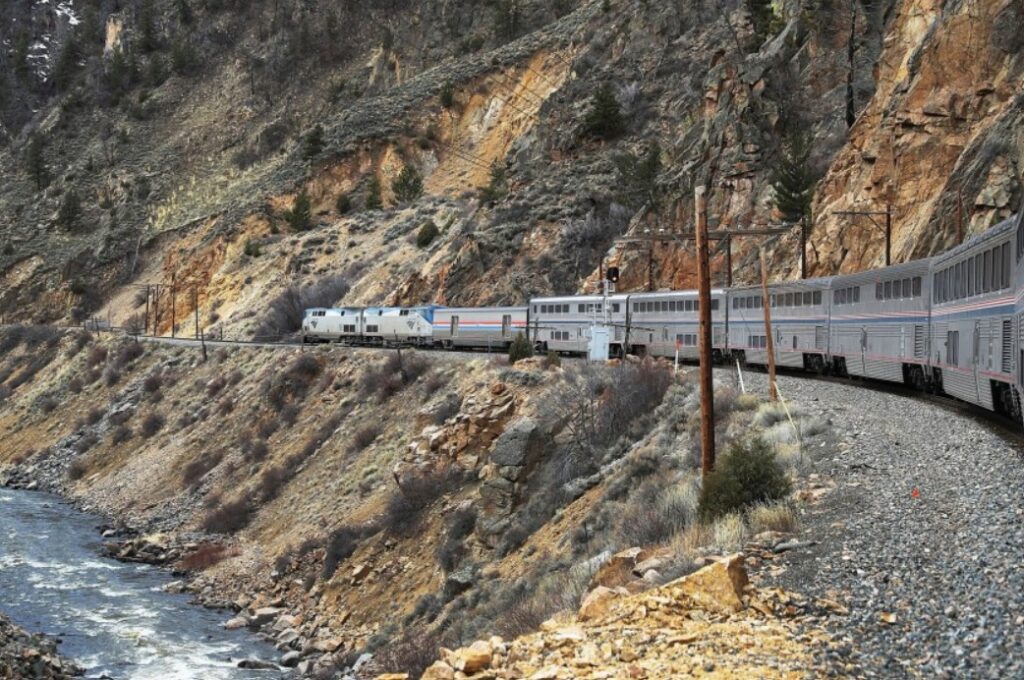
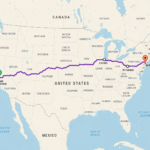
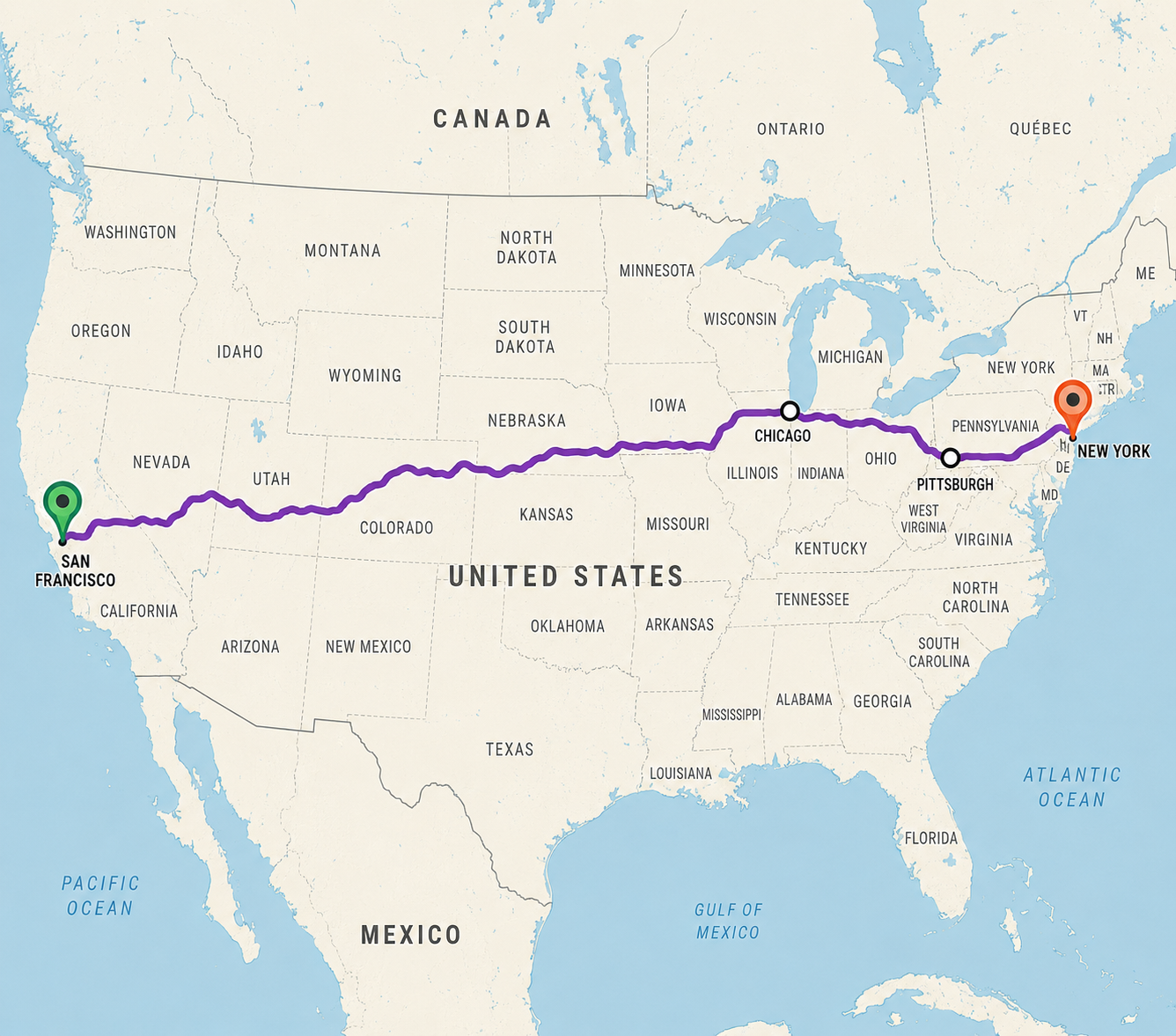
The most famous version of this journey starts in the San Francisco Bay Area and ends in New York City. Since Amtrak does not directly serve downtown San Francisco, most travelers begin in Emeryville, just across the bay.
From there, the trip is completed using two major rail lines operated by Amtrak.
First Leg: California Zephyr (Emeryville → Chicago)
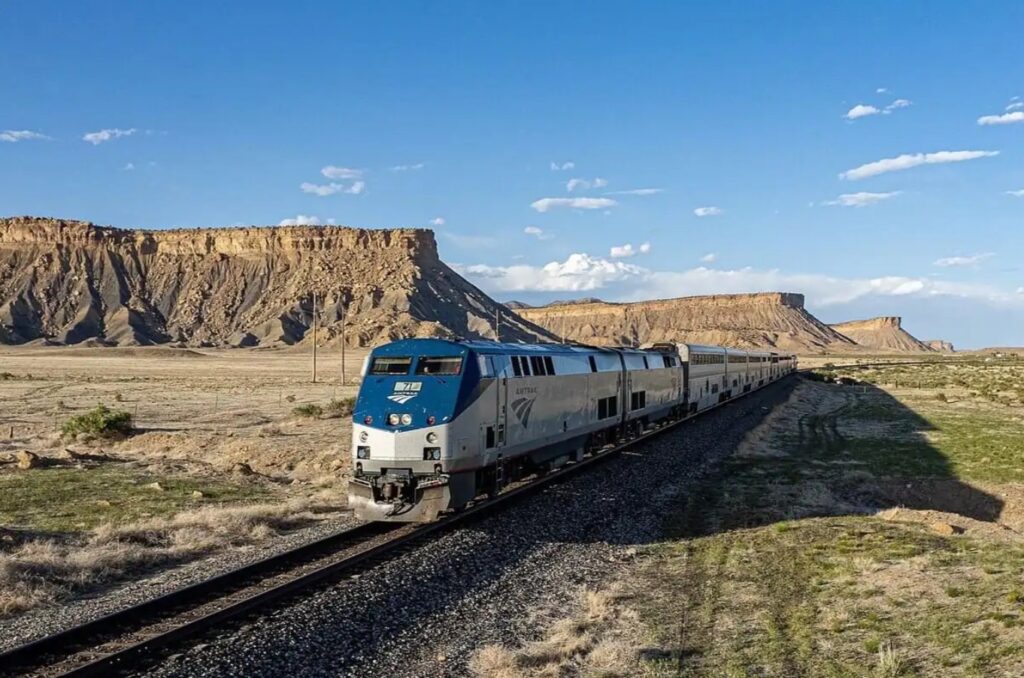
The first and most scenic portion of the trip is on the California Zephyr.
Often considered one of the most beautiful train routes in the United States, it covers roughly 2,400+ miles between California and Chicago.
What You See Along the Way
This stretch is the highlight of the entire journey. The train moves through:
- The Sierra Nevada mountains in California
- The deserts of Nevada
- The red rock canyons of Utah
- The high peaks and tunnels of Colorado’s Rocky Mountains
- Wide plains and farmland stretching toward the Midwest
Passengers experience a constantly changing landscape—snowy peaks, deep canyons, winding rivers, and open desert skies.
Why It Stands Out
Unlike air travel, where the landscape disappears below the clouds, this route brings you directly through it. You don’t just see the mountains—you pass through them.
For many travelers, this section alone justifies the entire cross-country trip.
Second Leg: Lake Shore Limited (Chicago → New York)
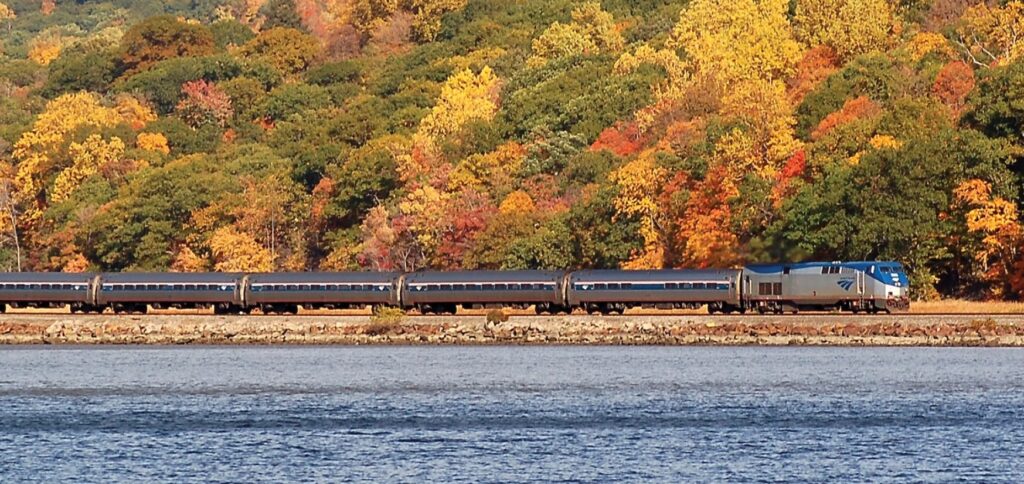
After arriving in Chicago, travelers continue east on the Lake Shore Limited. This route connects the Midwest to the East Coast, covering nearly 1,000 miles.
What You See Along the Way
This part of the journey feels softer and quieter compared to the West, but it has its own charm:
- Shorelines and views of the Great Lakes region
- Small Midwestern towns
- Forested areas and river valleys
- Rolling hills of upstate New York
- The Hudson River corridor approaching New York City
Arrival in New York City
As the train enters Manhattan, the pace of the journey shifts completely. After days of open landscapes and quiet towns, the skyline appears suddenly—dense, bright, and energetic.
It feels like stepping into a different world after a long, continuous story.
What It’s Like Onboard
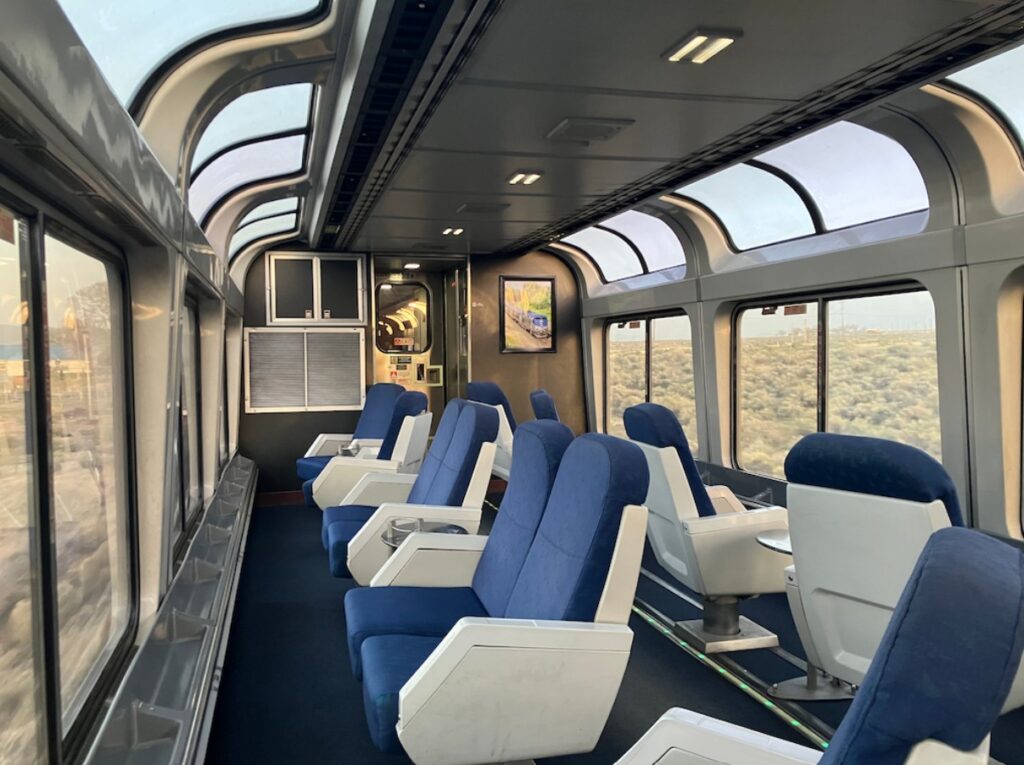
Long-distance trains are designed for extended travel. They are not luxury hotels, but they offer more space and freedom than most people expect.
Coach Seating
Coach seats are wide, recline comfortably, and usually include power outlets. There is more legroom than standard airline seating, making long travel more manageable.
Food and Café Options
Most trains include a café car with snacks, drinks, and simple meals. Sleeper passengers may have access to dining services on certain routes.
Bringing your own food is still recommended for longer trips.
Observation Areas
Some trains include lounge or observation cars with large windows. These are ideal for photography or simply enjoying panoramic views of landscapes passing by.
Sleeping on a Cross-Country Train
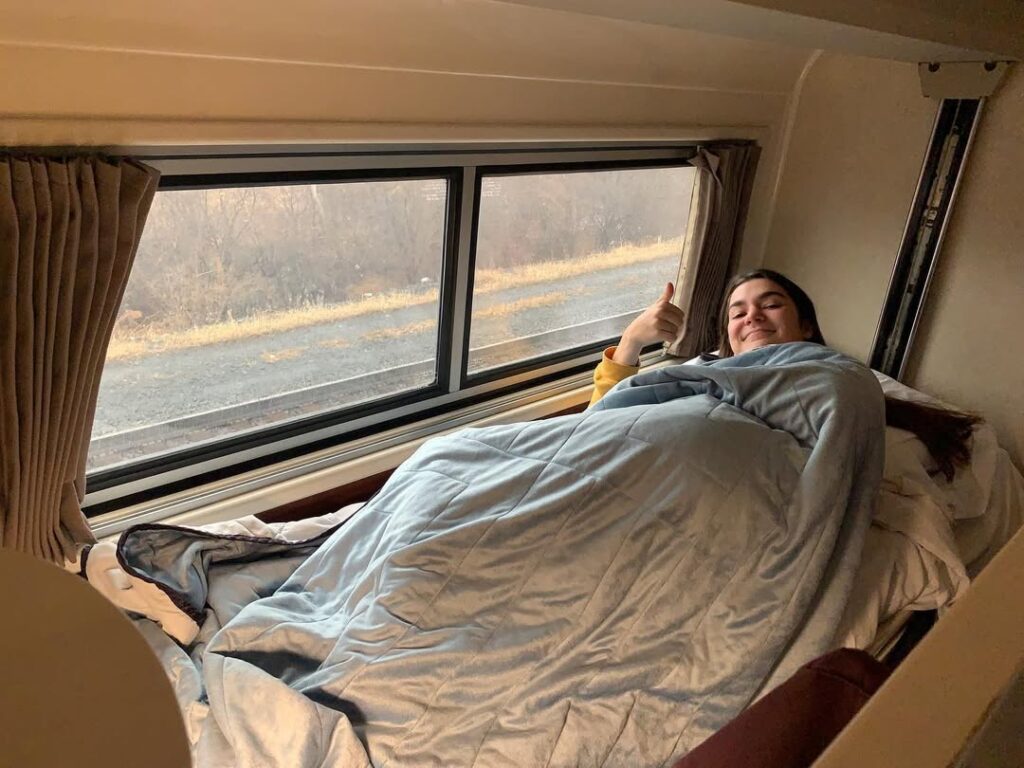
Since the full journey takes multiple days, sleep becomes part of the experience.
Coach Class
The most budget-friendly option. Sleeping in a reclining seat is possible, but comfort depends on preparation (pillows, eye masks, blankets).
Roomette
A small private space that converts into sleeping berths. It offers more privacy and comfort, especially for overnight sections.
Bedroom
A larger private cabin with more space, often including a private bathroom. This is the most comfortable option for long-distance travelers.
Best Views Along the Journey
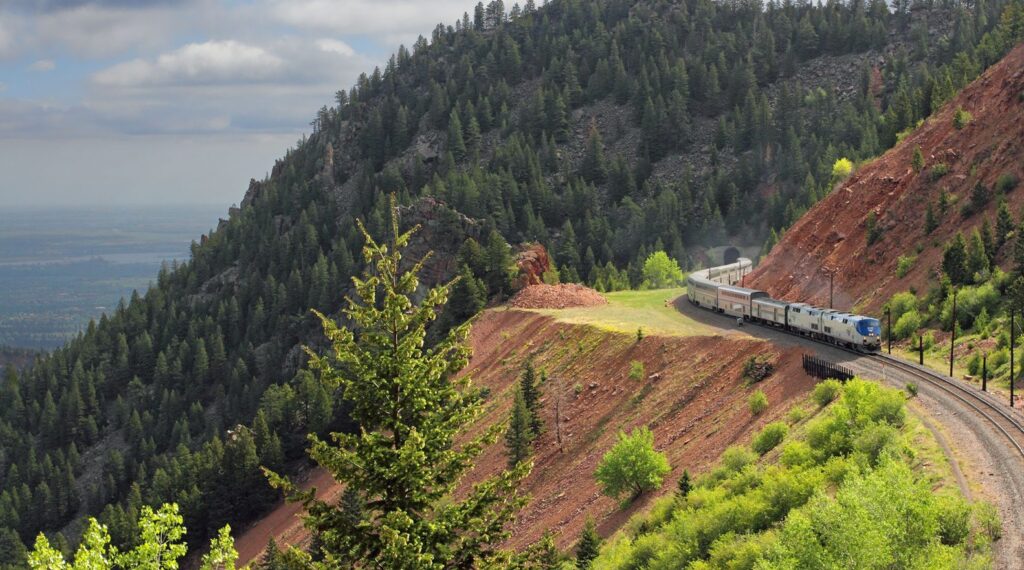
This route is often described as a moving showcase of America’s geography.
Sierra Nevada
Mountain forests, steep cliffs, and high-altitude tunnels define the opening stretch.
Rocky Mountains
One of the most dramatic parts of the trip—deep canyons, rivers, and snow-covered peaks.
Great Plains
Wide, open landscapes with endless skies and farmland.
Hudson River Valley
A scenic final approach into New York City with rivers and rolling hills.
Tips Before You Go
- Book early to secure lower fares
- Pack snacks, water, and a portable charger
- Download entertainment in advance
- Bring a travel pillow and blanket
- Expect possible delays on long routes
- Dress comfortably for long sitting hours
Pros and Cons of the Journey
Pros
- Often more affordable than flights when booked early
- Stunning scenery across multiple regions
- No airport security stress
- Freedom to move around during travel
- Relaxed, slow travel experience
Cons
- Multi-day journey requires patience
- Delays can occur
- Coach sleeping is not ideal for everyone
- Internet and cell service may be limited
- Sleeper cabins can increase total cost
Who Should Take This Trip?
Budget Travelers
Perfect for students, backpackers, and flexible planners looking for a low-cost adventure.
Slow Travel Enthusiasts
Ideal for those who value the journey as much as the destination.
Photographers
Constantly changing scenery offers endless photo opportunities.
Eco-Conscious Travelers
Train travel generally has a lower environmental impact compared to flying or solo driving.
Other Amtrak Routes Worth Exploring
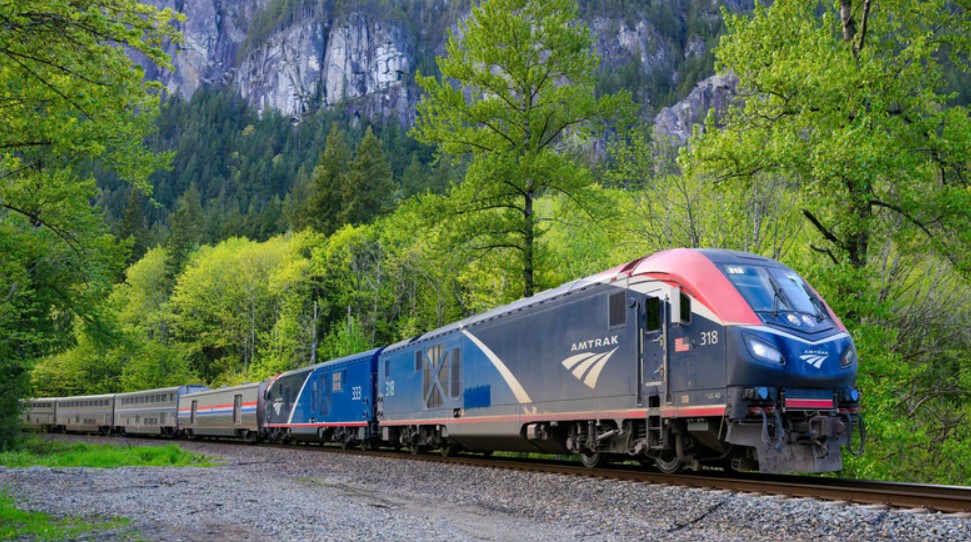
- Empire Builder: Pacific Northwest to Chicago with forests, rivers, and northern plains
- Sunset Limited: Los Angeles to New Orleans and beyond
- Texas Eagle: Southwest to Midwest with diverse desert and prairie scenery
Final Thoughts
A coast-to-coast train journey across the United States for around $313 still feels like one of the most surprising travel ideas in modern travel culture.
Even though prices vary today, the experience remains the same: a slow, cinematic journey across mountains, deserts, rivers, cities, and plains—all from a single window seat.
It is not the fastest way to travel. It is not always the simplest. But it may be one of the most meaningful ways to see the United States unfold, mile after mile, without ever needing to leave your seat.