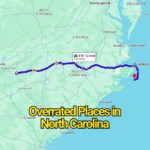
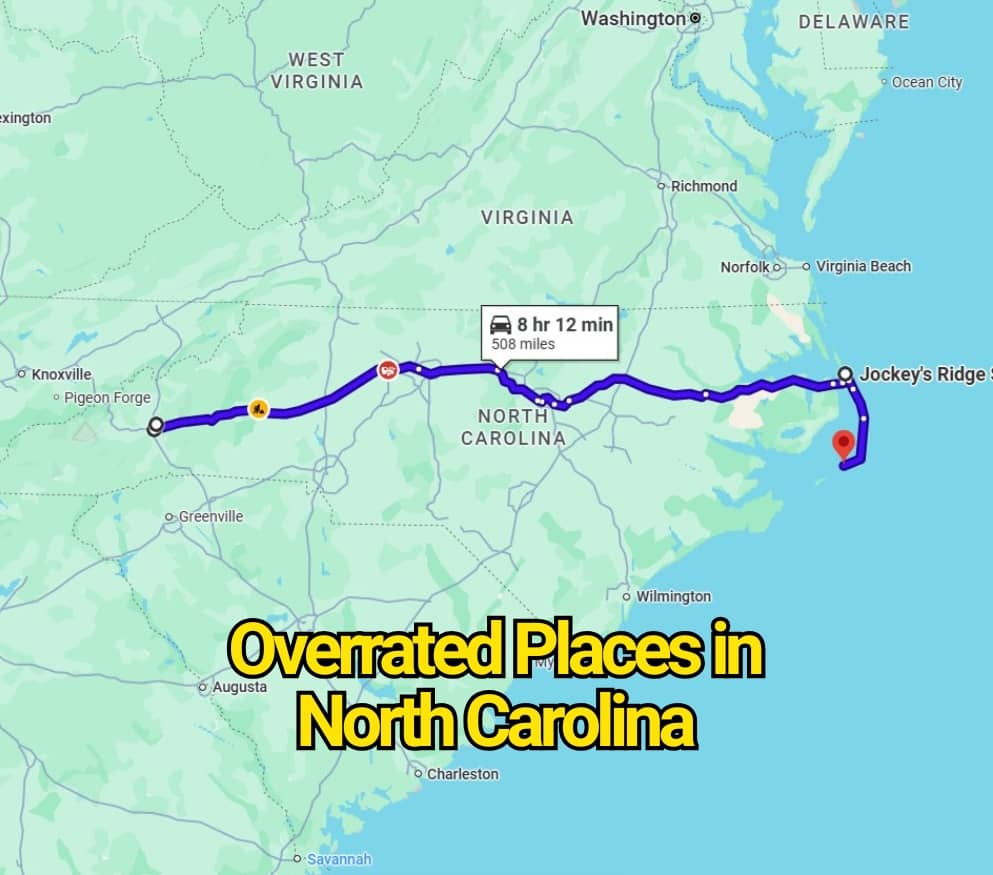
Some North Carolina destinations get so much attention online that expectations can climb sky-high before the trip even begins. Then reality steps in. A place may still be interesting, historic, or worth seeing once, but that does not always mean it lives up to the glowing photos and travel posts.
Many travelers know this feeling. You save a spot from Instagram, build it up in your mind, and arrive expecting something unforgettable. Instead, you find crowds, high prices, long lines, or views that feel less impressive than the photos made them seem.
After spending years exploring the Tar Heel State, I found a few places that did not quite match the buzz. From massive sand dunes and grand estates to famous coastal stops, these North Carolina attractions may be better with lowered expectations—or skipped for quieter alternatives nearby.
1. Jockey’s Ridge State Park: A Famous Outer Banks Stop That May Feel Overrated
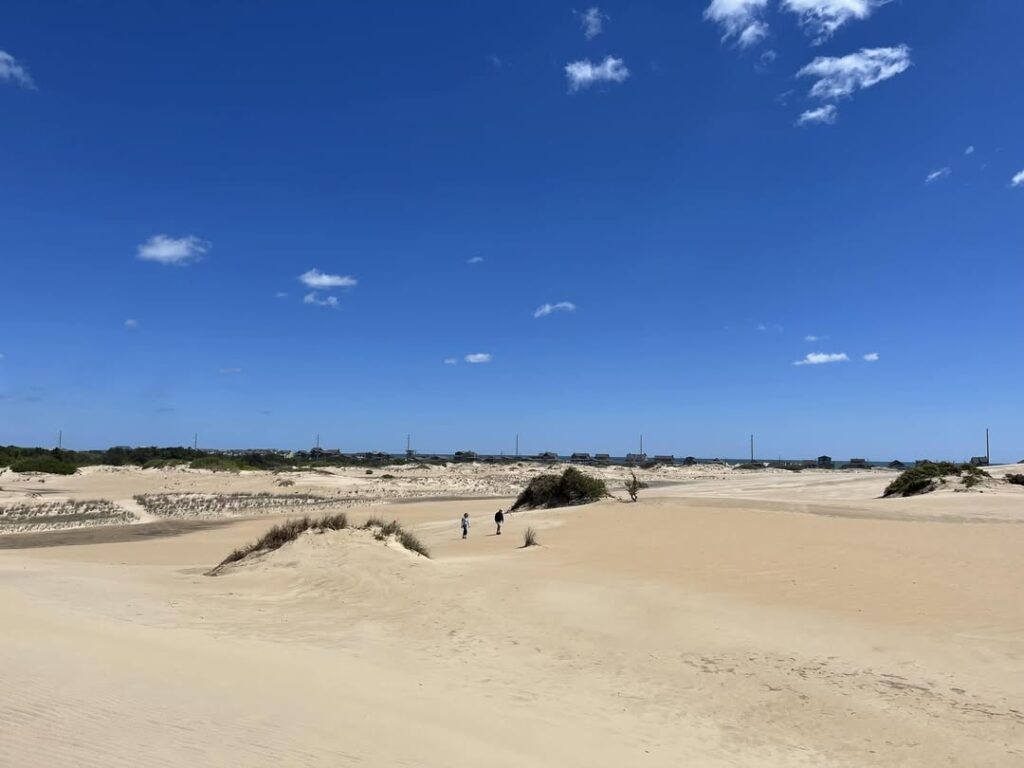
Jockey’s Ridge State Park carries a big claim: it is home to the tallest living sand dune on the East Coast. That alone makes it sound like a must-see stop on an Outer Banks road trip. But for some visitors, the reality may feel less impressive than the name suggests.
On my visit, I expected a sweeping dune scene that felt dramatic and almost otherworldly. Instead, the area looked more like a huge mound of sand and dirt, with touristy shops nearby taking away some of the natural appeal. It was not a terrible stop, but it did not quite match the excitement I had built up before arriving.
That said, Jockey’s Ridge can still be worth a short visit if you are already passing through. The dune can rise close to 100 feet, though its height shifts with the wind and seasons. For a better experience, spend time on the park’s forested trails, where the setting feels calmer and less crowded. The park also marks the eastern end of the Mountains-to-Sea Trail, a 1,175-mile route that begins in the Appalachian Mountains and stretches across North Carolina.
2. Hatteras: A Popular Outer Banks Town That May Not Impress Everyone
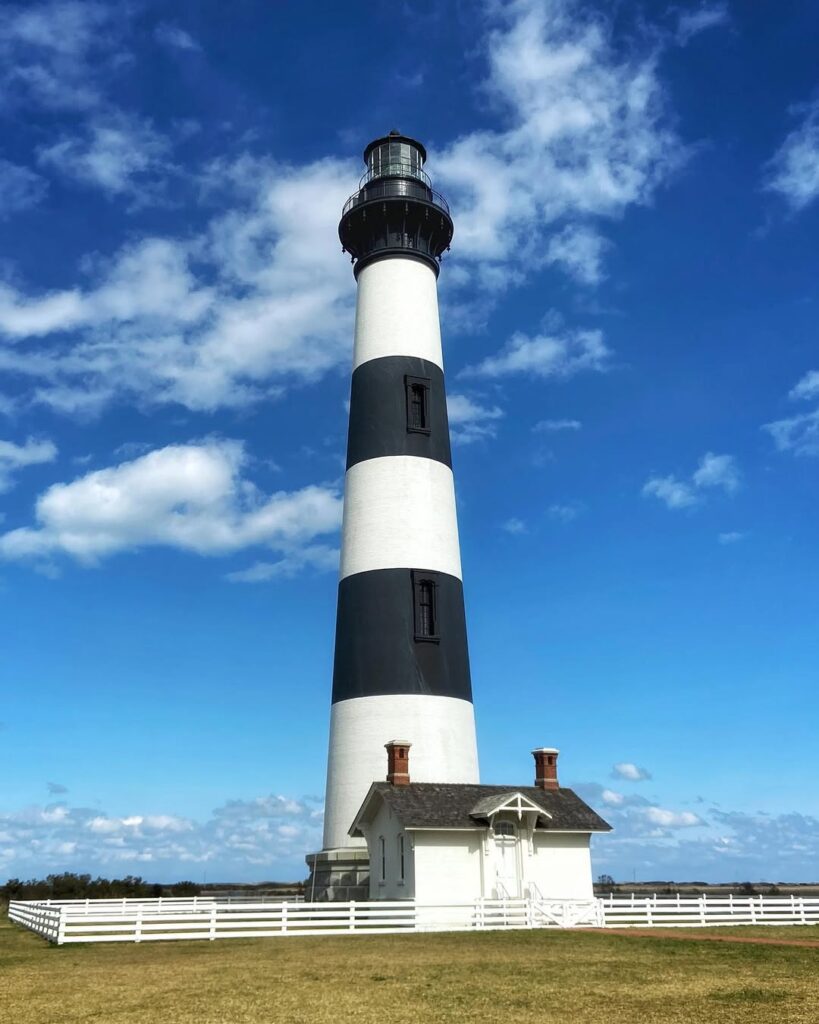
Hatteras has a strong reputation among Outer Banks travelers, partly because it is tied to North Carolina’s tallest lighthouse. With that kind of name recognition, it is easy to arrive expecting a classic coastal stop filled with charm, history, and ocean views.
My visit felt different. The lighthouse was covered in scaffolding because of ongoing work, which took away from the moment. Around town, a few worn-down homes and businesses also made the area feel less inviting than I had hoped. Compared with places like Emerald Isle and Ocracoke, Hatteras simply felt a little flat.
Still, the area is not without good stops. Buxton is close by, and it has pastries worth making time for if you are hungry. Keep driving along Highway 12, and you will reach Pea Island National Wildlife Refuge, one of the most rewarding places in the Outer Banks for wide-open views, birdwatching, and a slower coastal pace.
3. Asheville: A Mountain City That Can Feel Too Crowded for Its Own Charm
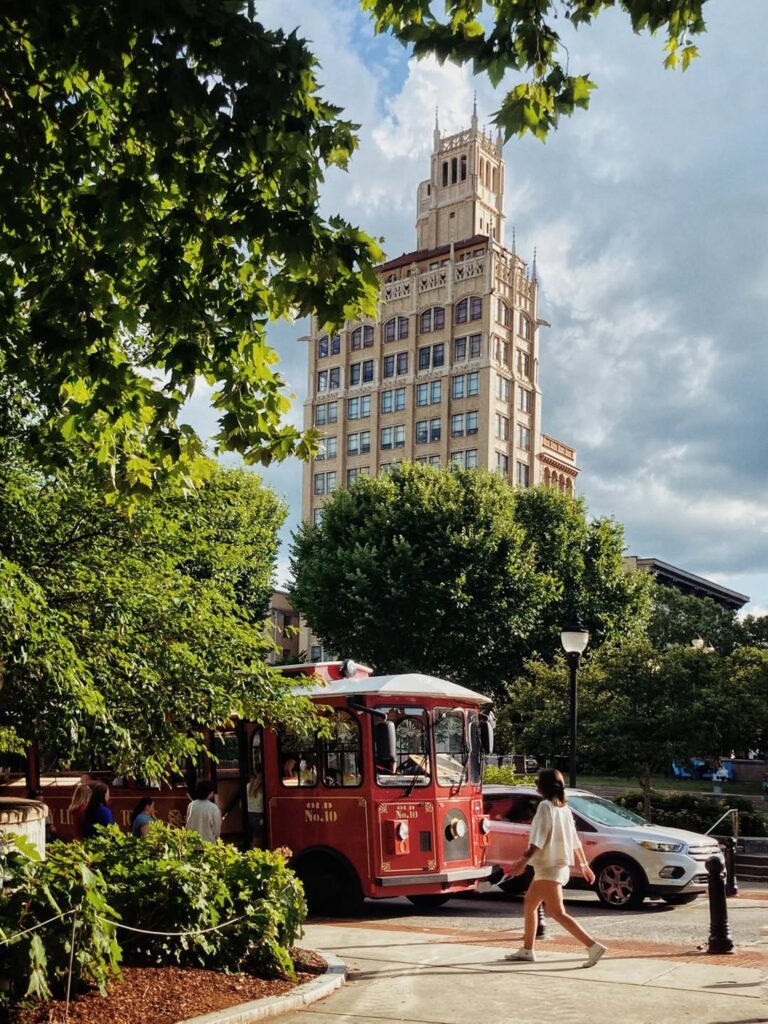
Asheville has plenty going for it, and after visiting several times, I understand why so many travelers put it on their North Carolina list. The restaurants are strong, the brewery scene is huge, and the Blue Ridge Mountains give the city a setting that is hard to ignore.
Still, Asheville can feel overhyped once you are actually there. Weekend crowds fill the sidewalks, party groups pack the bars, and traffic can turn a simple outing into a slow crawl. Add in the frequent black bear sightings around town, and the relaxed mountain escape many people expect may feel busier than planned.
For travelers chasing calm views and a slower pace, places like Blowing Rock or Boone may be a better fit. Asheville still has its bright spots, but the nonstop buzz can make it feel less magical than the photos and travel guides suggest.
4. Biltmore Estate: A Grand Asheville Landmark That Can Feel Too Packed
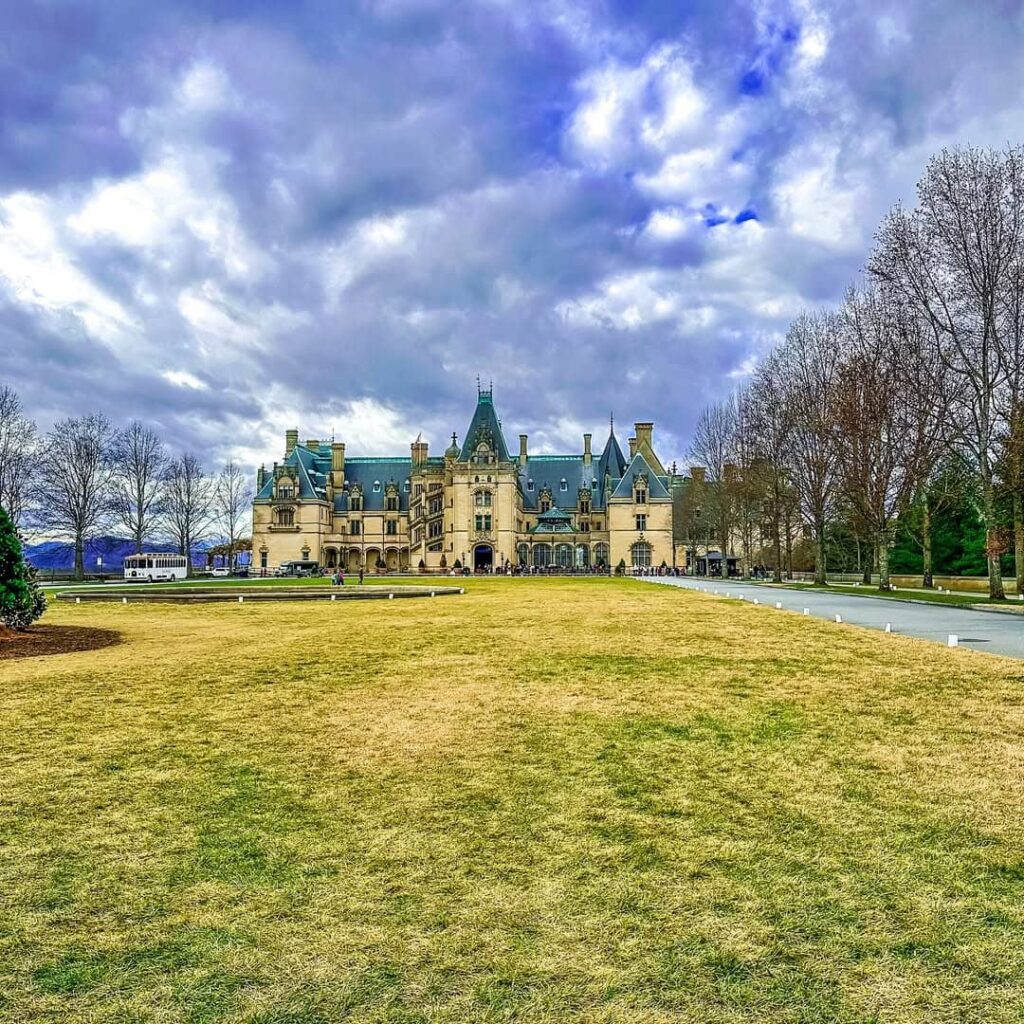
Biltmore Estate is one of Asheville’s biggest names, and its size alone makes people curious. The mansion spreads across 8,000 acres, with gardens, tours, dining, shops, and a well-known vineyard all pulling travelers through the gates.
But the fame can work against it. On busy days, the visit may feel less like stepping into history and more like moving through a crowded attraction. Rooms fill quickly, tours can feel hurried, and the steady flow of guests may take away from the scale and detail that made the estate famous in the first place.
There is a better way to see it, though. A weekday visit outside peak travel periods can make the estate feel far more rewarding. Spring and fall are often good choices, especially if you want quieter rooms, more breathing space, and a better chance to enjoy the property without feeling rushed.
More Related Articles :