Idaho’s bigger cities have plenty to offer, but the state’s rural corners bring a different kind of reward. Out here, the roads stretch wide, the crowds fade fast, and the scenery often changes before you expect it. One minute you may be crossing dry desert land, and the next you’re standing near bright blue water or old charcoal kilns that feel pulled from another time.
This rural Idaho road trip is all about those lesser-known places that many travelers miss. It’s a chance to slow down, take the long way, and see parts of the Gem State that don’t always make the front page of travel guides. These stops are quiet, surprising, and worth the extra miles.
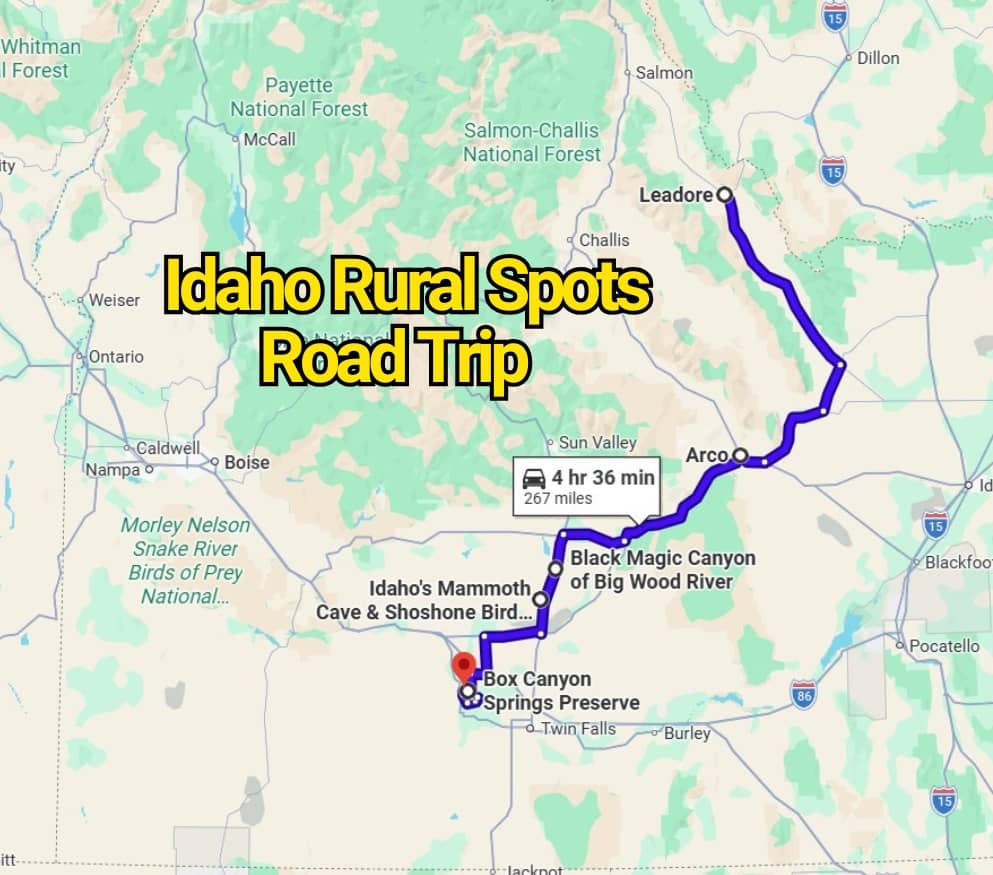
The route begins near Leadore and carries you south near Twin Falls. Altogether, the drive takes about 4.5 hours and covers more than 250 miles, making it a great day trip or a relaxed weekend outing. Bring snacks, keep your camera ready, and leave room in your schedule for a few roadside pauses.
Use the road trip map as a guide, but don’t feel locked into every turn. Idaho’s backroads are full of small surprises, so adding your own stops along the way can make the trip even better.
1. Birch Creek Charcoal Kilns, Near Leadore: A Quiet Desert Landmark With A Mining Past
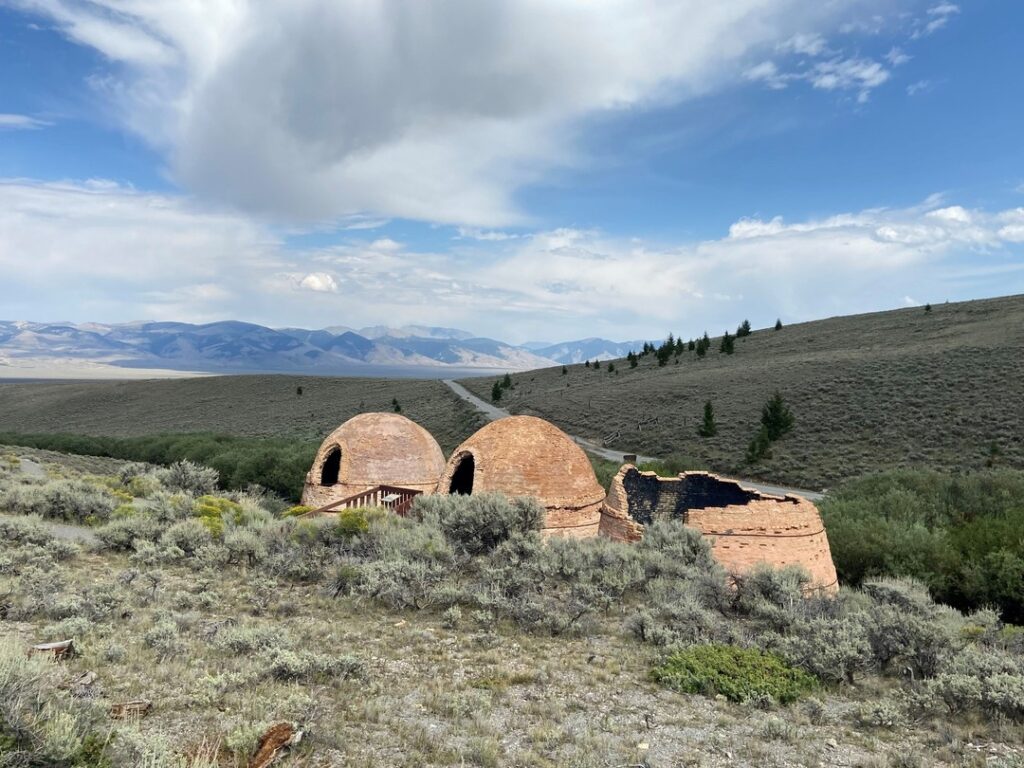
Your first stop takes you far from busy streets and straight into Idaho’s open country. The Birch Creek Charcoal Kilns stand near Leadore, giving this quiet stretch of the trip a strange and memorable landmark.
These stone domes were built to turn wood into charcoal, which was then used for smelting ore at the nearby Nicholia Mine. Their rounded, hut-like shape makes them easy to notice even before you pull in for a closer look.
At about 20 feet tall and 20 feet wide, the kilns have a bold presence against the wide desert setting. They feel silent now, but they still carry the story of Idaho’s mining past in a way that’s hard to miss.
2. Experimental Breeder Reactor-I (EBR-I) Atomic Museum, Near Arco: A Historic Stop With Atomic-Era Stories
Editor’s Note: This stop is open during certain seasons, so check the Idaho National Laboratory website before planning your visit.
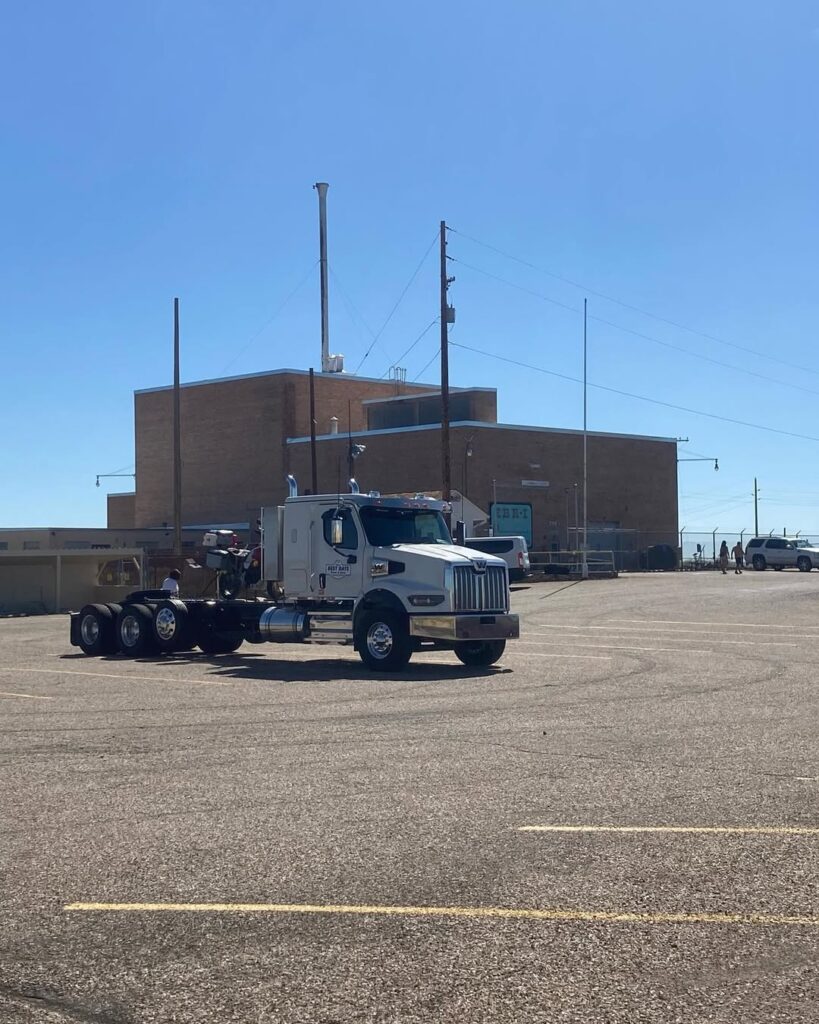
Arco may look like a small Idaho town at first glance, but it holds a major place in science history. It became the first city in the world powered by atomic energy, and the EBR-I Atomic Museum helps tell that story in a clear and interesting way.
The museum sits about 18 miles outside Arco, making it a memorable stop along this rural Idaho road trip. Inside, you can learn about early nuclear research, atomic power, and the experiments that helped shape a new chapter in American energy.
This site is also a National Historic Landmark, which adds even more weight to the visit. It is the kind of roadside stop that feels unexpected at first, then turns into one of the most talked-about parts of the trip.
3. Mammoth Cave, Shoshone: A Volcanic Cave Stop With More To See Nearby
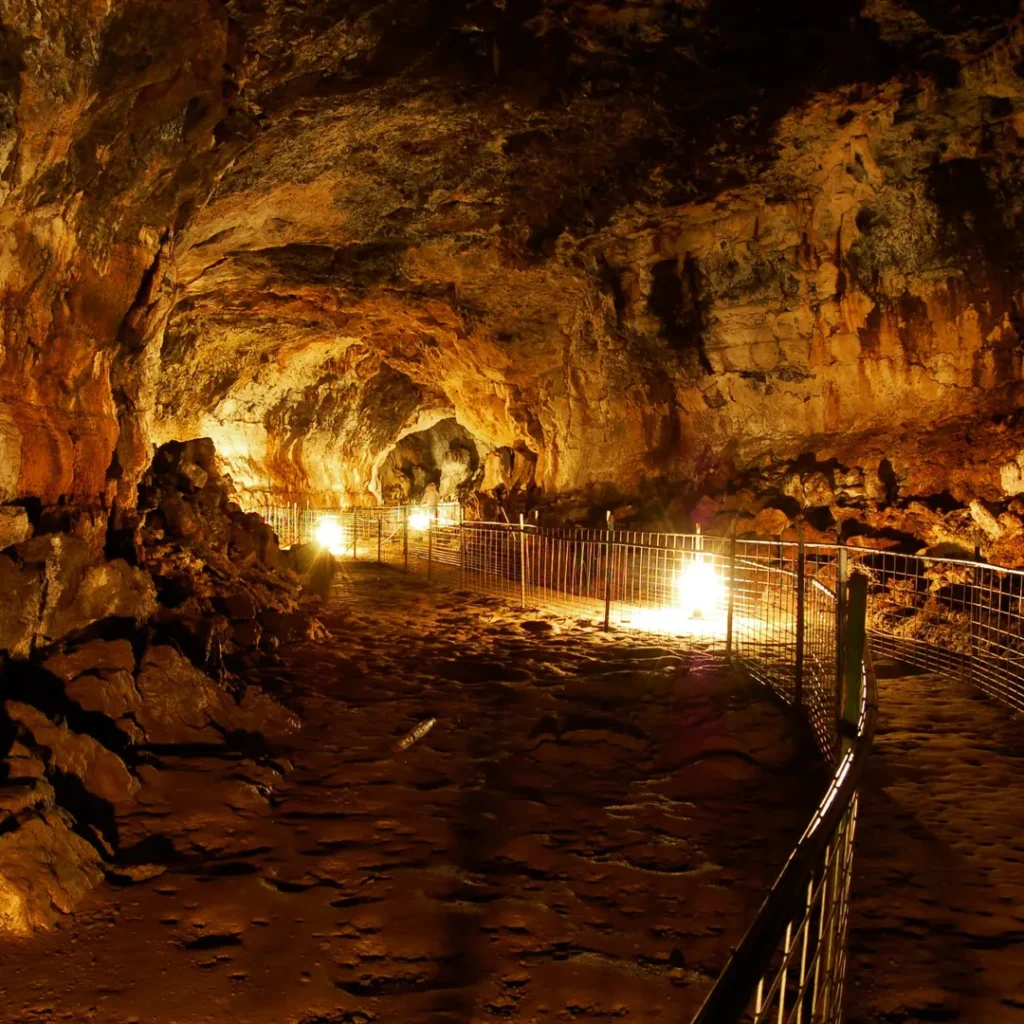
Editor’s Note: Mammoth Cave is open by season, so check the official Mammoth Cave website for current hours before your visit.
Mammoth Cave near Shoshone brings a completely different feel to this Idaho road trip. Instead of wide desert views from the road, this stop takes you underground into a dark volcanic cave with a quiet, rugged atmosphere.
The self-guided cave tour is about 0.5 miles round trip, making it a short but memorable break from driving. Bring a light jacket, wear shoes with good grip, and take your time moving through the cave’s uneven sections.
Before you leave, save extra time for the Shoshone Bird Museum and the Richard Arthur Olsen Museum of Natural History. Together, they turn this stop into more than a quick cave visit and give travelers another reason to linger in Shoshone.
4. Black Magic Canyon, North Of Shoshone: A Lava-Rock Hike With A Seasonal Twist
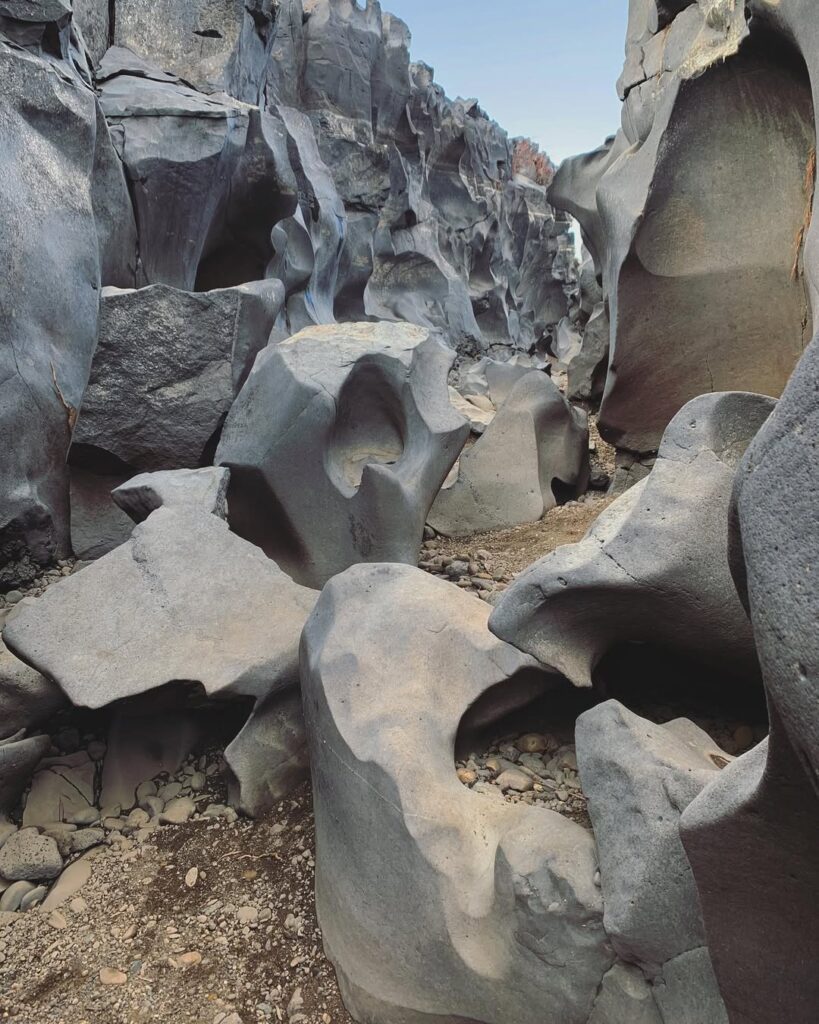
Just north of Shoshone, Black Magic Canyon feels like one of Idaho’s strangest roadside surprises. The canyon walls are shaped from lava rock, twisting into smooth curves, narrow passages, and sculpted forms that look almost unreal.
Reaching this spot requires a hike, so sturdy shoes are a must. The ground can be rough in places, and the canyon’s sharp shapes make it the kind of stop where you’ll want to move slowly and look around often.
Timing matters here. Black Magic Canyon is usually dry for only part of the year because the Big Wood Canal Company sends water through the canyon during spring and summer. If you plan to visit between March and September, call ahead to check whether the canyon will be safe and dry for your trip.
5. Box Canyon, Wendell: A Desert Hike Leading To Brilliant Blue Water
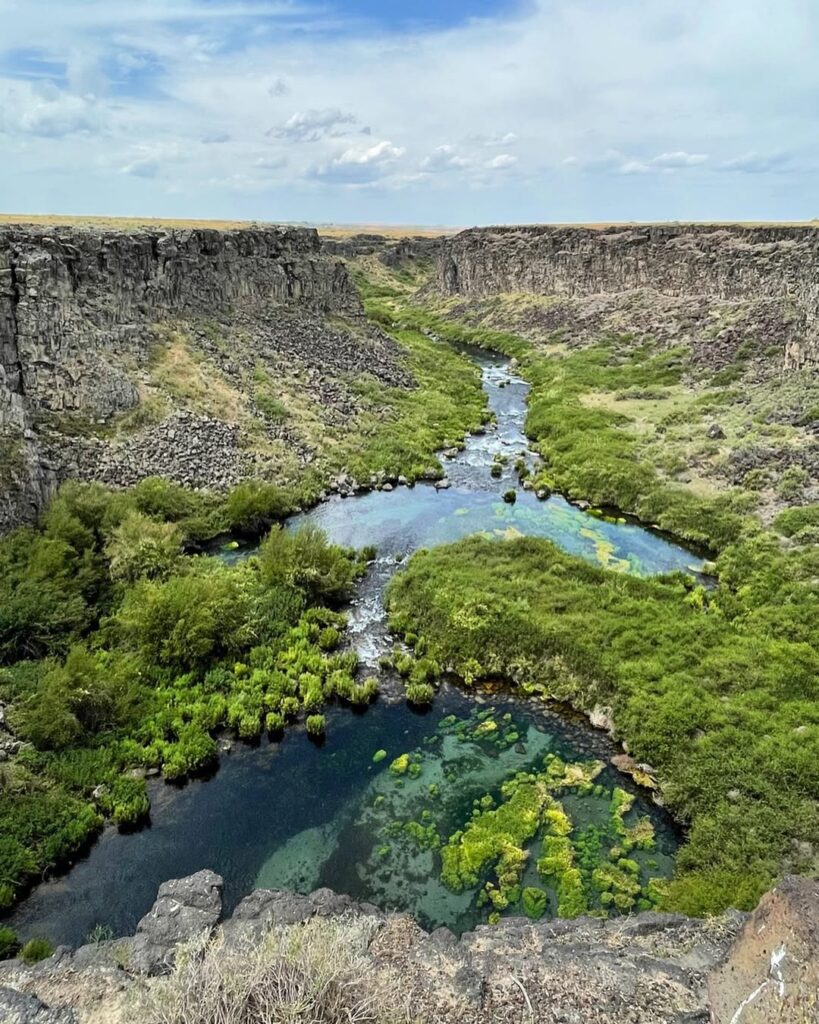
Box Canyon near Wendell starts with a scene that feels dry, wide, and almost empty. At first, it may seem like another quiet stretch of Idaho desert, but the trail quickly proves there is far more waiting beyond the rim.
Follow the Box Canyon Trail and you’ll reach the edge of the canyon before heading down into a striking pocket of water and rock. The turquoise spring below creates a sharp contrast against the rugged desert land, making the hike feel like a sudden reward.
This stop also has an impressive claim: it leads to the eleventh-largest natural spring in the United States. That detail makes Box Canyon more than a pretty place to stretch your legs; it is one of the most memorable natural stops on this rural Idaho route.
6. Blue Heart Springs, Hagerman: A Clear-Water Escape Best Reached By Paddle
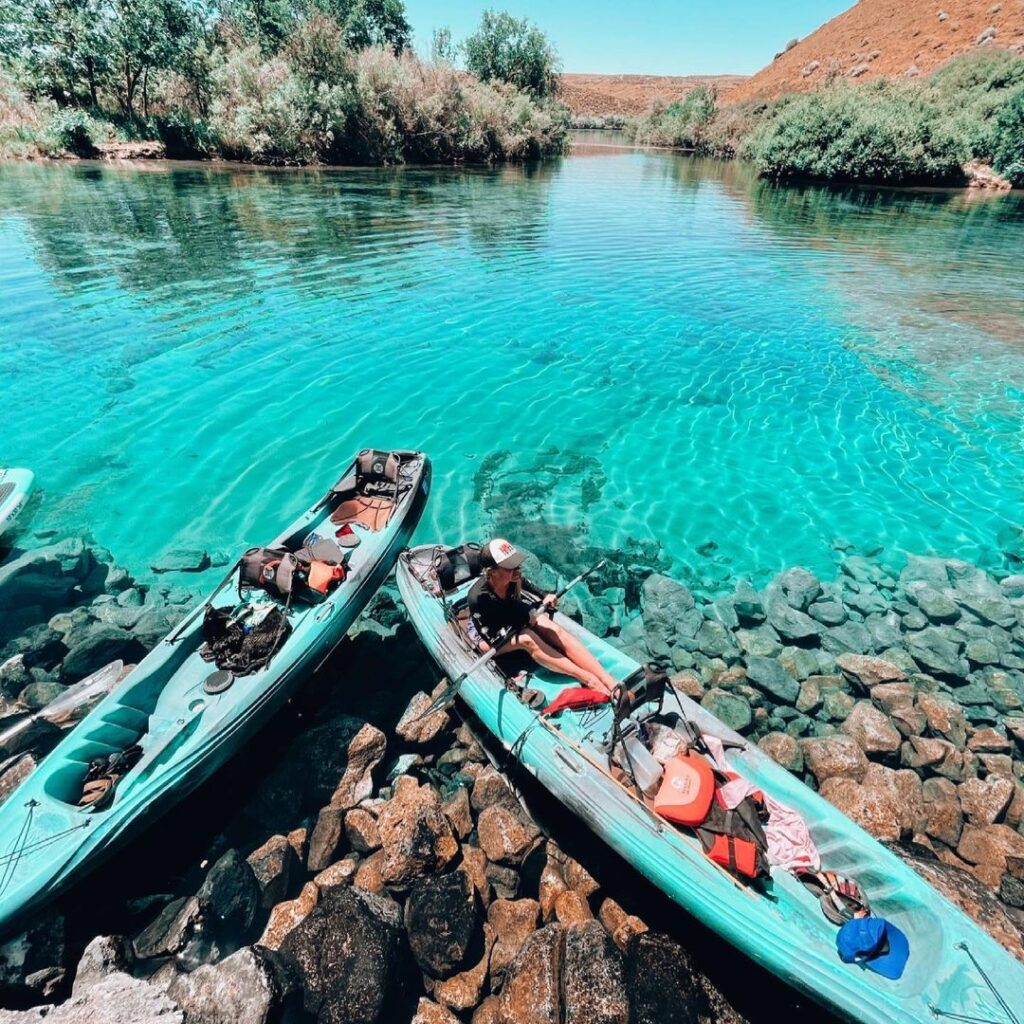
Blue Heart Springs is close to Box Canyon, but it feels like a separate little reward on this Idaho route. The water is bright blue, clear, and almost unreal against the surrounding river scenery.
This spot is a great pick for travelers who want a quieter stop away from busy roadside pullouts. Since the easiest way to reach Blue Heart Springs is by kayak or canoe, the trip there feels like part of the experience rather than just transportation.
It’s the kind of place that makes a rural Idaho road trip feel extra special. Between the paddle in, the cool water, and the peaceful setting, Blue Heart Springs gives the route a final stop worth remembering.
Would you add Blue Heart Springs to your Idaho road trip list? Share your favorite hidden Idaho stops in the comments and help other travelers plan their own backroad adventure.
More Related Articles :