Pennsylvania can look calm from a windshield. Farm roads slide past red barns. Mountain highways cut across foggy ridges. Old coal-town routes twist through valleys where cell service can vanish fast. But ask locals, and they’ll tell you the same thing: some roads here feel harmless until the weather turns, the lanes narrow, or traffic suddenly stops.
This is not the kind of Pennsylvania road trip list built around pretty overlooks and weekend charm. These are the routes drivers talk about with a tighter grip on the wheel. Some carry grim crash records. Others feel risky because of blind curves, truck traffic, poor lighting, steep grades, or old layouts that never seemed built for modern speed.
1. Roosevelt Boulevard: Philadelphia’s Road That Feels Like a Warning Sign
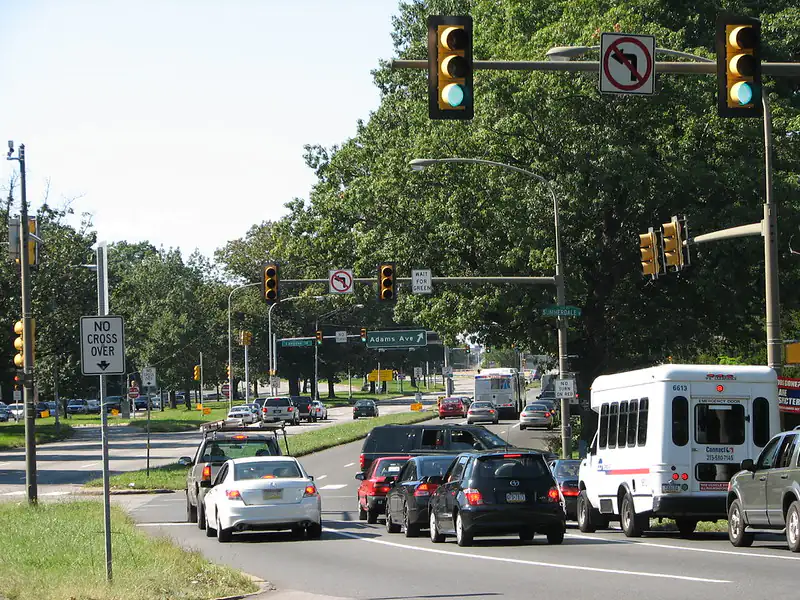
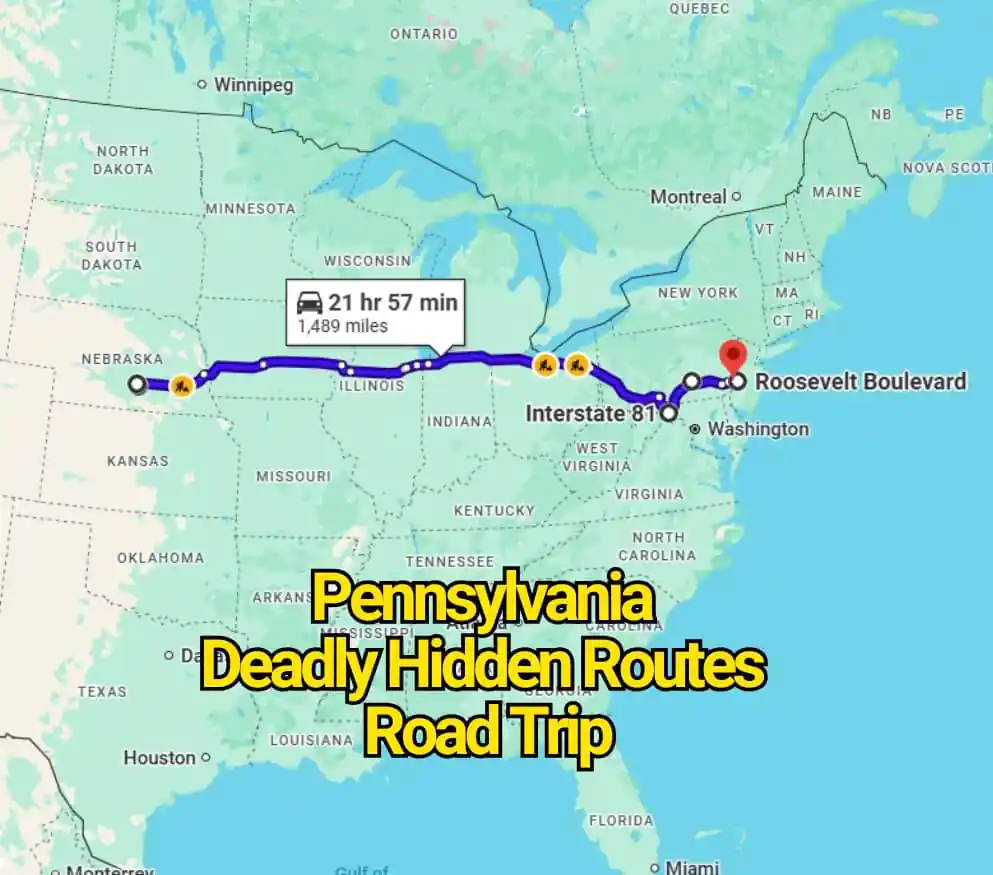
Roosevelt Boulevard may not look hidden to city drivers, but its danger often hides in plain sight. The road is wide, busy, and packed with fast-moving traffic, turning lanes, crossings, and sudden stops. A Pennsylvania road study using 2015–2017 fatal-crash data ranked an almost 11-mile stretch of Roosevelt Boulevard in Philadelphia as the deadliest road segment in the state, with 26 fatal crashes and 30 deaths during that period.
That is why locals do not treat it like a normal city drive. One moment, traffic feels like a highway. The next, it behaves like a crowded neighborhood street. The mix can rattle even experienced drivers.
At night, the road feels harsher. Headlights spread across several lanes. Pedestrians, buses, turning cars, and speed changes all compete for attention. For anyone passing through Philadelphia on a road trip, Roosevelt Boulevard is the type of route where confidence can turn into panic quickly.
2. I-76 Schuylkill Expressway: The Highway That Squeezes Drivers In
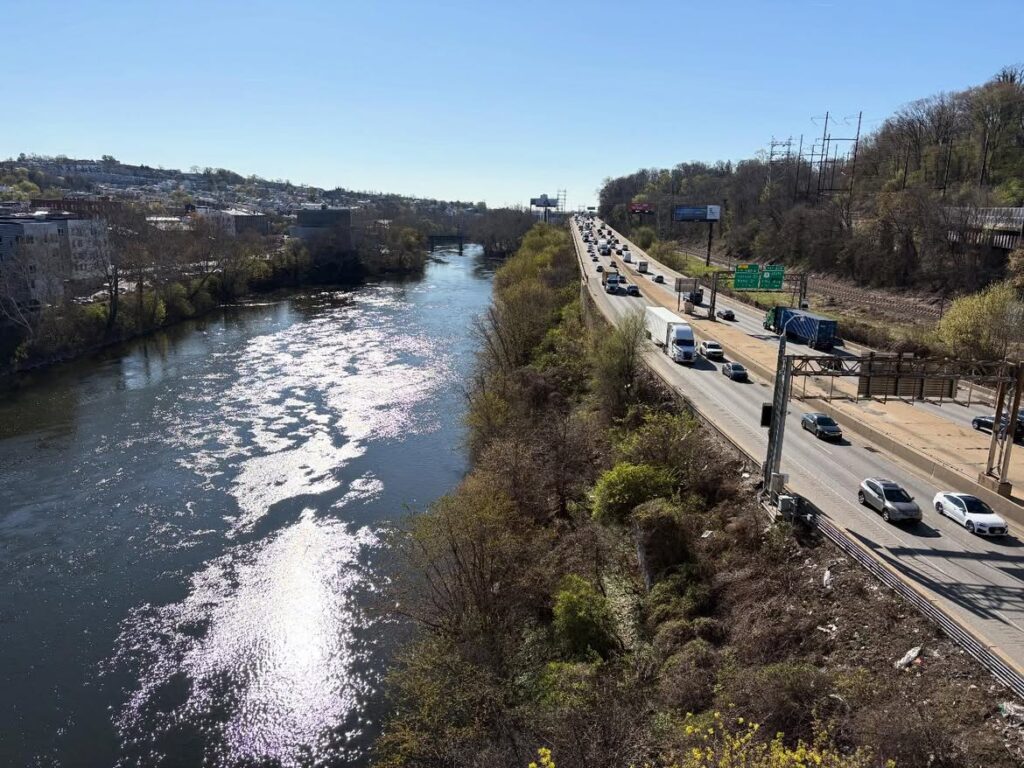
The Schuylkill Expressway has a reputation that needs little introduction around Philadelphia. I-76 carries commuters, tourists, trucks, and impatient drivers through one of the most stressful corridors in the state. Heavy traffic, tight curves, and narrow lanes are all part of its bad reputation.
This route does not give drivers much room to relax. The lanes feel cramped. Merges happen fast. Brake lights can appear without warning. Add rain or winter slush, and the road becomes even more tense.
For road trippers, I-76 can be a shock. A scenic Pennsylvania drive may begin with mountains and river views, then suddenly become a white-knuckle crawl where every lane change feels personal. Locals know this road can turn ugly before you even reach your exit.
3. I-80 Across Northern Pennsylvania: Long, Dark, and Easy to Underestimate
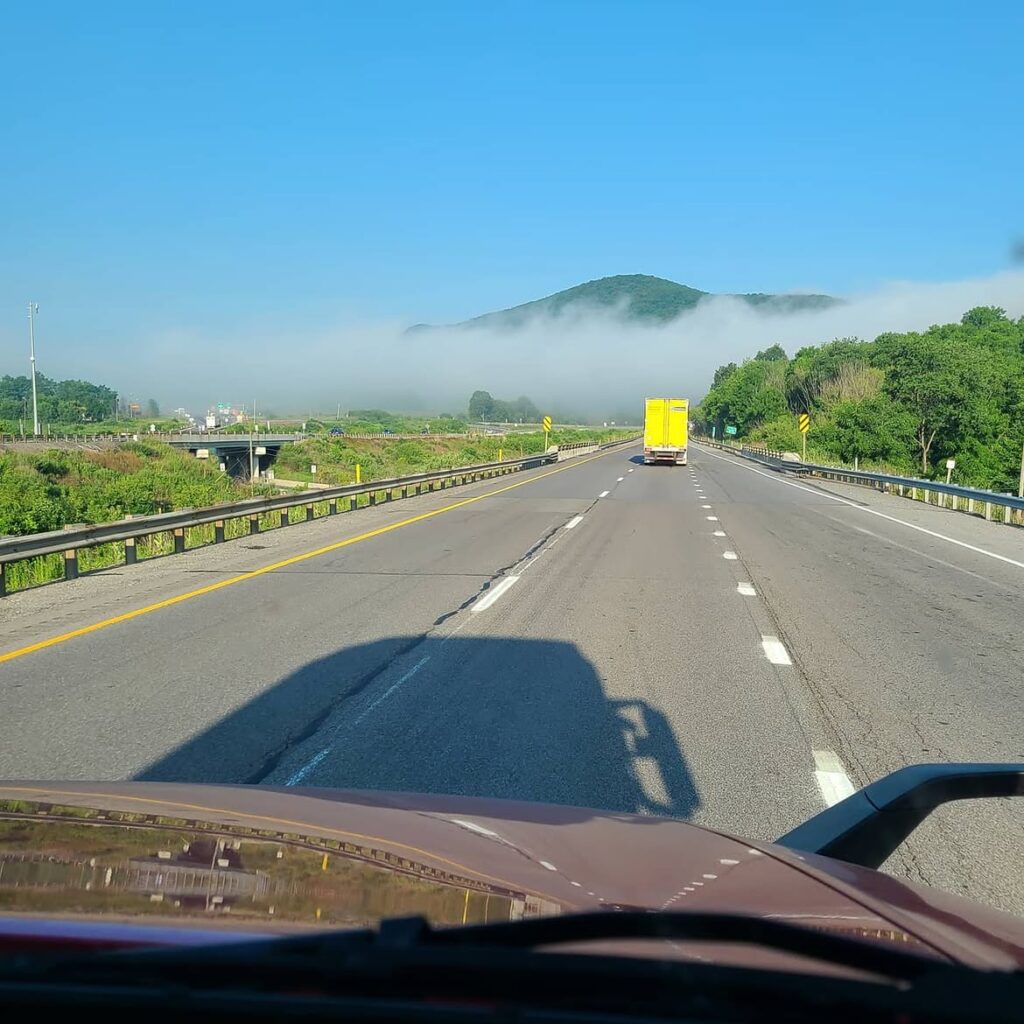
I-80 cuts across Pennsylvania like a straight promise, but that promise can fool drivers. Much of the route feels rural and open, which can make people drive faster than they should. Long stretches, limited lighting, truck traffic, fatigue, and distraction are often named as major concerns along this interstate.
The hidden danger here is monotony. Mile after mile can feel the same. Then fog drops into the valleys, a tractor-trailer drifts near your lane, or a deer appears near the shoulder.
Winter changes the whole mood. Snow squalls can erase visibility in seconds, especially across the higher, colder sections. I-80 may look simple on a map, but locals know it demands patience, fresh attention, and a serious respect for weather.
4. U.S. Route 30 Lincoln Highway: Historic, Scenic, and Sometimes Rough
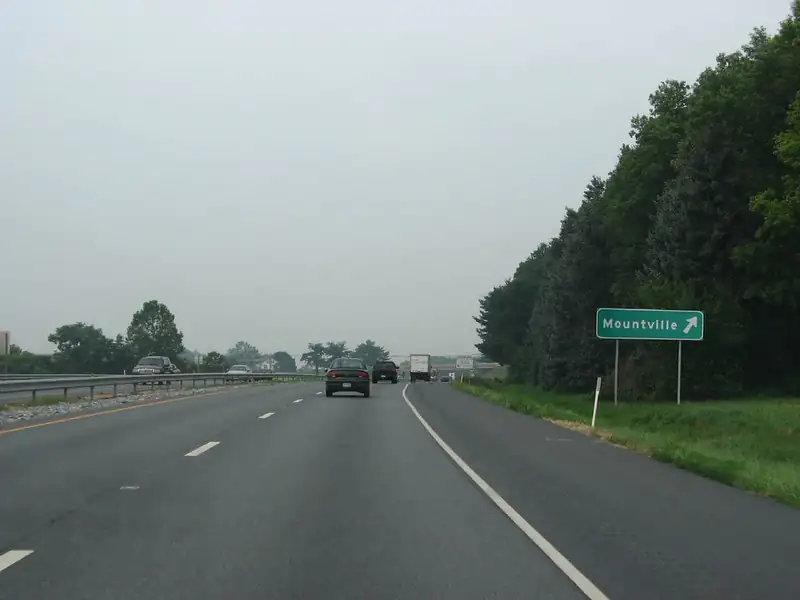
Route 30 has history in its pavement. It crosses towns, hills, rural stretches, and busy commercial strips. That makes it tempting for travelers who want a more local Pennsylvania drive. But the Lincoln Highway also brings heavy truck traffic, limited passing zones, and a mix of rural and urban driving conditions.
That mix is where the trouble starts. A quiet two-lane section can turn into a busy corridor. A driver expecting a relaxed backroad may suddenly face tight gaps, slow farm vehicles, turning traffic, or impatient passing.
Near some stretches, especially where the road narrows or bends through older communities, Route 30 feels like a road from another time carrying today’s speed. It can be beautiful, but it should never be treated casually.
5. I-81 Near Mechanicsburg and Harrisburg: Truck Traffic With Little Mercy
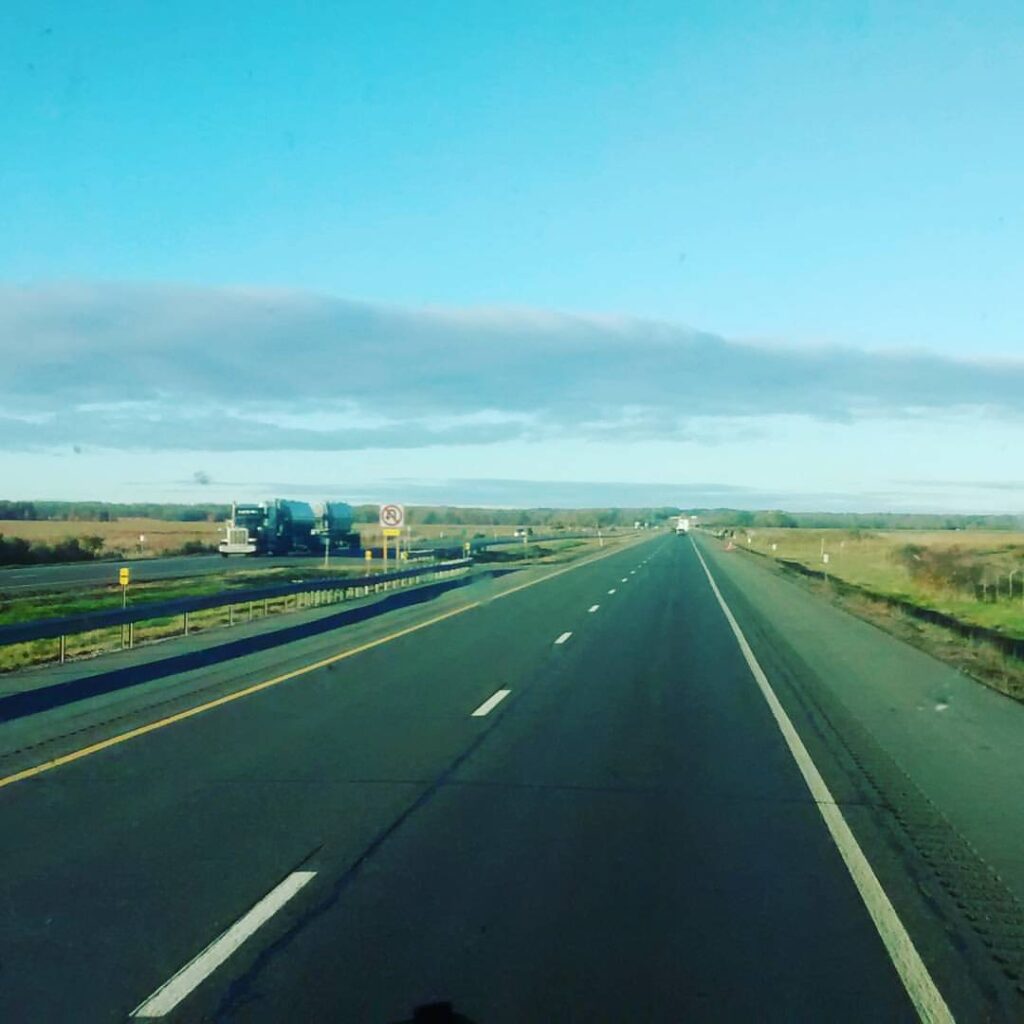
I-81 is one of Pennsylvania’s major freight routes, and locals know how intense it can feel around the Harrisburg and Mechanicsburg area. One fatal-crash study listed a 20-mile stretch of I-81 near Mechanicsburg among the deadliest segments in Pennsylvania during its 2015–2017 review, with 14 fatal crashes and 17 deaths.
The road’s danger often comes from volume and speed. Cars and tractor-trailers share tight space. Drivers merge, brake, and pass under pressure. A small mistake can ripple through traffic fast.
For travelers crossing central Pennsylvania, I-81 can feel like a road that never fully lets up. It may not have ghost stories or creepy bridges, but it has something more real: long-haul fatigue, heavy rigs, and traffic that punishes distraction.
6. U.S. Route 22 and 322: The Central Pennsylvania Route Locals Respect
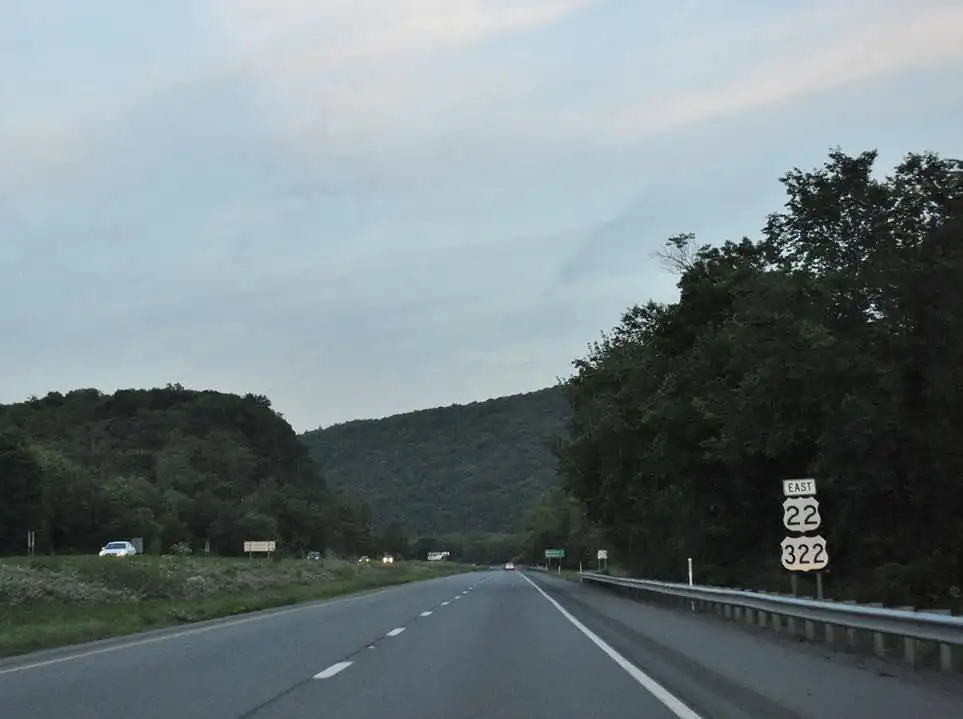
Route 22 and 322 can feel like a shortcut across central Pennsylvania, but regular drivers know it has a rough edge. The road carries commuters, trucks, and long-distance traffic through changing terrain. Some stretches shift from open highway to crowded local traffic with little warning.
This is the kind of route where drivers get too comfortable. Then a curve tightens, a vehicle slows suddenly, or the weather rolls in across the Susquehanna River corridor. Crash reports along Route 22/322 have made headlines in recent years, including deadly closures in Dauphin County.
It is not the scariest road by appearance. That may be what makes it worse. Route 22/322 can feel normal until one bad moment proves otherwise.
Why These Pennsylvania Routes Feel So Risky
Pennsylvania’s road danger rarely comes from one thing. It is usually the blend. Old road designs meet modern traffic. Mountain weather meets high speed. Rural darkness meets tired drivers. City arteries mix highway pace with pedestrian crossings and sudden turns.
PennDOT reported that Pennsylvania traffic deaths fell to 1,179 in 2022 after rising in 2020 and 2021, while early 2023 estimates suggested fatalities could rise again. Those numbers explain why locals take these routes seriously.
A Pennsylvania road trip can still be beautiful. It can run past farms, rivers, ridges, old towns, and city skylines. But the most dangerous routes are the ones that make drivers forget how quickly the scenery can change. Slow down, stay alert, and do not treat a familiar road like a harmless one.
You may also like :