
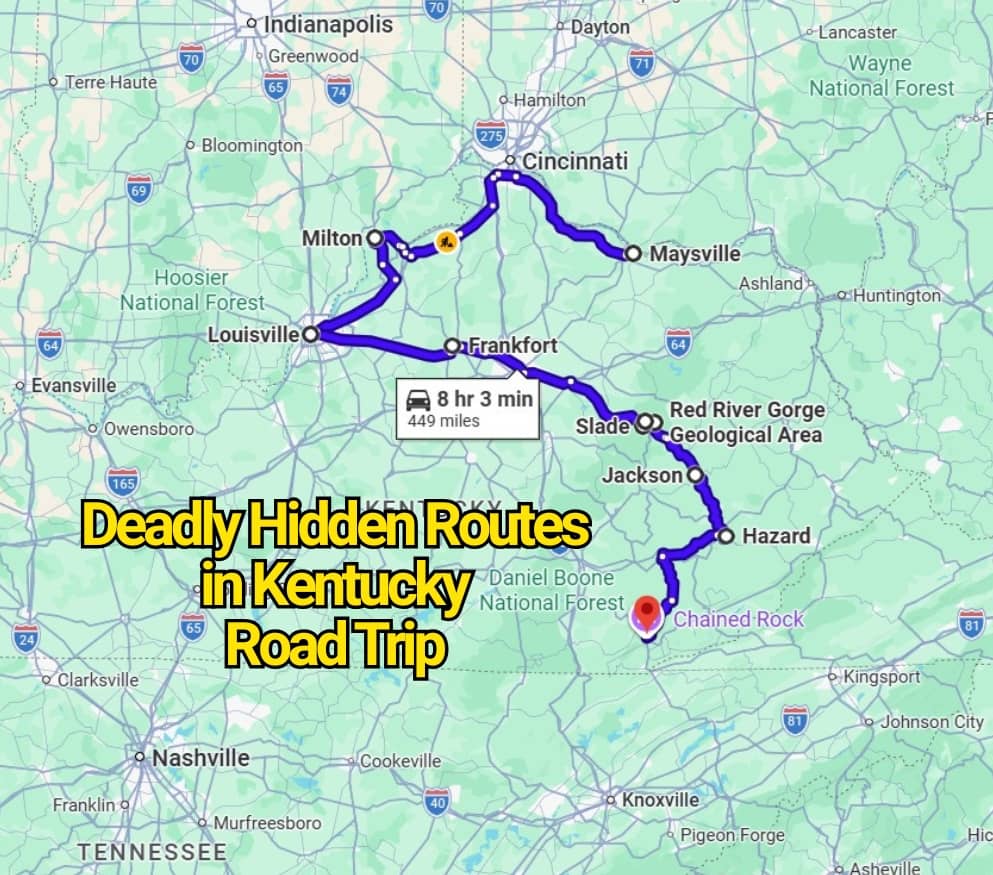
Kentucky looks gentle from a road trip map. Bluegrass towns, bourbon stops, river bends, horse farms, lake country, and mountain highways all make the state feel like an easy drive. That is where the mistake starts.
Some of Kentucky’s riskiest roads do not look frightening at first glance. They are not always the huge interstates with endless traffic. Many are rural connectors, mountain corridors, gorge roads, and two-lane shortcuts where speed, curves, blind hills, wildlife, and sudden weather can turn a pretty drive into a serious problem.
This does not mean travelers should avoid Kentucky. It means the best road trips here require respect. Locals know which roads demand slower driving, extra space, and a little more patience than GPS ever warns you about.
KY 9 / AA Highway
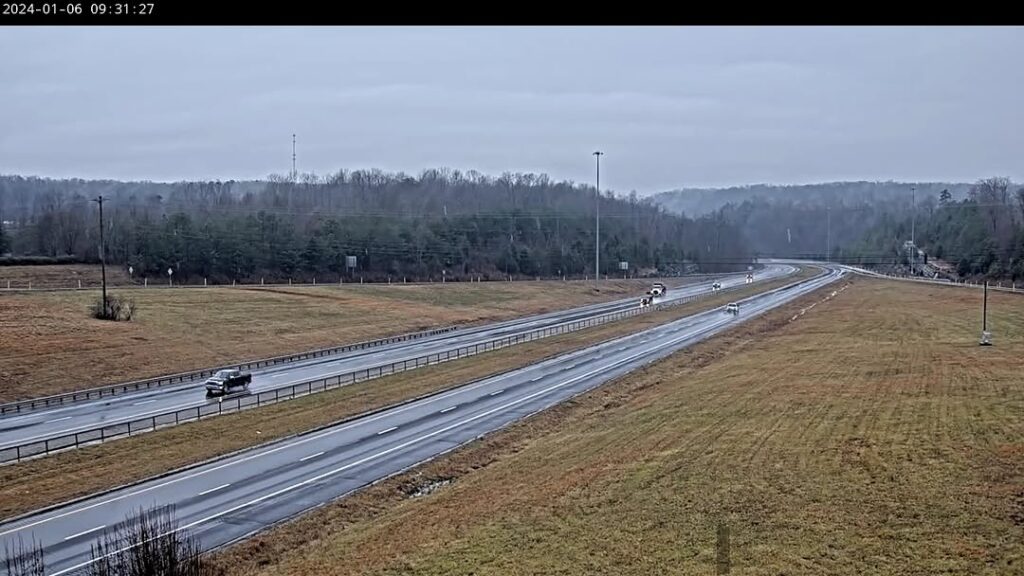
The AA Highway is one of those roads that looks simple on a map but feels different once you are actually on it. It cuts through northern Kentucky as a fast rural route, connecting small communities and giving drivers an alternative to busier highways. That convenience is exactly why it gets so much local attention.
The danger comes from the mix. Drivers move at highway speeds, yet parts of the road still feel rural and open. Intersections, passing zones, side roads, and long stretches between towns can make the route feel deceptively calm. Local news reports have tied the AA Highway to repeated serious and fatal crashes, which is why many Kentucky drivers talk about it with caution rather than comfort.
The contrarian truth is this: the AA Highway is not dangerous because it looks dramatic. It is risky because it can feel too easy. That is often the worst kind of road for visitors, especially when they are tired, distracted, or trusting the map more than the pavement.
KY 15
KY 15 runs through eastern Kentucky mountain country, linking towns such as Jackson, Hazard, and Whitesburg while passing through areas shaped by steep hills, sharp curves, and changing elevation. For many locals, it is a normal daily road. For visitors, it can feel like a scenic drive that slowly gets more serious.
This highway has seen deadly crashes, including serious wrecks that have closed parts of the route and required emergency response. The road itself is not a mystery, but its risk often gets ignored by travelers who focus only on the mountain views and small-town stops.
KY 15 is the kind of Kentucky route where the scenery can pull your attention away at the wrong moment. Fog, rain, coal trucks, curves, and sudden slowdowns can all become part of the drive. It is a reminder that eastern Kentucky road trips are beautiful, but they are not casual background scenery.
US 421 / Milton Hill

US 421 near Milton and Trimble County does not carry the same fame as Kentucky’s big-name scenic drives. That may be why it catches people off guard. It passes through quieter countryside, but that quiet can hide hills, narrow stretches, and fast-moving local traffic.
In recent years, deadly crashes on or near this route have made local drivers more vocal about treating it carefully. Head-on collisions are especially concerning on rural two-lane roads because there is often little room for error.
Milton Hill and the surrounding stretches of US 421 prove a point many road trip guides miss. A road does not need cliffs or tourist traffic to be dangerous. Sometimes the most serious routes are the ones that look ordinary until one bad decision leaves no recovery space.
US 25E
US 25E is one of Kentucky’s more striking road trip corridors, especially around Cumberland Gap and Pineville. It carries drivers through mountain terrain near the Kentucky, Tennessee, and Virginia border, with the Cumberland Gap Tunnel as one of its most memorable features.
For travelers, this route can feel like a historic Appalachian passage. For local drivers, it is also a place where grades, tunnels, trucks, weather, and mountain curves must be taken seriously. Crashes near the tunnel corridor have caused closures in the past, showing that this is more than a pretty line through the mountains.
The road deserves respect because it combines tourist interest with real transportation pressure. People are sightseeing, commuting, hauling freight, and crossing state lines on the same corridor. That mixture can create stress fast, especially in poor visibility or heavy traffic.
US 119 / Pine Mountain
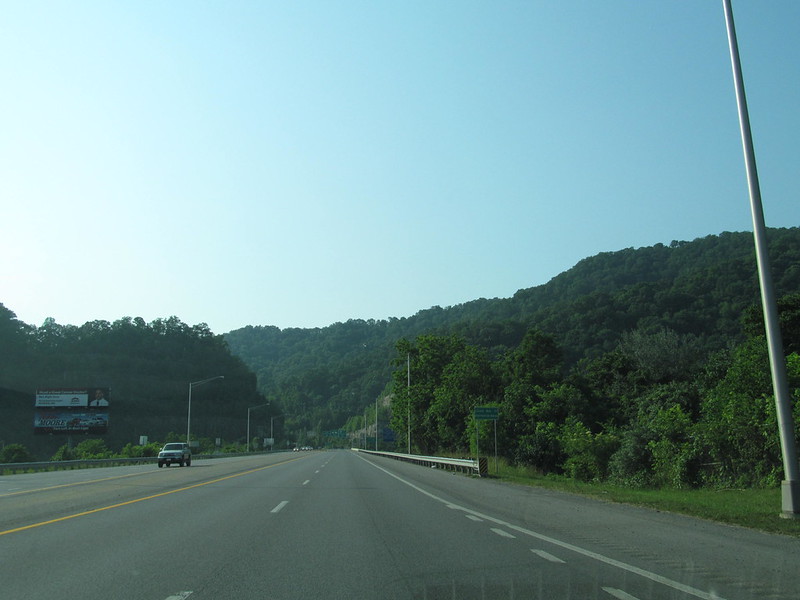
US 119 near Pine Mountain and the Whitesburg area has the kind of landscape that makes drivers want to slow down and stare. The problem is that the road itself already requires full attention. Mountain grades, curves, wildlife, and run-off-road risks make this corridor one of eastern Kentucky’s more demanding drives.
A University of Kentucky Transportation Center safety study on the US 119 Pine Mountain corridor found concerns tied to animal crashes and vehicles leaving the roadway. That matches what many local drivers already understand from experience. This is not a route where you drive half-awake.
Pine Mountain is the sort of place that exposes overconfidence. Visitors may come for the view, but the road does not care how scenic the ridge looks. It rewards steady driving, lower speeds, and patience through every bend.
KY 77 / Nada Tunnel
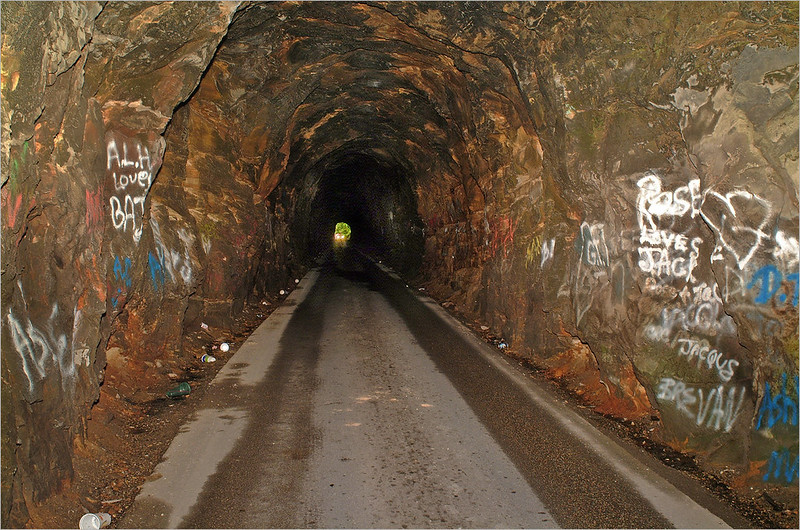
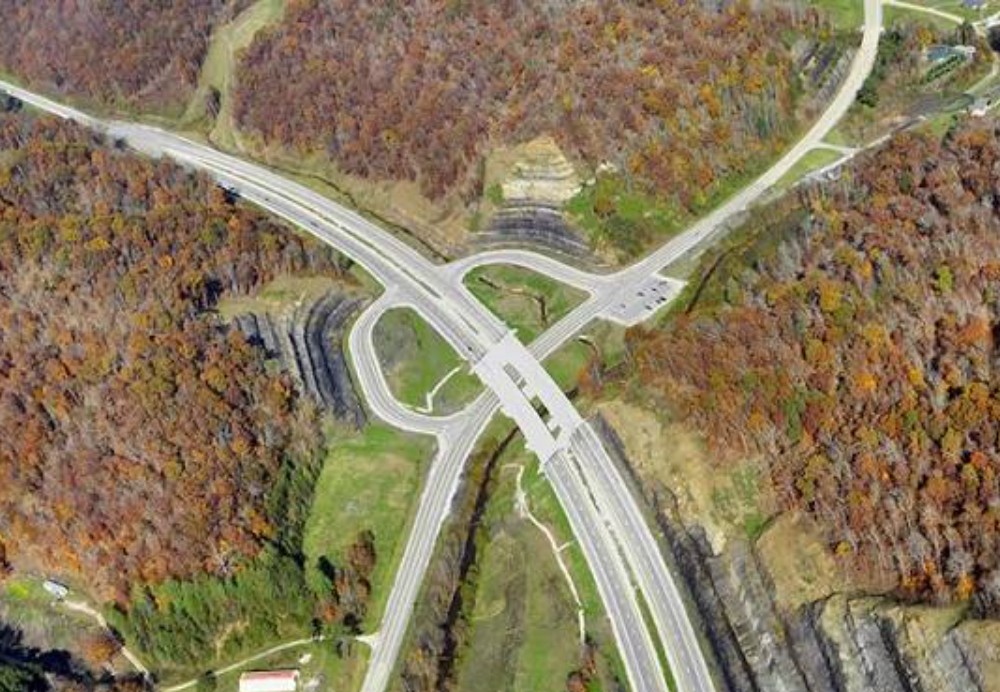
KY 77 is one of the most talked-about roads in the Red River Gorge area because of the Nada Tunnel. The tunnel is narrow, one lane, and carved from its past as a railroad passage. It feels adventurous, but it also creates a real road safety challenge.
Larger vehicles can have trouble with the tunnel, and drivers must be ready to wait, yield, and move carefully. The Kentucky Transportation Cabinet has issued updates in the past for roadwork and closures around the area, which shows how sensitive this corridor can be.
Nada Tunnel is often treated like a fun photo stop, but locals know it can become frustrating or risky when visitors rush, ignore signs, or enter without checking clearance. The smartest driver here is not the boldest one. It is the one who slows down before the road forces the lesson.
KY 715

KY 715 carries travelers deeper into the Red River Gorge area, where hiking spots, cliffs, forest roads, and weekend traffic all meet. It can be a beautiful drive, but it is also narrow, winding, and affected by weather and pavement issues.
This road has had closures in the past due to unsafe pavement conditions, including a pavement break that forced part of the route to shut down. That matters because Red River Gorge visitors often assume every road near the main attractions is simple to drive. KY 715 says otherwise.
The route can feel peaceful one moment and tense the next. A bend, a soft shoulder, a stopped car, or a sudden storm can change the mood quickly. For travelers chasing a Kentucky nature trip, this is a road where the adventure starts before the trailhead.
I-65 Through Louisville and Central Kentucky
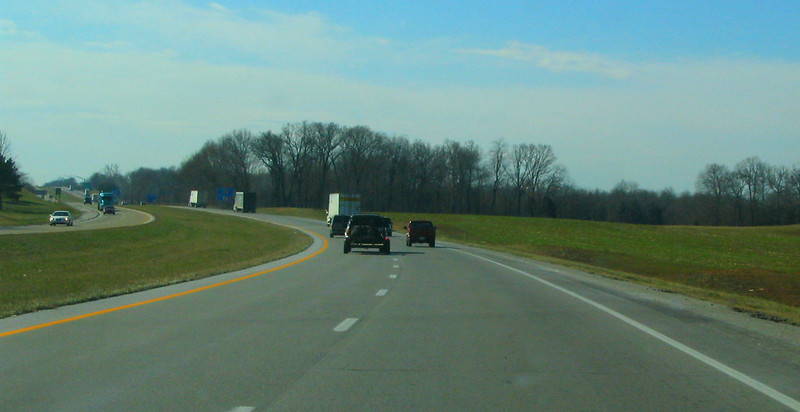
I-65 is not hidden, but leaving it out would make the article less honest. This interstate carries heavy traffic through Louisville and central Kentucky, and it has been identified in reports as one of the state’s most crash-heavy corridors.
The danger here is different from the mountain roads. Instead of tight curves and quiet hills, I-65 brings congestion, speed, lane changes, construction zones, trucks, and impatient drivers. The route may feel familiar because it is an interstate, but that familiarity can lower caution.
Many travelers fear remote roads more than major highways. Kentucky flips that assumption. A crowded interstate can be just as unforgiving as a mountain pass, especially when traffic is moving fast and drivers have little room to react.
US 60
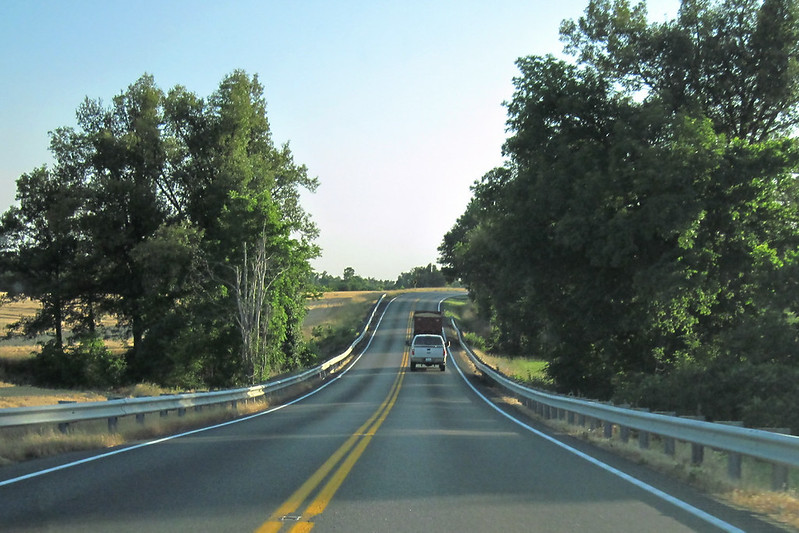
US 60 stretches across Kentucky through cities, suburbs, small towns, and rural sections. That variety is what makes it useful, but it is also what makes the route unpredictable. One segment may feel urban and busy, while another feels like an easy country drive.
Reports on Kentucky road danger have included US 60 among notable crash-prone routes. That makes sense because roads with mixed personalities create mixed driving behavior. Some people treat it like a local street. Others treat it like a highway. That mismatch can cause trouble.
US 60 is not the scariest-looking road in the state. It may be more dangerous because it keeps changing character. Drivers need to adjust constantly instead of settling into one rhythm.
Rural Two-Lane Roads
The most warned-about Kentucky roads are not always famous enough to appear on travel blogs. Many are rural two-lane roads running through hills, farmland, forest, and small communities. These roads can be charming, but charm does not erase risk.
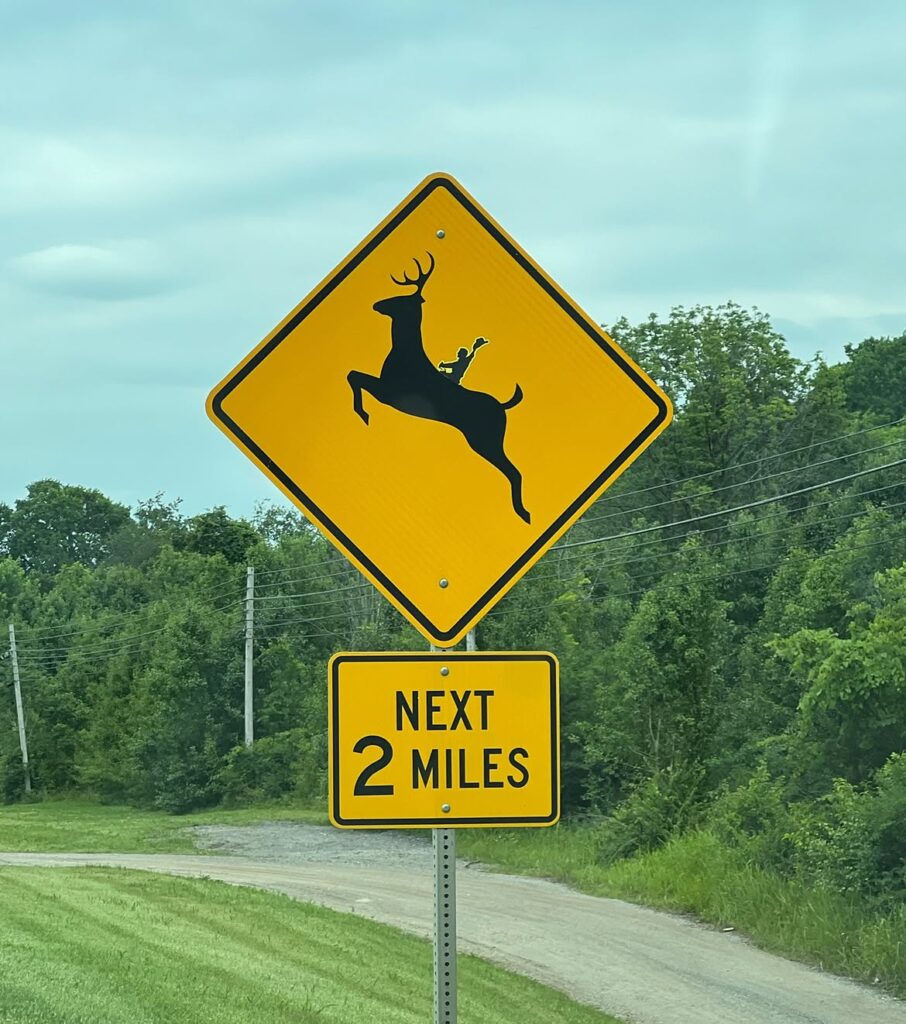
Kentucky’s crash analysis work tracks roads by type, including rural two-lane highways, because these routes often carry serious crash concerns. Limited shoulders, blind hills, deer, farm vehicles, loose gravel, and passing mistakes can all make a short drive feel much longer than expected.
This is where the local warning matters most. A visitor may see an empty road and speed up. A local may see the same road and slow down because they know the next curve, the next driveway, or the next dip in the pavement. That difference can matter.
Final Thoughts
Kentucky is one of the best states for road trips because its roads lead to horse country, bourbon towns, Appalachian ridges, river valleys, caves, lakes, and quiet places that still feel personal. But the same roads that make the state memorable can also punish careless driving.
The real story is not that Kentucky should scare travelers away. The better story is that some of its most beautiful drives require more attention than outsiders expect. Slow down on rural roads. Watch for wildlife. Avoid rushing through mountain curves. Give trucks space. Check closures before entering gorge roads. Treat every two-lane shortcut like it may hide a surprise.
Locals do not warn about these routes because they hate them. They warn about them because they know them.