
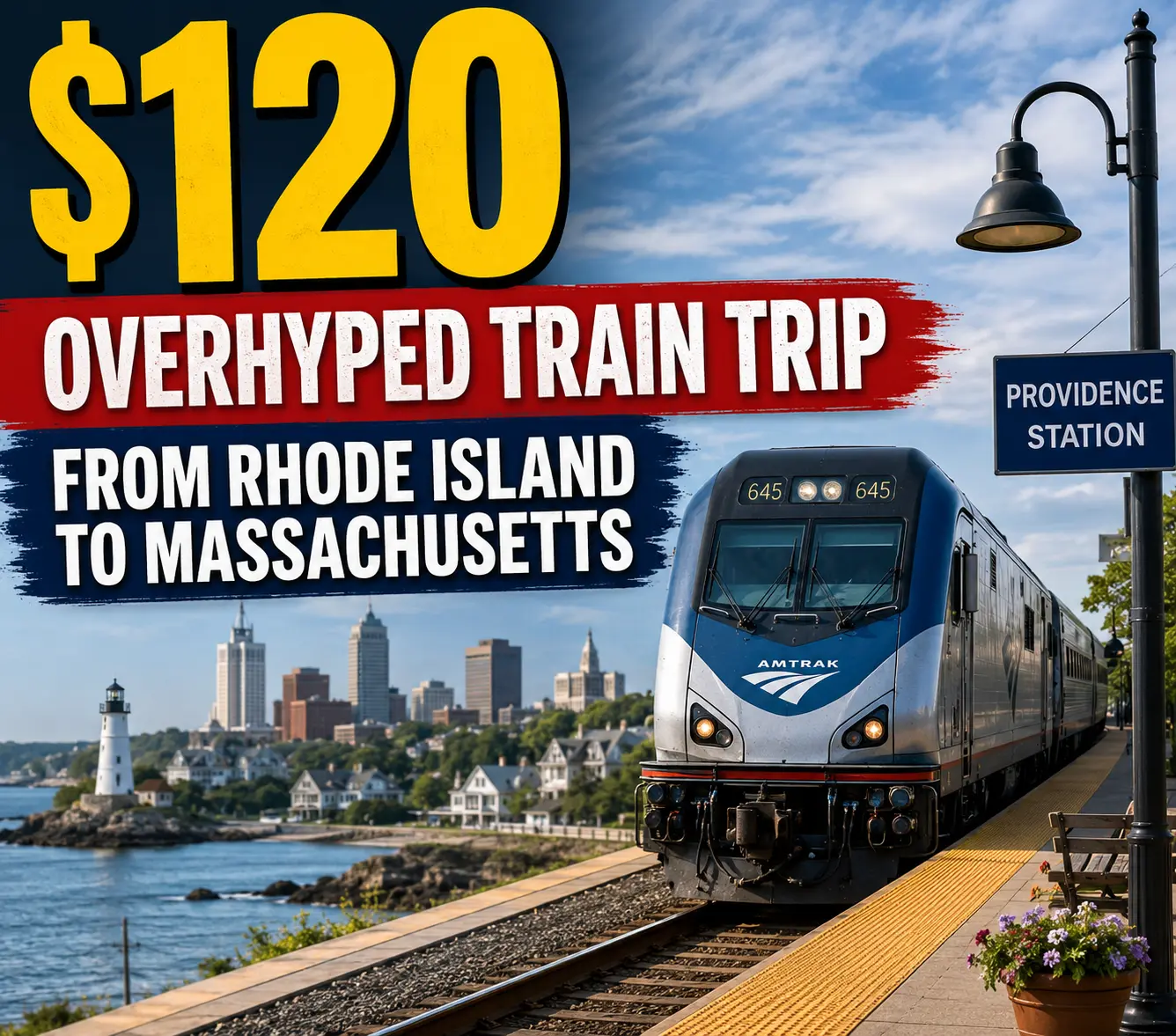
A train ride from Rhode Island to Massachusetts sounds like it should be simple, cheap, and maybe even a little charming. Providence to Boston has all the ingredients of an easy New England escape: a downtown station, a famous city at the other end, no airport security, no rental car counter, and no fight with I-95 traffic. On paper, it feels like the kind of short rail trip travelers should rave about.
Then the price shows up.
For some travelers, a premium Amtrak ticket from Providence, Rhode Island, to Boston, Massachusetts, can climb close to $120, especially when booking late, choosing a faster departure, or picking a higher-comfort train. That is where the hype starts to crack. This is not a sweeping cross-country journey through mountains and deserts. It is a short Northeast Corridor ride between two compact New England cities, and the real question is whether the experience matches the price.
Providence to Boston: The Short Trip That Gets Sold Like a Big Deal
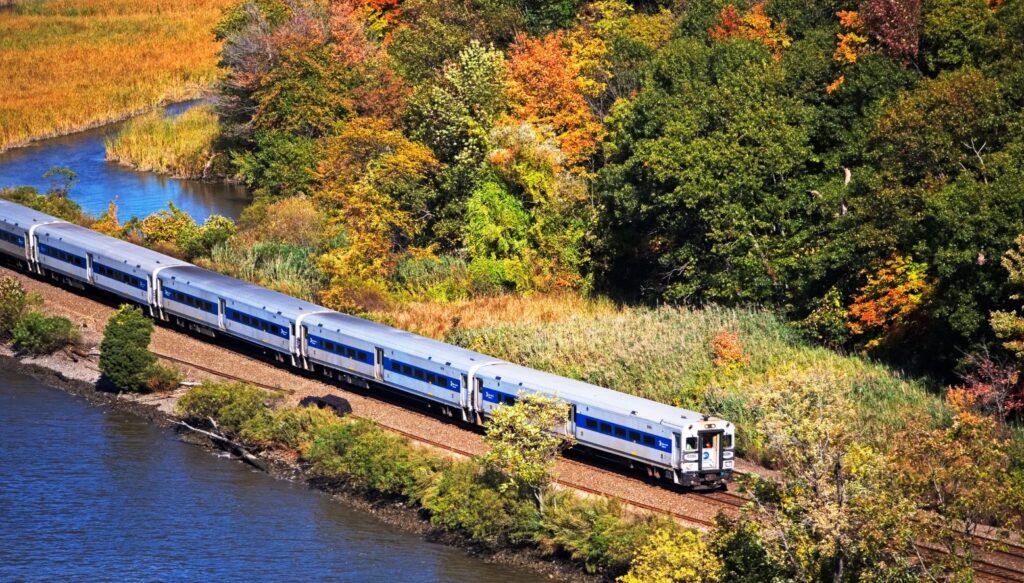
The route itself is not the problem. Providence Station is convenient, central, and easy to understand. Boston is one of the best arrival cities in America because the train drops you near the action instead of far outside town. That alone gives the trip a real advantage over driving, especially on busy weekends or during commuter-heavy hours.
The issue is expectation. A traveler seeing a $120 fare may imagine something grand, quiet, polished, and memorable. The reality can feel much more ordinary. You board, find your seat, watch a quick blur of Rhode Island and southeastern Massachusetts pass by, and before the trip has fully settled into a mood, Boston is already near.
That does not make the ride bad. It makes it overhyped when sold as a major travel experience. It is useful, fast, and comfortable enough, but it is not the kind of train journey that changes how you see America.
Why Travelers Still Talk About This Train Ride
There is one reason people keep praising it: convenience. The train removes many of the annoying parts of a short regional trip. You do not have to sit behind brake lights on I-95. You do not have to hunt for Boston parking. You do not have to time your arrival around tunnel traffic or a confusing garage entrance.
For travelers visiting Boston for a day trip, a sports event, a college visit, a museum stop, or a weekend stay, that convenience matters. The ride can feel clean and direct compared with driving. You leave from downtown Providence and arrive close to downtown Boston, which is exactly what many travelers want.
Still, convenience is not the same as magic. The route works best when you treat it as transportation, not as a bucket-list rail adventure.
The $120 Problem: What Nobody Tells You Before Booking
The uncomfortable truth is that this trip can feel overpriced if you book it like a luxury experience. A short ride at a premium fare creates high expectations. Travelers expect calm seating, a smooth boarding process, reliable timing, great views, and a sense of occasion. Sometimes they get enough comfort to feel satisfied. Other times, they step off thinking they paid too much for a ride that ended quickly.
That is the main reason this train trip deserves the “overhyped” label. It is not because Providence to Boston is a bad rail route. It is because the price can make an ordinary regional ride feel like it has to prove something.
If you are paying close to $120, you are not really paying for scenery. You are paying for speed, timing, seat comfort, and avoiding the road. For some travelers, that is worth it. For others, it feels like paying premium money for a trip that barely has time to become interesting.
What You Actually See From the Window
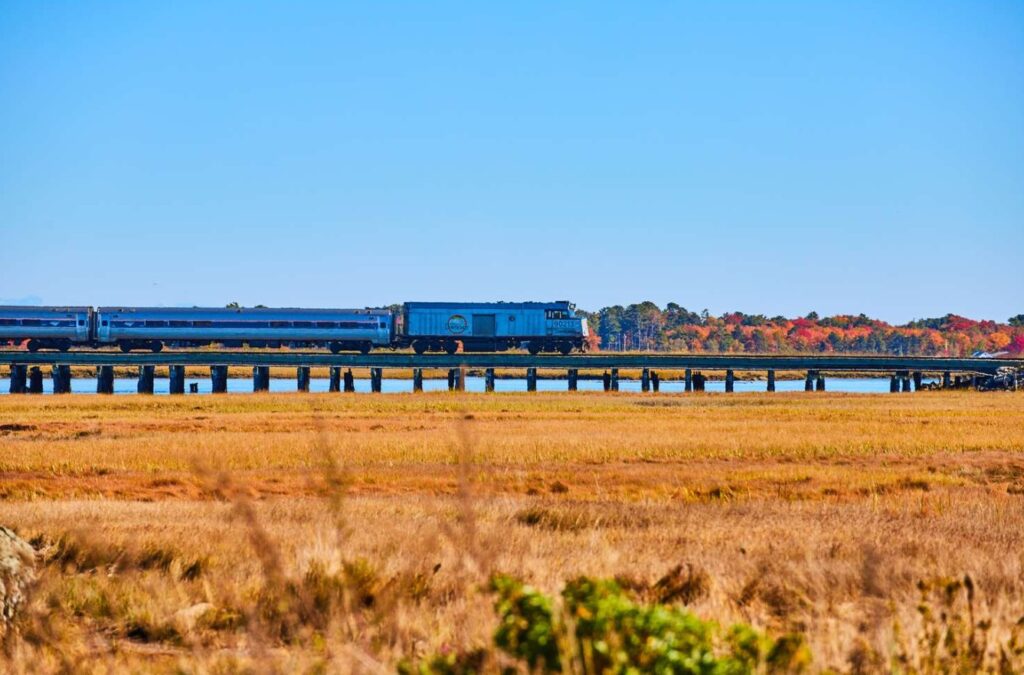
Do not expect dramatic mountains, ocean cliffs, or postcard New England villages rolling past for the whole ride. The scenery between Providence and Boston is practical rather than cinematic. You may catch glimpses of old mill towns, rail yards, neighborhoods, trees, bridges, and stretches of suburban Massachusetts. It has a local New England feel, but it is not a visual showpiece.
That is where many travel write-ups oversell the experience. They lean on the romance of train travel without admitting that some short corridor rides are more about function than beauty. This route has atmosphere in small flashes, but it is not the California Zephyr, the Empire Builder, or the Coast Starlight.
The better way to enjoy it is to stop asking the window to entertain you every minute. Bring coffee, pick a good seat, charge your phone, and use the ride as a calm reset before Boston.
Why Boston Still Makes the Trip Tempting
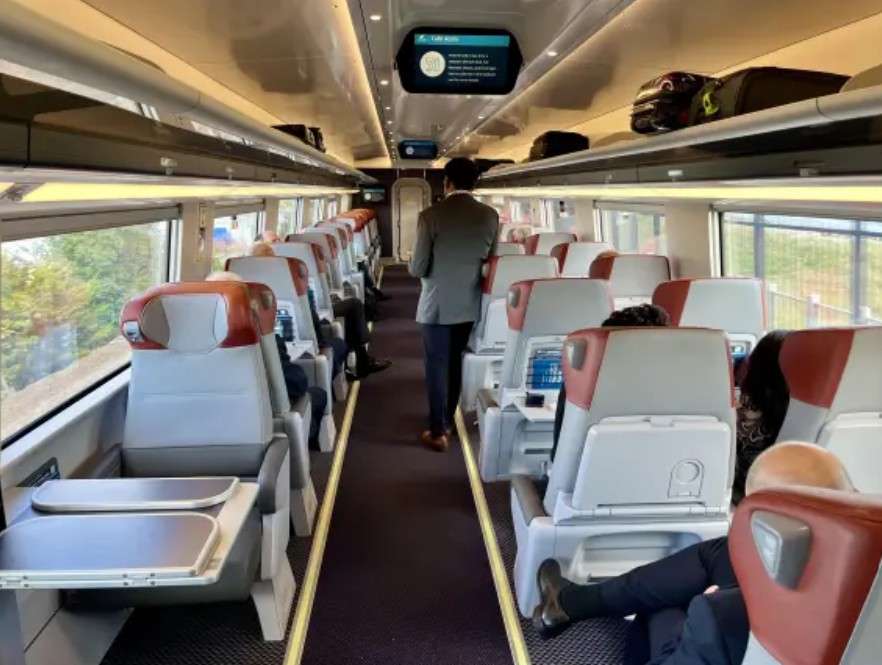
The destination does a lot of heavy lifting here. Boston gives this ride its pull. Once you arrive, you can walk into a city packed with history, food, sports, waterfront views, neighborhoods, bookstores, campuses, and museums. That makes the train feel smarter than driving, especially if your plan stays near Back Bay, South Station, downtown, the North End, Beacon Hill, or the Seaport.
This is where the trip starts making sense again. The train may not be unforgettable by itself, but it can be the easiest doorway into a full Boston day. If the goal is the city rather than the ride, the route becomes far more appealing.
In other words, the train is not the main event. Boston is.
Who Should Actually Take This Trip
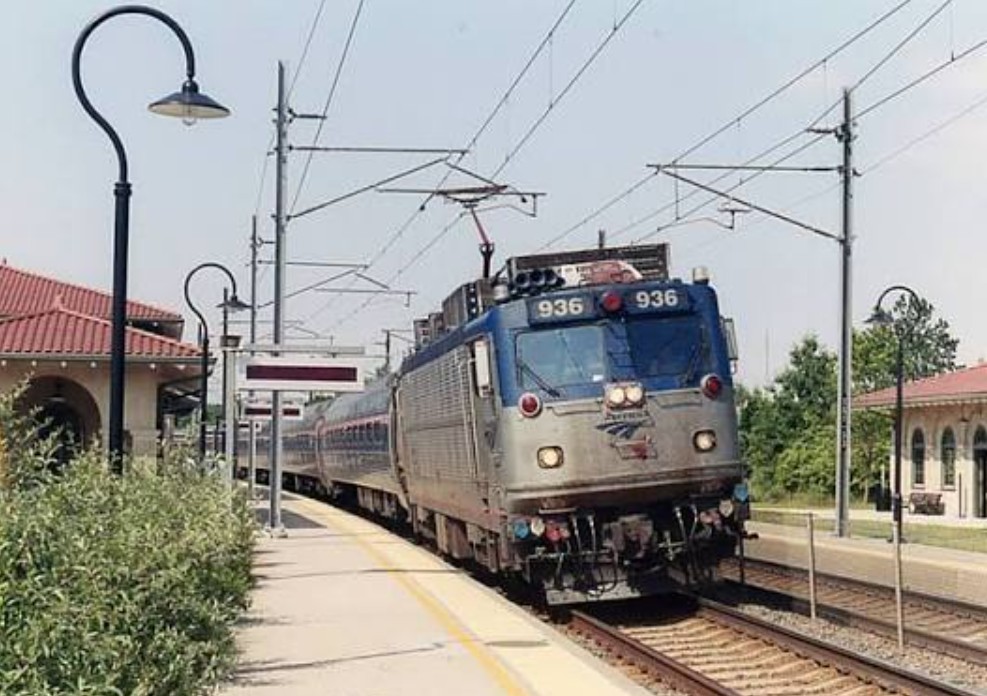
This ride makes sense for travelers who value time, comfort, and a downtown arrival. If you dislike highway stress, hate parking in Boston, or want to keep the day simple, the train can be the right choice. It also works well for solo travelers, students, business travelers, and anyone trying to avoid turning a short trip into a traffic story.
But if you are chasing a scenic rail adventure, this may disappoint you. The distance is short, the views are modest, and the experience depends heavily on ticket price. At a lower fare, it can feel like a smart little New England trip. Near $120, it starts feeling like a luxury label attached to a practical ride.
That price difference changes the whole mood.
The Smarter Way to Book It
The best strategy is to treat this route like a flexible regional trip. Check different departure times, compare train types, and avoid assuming the fastest option is always the best value. Early morning, late evening, and less popular travel windows can sometimes make the trip feel much more reasonable.
It also helps to compare comfort against actual need. For a longer journey, premium seating can feel like a serious upgrade. For Providence to Boston, the ride may be short enough that a cheaper seat does the job just fine.
The smartest traveler is not the one who pays the most. It is the one who understands what the fare is really buying.
Is the $120 Rhode Island to Massachusetts Train Trip Worth It?
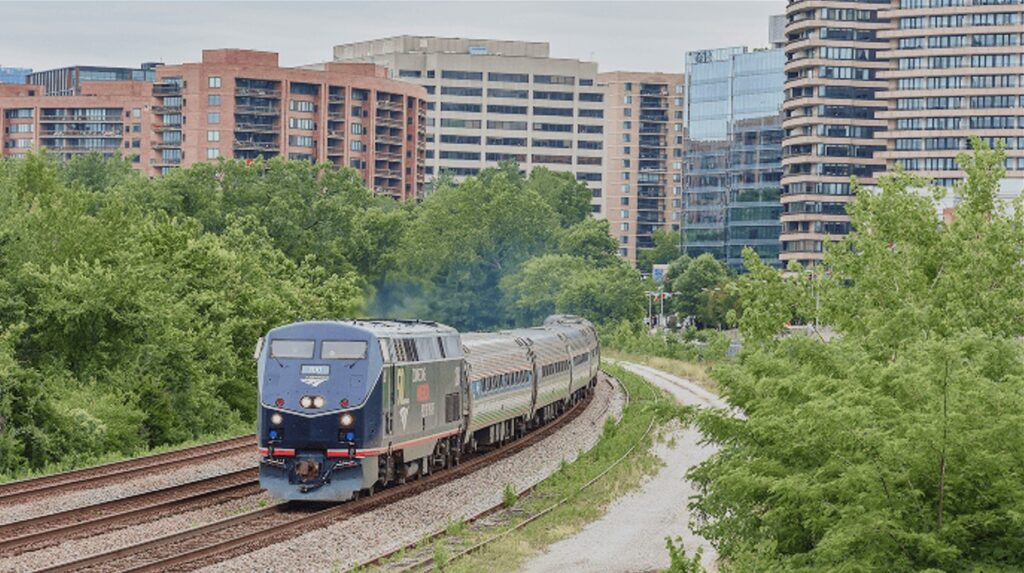
The answer depends on why you are taking it. If you need a clean, fast, low-stress way to get from Providence to Boston, this train can absolutely be worth considering. It saves you from traffic, drops you in a useful part of the city, and makes the trip feel easier than driving.
But if you are expecting a grand travel experience, the hype may let you down. This is not a hidden scenic masterpiece. It is a convenient Northeast Corridor ride that can become expensive when timing, demand, or premium seating pushes the fare up.
That is the truth nobody tells you clearly enough: the Providence-to-Boston train is not overrated because it fails. It is overhyped because people describe it like an experience when, most of the time, it is simply a very useful way to get somewhere.
Final Thoughts
The $120 train trip from Rhode Island to Massachusetts is best understood as a convenience splurge, not a dream rail journey. It can be smooth, practical, and far less stressful than driving into Boston. It can also feel too short and too ordinary for the price if you book it expecting something unforgettable.
For the right traveler, it is a smart move. For the wrong expectation, it is a letdown. That tension is exactly what makes this little New England train ride worth talking about.