

Some train rides become famous because they feel grand. Others become famous because the price makes people stop scrolling. The Connecticut to New York train trip sits somewhere in the middle. It sounds simple on paper, almost too simple to be exciting. You board in Connecticut, roll along the New Haven Line or Northeast Corridor, and step off in New York City without touching a steering wheel.
Then the fare catches your eye.
A ticket that can climb near $140 for a short Connecticut-to-New York ride feels strange when this is not a cross-country sleeper train, not a mountain route, and not a once-in-a-lifetime rail adventure. That is why this trip deserves a closer look. Travelers keep talking about it, but the real story is not that the ride is bad. The real story is that the hype depends on which train you book, when you book it, and what kind of experience you think you are buying.
Why This Connecticut to New York Train Trip Gets So Much Attention
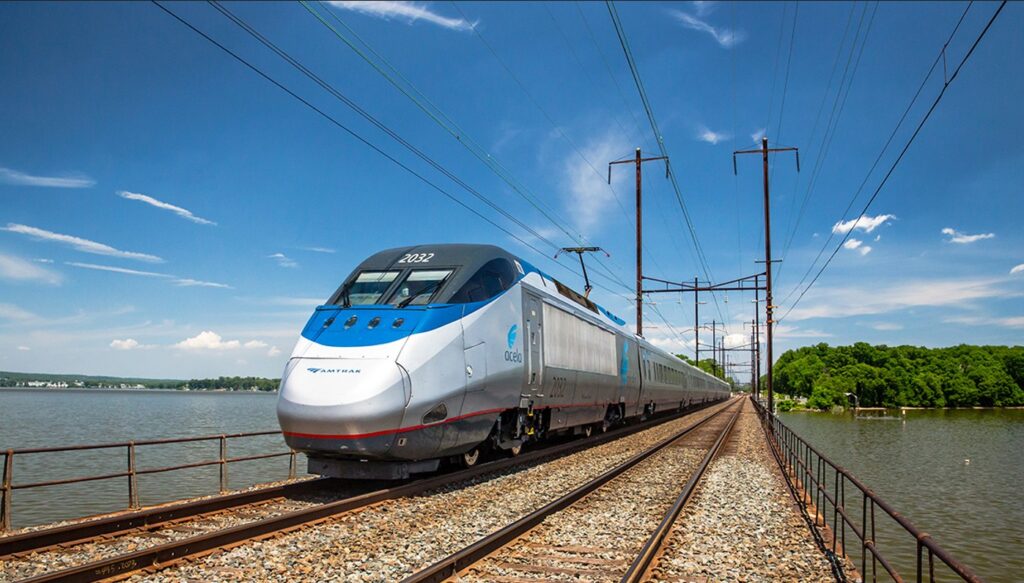
The Connecticut to New York rail corridor has a built-in advantage. It connects quiet coastal towns, busy commuter cities, old station platforms, and Manhattan in one direct line. For travelers who hate traffic on I-95, that alone sounds like a win. No parking panic. No bridge backups. No inching through city traffic while your arrival time slips away.
The appeal is easy to understand. You can start in New Haven, Stamford, Bridgeport, or another Connecticut station and end up in New York with the city already waiting outside the terminal. That is a powerful promise for weekend travelers, day-trippers, commuters, students, and anyone planning a quick escape.
But the word “overhyped” comes in because many visitors do not realize how different the train choices are. A regular Metro-North ride and a premium Amtrak ride may cover a similar direction, but they do not feel the same in your wallet. That gap is where the confusion starts.
The $140 Catch Nobody Explains Clearly
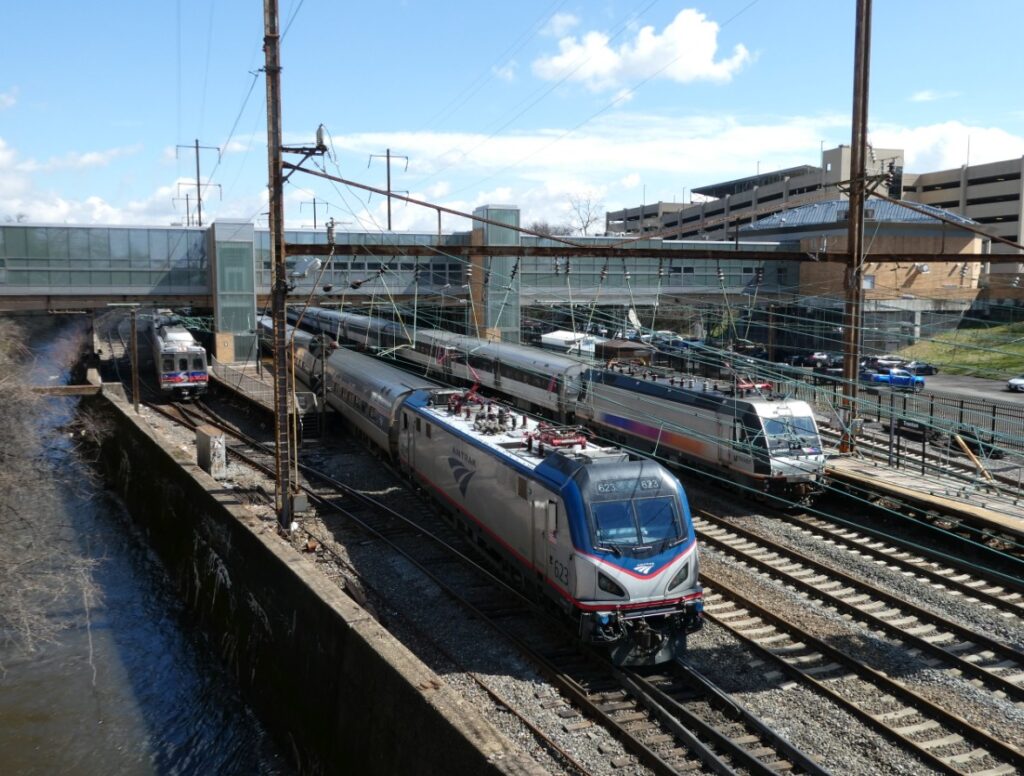
The first thing to know is that $140 is not the magic price everyone has to pay. It is the kind of fare travelers may notice when booking a premium Amtrak option, a last-minute seat, a busy travel window, or a more flexible ticket. For a short trip between Connecticut and New York, that price can feel inflated fast.
That is why the trip becomes controversial. Some people see the fare and expect something dramatic. Maybe sweeping water views the whole way. Maybe luxury service. Maybe a ride that feels like an attraction by itself. Instead, much of the route is practical Northeast rail travel. It is useful, comfortable enough, and often efficient, but it is not always the cinematic journey people imagine from the price tag.
The smarter way to read the $140 headline is this: it is less about the distance and more about timing, train class, demand, and convenience. You are paying for access to a busy corridor, not for a long scenic vacation.
Connecticut to New York by Amtrak: Fast, Comfortable, and Sometimes Hard to Justify
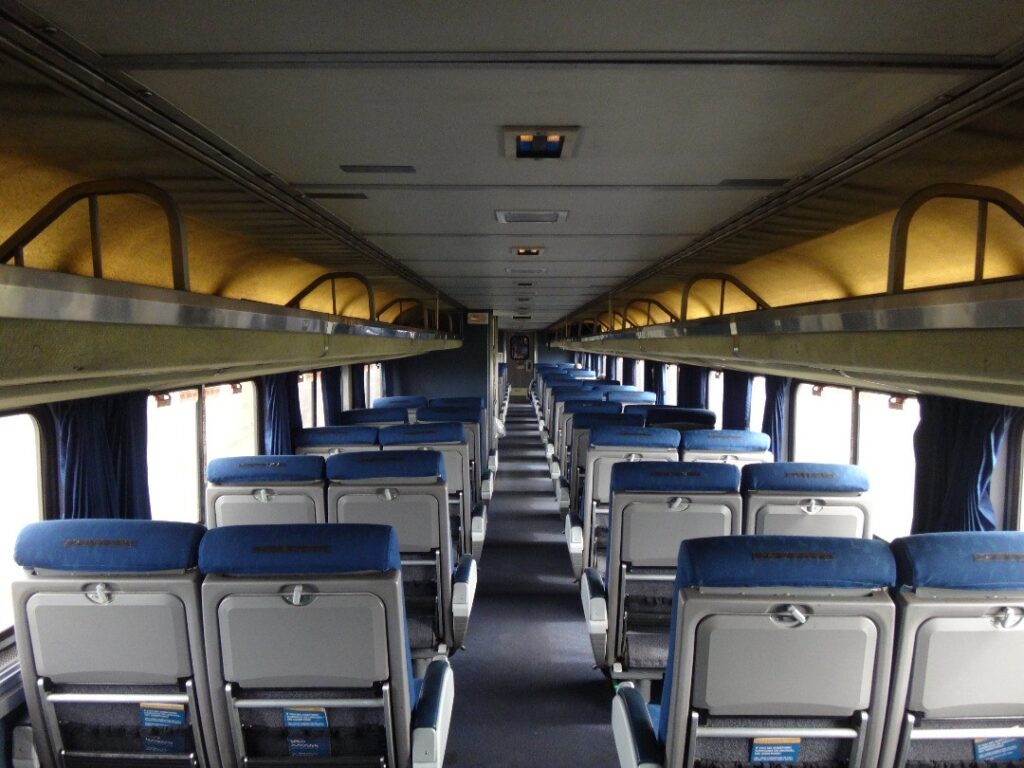
Amtrak can make this ride feel more polished than a regular commuter train. The Acela, in particular, sells itself as a premium Northeast Corridor experience, with more space, assigned seating, power outlets, Wi-Fi, and a quieter business-travel atmosphere. For someone carrying a laptop, heading to a meeting, or wanting fewer commuter-train compromises, that can matter.
Still, the short distance changes the value equation. From Connecticut to New York, you may not be onboard long enough to fully enjoy the upgrade. A nicer seat is pleasant, but it may not feel worth a high fare if your goal is simply to reach Manhattan.
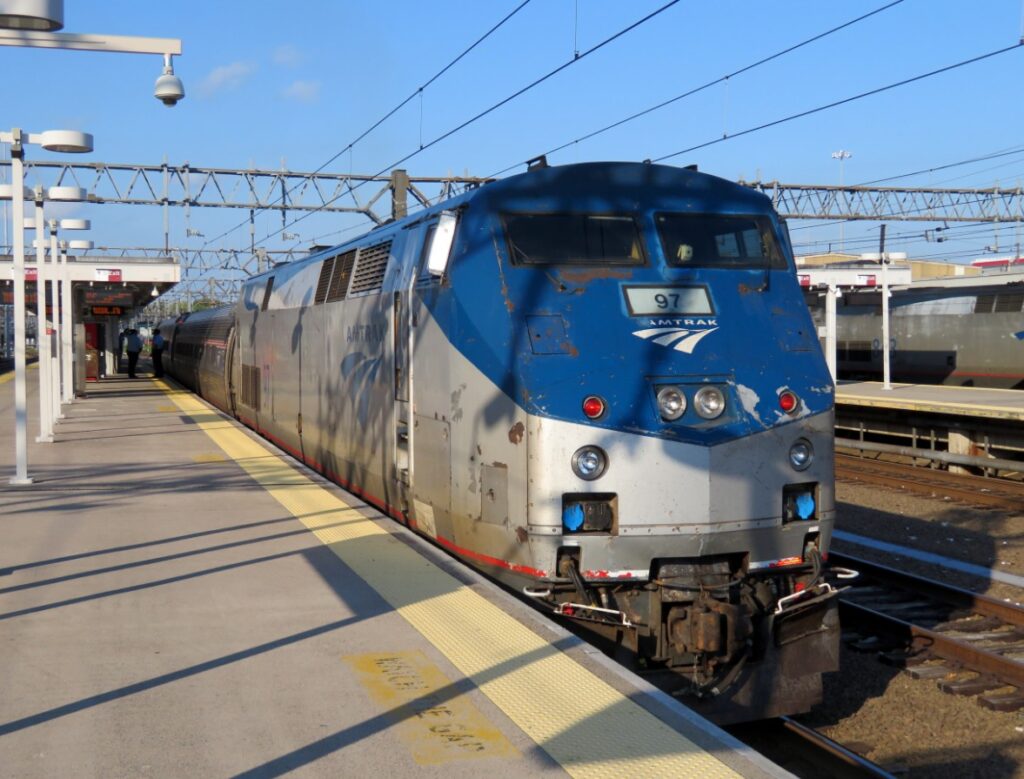
The Northeast Regional usually makes more sense for travelers who want Amtrak comfort without chasing the premium feel. It still gives you a proper intercity train mood, with café service on many trains, more room than a cramped bus, and the ability to move around. For many people, that is the better balance.
Metro-North Is the Option That Makes the $140 Fare Look Dramatic
Here is the part travelers often learn too late: Metro-North can be much cheaper for the same general Connecticut-to-New York goal. It may not feel as sleek as Acela, and it usually arrives at Grand Central rather than Penn Station, but for many day trips, that is not a drawback. Grand Central is part of the New York experience, especially for first-time visitors.
Metro-North is built for this exact corridor. It serves places such as New Haven, Stamford, Bridgeport, Fairfield, Westport, Norwalk, Greenwich, and other stops along the line. It is the practical choice, the everyday choice, and often the choice locals would recommend before paying premium Amtrak prices.
That is why calling the $140 version “overhyped” is fair. The train itself may be fine. The problem is the assumption that higher fare automatically means a better trip. On this route, that is not always true.
What the Ride Actually Feels Like
The Connecticut to New York train ride is not boring, but it is not a constant postcard either. Some stretches feel industrial. Some feel suburban. Some glide past water, bridges, backyards, old stations, and glimpses of coastal Connecticut. The closer you get to New York, the mood changes. The ride becomes busier, tighter, and more urban.
That shift is part of the charm. You can feel the region changing outside the window. Connecticut’s quieter edges slowly give way to the pull of New York. For travelers who enjoy people-watching and city approaches, the final stretch can be exciting.
But anyone expecting nonstop beauty may feel let down. This is not the California Zephyr crossing the Rockies. It is not a desert-to-bayou route or a long-distance sleeper adventure. It is a short Northeast corridor trip with moments of interest, a lot of function, and a big-city payoff at the end.
Why Travelers Still Rave About It
Even with the hype problem, the ride has real strengths. The biggest one is relief. Driving from Connecticut into New York can drain the fun out of a trip before it even begins. The train removes the worst parts of that journey. You do not have to fight traffic, search for parking, or pay garage prices that can make your day trip feel reckless.
The second strength is arrival. Stepping off a train in New York feels better than crawling into the city by car. You arrive already connected to transit, sidewalks, restaurants, theaters, museums, and neighborhoods. For visitors, that makes the trip feel smoother than it probably should.
The third strength is flexibility. Multiple trains run along the corridor, and that gives travelers more control. You can make it a day trip, a weekend visit, a work commute, or the first leg of a bigger East Coast itinerary.
Who Should Actually Pay for the Higher Fare
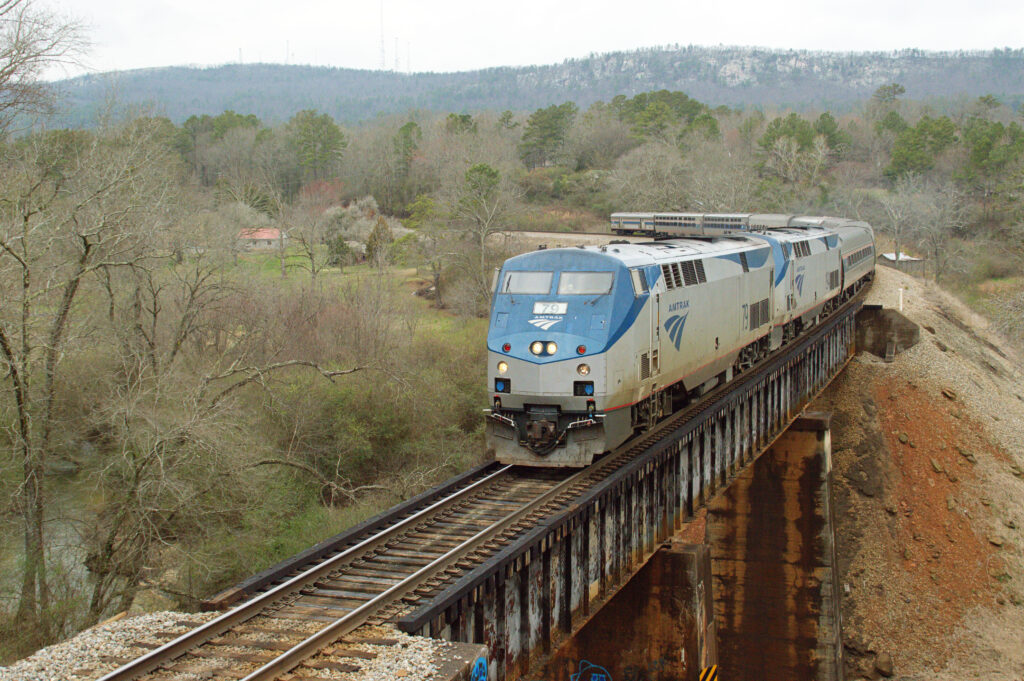
Amtrak fare
A higher Amtrak fare may make sense if timing matters more than price. If a specific departure fits perfectly, if you need Penn Station, if you want a quieter seat, or if you are traveling for work and comfort matters, the premium can be easier to defend.
It can also make sense for travelers who dislike commuter-style boarding and want a more reserved intercity train experience. Acela and some Amtrak tickets can feel more organized, especially for people who value seat selection or a calmer ride.
But for casual travelers, the higher fare is harder to justify. If your plan is shopping, sightseeing, a museum day, a Broadway show, or dinner in the city, saving the money for New York itself may be the better move.
The Better Way to Book This Trip
The best strategy is to compare before you commit. Check Amtrak, but do not stop there. Look at Metro-North too. The cheaper train may get you exactly where you need to go, especially if Grand Central works for your plans.
Timing matters as well. Peak hours, weekends, holidays, events, and last-minute bookings can change the price quickly. A traveler who checks only one train at one time may walk away thinking the whole route is expensive. A traveler who compares a few departures may find a much better deal.
The real trick is not finding the fanciest train. It is matching the ticket to the trip. A premium train for a basic day out can feel wasteful. A commuter train for a flexible traveler can feel like a small travel win.
Is the $140 Connecticut to New York Train Trip Worth It?
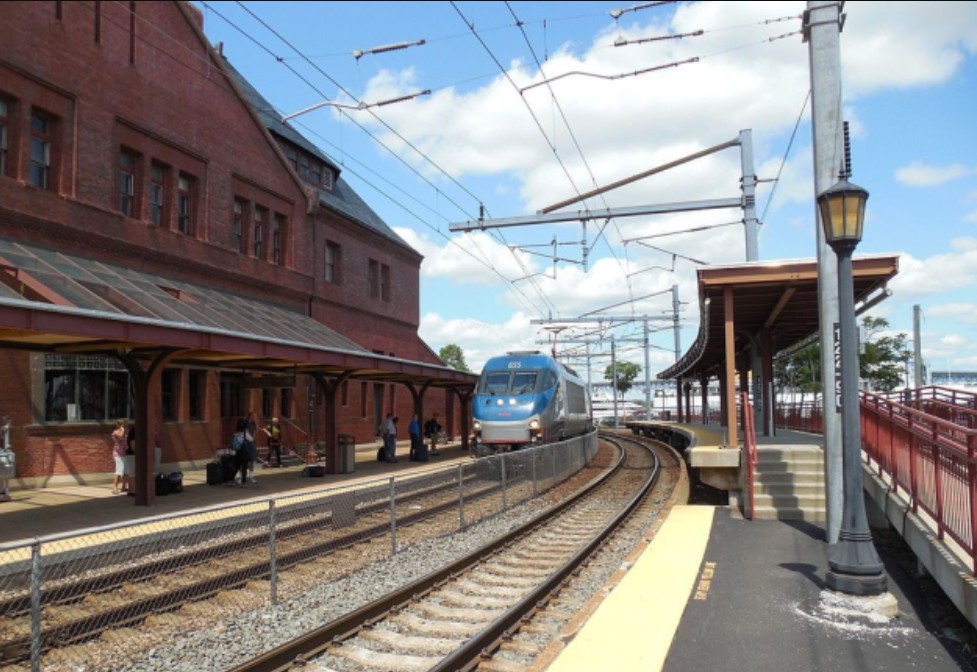
The honest answer is: sometimes, but not usually for the reason people think.
It is worth it if you are paying for convenience, timing, comfort, or a specific station. It is not worth it if you expect the fare to turn a short Northeast ride into a luxury rail vacation. The route is useful, popular, and often enjoyable, but the expensive version is easy to oversell.
That is what nobody tells you clearly. The Connecticut to New York train trip can be one of the easiest ways to reach the city, yet it can also be one of the easiest ways to overpay if you book without comparing.
Final Thoughts
The $140 train trip from Connecticut to New York is not a scam, and it is not a must-avoid mistake. It is simply a route where the headline price can make the experience sound bigger than it is. The ride works best when you understand what you are buying.
For some travelers, Amtrak’s premium feel will be worth the splurge. For others, Metro-North will do the job for far less and still deliver the best part of the trip: arriving in New York without the stress of driving.
That is why this journey keeps getting talked about. It is practical, sometimes pricey, sometimes overrated, and still surprisingly useful. The trick is knowing when to pay for the upgrade and when to let the cheaper train carry you into the city just fine.