Florida greets you with harsh sun, sticky air, biting bugs, and heat that refuses to quit. At first, “Florida: Bugs, Bites, and Burns” sounds almost too honest. But with enough sunscreen, bug spray, and patience, the state turns into one of the wildest national park road trips in America.
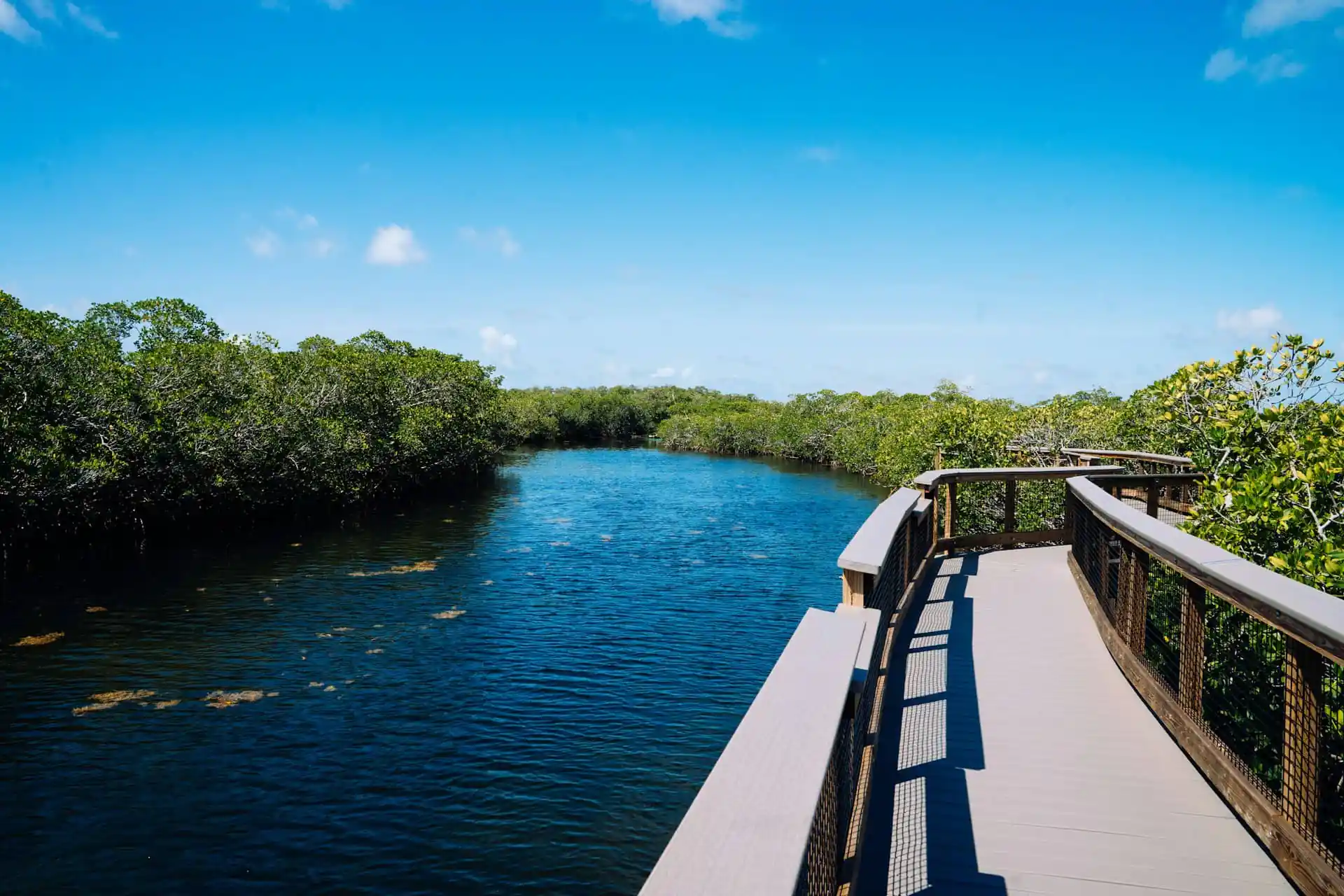
Everglades, Biscayne, and Dry Tortugas National Parks all sit across South Florida, making them easy to visit in one week. This trip is not about mountain trails or summit views. Florida is flat, humid, and water-shaped, so the adventure moves through boardwalks, mangroves, coral reefs, islands, and long roads lined with sawgrass.
That change of pace is what makes the trip stand out. Instead of heavy hiking boots, you may spend your days strolling, biking, paddling, boating, and snorkeling. In the Everglades, wildlife appears fast. Gators rest near trails, birds move through the marsh, and the whole park feels alive before you have even gone far.
A one-week Florida National Parks itinerary gives you enough time to enjoy the major highlights without rushing. Everglades brings wild animal sightings, Biscayne adds bright water and reef trips, and Dry Tortugas feels remote and unforgettable. The heat and bugs are real, but so is the reward.
Where Are the National Parks in Florida Located?
Florida has three national parks: Everglades National Park, Biscayne National Park, and Dry Tortugas National Park. Each one sits in South Florida, close enough to fit into the same road trip without sending you across the whole state.
That location is what makes this route so easy to turn into a one week Florida National Parks itinerary. You can start with the wild wetlands of the Everglades, move into the clear blue waters of Biscayne, and finish with the far-off island feel of Dry Tortugas.
Together, these parks create a road trip that feels more tropical than typical. Instead of mountain roads and high overlooks, you get mangroves, reefs, islands, wildlife, boat rides, and some of the most unusual national park scenery in the country.
Florida National Parks Road Trip Map
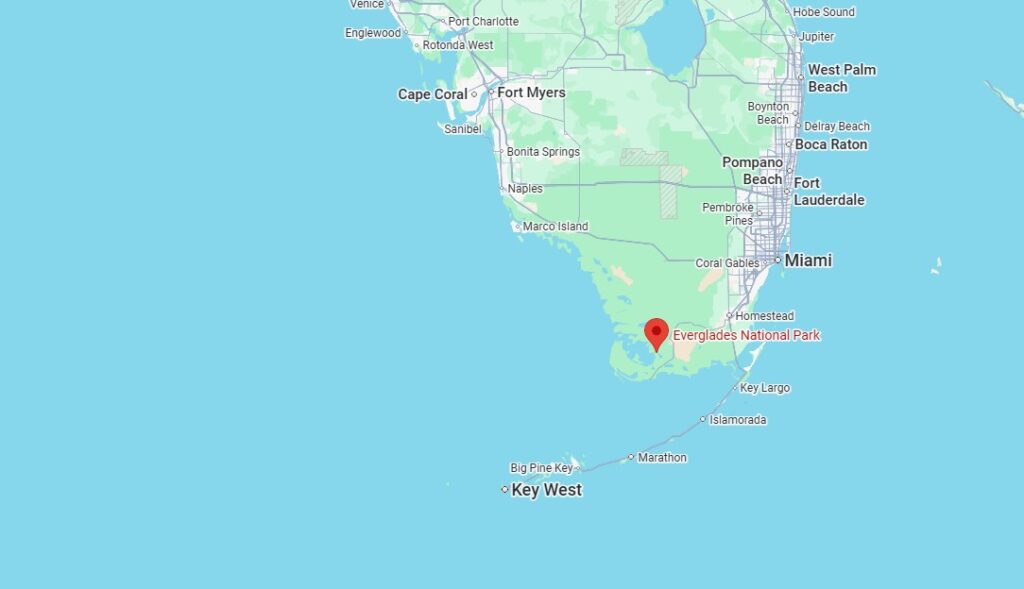
How to Get Around Florida’s National Parks
For travelers coming from outside Florida, Miami and Fort Lauderdale are the easiest airports for visiting Everglades National Park and Biscayne National Park. Miami is closer for many routes, but Fort Lauderdale can sometimes be much cheaper, so it is worth comparing both before booking.
Key West also has an airport, which puts you closer to Dry Tortugas National Park. The downside is the price. Flights there can cost more, and you would still need to travel back to the mainland if you want to visit Everglades and Biscayne on the same trip.
Flying into Miami or Fort Lauderdale usually puts you about 45 to 75 minutes from Everglades and Biscayne. Even better, those two parks are only around 45 minutes apart, making them easy to pair together during a South Florida national parks road trip.
Dry Tortugas is the hardest park to reach because it sits offshore and can only be reached by boat or seaplane from Key West. Since Key West is about three and a half hours from the Everglades, the drive is best treated as part of the adventure. Break it up with stops through the Florida Keys, then save Dry Tortugas for the island-style finish.
Best Time to Visit Florida’s National Parks
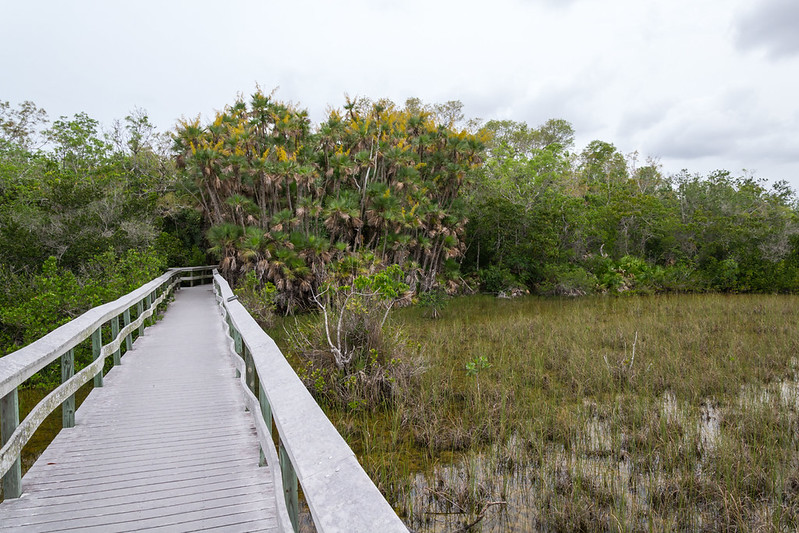
Florida does not really follow the classic four-season travel script. Down in the southern part of the state, the year is mostly split into two moods: wet season and dry season. That difference matters a lot for a Florida National Parks road trip.
The dry season usually brings cooler air, lower humidity, fewer mosquitoes, and more comfortable days outside. This is often the easiest time to visit Everglades, Biscayne, and Dry Tortugas if you want walks, boat tours, wildlife viewing, snorkeling, and long days without feeling completely drained by the heat.
The wet season can still be beautiful, but it comes with heavier humidity, stronger bug activity, afternoon storms, and hotter weather. Some travelers may like the quieter feel, but the conditions can make outdoor plans harder to enjoy, especially in the Everglades.
So the best time to go depends on your trip style. If you want the most comfortable weather, aim for the dry months. If you can handle heat, rain, and bugs, the wetter months can still work, but you will need more flexibility in your schedule.
Reasons To Visit During Florida’s Dry Season
Florida’s dry season runs from November to April, and it is usually the most comfortable time to visit Everglades, Biscayne, and Dry Tortugas National Parks. Temperatures feel easier than summer, humidity is lower, mosquitoes are less aggressive, and the weather is usually steadier without daily afternoon storms. The only downside is that this is also the busiest season, so expect more crowds and book hotels, ferries, campsites, and tours early.
Florida’s Wet Season
Florida’s wet season runs from April to October, and it brings a much hotter, stickier version of the trip. Humidity can feel intense, afternoon storms may happen often, and mosquitoes can be rough, especially around the Everglades. The good part is that crowds are usually lighter, so if you can handle heat, rain, and plenty of bug spray, this season can still work for a more flexible Florida National Parks road trip.
Things To Consider Before Visiting Everglades National Park
Everglades National Park changes sharply with the seasons. Wildlife viewing is usually strongest during the dry season, when animals gather around the remaining water. Alligators, birds, and other wildlife can be much easier to spot because they are not spread across the park.
The wet season brings higher water levels, hotter days, and more mosquitoes. Camping can also become limited, with some campgrounds closing during wetter months. Ranger programs, guided tours, visitor centers, and paddling routes may also be reduced depending on weather, staffing, and park conditions. Even canoe trails can be tricky, since water levels may become too low by early spring after months of dry weather.
Things To Consider Before Visiting Biscayne National Park
The best time to visit Biscayne National Park depends on what you want to do. For land stops, boat tours, and easier weather, winter is often the better season. Cooler air, fewer bugs, and lower storm chances make the park more comfortable for a relaxed South Florida national parks trip.
Summer has its own advantage, especially for underwater activities. Warmer and calmer water can make snorkeling and scuba diving more enjoyable. The trade-off is stronger heat, heavier humidity, more bugs, and a higher chance of storms, so this season works best for travelers who care most about water conditions.
Things To Consider Before Visiting Dry Tortugas National Park
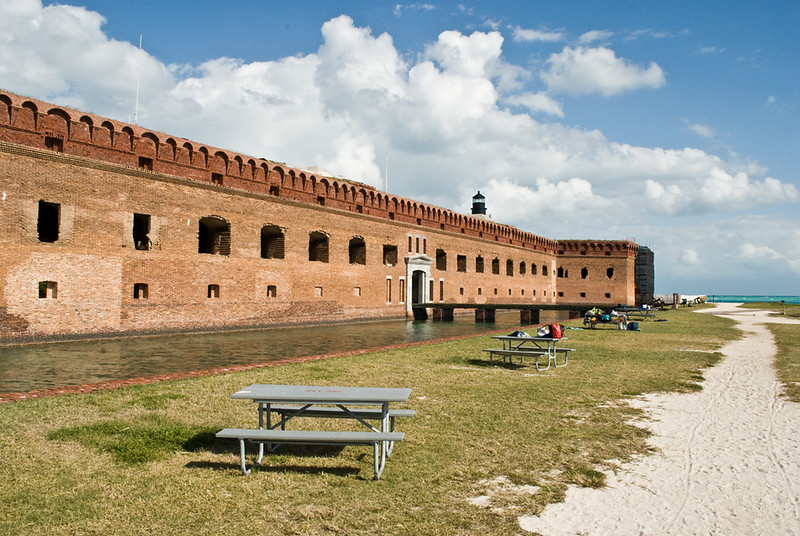
Dry Tortugas National Park is the hardest of Florida’s three national parks to time well. Winter months, from December to March, bring cooler weather and thinner crowds, but wind can create rough seas. That can make snorkeling less enjoyable and may even affect ferry service if conditions get too rough.
Summer can bring warm, clear, calm water, which is great for snorkeling around Fort Jefferson. Still, June through November also brings more heat, rain, storm risk, and hurricane-season concerns. Spring is often the best middle ground, especially April to mid-May, when the water can be warm enough for snorkeling and bird migration adds another reason to visit.
Final Verdict On The Best Time To Visit Florida’s National Parks
April can be one of the strongest months for a Florida National Parks road trip. It sits between the dry and wet seasons, which gives you a chance at lighter crowds, manageable bugs, good wildlife viewing, and enough water for some paddling in the Everglades.
The downside is that South Florida can already feel very hot by April, and some peak-season ranger programs may be finished. Still, Biscayne can feel peaceful before the worst summer heat arrives, and Dry Tortugas can offer warm snorkeling weather without the roughest winter water or the storm-heavy late-summer pattern.
Camping In Florida’s National Parks
Camping is the only way to stay overnight inside Florida’s three national parks. Everglades, Biscayne, and Dry Tortugas do not have lodges or hotels within the park boundaries, so campers get the closest access to the wild side of each place.
That does not mean you are stuck without options. South Florida has towns, cities, beach areas, and the Florida Keys nearby, so hotels, rentals, and other stays are still within reach if camping is not your style.
For this Florida National Parks itinerary, the route uses up to four camping bases placed near the main highlights of the road trip. Each stop keeps the drive practical while giving you better access to trails, boat tours, paddling spots, beaches, and early morning park time.
Camping also gives the trip a more adventurous feel. You may wake near Everglades wildlife, sleep close to Biscayne’s coastal launch points, or spend the night far out at Dry Tortugas, where the setting feels completely removed from mainland Florida.
Camping In Everglades National Park
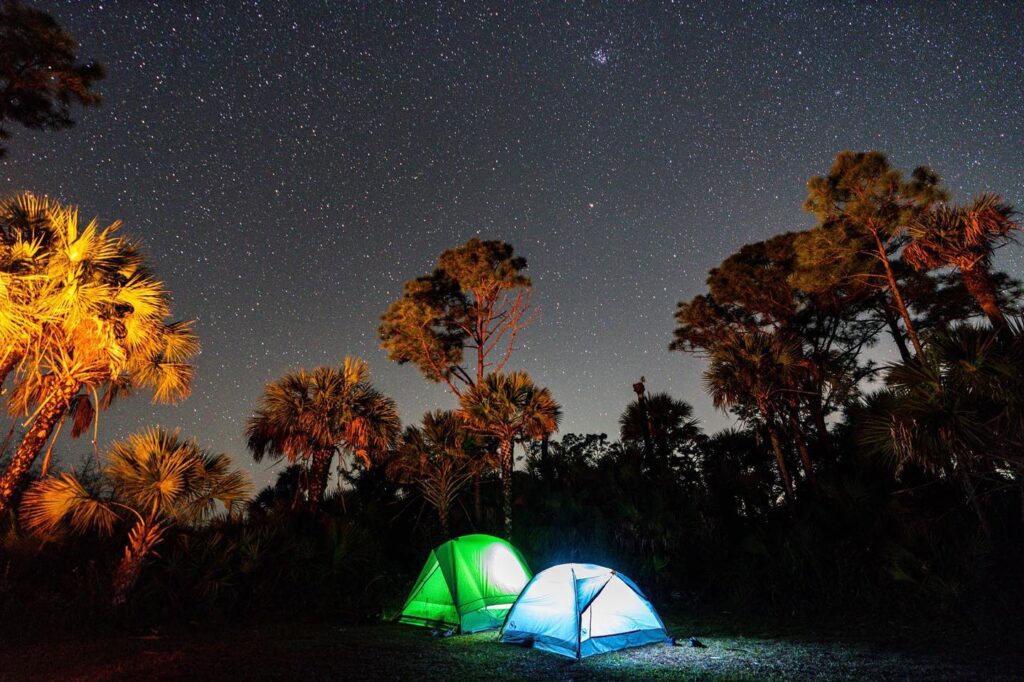
During a Florida National Parks road trip, Everglades National Park makes a practical first base. It sits close to the Homestead entrance and keeps you near many of the park’s main stops, trails, boardwalks, and wildlife-viewing areas.
If you follow this itinerary, your first three nights can be spent in the Everglades. This gives you enough time to move through the park without rushing, enjoy early mornings before the heat builds, and still leave room for paddling, biking, short walks, and scenic drives.
Everglades National Park has two main campgrounds, and both are located along Main Park Road after entering from Homestead. This makes camping here simple for travelers who want to stay close to the action while using the park as a South Florida road trip base.
Long Pine Key Campground: Easy Everglades Camping Near Royal Palm
- Location: Long Pine Key Campground is in the Royal Palm area of Everglades National Park, only a few miles past the Homestead entrance.
- Cost: Campsites are usually around $25 per night. Limited RV sites may be available, but prices can vary, so it is best to check before going.
- Reservations: This campground is first come, first served only. Reservations are not accepted, so arriving early is a good idea during the busy dry season.
- Open Year-Round: No. Long Pine Key Campground is usually open only during the dry season and often closes around April 30. Dates can change each year.
- About The Campground: We stayed here for a few nights near the end of April and really liked it. The campground was almost empty at that time, though it can get busier in peak season. Its location is excellent for wildlife viewing, especially near areas where alligators are often spotted, and the free showers are a nice bonus after a hot Everglades day.
Flamingo Campground: Bayfront Camping Deep In The Everglades
- Location: Flamingo Campground is in Flamingo, at the very end of Main Park Road, about 38 miles from the Homestead entrance.
- Cost: Tent sites are usually around $25 per night. RV sites with electricity are usually around $45 per night.
- Reservations: Yes. Sites can be reserved during the dry season, which is helpful because this area can draw campers who want to stay deeper inside Everglades National Park.
- Open Year-Round: Yes. Flamingo Campground stays open year-round, making it a more flexible option than Long Pine Key Campground.
- About The Campground: We did not stay here, but the location is one of its biggest draws. It sits right by Florida Bay, so campers can get open water views and easy access to the Flamingo area. The downside is the bugs, which can be rough, especially when conditions are hot and humid.
Camping Near The Everglades: Big Cypress And Midway Campground
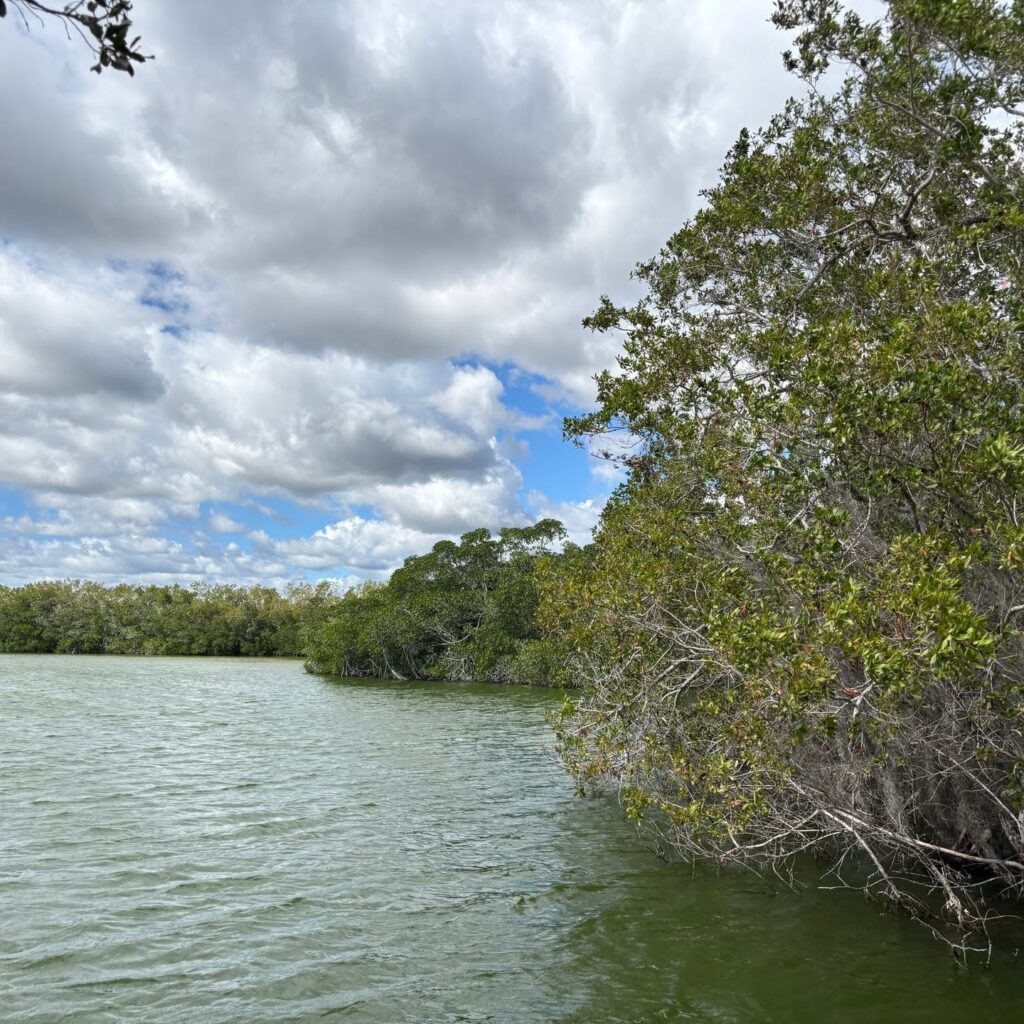
Just outside Everglades National Park, you will find nearby preserves and state parks that blend into the same wild South Florida landscape. Many of these areas have their own campgrounds, which can be useful if you want to stay close to the Everglades without camping inside the park every night.
This Florida National Parks itinerary includes time in a few of these nearby areas, so spending a night or two outside the main park can make the route easier. Big Cypress National Preserve is one of the best options near the Everglades, with several campgrounds spread across the area.
The only catch is that some Big Cypress campgrounds close during the wet season, so your options may depend on the month you visit. Midway Campground is a strong choice because it stays open year-round and works well for both RV and tent campers.
We stayed at Midway Campground in April and really liked it. During peak dry season, it can be popular, but when we visited, it was almost empty. As the name suggests, it sits roughly between two major sides of Everglades National Park, making it a practical base for visiting the surrounding preserves and nearby Everglades stops.
Camping In The Florida Keys: Staying Near Dry Tortugas
This Florida National Parks itinerary takes you all the way down the Florida Keys so you can reach Dry Tortugas National Park, the most remote park on the trip. Since Dry Tortugas is accessed from Key West by ferry or seaplane, staying in the Keys for two nights makes the route much easier.
Camping in the Florida Keys comes with more options than you might expect, but the prices can be high. State parks along the Keys are usually the more affordable choice, with some tent sites around $35 per night. The problem is availability. These sites often book far in advance, especially during the busy travel season.
RV parks are another option, and some offer limited tent sites. These usually cost more, and prices tend to climb the closer you get to Key West. Still, camping near Key West can save time before a Dry Tortugas day trip, especially if you need to catch an early ferry.
We stayed at Leo’s Campground in Key West and paid $70 for a tent site. That felt expensive for camping, but it was still cheaper than many basic stays for two people nearby. The campground had hot showers, tiki huts, a small pond, a mangrove creek near our site, and even a couple of resident iguanas that made the place feel extra Florida.
Camping In Fort Lauderdale: A Practical Final Night Near The Airport
On the last night of your Florida National Parks road trip, staying near Fort Lauderdale can make the trip home much easier, especially if you have an early morning flight. After several days of driving, camping, boating, and sweating through South Florida, being close to the airport feels like a smart final move.
We stayed at a KOA in Hollywood near Fort Lauderdale for that exact reason. The campground only had two tent sites, but they were surprisingly cute. Our site had a picnic table, fire pit, water spout, and lamp post, plus we got warm showers before heading home. It cost a little more than we wanted, but for the convenience, it felt worth it.
Tips For Visiting Florida’s National Parks
- Bring sunscreen and a hat: The Florida sun can feel brutal, especially in Everglades, Biscayne, and Dry Tortugas. Pack strong sunscreen, reapply often, and wear a hat if you plan to spend hours outside.
- Pack bug spray: Mosquitoes can be rough, especially near wetlands, campgrounds, and mangrove areas. If you are camping, bug spray is not optional. You will be glad you brought it.
- Plan for Florida tolls: Toll roads can add up quickly. If you rent a car, you may be billed by the rental company after your trip. Some toll systems also charge extra if you do not have the right pass.
- Expect traffic: Roads around Miami, Fort Lauderdale, and other busy areas can feel stressful. The Florida Keys can also move slowly because Route 1 is the main road in and out, so give yourself extra drive time.
- Keep cash with you: Guided tours may involve tips, and some first come, first served campgrounds may only accept cash. Midway Campground is one example where cash can come in handy.
- Bring layers: Florida is hot during the day, but nights can feel cooler in the dry season. Some ranger-led walks in the Everglades may also require long pants and long sleeves for safety.
- Pack sneakers and water shoes: Sneakers work well for trails, boardwalks, and protected walking. Water shoes are helpful for Dry Tortugas, beaches, rocky shorelines, and wet areas around the Keys.
- Bring snorkel gear if you prefer your own: Rental gear is often available, but bringing your own can feel cleaner and more comfortable. This is especially useful if you plan to snorkel in Biscayne or Dry Tortugas.
Florida National Parks: One-Week Itinerary
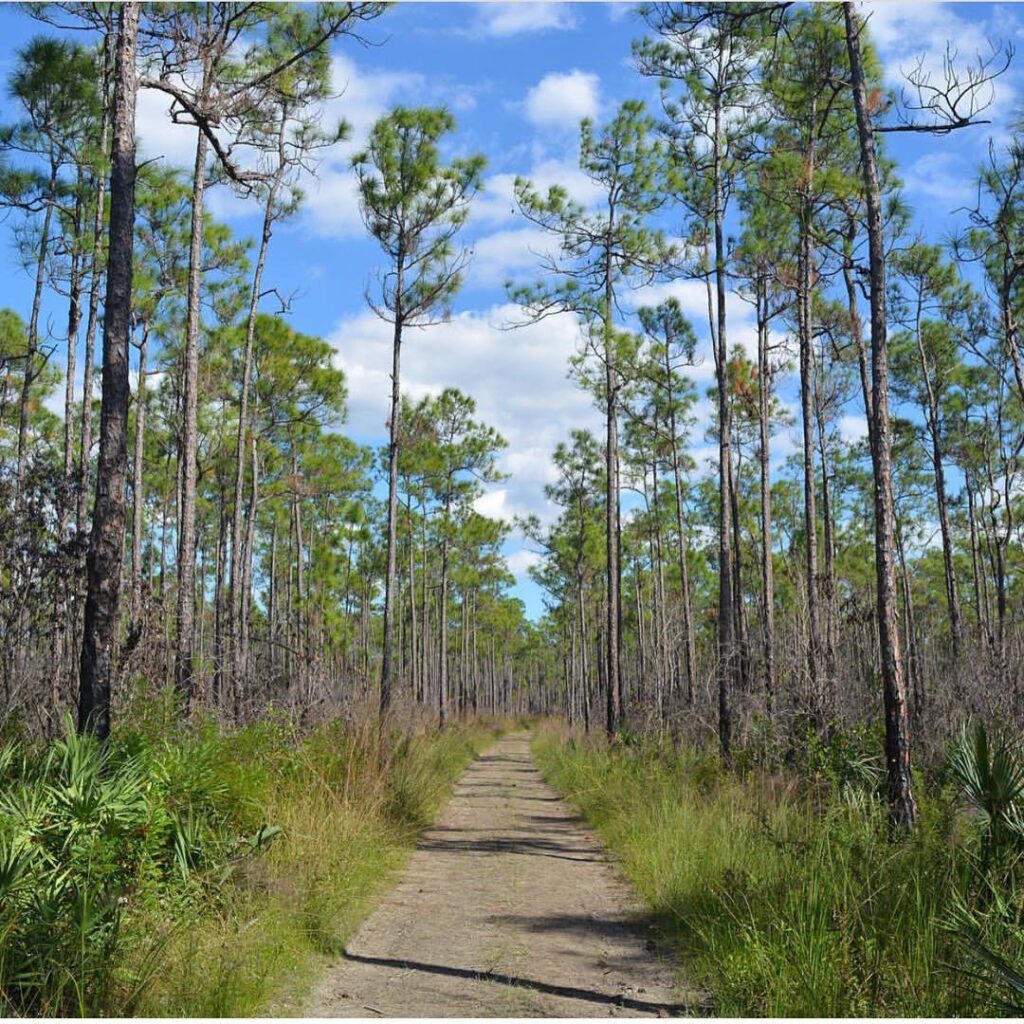
One of the best parts of a Florida National Parks road trip is how many different activities fit into one route. This is not a trip where every day feels the same. One morning might start on a quiet boardwalk in the Everglades, while the next could involve snorkeling over bright water near Biscayne or catching a boat out to Dry Tortugas.
This one week Florida National Parks itinerary gives outdoor travelers a little bit of everything. You will bike, paddle, walk, snorkel, boat, and drive through some of South Florida’s most memorable landscapes. It is a warm, wild, water-filled adventure that feels very different from the usual national park trip.
Day One: Shark Valley In Everglades National Park
Driving Time/Distance: About 2.5 hours / 140 miles
Day At A Glance: Bike through the Everglades “Sea of Grass,” watch for alligators, then visit a quiet cypress tree area nearby.
Your Florida National Parks one week itinerary begins with the drive from the airport to Shark Valley in Everglades National Park. This is a strong first stop because it throws you straight into the wild side of South Florida without making the day feel too complicated.
This route assumes you flew into Fort Lauderdale on a morning flight, then picked up your rental car and started south. If you are flying into Miami instead, the drive to Shark Valley is usually about 30 minutes shorter, which gives you a little more breathing room on your first day.
Shark Valley is one of the best places in the Everglades to see alligators, birds, open sawgrass, and that wide “Sea of Grass” landscape the park is known for. Starting here gives the trip a bold opening before you move deeper into the Everglades over the next few days.
Day One: Shark Valley, Big Cypress, and Wildlife Stops Near The Everglades
Driving Time/Distance: About 2.5 hours / 140 miles
Day At A Glance: Start your Florida National Parks road trip with biking in Shark Valley, alligator spotting, cypress forests, boardwalks, and nearby wildlife refuges.
Shark Valley: Your First Big Everglades Stop
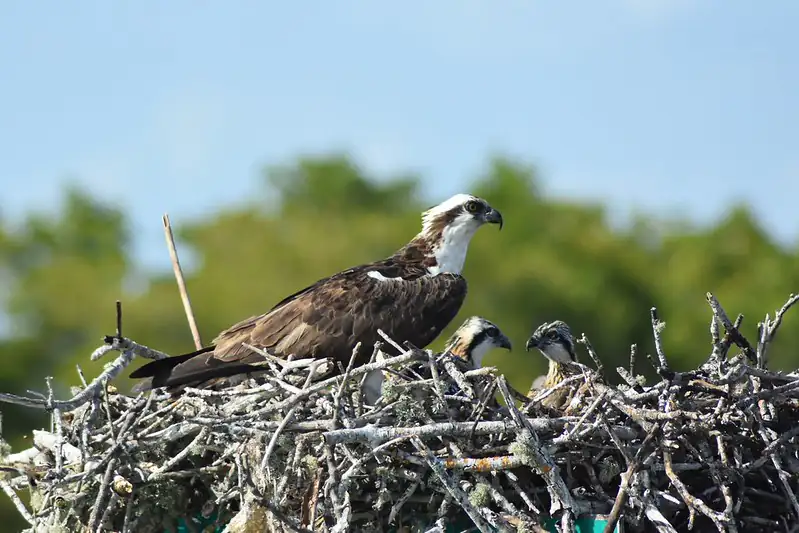
From the airport, drive straight to the Shark Valley Visitor Center in Everglades National Park, located off US-41. This is one of the best places in the park to see wildlife right away, especially alligators, turtles, and birds. It gives your Florida National Parks itinerary a bold first impression without making the day feel overly complicated.
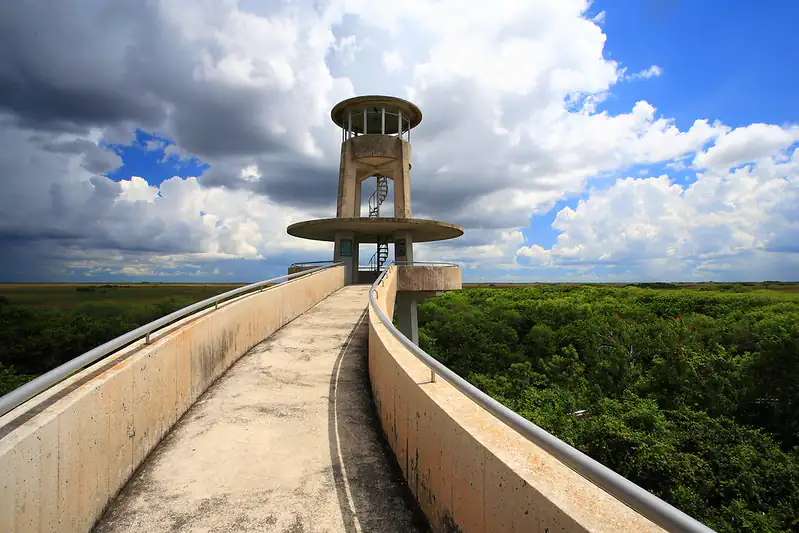
The main route here is Shark Valley Tram Road, a 15-mile paved loop through wide sawgrass prairie. Halfway around the loop, an observation tower gives you a broad view across the Everglades. You can walk part of the road, reserve a tram tour, or bike the loop. Biking is the best choice if you want freedom to stop for wildlife, take photos, and move at your own pace.
Set Up Camp At Midway Campground
After Shark Valley, continue west on US-41 to Midway Campground. This makes a smart first-night base because it sits near several Everglades-area stops and keeps the rest of the day flexible.
Set up camp, take a short break, then head back out for more wildlife and swamp scenery before sunset.
Big Cypress National Preserve: Cypress Trees, Gators, and Slow Scenic Roads
A few miles west of Midway Campground, Big Cypress National Preserve gives you another look at South Florida’s swamp landscape. This freshwater swamp sits beside Everglades National Park and helps support the wider ecosystem with cypress trees, open prairie, wetlands, and plenty of animal life.
A quick stop at the Oasis Visitor Center is worth it if you are short on time. The boardwalk along the roadside creek is often a good place to spot alligators. Big Cypress also has short interpretive trails and scenic drives where you can move slowly through cypress forest and open land. Canoeing and ranger-guided swamp walks can be excellent here, but they depend heavily on season, water levels, and program schedules.
Fakahatchee Strand State Park: A Quiet Boardwalk Through Swamp Forest
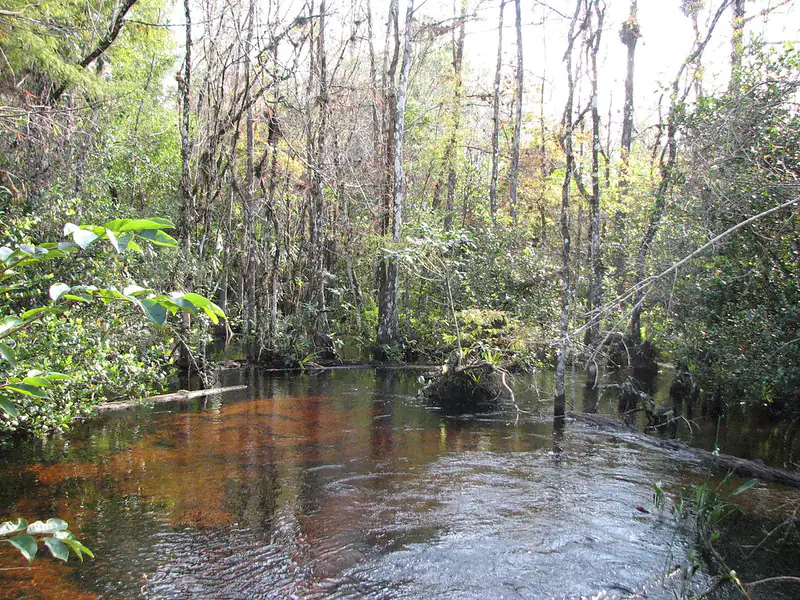
About 10 miles west of the Big Cypress Visitor Center, Fakahatchee Strand State Park protects one of Florida’s most interesting swamp forest areas. Since conservation is a major focus here, the park feels less developed than many state parks, but it still offers hiking and paddling options for travelers with more time.
For a quick visit, the Big Cypress Bend Boardwalk is the easiest choice. This flat boardwalk is about 1.2 miles round trip and moves through cypress trees, swamp plants, birds, reptiles, and quiet wildlife habitat. The trail ends at a viewing platform over a small pond, which can be a great place to pause and watch for movement in the water and trees.
Florida Panther National Wildlife Refuge: A Final Wildlife Stop
Florida Panther National Wildlife Refuge is another nearby conservation area, though seeing an actual panther is extremely unlikely. These animals are rare, endangered, and very hard to spot. Most of the refuge is closed to the public, but two short trails are open for visitors.
Even without a panther sighting, the refuge gives you one more chance to look for wildlife such as deer, foxes, black bears, birds, and alligators. After this final stop, return to Midway Campground for the night and get ready for the next full day in the Everglades.
Day Two: Royal Palm And Flamingo In Everglades National Park
Driving Time/Distance: About 2 hours and 45 minutes / 137 miles
Day At A Glance: Take a canoe trip near Flamingo while watching for crocodiles and manatees, then spend the afternoon on short Everglades trails packed with wildlife-viewing chances.
Canoeing In Everglades National Park
Day two of your Florida National Parks itinerary takes you back into Everglades National Park, this time through the Homestead entrance. From Midway Campground, the drive is a little over an hour, and Main Park Road will carry you into both the Royal Palm and Flamingo areas.
Not far past the entrance, stop at Long Pine Key Campground and set up camp for the next two nights. Once that is handled, continue down Main Park Road to Flamingo, which sits about 38 miles from the entrance at the edge of Florida Bay.
Take A Canoe Trip In Flamingo
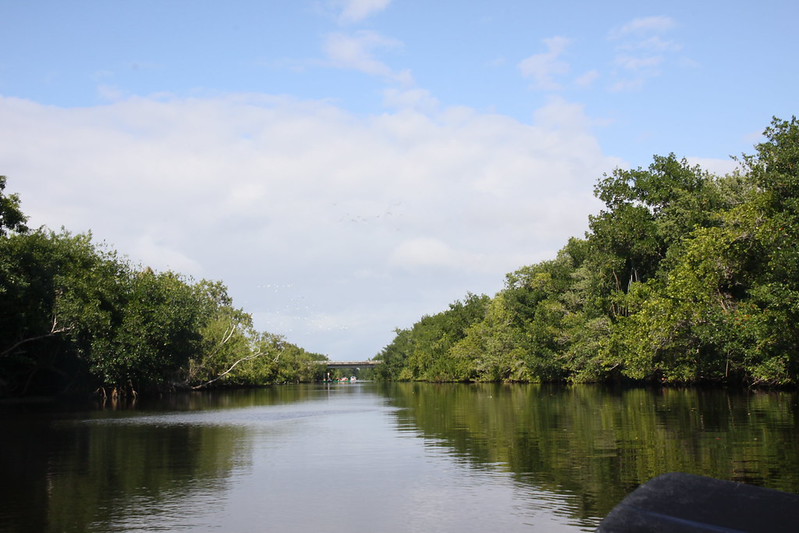
Flamingo shows a different side of Everglades National Park. This area sits near Florida Bay, with saltwater habitat, mangrove channels, marina views, and chances to spot crocodiles and manatees near Buttonwood Canal.
Flamingo Adventures rents canoes and kayaks near the marina, with two, four, and eight-hour options. Paddling is one of the best ways to experience this part of the Everglades, but choose a route that matches your skill level.
Buttonwood Canal is a simple and beginner-friendly choice. It starts near the rental area, does not require canoe transport, and gives you a calm paddle through mangrove-lined water where wildlife may appear along the banks.
For this one week Florida National Parks itinerary, plan up to four hours for an easy morning paddle. If canoeing is not for you, Flamingo boat tours are a great alternative for seeing Florida Bay, mangroves, dolphins, manatees, crocodiles, birds, and other wildlife.
Royal Palm Interpretive Trails
After your canoe trip in Flamingo, drive back up Main Park Road toward Royal Palm and make a few easy stops along the way. This road has picnic areas, trailheads, short boardwalks, and scenic pull-offs, so the afternoon can stay relaxed while still giving you plenty of Everglades wildlife.
Paurotis Pond: This is a good lunch stop with open views over the water. Keep an eye near the edges of the pond because alligators may be resting or moving through the area.
Mahogany Hammock Trail: This half-mile boardwalk passes through thick hardwood hammock. The shaded, jungle-like setting feels different from the open sawgrass areas, and it can be a good place to look for owls.
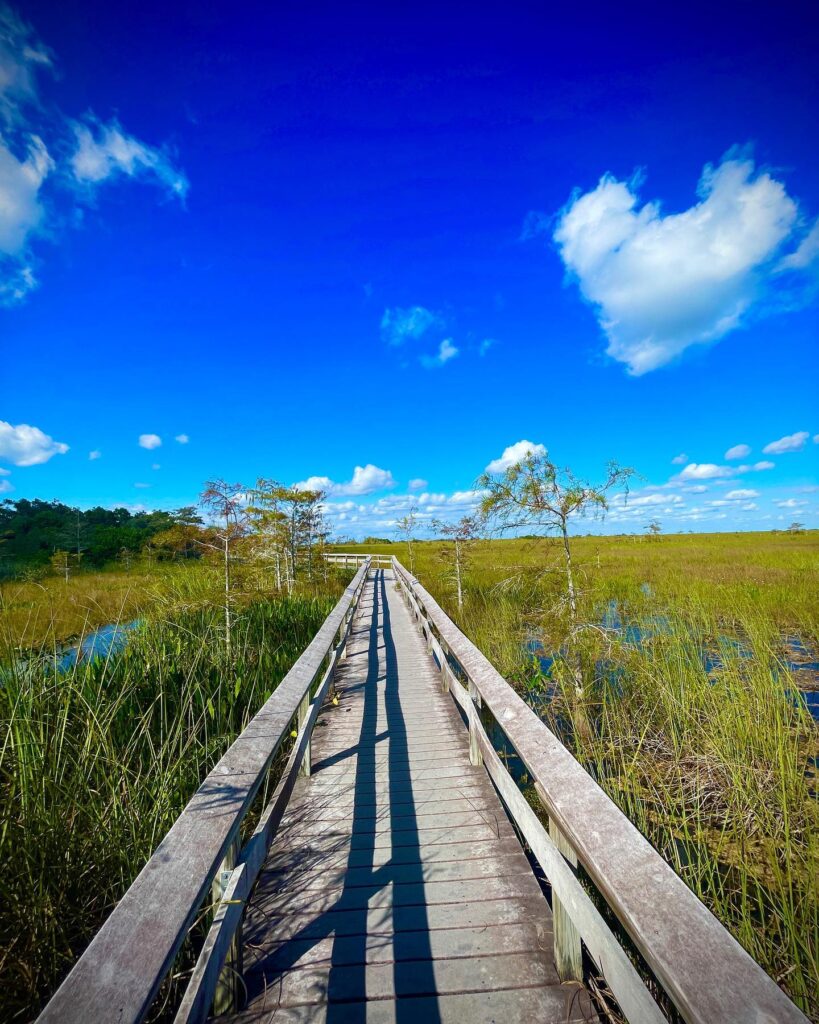
Pahayokee Trail: This short 0.16-mile boardwalk loop leads to an observation platform with wide views over the sawgrass prairie. It is a quick stop, but it gives you that classic “river of grass” Everglades scene.
Pinelands Trail: This 0.4-mile paved path moves through pine and palmetto habitat. Along the way, you can learn about tree snails, solution holes, and another side of the Everglades landscape.
Anhinga Trail: This is one of the best short trails in Everglades National Park. In less than a mile, the boardwalk loops through marsh habitat where alligators, turtles, birds, and anhingas are often easy to see. If you only have time for one Royal Palm trail, make it this one.
Gumbo Limbo Trail: This short paved trail starts near the Anhinga Trail parking area, but it is usually quieter. Wildlife may be less obvious here, but the gumbo limbo trees and shaded path make it a nice final walk.
Even though these trails are short, do not rush through them. Walk slowly, read the signs, scan the water, and pause often. The best Everglades sightings sometimes happen when you stop moving and let the place reveal itself.
Day Three: One Day In Biscayne National Park
Driving Time/Distance: About 80 minutes / 50 miles
Day At A Glance: Visit your second Florida national park and choose between snorkeling, boating, paddling, or a slower day by the bay.
Today, your Florida National Parks road trip takes you to Biscayne National Park, located just south of Miami and about 40 minutes from Homestead. The park sits along Biscayne Bay, and entry is free, which makes it an easy add-on after two wildlife-filled days in the Everglades.
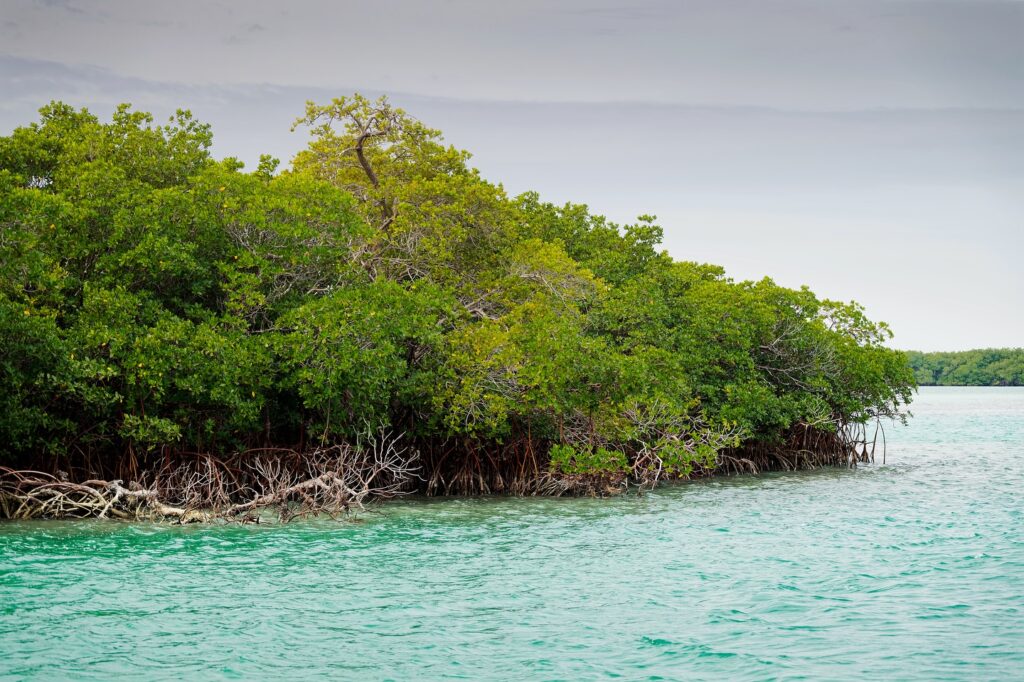
Biscayne is not a typical national park. About 95% of it is underwater, so at first glance, it may seem like there is not much to do from land. But that changes quickly once you realize the real park experience happens on the water, under the water, or along the bay.
Most of the best things to do in Biscayne National Park require a guided tour, boat trip, snorkeling tour, dive trip, or canoe and kayak rental. These activities are usually arranged through the Biscayne National Park Institute near the visitor center, so the park may be free to enter, but water-based adventures cost extra.
You can still enjoy Biscayne without booking a big activity. A slower day here might include visiting the visitor center, having a picnic by the bay, walking the boardwalk, searching for sea life near the water, or sitting in the rocking chairs and taking in the view. One day in Biscayne is usually enough, and you can make it as relaxed or adventurous as your budget and energy allow.
Visitor Center And Jetty Trail
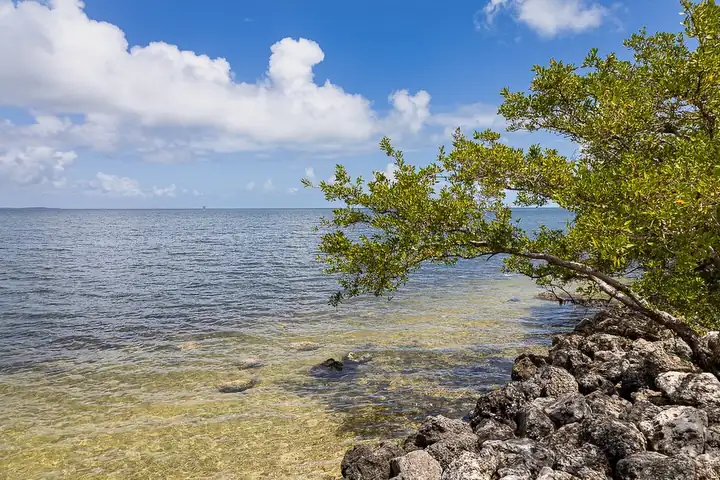
Start your Biscayne day at the Dante Fascell Visitor Center. The museum area is small, but it gives a helpful look at the sea life, coral reefs, shipwrecks, and protected waters that make this park special. Upstairs, the deck and rocking chairs offer an easy place to slow down after a few busy road trip days.
Just outside the visitor center, you will find picnic areas and a boardwalk leading out to the Jetty Trail. This short walk is great for watching birds, looking for fish, and scanning the shallow water for rays. Biscayne is not usually packed like bigger national parks, but locals often come here to fish, boat, and picnic by the bay.
Paddling In Biscayne National Park
Canoe, kayak, and stand-up paddleboard rentals are available through the Biscayne National Park Institute near the visitor center. You can stay close to shore for a simple paddle or join a guided trip farther out into the park.
Jones Lagoon is one popular paddling area, known for shallow mangrove water, fish, birds, rays, and the occasional manatee. This is a good option if you want to experience Biscayne from the water without committing to a full snorkeling or diving trip.
Snorkeling, Diving, And Boca Chita Key
Snorkeling is one of the best things to do in Biscayne National Park because the park sits near the Florida Reef, one of the largest coral reef systems in the world. Guided trips may visit reef areas, mangroves, or parts of the Maritime Heritage Trail, where shallow shipwrecks add history to the underwater scenery. Diving trips are also available for experienced visitors.
Another popular option is a boat tour to Boca Chita Key, one of the northern Florida Keys. The ride from the visitor center takes about 45 minutes, and tours usually give you time to walk, picnic, learn about the islands, and visit the famous lighthouse. During busy season, book ahead if this is high on your list.
Ending Your Biscayne Day
If your budget allows, the park concessioner also offers longer multi-activity trips that combine several Biscayne experiences in one day. These can be a great choice if you want a fuller adventure on the water.
After your time in Biscayne, head back to your Everglades campground for the night. There are no mainland campgrounds in Biscayne National Park, so returning to the same campsite keeps the itinerary easier and avoids packing up camp again.
Day Four: One Day In The Florida Keys
Driving Time/Distance: About 3 hours / 140 miles
Day At A Glance: Drive from the Everglades to Key West, turning the Overseas Highway into its own mini road trip.
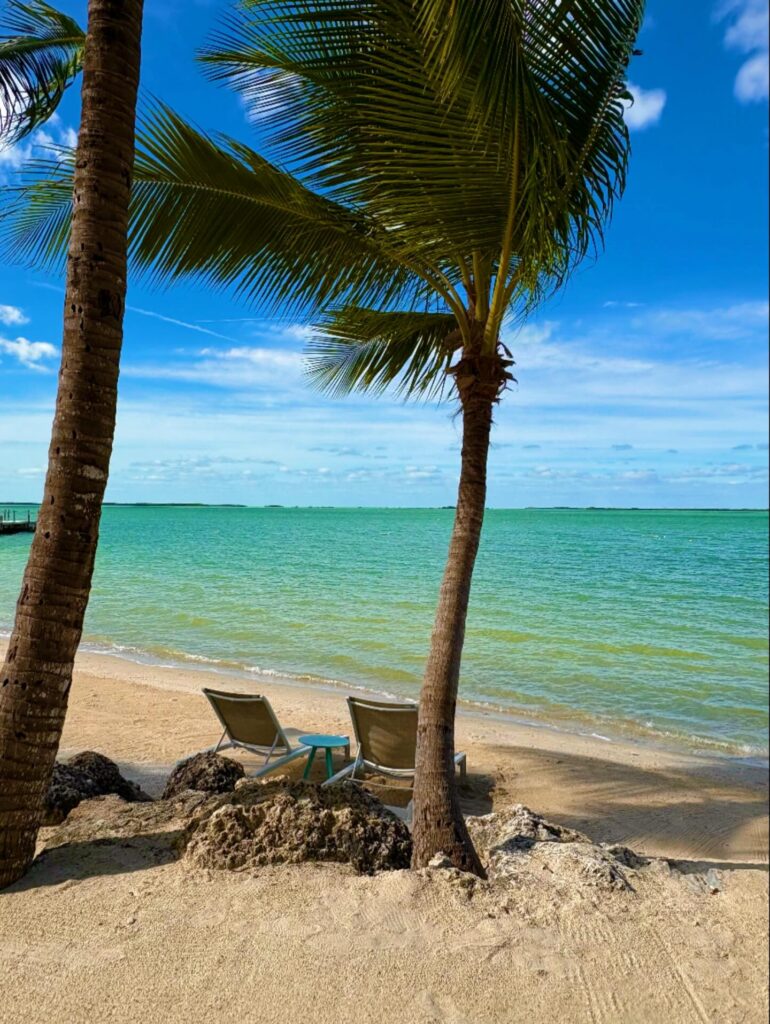
Next on your Florida National Parks itinerary is Dry Tortugas National Park, but first, you have to reach Key West. From the Everglades, the drive is about 140 miles and follows the famous Overseas Highway, a 113-mile route stretching from Key Largo to Key West.
This drive deserves time of its own. Each key has its own mix of restaurants, beaches, water activities, state parks, and roadside stops. Key Largo, Islamorada, Marathon, Big Pine Key, and Key West are some of the main areas where travelers tend to pause along the way.
The Florida Keys may not have endless wide beaches like some tropical islands, but they still have beautiful small coastal spots. Many are tucked inside state parks, while others are free public beaches that make easy stops during the drive.
For this itinerary, Marathon makes a great middle stop because it has plenty of food, beaches, and classic Keys activities. You can also save a few stops for the return drive in two days, so there is no need to rush everything before reaching Key West.
Snorkeling In The Florida Keys
There are a few places in the Florida Keys where you can snorkel right from shore, especially at some state parks. You may see fish that way, but the better reef experience usually requires a boat ride out to the Florida Reef, which sits several miles offshore.
Several tour companies run reef trips throughout the Keys. In Marathon, Sombrero Reef is a popular choice because it offers clear water, coral, fish, and a strong chance of seeing marine life. A typical snorkeling tour includes a short boat ride, gear, basic instruction, and time in the water. Afterward, nearby restaurants like Sunset Grille and Raw Bar make an easy stop for food and drinks.
Beaches In The Florida Keys
Many Florida Keys beaches are located inside state parks, including places like John Pennekamp Coral Reef State Park and Bahia Honda State Park. These can be beautiful stops, but they may require entry fees and advance planning during busy seasons.
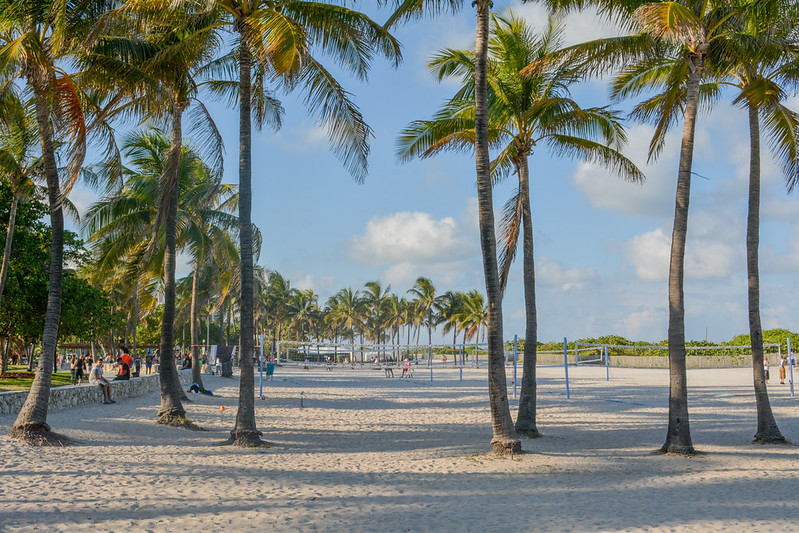
For a free beach stop, Sombrero Beach in Marathon is a great option. It has palm trees, pretty water views, and a more relaxed feel. South Beach in Key West is another free option if you want a simple coastal stop near the end of the Overseas Highway.
Southernmost Point In Key West
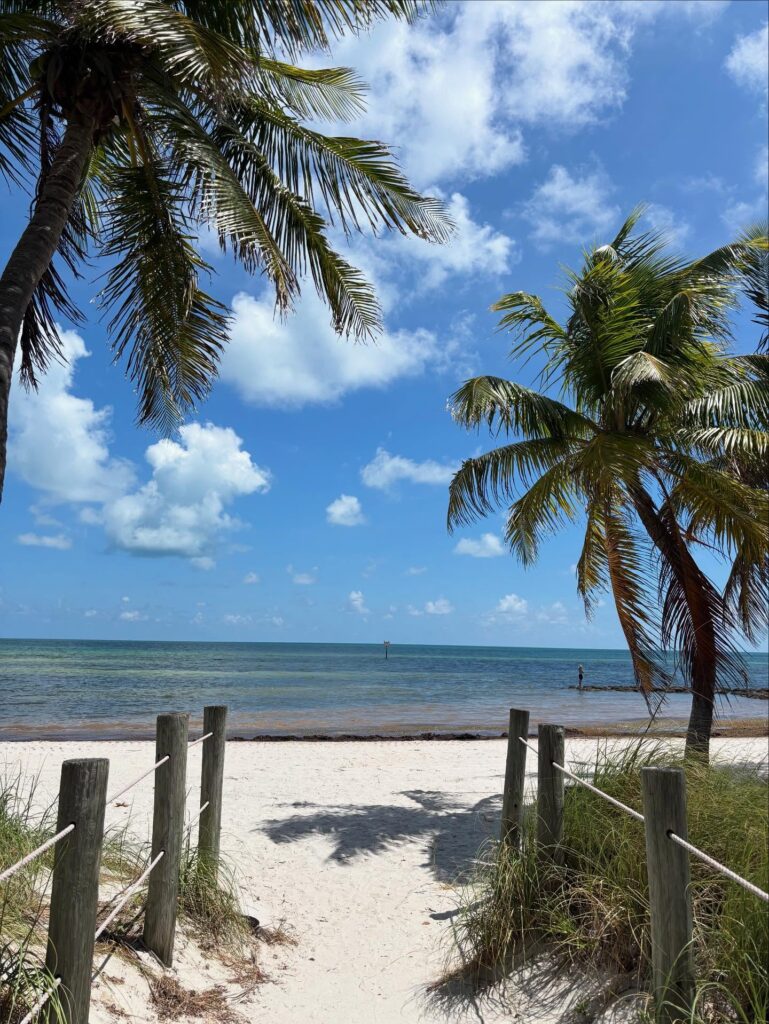
The Southernmost Point of the Continental United States is one of the most famous stops in Key West. It is popular, crowded, and often has a long line for photos, but many travelers still like checking it off the list.
If the area feels too busy, you do not have to spend much time there. A quick drive-by photo can be enough, especially if parking is difficult or you are ready to head back to camp after a long day.
The Turtle Hospital In Marathon
The Turtle Hospital in Marathon is a meaningful stop during a Florida Keys road trip. This nonprofit focuses on rescuing and rehabilitating sea turtles, making it a better choice than many touristy animal attractions in the area.
Tours usually include an educational presentation and a visit with the sea turtles being cared for at the facility. It is an easy 90-minute stop on the way to or from Key West, and the admission fee supports the turtles’ care.
Head To Your Campsite
At the end of the day, head to your campsite in or near Key West. Staying as close to Key West as possible makes sense because Dry Tortugas National Park requires an early start the next morning.
This will be your base for the next two nights. Leo’s Campground in Key West is a convenient option if you want to stay close to the ferry area while still keeping the trip in camping mode.
Day Five: One Day In Dry Tortugas National Park
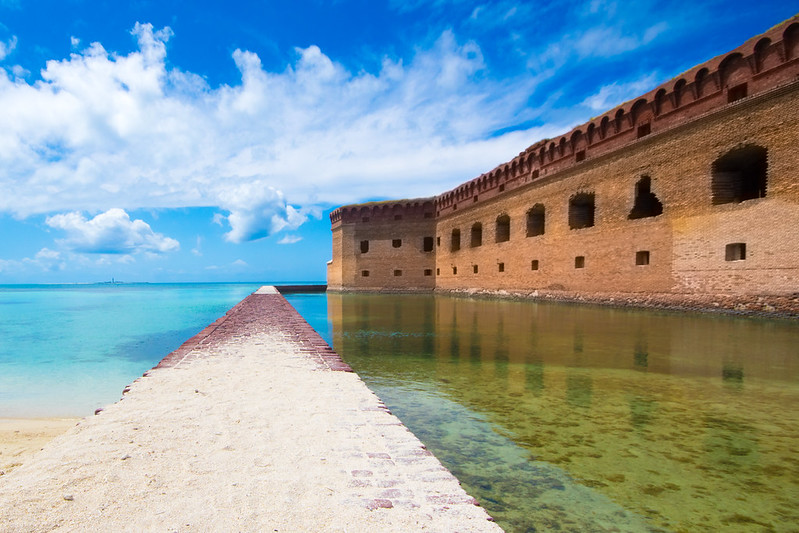
Today is all about Dry Tortugas National Park, one of the most remote and beautiful stops in Florida. This island park sits about 70 miles from Key West and is known for clear blue water, coral reefs, beaches, and the huge brick Fort Jefferson.
Getting there takes extra planning because Dry Tortugas is only accessible by ferry or seaplane. Most visitors take the public ferry from Key West, which can be pricey, but the scenery, snorkeling, and island views make the trip feel worth it.
If you take the ferry, you will only have about four hours on Garden Key. Use that time for snorkeling, walking around Fort Jefferson, relaxing by the water, birdwatching, and enjoying the unreal ocean views before heading back.
A typical ferry day starts with check-in around 7:00 AM, departure at 8:00 AM, arrival around 10:30 AM, boarding again around 2:45 PM, and return to Key West around 5:15 PM. It is a short visit, but it can easily become one of the best days of your Florida National Parks itinerary.
Explore Fort Jefferson
Fort Jefferson is the main landmark on Garden Key and one of the most iconic sights in Dry Tortugas National Park. This 19th-century structure has a lot of history, and you can join a guided tour, listen to a short talk, visit the small visitor center, or walk through the fort on your own while reading the signs and enjoying the ocean views. The moat around the fort is also worth a stroll, especially since fish and coral can often be seen along the outer wall.
Relax On The Beaches And Go For A Swim
Garden Key has two main beaches where you can relax, swim, and enjoy the clear blue water. Even if you are not usually a beach person, this is the kind of place that can easily change your mind for a few hours. The warm water, soft sand, and remote island setting make it one of the easiest places to slow down during your Florida National Parks itinerary.
Snorkel In Dry Tortugas
Snorkeling is one of the best things to do in Dry Tortugas National Park. The coral here can be colorful, and tropical fish are easy to spot near the fort, shoreline, moat wall, and docking areas. After your ferry returns to Key West, grab dinner in town and head back to camp for the night.
Day Six: Drive Back To Fort Lauderdale Or Miami
Driving Time/Distance: About 3 hours 40 minutes / 188 miles to Fort Lauderdale, or about 3 hours 14 minutes / 160 miles to Miami
Day At A Glance: Drive back to the mainland, with time to stop at any Florida Keys spots you missed earlier.
Sadly, every good road trip has to end, and day six begins the drive back from Key West to the mainland. The good news is that the Florida Keys still give you one more chance for beaches, food stops, state parks, or quick roadside views before the trip wraps up.
This day works well as a flex day. If weather, ferry timing, heat, or tiredness caused you to miss something earlier, use today to make it happen. You can stop again in the Keys, return to Biscayne, or even add one last Everglades stop since both parks are fairly easy to reach on the drive back.
If your Florida National Parks itinerary already went smoothly, keep the day simple and enjoy the route at a slower pace. Stop where you want, grab a final seafood meal, take one more beach walk, or revisit a favorite Keys view before leaving South Florida.
For the final night, staying near the airport is the easiest choice if you have an early flight the next morning. Fort Lauderdale, Miami, and Hollywood all make practical options, especially if you want a shorter drive before heading home.
Florida National Parks Itinerary With More Than One Week
Have more than one week for your Florida National Parks road trip? That gives you a lot more room to slow down, add extra stops, and enjoy South Florida without packing every day too tightly.
With extra time, you can spend longer in the Everglades, add more Florida Keys beach stops, take another snorkeling trip, visit more state parks, or build in a slower day around Biscayne or Key West.
A longer itinerary also gives you backup time for weather changes, ferry delays, heat breaks, or activities that require advance reservations. If your schedule allows it, adding a few extra days can make this Florida road trip feel much less rushed.
Visit The Gulf Coast Of Everglades National Park
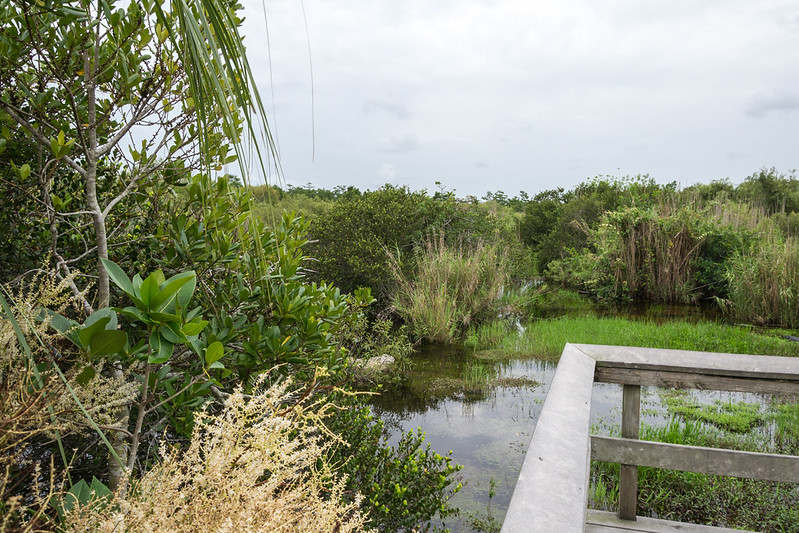
The Gulf Coast entrance sits in Everglades City on the western side of the park, about 50 minutes west of Shark Valley. This area is mainly used as a launch point for boat tours, kayak trips, and longer paddling routes rather than short walks or classic roadside stops.
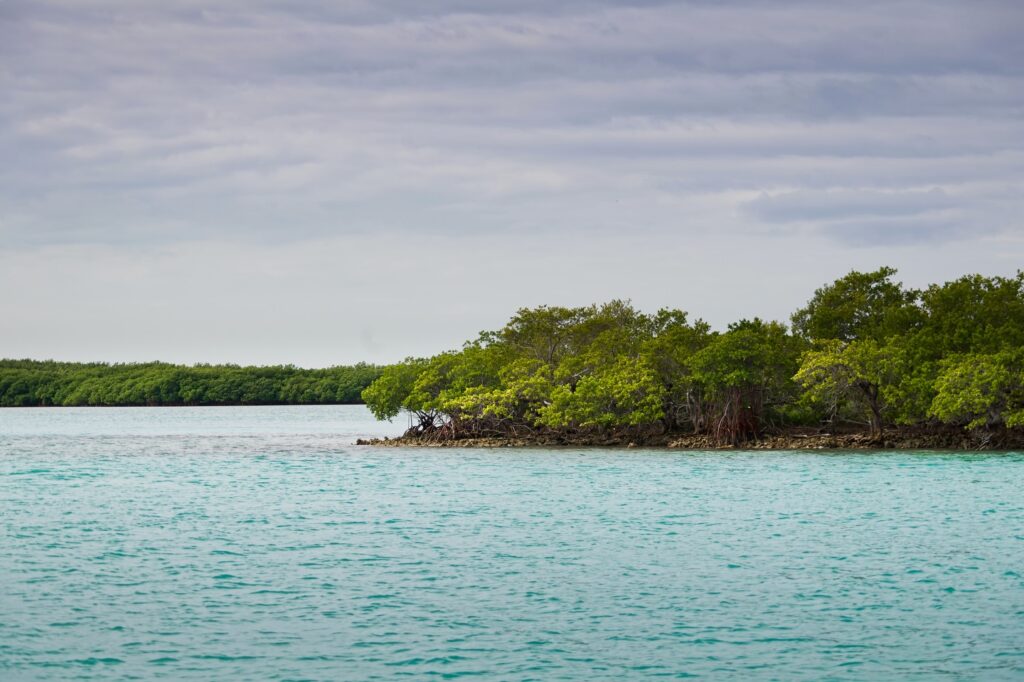
One of the main reasons to come here is Ten Thousand Islands, a wide cluster of mangrove-covered islands off the coast. You can visit by boat tour or rent kayaks through the local concessioner if you want a closer look at the water, birds, mangroves, and quiet coastal scenery.
This side of the Everglades is also the starting point for the 99-mile Wilderness Waterway, an advanced paddling route that connects the Gulf Coast to Flamingo. It usually takes one to two weeks and includes backcountry camping sites along the way, so it is best for experienced paddlers with solid planning.
If you are not looking for a serious paddle trip, the Gulf Coast area can still work as a relaxed extra day. Take a morning boat trip through Ten Thousand Islands, then spend the afternoon in Naples, a popular Gulf Coast town known for beaches, restaurants, and an easy post-Everglades break.
Backcountry Camping In Florida’s National Parks
Backcountry camping is another way to add more adventure to a Florida National Parks itinerary. Everglades, Biscayne, and Dry Tortugas all have a wilder side, but camping away from developed areas takes more planning than a normal campground stay.
These parks can be tricky for backcountry camping because water access, permits, weather, tides, ferry schedules, and paddling skill can all matter. Still, with early planning and the right experience level, it can turn a one week Florida road trip into a much deeper national park adventure.
Backcountry Camping In Everglades National Park
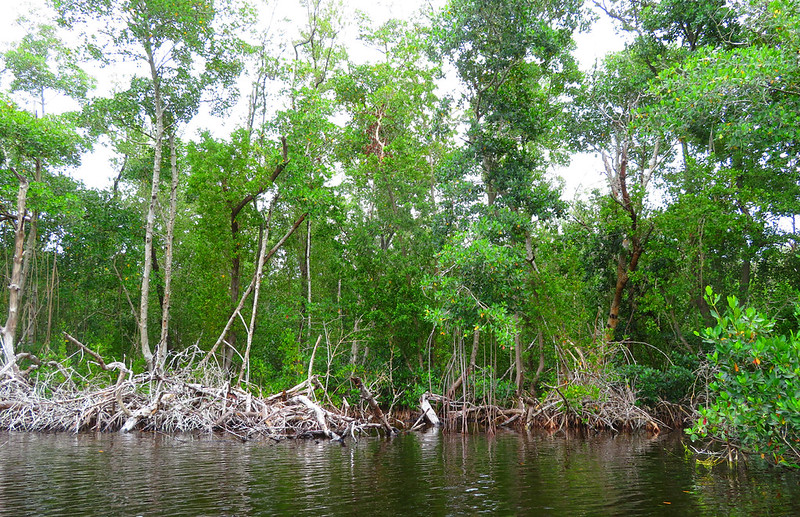
Backcountry camping in Everglades National Park takes extra planning because most sites are reached by canoe or kayak. Many campsites sit on chickees, which are raised platforms above the swampy water. To make this work, you will need permits, paddling confidence, route planning, and possibly multi-day canoe rentals with transport to and from your launch point.
This kind of trip is not for every traveler, but it can be an unforgettable way to experience the real Everglades. Paddling through mangroves, sleeping far from busy areas, and waking up surrounded by water and wildlife gives the park a much wilder feel than a standard campground stay.
Backcountry Camping In Biscayne National Park
Biscayne National Park has only two campgrounds, and both are located on islands: Boca Chita Key and Elliott Key. That makes camping here beautiful, but not exactly simple.
The main challenge is transportation. The park does not provide camping transport to the islands, so you usually need your own boat or a private charter. If you can arrange the logistics, island camping in Biscayne can add a quiet, water-focused night to your Florida National Parks itinerary.
Backcountry Camping In Dry Tortugas National Park
Backcountry camping in Dry Tortugas National Park sounds incredible. Spending the night on a remote island with only a small number of other campers would be one of the most memorable ways to experience the park.
The hard part is getting a spot. Campsites are very limited, and the public ferry only carries a small number of campers. Because of that, Dry Tortugas camping can book far in advance, sometimes months or even close to a year ahead. Plan early if this is high on your Florida road trip list.
Florida National Parks Itinerary With Less Time
If you have less than one week for a Florida National Parks road trip, you can still see the biggest highlights. The pace will be faster, and you will have less room for slow mornings or weather changes, but three days can work if you stay focused.
On day one, spend your time in Everglades National Park. Start in Shark Valley for wildlife viewing and biking or a tram ride, then head to the Royal Palm area in the afternoon. Make the Anhinga Trail your main stop here, since it is one of the easiest places to see alligators, turtles, birds, and classic Everglades scenery.
On day two, visit Biscayne National Park in the morning. If your budget allows, book a snorkel, kayak, paddleboard, or boat tour so you can experience the water-based side of the park. Afterward, begin the drive to Key West and make one or two quick stops along the Florida Keys.
On day three, take the ferry or seaplane to Dry Tortugas National Park. Spend your short island visit exploring Fort Jefferson, swimming, snorkeling, and enjoying the clear blue water. After returning to Key West, you can either drive back toward the airport that night or save the long mainland drive for the next day.
Related Post: