Florida might be known for its major hotspots, but beyond the spotlight lies a different side of the Sunshine State—one that’s calmer, less crowded, and full of character. For those who prefer upscale escapes, Florida also has adults-only luxury resorts that make relaxation the focus. While millions flock to Miami’s beaches and Orlando’s theme parks, several towns offer a slower, more grounded experience without compromising on things to do.
Take Cedar Key, for example. A small Gulf Coast town where clams are king and sunsets are something of a ritual. This low-key fishing village feels like Old Florida—a place where the pace of life is measured by tides and tide charts, not time. Of course, if you like the convenience of everything included, Florida offers plenty of all-inclusive resort options for couples and families.
Then there’s Mount Dora, tucked in Central Florida. With its historic homes and antique shops, this lakefront town blends old-school charm with quirky festivals and quiet streets that invite long walks and spontaneous exploration.
Farther south, Everglades City serves as a gateway to some of Florida’s wildest wetlands. It’s an off-the-grid kind of place—ideal for airboat rides, backwater paddling, and hearty plates of stone crab. The crowds don’t come here in waves, and that’s part of the appeal. And if hidden nature is your thing, Florida even has a few waterfall road trips that surprise most travelers.
Meanwhile, Fernandina Beach on Amelia Island offers a historic downtown with weathered storefronts and cozy cafés. It’s coastal without the chaos—perfect for a mellow beach escape that still gives you access to fresh seafood and charming shops.
For those drawn to cultural touches, Tarpon Springs holds strong to its Greek heritage. It’s known for sponge diving, family-run bakeries, and festive street life with a Mediterranean twist, all tucked just above Clearwater.
These towns may not dominate travel guides, but that’s their strength. They let you tap into Florida’s softer edges—a version where space, calm, and curiosity still lead the way
1. Brooksville: A Refreshing Break from Florida’s Usual Scene
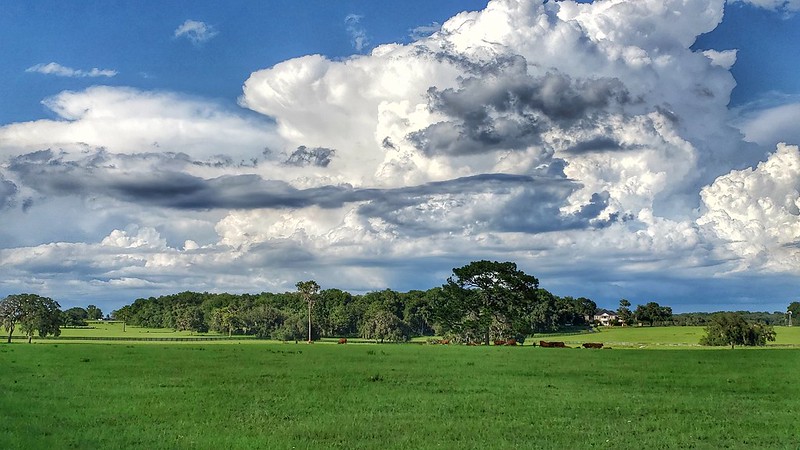
Brooksville stands apart from Florida’s typical coastal drawcards with its highlands, rich history, and laid-back pace tucked into the center of the state.
Begin your experience downtown, where time seems to move a little slower. One of the main stops is the 1885 Train Depot Museum—a small but memorable look into the town’s early connection to rail travel. Not far away, the May-Stringer House, a towering Victorian structure, offers a peek into pioneer-era Florida with exhibits ranging from medical tools to ghost stories passed through generations.
Hungry travelers will appreciate the local pride served at Florida Cracker Kitchen. This favorite eatery has a reputation for hearty southern plates and house-brewed beers—simple, satisfying, and unmistakably Florida.
Those drawn to the outdoors will find plenty just beyond the city limits. The nearby Withlacoochee State Forest stretches out across more than 159,000 acres and supports a wide range of outdoor activities. From equestrian paths to shaded hiking trails, this protected area draws nature seekers throughout the year. Within it, the Croom Wildlife Management Area is known among off-road cyclists and campers who enjoy rustic nights under the stars.
If water calls your name, the Weeki Wachee River is close at hand. It’s a slow, clear stream perfect for a paddle alongside manatees and fish weaving through the seagrass. For something unexpected, stop by Weeki Wachee Springs State Park, where underwater mermaid performances—a local tradition—still draw curious audiences.
Brooksville may not be the Florida most visitors picture, but that’s exactly what makes it worth the detour.
2. Cedar Key: Old Florida, Still Intact
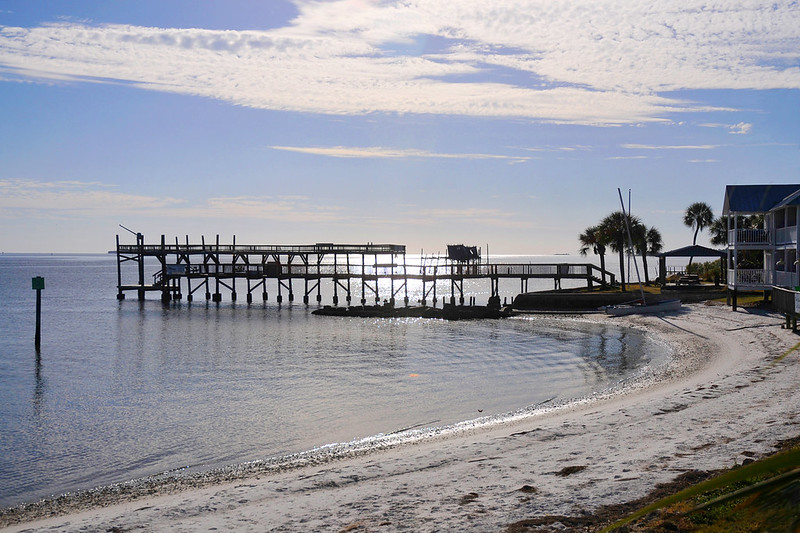
Cedar Key feels like a town that time sidestepped. Set on Florida’s Gulf Coast, southwest of Gainesville, it’s one of the last remaining places where fishing culture, small-town energy, and natural beauty coexist without high-rise interference or souvenir shops at every turn.
Seafood isn’t just a meal here—it’s the town’s backbone. Cedar Key is known across the country for its farm-raised clams, and you’ll find them served fresh in downtown spots like Steamers or at waterfront hangouts along Dock Street. The Tipsy Cow Bar & Grill, perched above the tide, offers both flavor and open-sky views in one simple setting.
History buffs will find no shortage of conversation starters. Wander past historic storefronts and stop by the Cedar Key Historical Society Museum to trace the town’s shipping and timber roots. Just beyond that, Cedar Key Museum State Park delivers a double dose of local lore and natural setting. Here, a 1920s-era home and a modest museum sit near coastal trails and quiet inlets.
What sets Cedar Key apart isn’t just what’s present—but what’s absent. No noisy theme parks or oversized hotels. Instead, outdoor experiences take center stage. The Cedar Key Scrub State Reserve offers inland paths through dense flatwoods and brush, while the nearby Cedar Keys National Wildlife Refuge spans a cluster of islands perfect for paddling trips and bird watching.
Cedar Key is less about polished itineraries and more about gentle hours spent on the water, sun-bleached boardwalks, and seafood that tastes like it came straight from the dock—because it did.
3. Apalachicola: A Gulf Coast Town With Timeless Appeal
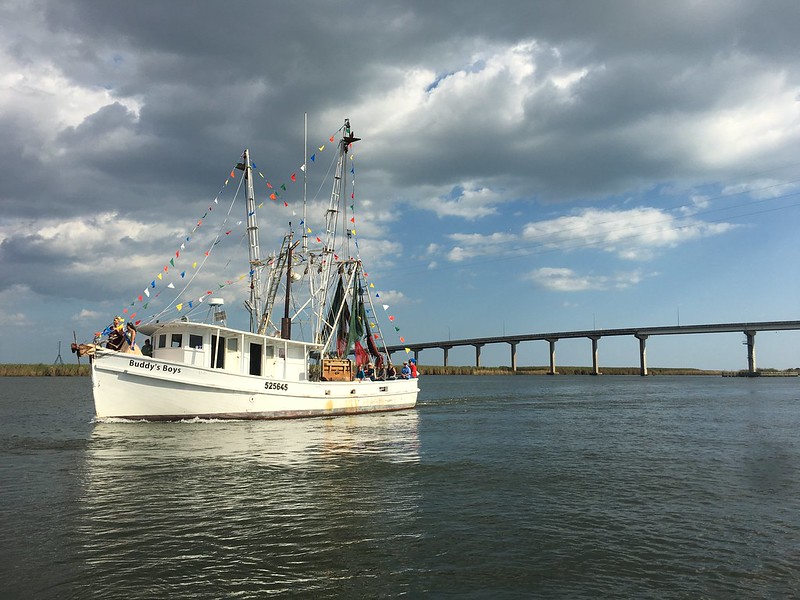
Apalachicola, set along Florida’s Forgotten Coast, leans into its quiet reputation with pride. This working waterfront town doesn’t chase trends—it sticks to what it’s always done best: oysters, heritage, and a strong connection to the natural world.
Known as the beating heart of Florida’s oyster trade, Apalachicola continues to supply top-tier shellfish across the region. Stop by the Apalachicola Seafood Grill or nearby fish shacks for a simple, no-fuss plate of Gulf shrimp or grouper, served just steps from where it was caught.
Wandering through the town reveals a deep respect for the past. Weathered storefronts, iron balconies, and aging dock pilings give a sense of place without needing polish. History fans should visit the John Gorrie Museum, which honors the local doctor and inventor who helped pioneer modern refrigeration—a fitting tribute in a town known for keeping seafood ice-cold and fresh.
Those craving a nature break won’t be disappointed. Just outside of town, the Apalachicola National Estuarine Research Reserve preserves a wide stretch of wetlands, home to an impressive mix of wildlife and plant species. Interpretive trails and observation decks offer a low-key way to soak in the area’s ecological richness.
For a real escape, head south to Cape St. George Island State Reserve. It’s a barrier island with soft, white sands and barely a crowd. Whether you’re picnicking by the dunes or simply letting the wind carry the sound of waves, this spot offers the kind of quiet that’s hard to come by elsewhere.
Apalachicola moves at its own pace. It doesn’t try too hard—and that’s exactly what makes it worth your time. Travelers who enjoy places like this will love exploring more of Florida’s charming small towns that offer the same laid-back feel.
4. Captiva: A Quiet Island That Skips the Noise
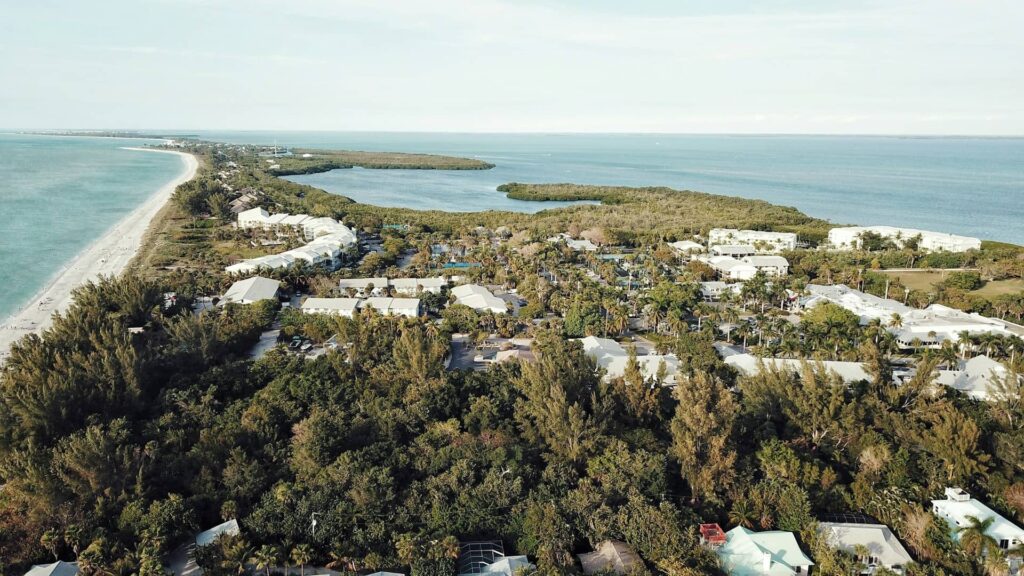
Captiva Island offers a stripped-down version of the Florida beach getaway—fewer crowds, no towering resorts, and a calm, off-grid feel that’s hard to find elsewhere along the Gulf Coast. Connected to Sanibel Island by a narrow bridge, it feels like you’re entering a different rhythm the moment you cross over.
Captiva Beach remains the island’s biggest draw. Its soft shoreline, filled with shells and softened by gentle waves, encourages slow mornings and unhurried sunsets. Turner Beach, on the southern end, adds more space for shell collecting and low-key fishing right from the sand.
For those who prefer time outdoors with a side of wildlife, the J.N. “Ding” Darling National Wildlife Refuge is just a short drive away on Sanibel. Covering over 6,000 acres, it’s a sanctuary for spoonbills, gators, and even the occasional manatee gliding through mangrove-lined waterways. Paddling here gives you a close-up look at ecosystems shaped by tide and time.
While Captiva avoids overdevelopment, it doesn’t leave you without options. Local spots like Captiva Watersports offer rentals and guided adventures, including parasailing for those who want to get airborne. Jungle Drums Gallery, with its bright displays and quirky flair, shows off the island’s creative side.
Captiva doesn’t rush. It’s the kind of place where mornings melt into afternoons, and the biggest decision might just be whether to grab your towel or your kayak first.
5. Micanopy: Where Time Slows and History Sits Quietly
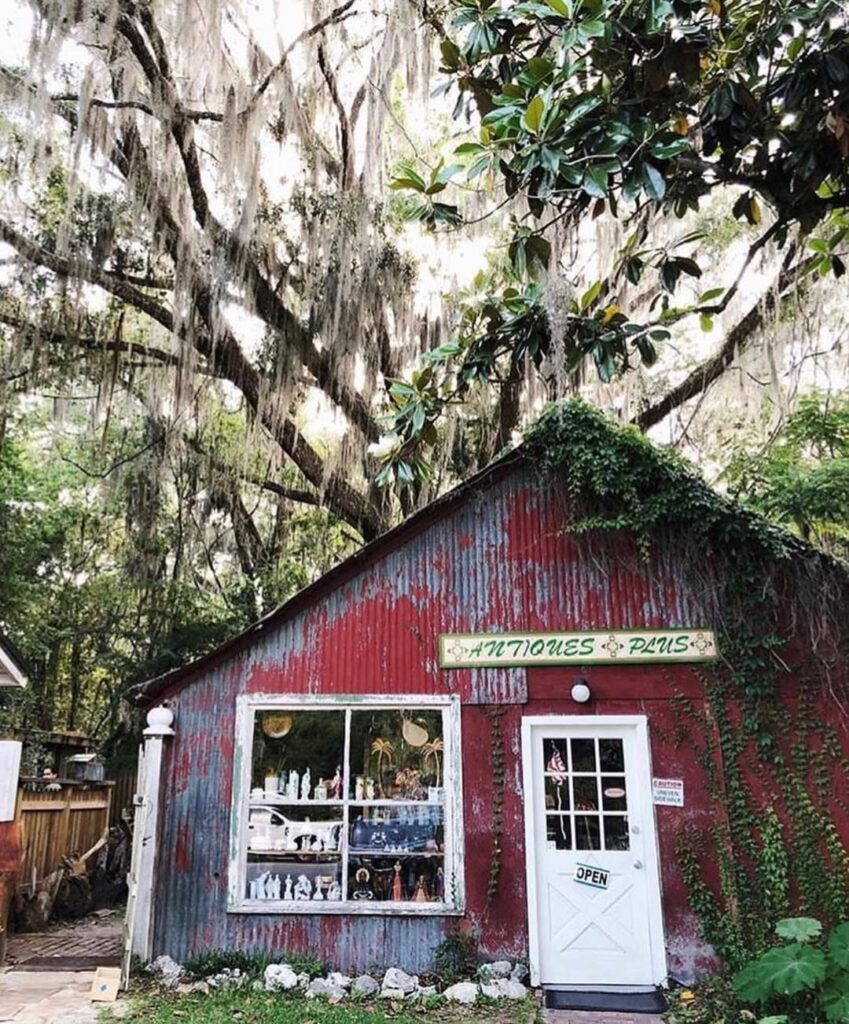
Micanopy might not sprawl, but it lingers. As one of Florida’s oldest settlements, it offers a slower, more grounded experience just a short drive from Gainesville. While many towns lean into growth, Micanopy has kept its historic footprint intact, making it a refreshing pause from the state’s flashier scenes.
The town’s main strip, Cholokka Boulevard, carries echoes of another era. Brick buildings dating back to the 1800s now hold antique shops, book nooks, and small cafés that haven’t bowed to modern design trends. Places like Coffee n’ Cream and Mosswood Farm Store serve more than drinks—they keep the town’s soul intact, one pastry and porch seat at a time.
History fans will want to duck into the Micanopy Historical Society Museum, which outlines the area’s involvement in the Seminole Wars and its past as a frontier trading post. It’s compact, like the town itself, but well worth the stop for those curious about Florida before tourism took over.
Beyond the old storefronts, the wild still holds space. Just south lies Paynes Prairie Preserve State Park, one of the most distinctive landscapes in the state. Here, you can spot wild horses and bison roaming across sweeping plains. Hike the La Chua Trail for close-up encounters with gators or climb the observation tower to take in miles of grasslands—something you wouldn’t typically associate with Florida.
Micanopy doesn’t try to impress. Instead, it invites you to slow your pace, look closely, and maybe leave with something unexpected—whether it’s a rare book, a local tale, or just a quieter mind.
6. Dunedin: A Lively Coastal Town with Laid-Back Charm
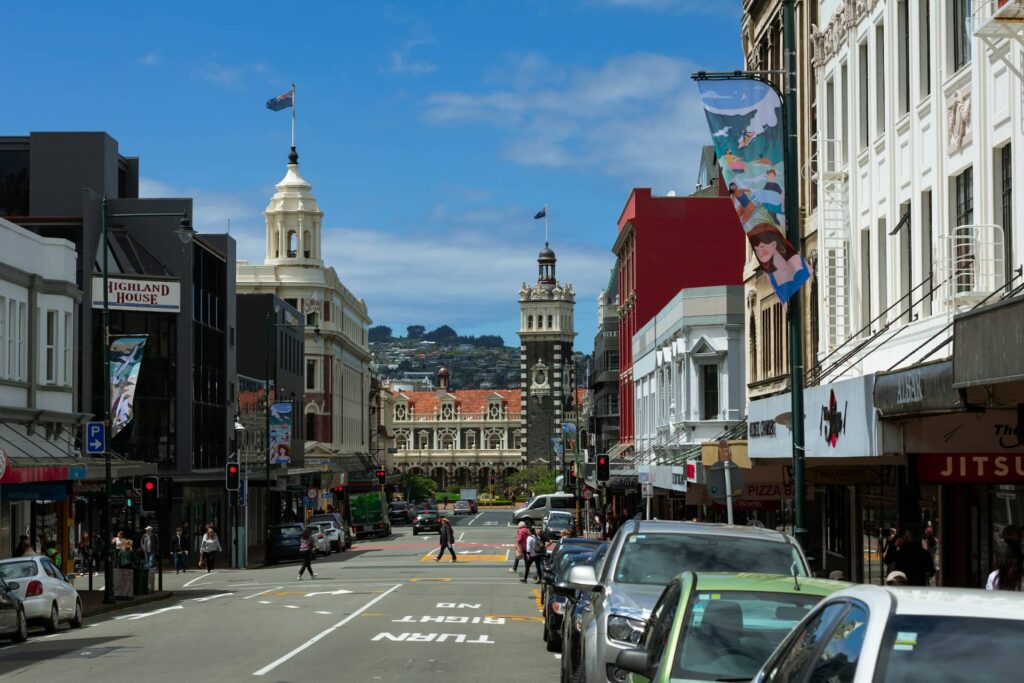
Dunedin manages to mix small-town character with access to some of Florida’s most celebrated natural spaces. Just west of Tampa, it’s a place where you can ride a bike trail through the city, hop a boat to a near-empty beach, and still be back in time for dinner by the water.
Start with the Pinellas Trail, a 50-mile stretch of smooth pavement that cuts right through Dunedin. Whether you’re pedaling or strolling, it links the town with neighboring communities and offers a scenic way to experience local life on two wheels. If you’d rather sit still and soak it all in, Edgewater Park is a choice spot along the shore—ideal for watching boats drift across St. Joseph Sound. From here, you can also access the Dunedin Marina, a departure point for fishing trips or ferries heading out to Caladesi Island.
Caladesi Island State Park, reachable only by boat, is one of the few beaches in Florida that’s remained undeveloped. Think soft white sand, nature trails lined with sea oats, and mangrove channels that are perfect for kayaking. If you want similar vibes without the boat ride, Honeymoon Island State Park is nearby and accessible by car. This park offers additional trails, birdwatching opportunities, and a small but informative nature center.
A quick trip south will bring you to Pier 60 Park, where street performers, snack vendors, and wide beaches collide to create one of the region’s most active waterfront scenes. It’s more energetic, but still within easy reach of Dunedin’s slower pace.
Back in town, the Dunedin History Museum sits inside a restored 1923 train depot and traces the city’s roots, including its contributions to Florida’s citrus legacy. For a nature break without leaving the city, Hammock Park has walking trails that wind through shaded groves and lead to butterfly gardens, boardwalks, and kayak launches on Cedar Creek.
Dunedin doesn’t demand your attention—it just earns it. Whether you’re here to hike, paddle, sip local brews, or catch the sunset, the town offers plenty of ways to fill a day, or a weekend, without ever feeling rushed.
7. Matlacha: A Splash of Color and a Cast of Fishing Lines
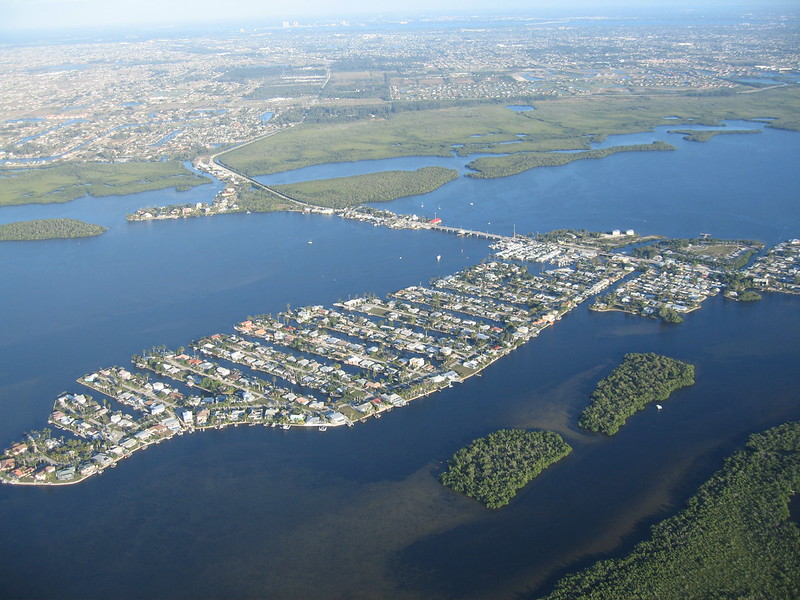
Matlacha (pronounced mat-luh-SHAY) is a tiny island town with oversized personality. Just west of Fort Myers, it bridges the mainland and Pine Island, and feels more like a community built around water than land. This is the kind of place where fishing rods lean against porches and art spills out of every corner.
One of Matlacha’s most famous landmarks is its bridge—proudly referred to as the “Fishingest Bridge in the World.” Locals and travelers alike gather here with hopes of catching snook, redfish, or tarpon. Whether you’re casting a line or just taking in the breeze, the bridge has a way of slowing things down.
The surrounding waters are part of the Matlacha Pass Aquatic Preserve, a shallow stretch teeming with sea grass beds, oyster bars, and mangrove islands. Kayakers often glide through the preserve’s still inlets, where dolphins and wading birds show up without warning. The water’s calm surface makes it beginner-friendly, and the scenery is anything but dull.
Back on dry ground, Matlacha’s main drag doubles as an art walk. You’ll find bursts of color at every turn, especially at the Leoma Lovegrove Gallery & Gardens, where bold paintings and whimsical sculptures make even the building itself part of the artwork.
When it’s time to eat, you’re in good hands. Bert’s Bar & Grill offers a casual dockside setting with fresh seafood and a local crowd, while Blue Dog Bar & Grill leans into inventive takes on daily catches. The menus reflect what the boats brought in—nothing more, nothing less.
Matlacha may be small, but it’s brimming with creativity, coastal energy, and character you won’t find on a map.
8. Sebring: Lakeside Living with a Side of Speed
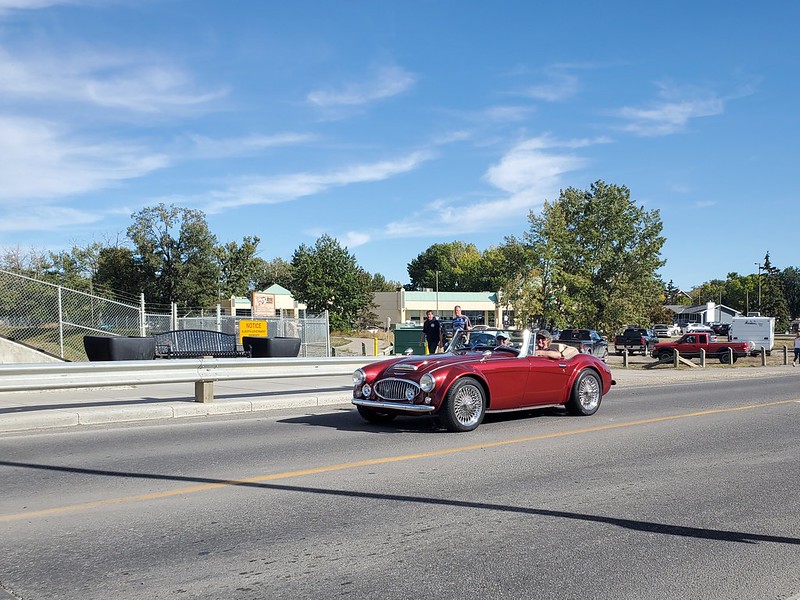
Sebring, often called the “City on the Circle,” delivers a blend of small-town appeal, lakeside recreation, and a surprising dose of adrenaline. Set in Central Florida, its historic downtown is built around a circular park lined with Mediterranean-style buildings that house indie shops, diners, and sweet spots like Sebring Soda & Ice Cream Works—a local favorite on warm afternoons.
Right in the center of town lies Lake Jackson, a wide expanse of clear water perfect for fishing, jet skiing, or just floating the day away. It’s part of a broader network of lakes dotting the region, including Lake Lotela, Lake Sebring, and Dinner Lake—all offering space for quiet getaways or action on the water.
For those who want more greenery than blue, Highlands Hammock State Park lies just west of the city. As one of Florida’s oldest parks, it’s full of shaded boardwalks, looping trails, and Depression-era stonework left behind by the Civilian Conservation Corps. Wildlife sightings—think deer, gators, and barred owls—are a regular bonus.
Then there’s the roar you’ll hear on certain weekends. That’s the Sebring International Raceway, famous for hosting the 12 Hours of Sebring, one of the most respected endurance races in motorsports. The raceway brings energy and visitors from around the globe, transforming this otherwise laid-back community into a magnet for speed lovers.
Sebring keeps a balance—quiet mornings on the water, shady park strolls, and a few weekends a year when everything kicks into high gear. It’s a Florida town with more than one gear and a place where you can take it slow… unless the engines are running.
9. Tampa: Florida’s City on the Rise
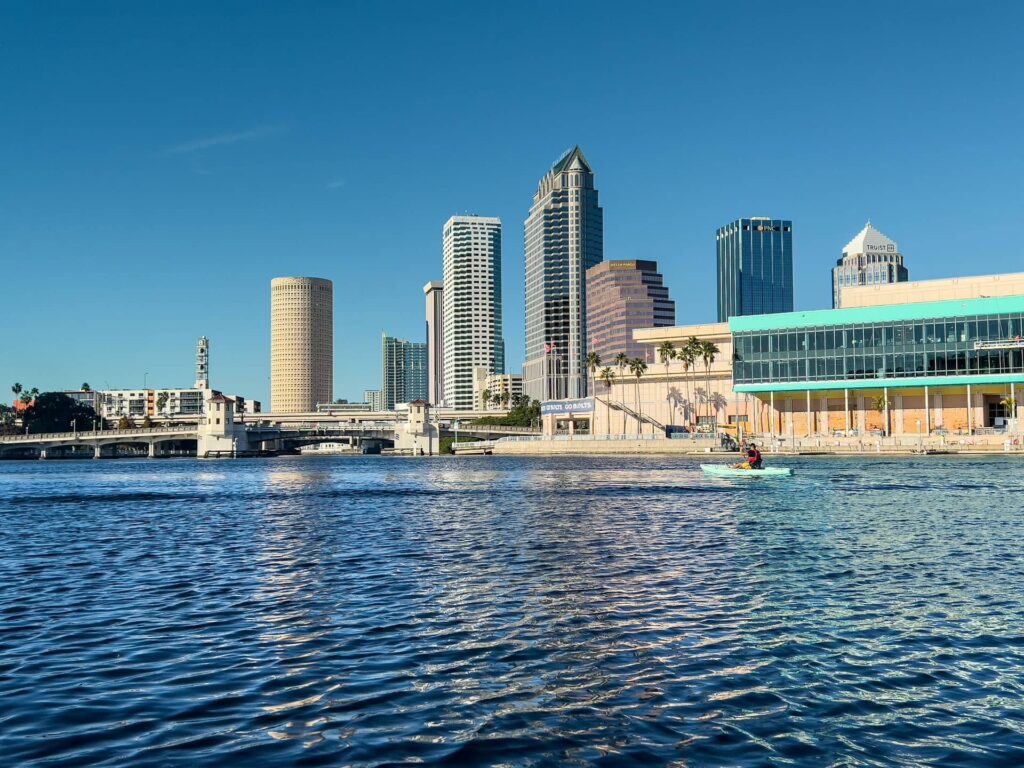
Tampa has traded its under-the-radar status for something more electric. Once overlooked in favor of flashier neighbors like Miami and Orlando, the city now pulses with new energy—most of it centered around the revitalized downtown district, Water Street Tampa.
This development has brought sleek hotels and bold dining concepts to the waterfront. The Tampa Edition and JW Marriott Tampa Water Street have quickly become go-to stays for travelers looking for upscale comfort. On the 27th floor, Beacon offers sweeping views with your cocktail and is already a favorite for sunset meetups. Dining options here are just as fresh—Boulon Brasserie brings Parisian flair, while The Pearl serves up oysters and modern gastropub plates in a stylish space. And for those looking ahead, Ash—a new Italian spot from chef Ferrell Alvarez—is one of the most anticipated openings this spring.
Outside the city center, Hyde Park continues to evolve. The neighborhood blends historic homes with modern retail and dining, and now hosts Florida’s only Palisociety location: Palihouse Hyde Park Village. The boutique property opened quietly but left a strong impression with its curated spaces, from Smeg mini fridges in the rooms to its low-profile lounge on the second floor. Ro, a minimalist Japanese restaurant, also joined the scene recently, drawing in diners looking for balance between simplicity and flavor.
Whether you’re here to try the next big thing in food, watch the skyline shift, or find a rooftop view worth remembering, Tampa’s ready. It’s grown up, leveled up, and still growing—with just enough edge to make it exciting.
See Florida Without the Crowds
Florida’s reputation as a vacation heavyweight means its top spots often come with packed parking lots and long lines. But that’s far from the full story. Beyond the usual suspects, there’s a different side of the state—one where you can stretch out on the sand, walk a downtown street without bumping shoulders, or sip your coffee while watching birds instead of boats full of tourists.
These lesser-known destinations offer more room to breathe, whether you’re drifting along the quiet bends of the Weeki Wachee River, wandering through an antique shop in Micanopy, or watching the sunset from a bridge in Matlacha. Even larger cities like Tampa are introducing pockets of calm and character that contrast their faster edges.
So if you’re tired of the same old beach scenes or are simply looking to try something different, 2025 is your chance to go off-script. These towns and natural escapes remind us there’s more to Florida than fast passes and flashy coasts—you just need to look a little further.