Five impressive waterfalls, one scenic driving loop, and a full day of fresh air make this Middle Tennessee road trip hard to resist. The route works in every season, whether spring brings rushing water, summer calls for an outdoor escape, or autumn covers the hills in fiery color.
Have a free Saturday on the calendar? Fill the tank, pack a few snacks, and head out for a journey through some of the finest waterfall country in Tennessee. Each stop offers a different setting, from tall plunges and rocky ledges to shaded trails surrounded by forest.
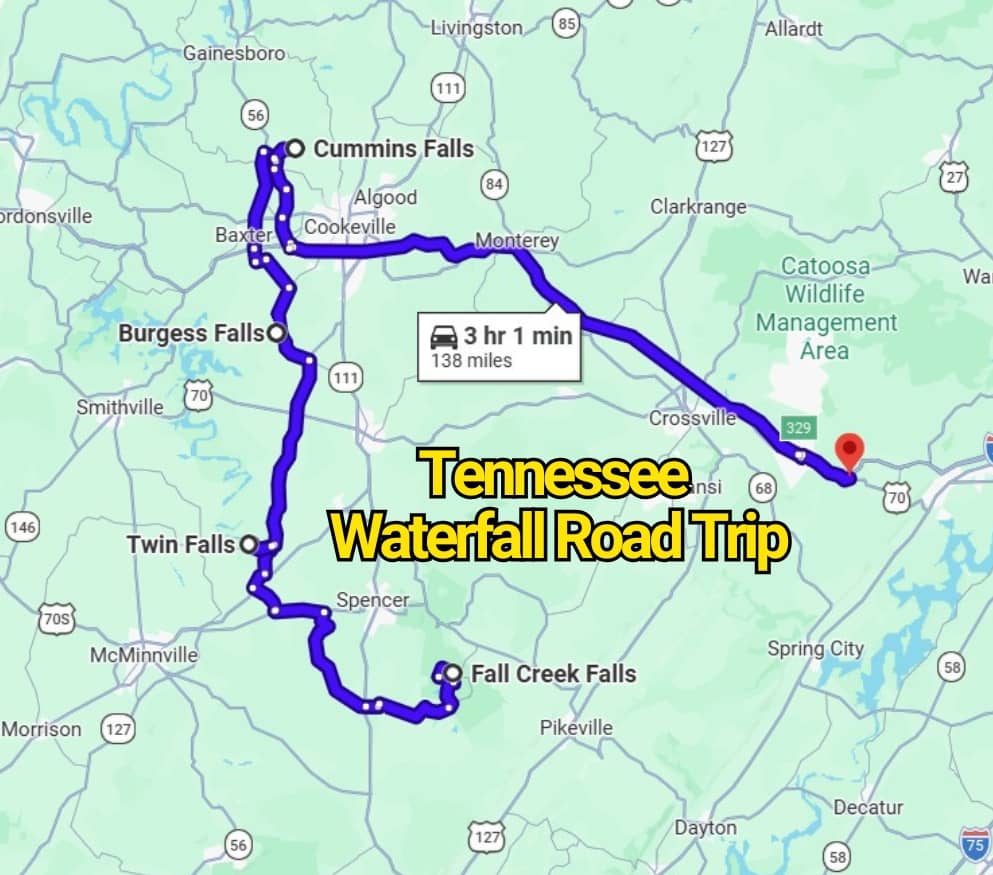
Driving the complete route without stopping takes just under four hours. However, racing from one waterfall to the next would miss the best part of the trip.
Set aside enough time to walk the trails, admire the views, take photos, and enjoy each stop without watching the clock. An early start will give you plenty of daylight for all five waterfalls and a few peaceful breaks along the way.
1. Cummins Falls: A Favorite Middle Tennessee Swimming Hole
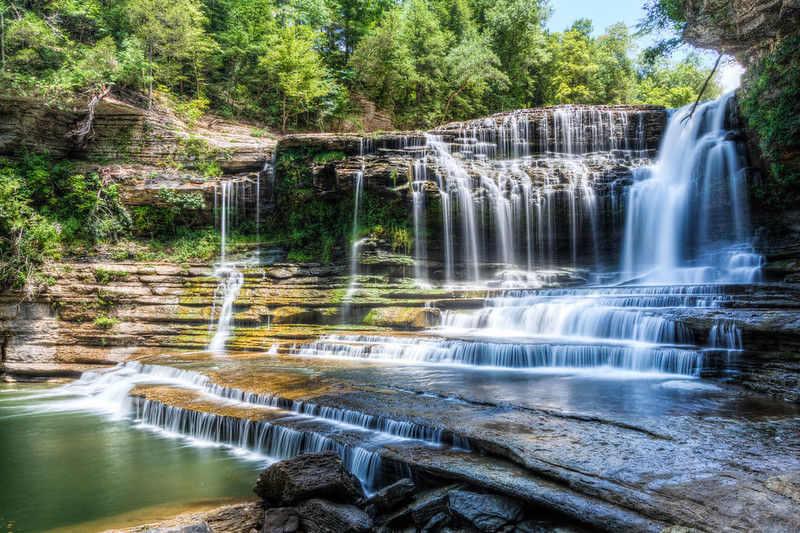
Cummins Falls tumbles along the Blackburn Fork State Scenic River, creating one of the most admired natural stops near Nashville. Families, hikers, photographers, and weekend travelers frequently make the trip to see its broad cascade spilling over layered rock.
Warm weather brings another reason to visit. The pool below the falls has long been a popular swimming area, offering a refreshing reward after the rugged walk through Cummins Falls State Park.
Reaching the base requires effort, with steep terrain, slippery rocks, and river crossings possible along the route. Wear sturdy footwear, check current park conditions, and secure any required permit before starting the hike.
2. Burgess Falls: Four Cascades in One State Park
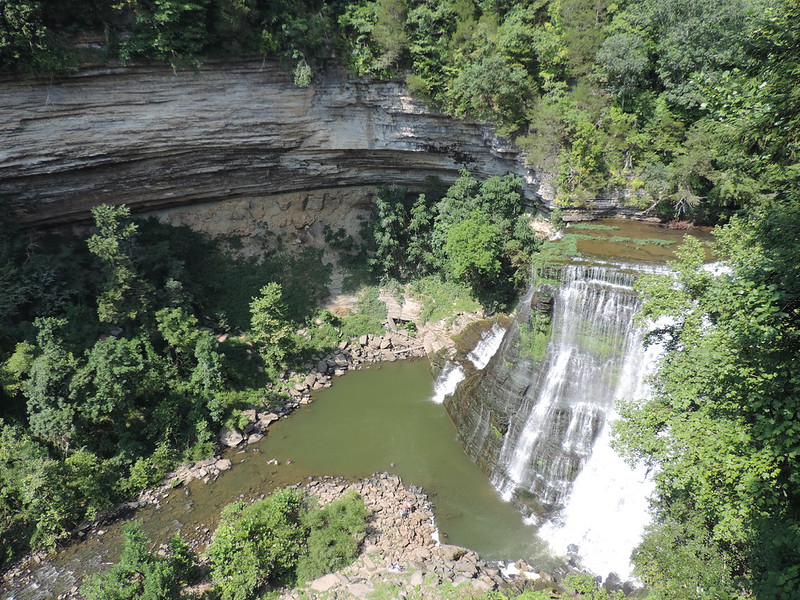
Putnam County claims one of Middle Tennessee’s boldest natural sights at Burgess Falls State Park. Here, the Falling Water River rushes across rocky ledges before dropping in a powerful curtain over the final cliff.
The park contains four separate waterfalls, turning a single stop into a compact waterfall tour. A riverside trail passes smaller cascades first, gradually building anticipation before reaching the commanding main falls.
Because the park operates during daylight hours, check the current opening schedule before leaving. Arriving earlier also leaves more time for the overlooks, trail sections, photographs, and rushing-water views without squeezing the visit into a hurried afternoon.
3. Ozone Falls: A Forest Cascade Worth the Walk
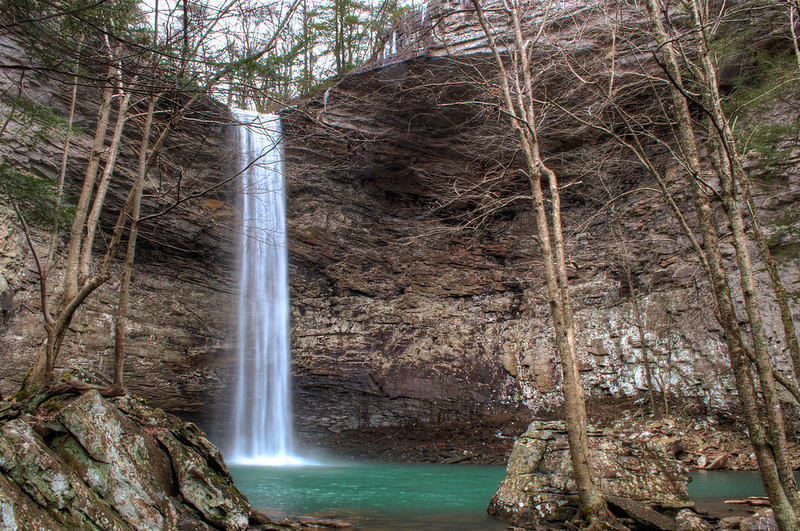
Ozone Falls plunges through a wooded gorge inside Ozone Falls State Natural Area, forming one of Tennessee’s most striking roadside waterfall stops. Reaching the lower viewing area involves a short but rugged hike over uneven ground and rocky sections.
The surrounding 43-acre preserve provides a refreshing break from crowded attractions and busy highways. Families can spend time beneath the trees, listen to the falling water, and admire the massive rock amphitheater carved around the cascade.
Wear shoes with dependable grip and move carefully near slick stones, especially after rain. Though the route may require extra effort, the dramatic view at the bottom makes the walk worthwhile.
4. Fall Creek Falls: Tennessee’s Towering Natural Landmark
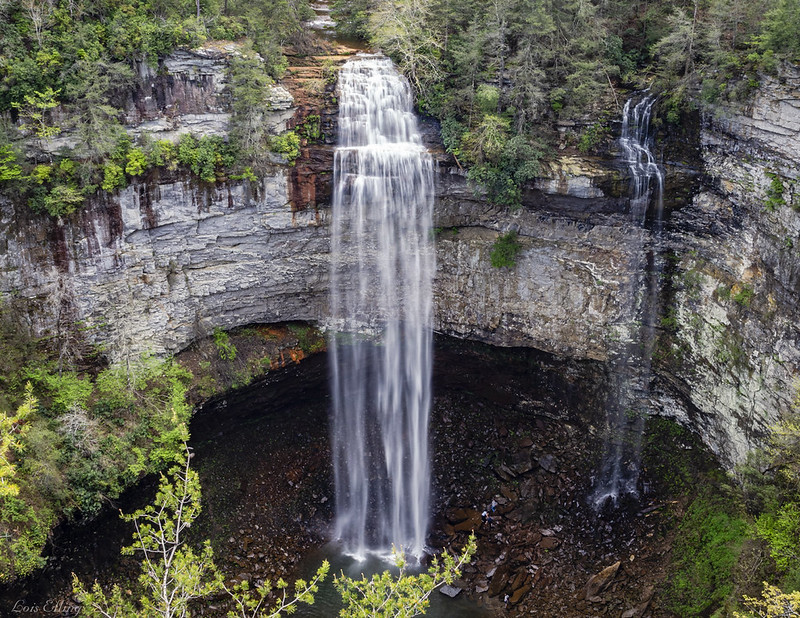
Fall Creek Falls State Park stretches across Van Buren and White counties, drawing hikers, photographers, and weekend travelers throughout the year. Visitor numbers often rise during the warmer months, when the trails, overlooks, and forest scenery are at their most inviting.
The park’s namesake waterfall drops dramatically from a high rock ledge into the wooded gorge below. Recognized as the tallest waterfall in Tennessee, it creates a commanding sight from both the overlook and nearby hiking paths.
Film appearances have added to the park’s fame, but the waterfall remains the main attraction. Allow time to visit the viewpoints, follow a trail, and appreciate the scale of the cascade before continuing the road trip.
5. Twin Falls: A Man-Made Cascade with an Unforgettable View
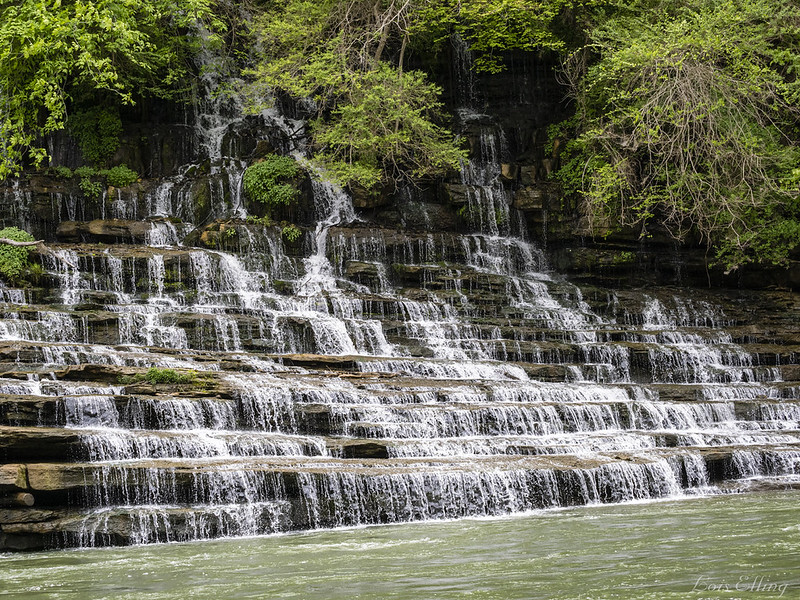
Twin Falls provides a fitting finale to this Middle Tennessee waterfall road trip. Autumn adds even more drama, as red, amber, and golden leaves frame the rushing water and dark rock walls.
Unlike the other cascades on this route, Twin Falls did not form naturally. It appeared after construction of the Great Falls Dam altered the flow of water along the Caney Fork River, sending water through the gorge in a broad, powerful display.
Use the Google map for the complete driving route and allow extra time at every stop. After seeing all five waterfalls, you may find yourself already thinking about another Tennessee adventure.
You may also like :