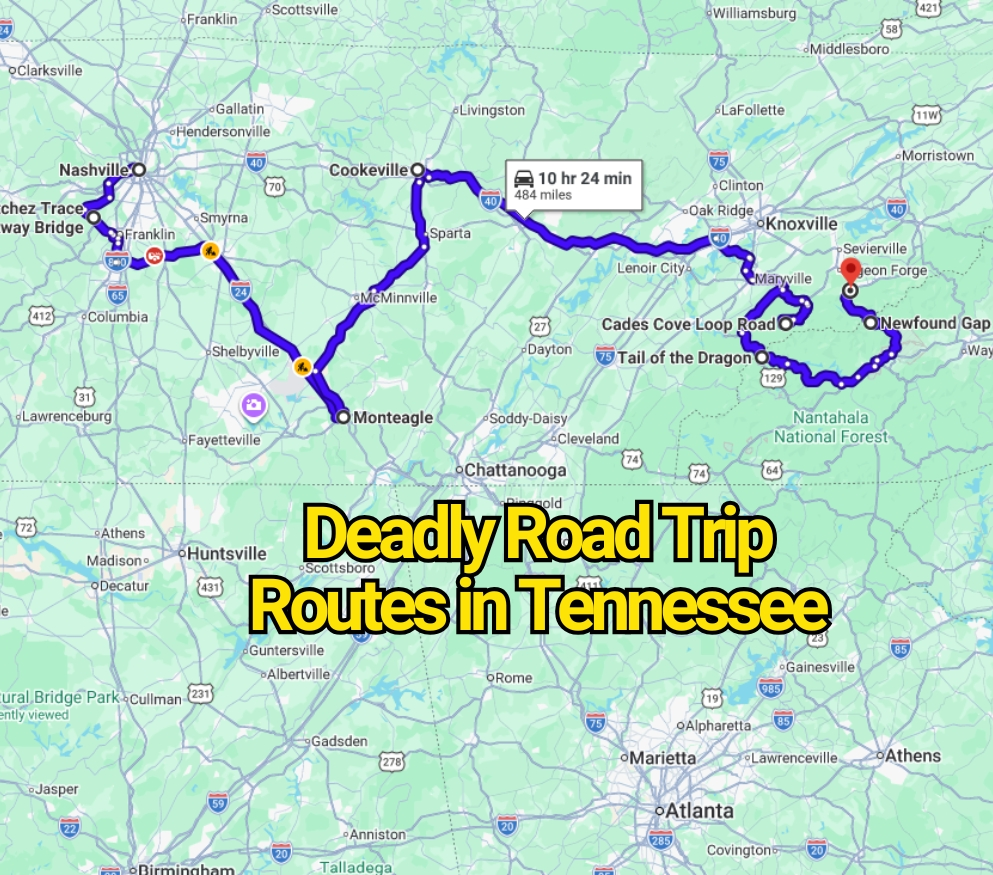
Tennessee is made for road trips, but some of its most beautiful drives come with a hard warning. The state has mountain grades, foggy park roads, narrow parkways, blind curves, sudden wildlife, and rural lanes where headlights only show part of the story. That is why locals talk about certain roads differently. They may look scenic on a map, but behind the view is a drive that asks for patience, slower speed, and a steady hand.
TDOT’s 2025–2029 safety plan shows why this warning matters. From 2018 to 2022, roadway and lane-departure crashes were tied to 55% of Tennessee traffic fatalities and 50% of serious injuries statewide. The same report says about 67% of those crashes happened on rural roadways, and dark conditions without lighting appeared in about 30% of them.
U.S. 129 Tail of the Dragon: The Famous Road That Punishes Overconfidence
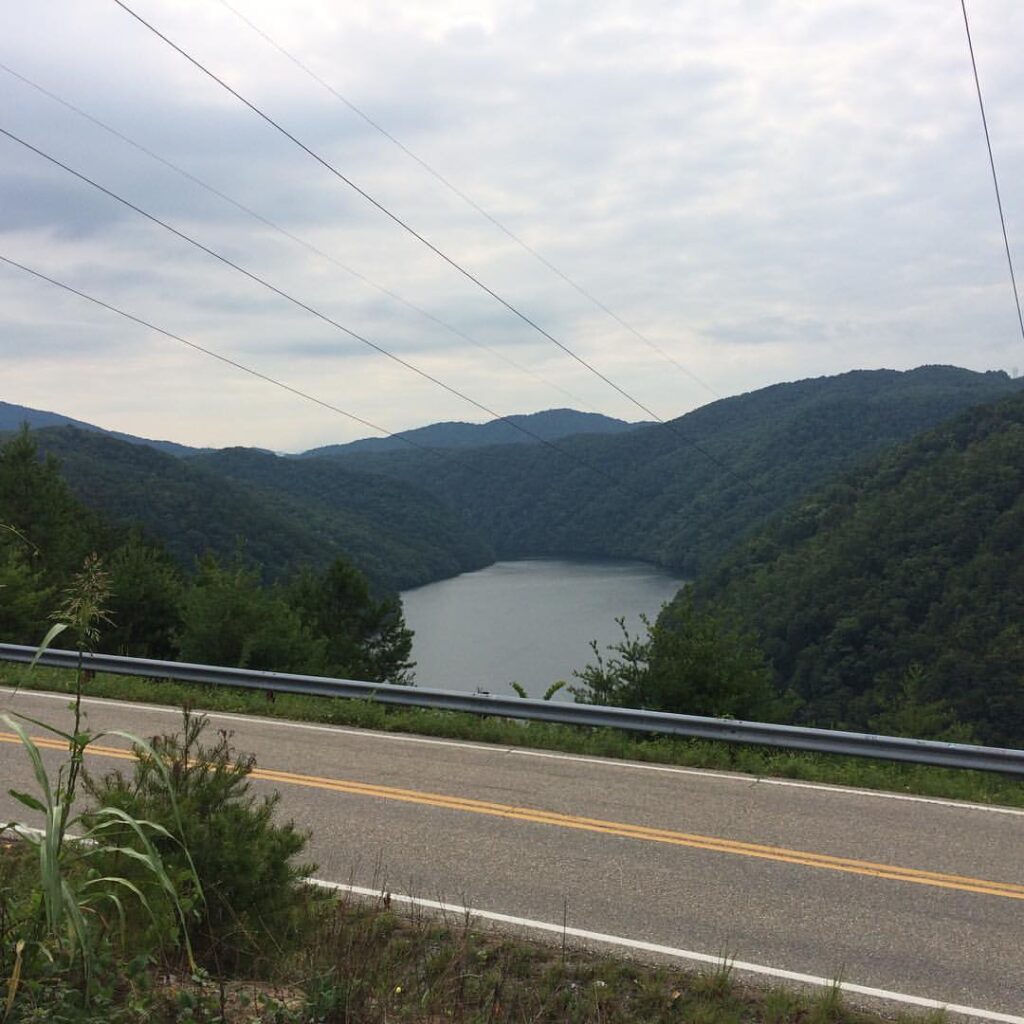
Tail of the Dragon may be one of Tennessee’s most talked-about drives, but locals know it is not just a fun mountain road. This stretch of U.S. 129 near the Tennessee and North Carolina line has sharp bends packed into a short distance, and it pulls in motorcyclists, sports cars, and road-trip travelers who want the bragging rights.
That is exactly what makes it risky. Tennessee and North Carolina officials once held a safety campaign for the 11-mile curvy stretch, warning visitors to slow down, buckle up, and avoid distracted or impaired driving. The same safety notice describes the route as difficult and dangerous to travel.
The danger here is not hidden in speed alone. It is in the rhythm of the road. One curve ends, another arrives, and there is little time to relax. A driver who treats it like a stunt route can quickly become the reason traffic stops.
I-24 Over Monteagle Mountain: The Grade That Makes Truckers Nervous
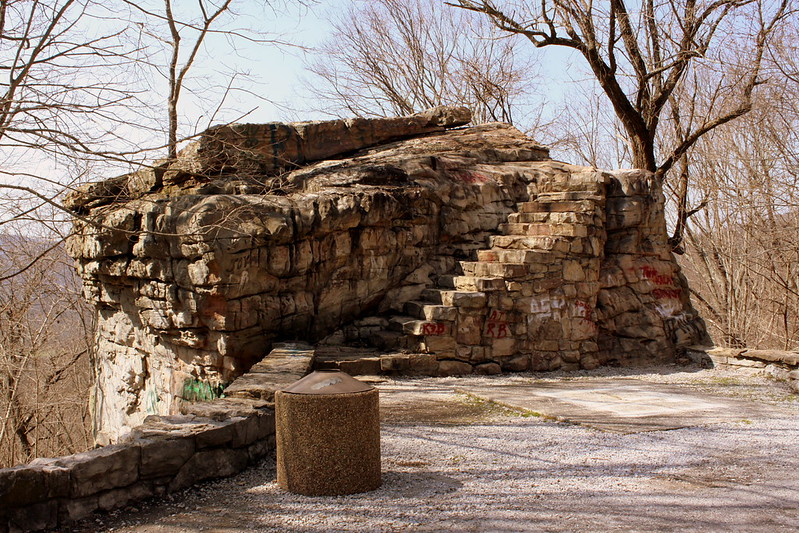
Monteagle Mountain is one of those Tennessee drives people mention with a certain look. I-24 may be an interstate, but this section does not feel like an ordinary highway. The road climbs and drops across the Cumberland Plateau, and the traffic mix can include heavy trucks, impatient drivers, tourists, and sudden weather changes.
TDOT notes that the Exit 134 area near Monteagle is the last westbound exit before a descent of about 800 feet along steep grades. That single detail explains why locals respect this road. Once the downgrade begins, drivers have less room for mistakes.
The scariest part is how normal it can look at first. You are still on an interstate. The lanes are wide. The signs are clear. Then the grade starts working against you, trucks slow down, brake lights stack up, and the drive becomes tense fast.
Newfound Gap Road: The Smoky Mountain Drive That Changes Without Warning
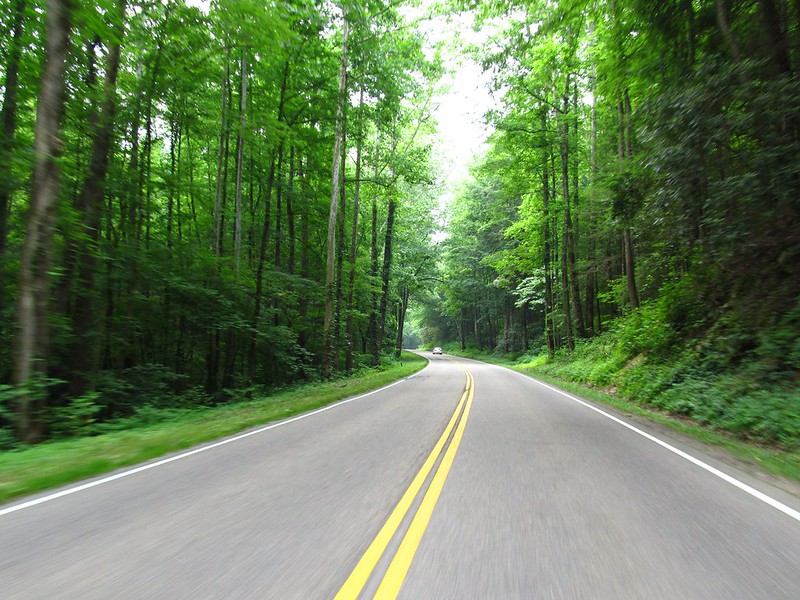
Newfound Gap Road, also known as U.S. 441, is one of the classic Smoky Mountain drives. It links the Gatlinburg side of Tennessee with Cherokee, North Carolina, and the views can make drivers forget how serious the road is.
The National Park Service says primary roads in Great Smoky Mountains National Park, including Newfound Gap Road, are open year-round only when weather allows. The park also warns that clear skies in lower areas do not mean the same weather exists at higher elevations.
That is the trap. A sunny start near town can turn into fog, wet pavement, icy patches, or reduced visibility higher up. Add curves, overlooks, wildlife, and drivers staring at the scenery, and this route becomes one of Tennessee’s prettiest stress tests.
Natchez Trace Parkway: The Quiet Road That Can Make Drivers Too Comfortable
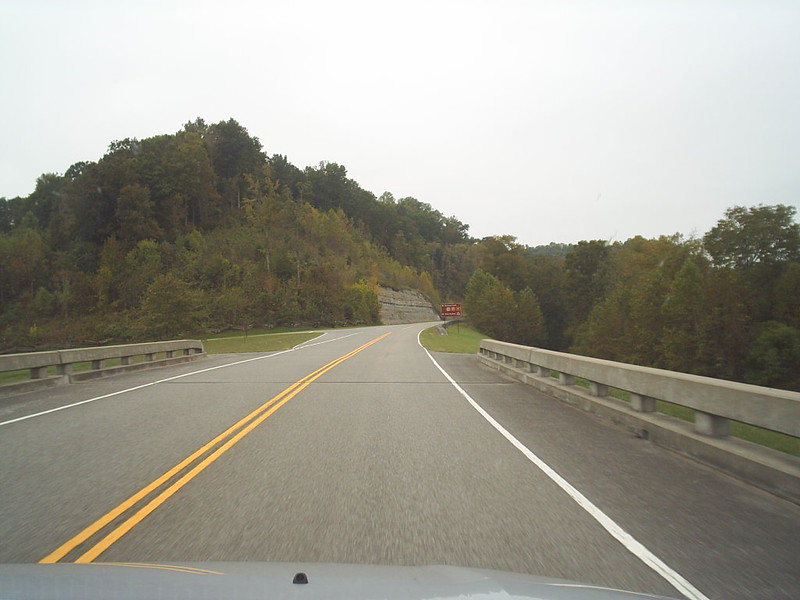
The Natchez Trace Parkway feels calm, almost too calm. It rolls through forest, history, and open scenery with a slow-road mood that makes it easy to drop your guard. But locals and park rangers know peaceful roads can still carry real risk.
The National Park Service says the Natchez Trace Parkway stretches 444 miles through three states and takes more than 10 hours to drive end to end. It also warns that the Parkway has lanes narrower than normal roadways and little to no shoulder for much of the route. Drivers are told to watch for bicyclists, road changes, signs, and distractions.
The hidden danger is the softness of the drive. It does not feel aggressive like a mountain pass. It feels gentle. That can lead to fatigue, wandering attention, or late reactions when deer, cyclists, or stopped vehicles appear ahead.
Cades Cove Loop Road: The Slow Scenic Route Where Crowds Create The Hazard
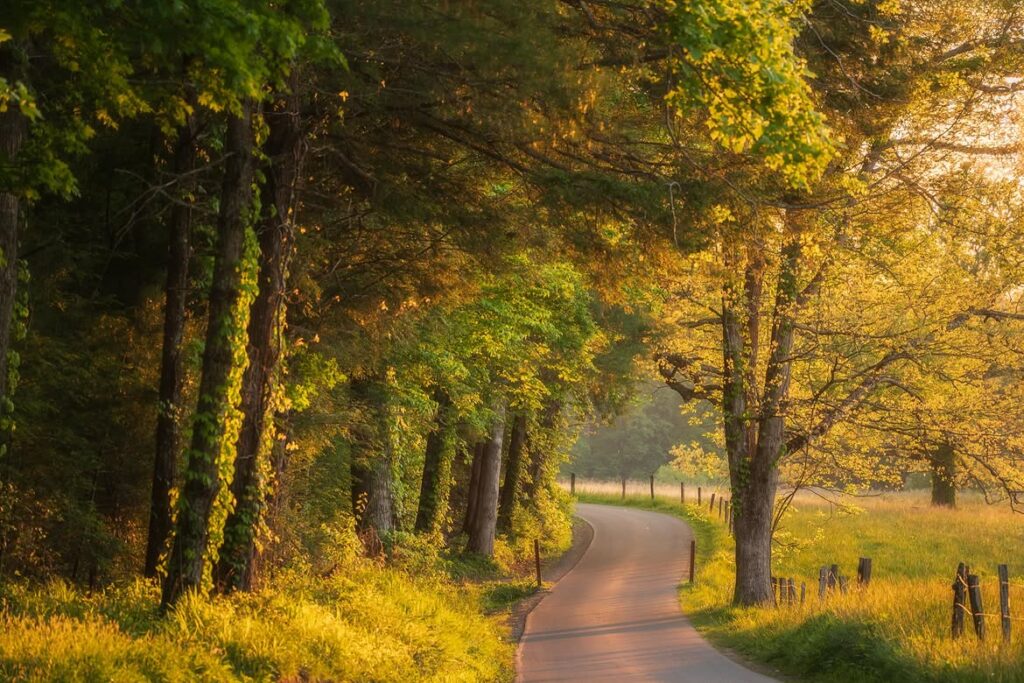
Cades Cove Loop Road is not terrifying because of speed. It is the opposite. The danger comes from slow traffic, distracted drivers, sudden stops, wildlife jams, cyclists, walkers, and visitors who forget they are still sharing a narrow road.
The National Park Service says Cades Cove Loop Road is open sunrise to sunset, weather permitting, and is closed to vehicles on Wednesdays during part of the year.
That limited road setup matters. On busy days, one stopped car can ripple through the entire loop. Someone sees a bear, a deer, an old cabin, or a mountain view, and the lane suddenly becomes unpredictable. This is a route where patience is more useful than speed.
I-40 Across the Cumberland Plateau: The Long Drive That Wears Drivers Down
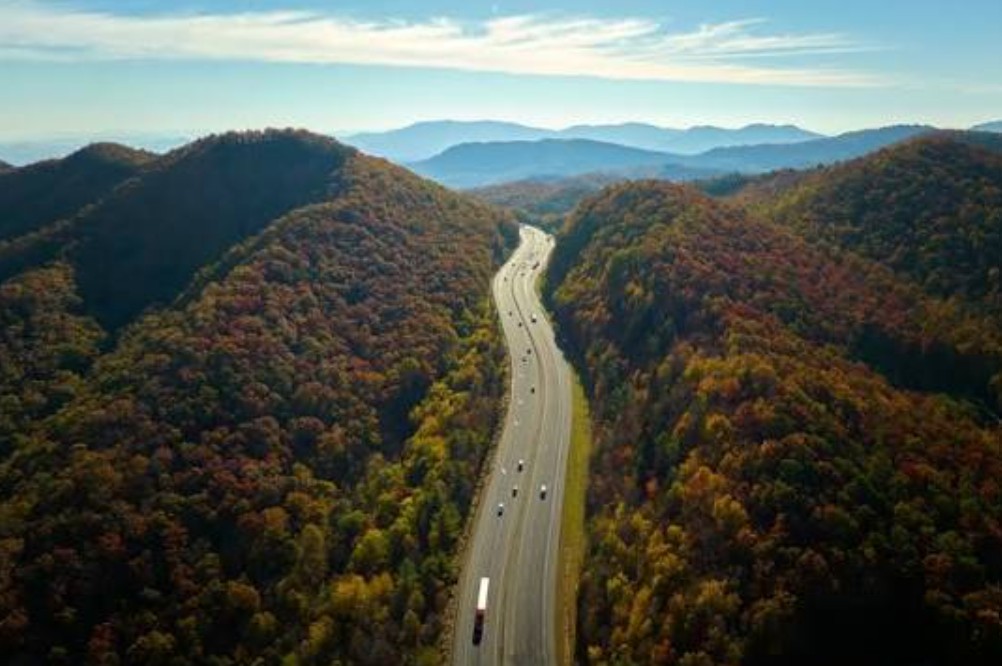
I-40 is not hidden in the usual sense, but its danger can be. Many people treat it as a simple cross-state drive between Nashville, Cookeville, Knoxville, and beyond. Locals know the plateau section can feel different after dark, in rain, or during heavy truck traffic.
The road asks drivers to stay alert through elevation changes, curves, long stretches, and fast-moving traffic. One moment can feel open and smooth. The next can bring brake lights, lane shifts, or a truck climbing slowly ahead.
This is the kind of Tennessee route that becomes risky because it feels routine. It is not a spooky backroad. It is a highway where tired drivers, speed, weather, and lane departures can turn an ordinary trip into a white-knuckle ride.
Why Locals Warn About These Tennessee Routes
The roads on this list are not all dangerous in the same way. Tail of the Dragon tests control. Monteagle tests braking and patience. Newfound Gap Road tests judgment in changing weather. Natchez Trace Parkway tests focus. Cades Cove tests calm. I-40 tests stamina.
That is what makes Tennessee driving so deceptive. The same state that gives you mountain views, forest roads, historic parkways, and quiet farmland also gives you fog, sharp curves, steep grades, animals, and dark rural pavement.
These routes are worth knowing about before you go. They are not roads to fear blindly, but they are roads to respect. In Tennessee, the best road trip is the one where you slow down enough to make it home with the story.