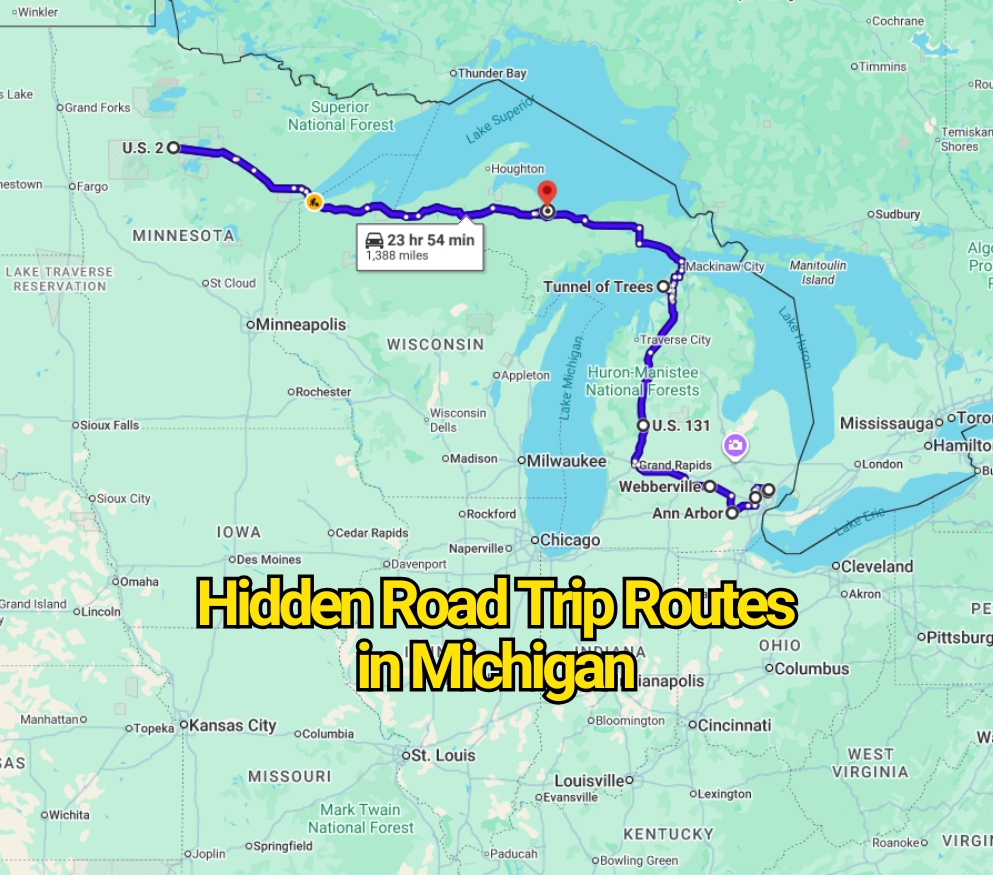
Michigan road trips can look calm on a map. A blue lake here, a forest drive there, a quick freeway run between two familiar cities. That is the trap. Some of the routes locals warn about are not abandoned backroads or horror-movie highways. They are everyday roads where speed, deer, work zones, heavy trucks, tight curves, and distracted drivers can turn a simple drive into a stressful one.
The numbers make the warning harder to ignore. Michigan recorded 288,880 traffic crashes and 1,099 fatalities in 2024, with crashes happening most often between 3 p.m. and 5:59 p.m. That means the riskiest drive is not always the late-night road trip people imagine. Sometimes it is the normal afternoon push, the shopping-road shortcut, or the scenic route everyone underestimates.
Why Michigan’s Most Dangerous Road Trips Do Not Always Look Dangerous
The strange thing about Michigan driving is that danger often hides behind familiar scenery. A road can run past lake towns, shopping centers, farms, or quiet woods and still carry a serious crash risk. Locals know this because they have driven these roads in bad weather, behind slow vacation traffic, near deer at dusk, and through freeway backups that appear with little warning.
This is why “hidden” does not always mean remote. In Michigan, a hidden road risk can be a busy Metro Detroit intersection, a Grand Rapids freeway ramp, a northern two-lane highway, or a curving lakeshore drive with no room for careless speed. The deadliest-feeling routes are often the ones that tempt drivers to relax too soon.
I-94 From Detroit To Ann Arbor
I-94 looks like a basic Michigan connector, but drivers know it can become tense quickly. The stretch between Detroit, the airport area, Ann Arbor, and Jackson carries commuters, truck traffic, airport travelers, and road-trippers all at once. A simple drive can shift from open pavement to brake lights in seconds.
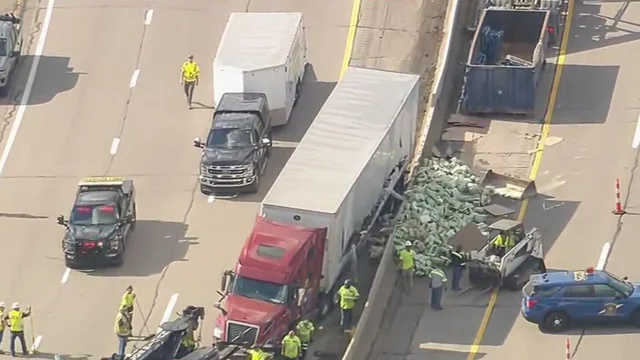
The real danger here is not mystery. It is volume, speed, lane changes, and surprise slowdowns. Michigan’s broader crash data shows that afternoon hours bring the highest crash totals, which makes this kind of freeway especially stressful during the late-day rush. That is why locals often treat I-94 with more caution than visitors expect.
US-131 Through Grand Rapids
US-131 through Grand Rapids is one of those roads that feels efficient until it suddenly does not. Ramps, lane shifts, fast commuters, and short reaction windows make the urban stretch feel sharper than a normal road trip route. It is not the scenic danger people post about. It is the everyday kind that catches people off guard.
One crash-data review found nearly 5,000 crashes on US-131 from Wyoming to Comstock Park between 2017 and 2021, with the Wealthy Street to Burton Street area standing out as a high-crash stretch. That explains why many local drivers do not treat this route casually, especially during peak traffic or bad weather.
Telegraph Road
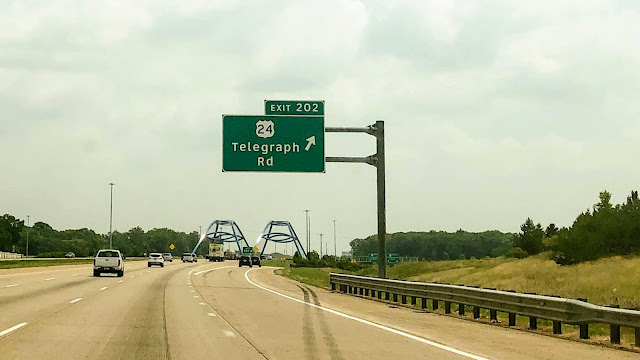
Telegraph Road is not a hidden mountain pass. It is worse in a more ordinary way. It runs through busy parts of Metro Detroit where drivers deal with signals, turning traffic, speeding, shopping traffic, and impatient lane changes. That kind of road can feel harmless because it is so familiar, but the crash numbers tell another story.
In 2024, Schoolcraft Road at Telegraph Road in Redford Township had 137 crashes and 26 injuries, while Telegraph Road at 12 Mile Road in Southfield had 106 crashes and 23 injuries. Those are not lonely-road numbers. They are signs of a corridor where small decisions at intersections can matter a lot.
Van Dyke Avenue Near I-696
Van Dyke Avenue near I-696 is another place locals often mention with a serious tone. The reason is simple: too many drivers, too many turns, too many lanes, and too little patience. It is the kind of place where a road trip can feel less like travel and more like survival through traffic.
The 11 Mile Road/I-696 area at Van Dyke Avenue in Warren ranked at the top of a 2024 dangerous-intersection report with 185 crashes and 26 injuries. That makes it one of the clearest examples of Michigan road danger hiding in plain sight rather than deep in the woods.
M-59 Hall Road
M-59, better known to many drivers as Hall Road, is packed with stores, restaurants, turning lanes, and impatient traffic. It feels like a normal suburban commercial road, but that is part of the problem. Drivers are often changing lanes for entrances, reacting to signals, or trying to beat traffic across a packed corridor.
In 2024, Hall Road/M-59 at Hayes Road and Hall Road at Schoenherr Road each appeared with 76 crashes in reporting on Michigan’s dangerous intersections. For road-trippers cutting across Macomb County, this route is not scenic in the traditional sense, but it can be one of the most tiring drives in the area.
I-96 Near Lansing And Webberville
I-96 can feel wide open outside the densest parts of Metro Detroit and Lansing, but that open feeling can be misleading. Rural and semi-rural freeway stretches still carry fast traffic and heavy trucks. When traffic stops suddenly, the space that once felt comfortable can become a serious risk.
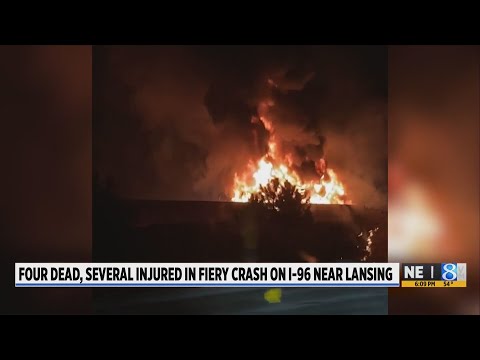
A major I-96 crash near Webberville in 2024 happened after vehicles were stopped for utility work, and authorities said a semitruck struck traffic that was already backed up. The crash left four people dead and 17 injured, making it a painful example of how quickly a normal freeway drive can change.
US-2 Across The Upper Peninsula
US-2 across the Upper Peninsula has the kind of views that make drivers want to slow down and stare. Long stretches, forest, lake air, and small-town stops make it feel like a classic Michigan road trip. But long rural routes bring their own risks, especially when drivers are tired, weather turns rough, or wildlife moves near the road.
Michigan recorded more than 58,000 deer-involved crashes in 2024, and official data shows deer crashes happened most often during morning and evening time windows. Northern and rural drives can feel peaceful, but deer activity makes dusk and dawn a time to stay alert.
M-28 Near Marquette
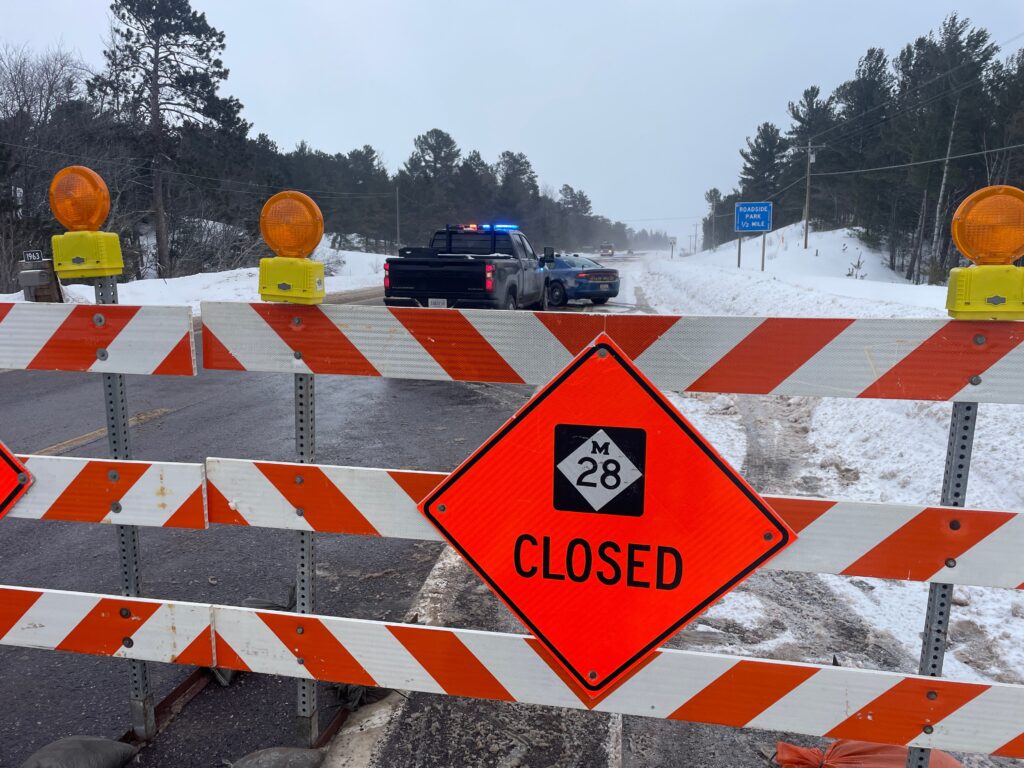
M-28 is one of those Upper Peninsula roads that can feel empty, wide, and quiet. That can make drivers feel safer than they really are. Snow, wind, lake-effect weather, and sudden visibility drops can make this route stressful during colder months.
The danger here is not constant traffic. It is the sudden switch from calm to difficult driving. A road that feels easy in summer can feel very different in winter, especially for visitors who are not used to Upper Peninsula conditions.
M-119 Tunnel Of Trees
M-119, known as the Tunnel of Trees, is one of Michigan’s most loved drives. That popularity can hide how demanding the road really is. The route north of Harbor Springs toward Cross Village is narrow, curving, and known for having no center line in places.
The official M-119 Tunnel of Trees Scenic Heritage Route site describes the road as narrow and curving, with conditions that can be challenging for large vehicles. That is why this drive should be treated like a slow scenic route, not a fast shortcut.
Michigan’s Hidden Road Trip Danger Is Often Timing
The most contrarian truth is that Michigan’s scary routes are not always scary because of the road itself. Timing can make the difference. Afternoon traffic, weekend travel, deer movement, construction season, and winter weather can turn an ordinary route into a risky one.
Work zones are a major part of that story. Michigan reported 6,731 work-zone-involved crashes and 28 work-zone fatalities in 2024, with work-zone crashes happening most often from 3 p.m. to 5:59 p.m. That lines up with the same late-day window that already brings high crash totals statewide.
Final Thoughts
The routes locals warn about are not always the ones outsiders expect. Some are famous scenic drives. Some are crowded suburban corridors. Some are freeways that look easy until traffic stops without much warning. That is what makes Michigan road trips tricky: the danger often comes wrapped in normal scenery.
A smarter Michigan road trip means slowing down before curves, staying alert near deer-heavy areas, giving trucks more room, watching work-zone signs, and refusing to rush through roads that already have a reputation. The best drive in Michigan is not the fastest one. It is the one you finish safely.