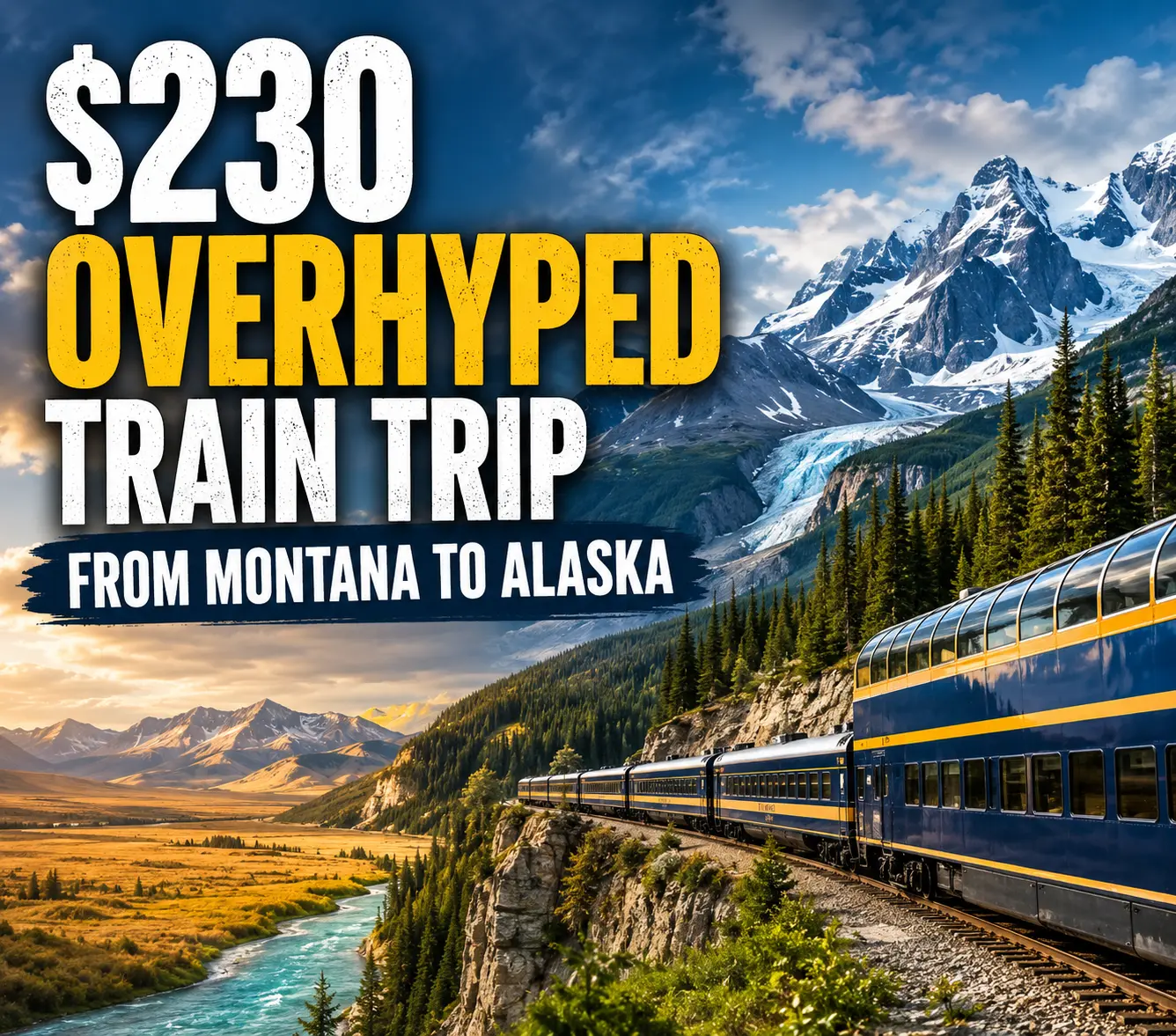
There is a certain kind of travel headline that sounds too good to question. A train trip from Montana to Alaska for around $230 feels like one of those rare American adventures hiding in plain sight, the kind of journey that makes road trips seem boring and flights feel lazy. Snowy mountains, deep forests, lonely stations, and a slow roll into the far north all sound perfect on paper.
But here is the part nobody tells you fast enough: this is not a clean Montana-to-Alaska train ride. There is no single rail line where you board in Montana, sleep through a few wild landscapes, and wake up in Alaska. The trip is more complicated, more expensive, and far less smooth than the headline makes it sound.
That does not mean the idea is useless. It means the trip needs to be explained honestly. For travelers who love slow movement, strange route planning, and the feeling of crossing big empty spaces without rushing, this journey can still be memorable. For anyone expecting a simple $230 ticket to Alaska by train, it may feel badly oversold.
Why This Train Trip Sounds Better Than It Really Is
The phrase “Montana to Alaska by train” works because both places already feel cinematic. Montana brings up images of Glacier country, Big Sky views, pine-covered slopes, and small stations where the train still feels like an event. Alaska adds another layer with glaciers, coastal towns, long daylight, and rail lines that pass through some of the most dramatic northern scenery in the country.
The problem is that the rail map does not match the fantasy. Amtrak can take you through Montana on the Empire Builder, one of America’s classic long-distance routes. It passes through places like Whitefish, West Glacier, East Glacier Park, and Shelby before continuing west toward Washington. That portion can feel like the beginning of a true northern expedition.
Then the illusion cracks. Once you reach the Pacific Northwest, the train does not keep going to Alaska. You either need to connect by ferry, flight, cruise, or a different travel plan altogether. That is why calling this a $230 train trip from Montana to Alaska is catchy, but incomplete.
The Real Route Behind The $230 Headline
The most believable version of this trip starts in Montana, often from Whitefish or another Empire Builder stop, and moves west by Amtrak toward Seattle or Portland. The train ride itself can be beautiful, especially if you catch daylight through the mountain sections and forests near the northern Rockies.
From there, the route becomes less like a train journey and more like a patchwork adventure. Travelers may continue toward Bellingham, Washington, where the Alaska Marine Highway ferry system begins its long run north. Others fly from Seattle into Anchorage or Fairbanks, then ride the Alaska Railroad after arriving in the state.
That is where the “overhyped” part becomes fair. The $230 figure may sound like the cost of the whole adventure, but in real planning it is closer to a possible starting point for part of the journey. Once ferry fares, Alaska trains, food, lodging, transfers, and schedule gaps enter the picture, the total can climb quickly.
Montana To Seattle Is The Easy Part
The Montana section is the part that actually feels like the dream. Amtrak’s Empire Builder gives travelers a slow and scenic ride through one of the most beautiful rail corridors in the Lower 48. If you board from Whitefish, West Glacier, or East Glacier Park, the trip already carries that rugged northern mood people expect from an Alaska-bound adventure.
This is the segment that makes the headline tempting. You can sit back, watch the land shift outside the window, and feel like you are moving across a wilder part of America without needing to drive. The train has coach seating, wide windows, and enough room to stretch, which makes it far more relaxed than a cramped flight.
Still, the romance depends heavily on timing. Some of the best views can pass in darkness depending on the schedule, season, and delays. That is one reason this trip gets oversold online. The idea sounds endless and scenic, but the real experience can include midnight station stops, tired passengers, long waits, and missed scenery.
The Alaska Gap Nobody Mentions
The biggest issue is the gap between the Lower 48 rail system and Alaska. A traveler can ride Amtrak across Montana, but there is no passenger train bridge from Washington, Canada, or Montana into Alaska. The land distance is enormous, the geography is difficult, and the existing passenger rail networks do not connect that way.
This is where many casual travel posts get slippery. They may describe a “train trip to Alaska” when the actual route involves a ferry, a flight, or a separate Alaska Railroad ticket after arrival. That is not a small detail. It changes the price, schedule, comfort level, and entire meaning of the trip.
For some travelers, the gap adds adventure. For others, it makes the trip feel like a bait-and-switch. If you wanted one continuous train ride, this is not it. If you wanted a strange northern journey using trains, ferries, and patience, then the route starts to make more sense.
What The Alaska Railroad Actually Offers
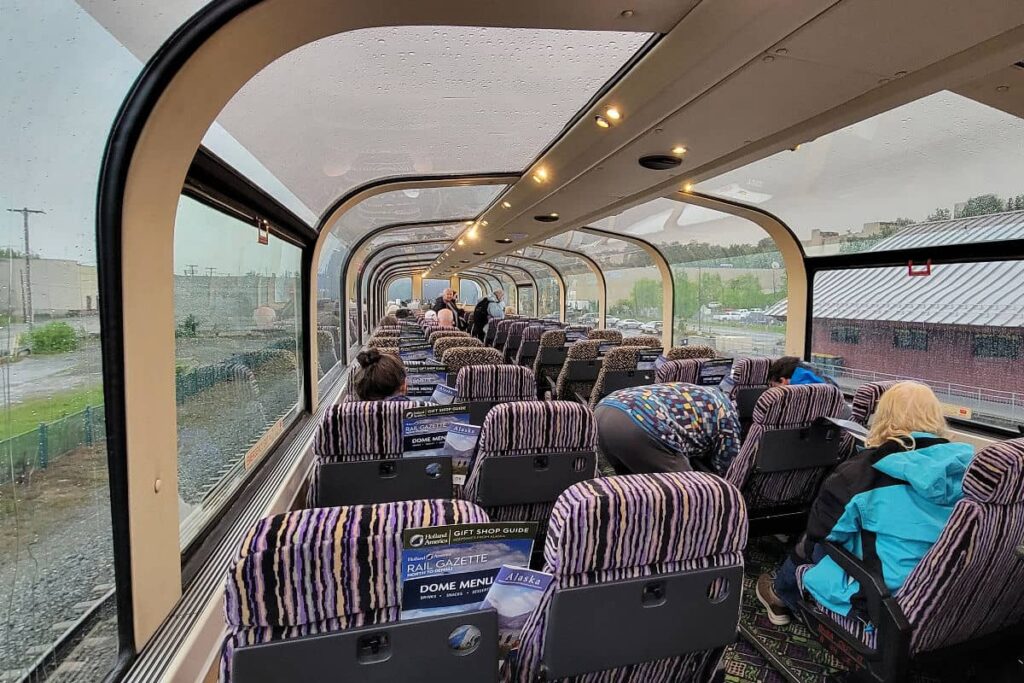
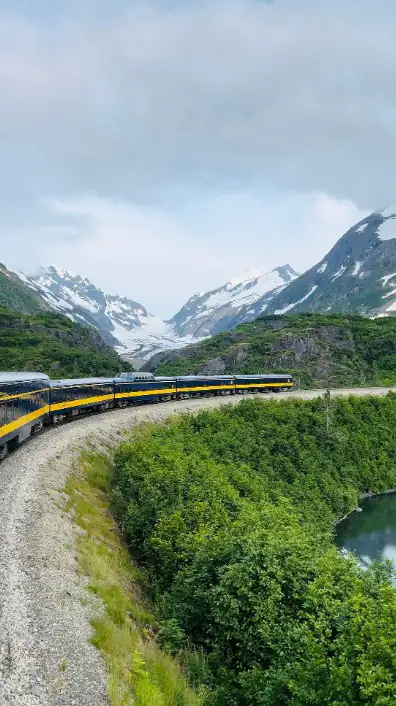
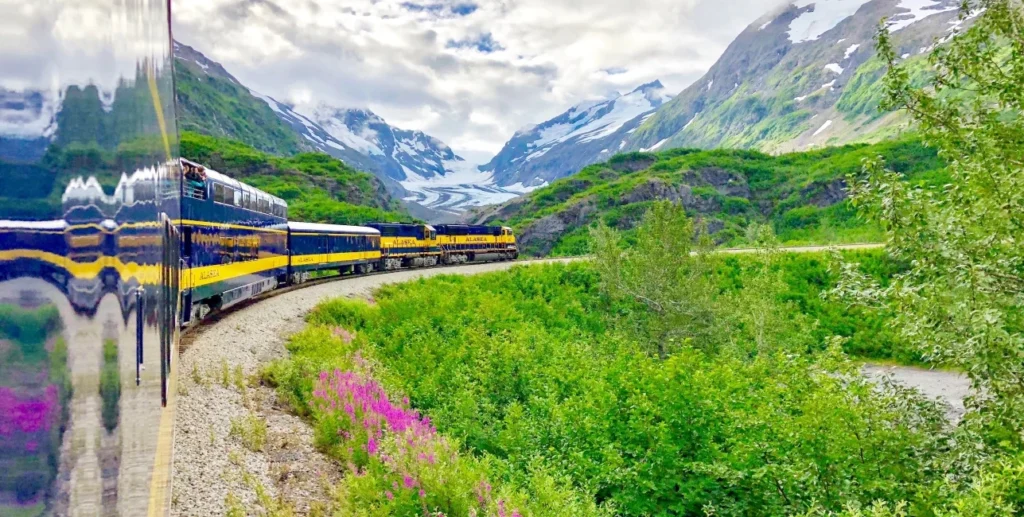
Once you are in Alaska, the rail experience becomes real again. The Alaska Railroad runs through some of the state’s most famous travel corridors, including routes between Seward, Anchorage, Denali, and Fairbanks. This is the part of the journey that delivers the dramatic northern scenery people imagine.
The views can be outstanding. Depending on the route, passengers may see mountains, rivers, forests, coastal water, and wide-open stretches that feel far removed from ordinary travel. The Alaska Railroad is often the best part of the entire idea, but it is not an extension of Amtrak.
That distinction matters. You are not continuing the same ticket from Montana. You are starting a new rail experience inside Alaska. It may still be worth doing, but it should be sold as a separate chapter, not as proof that a $230 Montana-to-Alaska train ride exists.
Is The $230 Price Realistic?
The $230 number is possible only if the claim is framed carefully. A coach fare from Montana toward the Pacific Northwest may sometimes fit around that range depending on the date, station, and booking window. But that does not cover a full journey into Alaska.
Once you add the next steps, the budget changes. Getting from Seattle or Bellingham into Alaska can cost much more than the Montana train segment. The ferry can be slow and schedule-dependent. Flying can be faster but breaks the rail adventure feeling. The Alaska Railroad adds its own ticket cost after you arrive.
So the honest answer is this: $230 may get you moving west from Montana, but it should not be treated as the full Alaska adventure. The title works as a hook because it sounds almost too good. The truth is that it is too neat to be fully true.
Why Travelers Still Talk About It
Even with the hype, the idea keeps pulling people in because it offers something modern travel has mostly lost. It gives you a reason to move slowly across the map. Instead of jumping from airport to airport, you watch distance happen. You feel Montana fade behind you. You reach the coast. You make a choice about how far north you are willing to keep going.
That slow movement has a strange power. The route asks for patience, and that patience becomes part of the story. You are not just buying transportation. You are buying time to stare out the window, listen to the train at night, and measure the country by hours instead of miles.
But that is also why this trip is not for everyone. If your goal is efficiency, it will annoy you. If your goal is a cheap Alaska vacation, the hidden costs may disappoint you. If your goal is a messy, memorable journey with a little bragging value, then the trip starts to make more sense.
Who Should Actually Try This Trip?
This journey is best for travelers who understand that the route is not clean. It fits people who enjoy planning, who can handle delays, and who do not panic when a trip includes awkward transfers. It also works better for travelers who see the Alaska part as a bonus rather than a guaranteed bargain.
Rail fans may enjoy the Montana-to-Pacific Northwest section on its own. Slow travelers may enjoy adding the ferry because it turns the trip into a rare land-and-sea adventure. Alaska-focused travelers may prefer to fly north first, then spend their money on the Alaska Railroad where the scenery is more direct and rewarding.
The wrong traveler is someone who expects one easy ticket, one smooth route, and one low price. This is not that kind of trip. The marketing makes it sound simple. The map says otherwise.
The Better Way To Think About It
Instead of calling this a $230 train trip from Montana to Alaska, it is better to call it a northern rail adventure that starts in Montana and can lead toward Alaska if you are willing to add extra pieces. That sounds less viral, but it is more useful.
The Montana section gives you the classic Amtrak feeling. The Pacific Northwest gives you the transfer point. The ferry or flight gets you into Alaska. The Alaska Railroad gives you the dramatic final act. Put together, it can become a big, strange, unforgettable journey.
But it is not a hidden bargain in the simple way some travelers want it to be. It is a complicated route with a beautiful first act, a confusing middle, and a potentially stunning ending.
Final Thoughts
The $230 train trip from Montana to Alaska is overhyped because the headline leaves out the most important truth: the train does not go all the way. There is no direct passenger rail line from Montana into Alaska, and anyone planning this trip should know that before falling for the romance of the idea.
Still, the concept has value if you approach it correctly. Ride the Empire Builder through Montana for the mountain-country experience. Continue toward the Pacific Northwest if you want the longer rail story. Then decide whether Alaska is worth adding by ferry, flight, or a separate Alaska Railroad journey.
As a cheap, simple train ride to Alaska, the trip disappoints. As a slow, unusual, half-rail, half-northern adventure, it may be exactly the kind of travel story people remember long after the ticket price stops mattering.