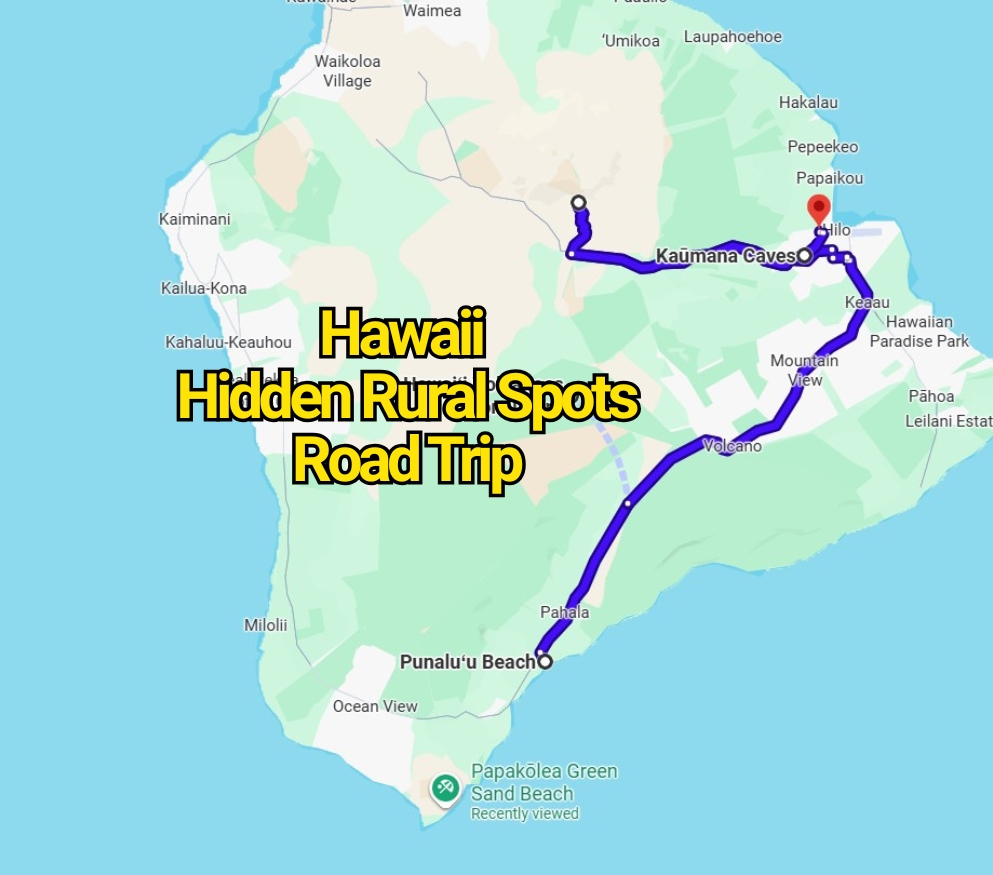
Hawaii is famous for Waikiki, Maui’s resorts, and packed scenic overlooks, but the islands become far more interesting once you leave the busiest roads behind. Small plantation towns, quiet coastal lanes, misty valleys, and inland farming communities reveal a slower side of Hawaii that many visitors never see. This road trip map focuses on those lesser-known corners where local culture, rugged scenery, and peaceful stops take center stage.
Instead of rushing between famous beaches and crowded attractions, this route leads through rural areas where the landscape still shapes everyday life. You may pass roadside fruit stands, old sugar mill towns, black-lava coastlines, ranch country, and mountain roads surrounded by thick greenery. Some stops appear modest at first, yet they often provide the most memorable moments of the entire journey.
This Hawaii road trip is ideal for travelers who want more than the standard island itinerary. The map connects hidden communities, remote viewpoints, uncrowded beaches, and scenic backroads in a practical order, making it easier to experience Hawaii beyond the usual tourist trail. Fill the gas tank, keep your schedule flexible, and prepare to see a side of the islands that feels quieter, rawer, and deeply local.
1. Mauna Kea: Hawaii’s Towering Summit Above the Clouds
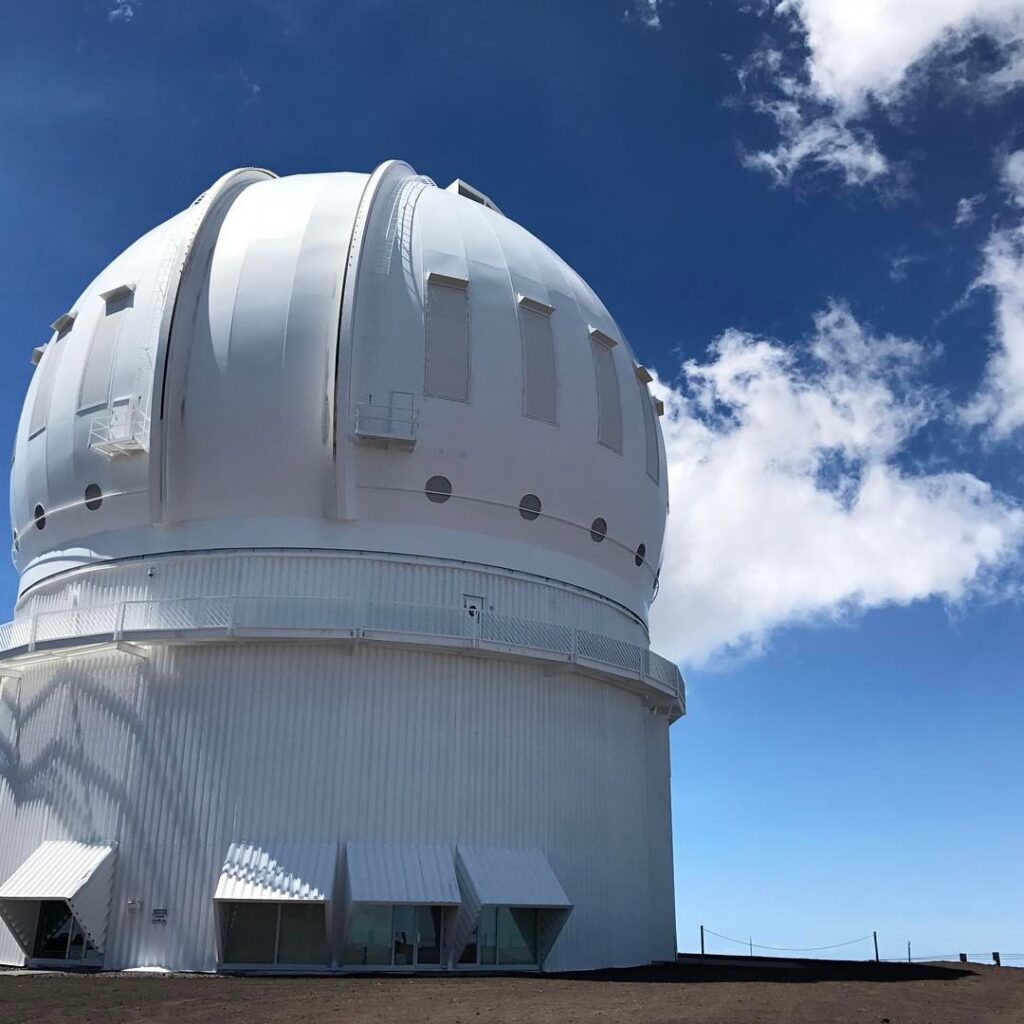
Rising 13,796 feet above sea level, Mauna Kea claims the title of Hawaii’s highest point. The journey upward passes through dramatically changing terrain, eventually reaching a stark summit where clouds often drift far below the roadway. Its immense height and isolated setting make the mountain feel worlds apart from Hawaii’s warm beaches and tropical coastlines.
The mountain becomes even more remarkable when measured from its base beneath the Pacific Ocean. From that deep starting point to the summit, Mauna Kea stretches beyond 33,000 feet, making it taller than Mount Everest by total base-to-peak measurement. Much of that colossal structure remains hidden underwater, leaving only its upper portion visible above the island.
Mauna Kea’s summit is also recognized for its major astronomical observatories. High elevation, dry air, and limited atmospheric interference create exceptional conditions for studying distant stars, planets, and galaxies. A visit here delivers sweeping volcanic scenery during the day and an extraordinary view of the night sky after sunset.
2. Kaumana Caves: A Shadowy Lava Tube Beneath Hilo
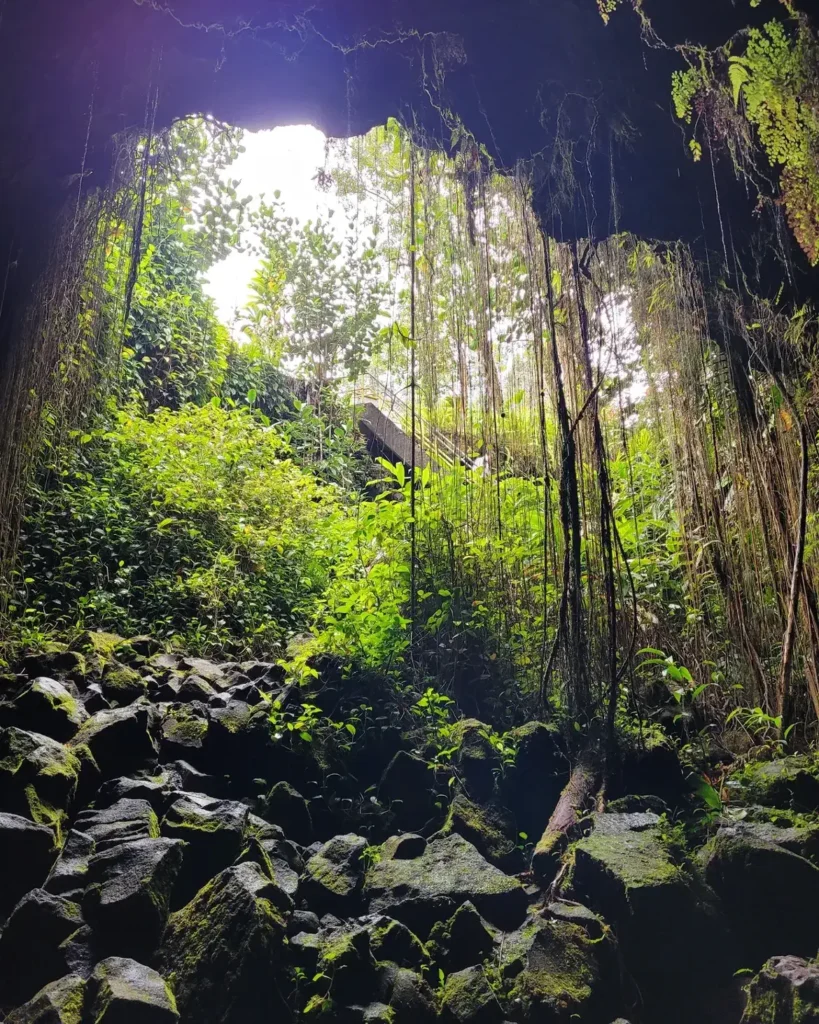
Thurston Lava Tube may receive most of the attention in Hawaii Volcanoes National Park, yet Kaumana Caves offers a rougher and far less polished underground experience. Located just outside Hilo, this lava tube begins at a collapsed skylight where a short staircase leads beneath the forest floor.
Inside, daylight fades quickly as the passage stretches into deep darkness. Tree roots and hanging vines reach down through openings above, while damp volcanic walls create an eerie setting shaped by an old lava flow. The uneven ground, sharp rocks, and low ceiling sections make the cave feel far removed from a typical roadside attraction.
Kaumana Caves extends for roughly two miles, though casual visitors usually remain near the entrance area. Anyone entering should carry a dependable flashlight, wear sturdy footwear, and avoid venturing farther than their comfort level allows. Its raw formation and quiet atmosphere make it one of the Hilo area’s most striking rural stops.
3. Waianuenue Falls: The Rainbow Waterfall Near Hilo
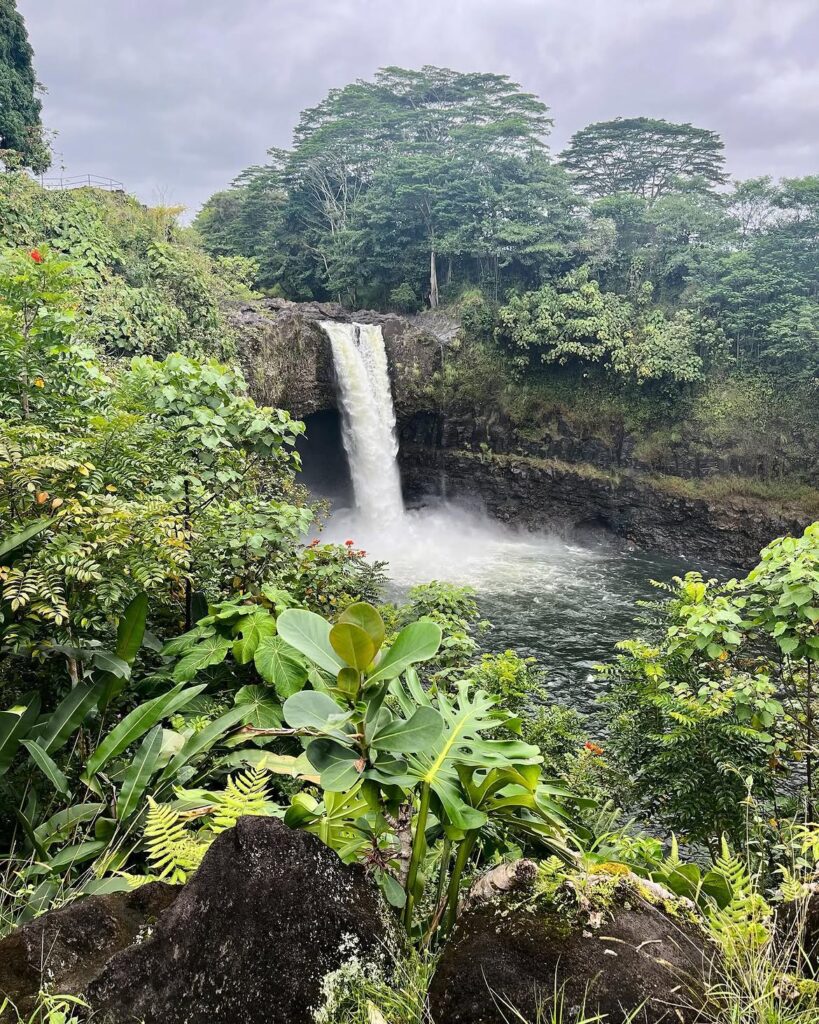
Waianuenue Falls tumbles over a broad lava ledge into a pool framed by thick tropical growth. Better known as Rainbow Falls, this roadside stop near Hilo offers a dramatic view without requiring a long or difficult hike. The main overlook sits only a short distance from the parking area, making it an easy addition to a Hawaii road trip.
A brief trail leads upward to a viewpoint near the top of the falls, where visitors can watch the Wailuku River approach the rocky drop. Massive banyan trees and dense foliage give the upper area a wilder character, while the sound of rushing water grows stronger near the river.
Sunny mornings provide the best chance to see colorful mist forming above the pool. That fleeting rainbow explains the waterfall’s Hawaiian name, “Waianuenue,” meaning rainbow water. Arriving early also brings softer light and fewer visitors around the main overlook.
4. Hawaiʻi Volcanoes National Park: Lava Fields, Craters, and Wild Island Roads
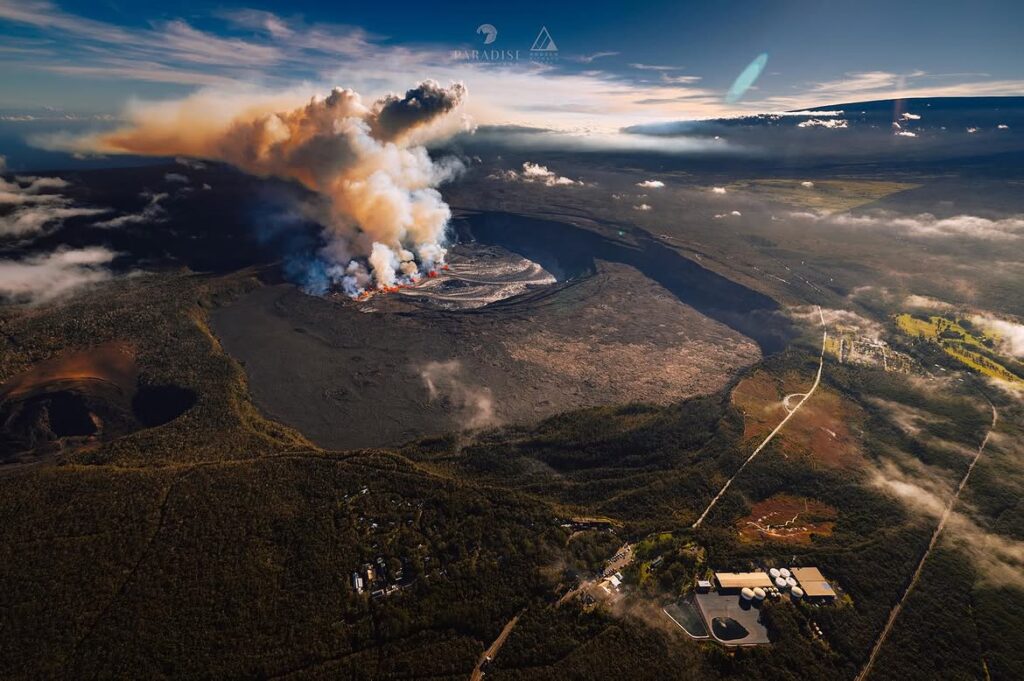
Hawaiʻi Volcanoes National Park is one of the Big Island’s most commanding stops, whether you are visiting for the first time or returning after years away. The park spreads across an enormous volcanic landscape shaped by fire, rain, wind, and repeated eruptions. Steaming vents, hardened lava, forested trails, and crater views make nearly every mile feel dramatically different.
Kīlauea Caldera is a natural starting point, offering a broad look across one of Hawaii’s most active volcanic areas. From there, the Thurston Lava Tube leads through a tunnel formed by flowing lava, while nearby paths cross old lava fields where black rock stretches across the ground in rippled patterns.
Chain of Craters Road adds another layer to the experience. The route descends from higher volcanic terrain toward the coast, passing craters, lookout points, and sweeping fields of cooled lava along the way. With hiking trails ranging from brief walks to longer backcountry routes, the park can fill a few hours or an entire day.
5. Punaluʻu Black Sand Beach: Volcanic Shores and Resting Sea Turtles
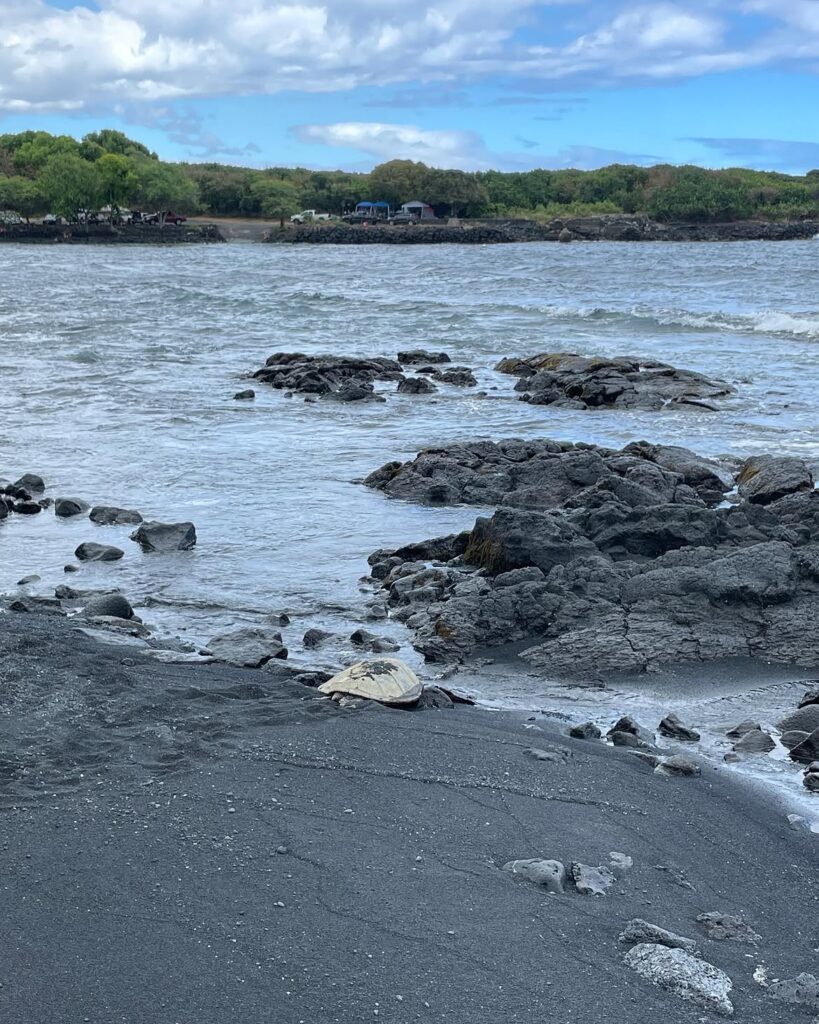
Punaluʻu Black Sand Beach sits between Hawaiʻi Volcanoes National Park and the small community of Nā‘ālehu on the Big Island. Its dark shoreline was formed from volcanic material, creating a sharp contrast against the blue water, swaying palms, and green coastal vegetation.
The beach is also known as a resting place for honu, or Hawaiian green sea turtles. Visitors may spot them lying on the warm sand or moving slowly through the shallows. They should always be viewed from a respectful distance, without touching, feeding, or blocking their path.
Punaluʻu is easy to include on a southern Big Island road trip and offers more than a quick photo stop. The unusual sand, rugged coastline, and frequent turtle sightings give the area a quiet, almost otherworldly character that stands apart from Hawaii’s better-known golden beaches.
You may also like :