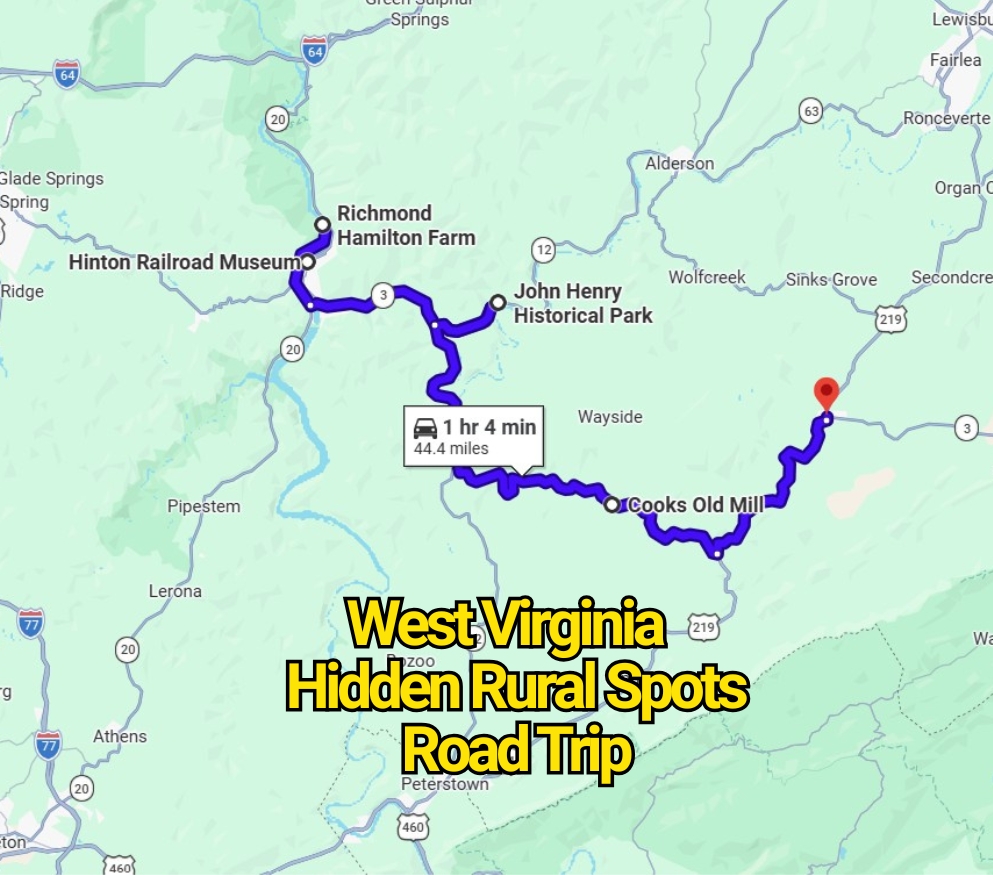
Country roads feel especially rewarding in West Virginia, where every bend can reveal forested hills, quiet valleys, and traces of the state’s past. This rural road trip connects six countryside stops that bring together natural scenery and historic character without requiring a full day of travel.
The route takes just over an hour of total driving, leaving plenty of time to pause, walk around, take photos, and enjoy each destination. Rather than rushing between distant attractions, travelers can move at an easy pace while seeing places that often remain outside the usual tourist circuit.
Another reason this West Virginia drive works so well is its affordability. The short distance keeps fuel costs low, yet the journey still feels packed with worthwhile scenery and meaningful stops. It is an ideal choice for anyone who wants a simple countryside escape with plenty of beauty and local history.
1. Union: A Countryside Beginning Along the Heritage Quilt Trail
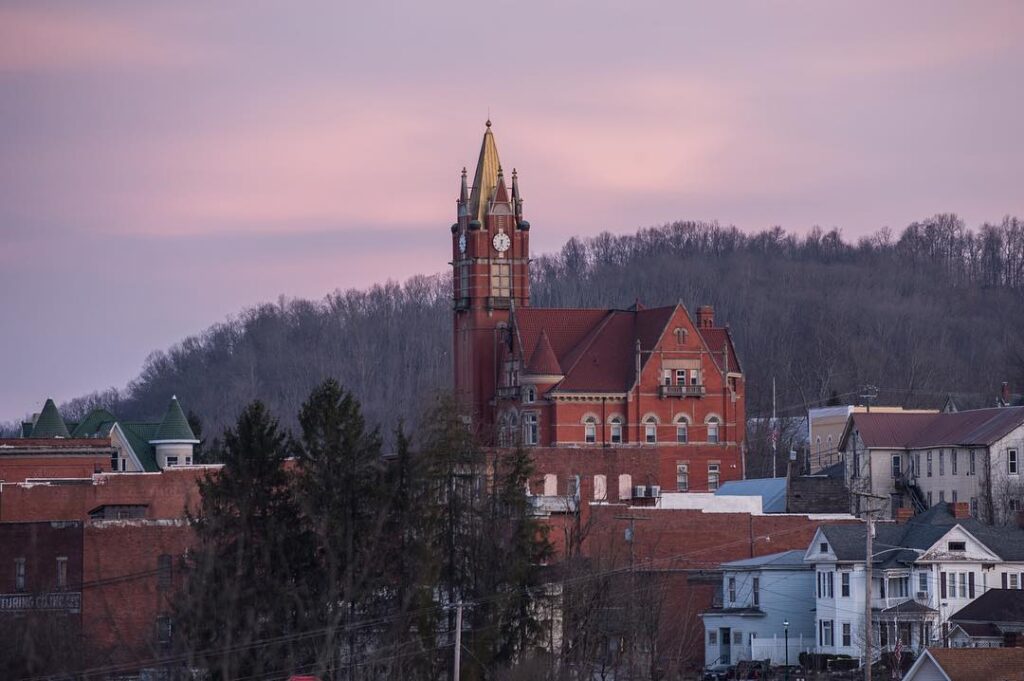
Union makes a fitting first stop for a West Virginia road trip through Monroe County. The Heritage Quilt Trail winds through the surrounding countryside, where painted quilt blocks appear on barns and rural buildings, adding small bursts of color to the open landscape.
Green pastures stretch beneath rounded hills, while distant mountains give the route a rugged backdrop. Weathered barns, narrow country lanes, and farmland create the kind of scenery that encourages drivers to slow down rather than rush through.
The area feels calm without seeming empty. Union offers a gentle introduction to rural West Virginia, pairing local heritage with broad views and an old-fashioned country atmosphere that sets the mood for the rest of the journey.
2. Cooks Old Mill: A Quiet Historical Stop in Greenville
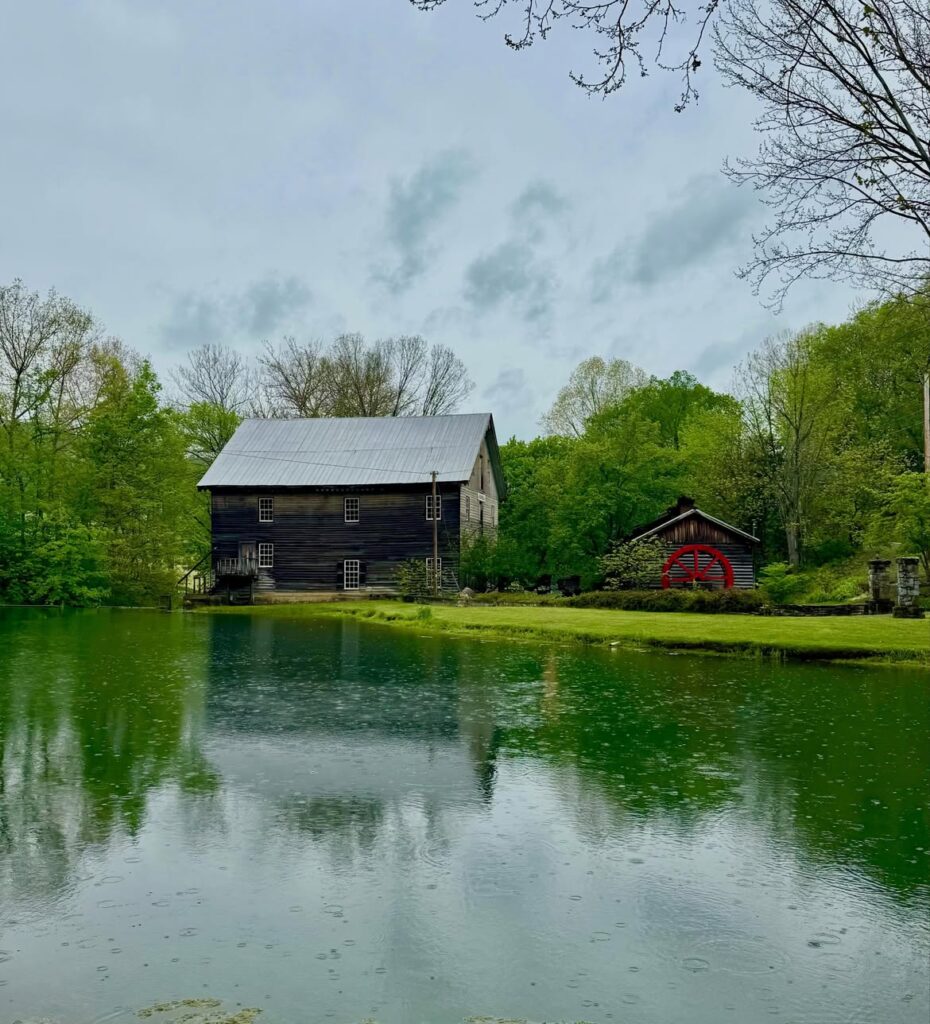
After winding along Monroe County’s rural backroads, continue to Cooks Old Mill in Greenville. This privately owned historical park offers a welcome pause from the drive, with an old mill, leafy grounds, and a setting that feels pleasantly removed from busier attractions.
Visitors can stretch their legs, wander beside the weathered structure, and spend a little time near the water. The preserved mill adds a strong sense of West Virginia history, while the surrounding landscape makes the stop feel calm and unhurried.
Cooks Old Mill may be small, but it brings plenty of character to the route. It is an easy place to slow the pace, take photographs, and enjoy a restful break before returning to the countryside roads.
3. John Henry Historical Park: Where a Legendary American Story Lives
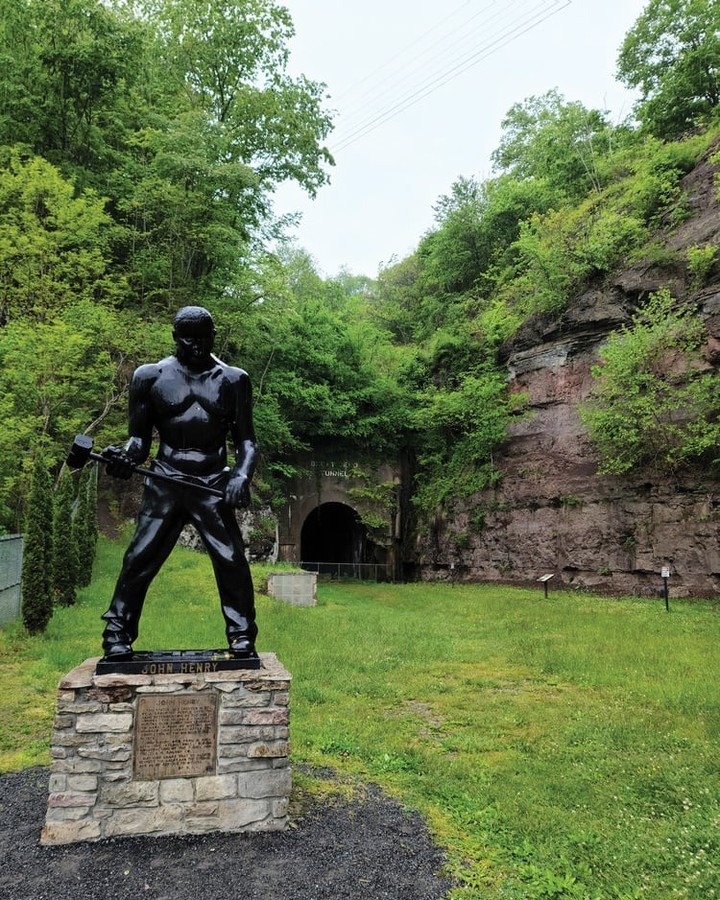
John Henry Historical Park brings one of America’s best-known folk legends into a real West Virginia setting. The story follows John Henry, a powerful railroad worker said to have competed against a steam-powered drill while cutting through a mountain.
According to local tradition, the famous contest took place near Talcott during the construction of the Great Bend Tunnel. The park shares this railroad history through interpretive displays, monuments, and details connected to the workers who helped carve a passage through the Allegheny Mountains.
This stop gives the road trip a deeper cultural edge beyond scenic countryside views. Visitors can learn how regional history grew into a national legend, making the park one of the route’s most meaningful and memorable destinations.
4. Hinton Railroad Museum: Tracing West Virginia’s Rail Legacy
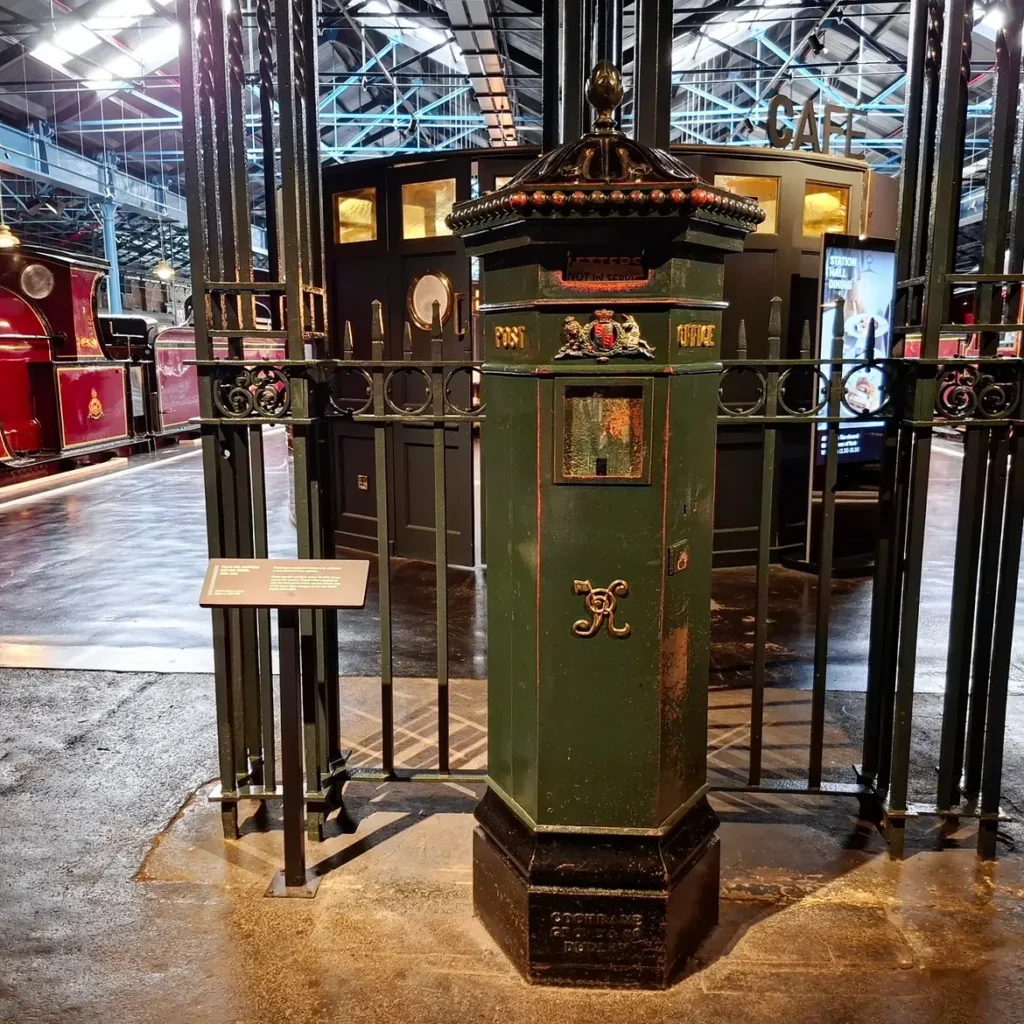
Hinton Railroad Museum may feel less secluded than the other stops on this rural drive, yet it fits the route perfectly. The museum explains how rail lines became essential threads connecting West Virginia’s mountain towns, river valleys, and distant communities.
Inside, visitors can examine photographs, artifacts, equipment, and exhibits tied to the region’s railroad era. These displays reveal how trains carried coal, goods, workers, and passengers across terrain that often made ordinary travel difficult.
The stop adds valuable context to the miles of track seen throughout the state. Hinton’s railroad story proves that even West Virginia’s remotest corners were linked by an expansive transportation network that shaped local growth and daily life.
5. Historic Subsistence Farms: A Glimpse Into Rural Mountain Life
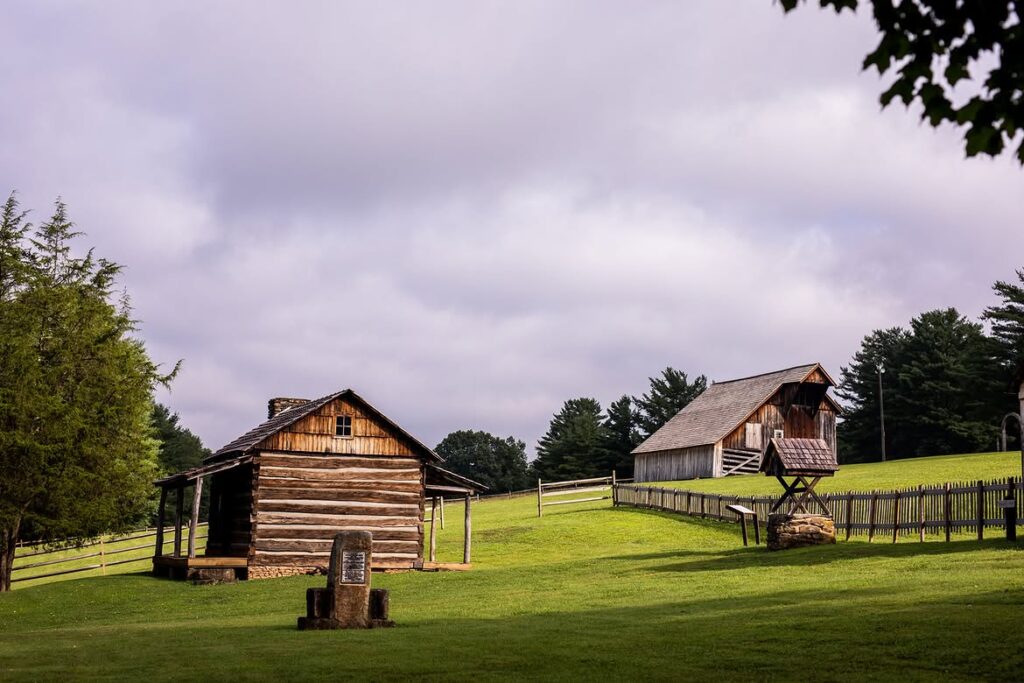
The countryside may appear peaceful today, but life in West Virginia’s remote backcountry once demanded constant labor and resilience. Two preserved subsistence farms along the road to Sandstone Falls reveal how families survived by raising crops, caring for livestock, and relying heavily on the land.
Trump-Lilly Farm and Richmond-Hamilton Farm now form part of New River Gorge National Park and preserve traces of that demanding lifestyle. Old structures, fields, and household remains help visitors picture the daily routines of families who lived far from stores, paved roads, and modern conveniences.
These farms add a more thoughtful layer to the road trip. Rather than presenting rural life as simple or effortless, they show the skill, endurance, and resourcefulness required to build a home in West Virginia’s mountain country.
You may also like :