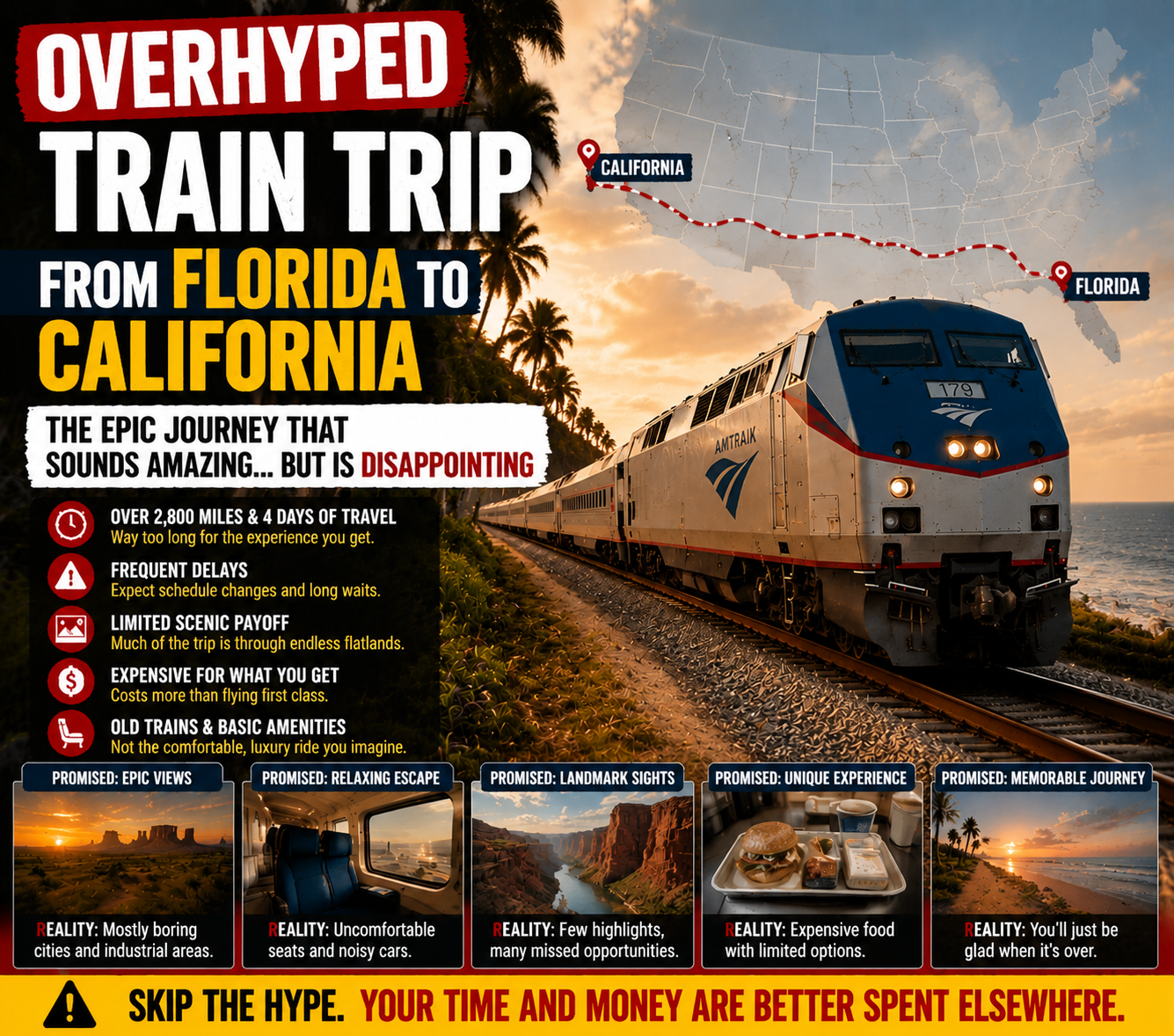
It sounds almost too simple to be real. A cross-country train ride from Florida to California for around $280? In an era where short domestic flights routinely climb past that number, the idea feels like a travel glitch someone accidentally left in the system.
But here’s the contradiction: the trip is real in structure, but misleading in interpretation. There is no single “Florida to California $280 train ticket.” What exists instead is a layered rail journey that only sometimes falls into that price range when timing, routing, and demand align perfectly.
That gap between perception and reality is exactly why this route keeps resurfacing online.
Why the $280 Train Trip Exists as a Myth and a Method at the Same Time
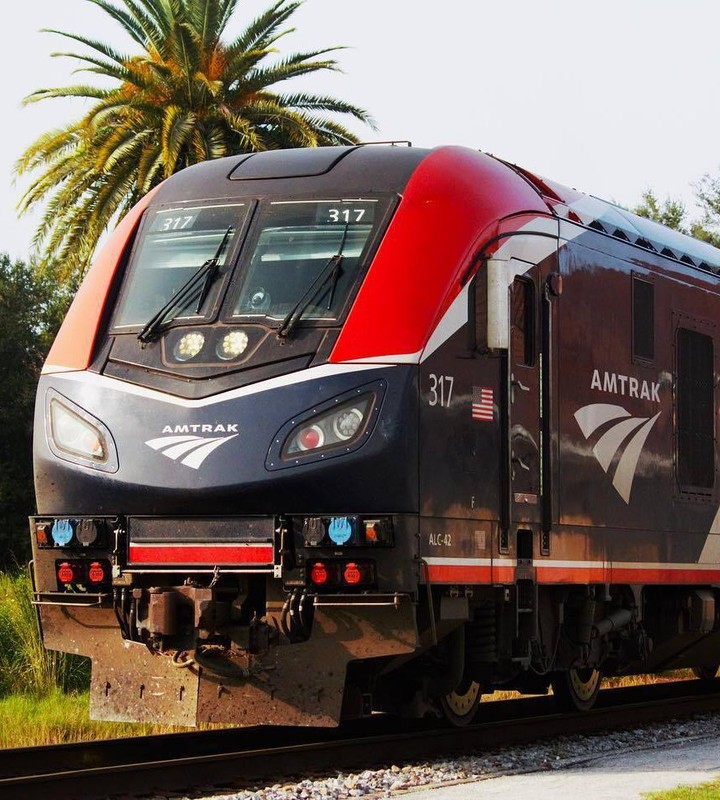
The biggest misunderstanding is assuming Amtrak offers a fixed coast-to-coast fare between Florida and California. It doesn’t. Instead, long-distance travel in the United States rail system is built around separate routes that connect through major hubs.
What people refer to as the “$280 trip” is usually a combination of discounted coach fares across multiple segments, stitched together in a way that happens to land near that number under ideal conditions. It is less of a product and more of a pricing coincidence shaped by timing and availability.
That is why some travelers swear they have seen it, while others never come close to it. Both experiences are true, just happening under different fare conditions.
The Hidden Rail Path That Makes the Journey Possible
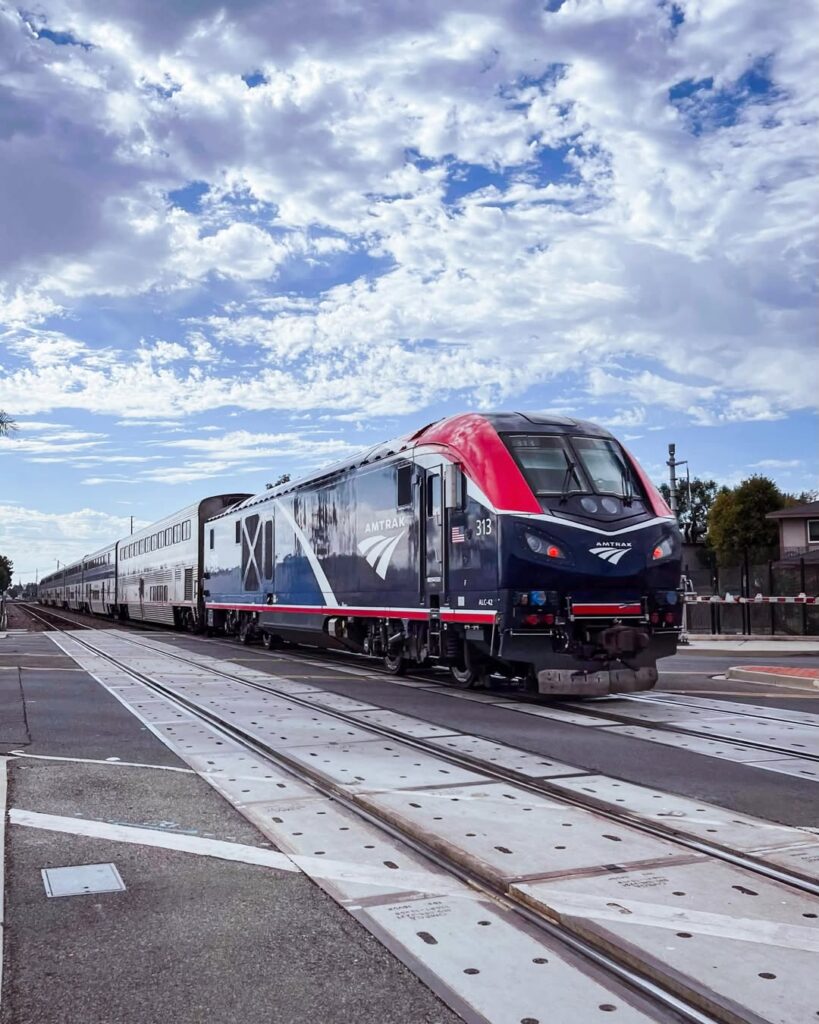
The journey typically begins in Florida, where regional Amtrak services connect coastal cities like Miami, Orlando, and Tampa into the wider national network. From there, the rail line moves north and west toward New Orleans, passing through subtropical landscapes that slowly shift into the deeper rhythm of the American South.
New Orleans becomes the critical turning point. It is one of the key rail gateways where southern routes merge into long-distance national corridors. From this point, the journey continues toward the Midwest through one of Amtrak’s most recognized long-haul lines, gradually shifting the scenery from river valleys and farmland into broad plains.
The next major transformation happens when the route reaches Chicago, the central hub of American rail travel. From here, the final stretch toward California unfolds across dramatically different terrain, where deserts, mountains, and wide-open western skies replace everything seen earlier in the trip.
What makes this route compelling is not just the distance, but how seamlessly the environment changes without leaving your seat.
Why the Experience Feels Nothing Like a Cheap Ticket
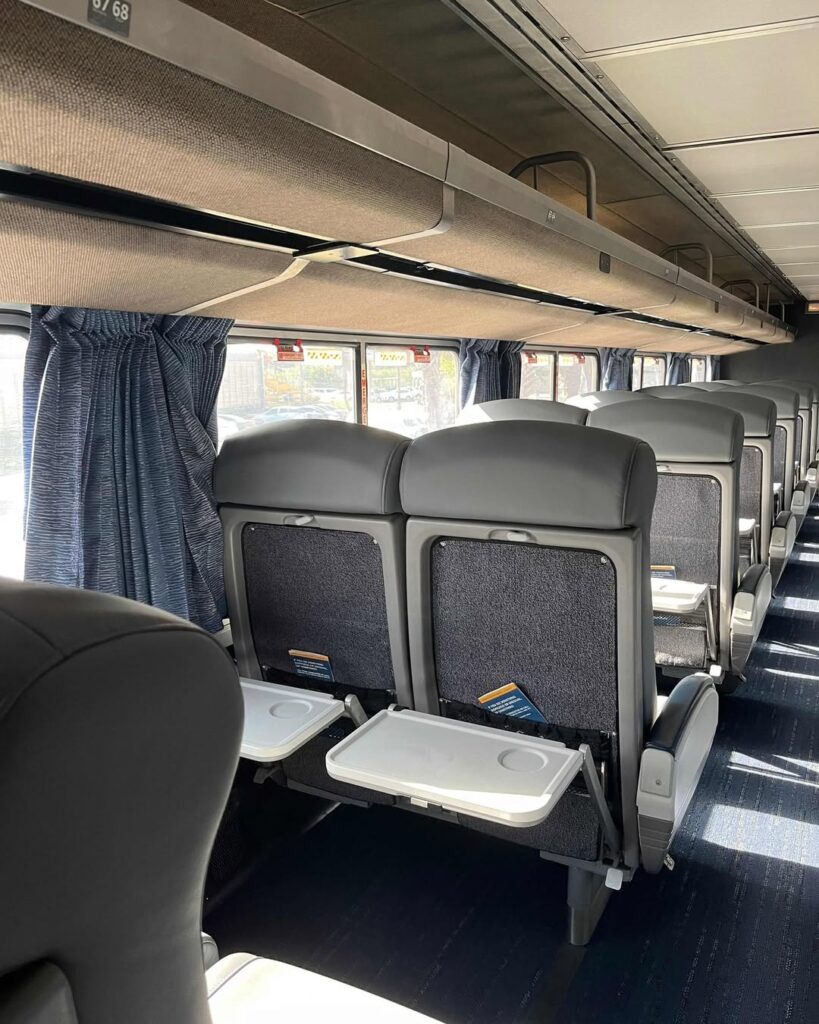
On paper, a $280 cross-country train ride sounds like a budget hack. In reality, it feels more like a time trade disguised as a discount. The journey can stretch into multiple days, depending on connections and delays, turning transportation into an extended experience rather than a simple transfer.
Inside the train, the experience is stripped down but immersive. The seats are wide enough to settle into for long hours, windows frame uninterrupted views, and the rhythm of the tracks becomes part of the background. There is no airport compression, no highway isolation, just continuous movement through changing geography.
But that same continuity also reveals the trade-offs. Time becomes the main currency. Delays are possible. Comfort varies by segment. And the idea of “arrival time” becomes flexible rather than fixed.
The Real Price Behind the Viral Number
The $280 figure circulates because it represents the lowest visible edge of Amtrak’s pricing system, not the average cost most travelers actually pay. It usually appears when multiple conditions align at once, including early booking, coach seating, and low-demand travel dates across each segment of the route.
In most real-world scenarios, the total cost is higher. When booked closer to departure or during peak travel periods, the same journey often shifts into a significantly higher range. And if any portion of the trip is upgraded or modified for flexibility, the price increases further.
What makes this important is not the exact number itself, but how unstable it is. Unlike a fixed ticket, this journey behaves like a moving target shaped by demand, timing, and route availability.
Why People Still Chase This Route Anyway
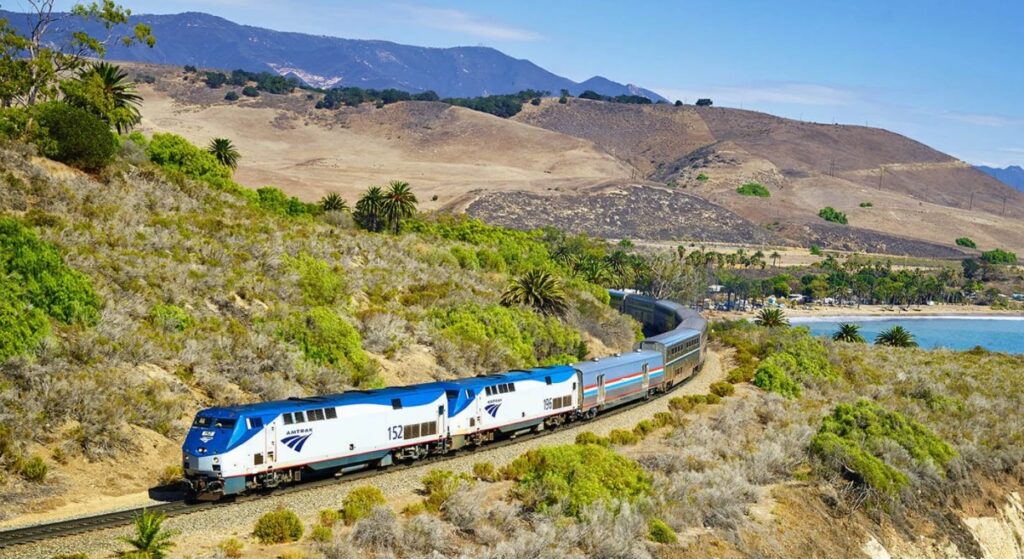
Despite the complexity behind it, the Florida to California rail journey continues to attract attention because it offers something modern travel rarely does: uninterrupted distance.
Flights compress geography into invisibility. Roads fragment it into segments. But long-distance rail travel stretches it into something visible and continuous, where states don’t feel like transitions but like slow environmental shifts.
The appeal of the $280 story is not just affordability. It is the idea that a full cross-country experience might still exist outside the logic of fast travel and surge pricing.
Even if the exact number is rare, the possibility keeps people searching.
Final Takeaway
The $280 Florida to California train trip is not a single hidden deal waiting to be booked. It is a layered route that occasionally aligns with low pricing windows across Amtrak’s long-distance network.
What makes it powerful is not its consistency, but its unpredictability. It exists at the intersection of timing, geography, and patience, where a simple fare number turns into a multi-day journey across an entire country.
And that is why it spreads so easily online. Not because it is a guaranteed bargain—but because it suggests something most modern travel has lost: the chance to cross America slowly, one landscape at a time, without flying over any of it.
You may also like :