Pennsylvania’s waterfalls turn an ordinary drive into a full-day outdoor escape filled with forest roads, rocky trails, and rushing cascades. Hiking feels rewarding in nearly every season, whether the first warm days of spring are arriving or summer heat is settling across the state. Still, spring often brings the strongest water flow as melting snow and seasonal rain feed the creeks.
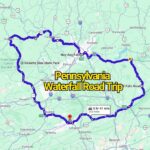
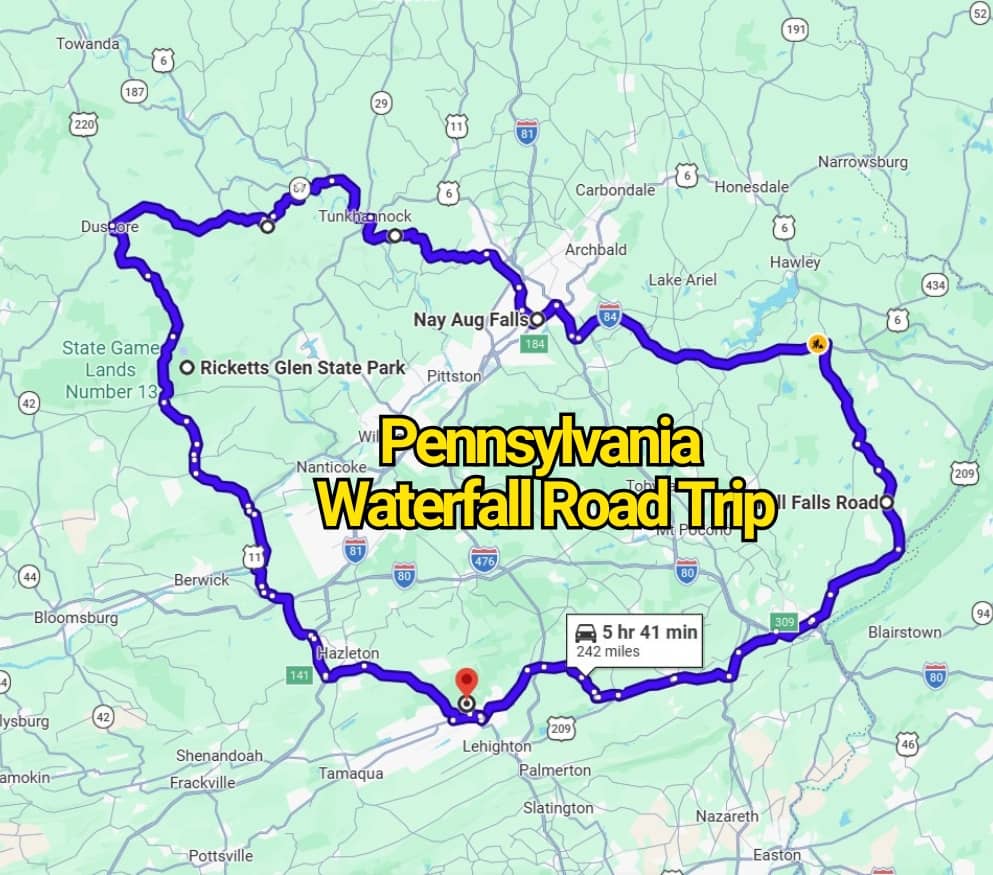
This eastern Pennsylvania waterfall road trip links several of the state’s most impressive natural stops in one sweeping loop. The complete route requires about six and a half hours of driving, so setting aside a full day—or even a weekend—makes the journey far more relaxed. Travelers with limited time can remove a few stops and create a shorter route without losing the main appeal.
The trip begins near Ganoga Falls before circling through wooded sections of eastern and northeastern Pennsylvania and finishing around Ricketts Glen State Park. A shared Google Map can keep each stop in order, though the route can easily be adjusted for trail conditions, daylight, or personal pace. Pack comfortable shoes, bring water, and get ready for a Pennsylvania waterfall road trip packed with misty overlooks and memorable forest scenery.
1. Ganoga Falls at Ricketts Glen State Park: The Tallest Cascade on the Trail
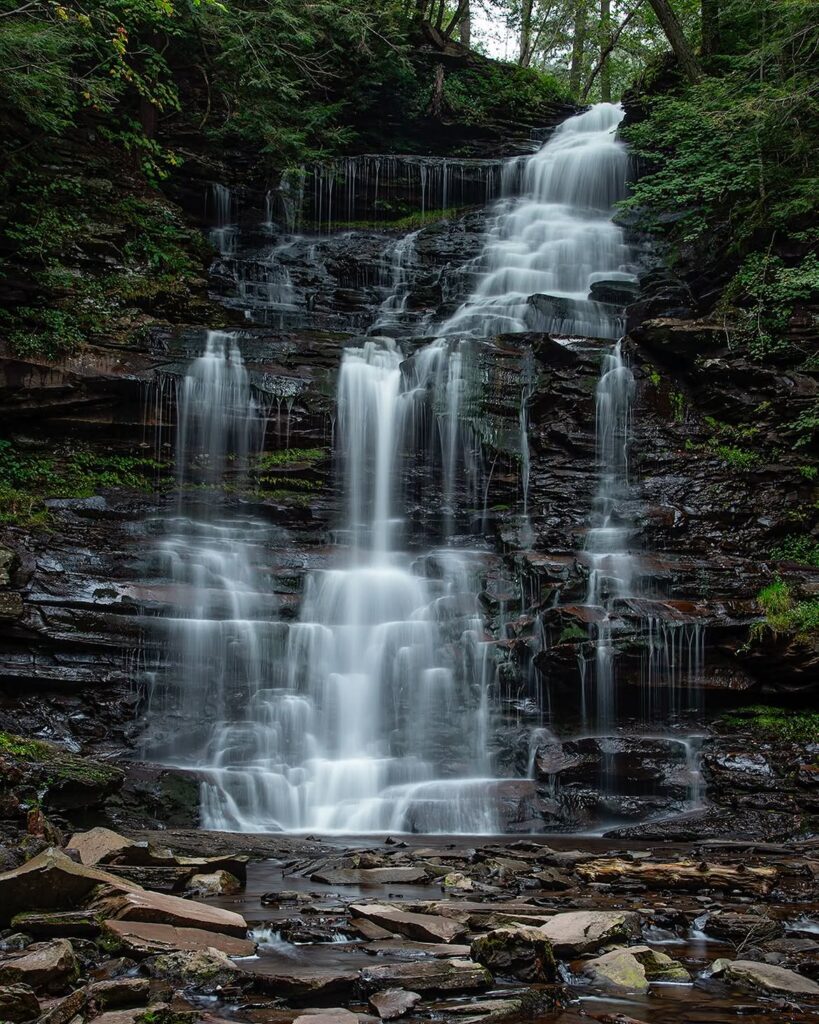
Ricketts Glen State Park ranks among Pennsylvania’s finest outdoor destinations, with forested paths, steep stone stairways, and waterfalls appearing around nearly every bend. The park contains 22 named cascades, making it an outstanding stop for hikers who want several dramatic views in one outing.
Ganoga Falls rises above the rest at 94 feet, earning its place as the tallest waterfall in the park. Water drops over layered rock into the shaded gorge below, creating a powerful sight during spring runoff and after periods of steady rain.
Reaching it requires a trail hike, but the towering cascade makes the effort feel worthwhile.

2. Bowman Hollow Falls: A Secluded Cascade Near Forkston
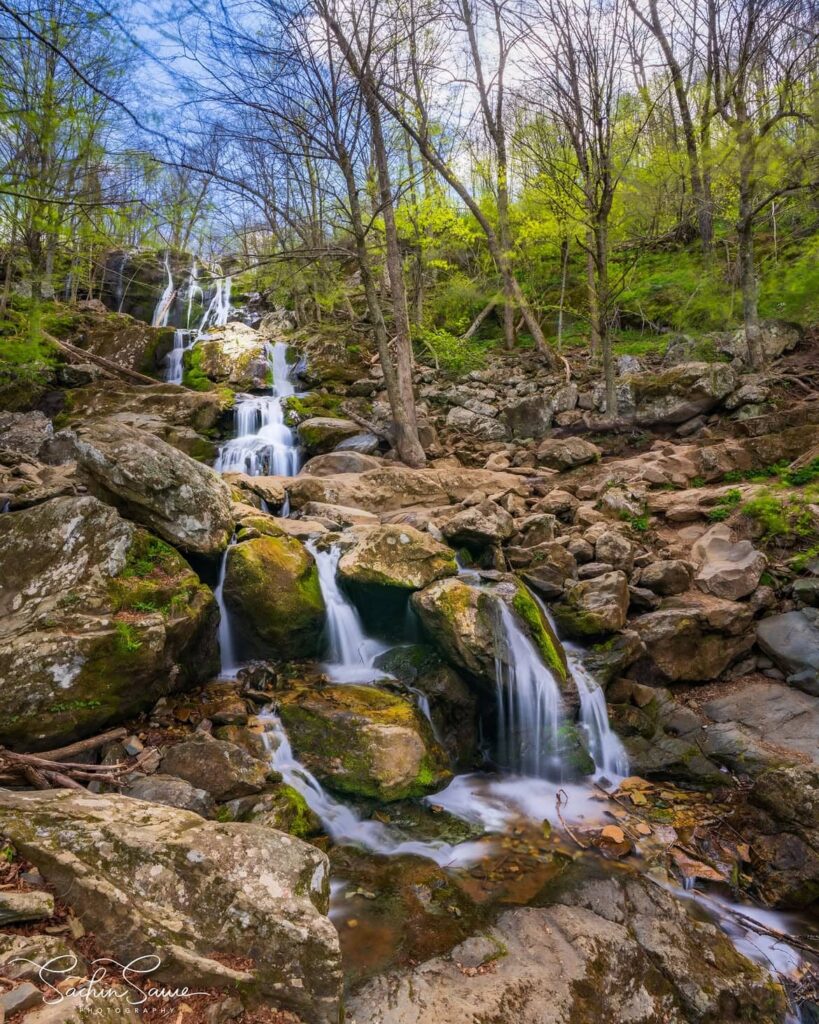
Bowman Hollow Falls sits in the quiet countryside near Forkston, offering a less-crowded stop along this Pennsylvania waterfall route. Visitors can admire the cascade from an upper viewpoint, where the falling water slips through a rugged, wooded ravine.
Those hoping for a closer look may hike down toward the base, but the descent can be steep, uneven, and slippery.
Move slowly, wear shoes with reliable grip, and avoid the lower trail after heavy rain when loose ground can make the route more hazardous.

3. Osterhout Falls: A Roadside Waterfall Best Seen While Passing
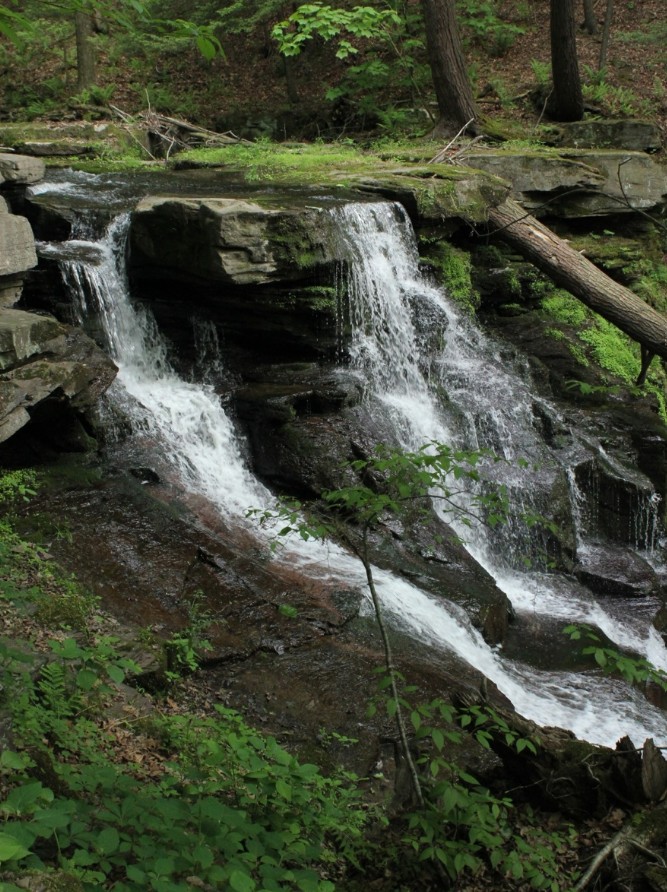
Osterhout Falls appears beside the road when traveling eastbound, making it one of the easiest cascades to spot along this Pennsylvania route. The falling water can often be seen without leaving the vehicle, especially when seasonal runoff gives it a stronger flow.
Parking nearby may be limited, and stopping along the roadside can be unsafe. Passengers can enjoy the view as the car moves past,
while the driver should keep full attention on the road and avoid pulling over unless a legal, clearly marked space is available.
4. Nay Aug Falls: An Easy Walk With Family-Friendly Extras
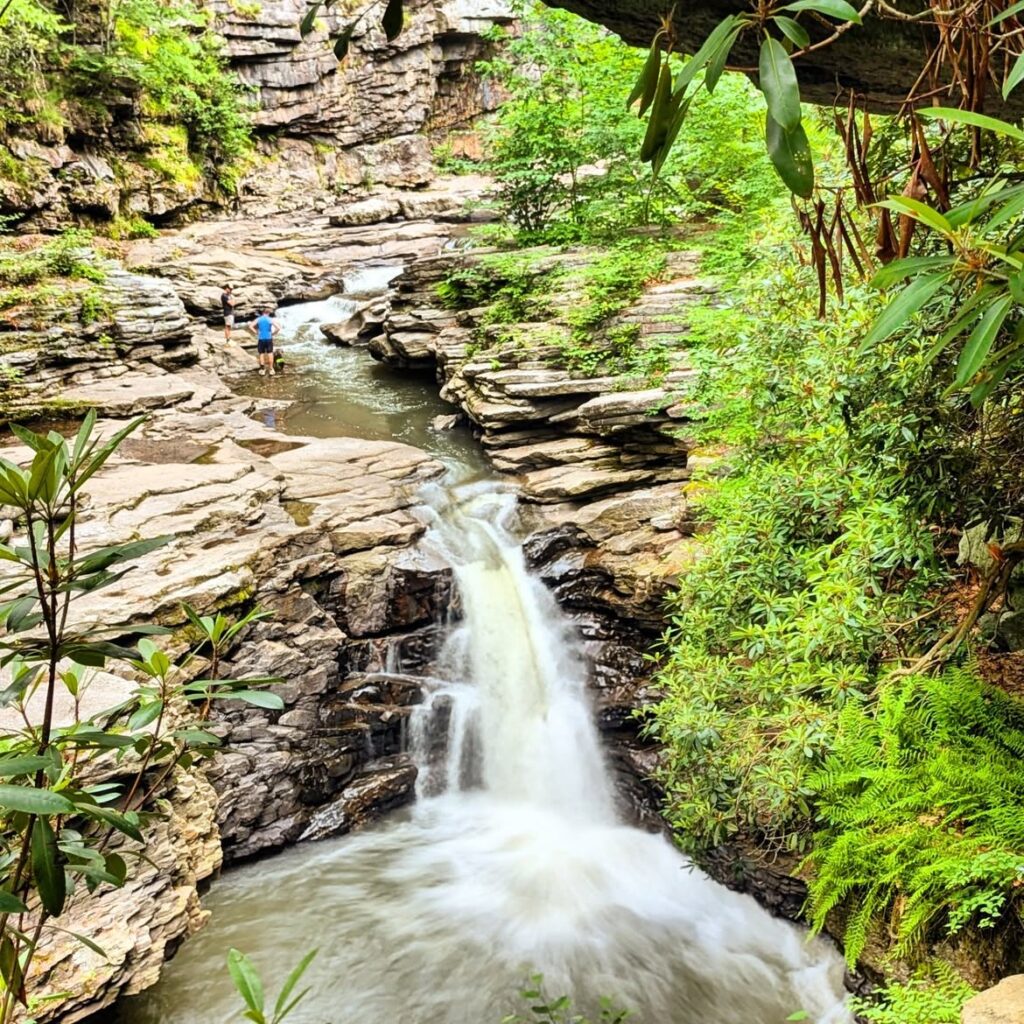
Nay Aug Falls makes a convenient pause along this Pennsylvania waterfall drive. The round-trip path from the parking area covers roughly half a mile, allowing beginners, families, and casual walkers to reach the cascade without committing to a long hike.
The surrounding Nay Aug Park adds more reasons to linger. Playgrounds, shaded picnic spots, and covered bridges create a comfortable setting for lunch or a mid-route break.
Families traveling with children can stretch their legs here before continuing to the next stop.
5. Bushkill Falls: Eight Cascades Along Easy Boardwalk Trails
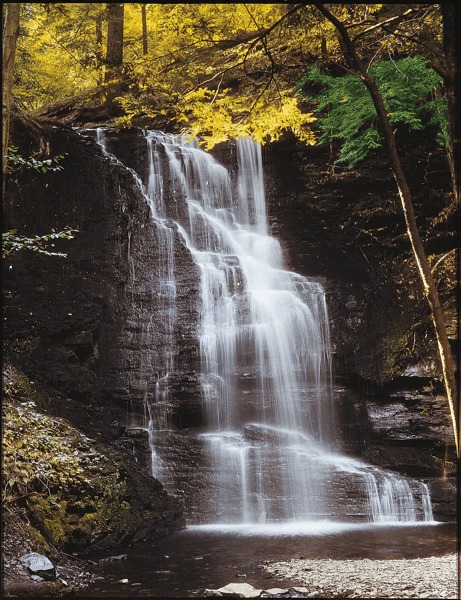
Bushkill Falls is one of Pennsylvania’s best-known waterfall attractions and is often called the “Niagara of Pennsylvania.” Unlike the other stops on this route, admission is required, but the property includes eight separate waterfalls spread across a network of woodland paths.
Wooden boardwalks, stairways, and viewing platforms make much of the route easier to follow, though some sections still involve plenty of steps.
The grounds typically open for the season in early April, making spring a strong time to visit when rainfall and snowmelt give the cascades a fuller appearance.
You may also like :