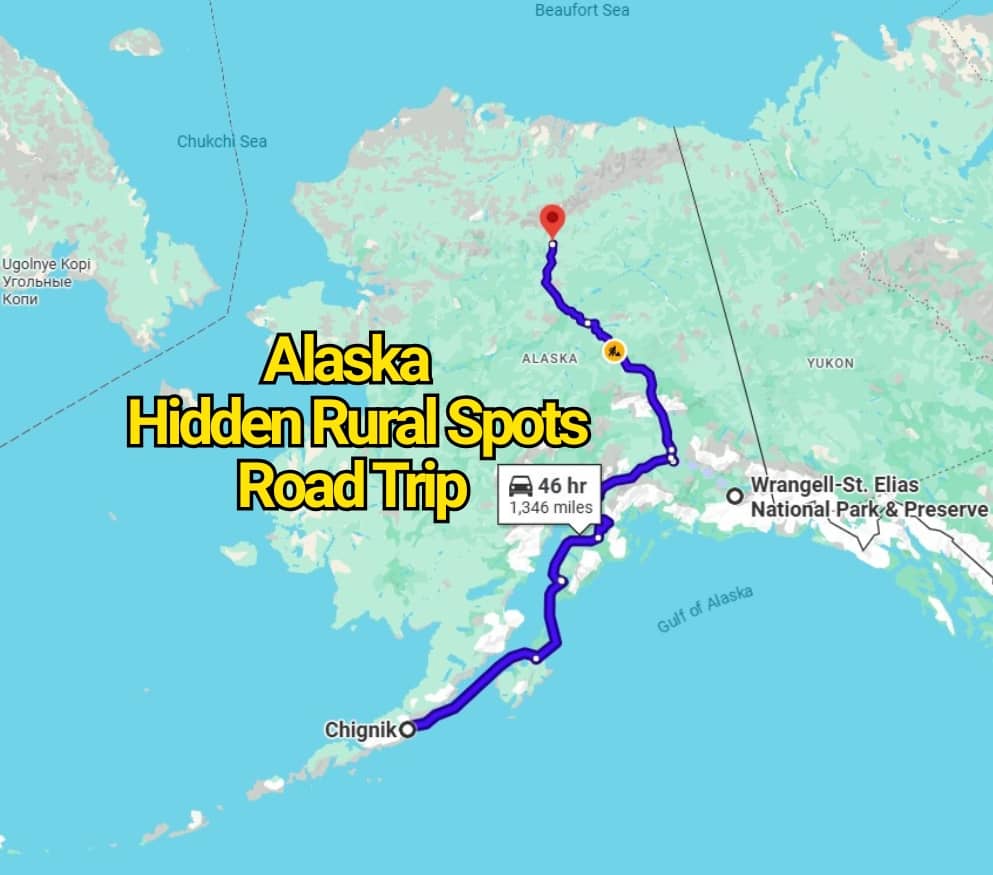
Alaska stretches across an immense region of wild coastlines, quiet tundra, rugged mountains, and isolated communities. Far from Anchorage and other busy travel centers, rural areas reveal places where daily life remains closely tied to the land, sea, weather, and local traditions.
These lesser-known destinations offer striking scenery, meaningful cultural encounters, and outdoor experiences without the heavy crowds found at famous attractions. Some require a small aircraft, ferry, or long drive to reach, but that remoteness is part of their appeal.
From traditional villages and wildlife-rich islands to dramatic valleys and historic settlements, each stop provides a different look at Alaska. Travelers willing to leave the standard route can experience a quieter and more personal side of the Last Frontier.
1. Wrangell–St. Elias National Park: Alaska’s Vast and Wild Giant
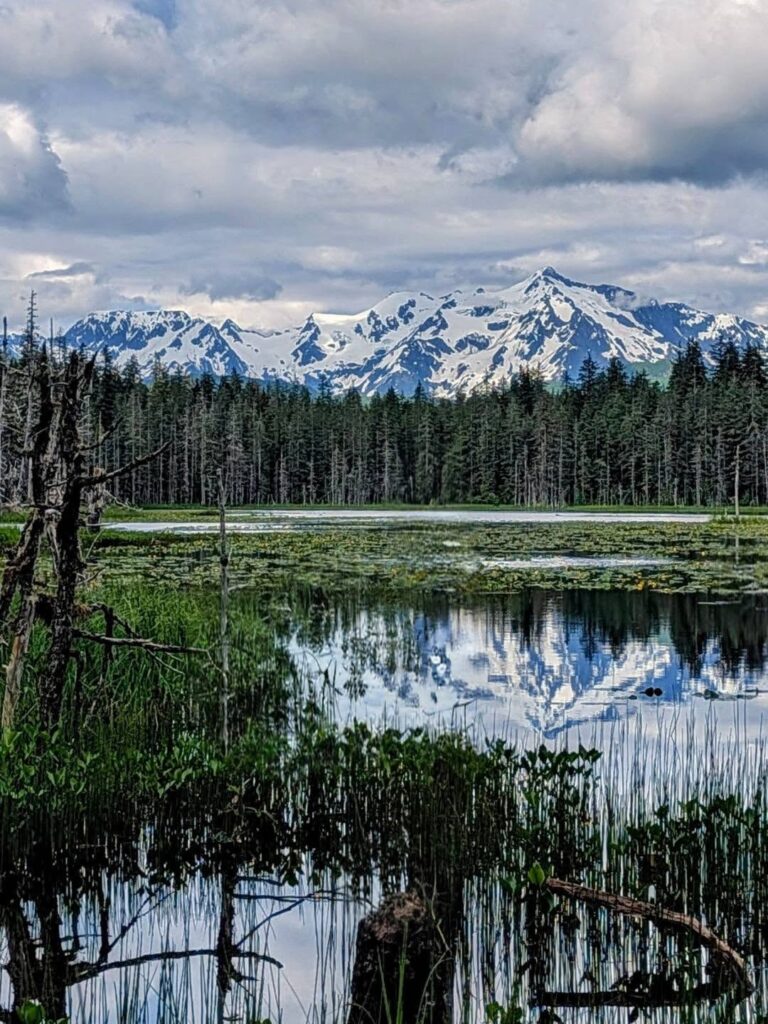
Spanning more than 13 million acres, Wrangell–St. Elias National Park and Preserve holds the title of the largest national park in the United States. Despite its enormous size, it receives far fewer visitors than many smaller parks, leaving much of its mountainous terrain quiet and uncrowded.
The landscape feels immense at every turn. Snow-covered volcanoes rise above broad tundra, while glaciers cut through valleys and flow between rugged peaks. Nine of the 16 tallest mountains in the country stand within the park’s boundaries, creating a dramatic backdrop for hiking, flightseeing, camping, and backcountry trips.
McCarthy serves as the main base for travelers entering this remote region. Visitors can reach the small community by taking a flight from Anchorage or driving along the rough McCarthy Road. The journey takes effort, but the reward is an Alaska experience filled with raw scenery, historic mining sites, and wide-open wilderness.
2. Chignik: Remote Fishing Life Along Alaska’s Wild Coast
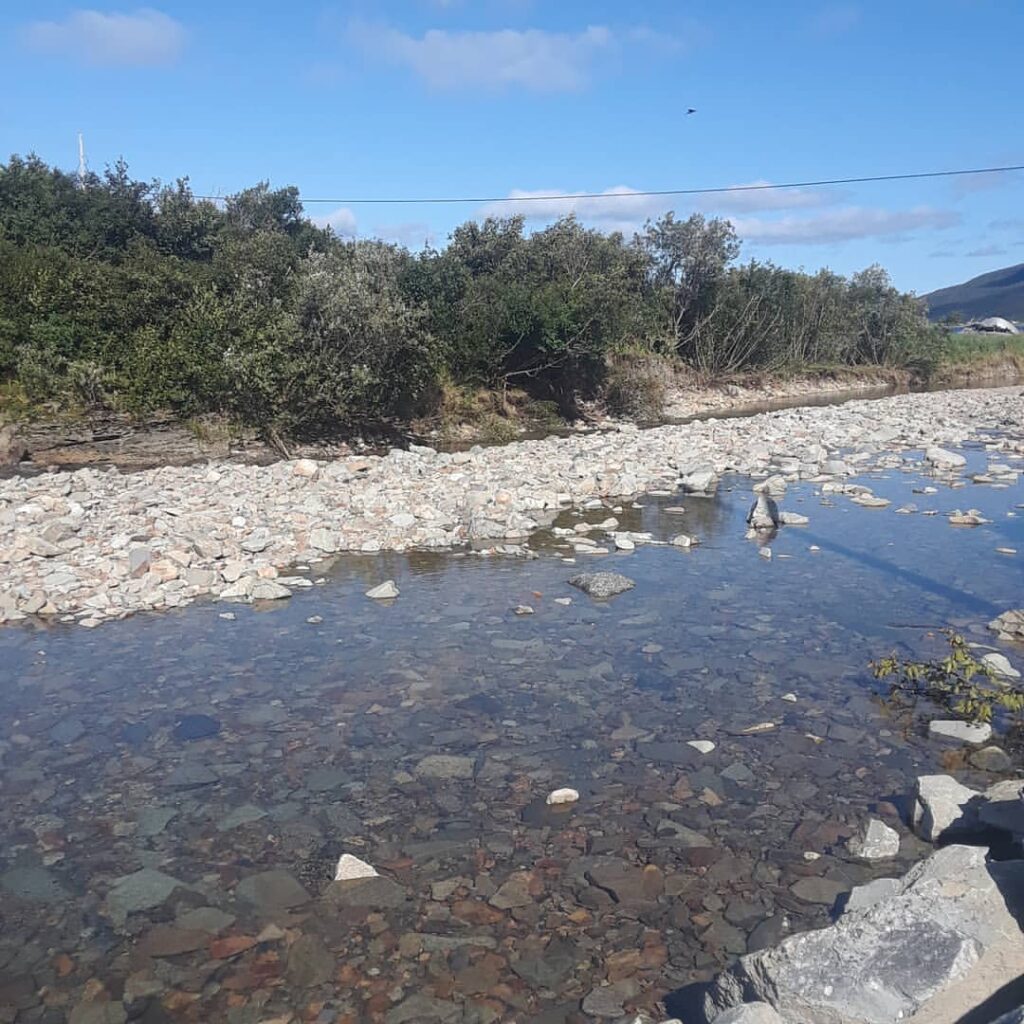
Chignik is a small fishing community where daily routines are closely connected to the sea. Its isolated setting offers travelers a rare look at rural Alaska, with working boats, weathered buildings, and broad coastal views shaping the experience.
Anglers come for the region’s rich waters, especially during the powerful sockeye salmon run. Wildlife sightings are also common, with birds, marine animals, and bears appearing throughout the surrounding landscape.
A walk along the old boardwalk reveals pieces of the village’s fishing history. Afterward, stop by a local shop for a fresh donut and enjoy the slow pace before continuing along the waterfront.
Chignik can be reached by air from King Salmon. Seasonal state ferry service from Kodiak may also operate between May and October, making advance schedule checks important before arranging the trip.
3. Wiseman: A Tiny Gold-Rush Settlement Beneath the Northern Lights
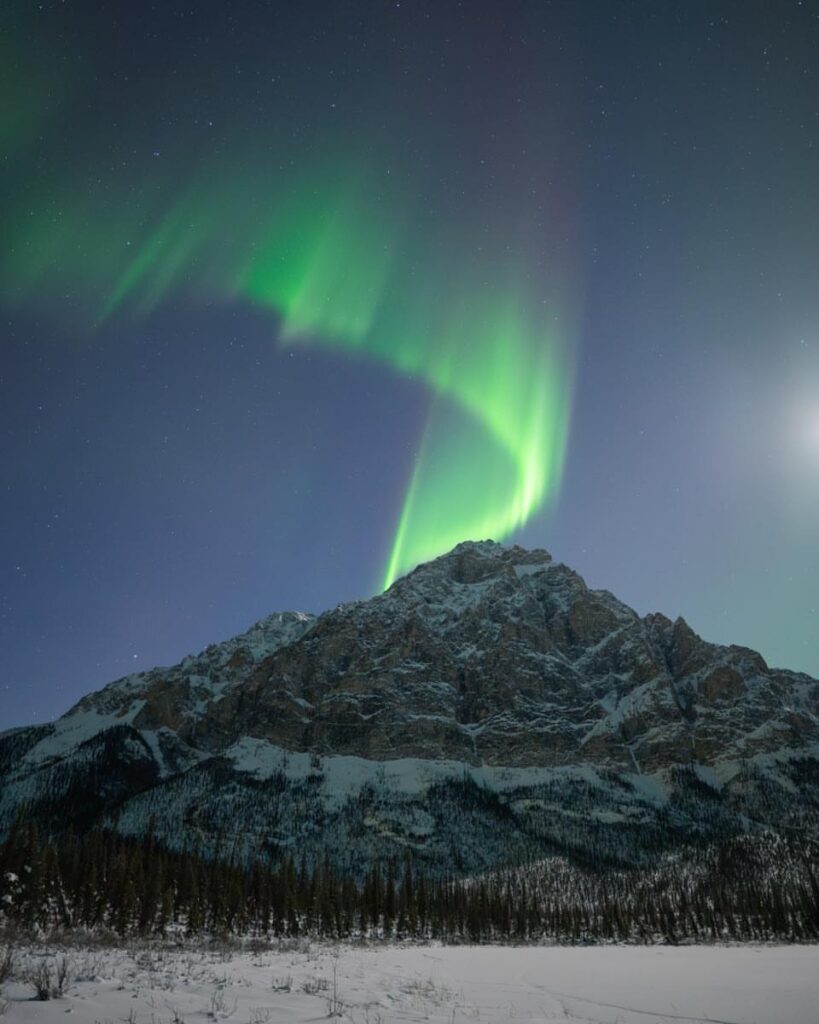
Wiseman is a remote community with fewer than 20 residents, where log cabins, mining relics, and surrounding wilderness recall Alaska’s gold-rush era. The settlement remains largely unchanged by modern development, giving visitors a rare glimpse into life far above the Arctic Circle.
Winter brings long nights, deep snow, and a strong chance of seeing the aurora borealis ripple across the sky. With little artificial light nearby, the village offers excellent conditions for night photography and quiet stargazing.
Travelers can learn about local history, meet longtime residents, and hear stories of mining, trapping, and survival in the Brooks Range. Wiseman’s modest size and isolated setting make the experience feel personal, raw, and closely connected to Alaska’s past.
4. Cordova: A Remote Coastal Haven for Birdwatchers
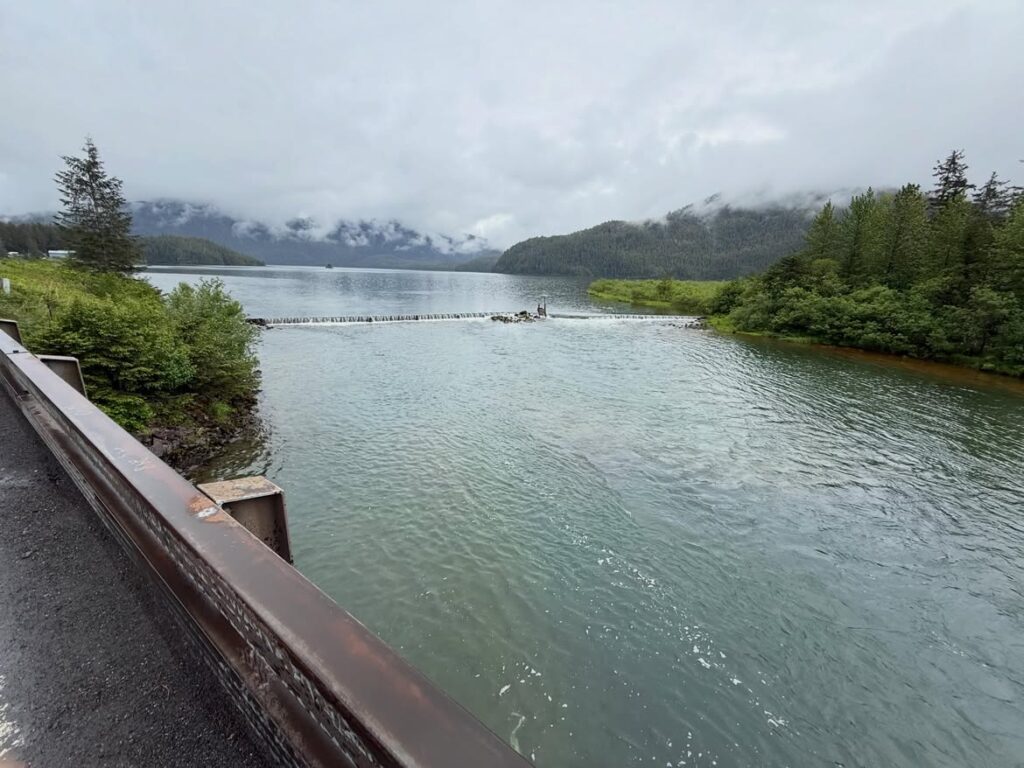
Cordova sits between the mountains of Prince William Sound and thick coastal forest. With no road connecting it to the rest of Alaska, travelers must arrive by plane or boat, adding a sense of adventure before the visit even begins.
The surrounding wetlands, shoreline, and forests provide habitat for more than 200 bird species. During spring migration, enormous flocks pass through the Copper River Delta, drawing photographers and birdwatchers from across the country.
May is an especially rewarding time to visit because the Copper River Delta Shorebird Festival celebrates this seasonal movement. Guided walks, wildlife programs, and local events give visitors a closer look at the region’s birds while highlighting Cordova’s strong connection to its coastal environment.
5. Anan Wildlife Observatory: Close-Up Bear Viewing Near Wrangell
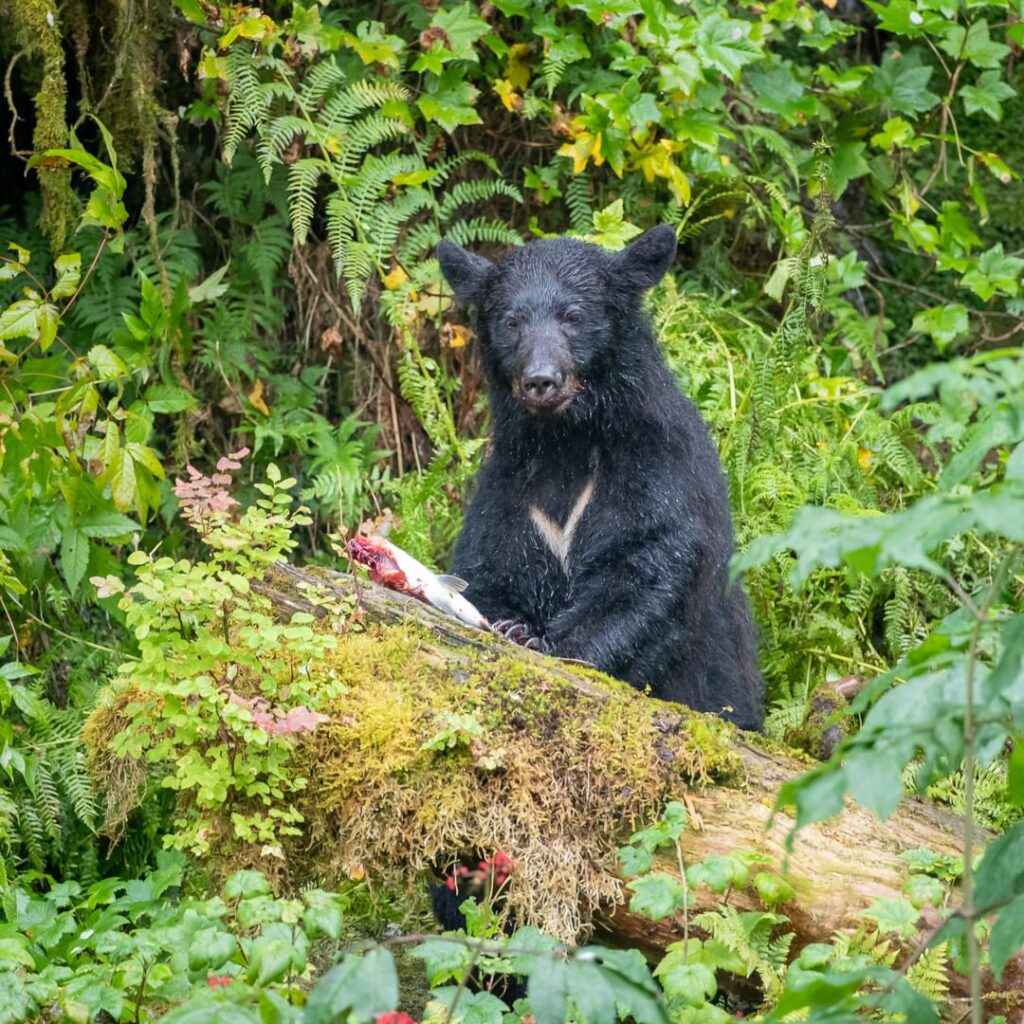
Anan Wildlife Observatory lies within the Tongass National Forest near Wrangell and ranks among Alaska’s most remarkable bear-viewing sites. Both black bears and brown bears gather along Anan Creek, creating an uncommon chance to watch two species feeding in the same area.
July and August bring the most action as salmon move upstream. From the protected viewing platform, visitors may see bears catching fish, walking along the creek banks, or waiting beside the rushing water for their next meal.
Reaching the observatory usually involves a boat ride followed by a short forest trail. The remote setting, limited daily access, and close wildlife activity make this a powerful stop for photographers, nature lovers, and travelers hoping to experience Alaska’s animals in the wild.
You may also like :