Virginia carries an impressive range of landscapes within its borders. Soft coastal shores brush the Atlantic. Long mountain ridges steady the western edge. Between winding rivers and dense woodland, stories from centuries past stretch across the state in quiet, lasting ways. This mix of land and legacy gives Virginia a character that changes from mile to mile without losing its sense of place.
Scattered throughout that variety are small towns that feel like a pause button. They offer relief from traffic, tight schedules, and crowded streets. Life moves slower here, shaped by local diners, historic storefronts, front porches, and conversations that don’t feel rushed. These towns aren’t meant to impress all at once; they reveal themselves through repetition, familiarity, and time spent lingering.
The towns listed below are the kind you return to without hesitation. Each visit feels different depending on the season, the weather, or your mood. Some trips are planned, others spontaneous, but the pull remains the same. With that in mind, here are 15 small towns in Virginia that deserve a place on your travel list—again and again.
15 Historic Small Towns in Virginia That Leave a Lasting Impression

My early connection to Virginia came from its past. Few places carry such a layered timeline. As the site of the first permanent English settlement in what is now the United States, Virginia’s narrative stretches back to the early 1600s. Its chapters run through the era of the original thirteen colonies and into the private lives of influential figures like George Washington and Thomas Jefferson, whose homes still stand as quiet witnesses to another age.
Often referred to as the birthplace of a nation, the title feels earned rather than ceremonial. Battlefields, courthouses, churches, and preserved streets tell their stories without exaggeration. History here isn’t sealed behind glass; it lingers in brick walls, town squares, and familiar road names.
That legacy becomes especially clear in Virginia’s smaller towns. These places offer a closer look at how the country took form—less filtered, less hurried, and easier to absorb. Walking through them feels like stepping into the margins of a history book, where everyday life once unfolded and, in many ways, still does.
1. Williamsburg, Virginia
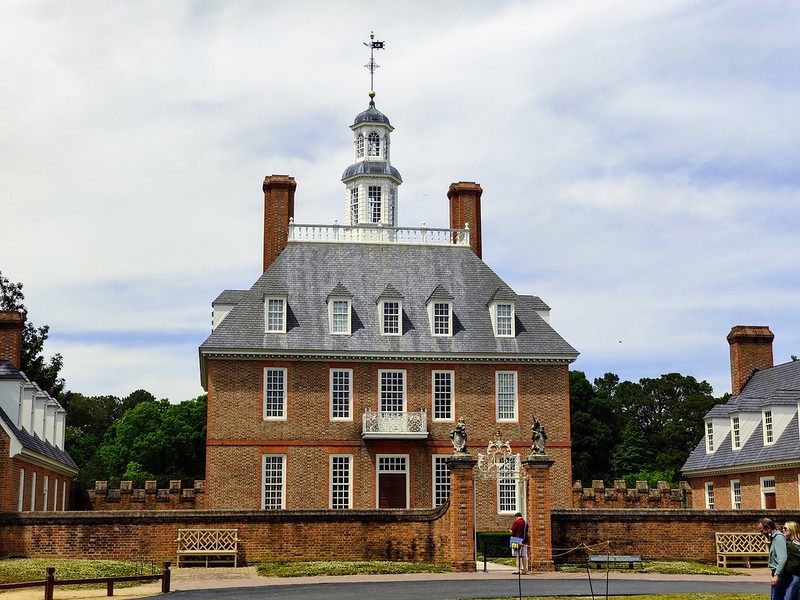
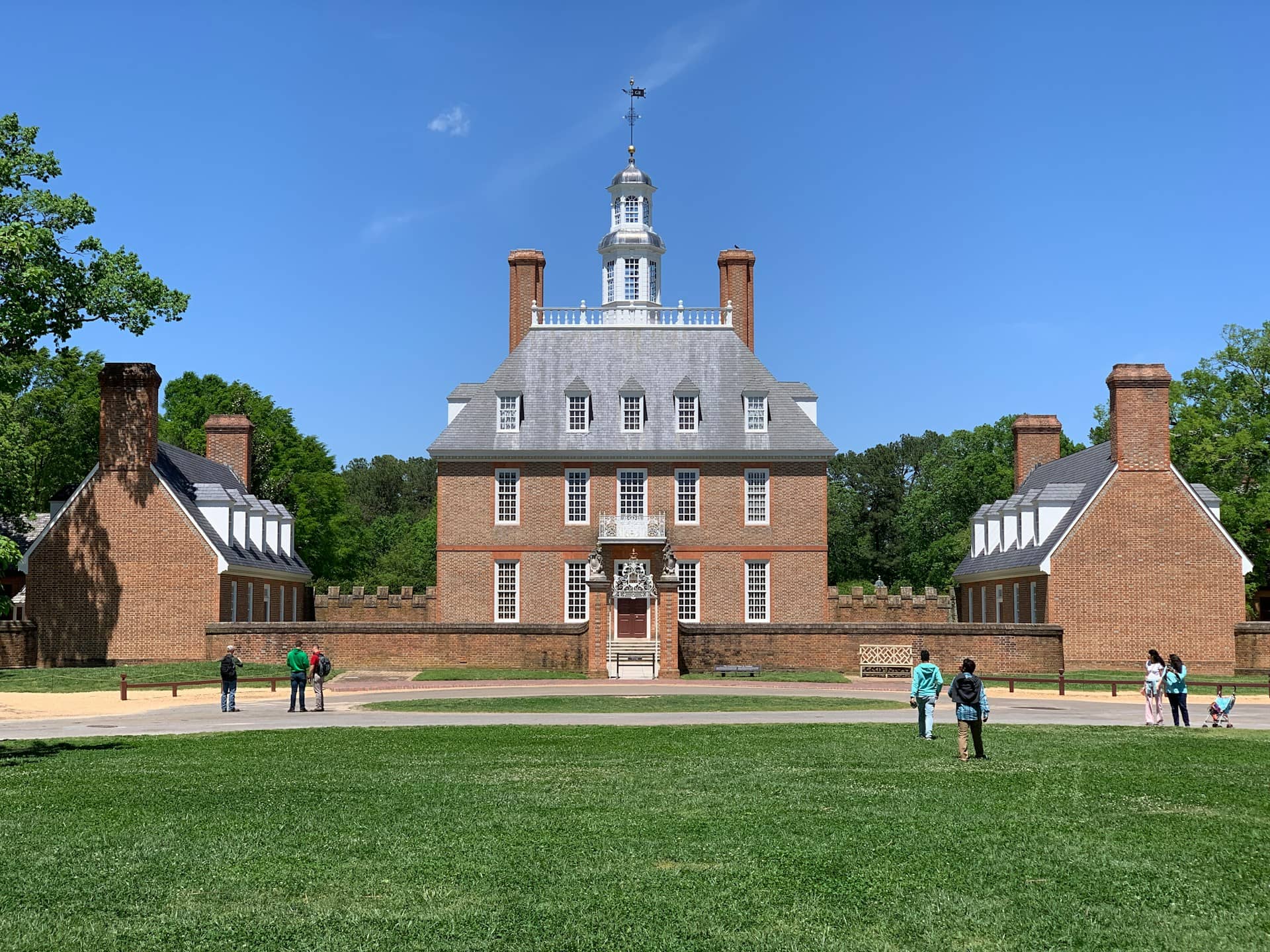
Welcome to Williamsburg, a town where the past is still part of daily life. History isn’t confined to plaques here—it plays out along brick paths, shaded greens, and restored streets. Alongside centuries-old landmarks, you’ll find theme parks, open-air gardens with free entry, and plenty of ways to spend time outside without feeling rushed or boxed in.
A weekend often begins at Williamsburg Lodge, a brick-lined stay that balances comfort with old-school character. From there, most visitors spend their days walking through Colonial Williamsburg, where reenactments, workshops, and preserved buildings make history feel close rather than distant. Streets here invite wandering, pauses, and unplanned detours.
To close out the trip, a short drive leads to Jamestown, where the earliest chapter of English settlement in America began. It’s a quieter stop, ideal for reflection after the busier pace of Williamsburg itself.
Williamsburg at a Glance
- Residents: Fewer than 16,000 people call the town home
- Key Sights: Colonial Williamsburg Museum, Busch Gardens Williamsburg, Williamsburg Botanical Garden
- Ideal Season: The summer months
2. Jamestown, Virginia
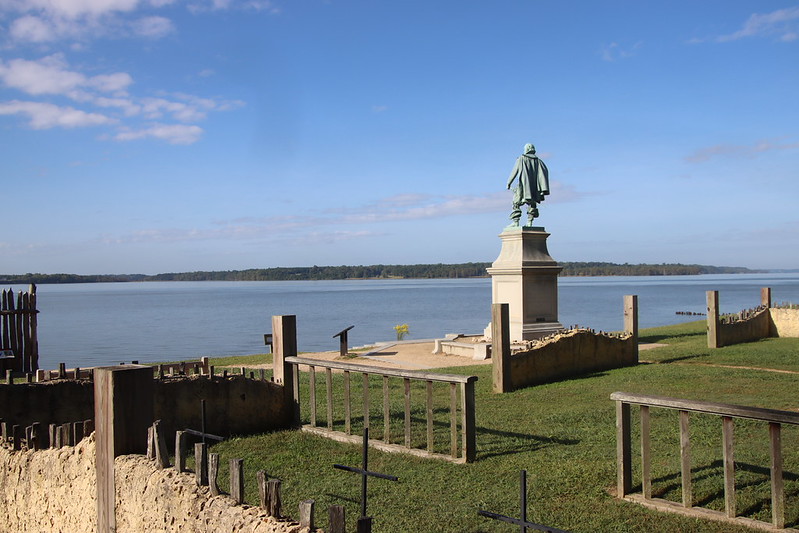
Jamestown carries its past in plain sight. Stepping onto its grounds feels like watching an old scene regain motion. What once existed as textbook imagery begins to feel lived-in, shaped by hardship, survival, and unfamiliar routines that early settlers faced daily.
Much of that experience centers on Jamestown Settlement. The site recreates everyday colonial life through walkable spaces rather than static displays. Visitors can pass through a reconstructed Powhatan village, examine tools and homes, and board the Susan Constant, a full-scale replica of one of the original ships that crossed the Atlantic from England. The setting favors immersion over spectacle, letting history unfold at a steady pace.
Jamestown offers contrast to larger historic towns nearby. It’s quieter, more reflective, and best taken slowly. Time spent here tends to linger, especially for travelers interested in early American foundations rather than polished attractions.
Jamestown at a Glance
- Residents: Fewer than 15,000 residents
- Key Sights: Jamestown Settlement
- Ideal Season: Summer
3. Yorktown, Virginia
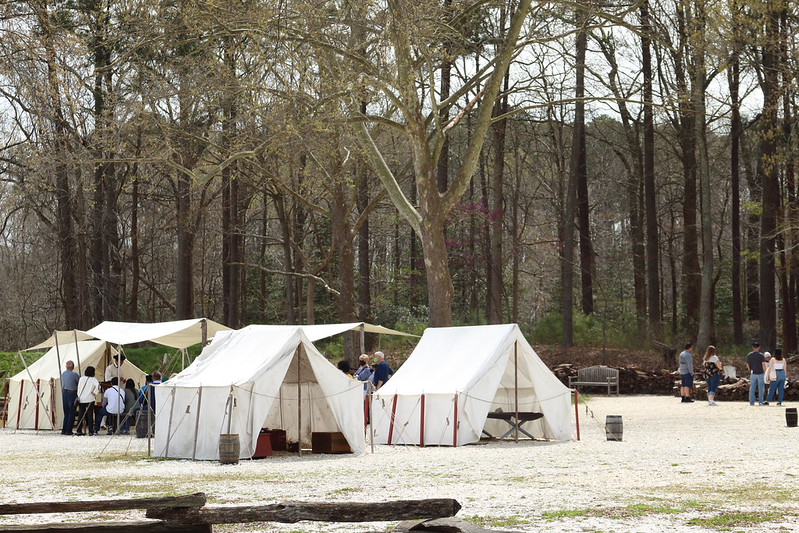
Yorktown forms the final point of the Williamsburg–Jamestown–Yorktown historic triangle, tying together three chapters that shaped early America. Its streets and shorelines carry the weight of events that shifted global power, yet the town itself feels measured and grounded rather than theatrical.
Yorktown is best known as the setting of the Siege of Yorktown, the decisive confrontation that brought the American Revolutionary War to its close. What happened here in 1781 marked the collapse of British control and altered the future of the colonies. That legacy remains present, written into the land rather than dramatized for effect.
A visit to the American Revolution Museum at Yorktown deepens that understanding. Recreated Continental Army encampments, live musket demonstrations, and the scent of open-fire cooking recreate daily routines of Revolutionary soldiers. The focus stays on ordinary life—fatigue, discipline, repetition—rather than polished heroics. Nearby, the Yorktown Battlefield offers space to walk and reflect, where strategy once unfolded in silence and strain.
Yorktown at a Glance
- Residents: Fewer than 15,000 residents
- Key Locations: American Revolution Museum, Yorktown Historic Site
- Ideal Season: Summer
4. Waterford, Virginia
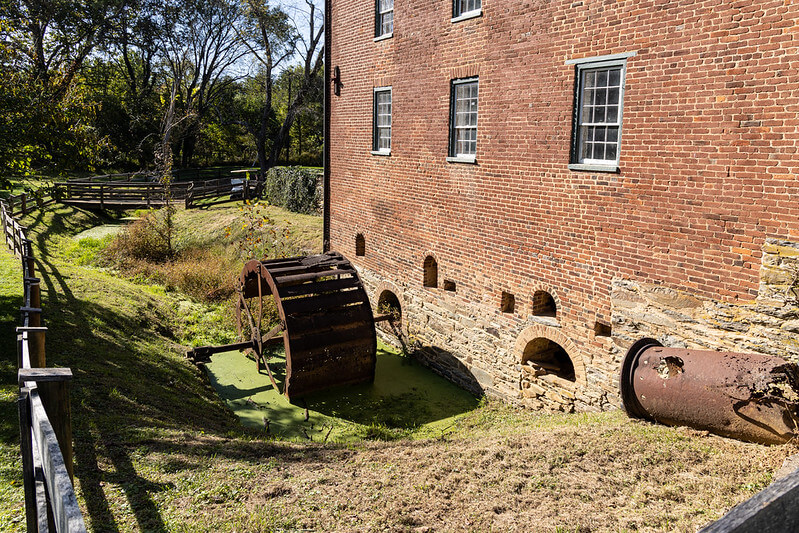
Waterford is easy to overlook, often overshadowed by nearby Leesburg. That comparison does it no favors. Waterford moves at its own pace, shaped more by farmland and footpaths than traffic lights or storefront buzz. Its setting within Loudoun County feels intentional, grounded, and quietly confident.
Open land defines much of the village. Gentle slopes stretch outward beneath wide skies, while weathered buildings hint at earlier rhythms of work and trade. The entire community holds National Historic Landmark status, a distinction reflected in preserved mills, clapboard homes, and a main street that hasn’t been reshaped to follow trends. Nothing here asks for attention; it simply exists as it always has.
Waterford rewards visitors who slow down. Time is better spent wandering past the Old Mill, pausing along Main Street, or watching the light change over the fields. Fall suits the area well, when cooler air and turning leaves give the landscape added depth without altering its calm nature.
Waterford at a Glance
- Residents: Fewer than 2,000 residents
- Key Locations: Old Mill, Main Street
- Ideal Season: Fall
5. Charlottesville, Virginia
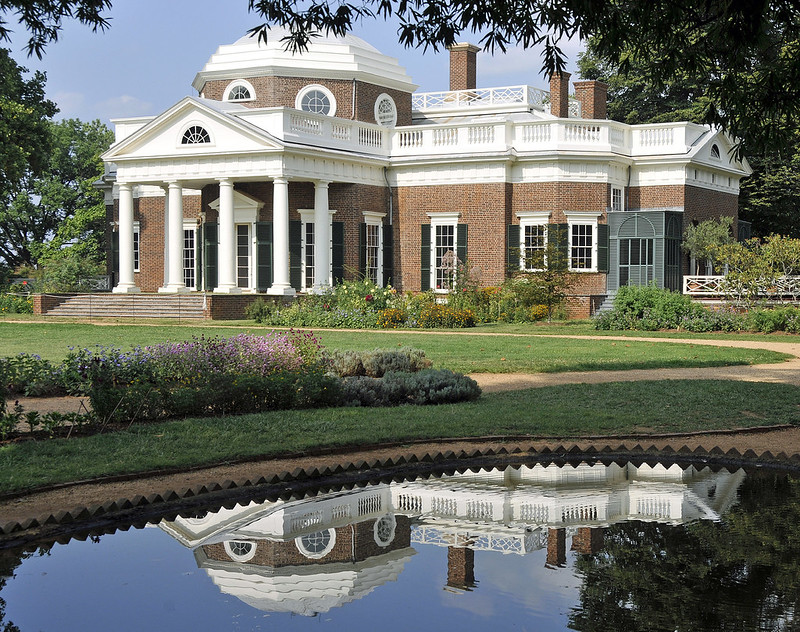
Charlottesville shares traits with other mountain towns across the state, but one landmark sets it apart. Just outside town stands Monticello, the former home of Thomas Jefferson. Its presence gives Charlottesville a gravity that goes beyond scenery or scale.
Monticello reflects Jefferson’s architectural tastes, drawing heavily from European classical forms while overlooking land once tied to plantation life. Admission isn’t cheap, but for anyone interested in early American history, the experience carries weight. The house, grounds, and views provide context that books alone can’t fully convey.
Despite being larger than many towns on this list, Charlottesville remains easy to take in over a short stay. A day or two allows time to wander art spaces, browse the Historic Downtown Mall, and settle into cafés without feeling pressed. It works well as a low-effort weekend stop, offering culture without excess planning.
Charlottesville at a Glance
- Residents: Fewer than 47,000
- Key Locations: Monticello, local art galleries, downtown shopping
- Ideal Season: Fall
6. Alexandria, Virginia
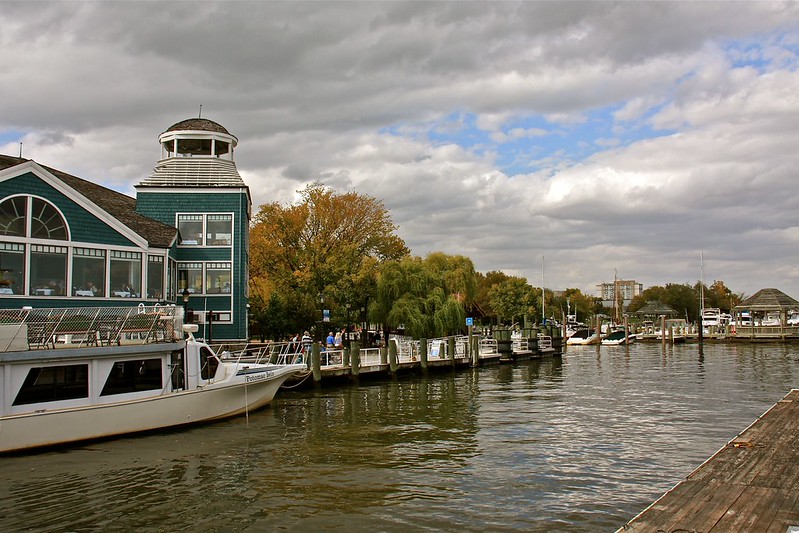
Alexandria doesn’t fit neatly into the small-town category. By size alone, it reads as a full-fledged city. And yet, street by street, it holds onto an ease and familiarity that many larger places lose along the way. Crowds exist, schedules stay full, but the atmosphere never tips into impersonality.
I spent my first two years of high school here before relocating to Texas, and the city left a mark. History felt close, never staged or distant. Old brick buildings, preserved homes, and narrow streets made the past feel woven into everyday routines rather than boxed off for visitors.
Free weekends often meant quiet wanderings. I slipped into Mount Vernon and the Carlyle House, then drifted down to the Old Town Waterfront. A stop at Lavender Moon Cupcakery usually followed. I’ll admit it—I’m there for the frosting. The cake can be hit or miss, but the topping lands right every single time.
Alexandria works because it blends memory, routine, and walkable history without forcing any of it. You can live here, revisit old chapters, or pass through briefly and still feel oriented.
Alexandria at a Glance
- Residents: Fewer than 154,000
- Key Locations: Old Town Waterfront, local museums, neighborhood bakeries
- Ideal Season: Spring
7. Manassas, Virginia
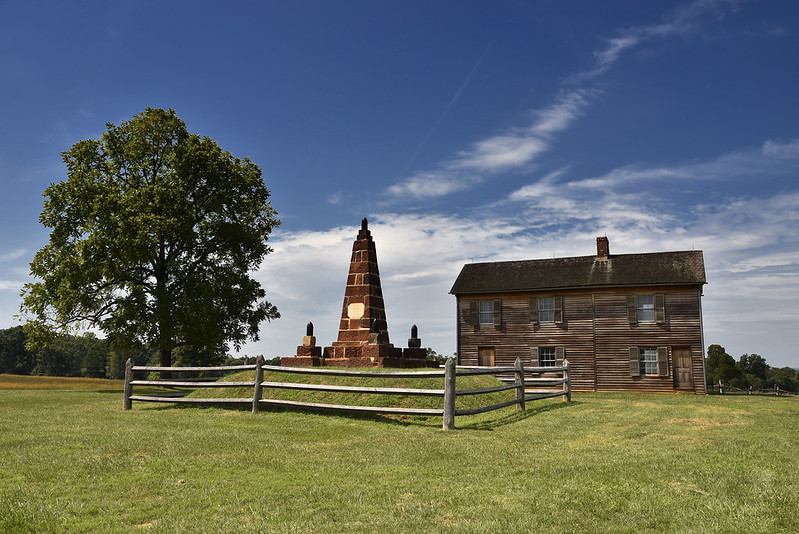
My understanding of Virginia shifted the first time I visited Manassas. Until then, the state felt like a steady figure in American history—present at nearly every major chapter, hardened by repetition. That impression changed quickly once I stood on ground shaped by conflict rather than celebration.
Manassas is tied closely to the Battle of Bull Run, one of the earliest and most consequential clashes of the Civil War. Walking the site forces a reckoning with uncomfortable truths. During that period, Virginia aligned itself with the Confederacy and defended systems rooted in slavery. The land doesn’t soften that reality or attempt to reframe it.
Time here carries weight. Fields that appear calm today once held fear, confusion, and loss. Manassas doesn’t ask visitors to admire it; it asks them to pay attention. The experience stays with you, long after you leave.
Manassas at a Glance
- Residents: Fewer than 41,000
- Key Locations: Battle of Bull Run site
- Ideal Season: Summer and winter
8. Boones Mill, Virginia
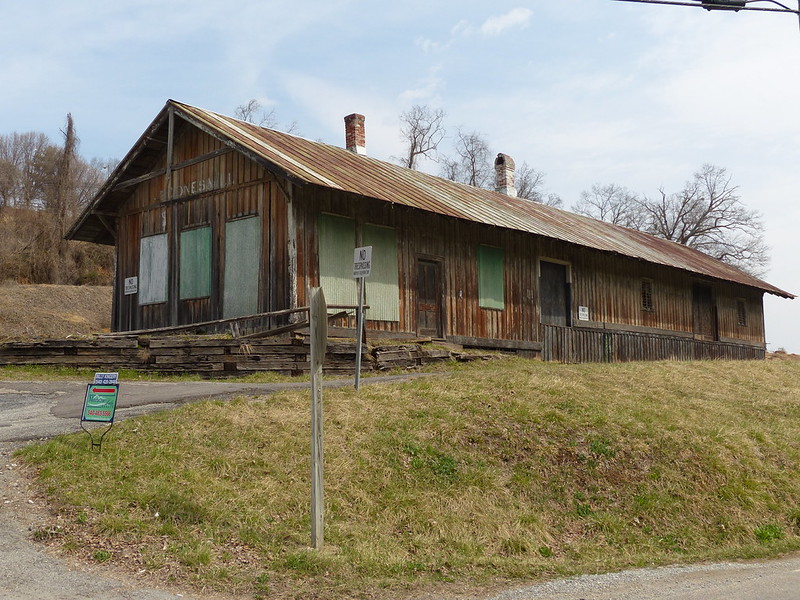
Boones Mill ranks among the state’s oldest small settlements, though it doesn’t try to entertain in obvious ways. This isn’t a stop built around packed schedules or checklists. Time here is spent walking short roads, reading the land, and sitting with stories that don’t rush to introduce themselves.
To be clear, Boones Mill won’t suit everyone. There are no marquee attractions or busy main streets. The appeal leans heavily toward those who enjoy context over activity. Much of the town’s character comes from families who trace their roots back generations, and conversations with locals often reveal details no marker or sign ever will. That kind of exchange takes patience, especially in a rural setting where privacy still matters.
Its past also took a sharp turn in the early twentieth century. Boones Mill earned the nickname “Moonshine Capital of the World” during Prohibition, when illicit distilling shaped daily life. Estimates suggest nearly the entire community played a role in that underground economy. Today, legal distilleries and small breweries carry that legacy forward, offering a quieter continuation of a once-risky trade.
Boones Mill at a Glance
- Residents: Fewer than 250
- Key Locations: Local distilleries, brewery tours
- Ideal Season: Spring and fall
5 Coastal Stops in Virginia Worth Your Time
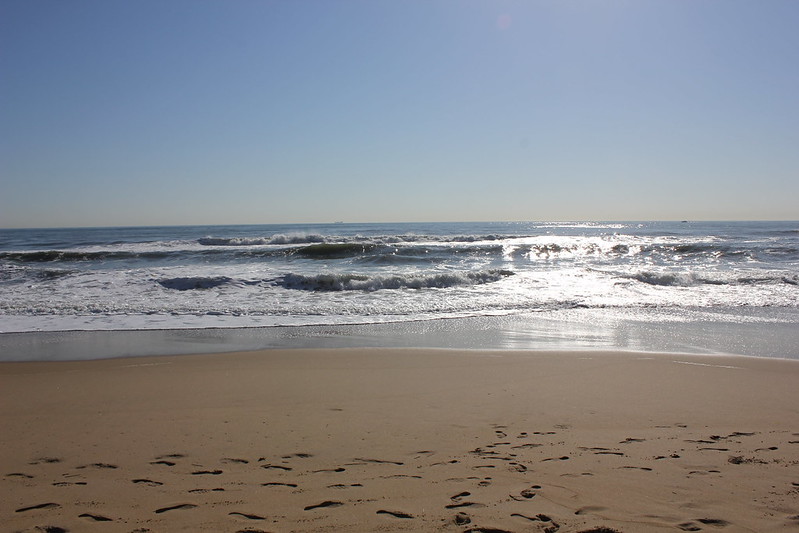
Virginia’s coastline holds a collection of small towns that feel approachable and unpolished in the best way. These places sit close to the water without trying to compete with larger beach cities. Life here follows tides, weather, and long-standing routines rather than crowds or schedules.
For travelers craving time near the ocean without noise or pressure, these towns offer an easy rhythm. Days stretch out across sandy paths, quiet docks, and locally run spots that don’t rush you along. The appeal comes from slowing down, staying present, and letting the coast set the pace.
9. Chincoteague, Virginia
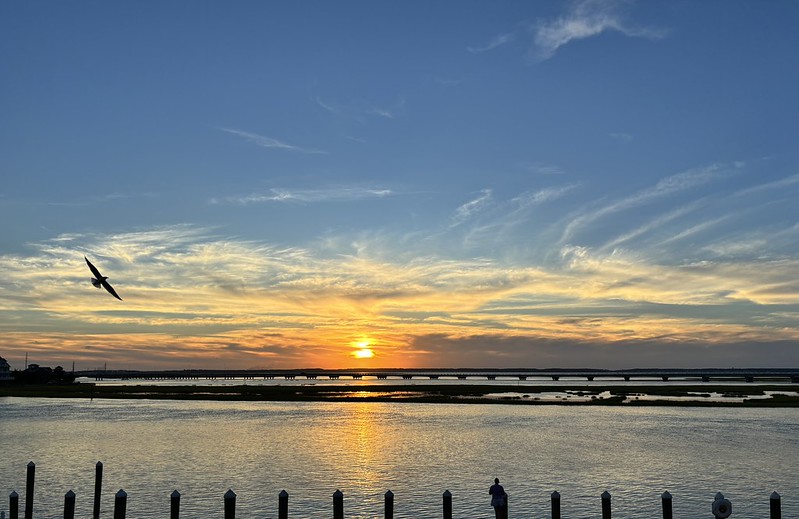
Chincoteague earned national attention thanks to its wild ponies, even though the animals themselves roam Assateague Island, just offshore. That detail tripped me up once on a third-grade Virginia history exam—a mistake that still gets a laugh years later.
Beyond the pony connection, Chincoteague keeps things simple. Beaches stay quiet. Small museums focus on local stories rather than grand displays. Family-run shops line the streets without pressure to buy. The town fits neatly into expectations of a classic East Coast shoreline stop, right down to the lighthouse watching over the water.
Summer days here often end with ice cream. Island Creamery serves locally made flavors and encourages sampling before committing. A short walk away, Mister Whippy offers a drive-through option for those who prefer dessert on the move. Choices are simple, portions generous, and routines easy to fall into.
Chincoteague at a Glance
- Residents: Fewer than 3,000
- Key Locations: Beaches, ice cream stops
- Ideal Season: Summer
10. Onancock, Virginia
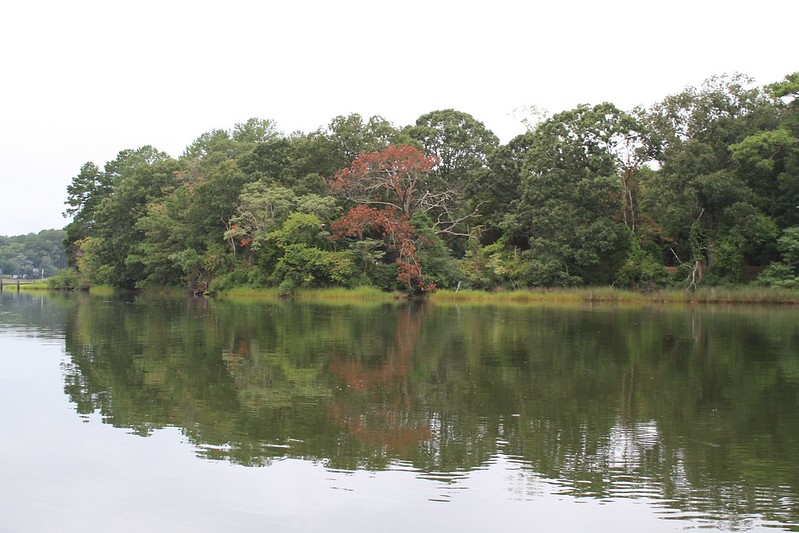
Onancock is the kind of place best understood on foot. Streets don’t rush you along, and there’s no pressure to fill every hour. A slow walk, a pause by the water, or an unplanned turn down a side road usually does the trick. The town often feels quiet at first glance, yet small moments keep surfacing if you stay present.
Time here spreads out easily. Kayaks slide into calm water. A short ferry ride shifts perspective. Local museums offer brief, focused looks at regional stories without overwhelming detail. None of it competes for attention; everything waits its turn.
Onancock works well for travelers who prefer space over spectacle. It doesn’t ask for enthusiasm or packed schedules. It rewards patience, repetition, and letting the day unfold without instructions.
Onancock at a Glance
- Residents: Fewer than 1,300
- Key Locations: Kayaking spots, local museums
- Ideal Season: Summer
11. Cape Charles, Virginia
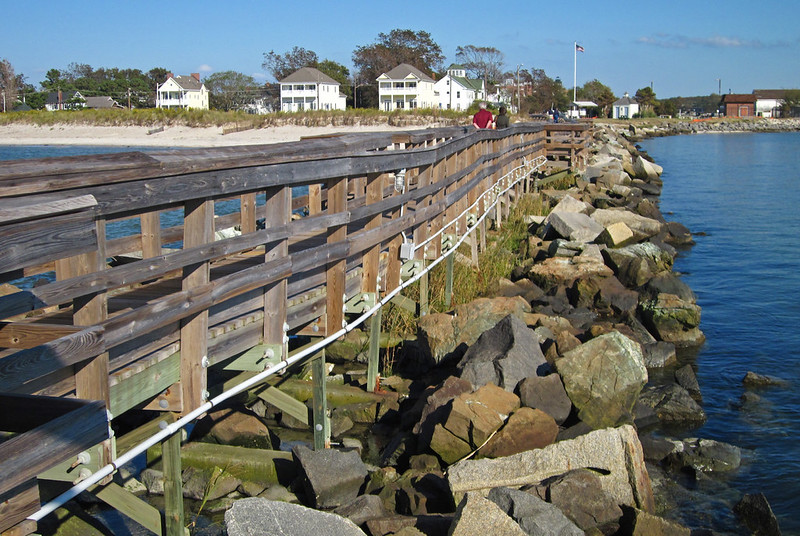
Cape Charles keeps its profile low, and that’s part of the appeal. Much of the attention drifts toward the nearby Savage Neck Dunes Natural Area Preserve, where a narrow stretch of sand and winding paths follow shallow water and open sky. The walk is simple, unguarded, and shaped more by weather than design.
Beyond the dunes, Cape Charles doesn’t rush to explain itself. Streets stay quiet. The shoreline feels close. Time passes without much ceremony, leaving room for observation rather than itinerary-building. It’s the kind of town that prefers to be experienced firsthand, without commentary or buildup.
Cape Charles at a Glance
- Residents: Fewer than 1,100
- Key Locations: Coastal walking trails
- Ideal Season: Summer
12. Tangier Island, Virginia
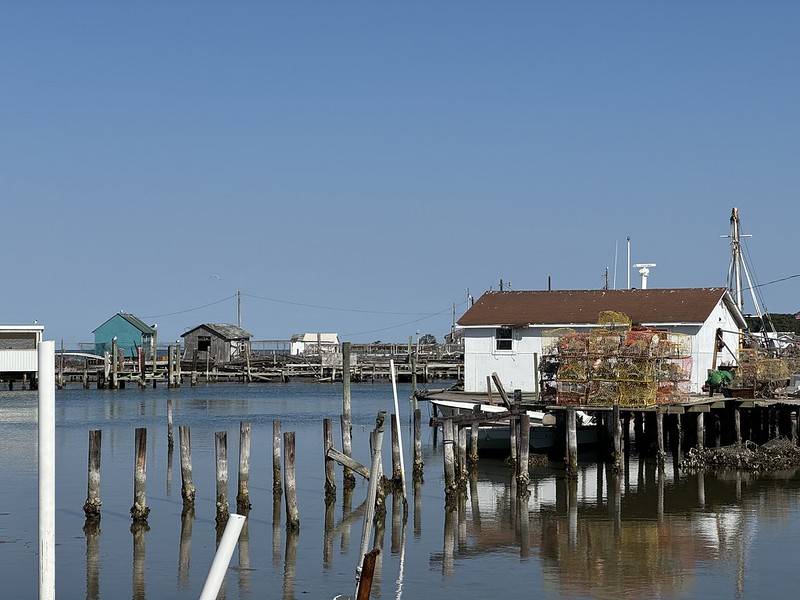
Tangier Island delivers on coastal essentials without feeling staged. Seafood arrives fresh and uncomplicated. The marina doubles as a gathering point rather than a photo backdrop. Beaches sit slightly removed from typical routes, favoring those willing to slow their pace and stay awhile.
Life here feels pared down. Walking replaces driving. Conversations happen easily, often with people who have lived on the island their entire lives. There’s no rush to fill the day—time is shaped by tides, meals, and long stretches outdoors. Tangier Island doesn’t try to impress; it stays consistent, grounded, and quietly confident.
Tangier Island at a Glance
- Residents: Fewer than 1,000
- Key Locations: Local seafood spots, marina walkways
- Ideal Season: Summer
13. Wachapreague, Virginia
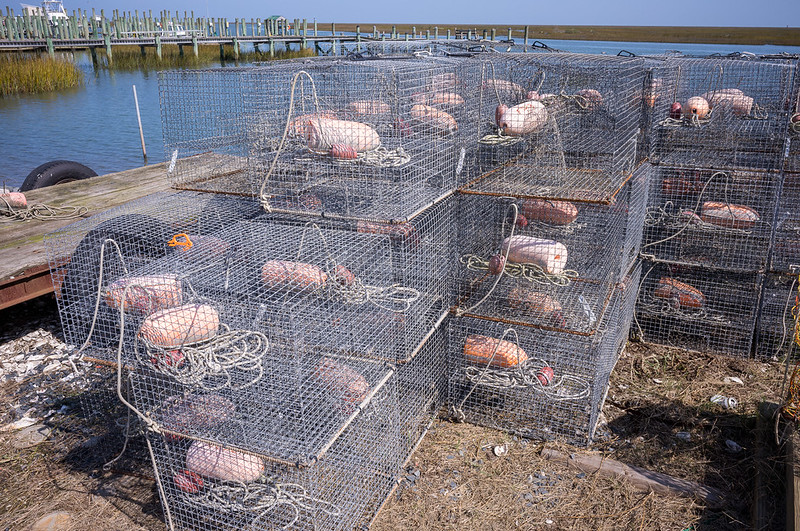
Wachapreague doesn’t follow the usual coastal script. There’s no wide beach scene and no reputation built on restaurants or shops. At first glance, it can feel like an odd inclusion among Virginia’s small seaside communities—and that reaction is understandable.
The reason it earns attention becomes clear quickly: fishing defines this place. Wachapreague has long been known as a serious angling hub, drawing people who care more about tides and timing than amenities. The surrounding marshland shapes both the landscape and daily life, creating waterways that reward patience and familiarity rather than spectacle.
Time here revolves around the water. Boats come and go. Locals talk conditions instead of forecasts. The setting may feel understated, but the experience runs deep for those who arrive with the right expectations. Wachapreague isn’t flashy, and it doesn’t try to be. It knows exactly what it offers—and sticks to it.
Wachapreague at a Glance
- Residents: Fewer than 300
- Key Locations: Fishing waters and docks
- Ideal Season: Summer
2 Virginia Towns Where Comfort Comes Naturally

Many of Virginia’s small towns feel familiar in an almost immediate way. They carry a gentle warmth, shaped by long-standing habits, front-porch conversations, and streets that don’t ask you to hurry. The atmosphere leans welcoming without trying to impress.
Landscapes play their part. Low hills stretch beneath open skies. Sunlight filters through tall trees and settles across farmland and orchards. Fences line wide fields, marking space rather than closing it off.
With that setting in mind, the towns ahead stand out for their comfort and character. These are places where the pace eases naturally—and where time tends to linger longer than planned.
14. Occoquan, Virginia
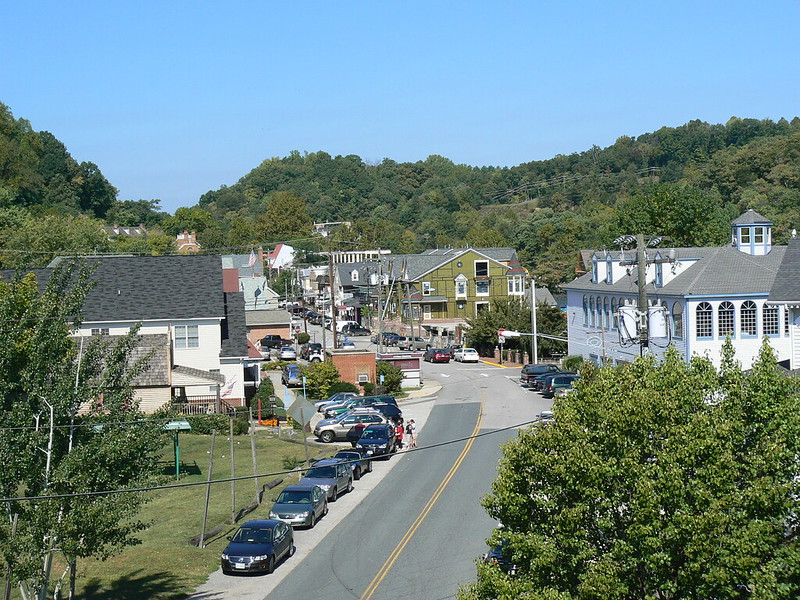
Occoquan is small even by Virginia standards, but size doesn’t limit presence here. The town holds its ground through stillness and proportion rather than scale. Short blocks, narrow streets, and close-set buildings create a sense of containment that feels deliberate, not limiting.
Colonial-era homes—rarely taller than a few stories—edge the roads in quiet rows. Sound rarely carries far. What stands out instead is the river: a muted green-blue surface catching reflections of trees that lean in from every side. Water shapes the town’s mood more than any landmark.
Occoquan keeps company with boats more than crowds. Visitors pass through, but never in waves. That restraint is part of the appeal. I used to row here on weekends, letting the current decide the pace. It’s a place I think about often, the kind that stays with you long after distance sets in.
Occoquan at a Glance
- Residents: Fewer than 1,000
- Key Locations: Rowing routes, boating access, slow walks
- Ideal Season: Summer
15. Purcellville, Virginia
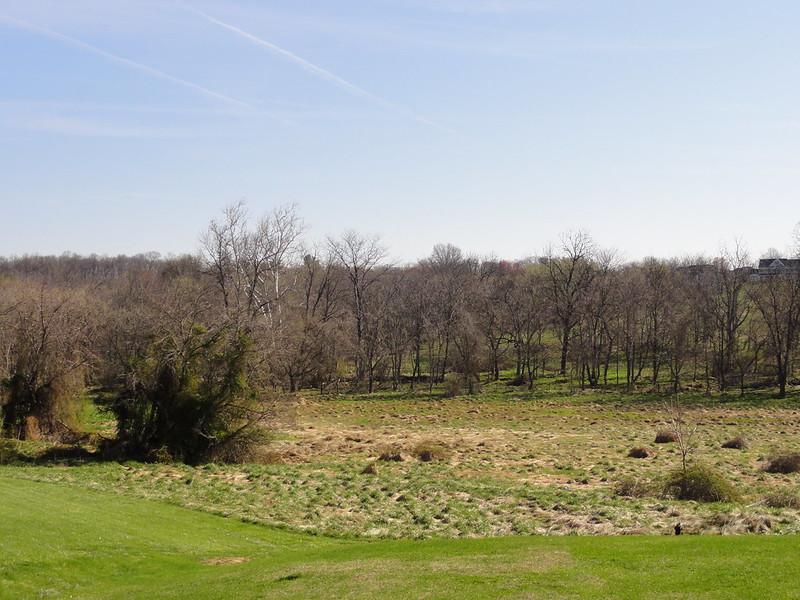
Arriving in Purcellville, your eyes tend to drift upward first. The Blue Ridge Mountains sit in the distance, softened by haze, more suggestion than statement. They don’t dominate the town—they frame it, quietly setting the tone before you ever park the car.
Purcellville carries a lived-in charm that feels earned rather than curated. Many of the older houses now serve new purposes as small shops and local businesses, giving the streets a layered feel. If antique stores are your weakness, walking here can take longer than planned, with each doorway offering a reason to slow down.
One of my favorite pauses is the Purcellville Library. It’s compact, a little creaky, and closer in spirit to a secondhand bookstore than a modern facility. Children fill the space after school, voices bouncing between shelves, which somehow makes the room feel warmer rather than crowded.
Step back outside and the rhythm shifts again. Market stalls appear along the streets, fruit piled high, the smell of fresh produce drifting without warning. Tasting something becomes almost automatic. As the day winds down, keep an eye on the sky—at sunset, bats sometimes sweep overhead, quick and silent, as if on cue.
Purcellville at a Glance
- Residents: Fewer than 9,000
- Key Locations: Wineries, breweries, farmers’ markets
- Ideal Season: Fall
Related Posts:
- 15 Peaceful Small Towns Near Asheville for Your Next Adventure
- 15 Dreamy Small Towns in Minnesota Away from the Crowds
- 15 Must-Visit Small Towns in Portugal for an Unforgettable Trip
Now I’m curious about your perspective. Which small towns in Virginia have stayed with you, and what made them matter? Are you drawn to quieter places, or do larger cities hold more appeal?
Share your thoughts below. Stories, preferences, strong opinions—everything is welcome in the comments.