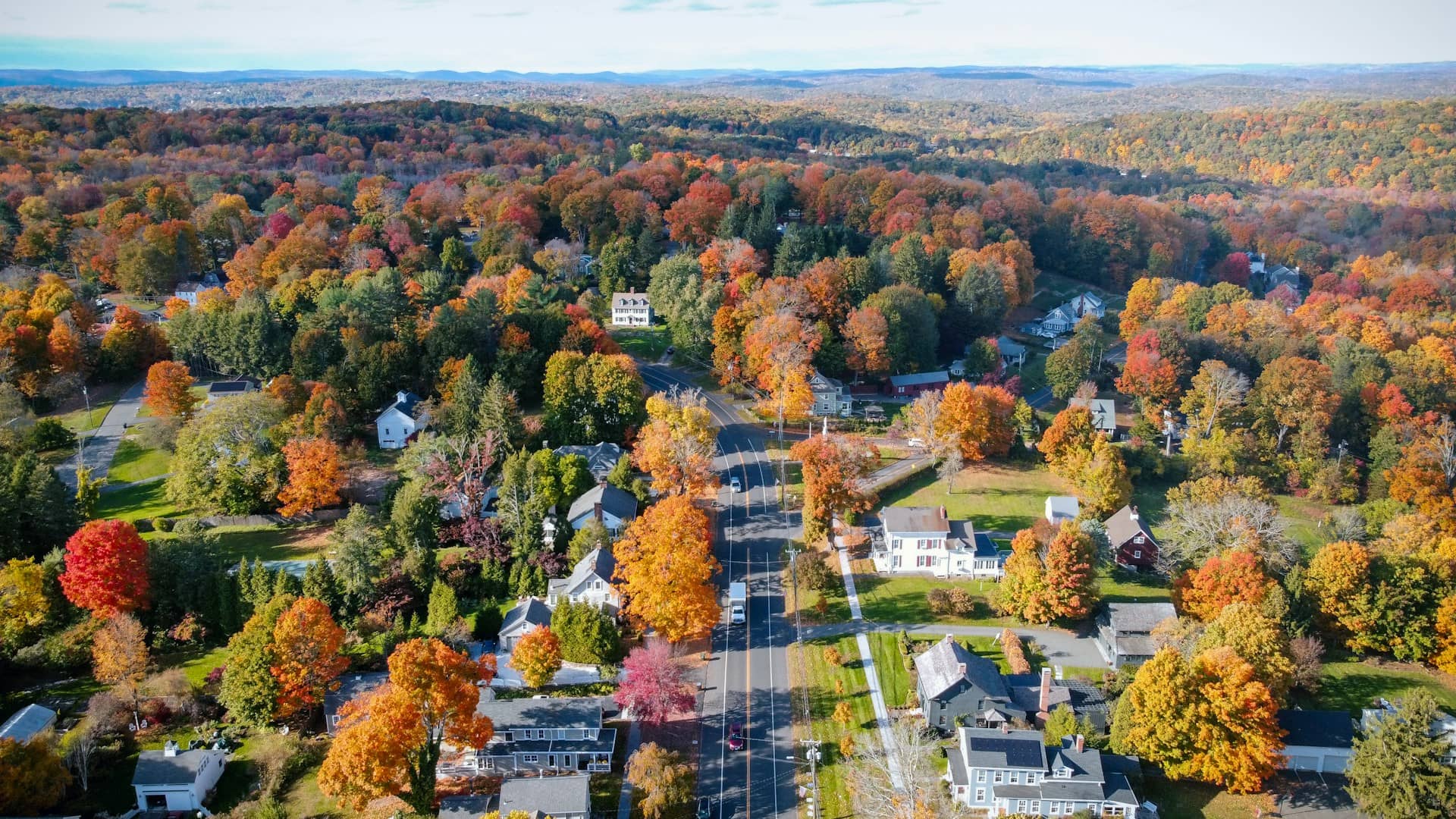
If you’ve been dreaming of a scenic New England road trip, this guide has you covered. From winding trails to historic villages, the northeastern U.S. offers an unforgettable mix of outdoor escapes and small-town charm. Whether you’re chasing fiery foliage or crisp mountain air, each stop reveals a fresh layer of the region’s character.
This route spans all six New England states—Connecticut, Maine, Massachusetts, New Hampshire, Rhode Island, and Vermont. You’ll get a taste of each, with short hikes woven in throughout the journey. First-time visitors will appreciate the balance of nature walks, cultural landmarks, and off-the-interstate gems.
What sets this itinerary apart is how it blends forest paths, coastal moments, and iconic towns into one manageable loop. You won’t need to be a seasoned hiker to enjoy the trails—each one offers just enough terrain to stretch your legs and take in the scenery without demanding a full day’s effort.
It’s a rewarding way to explore the Northeast—one trail, town, and timeless view at a time. Buckle up and get ready to experience New England like never before. Want a shorter version that still hits the highlights of Vermont and New Hampshire? Try a streamlined five-day loop through the Green and White Mountains.
When Is the Best Time for a New England Road Trip?
Timing can make or break your New England adventure, especially if you’re hoping to explore its forest trails and charming town centers on foot. The ideal window for this road trip is between May and October—when trails are generally accessible, and local businesses in smaller, seasonal communities like Bar Harbor are in full swing.
If you’re after those postcard-worthy autumn colors, early October delivers. The hillsides and valleys light up in deep oranges, reds, and golds that seem to shift daily. It’s a fleeting spectacle, and one that draws plenty of leaf peepers—so expect higher prices, limited availability, and busier roads. Advance planning becomes essential during this peak period.
On the other hand, summer provides its own kind of magic. With longer days, warmer temps, and fewer booking hurdles, it’s an excellent time for a more relaxed pace. While the scenery might be greener than golden, it still offers a refreshing escape from daily routines.
Whether you lean into the autumn rush or opt for summer’s ease, this road trip highlights the Northeast’s layered appeal—one season at a time. To zero in on where color pops first, bookmark this region-wide shortlist of peak-view spots—handy for swapping stops based on the latest reports.
Helpful Tips for Your New England Road Trip
Every road trip runs more smoothly with a bit of preparation—and New England is no exception. While much of the region is well-connected, there are a few practical steps that can make your journey more enjoyable from start to finish.
- First, keep an eye on your gas tank. Some stretches, especially between smaller towns or near state parks, don’t offer many fuel options. Apps like GasBuddy can help you spot better prices along your route.
- Make sure to download offline maps ahead of time. Although you’re not venturing into total wilderness, there are spots—particularly around mountain passes or forested areas—where signal can drop unexpectedly.
- If you’re planning to explore Acadia National Park or the White Mountains, consider purchasing the America the Beautiful Pass. It covers entry to national parks and other federal lands for a year, which can be a good value if you’re hitting multiple sites.
- Lastly, expect crowds during peak seasons—especially in early October. Leaf season draws travelers from across the country, so popular viewpoints and trailheads fill up fast. Bring patience, aim for early starts, and always have a Plan B in case parking lots or trails are at capacity. Flexibility goes a long way in making the most of your time on the road.
10-Day New England Road Trip Itinerary + Map Overview
This itinerary moves at a brisk pace, ideal for travelers eager to cover a lot of ground. Expect a fair amount of time on the road—but with views, trails, and towns that make every mile count. If a slower rhythm suits you better, consider trimming a few stops or extending your journey to spread out the driving.
Trip at a Glance:
- Day One: Drive from Boston to Acadia National Park, with optional scenic pauses along the Maine coast.
- Day Two: Spend the day exploring Acadia’s trails, rocky shores, and ocean views.
- Day Three: Head inland, crossing into New Hampshire’s mountainous region.
- Day Four: Take in dramatic landscapes and hiking routes in the White Mountains.
- Days Five & Six: Enjoy Vermont’s charming towns, rolling hills, and covered bridges.
- Day Seven: Journey south with a stop in The Berkshires—ideal for a walk or museum visit.
- Day Eight: Discover Connecticut’s blend of coastline and countryside.
- Day Nine: Soak up Rhode Island’s coastal heritage and historic districts.
- Day Ten: Return to Boston, giving yourself time to enjoy the city’s mix of old and new.
If a week suits your schedule better, follow a focused, one-week foliage game plan that mirrors this route’s best stops.
Visualize Your Route
The road trip map below helps you get a sense of the overall layout. Each day is marked in a different color, offering a simple view of your path across all six New England states. Use it as a flexible guide—you can follow it exactly or use it as a base for customizing your own journey.
Day One: Boston to Acadia National Park
Kick off your New England road trip by flying into Boston and picking up your rental car. Your ultimate destination for the day is Bar Harbor, Maine—gateway to Acadia National Park. While the direct drive clocks in at just under five hours, breaking up the trip with a few carefully chosen stops makes the journey far more enjoyable.
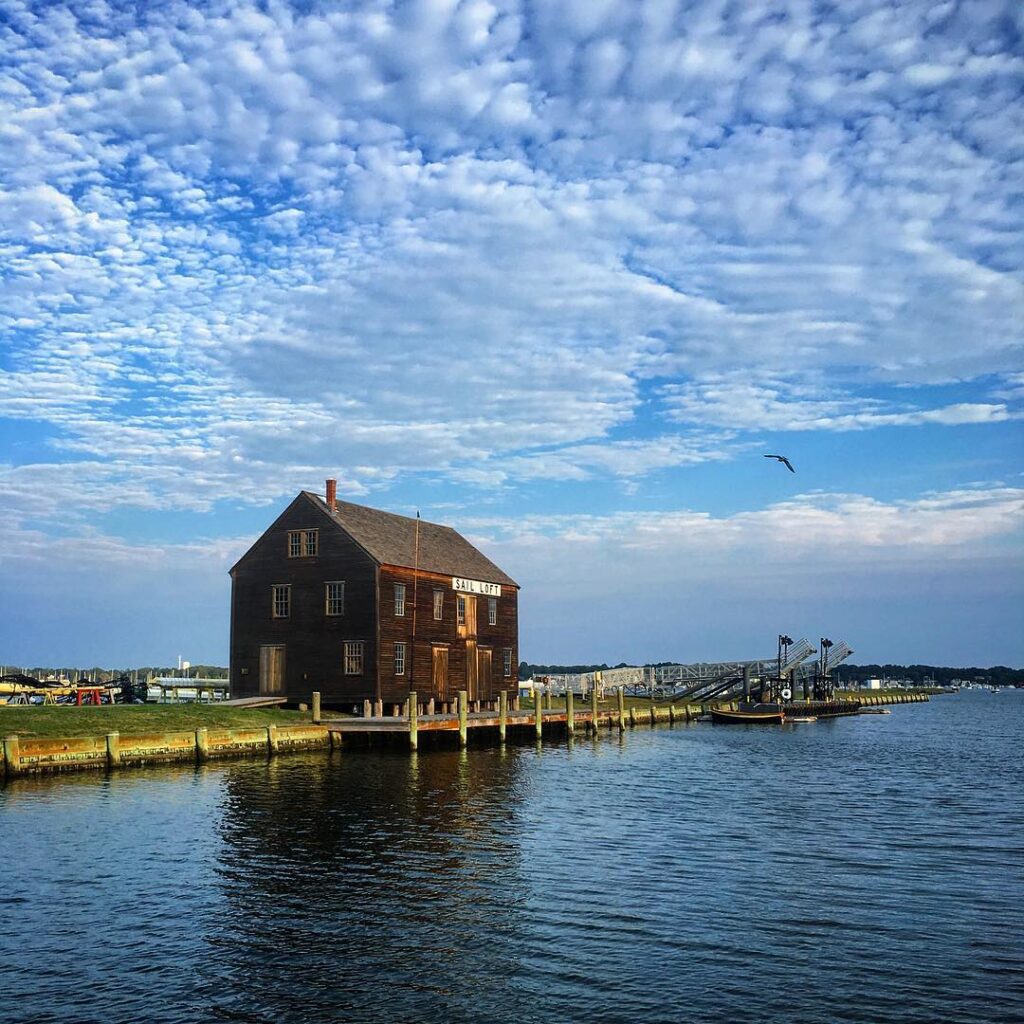
Before leaving the Boston area, consider a brief detour to Salem. This coastal town is well-known for its 1692 Witch Trials, but it also holds deep ties to maritime trade and early American history. For a quick visit, stroll through the Salem Witch Trials Memorial, take a peek inside The Witch House, and stop by Old Town Hall. If time allows, browse a few quirky shops like HausWitch for local finds.
Continuing north, your next pause should be Portland, Maine. While this lively harbor city deserves a full weekend of its own, you can get a quick taste. Grab a box of potato donuts from The Holy Donut—yes, they’re famous for a reason—and head over to Fort Williams Park to admire the Portland Head Light, one of the most photographed lighthouses in the country.
By late afternoon or early evening, arrive in Bar Harbor. This welcoming coastal town will be your base for the next two nights. If you make it in time, head out to Bass Harbor Head Light Station for a glowing sunset over the rocky cliffs. Then settle in with a satisfying dinner—try the local seafood at Geddy’s or dive into the creamy mac and cheese at Side Street Café. If you’re looking for something quieter, Harbor Table is a personal favorite just a short drive from the park’s edge.
Where to Stay Near Acadia National Park
Choosing the right place to stay near Acadia can shape your experience—whether you’re looking for affordability, comfort, or something with a little more character. Below are a few standout options across different price points:
- Budget-Friendly – Acadia Sunrise Motel
For travelers keeping an eye on their wallet, this no-frills option offers clean rooms, convenient parking, and easy access to Acadia’s main entrances. It’s a solid base if you plan to spend most of your time exploring outdoors. - Something a Bit Different – Under Canvas Acadia
If you’re up for a stay that blends camping with comfort, this upscale tented resort delivers. Think cozy beds, wood-burning stoves, and private decks—without needing to pitch your own tent. It’s an experience that brings you closer to nature, with just enough luxury to keep it comfortable. - Mid-Range Pick – Elmhurst Inn
This locally owned inn strikes a nice balance between charm and convenience. Set in a quiet residential area, it provides a peaceful retreat after a long day of hiking, without being too far from Bar Harbor’s restaurants and shops. - Higher-End Escape – Terramor Outdoor Resort
For those who enjoy polished accommodations with natural surroundings, Terramor blends lodge-style touches with thoughtful design. With a mix of open-air communal spaces and private, wooded settings, it’s ideal for unwinding in the evening while still being close to the park’s trails and coastline.
Day Two: Exploring Acadia National Park
Dedicate your second day to experiencing the wild, coastal beauty of Acadia National Park. This park offers a wide variety of outdoor adventures—from forested hikes and rocky shorelines to bike rides through tree-lined carriage roads. With more than 150 miles of hiking trails and 45 miles of gravel paths, there’s no shortage of ways to enjoy the landscape.
Acadia sits right on the edge of the Atlantic, giving you a rare blend of sea and summit in one place. You can start the day climbing granite ridges with sweeping ocean views and finish with a peaceful walk by Jordan Pond or a ride beneath maple canopies on two wheels.
A Quick Note: Acadia ranks among the top 10 most visited national parks in the U.S. That means crowded trailheads, packed parking lots, and busy overlooks—especially during peak foliage season. Make any necessary reservations ahead of time (like vehicle access for Cadillac Summit Road), head out early, and always have an alternate plan in your back pocket.
Ready to make the most of your time here? The next section outlines a suggested itinerary for one well-spent day inside the park.
Sunrise from Cadillac Mountain
Begin your day with a sunrise experience you won’t soon forget—from the summit of Cadillac Mountain. During the colder months, this is one of the first places in the U.S. to catch the morning light. Even outside of winter, the early glow across the Atlantic and surrounding islands is something special.

To drive to the top for sunrise, you’ll need a timed vehicle reservation—and they tend to sell out quickly. Make sure you’re ready to book the moment they’re released on the National Park Service website. It’s a popular time slot for good reason.
Didn’t get a reservation? You still have options. You can hike to the summit using one of two main routes:
- North Ridge Trail – 4.2 miles round trip with steady elevation gain
- South Ridge Trail – 6.7 miles round trip with more gradual incline and open views
Parking near both trailheads is limited, so aim to arrive early if you go this route.
If you do make it up by car, expect a crowd. Bring warm layers, a blanket, and a flashlight or headlamp for the dark early start. While the main overlook gets busy, walking a bit farther from the lot often leads to quieter spots where you can enjoy the view in relative calm.
On my visit, a cloud inversion blanketed the valleys below, with just the highest peaks breaking through the mist. It was quiet, surreal, and absolutely worth the early alarm.
Climb the Beehive Trail
If the idea of scaling iron rungs built into a cliff face excites you, then the Beehive Trail should absolutely be on your itinerary. This short but bold hike is one of Acadia’s most well-known routes, featuring a steep climb, narrow ledges, and metal ladders bolted into the rock. It’s not recommended for those with a fear of heights—but for thrill-seekers, it’s a must.
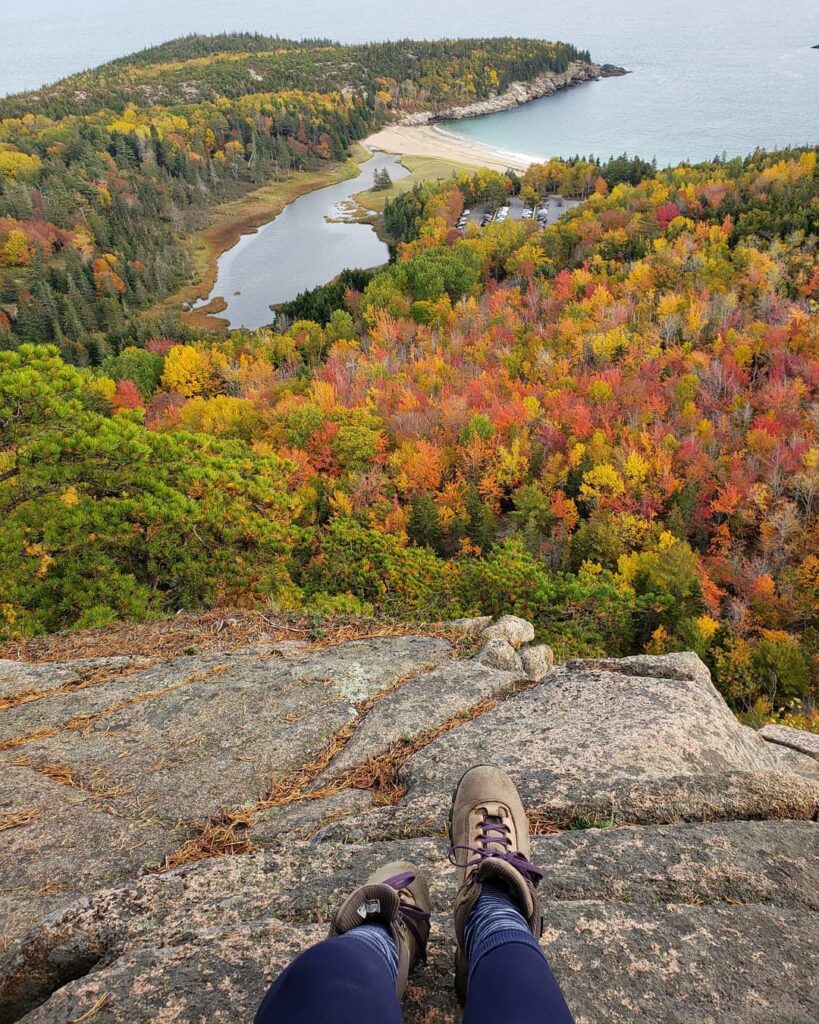
Despite its daring reputation, the ascent is fairly brief. Once you reach the top, you’re rewarded with sweeping views of the ocean, forested hills, and Sand Beach below. It’s the kind of viewpoint that makes your legs go quiet and your camera work overtime.
Important tip: The ladders are meant for the ascent only. Coming down the same way isn’t safe. Instead, descend via the back trail, which loops gently around The Bowl—a small lake tucked among the hills. The descent is gradual and allows you to take in the surrounding landscape at a slower pace.
The entire loop covers about 1.5 miles, making it manageable even if you’re short on time. Just be sure to wear sturdy shoes and go early to avoid crowds.
Want more trail options in the area? I’ve put together a guide to 14 rewarding hikes across Acadia, from easy coastal strolls to more demanding routes.
Walk the Ocean Path Trail
After your climb on the Beehive, unwind with a scenic walk along the Ocean Path—a relatively flat route that hugs the rugged coastline of Acadia. This trail stretches about 4 miles round trip from Sand Beach to Otter Point, and you can choose to hike the whole way or stop at individual viewpoints by car (though parking can be tricky, especially mid-day).
What makes this stretch so appealing is the easy access to some of Acadia’s most iconic spots. Starting from Sand Beach, follow the path south along the coast. Along the way, you’ll pass Thunder Hole, a narrow inlet where waves slam into the rock and explode upward, making a dramatic sound—especially a couple of hours before high tide. It’s a short walk from the parking lot and a favorite stop for visitors of all ages.
Continue further and you’ll reach Otter Cliff, one of the tallest coastal headlands in the area, followed by Otter Point and Otter Cove, both of which offer quieter places to sit and take in the sweeping ocean views.
Ocean Path is ideal if you’re looking to balance out the more vertical trails with something more relaxed. It’s a great way to soak up the atmosphere of the Maine coast without having to break much of a sweat.
Prefer to sit back and let someone else lead the way? Consider a handful of foliage tours worth booking right now—from river cruises to scenic flights that pair perfectly with coastal Maine days.
Dine at Jordan Pond House
One of Acadia’s most well-loved traditions is a meal at Jordan Pond House, perched beside the clear waters of Jordan Pond. This historic restaurant has been welcoming visitors since the late 1800s and is best known for one thing: popovers.

What’s a Popover?
It’s a light, hollow roll made with an egg-rich batter and baked in a deep pan that helps it rise tall. Crisp on the outside and airy within, popovers are served warm and typically paired with butter or jam. They’re simple, but surprisingly satisfying.
Parking here can be a challenge, especially around lunchtime. If the lot is full, be prepared to loop around or park farther out and walk in. Reservations are available and helpful, but if you’re added to the waitlist, it usually moves at a reasonable pace. While waiting, take a stroll down to the pond’s edge—the scenery is well worth a few extra minutes.
Once seated, order at least one popover, and if you’ve saved room, try the popover sundae: a scoop of ice cream tucked inside a warm popover. It’s every bit as indulgent as it sounds.
If you’re hooked, the nearby gift shop sells the restaurant’s own popover mix so you can recreate a bit of Acadia flavor back at home.
Walk to Bar Island
One of Acadia’s more unusual trails isn’t always there—literally. The walk to Bar Island is only possible during low tide, when a natural gravel causeway appears from beneath the water, linking the town of Bar Harbor to the island just offshore. Timing is everything here; if you don’t return before the tide rolls in, you’ll be stuck waiting for the next low tide to make your way back.
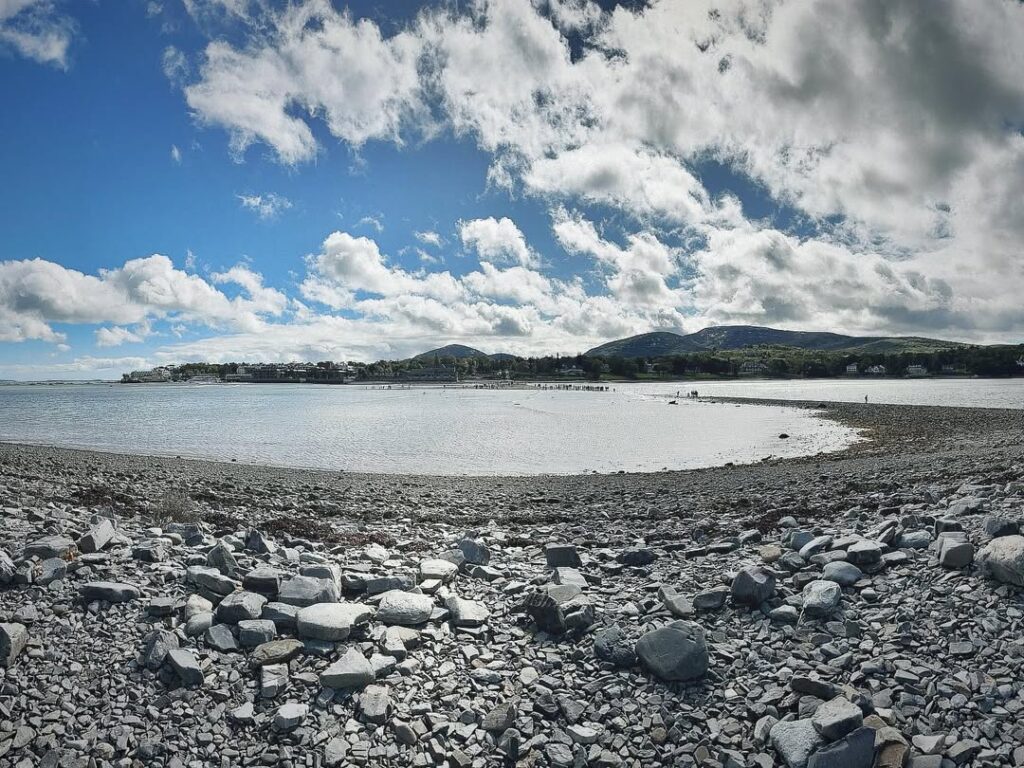
The walk itself is flat and easy, offering a fun change of pace from Acadia’s steeper trails. Once on the island, you’ll find a handful of short paths to explore. The main trail leads to a modest overlook with a great view back toward town and the harbor. Along the way, you’ll pass mossy woods, open clearings, and the remnants of the former Jack Perkins Estate—now just a quiet piece of history slowly being reclaimed by the landscape.
Altogether, the round-trip walk and trails on the island add up to just over two miles. It’s a short outing, but rich with coastal sights and the occasional heron or crab sighting. Keep your eye on the tide charts and give yourself plenty of buffer time. This isn’t the kind of hike where you want to linger too long.
Dinner in Bar Harbor
Wrap up your day with a relaxing evening in Bar Harbor, where the mix of local flavors and cozy atmosphere makes it easy to unwind. The town has no shortage of casual restaurants, seafood joints, and dessert spots to explore—whether you’re in the mood for lobster rolls, clam chowder, or something more creative.
If you didn’t make it to Harbor Table the night before, now’s your chance. It’s tucked away in a quieter part of Mount Desert Island, about a 20-minute drive from downtown Bar Harbor. The setting is peaceful, the portions are generous, and the pasta dishes are especially popular. Pair your meal with one of their craft cocktails and enjoy a slower pace after a day full of activity.
Whether you stay close to town or venture out for a special meal, the evening is a great time to reflect on your Acadia adventures—preferably with something delicious in front of you.
Day Three: From Acadia to the White Mountains
Leave the coast behind as you make your way from Maine into the forested landscapes of New Hampshire. Day three is a travel day, but there’s still time to enjoy a good meal and a bit of trail time.
If you’re up early in Bar Harbor, start the morning with breakfast at This Way Café. It’s a laid-back spot with fresh takes on classic dishes—ideal fuel for the road ahead.

The drive to the White Mountains takes just under five hours, passing through small towns and stretches of peaceful highway. While it’s not the most scenic portion of the journey, it sets the stage for the mountainous terrain to come.
Once you reach the White Mountains, stretch your legs with a short hike before settling in for the evening. Two worthwhile options:
- Champney Falls – A moderate 3-mile round trip through wooded terrain, ending at a series of tiered waterfalls. It’s a nice choice on warmer days or after recent rain.
- Mount Willard – Another 3-mile hike, but with more elevation gain and a fantastic payoff: a wide view over Crawford Notch and the curving road below.
After your hike, grab dinner in Lincoln or nearby. For something flavorful and casual, Gypsy Café offers globally inspired dishes in a relaxed setting. If you’re in the mood for something more low-key, StrEatz, a funky little food trailer, serves up creative options that hit the spot without fuss.
It’s a satisfying end to a day spent transitioning from coastal calm to mountain air.
Where to Stay in the White Mountains
Whether you’re after simplicity, comfort, or a more immersive escape into nature, the White Mountains offer a wide mix of places to rest up between hikes and scenic drives. Here are a few standout options across the budget spectrum:
- Budget-Friendly: Parker’s Motel
This no-frills stay offers clean rooms, basic amenities, and a convenient location near Franconia Notch. It’s ideal for travelers who want to keep things affordable and spend most of their time outdoors. - Nature Stay with a Twist: Lumen Nature Retreat
For something a little more offbeat, Lumen Nature Retreat blends minimalist cabins and outdoor living. Think large glass windows, fire pits, and forest views—without straying far from the main highway. It’s a refreshing change from traditional lodging. - Mid-Range Comfort: Woodstock Inn & Resort
This local favorite offers cozy rooms, an on-site brewery, and a great location for exploring the surrounding trails. It’s a solid middle-ground pick—comfortable, welcoming, and walkable to restaurants and shops in Woodstock. - High-End Escape: Omni Mount Washington Resort
If you’re in the mood to treat yourself, this historic hotel stands out. With mountain views, fine dining, and a spa, it’s a destination in itself. Whether you’re soaking in the views from the veranda or grabbing a drink in the grand lounge, this place adds a bit of grandeur to your trip.
Day Four: Exploring the New Hampshire White Mountains
Today is all about taking in the wide-open landscapes and high peaks of New Hampshire’s White Mountains. Covering roughly a quarter of the state, this area is known for its craggy ridgelines, winding byways, and dramatic elevation changes that offer something for every kind of traveler.
If you’re up for a challenge, the region is home to more than forty 4,000-foot peaks, many with trails that climb into alpine terrain and offer wide-reaching views on a clear day. For those who prefer something a little more relaxed, there are scenic drives like the Kancamagus Highway, along with short walks that lead to overlooks, waterfalls, or peaceful forest clearings.
This part of the trip shines brightest in early October, when the hills erupt in layers of deep red, orange, and gold. Even a quick pull-off along the road can feel like a postcard come to life.
Whether you’re lacing up for a long ascent or just stopping for photos along the way, the White Mountains deliver a full day of fresh air and mountain scenery without the need to rush.
Hike Artist’s Bluff
Artist’s Bluff is one of the most well-known trails in the White Mountains—and for good reason. This short hike leads to an elevated viewpoint overlooking Echo Lake, and during autumn, the surrounding ridges explode with color. It’s a classic spot for first-time visitors and a favorite among photographers.
Due to its popularity, the trail gets busy—especially mid-morning. If you’re up for an early start, begin your hike before dawn and catch the sunrise from the overlook. The light over the lake and highway curves below is a quiet reward for beating the crowds.
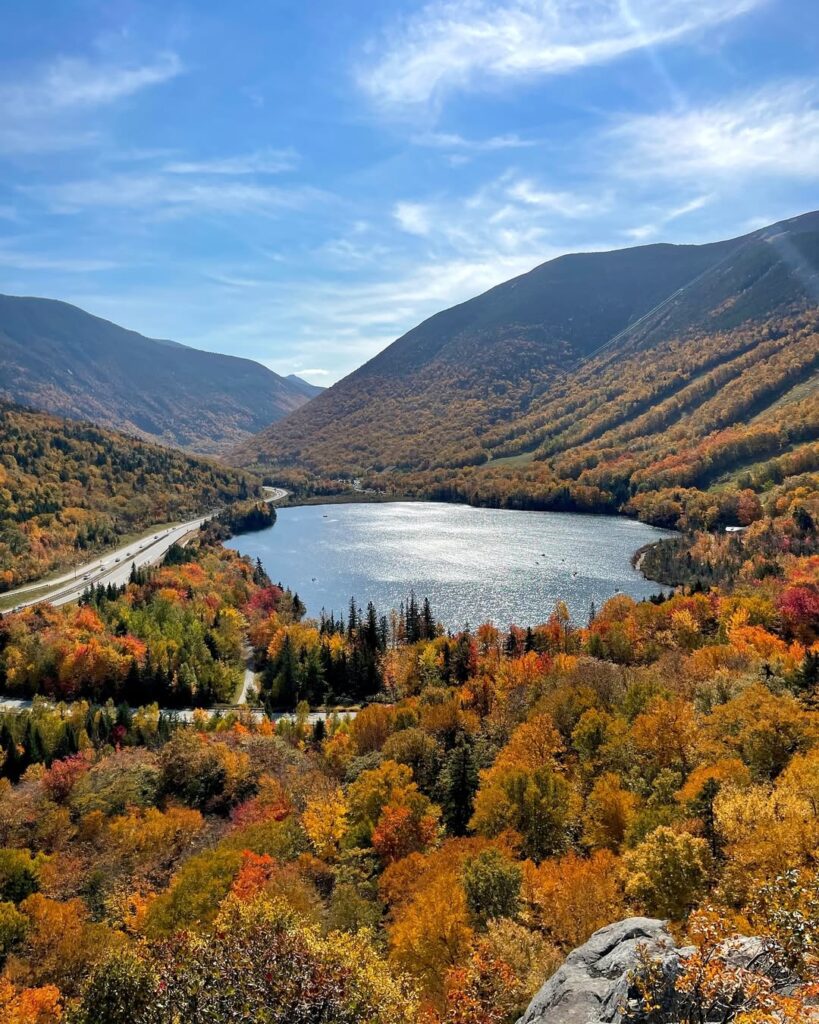
To extend the adventure, connect the trail to nearby Bald Mountain, creating a 1.5-mile loop. This offshoot sees far fewer visitors but still provides a broad view of the surrounding hills and valleys. The trail includes sections of rocky terrain that may require light scrambling, so wear proper footwear and bring water—even if it’s a short hike.
This combination gives you two lookouts, a peaceful early start, and a taste of the region’s varied terrain. For even more ideas, check out my list of the best day hikes in the White Mountains—ranging from family-friendly walks to full-day treks.
Drive the Kancamagus Highway
Spend the latter half of your day cruising one of New Hampshire’s most scenic drives—the Kancamagus Highway, or simply “The Kanc.” This 35-mile stretch winds through the White Mountain National Forest, connecting the towns of Lincoln and Conway, and offers a mix of panoramic overlooks, short hiking trails, and quiet pull-offs that are especially vibrant in the fall.
Pro Tip: Download the GuideAlong audio tour before you set off. It plays automatically based on your location and gives great background on each stop—perfect for making the drive more engaging.
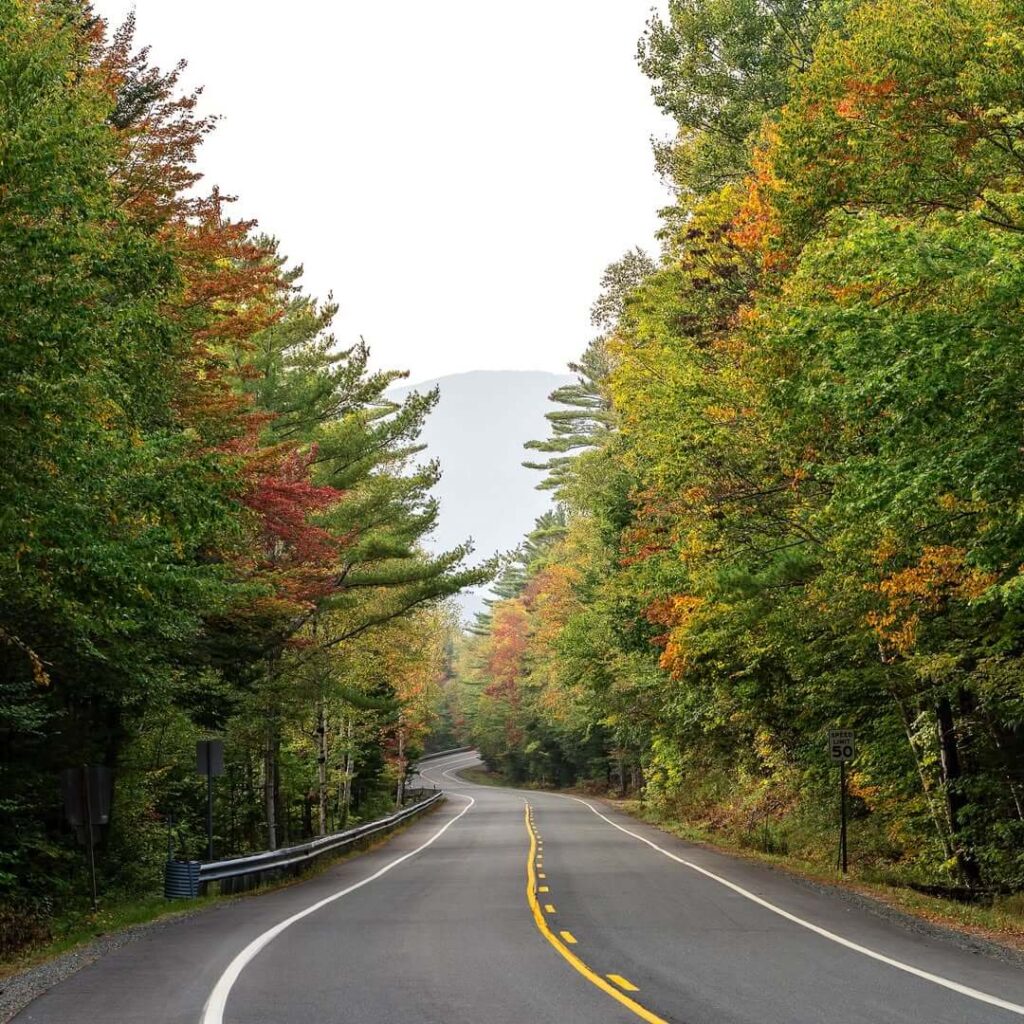
Here are some recommended highlights along the route:
- Hancock Overlook, Panoramic Overlook, and Pemigewasset Overlook: These stops offer some of the best wide-angle views of rolling ridges, especially colorful in early October.
- Lily Pond: A roadside stop that’s easy to miss, but worth pulling over for. On a still day, the reflections across the water are beautiful.
- Sabbaday Falls: An easy 0.7-mile walk leads to this distinctive waterfall, which twists through a narrow gorge with vivid turquoise water. It’s one of the most photographed spots on the drive.
- Rocky Gorge: A quick walk from the parking lot brings you to a narrow waterfall chute where the river cuts through rock. There’s also a wooden footbridge for a better view.
- Lower Falls: Just off the highway, this area is popular for picnics and summer swimming. Even if you’re just passing through, it’s a great spot to stretch your legs.
These stops offer a mix of views, water features, and easy walks. If time allows, there are more pull-offs and quiet corners to explore along the way.
Another Tip: Parking at most trailheads and overlooks along the highway costs $5. If you already have the America the Beautiful pass, that will cover your parking fee here as well.
Drive to the Top of Mount Washington
Mount Washington stands as the tallest peak in the Northeastern U.S., rising to 6,288 feet. On a clear day, the summit offers wide-reaching views across New Hampshire and beyond—stretching as far as Canada and the Atlantic Ocean.
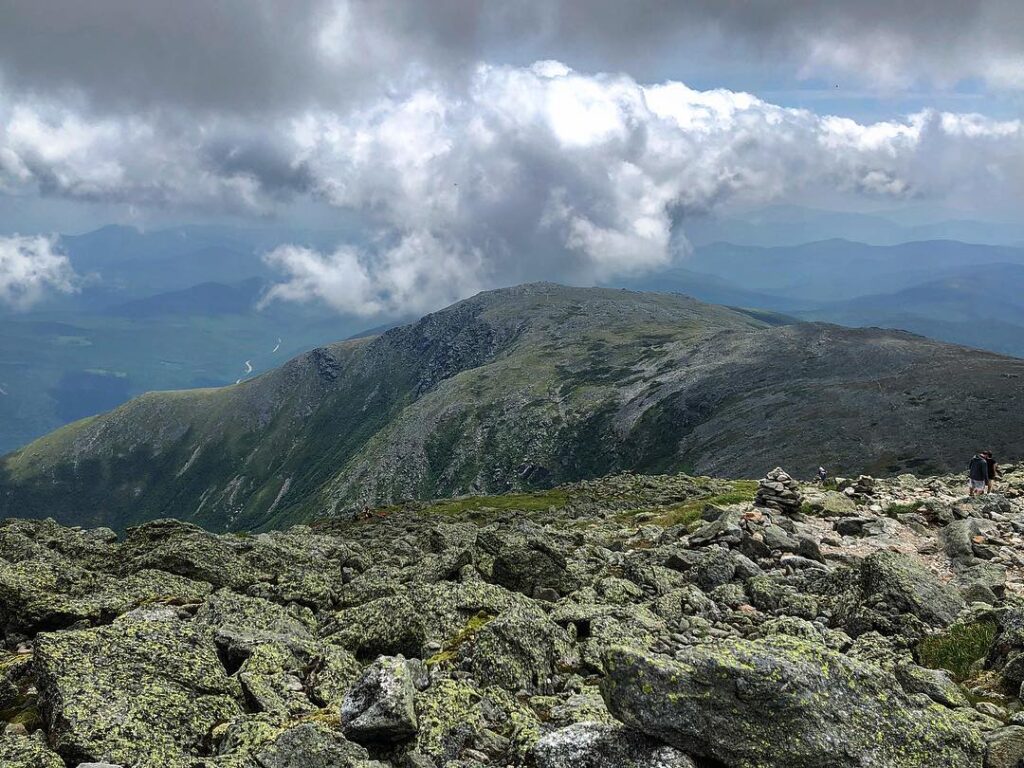
There are a few ways to reach the top: by foot, via the winding auto road, or aboard the Cog Railway. Since this itinerary moves at a brisk pace, hiking may not fit into your schedule, so consider driving or booking a ride on the Cog. The railway climbs at a steep 25% grade and gives you a unique perspective as it chugs toward the summit.
If you choose to drive, expect a narrow and steep route with sheer drop-offs in some areas. Use low gear on the descent to protect your brakes and keep control. Though the road may feel intense, the ever-changing views along the way more than make up for it.
Once at the summit, you’ll find more than just an overlook. There’s a visitor center with a museum, a weather observatory exhibit, and a gift shop. One notable landmark is the sign marking the site where a wind gust of 231 mph—the fastest surface wind ever recorded in the Northern and Western Hemispheres—was measured.
Conditions at the top are known to shift quickly. Even in summer, it can be cold, damp, and windy. Bring a jacket and an extra layer so you can enjoy the summit comfortably, no matter the weather.
Day Five: Stowe, Vermont
Leave the White Mountains behind and head west into Vermont for the next leg of your journey. Today’s destination is Stowe, a classic New England town framed by rolling hills and a strong sense of place. In the fall, the surrounding hills blaze with color, and the winding roads into town are part of the charm.
Once you arrive, take a bit of time to walk around—Stowe is full of small shops, cafes, and places to stop for cider or a warm treat. If you’ve got time for an adventure before settling in for the evening, consider a short hike that offers big views.
Hike to Nichol’s Ledge
About an hour’s drive from Stowe, Nichol’s Ledge is a lesser-known gem. This trail is short—under a mile round trip—but climbs quickly and leads to a striking cliffside view over Lake Willoughby. In autumn, the lake is surrounded by bands of fiery red, orange, and yellow. It’s the kind of view that feels almost too dramatic for the effort it takes to reach it.
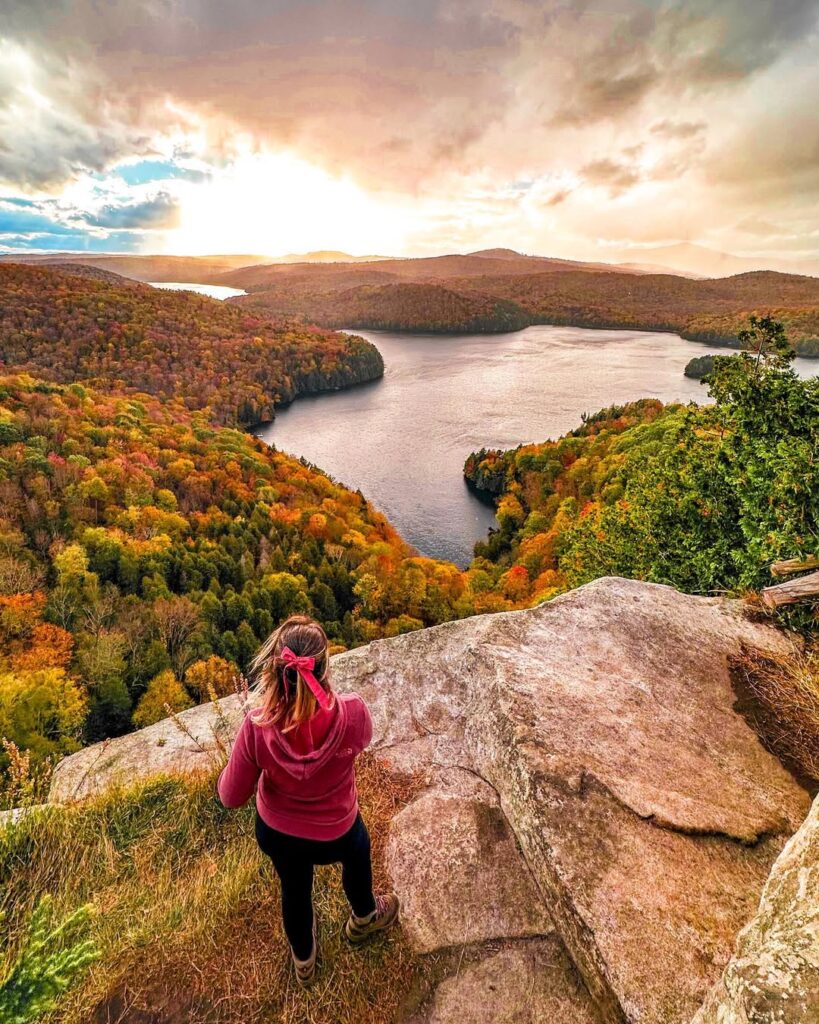
Keep in mind that this is a popular spot among locals and photographers, so it’s worth starting early to avoid the rush. Also, double-check your GPS route—Google Maps may direct you via Town Hwy 58, which is not suitable for most cars unless you have high clearance or four-wheel drive.
With its rewarding view and brief hike time, Nichol’s Ledge is a great addition to your Vermont leg—especially if you’re chasing peak foliage and want something off the beaten path.
Wander Through Stowe
Tucked into the rolling Green Mountains, Stowe charms visitors with its delightful downtown, seasonal treats, and mountain views that stretch for miles. Whether you’re passing through or planning a stay, this Vermont town offers a refreshing mix of sights and small-town spirit.
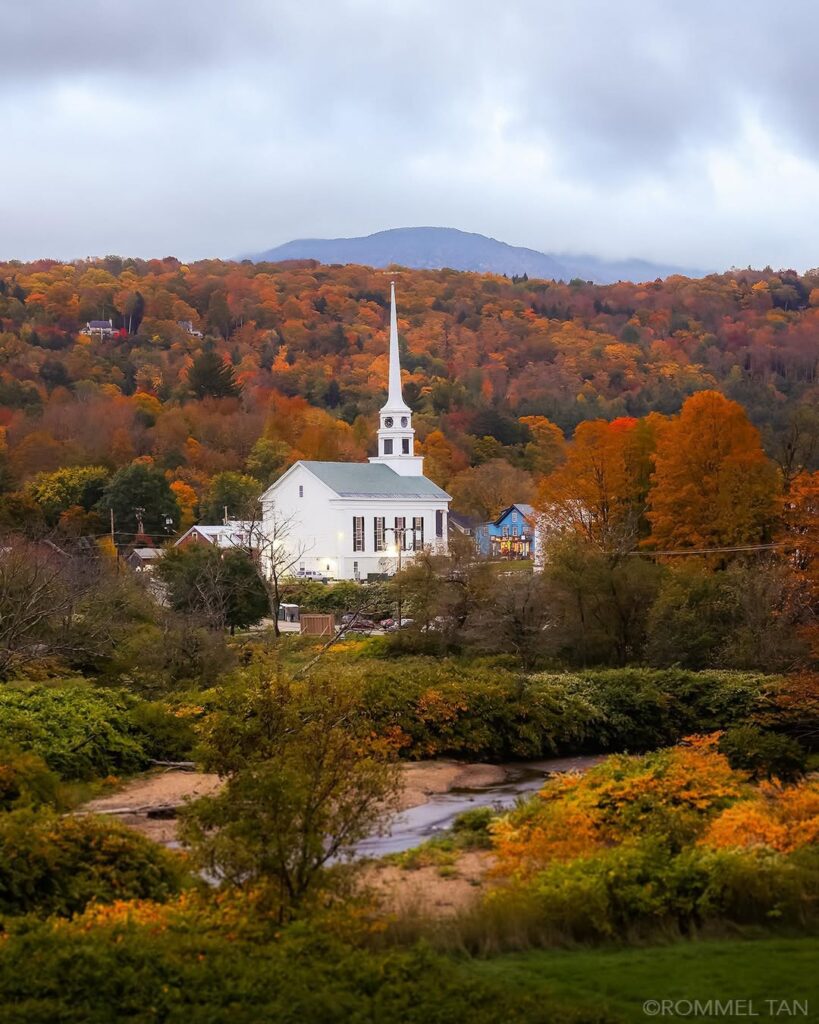
- Start your day with a ride, hike, or gondola trip to the summit of Mt. Mansfield—the highest peak in the state. If you’re driving, aim for an early start since access is limited and closes when capacity is reached. From the top, the panorama speaks for itself.
- Back in town, the Stowe Recreation Path offers a peaceful walk or bike ride through scenic countryside and alongside bubbling brooks. It’s a perfect way to slow down and breathe in the mountain air.
- Just outside town, Moss Glen Falls delivers a quick but rewarding walk to one of the area’s prettiest cascades. It’s an easy nature break before heading back for treats in town.
- For a quiet photo moment, drop by Salon Salon (yes, really!)—it has the clearest line of sight to the iconic white-steepled Stowe Community Church. Then swing by Cold Hollow Cider Mill to bite into warm cider donuts and sip fresh-pressed cider.
- And of course, no Stowe trip is complete without stopping at the original Ben & Jerry’s. You can grab a scoop and wander the whimsically morbid “Flavor Graveyard,” where discontinued flavors are commemorated.
Heads up: Traffic in Stowe can back up quickly, especially during peak foliage. The roads don’t offer many workarounds, so bring some patience and maybe download a podcast or two, just in case.
Where to Stay Near Stowe
Looking for a place to stay near Stowe? From cozy budget picks to upscale mountain lodges, here are a few options that cater to a range of travel styles:
- Budget – Commodores Inn
This welcoming, wallet-friendly option offers classic rooms and a laid-back atmosphere. Guests appreciate the indoor pool and the easy drive into downtown Stowe. It’s a reliable pick for those looking to stretch their dollars without skipping comfort. - Offbeat Stay – Treehouse in Hardwick, VT
If you’re up for something a bit different, this treehouse in Hardwick makes for a memorable overnight. Elevated above the forest floor, it gives off major childhood-dream vibes, but with the grown-up perks of a cozy bed and woodsy solitude. It’s about a 45-minute drive from Stowe—perfect for those who like their getaways with a twist. - Mid-Range – Stowe Village Inn
A solid middle ground, the Stowe Village Inn blends charm and convenience. Located close to shops and restaurants, it’s a great base for travelers who want to be near the action without overspending. The interiors are comfy, the vibe relaxed. - Luxury – Field Guide Lodge
For a high-end experience, Field Guide Lodge delivers with stylish design, plush bedding, and thoughtful details throughout the space. Its modern aesthetic meets mountain comfort, making it a great choice if you’re in the mood to treat yourself.
Whether you’re road-tripping through Vermont or planning a full fall retreat, these places make settling in easy. Just be sure to book early during peak leaf-peeping season—rooms fill up fast.
If charming village stops are your thing, save this roundup of New England’s sweetest small towns for easy add-ons between hikes and covered bridges
Day Six: Woodstock, Vermont
Spend your second day in Vermont by visiting a working maple syrup farm—a classic fall tradition in this part of New England. One of the best places to experience this is Baird Farm, less than two hours from Stowe.
Fun Fact: Vermont leads the nation in maple syrup production—no other state comes close!
Tour a Maple Syrup Farm
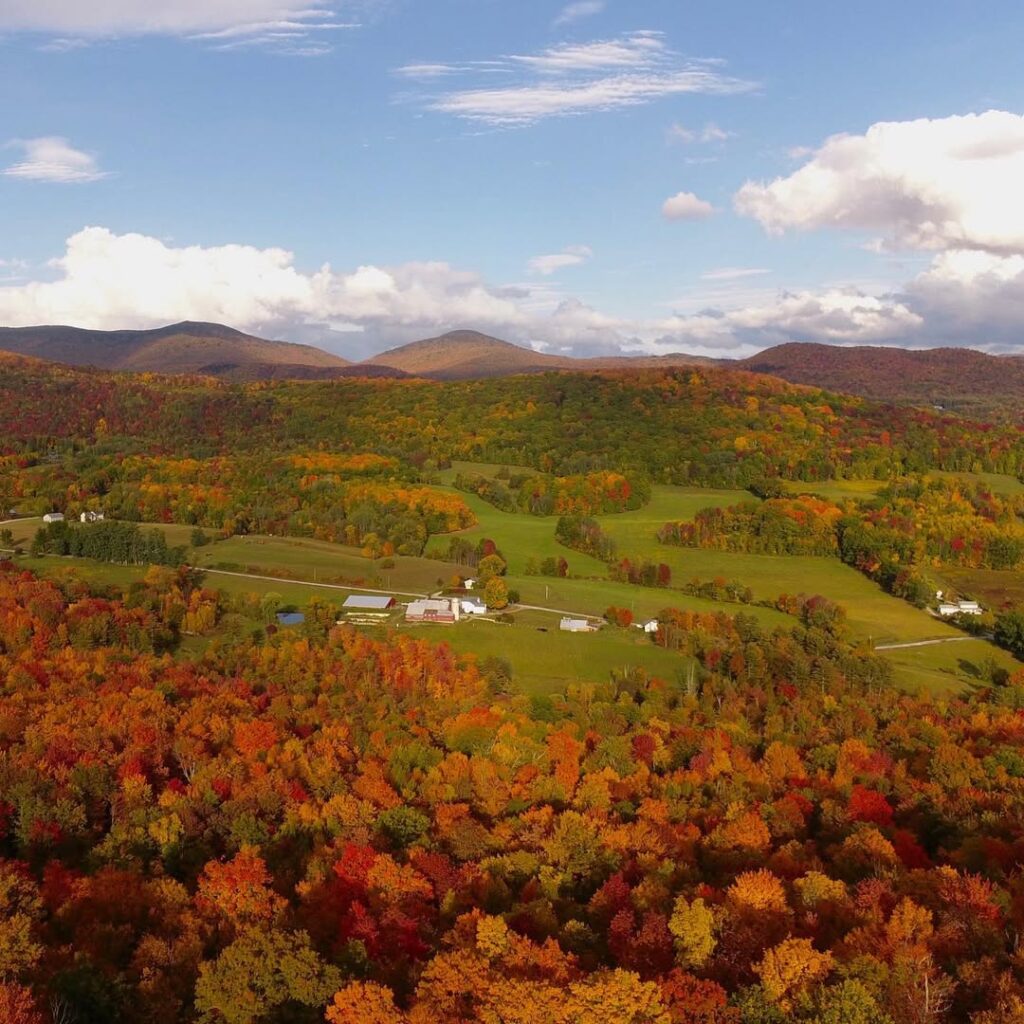
Baird Farm sits on 560 acres in Chittenden and has been run by the same family for generations. They offer complimentary guided tours, giving visitors a chance to walk through the sugarhouse, learn about the tapping process, and see the maple trees up close. Free samples are part of the experience, and you can buy syrup right from the source—fresh, local, and full of flavor.
Tip: Tours do require a reservation, so it’s smart to book in advance.
Visit Woodstock
After wrapping up your maple syrup farm visit, continue your journey to Woodstock—a charming town with old-fashioned appeal and no shortage of photo-worthy corners. The surrounding countryside adds to its draw, especially in autumn.
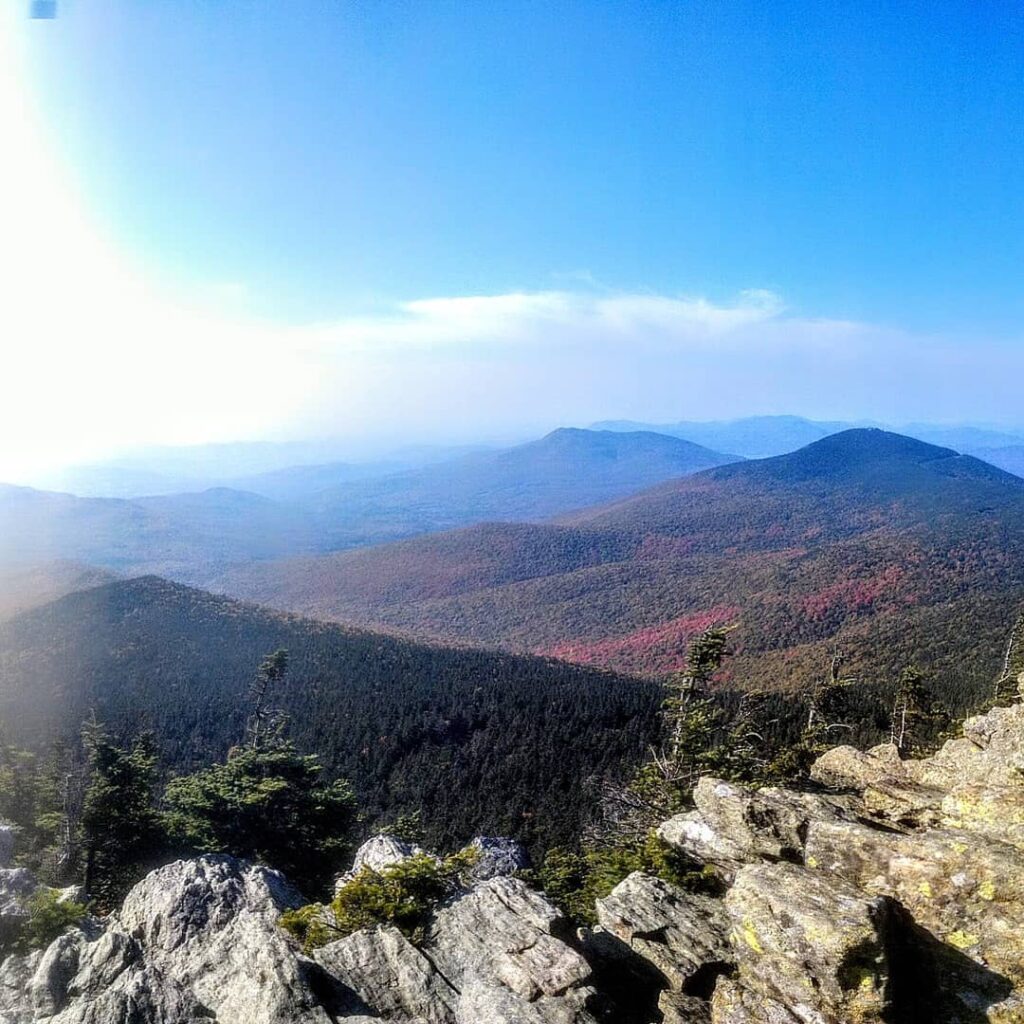
- Hop on the gondola at Killington Resort to reach the summit of Killington Peak, the second-highest point in the state. On a clear day, you’ll be treated to sweeping views across the Green Mountains and beyond.
- Stroll across the Middle Covered Bridge, one of Vermont’s classic wooden spans. Its traditional design and nearby walking paths make it an ideal stop for a brief walk and a few scenic shots.
- When you’re ready for a treat, stop by Woodstock Scoops and order a maple creemee—Vermont’s soft-serve twist on classic maple flavor.
- If you’re visiting during the fall, you might be tempted to photograph Sleepy Hollow Farm. It’s a favorite for photographers, but due to overwhelming visitor numbers, access has been restricted during peak foliage in recent years. Be sure to check for current guidelines before planning your stop.
Where to Stay Near Woodstock, VT
Finding the right place to stay can shape your Vermont experience. Whether you’re looking for simplicity or something with a little extra flair, here are a few options near Woodstock that offer a mix of comfort and personality.
- Budget-Friendly: This Cozy Cabin
If you’re after a peaceful place that won’t stretch your wallet, this small cabin is a solid choice. It’s simple but welcoming—perfect for resting after a day of foliage drives, farm visits, or mountain views. - Unconventional Stay: Willoughby Farm Animal Rescue
For something off the beaten path, consider staying at Willoughby Farm. Not your typical accommodation, this working animal rescue lets you experience rural Vermont while supporting a good cause. Wake up to the sounds of goats and get a feel for farm life up close. - Mid-Range Comfort: The Lincoln Inn
Set just outside town, The Lincoln Inn strikes a balance between coziness and sophistication. Known for its food as much as its hospitality, it’s a great option if you want something quiet but still close to the action. - High-End Option: The Shire
Perched along the river, The Shire offers scenic views, spacious rooms, and a setting that feels tucked away without being remote. It’s an ideal spot for travelers looking for something more polished without going over the top.
Day Seven: Vermont to Connecticut
Begin your journey south as you wrap up the Vermont leg of your road trip. The route to Connecticut takes you through Western Massachusetts—an area rich with character, history, and natural appeal.
Plan for a scenic drive through the Berkshires, where gentle hills roll into forested valleys and charming small towns offer unexpected stops. While the region isn’t sprawling, it holds a lot within its quiet roads—art galleries, indie bookstores, old general stores, and cozy cafes.
Whether you decide to hike to a waterfall, sample local cheeses, or visit a seasonal market, the Berkshires make for a worthwhile detour. You could stop in towns like Stockbridge, Lenox, or Great Barrington—each with its own personality and rhythm.
Fun Fact: The Berkshires aren’t a single town or county—they’re a cluster of rural communities known for everything from music festivals to handcrafted goods. Despite their size, they’ve long been a retreat for artists, musicians, and writers seeking a slower pace.
Explore North Adams, MA
Spend your afternoon in North Adams, a small city with an edge of creativity and grit. Tucked in the northern part of the Berkshires, it blends history and modern culture in unexpected ways.
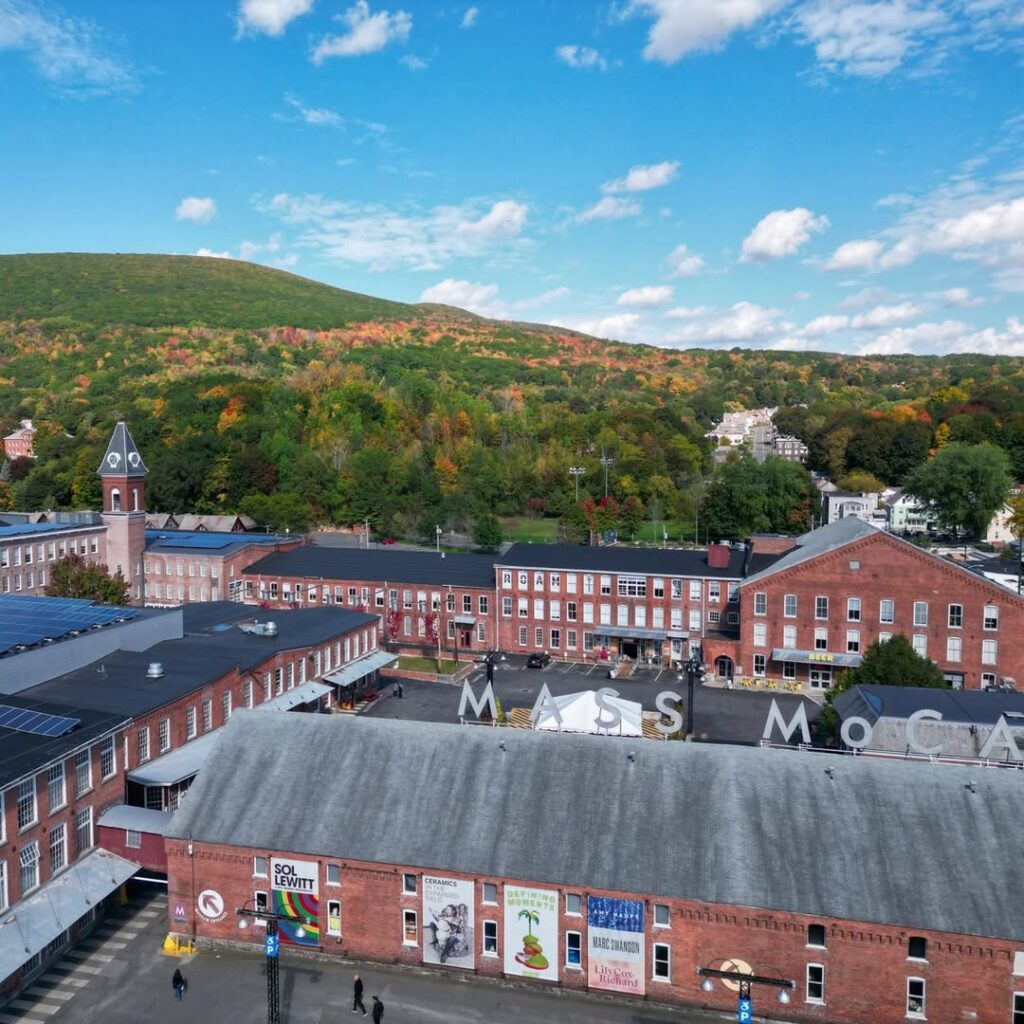
If art is your thing—or even if it’s not—make time for MASS MoCA. This massive contemporary art museum fills a converted factory with installations that are bold, experimental, and at times, downright mind-bending. From the immersive light works of James Turrell to Sol LeWitt’s colorful geometric walls, it’s more of an experience than a typical gallery visit. The setting, with its brick walls and exposed beams, adds a raw charm to the displays.
For a lunch stop that keeps the industrial theme going, head to Greylock WORKS. Once a cotton mill, the space has been reimagined as a hub for food and local makers. Grab a meal at The Break Room, known for its seasonal fare, and pick up a bottle of craft cider from Berkshire Cider Project while you’re there. It’s a great way to get a taste—literally—of the area’s local energy.
Stop at Some Waterfalls in Connecticut
As you make your way into Connecticut, take a break from the road with a couple of short, rewarding hikes. The northern part of the state is dotted with quiet forest trails that lead to scenic waterfalls—perfect for stretching your legs and taking in a little fresh air.
Two great options along the way are Enders Falls and Campbell Falls. Both trails are around a mile long and relatively easy, making them ideal stops during a day of travel. Enders Falls offers a series of cascades surrounded by lush woods, while Campbell Falls straddles the border with Massachusetts and features one impressive drop surrounded by rocky terrain. Wear proper footwear, as the paths can be slick depending on recent rain.
After your waterfall detour, wrap up your day in Hartford, the capital city. If time allows, go for a stroll through Bushnell Park, a downtown green space complete with a vintage carousel and views of the State Capitol.
For dinner, try one of Hartford’s local favorites:
– Banh Meee for Vietnamese street food with bold flavor
– Republic Gastropub if you’re craving elevated comfort fare
– Salute for a more classic, sit-down Italian dinner with a friendly neighborhood feel
Where to Stay Near Hartford, CT
Whether you’re planning a quick overnight stay or spending a couple of days exploring the area, there’s a range of lodging options near Hartford to fit your travel style and budget.
- Budget-Friendly: Best Western Hartford Hotel & Suites
If you’re looking for affordability without sacrificing comfort, this hotel is a practical pick. It’s conveniently located, offers free breakfast, and includes amenities like a fitness center and seasonal outdoor pool. - Something Different: Treehouse Stay in Willington
For travelers looking to mix things up, this cozy treehouse in nearby Willington offers an unconventional escape. Perched among the trees, it blends simple living with a bit of adventure—ideal for a night away from the ordinary. - Comfortable Mid-Range: The Goodwin
Located in downtown Hartford, The Goodwin delivers a polished, historic feel with modern touches. Once a 19th-century hotel, the building has been reimagined with stylish rooms and a central location that’s great for walking to restaurants and attractions. - High-End Option: Delamar West Hartford
If you’re looking for upscale accommodations, Delamar West Hartford delivers with elegant décor, refined service, and an on-site spa. It’s set just outside the city core, making it a peaceful retreat after a busy travel day.
Day Eight
Kick off your day with a hike through one of Connecticut’s most well-known state parks before continuing on to Rhode Island—your sixth state on this journey. The shift from forest trails to coastal scenes makes for a day full of variety and contrast.
Hike in Sleeping Giant State Park
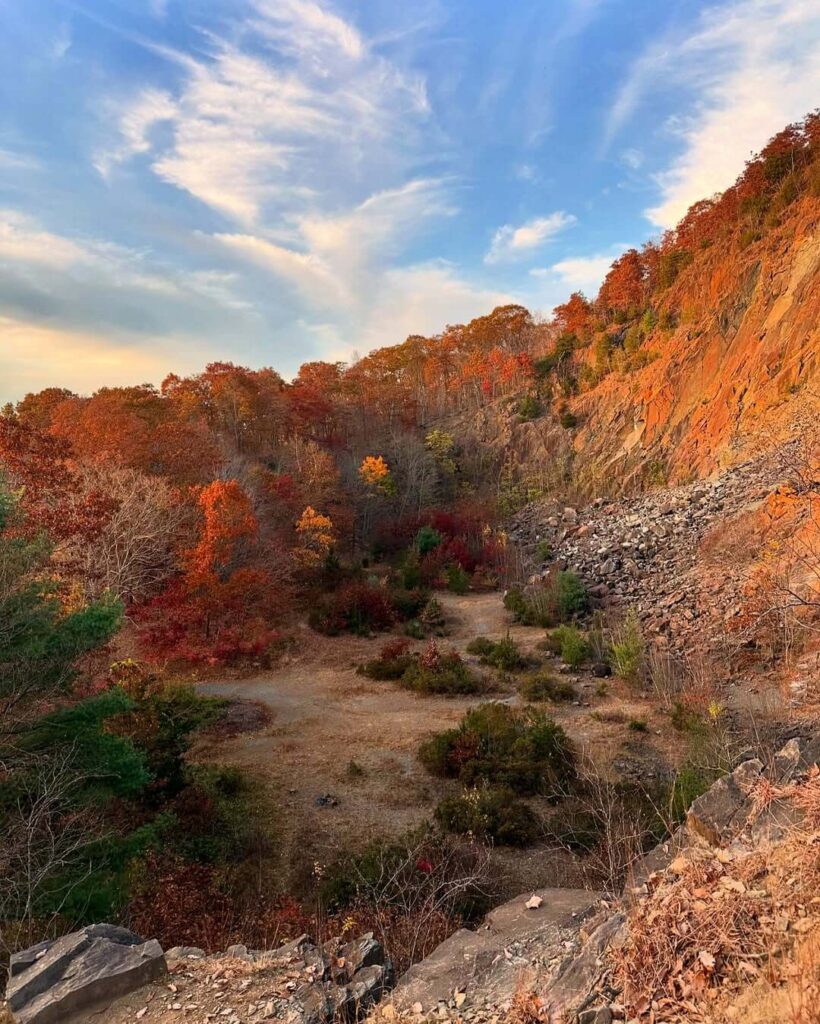
Located just outside of New Haven, Sleeping Giant State Park gets its name from a ridgeline that resembles a reclining figure. It’s a local favorite for outdoor enthusiasts and offers trails for all levels.
If you’re looking for a relaxed walk, the Tower Trail is the most direct route—wide, smooth, and about three miles round trip. It takes you through shaded woods to the stone observation tower at the summit, which offers wide-reaching views on clear days.
For more of a challenge, take the Blue Trail. It’s the same length but involves some steep sections, uneven terrain, and rock scrambles. The added effort brings you to quiet overlooks and a wilder side of the park.
Fun Fact: Despite its small size, Connecticut has an impressive 110 state parks—placing it 10th in the U.S. for total number of parks. That’s a lot of outdoor space packed into one of the country’s smallest states.
Hike Chauncey Peak
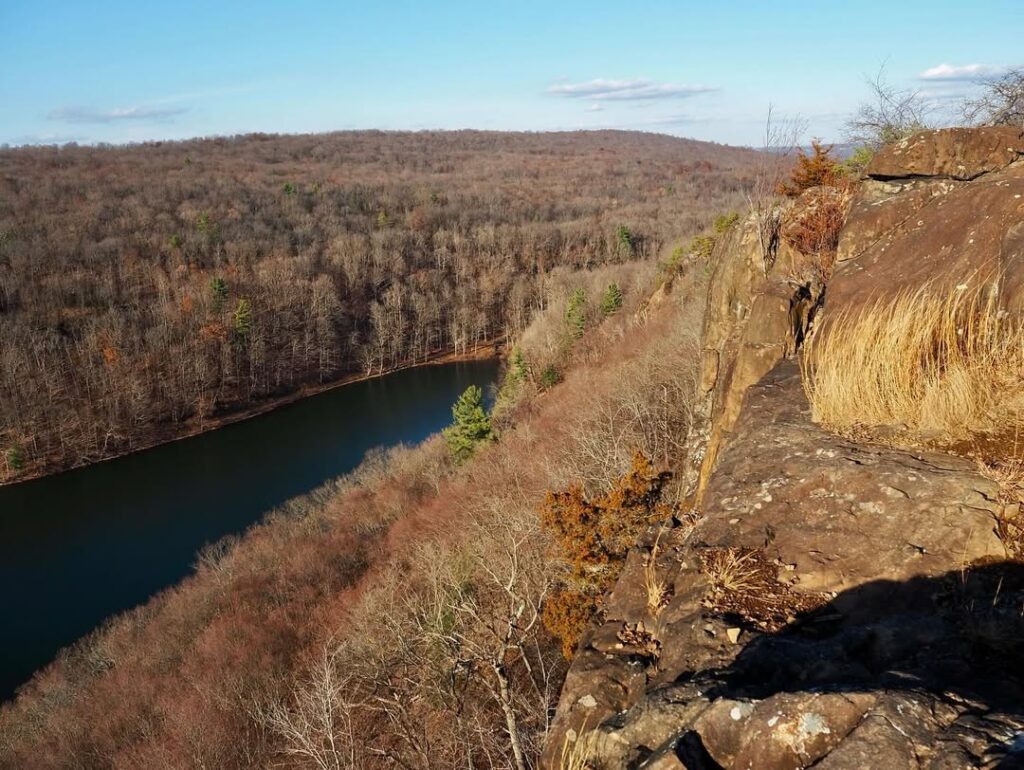
If you’re up for one more trail before heading out of Connecticut, add Chauncey Peak to your list. It’s a lesser-known spot compared to Sleeping Giant, but still offers a rewarding climb and scenic views with far fewer crowds.
The trail begins with a brief uphill stretch—steep in places, but manageable—and soon opens up to a sweeping overlook of Bradley Hubbard Reservoir. The view from the top is especially nice in the fall, when the hillside across the water lights up with seasonal color.
Rather than heading back the way you came, consider turning your hike into a loop. The path descends toward the reservoir, giving you the chance to walk along the shoreline and enjoy a quieter, flatter portion of the trail. It’s a great mix of elevation and relaxation all packed into one short hike.
Food and Drink Stops in Connecticut
As your time in Connecticut winds down, treat yourself to a few local favorites before heading to Rhode Island. These spots offer more than just food—they’re places that reflect the area’s charm and creativity.
If you like craft beer and casual bites, stop by Kinsmen Taproom in Southington. The brewery operates out of a restored bolt factory, blending industrial architecture with a relaxed, welcoming vibe. Grab a pint from their rotating selection and order a pizza—crispy, flavorful, and made to pair well with their brews. Whether you’re inside or on the patio, it’s an easygoing place to unwind.

As you continue your drive, swing by Hogan’s Cider Mill in Burlington for a fall-inspired treat. This seasonal stop offers hot and cold apple cider (with the option to spike it), fresh cider donuts, and baked goods made with local apples. There’s also a small farm store with regional goods, and a mini golf course that adds a bit of playfulness to your visit.
With full bellies and fresh air still lingering, head east to your next destination: Newport, Rhode Island, where coastal charm and historic landmarks await.
Where to Stay in Newport, Rhode Island
Newport offers a wide range of places to stay, whether you’re after something simple or a bit more indulgent. From budget-friendly basics to overnight stays in a lighthouse, there’s something here for every type of traveler.
- Budget Option: Harbor Base Inn
If you’re keeping things affordable, Harbor Base Inn offers basic accommodations at a fair price. It’s not fancy, but it provides the essentials for a short stay and keeps you close to town without breaking your budget. - Unusual Stay: Rose Island Lighthouse B&B
For something truly out of the ordinary, book a night at the Rose Island Lighthouse. Located on a small island just offshore, it’s only accessible by boat and offers a rare chance to sleep inside a historic working lighthouse. It’s quiet, remote, and ideal if you want a night away from the usual hotel experience. - Mid-Range Pick: The Wayfinder
Stylish yet approachable, The Wayfinder blends modern design with coastal comfort. It’s a great option for travelers who want something fresh and comfortable, without going full luxury. The hotel has a pool, restaurant, and laid-back vibe that works well for couples or groups. - Luxury Stay: The Cliffside Inn
For those wanting a bit more elegance, The Cliffside Inn delivers with its historic charm and elevated details. Located near Newport’s famous Cliff Walk, this boutique inn offers well-appointed rooms, cozy lounges, and refined service that makes it a relaxing place to end the day.
Day Nine: Rhode Island
Welcome to Newport, a seaside city best known for its opulent mansions and harbor dotted with sailboats. While touring The Breakers and other grand estates is an option, there are plenty of other ways to enjoy the area—especially if you prefer to be outdoors.
Ride Bikes on Railroad Tracks
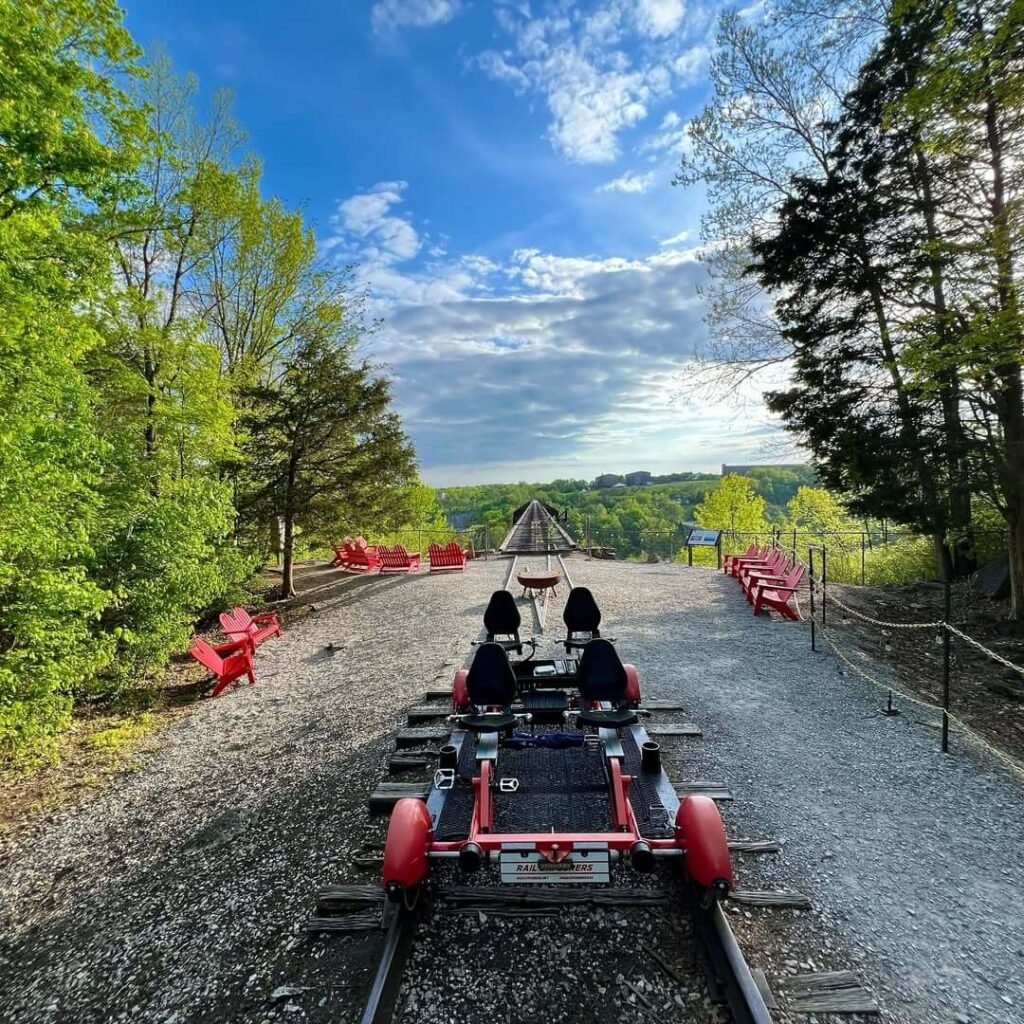
For something out of the ordinary, try Rail Explorers, where you pedal a custom rail bike along old train tracks. The Southern Circuit takes you along the shoreline with sweeping views of Narragansett Bay and a peaceful stop for a waterfront picnic. The ride is mostly flat, making it easy for all fitness levels, and the novelty of cruising down the rails adds a playful twist to your day.
It’s a refreshing way to take in the coastal landscape while doing something active—and it’s likely to be one of the more memorable highlights of your Rhode Island visit.
Hike in Sachuest Point Wildlife Refuge
Take a break from the bustle and spend some quiet time outdoors at Sachuest Point Wildlife Refuge. Located along the coast, this refuge offers a blend of rocky shoreline, open sky, and winding trails. It’s one of five national wildlife refuges in Rhode Island and serves as a seasonal rest stop for migratory birds.
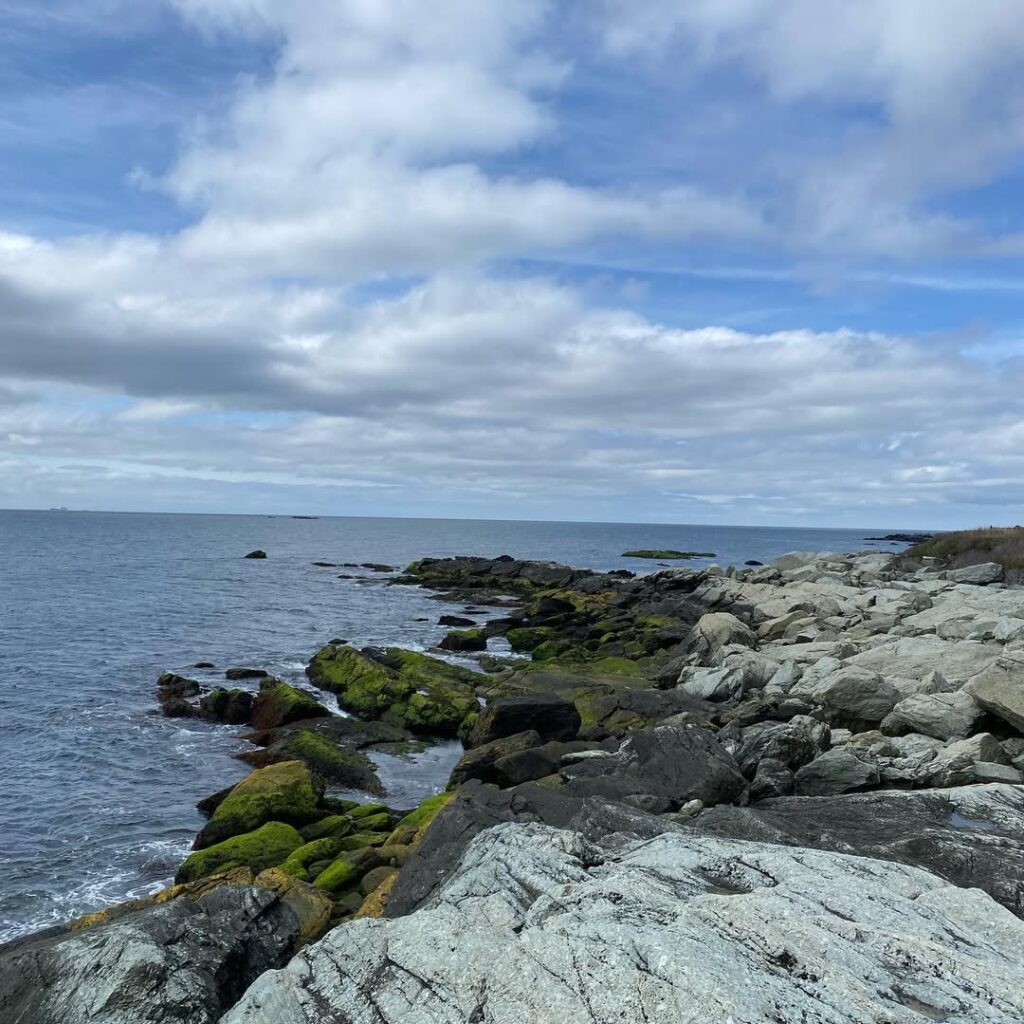
The main trail forms a simple loop, making it easy to follow while still offering impressive views. Along the way, you’ll pass colorful, layered rock formations, sweeping ocean vistas, and possibly spot deer or coastal birds depending on the time of year.
Even if you’re not a dedicated birder, the peaceful setting and sea breeze make this a rewarding place to walk, reflect, or just take in the natural surroundings. It’s a great contrast to Newport’s historic mansions—and a good way to reset before moving on to the final stretch of your trip.
Walk the Newport Cliff Walk
One of the best ways to take in Newport’s coastal beauty is by walking a stretch of the Cliff Walk—a 3.5-mile path that runs between dramatic shorelines and some of the city’s most well-known Gilded Age mansions.
Along the way, you’ll catch glimpses of sprawling estates on one side and crashing waves on the other. For a standout stop, head to the Forty Steps. This spot lets you climb down closer to the rocks and feel the ocean breeze up close—it’s a great place for photos or just to sit and listen to the surf.
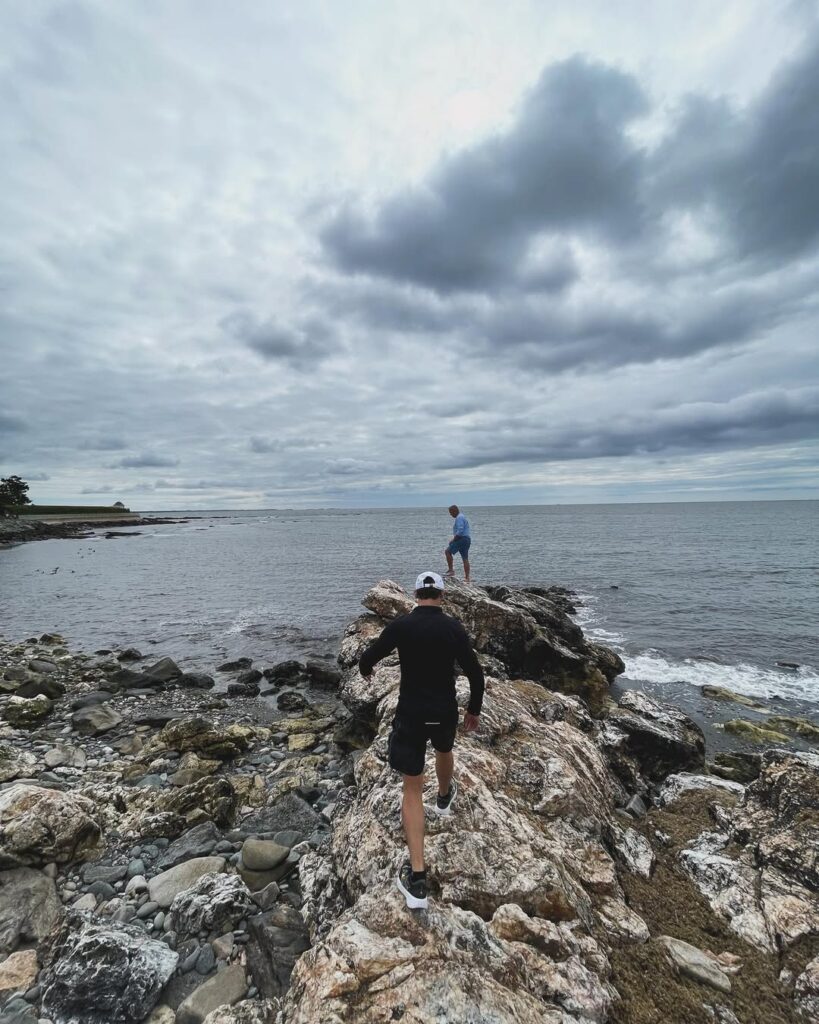
Pro Tip: Parking can be tricky here. Your best bets are near the Forty Steps or Easton Beach, though you might also find street parking around The Breakers or near Salve Regina University, which gives you an easy walking route to the trail.
After enjoying Newport’s coastal charm, hit the road for a short 1.5-hour drive back toward the Boston area. This sets you up perfectly for the final day of your New England adventure.
Where to Stay in Boston
Boston offers a wide mix of accommodations, whether you’re keeping things budget-friendly or splurging on a historic hotel. Here are a few options to suit different travel styles.
Budget: HI Boston Hostel
For solo travelers or anyone looking to stretch their dollars, HI Boston Hostel offers clean, well-organized shared and private rooms right in the city center. It’s close to Boston Common and the Freedom Trail, with a social vibe that’s great for meeting fellow travelers.
Something Different: Bed & Breakfast Afloat
Want a stay with a twist? Try Bed & Breakfast Afloat, where you’ll sleep on a boat docked in Boston Harbor. It’s cozy, definitely out of the ordinary, and lets you wake up to water views right from your cabin.
Mid-Range: Revolution Hotel
The Revolution Hotel brings modern design and a casual atmosphere to the South End. With its creative decor and compact rooms, it’s a fun spot with easy access to shops, restaurants, and public transit.
Luxury: Omni Parker House
If you’re aiming for something classic, check into the Omni Parker House, one of the oldest hotels in the U.S. Located near the Freedom Trail, it combines historic charm with polished service and a prime downtown location.
Day Ten: Boston
Wrap up your New England road trip with a day in Boston, a city that blends rich history with modern energy. As the region’s largest city, there’s no shortage of things to see and do—but if time is tight, you can still enjoy a meaningful taste of what Boston has to offer.
If you’re here for just one day, a great way to start is with the Freedom Trail. This 2.5-mile path links 16 historic sites, including Boston Common, Paul Revere’s House, and the Old North Church. Whether you walk the whole trail or just part of it, it’s a fantastic way to see the city while learning about its Revolutionary roots.
In between stops, treat yourself to something from one of Boston’s many bakeries or seafood spots. The North End is especially known for Italian food—grab a cannoli from Mike’s or Modern Pastry if you’re nearby.
Whether you spend the afternoon visiting a museum, relaxing along the Charles River, or browsing shops at Faneuil Hall, Boston offers a strong finish to a memorable road trip through New England.
The Boston Freedom Trail
The Freedom Trail is a 2.5-mile route through Boston that connects 16 important sites tied to the American Revolution. A line of red bricks embedded in the sidewalks guides you from one stop to the next, making it easy to follow—even without a tour guide.
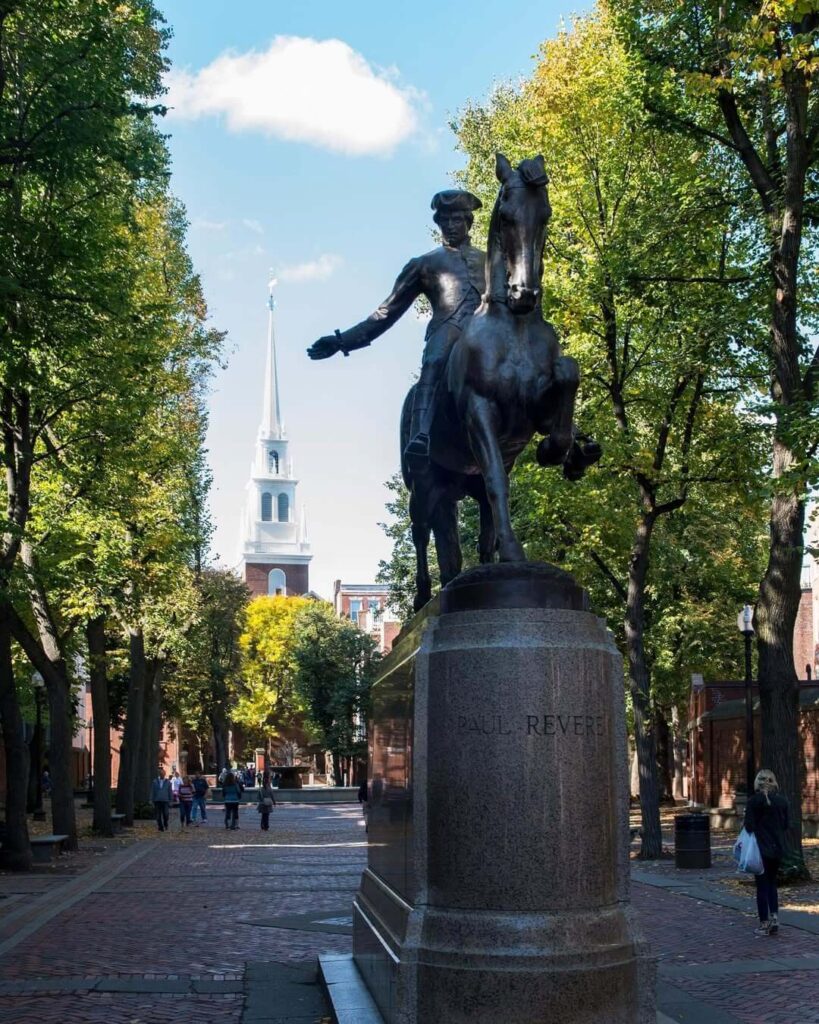
You can explore the trail on your own at your own pace, or join a guided walking tour if you’d like deeper context and storytelling. If you go solo, grab a map or use a downloadable brochure to read up on each location as you go.
Highlights Along the Trail:
- Boston Common – The oldest public park in the country and a natural starting point for your walk.
- Granary Burying Ground – Final resting place of major Revolutionary figures, including Paul Revere, John Hancock, and Samuel Adams.
- Boston Massacre Site – A circular marker on the sidewalk indicates where five colonists were killed in 1770, an event that helped spark the Revolution.
- Paul Revere House – The oldest surviving building in downtown Boston, offering a look into colonial life.
- USS Constitution – Step aboard this famed naval ship, often called “Old Ironsides,” and visit the accompanying museum to learn about maritime history.
- Bunker Hill Monument – This towering obelisk commemorates the first major battle of the Revolution. Climb 294 steps for sweeping views of the city.
- The Freedom Trail offers a deep look into the foundations of American history—and walking it is one of the best ways to connect with Boston’s past on foot.
Have Dinner in the North End
After a full day of exploring Boston’s history, head over to the North End, the city’s Italian neighborhood. This area is packed with character—narrow streets, old brick buildings, and the scent of garlic and fresh bread in the air.
For a casual bite, grab a hearty Italian sub from Dino’s Cafe—they’re generously packed and perfect if you’ve worked up an appetite. If pizza’s more your style, Regina Pizzeria is a local staple that’s been serving up slices since 1926. Expect a wait, but it’s worth it.
Don’t skip dessert. The North End is known for its sweet treats. Choose between a classic cannoli from Modern Pastry or a slice of tiramisu from Caffe Vittoria, one of the city’s oldest Italian cafes.
If you want a deeper look at what to do in Boston, including off-the-beaten-path ideas and more food stops, check out my full-day guide for more suggestions.
Final Thoughts
I hope this guide gives you a solid foundation for planning your own New England adventure. Covering all six states in just ten days means you’re always on the move—but that’s part of what makes the journey so rewarding.
From quiet trails and coastal drives to historic cities and local bites, this road trip offers a little bit of everything. It’s a fast-paced itinerary, but it gives you a real sense of the region’s variety—whether you’re into hiking, small-town charm, or Revolutionary landmarks.
Here’s to a trip full of moments worth remembering—and maybe even a reason to return and dig a little deeper next time.
Thanks so much for reading—hope it helps shape your next adventure!