
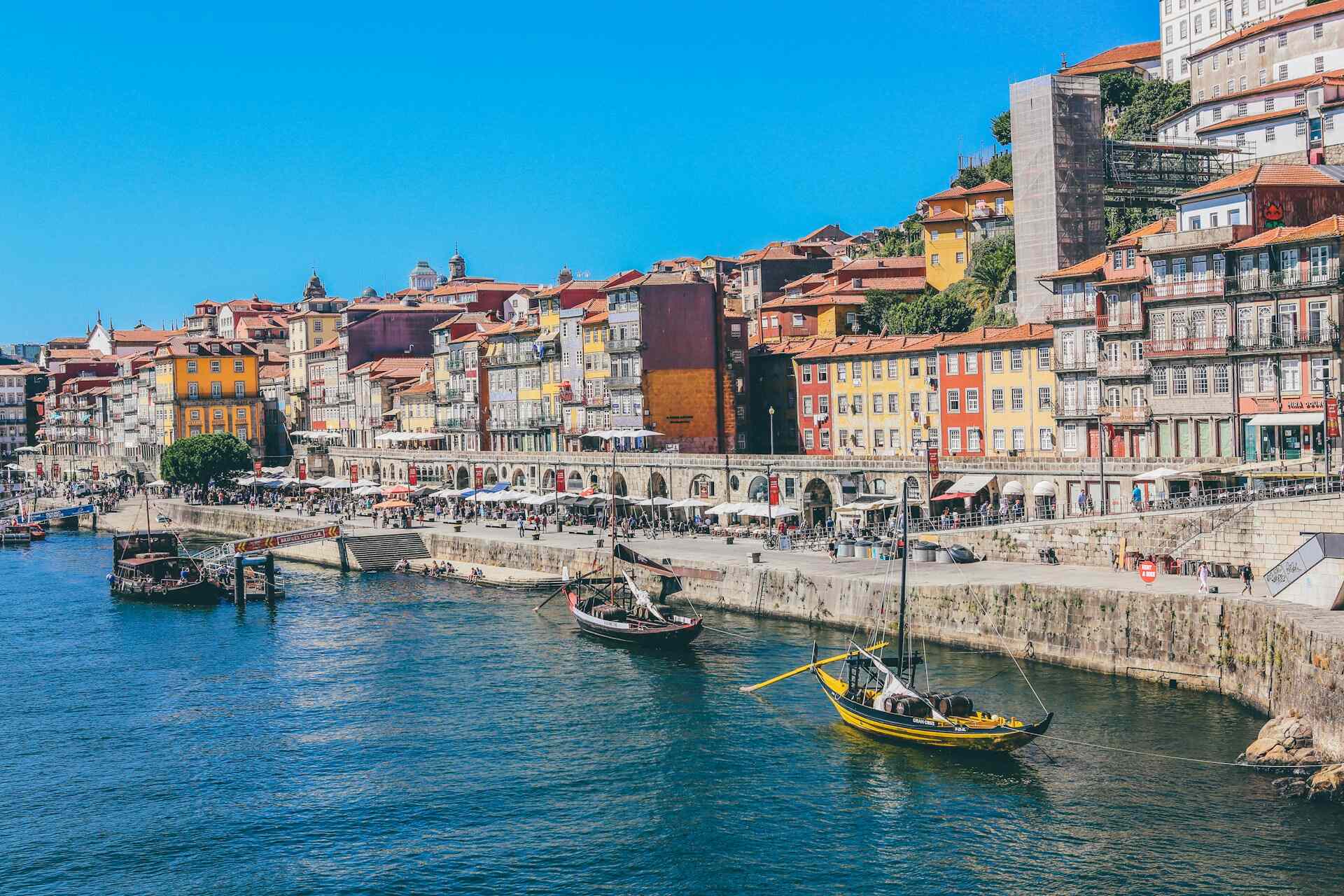
While Portugal’s bustling cities like Lisbon and Porto are well-loved, there’s something truly special about the country’s hidden gems: its small towns and quiet villages. These charming places often leave the biggest impression, offering a slower pace of life and picturesque views that invite you to pause and appreciate the simple beauty around you.
From cobblestone streets in historic mountain villages to serene coastal towns, Portugal’s towns are brimming with character and history. We’ve spent several months traveling around this captivating country, soaking in the views and uncovering gems off the beaten path. These are the spots that steal your heart.
Here, you’ll find a selection of the most enchanting small towns and villages in Portugal, each with its own story to tell. Whether you’re looking to wander through ancient streets or relax by the ocean, these towns offer a rich cultural experience that larger cities simply can’t match. Don’t forget to check out the photos and maps to help you pick the perfect destinations for your trip!
1. Costa Nova: A Beautiful Village in Portugal with Striking Candy-Striped Houses
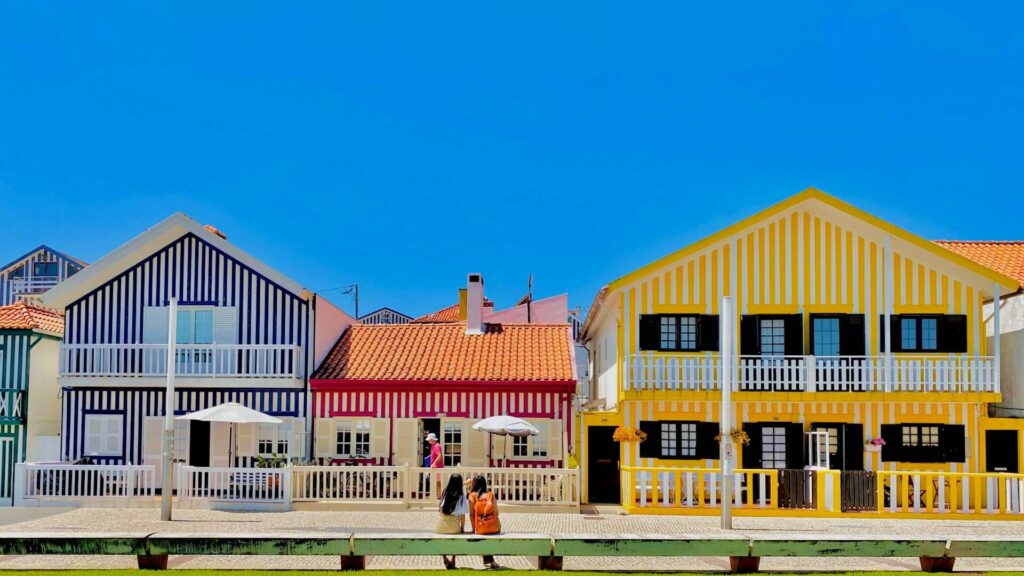
Costa Nova, located near Aveiro in Northern Portugal, stands as one of the country’s most captivating villages, renowned for its iconic candy-striped houses. These colorful, traditional homes line the scenic waterside promenade, creating a stunning visual contrast with the surrounding nature.
The houses, known locally as ‘palheiros,’ were originally constructed by fishermen as storage spaces for their tools and equipment. Over time, they were repurposed, and today, some have transformed into restaurants, while others remain private residences. Their bold stripes have become a symbol of the village and its unique heritage.
Situated just 10 kilometers from Aveiro, a city often referred to as the “Venice of Portugal,” Costa Nova is part of a region rich in charm and history. Aveiro, with its canals and gondola rides, adds to the appeal of a visit to this area, offering a perfect blend of waterway exploration and cultural immersion. While in Aveiro, be sure to savor local treats like Ovos Moles and explore the city’s stunning Art Nouveau architecture.
Location: Costa Nova – Aveiro
2. Monsanto: The Mysterious Stone Village of Portugal
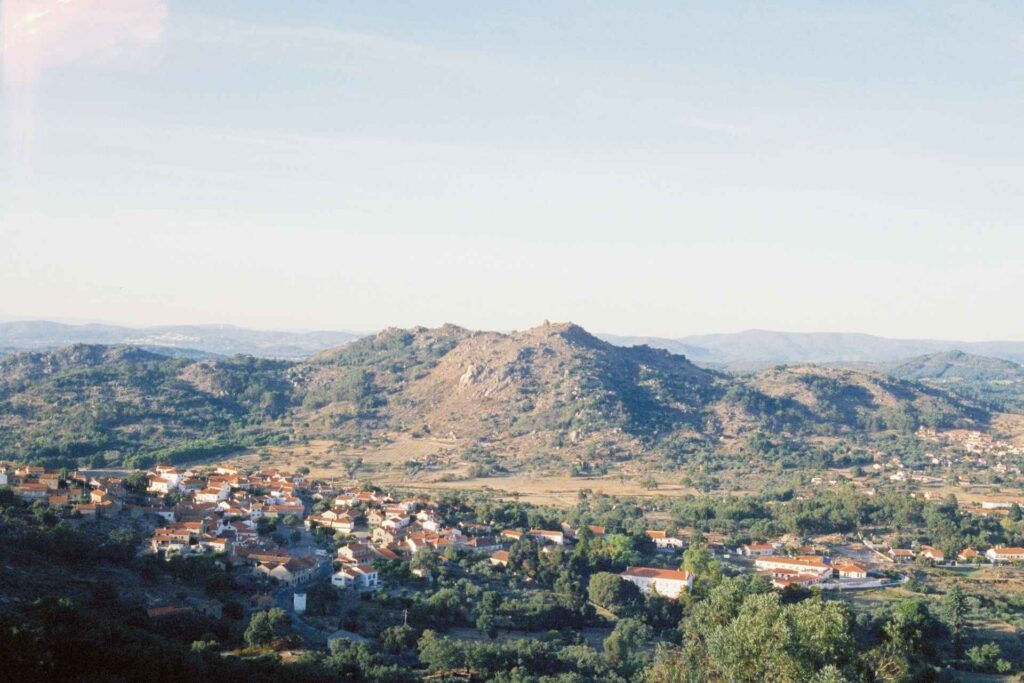
Monsanto, with its ancient stone houses perched above or nestled below giant boulders, is one of the most fascinating villages we explored in Portugal. Voted the most Portuguese village in the country, it offers visitors a rare glimpse into a time long past. Despite the influx of daytrippers, this village still holds onto its charm, making it feel like a hidden gem.
Among my favorite activities in Monsanto was visiting the 12th-century Castle of Monsanto, exploring the boulder caves and houses, and tasting the local cherry pastel de nata—known as pastel de cereja. The village gained extra recognition when it was featured in House of the Dragon, with iconic scenes, including Daemon and Rhaenyra’s wedding, filmed here on a misty day.
The best part about Monsanto, however, is the stunning viewpoints. Perched atop a hill at 763 meters (2,503 ft), the village offers sweeping views of the landscape. The sunset we witnessed was unforgettable, albeit tinged with smoke from nearby forest fires, casting an eerie yet beautiful orange glow over the surroundings.
Situated deep inland, Monsanto is a 2-hour and 45-minute drive from Lisbon, making it an excellent addition to any road trip or day trip itinerary. To fully experience its tranquility, I recommend arriving in the evening, spending the night, and exploring the village early the next morning, before the crowds descend.
Location: Monsanto
3. Sintra: Portugal’s Fairytale Town Near Lisbon
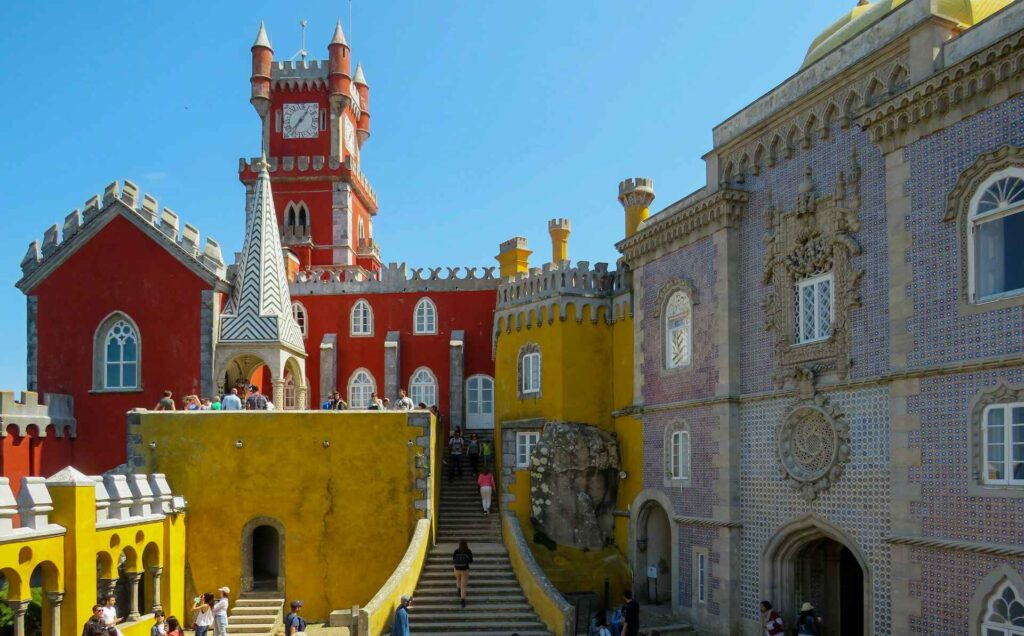
Sintra, a charming town close to Lisbon, is home to some of the most iconic attractions in Portugal. Known for its fairy-tale castles, vibrant buildings, lush gardens, and sweeping views, it’s no surprise that Sintra ranks among the top day trips from Lisbon. Whether you’re a history lover or nature enthusiast, Sintra offers a little bit of everything.
Key attractions include the Pena Palace, a colorful and whimsical structure, the medieval Moorish Castle with its stunning vistas, the romantic Palace of Monserrate, and Quinta da Regaleira with its enchanting Initiation Well—an inverted tower with a winding staircase. The Sintra National Palace, located in the Old Town, is another must-see landmark. As the oldest and best-preserved medieval royal residence in Portugal, it’s a living piece of the country’s history.
Sintra’s proximity to Lisbon—just a 30-minute drive or a 40-minute train ride away—makes it a popular day trip destination. However, it can become crowded, especially during peak seasons like late spring through early fall. If you have the time, consider spending two days in Sintra to explore all its hidden corners.
For a deeper experience, I recommend taking a guided tour that includes highlights like Pena Palace, Quinta da Regaleira, and the Palace of Monserrate. Alternatively, Sintra is easy to explore independently with buses, taxis, and tuk-tuks available to get you around. If you’re up for some exercise, hiking is also an option, though be prepared for the steep uphill trek to Pena Palace.
Sintra has long captivated the imagination, even earning UNESCO World Heritage status. With its blend of royal history and breathtaking landscapes, it’s no wonder that the town remains one of the most stunning destinations in Portugal.
Location: Sintra Old Town
4. Azenhas do Mar: Portugal’s Seaside Gem
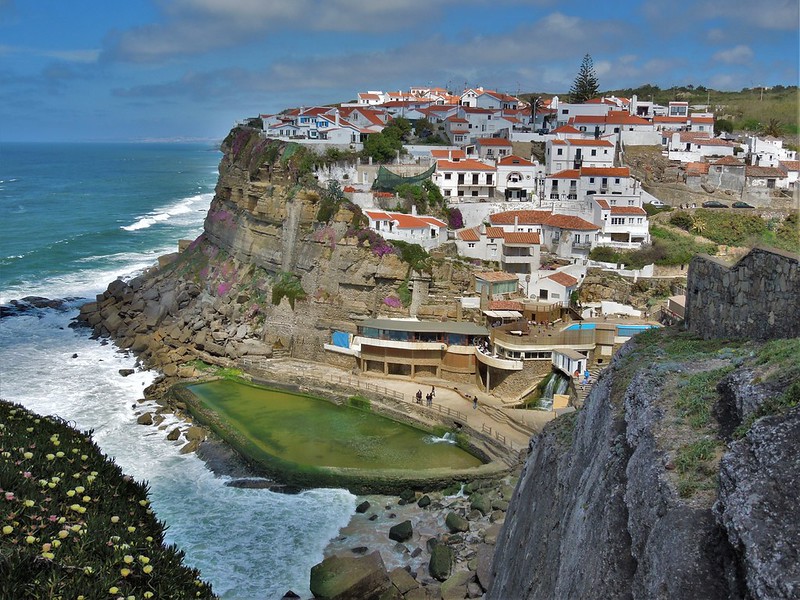
Azenhas do Mar, a small town just a 40-minute drive from Lisbon, is one of the most stunning coastal destinations in Portugal. Known for its dramatic seaside cliffs and traditional whitewashed houses, it’s a must-see spot that you won’t forget once you’ve experienced it firsthand. Its breathtaking views make it a perfect day trip from Lisbon.
The name “Azenhas do Mar” translates to “Watermills of the Sea,” and this charming town lives up to its name. Originally a fishing village, it has grown into a seaside resort with Mediterranean-style homes perched atop cliffs, offering a striking view of the Atlantic Ocean. Visiting at sunset is a must; the sight of the sun sinking into the ocean from this vantage point is unforgettable.
The town’s landscapes are made even more mesmerizing by the viewpoints scattered along the cliffs. One of the best spots to soak it all in is Miradouro das Azenhas do Mar, where you can take in panoramic views of the town and the beach below, complete with the iconic rock pool.
Location: Miradouro das Azenhas do Mar – Parking lot
5. Ferragudo: A Charming Fishing Village in the Algarve
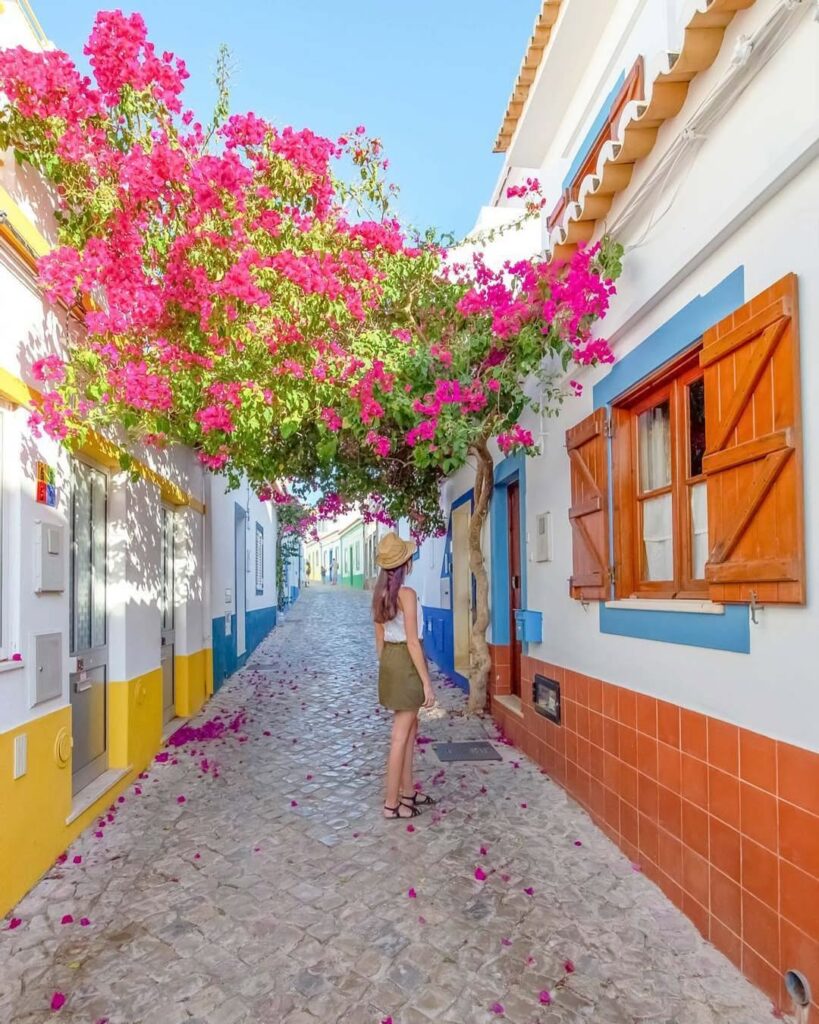
Located near Portimão in the Algarve region of southern Portugal, Ferragudo is a quaint fishing village that’s perfect for those looking to explore the more tranquil side of the region. With its whitewashed houses, narrow streets, and vibrant flowers adorning every corner, it’s one of the best villages to visit in the Algarve.
The village’s historic center is full of charming nooks and crannies. Dr. Luiz António dos Santos Street, in particular, stands out. This narrow path is lined with colorful houses, their walls draped in blooming flowers, offering a delightful spot for a leisurely stroll.
Ferragudo is also home to a lovely golden-sand beach, ideal for a swim or a day of sunbathing. But for me, the highlight of the beach is the series of sea caves, which are easily accessible and perfect for a quick exploration.
For a meal, we stopped at Brunch in Rio, one of the top spots in the Algarve for a delicious breakfast or brunch. From pancakes and poke bowls to smoothie bowls and bagels, the menu offers a variety of tasty options that will surely satisfy any appetite.
Location: Ferragudo – Praia do Pintadinho – Brunch in Rio
6. Óbidos: Portugal’s Medieval Town of Kings and Chocolate
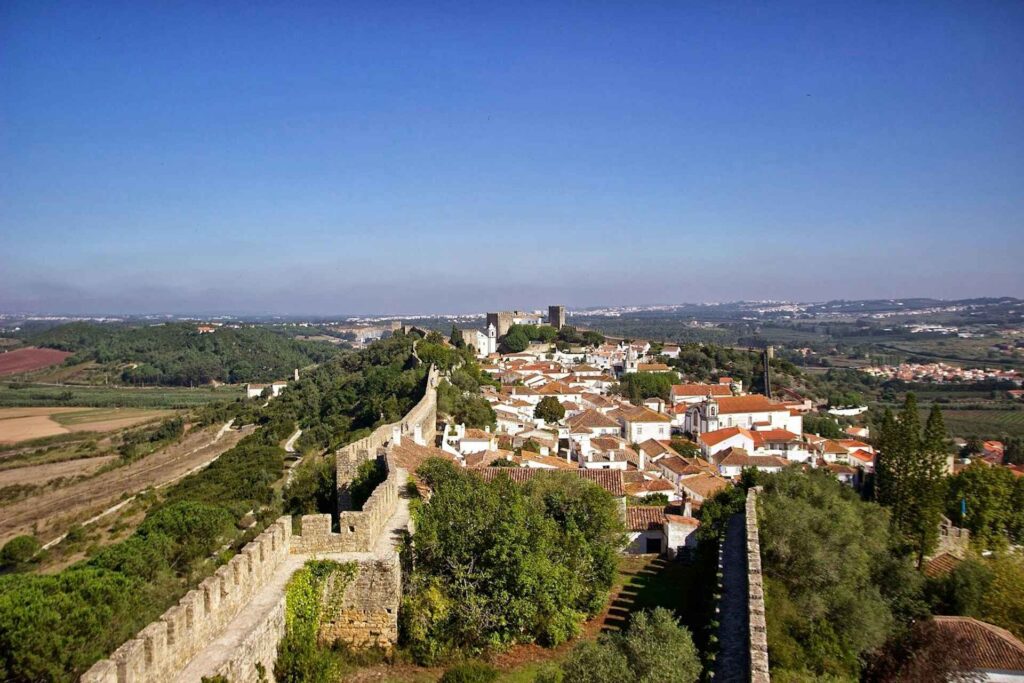
Óbidos, a medieval town known as the “Town of the Queens,” is a step back in time, offering a glimpse of Portugal’s rich history through its cobblestone streets, charming squares, and towering castle walls. This small town, with its centuries-old architecture, is among the most beautiful in the country.
During our summer visit, we explored the highlights of Óbidos, including the imposing Óbidos Castle, the bustling Rua Direita shopping street, and the impressive city walls that surround the town. Of course, we didn’t miss out on trying Óbidos’ famous chocolate, which is a true local delight.
Óbidos Castle, one of the Seven Wonders of Portugal, is a must-see. While it’s famous for its historical significance, my favorite spot in the town was the Porta da Vila gate, decorated with beautiful Portuguese azulejos (tiles), which adds a special touch to the entrance.
The entire town is surrounded by massive medieval walls, and what’s truly exciting is that visitors can walk along these walls as if they were town guards from centuries ago. The perimeter of the walls stretches over 1500 meters (nearly a mile), offering spectacular views of the town and its surroundings.
Did you know that Óbidos Castle is part of the “Pousadas de Portugal” network? This program transforms historic buildings like castles and palaces into hotels, meaning you can stay inside the castle itself. To visit, however, you must book a stay there.
A must-try experience in Óbidos is tasting the local Ginja de Óbidos, a cherry liqueur served in small chocolate cups. You can drink the liqueur and then eat the cup—what a treat! The town also hosts an International Chocolate Festival every spring, turning Óbidos into a chocolate-lover’s paradise.
Location: Castelo de Óbidos
7. Burgau: The Portuguese Santorini by the Sea

Burgau, a small village in the Algarve, captures the essence of a coastal escape. With its whitewashed houses, blue doors, and rooftops adorned with colorful flowers, this charming town offers a serene atmosphere that’s perfect for unwinding. Often called the “Portuguese Santorini,” it’s one of the most captivating villages you’ll find in Portugal.
Voted the quaintest beachside village in Europe by Lonely Planet readers, Burgau is a peaceful retreat, far from the crowds. Its cobbled streets, tiny alleys, and inviting cafés make it a perfect destination for those seeking small-town vibes by the beach. With just about 250 residents, Burgau feels like a tight-knit community where everyone knows each other, making it an ideal spot for a quiet getaway.
For a taste of the village’s charm, don’t miss Love Burgau, a café known for its delicious breakfasts, pizzas, smoothies, and cocktails. The local restaurants offer equally tempting dishes, making it easy to enjoy a tasty meal in one of the Algarve’s most enchanting fishing villages.
Location: Burgau
8. Peniche: A Coastal Gem and Gateway to the Berlengas Islands
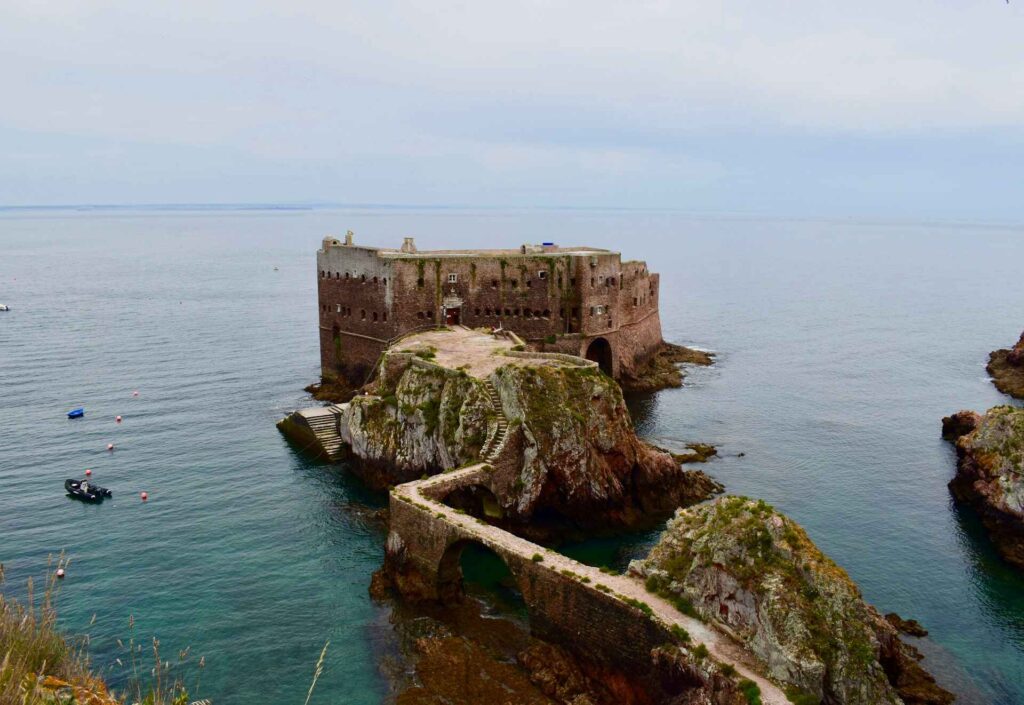
Peniche, a coastal town in Portugal, is famous for its long sandy beaches, the historic Peniche fortress, and its proximity to one of the country’s hidden gems—the Berlengas Islands. Located off the western coast, Peniche holds the distinction of being the westernmost town in mainland Portugal and Europe, making it a special destination for travelers.
A boat trip to the Berlengas Islands is a must when visiting Peniche. The islands are known for their crystal-clear waters, offering both tranquil beach spots and thrilling cliff-jumping opportunities. One of the island’s most famous attractions is the Fort of São João Baptista, a 17th-century military fort built from the remains of an abandoned monastery. This fort, with its octagonal shape, was once used as a defense against pirate attacks, adding a fascinating historical element to the island.
To visit the Berlengas Islands, you need to purchase a round-trip ferry ticket for your desired time online. Once on the island, you’ll have around three hours to explore before the ferry heads back to Peniche. Before your trip, remember to register online for a Berlengas Pass, which involves a small tourist tax (3 EUR per person). You’ll need this to enter the island.
On the day of your journey, drive to the Peniche port, where you’ll find a paid parking lot near the ferry departure point. Be sure to arrive at least 30 minutes before the ferry departs. When heading to the island, bring snacks, drinks, comfortable footwear, and sunscreen, as there’s limited shade, and some of the paths are unpaved. The fort is about a 1-kilometer hike from the port, so be prepared for a bit of a climb—but the effort is absolutely worth it.
Location: Peniche – Berlengas Islands – Forte de São João Baptista
9. Piódão: A Hidden Gem in the Serra do Açor Mountains
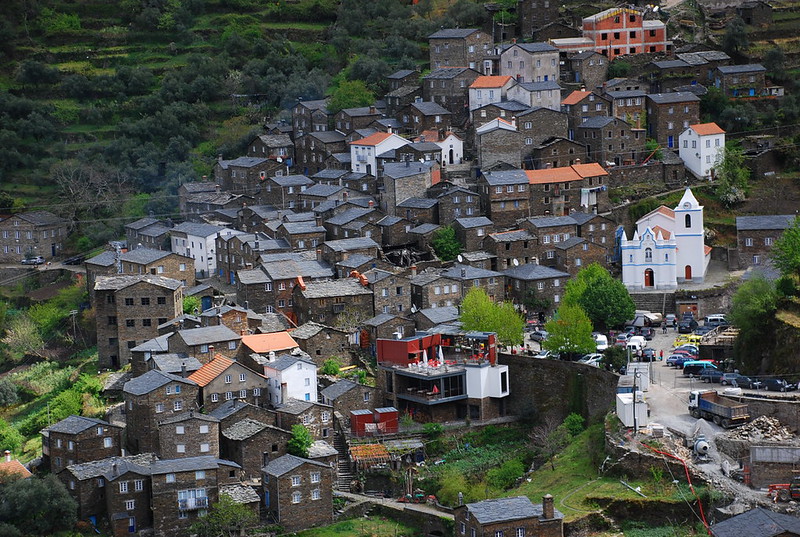
Tucked away in the Serra do Açor mountains, Piódão is a small village that quickly became one of my favorite hidden gems in Portugal. With a population of just 120 permanent residents, Piódão is a historic village that dates back to before the formation of Portugal itself, offering a glimpse into the past with every corner.
The village is renowned as one of the “schist villages” of Portugal, built entirely from schist, a type of metamorphic rock found abundantly in the region. Every house, wall, and narrow street is made from small pieces of schist, giving the village a distinctive, rustic charm. This rock was a practical choice, as it was both plentiful and free, making it the ideal material for constructing homes and infrastructure in this remote mountain village.
While there are other schist villages in the region, Piódão stands out as one of the most famous. When you visit, you’ll immediately understand why it’s considered a hidden treasure. The village’s timeless atmosphere and natural beauty make it a captivating place to explore, despite its small size.
In just an hour, you can take in all that Piódão has to offer, making it perfect for a quick visit. For those who appreciate nature, the scenic roads leading into the village are a highlight, offering stunning views of the surrounding mountains. If you’re looking for an off-the-beaten-path destination with a touch of history, Piódão is a place you won’t want to miss.
Location: Historical Village of Piódão
10. Carvoeiro: A Coastal Retreat in the Algarve
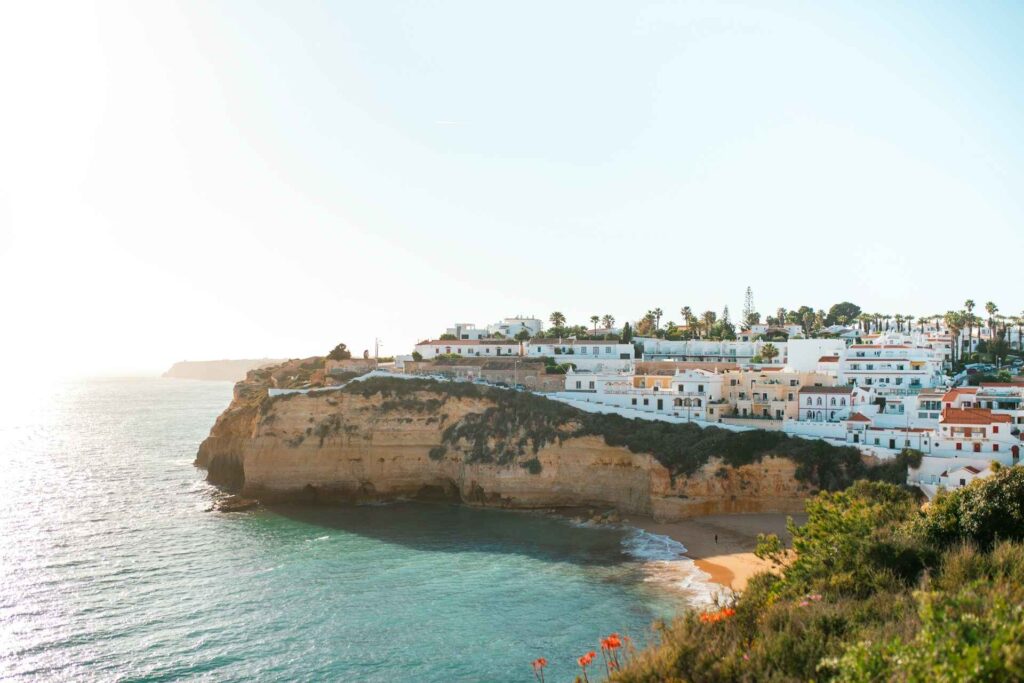
Carvoeiro, a small town in the Algarve, Southern Portugal, offers a peaceful retreat with its charming white houses, golden sandy beaches, and dramatic cliffs. Surrounded by the natural beauty of the ocean, Carvoeiro is a great destination for those looking to relax and take in the stunning coastal views. The town is an ideal spot for unwinding and enjoying both the beach and local culture.
The best way to experience Carvoeiro is by visiting its two main beaches: Carvoeiro Beach and Paradise Beach. You can enjoy sunbathing, swimming, or simply strolling along the shore. A walk along the Carvoeiro Broadwalk is also a must. This 600-meter wooden pathway along the coastal cliffs offers breathtaking views and provides educational insights into the region’s rock formations and natural history.
For those who love exploring, a visit to Algar Seco is a must. This coastal area is famous for its fascinating rock formations, including caves, tunnels, and rock pools. One of the most intriguing spots in Algar Seco is Boneca’s Cave. The cave, which has two oval openings facing the ocean, resembles a pair of doll’s eyes when viewed from the sea. A narrow tunnel leads visitors to these unique openings, making it a favorite spot for adventure and photo opportunities.
Location: Carvoeiro Beach – Carvoeiro Broadwalk – Algar Seco – Boneca’s Cave
11. Nazaré: Portugal’s Surfing Paradise and Seaside Escape
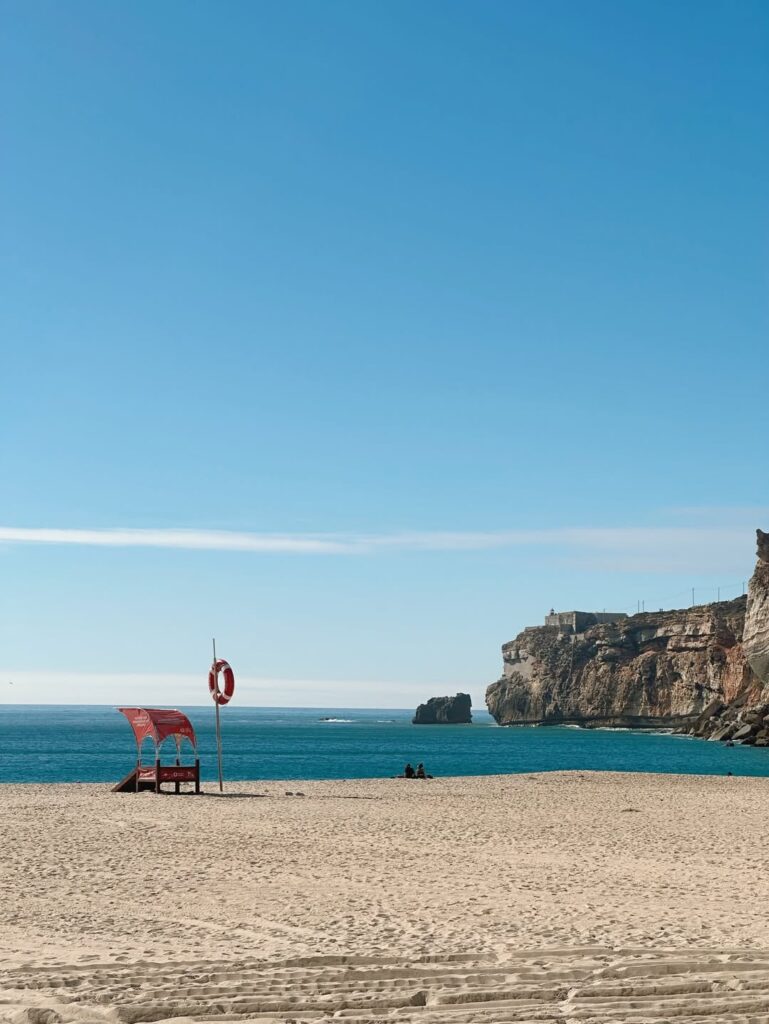
Nazaré, a charming seaside town in Portugal, is famous for being home to the largest wave ever surfed, a record recognized by the Guinness World Records. Located just 1 hour and 20 minutes north of Lisbon, this coastal town makes for an easy yet rewarding getaway. While two days in Nazaré is ideal, even one day will allow you to experience its highlights.
Among the top things to do in Nazaré are spending time at the golden-sand Praia da Nazaré beach, visiting the São Miguel Arcanjo Fort (the prime spot for watching the colossal waves), exploring the unique dried fish open-air exhibit, and enjoying the panoramic views from seaside viewpoints. Nazaré is a destination where the ocean’s power and the town’s natural beauty come together in a remarkable way.
If you’re hoping to witness the famous big waves, the best season is from late October to early March. During this time, massive waves regularly crash against the shore, attracting surfers from all over the world. If you’re visiting in the summer months, however, the ocean tends to be much calmer.
Nazaré is an excellent choice for a day trip from Lisbon, offering a laid-back beach atmosphere and stunning coastal views. The long stretches of golden sand provide plenty of space for relaxation and sunbathing, making it the perfect place to unwind by the sea.
Location: Nazaré
12. Ponte de Lima: Portugal’s Oldest Town
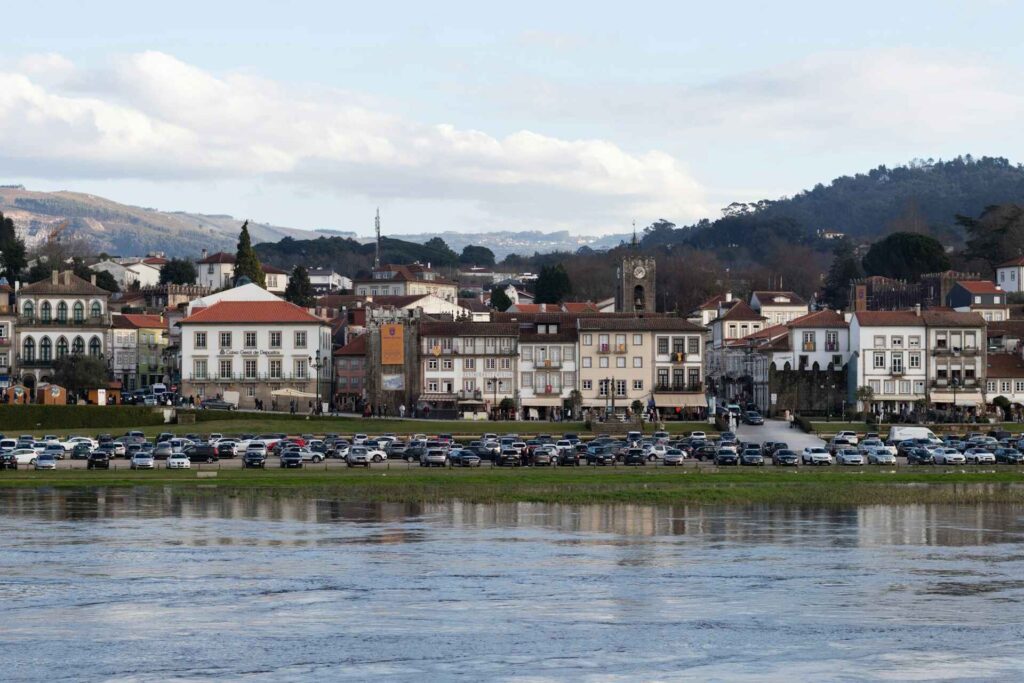
Located near the northern border of Portugal, just a short drive from Spain, Ponte de Lima is a town steeped in history. Known as the oldest town in the country, it was the first to receive a town charter in the 12th century, despite other settlements existing at the time. This charming medieval town is named after the iconic stone bridge that crosses the Lima River, with its name literally translating to “Lima River Bridge.”
During our visit in early October, we found Ponte de Lima to be quiet and peaceful, perfect for exploring at our own pace. The town has a population of about 2,800 residents, and its calm atmosphere is only interrupted by festivals or market days. The large parking lot by the river made it convenient to start our stroll around the old town, where we passed cobbled streets, visited the main church, and admired the two 14th-century defensive towers—Torre da Cadeia Velha and Torre de São Paulo. The riverside square, Largo de Camões, is a great spot to relax, with its street cafés and a fountain adding to the town’s charm.
One of the highlights of Ponte de Lima was walking across its iconic bridge. Made up of 31 stone arches, some of which date back to Roman times, the bridge is a stunning piece of history. Walking along the riverbank, we found statues of Roman soldiers standing in formation, with their commander on horseback across the river. These statues are linked to a local Roman legend, which tells the story of soldiers who feared crossing the river because they thought it was the River Lethe from Greek mythology, which caused memory loss.
Another interesting aspect of Ponte de Lima is the constant presence of pilgrims walking the Camino de Santiago. The town is situated on the Portuguese Way, a path that stretches from Lisbon to Santiago de Compostela in Spain. As we walked through the town, we encountered several pilgrims, adding a sense of tradition and purpose to the quiet town.
Ponte de Lima is a place where history, tradition, and modern life come together seamlessly. The town exudes a timeless charm, where locals gather in squares to enjoy drinks and children play in the streets. It’s a perfect blend of old-world atmosphere and the relaxed pace of contemporary life.
Location: Ponte de Lima
13. Marvão: A Timeless Medieval Village in Eastern Portugal
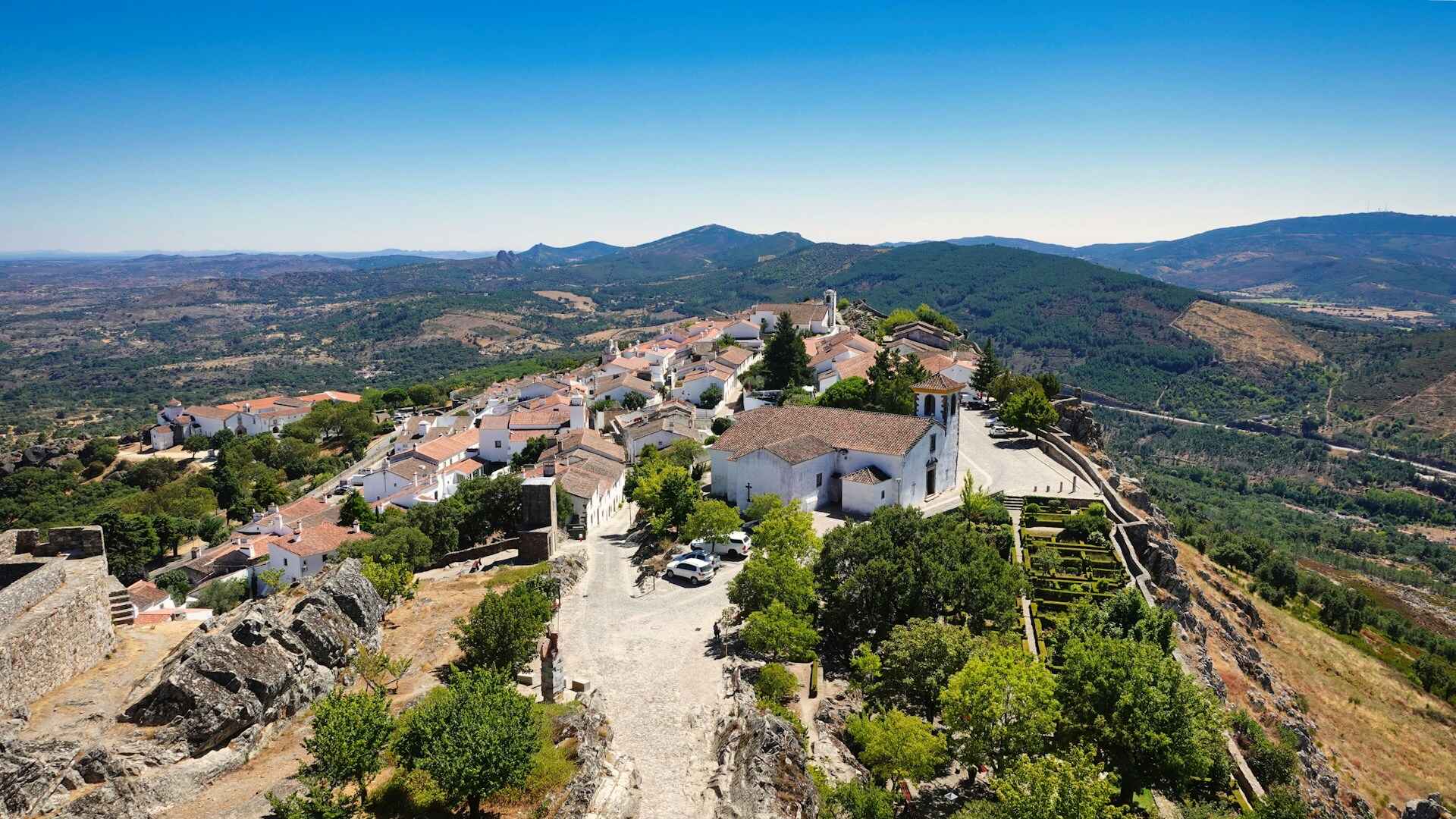
Marvão, perched 860 meters above sea level on a large quartzite rock in the Serra de São Mamede mountains, is one of Portugal’s most captivating medieval villages. Located near the Spanish border, it’s a 2.5-hour drive northeast of Lisbon. The village’s dramatic location and rich history make it a must-see destination for anyone seeking a taste of ancient Portugal.
Marvão gained global recognition after being featured in the New York Times bestselling book 1000 Places to See Before You Die. With over a thousand years of history, it’s a village full of charm and mystery, offering a glimpse into Portugal’s past. Whether you’re a history enthusiast or simply looking to explore, Marvão offers plenty to discover.
One of the most striking features of Marvão is its fortifications. The village is entirely surrounded by large stone walls, providing a sense of stepping back in time as you enter its medieval streets. The narrow, cobblestone alleys and stone houses take you straight into the past, creating an atmosphere of timelessness.
The star attraction in Marvão is the Castle of Marvão. This well-preserved fortress, dating back to the 8th century, offers a step back into medieval life. Visitors can access the castle’s walls, defensive towers, and courtyards for a small fee of 1.5 EUR. The panoramic views from the castle are nothing short of breathtaking, offering a stunning vista of the surrounding mountains and countryside.
Location: Castle of Marvão
14. Castelo de Vide: A Hidden Hilltop Village in the Serra de São Mamede Mountains
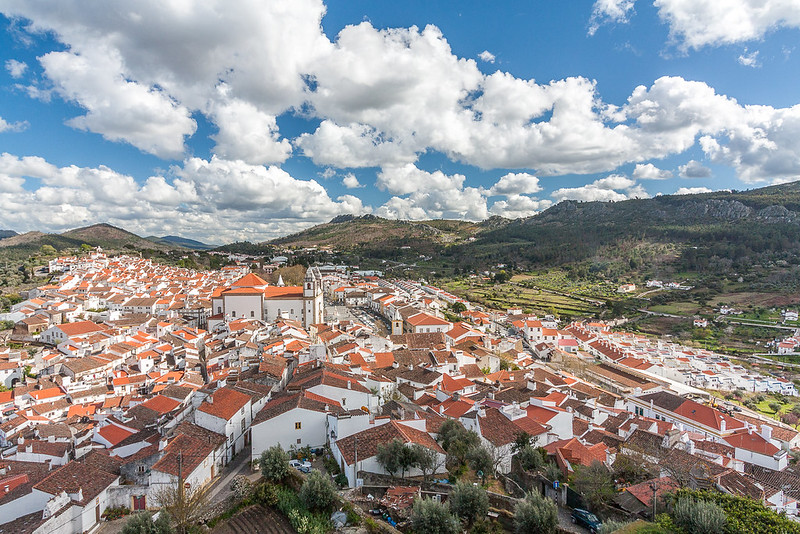
Just a short distance from Marvão, Castelo de Vide sits atop a hill 550 meters above sea level in the Serra de São Mamede mountain range. This charming village is one of the most scenic hilltop locations in Portugal, offering breathtaking views of the surrounding landscapes.
Castelo de Vide is often compared to Sintra, thanks to its natural beauty, proximity to the mountains, and the striking scenery that surrounds it. Known as the “Sintra of the Alentejo,” it provides a tranquil escape with its rich history and stunning vistas.
The main draw of the village is the medieval Castle of Castelo de Vide, located right in the center of town. The castle’s position offers an ideal vantage point for taking in the village and its surroundings. The best part? Entrance to the castle is free, though it has specific opening hours.
One of the highlights is climbing to the top of the castle’s defensive tower. From the rooftop, you can enjoy panoramic views of the village and the natural beauty that stretches for miles. On a clear day, you might even spot the Castle of Marvão in the distance!
Location: Castelo de Vide
15. Batalha: A Town Built on History and Majestic Monuments
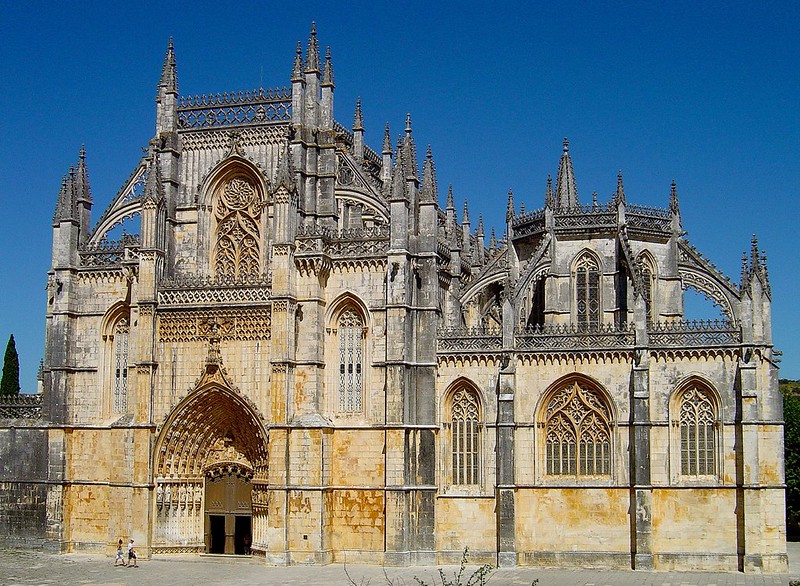
Batalha, a small town in central Portugal, lies quietly between Leiria, Alcobaça, and Nazaré. Despite its modest size, Batalha holds a remarkable treasure within its medieval walls: the stunning Batalha Monastery, one of the most awe-inspiring sites in the country.
Batalha is a town born from history itself. Its name, meaning “battle” in Portuguese, is derived from the legendary Battle of Aljubarrota, fought here in 1385. This battle was pivotal in securing Portugal’s independence from Castile (modern-day Spain), and it remains one of the most significant moments in the nation’s history.
The Monastery of Santa Maria da Vitória, also known as Batalha Monastery, stands as a testament to this victory. Commissioned by King João I, the monastery was built on the very battlefield where the decisive battle took place. The construction, which spanned over a century and required the oversight of fifteen architects, symbolizes Portugal’s triumph and devotion to the Virgin Mary.
Today, Batalha Monastery is a UNESCO World Heritage Site, celebrated for its stunning Gothic architecture. As one of the most important Gothic landmarks in Portugal, it also serves as the country’s first royal pantheon, housing the tombs of kings, queens, and princes. Inside, you can visit the Founder’s Chapel, where King João I and Queen Philippa of Lancaster are buried, alongside their son, Henry the Navigator.
But for me, the most fascinating part of the monastery was the unfinished chapels. These pantheons have been left roofless for centuries, offering a striking contrast to the rest of the monastery’s grandeur. The extravagant Manueline-style entrance is one of Portugal’s finest, and it’s mind-blowing to think that it was all carved by hand.
Though small, Batalha is filled with history and beauty, making it a must-see destination for anyone traveling through Portugal. Pair a visit to Batalha with nearby Alcobaça, Leiria, or Fatima for a full day of historical exploration.
Location: Batalha Monastery
Related Posts:
- 15 Small Towns You Must Visit in Every State
- 15 Beautiful Small Towns to Explore This Fall
- 15 Delightful Small Towns in the US That Will Steal Your Heart
- 15 Magical Small Towns in Ontario You’ll Want to Visit
Explore the Charms of Portugal
Portugal offers a rich mix of history, culture, and natural beauty that makes it one of Europe’s top destinations. From its ancient towns to its breathtaking landscapes, this Southern European gem invites you to immerse yourself in its diverse offerings.
In Portugal, you’ll find everything from historic villages with castles and cobblestone streets to expansive vineyards and serene rivers. The country is a treasure trove of hidden gems, each more fascinating than the last. Whether you’re wandering through lively cities or exploring the quiet countryside, there’s no shortage of experiences to enjoy.
Having spent over six months in Portugal, we’ve had the privilege of uncovering its many facets. I hope this post inspires your journey and helps you create lasting memories as you explore this beautiful country.