
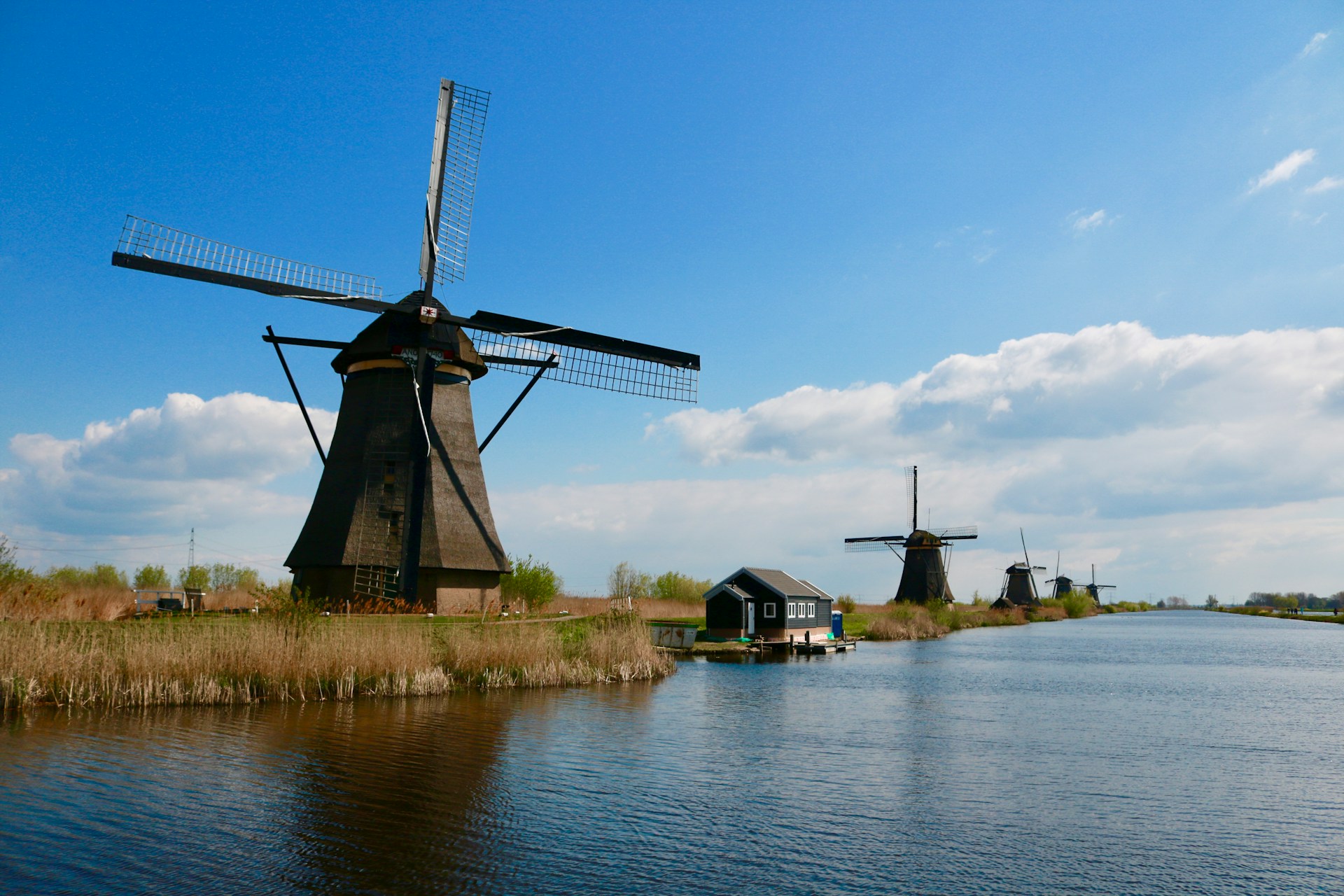
Traveling off the beaten path in Europe often means slow, scenic bus rides through quiet valleys, thrilling hikes to remote villages, or exhilarating boat rides to hidden islands. While some may consider this journey inconvenient, I believe it’s the best way to truly experience the essence of a destination. There’s something magical about escaping the crowds and exploring places where time seems to move slower.
If you’re someone who loves randomly choosing destinations like Počitelj and heading there on a whim, then this list is made just for you. No plans, no expectations—just pure adventure.
Exploring Europe’s hidden gems can be different for everyone. That’s why I’ve included a mix of quiet islands, small villages, lesser-known eco-friendly city breaks, and soaring mountain peaks.
Looking for lesser-visited spots in Europe? Or perhaps a city break that’s not overcrowded with tourists? Check out my 21 unique hidden gems for 2026. Let your adventures begin!
1. Bosnia and Herzegovina’s Hidden Corners for Adventure Seekers
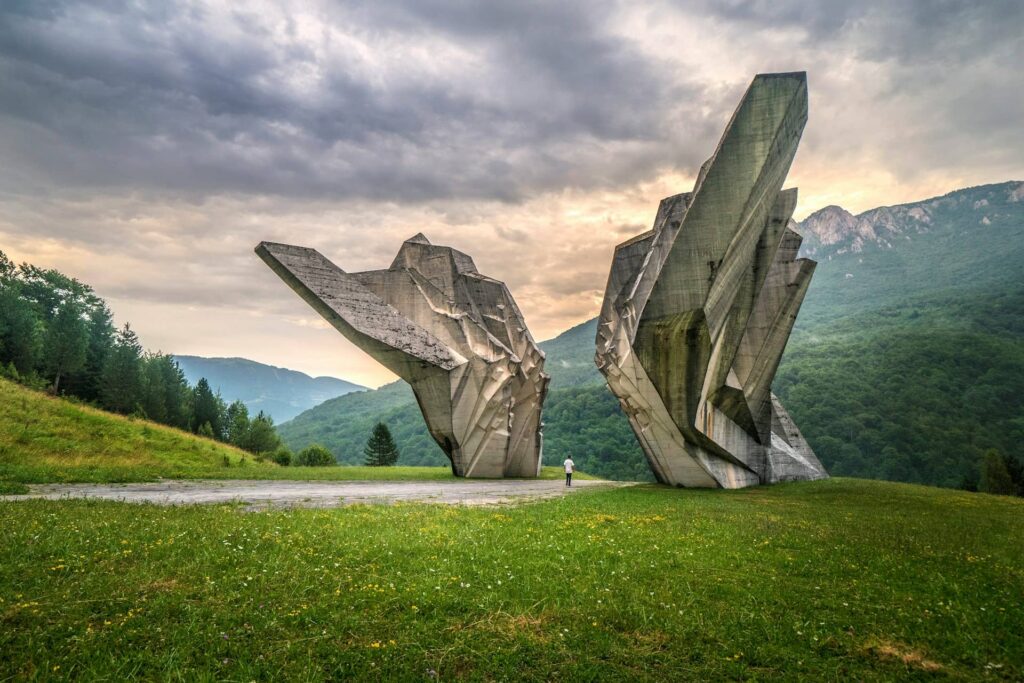
Bosnia and Herzegovina may not be the first place that comes to mind when thinking of European getaways, but for those seeking an escape from the ordinary, this country is a true gem. Despite its underrated status, Bosnia and Herzegovina offers a wealth of adventure, history, and natural beauty, all wrapped up in a budget-friendly package.
After spending time in this captivating destination, I can confidently say that Bosnia and Herzegovina’s true charm lies in its pristine lakes, lush landscapes, and breathtaking hiking trails that seem to go on forever.
While the iconic Mostar Bridge draws visitors from around the world, a day trip from Dubrovnik won’t do justice to the country’s vast offerings. To really appreciate Bosnia and Herzegovina, you need to explore its quieter corners.
For those in search of outdoor thrills, the Neretva River and Zavala are must-visit locations. Konjic is a fantastic spot for leisurely river rafting, with its crystal-clear waters that almost look too good to be true. If waterfalls are your thing, Kravica Waterfall is a stunning sight to behold, with its cascading waters making for an unforgettable experience.
Zavala, a tiny village with just two residents, offers a rare opportunity to stay in a converted railway station. The surrounding area, once home to abandoned tracks, has now transformed into a cycling haven. For an even greater adventure, head up the towering Bjelašnica mountain, where a network of trails leads to Lukomir, the highest and most remote settlement in Bosnia and Herzegovina. Perched 1,495 meters above sea level, Lukomir is home to shepherds, ancient tombstones, and a timeless atmosphere.
The magic of Bosnia and Herzegovina, however, isn’t just in its landscapes. It’s in those small, unforgettable moments. Whether you’re being serenaded with a guitar as your host serves homemade wine in Zavala, or sipping Bosnian coffee while gazing at the minarets of Ottoman-era Počitelj, these are the experiences that truly define this hidden corner of Europe.
Plan Your Journey
Take your time and immerse yourself in the country’s natural wonders. A trip of 7-14 days is ideal for exploring the lesser-known spots. The best time for outdoor activities is from late spring to autumn, while winter brings skiing to the mountain peaks. To reach the remote villages, consider off-road jeep tours, and if you’re up for a challenge, join Highlander Adventures for a 5-day hiking tour along the Via Dinarica.
Pro Tip
If flights to Sarajevo are limited, consider flying into Tuzla or Dubrovnik as alternatives.
2. Graz, Austria
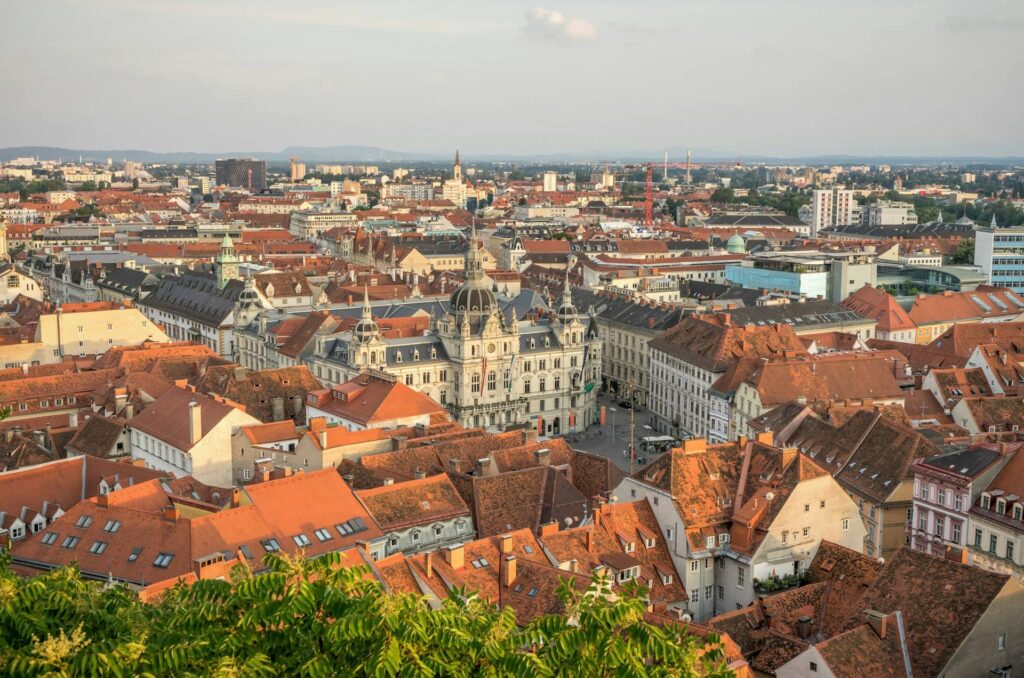
One of the most underrated European cities for a sustainable city break, served with a first-class culinary scene and architectural treasures
Graz, Austria’s second-largest city, remains somewhat of a hidden treasure in Europe’s city-break offerings. It’s not as widely known as Vienna, Salzburg, or the Austrian Alps, and its limited direct flight connections add to its off-the-radar status. However, that’s exactly what makes Graz so special – its low-key charm is a large part of its appeal.
Not only does Graz offer an eco-friendly city experience (especially if you travel without flying), but its location in the heart of the Styrian countryside makes it a paradise for farm-to-table dining. Prepare to be amazed by Austria’s culinary offerings, as Graz elevates fresh, local ingredients into creative vegetarian dishes that will change your perception of Austrian cuisine.
Graz is a city brimming with history and design. Its UNESCO World Heritage-listed old town exudes all the classic grandeur of a European city, with charming courtyards, cobbled streets, remnants of a hilltop fortress, and grand avenues leading to towering church spires. But Graz doesn’t stop there. As a ‘City of Design,’ it’s also home to modern architectural wonders. A floating artificial island doubles as an art gallery, while a striking contemporary art museum, resembling a tentacled creature, adds an unexpected touch to the city’s landscape. Graz’s neighborhoods, each with its own unique vibe, capture the essence of an emerging European hotspot that feels off the beaten path.
Graz is a city to be enjoyed at a relaxed pace. It offers the perfect blend of urban exploration and countryside charm, making it one of the most enjoyable European destinations for those who prefer to take it slow.
Plan Your Journey
Spend at least two nights to truly experience Graz. The city’s vibe is best enjoyed when you allow time to wander, discover hidden gems, and soak in its unique atmosphere. Summer and autumn are the ideal seasons to visit, as the weather complements Graz’s outdoor dining and leisurely pace.
Pro Tip
Trains are the most scenic and efficient way to reach this hidden gem, with journeys from Vienna (2.5 hours) or Salzburg (4 hours). FlixBus also offers long-distance connections if you’re looking for a more budget-friendly option.
3. Pico Island, The Azores, Portugal
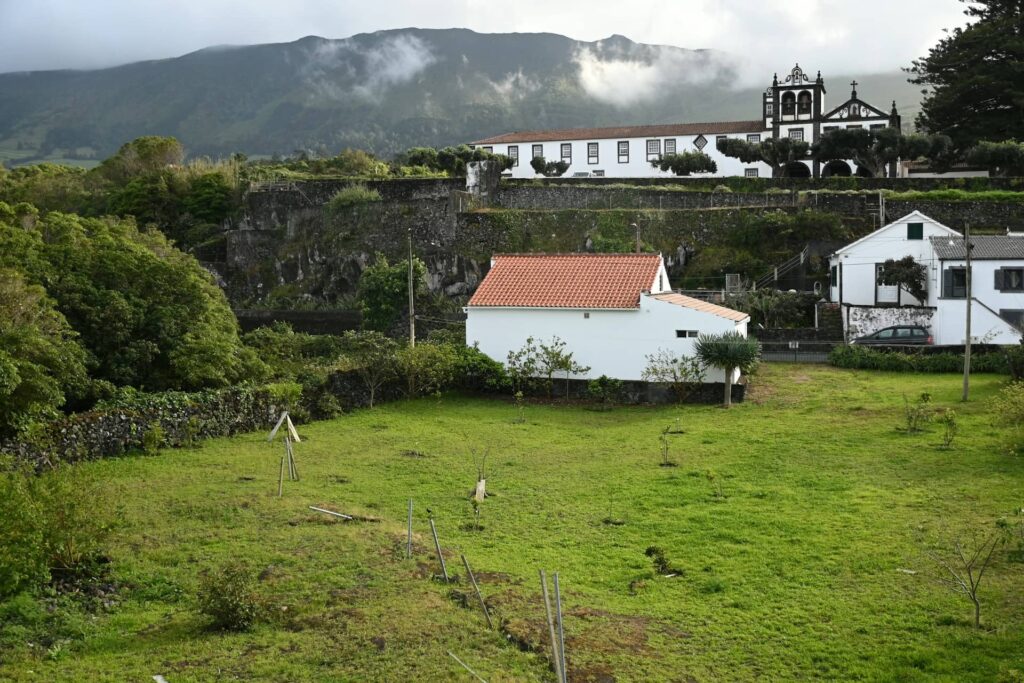
One of the best places to visit in Europe for lofty hikes, lava tunnel exploration, Atlantic swell, and inspiring wines
The Azores are having a well-deserved moment, with new flight routes launching in 2023 from places like Boston and NYC. While São Miguel, the largest island of the archipelago, tends to grab most of the attention, Pico offers a quieter, more off-the-beaten-path experience that’s perfect for those seeking adventure and tranquility.
Pico, aptly named after Portugal’s highest mountain, is dominated by Mount Pico, which rises a staggering 2,351 meters into the sky. The summit, often shrouded in clouds, offers breathtaking views that stretch far across the Atlantic. New restrictions have been introduced in 2023 to protect the fragile ecosystem, and it’s highly recommended to hire a guide, especially if you’re tackling a night hike.
Beneath the surface, adventure awaits in Gruta das Torres, the largest lava tube in Portugal. Here, you can explore the unique and dark world beneath the island, venturing through tunnels carved by ancient volcanic activity.
On land, the UNESCO World Heritage-listed vineyards of Pico offer a remarkable look at viniculture on this rugged island. The twisted, weathered vines rise from black volcanic rock, a testament to the hard work and resilience required to cultivate grapes in such a harsh environment.
Out on the water, marine biologist-led boat tours give you the chance to spot dolphins and whales in their natural habitat, making it easy to see why Pico is considered one of Europe’s hidden gems. While reaching this isolated island isn’t the easiest journey, it’s certainly worth the effort for those seeking something truly unique.
Plan Your Journey
If you prefer a guided experience, Intrepid Travel offers a 7-day fast-paced tour of the Azores, including Pico. The primary international airport for the archipelago is in São Miguel. Plan at least a week to explore the central trio of islands: Pico, Faial, and São Jorge. Keep in mind that winter can be windy and wet—being in the middle of the Atlantic Ocean means unpredictable weather.
Pro Tip
If you plan to travel by ferry between the islands, note that the long-distance ferry routes only operate in summer.
Read More: 21 Beautiful Places Across Portugal Perfect for Sun-filled Getaways.
4. Villa Romana del Casale, Italy
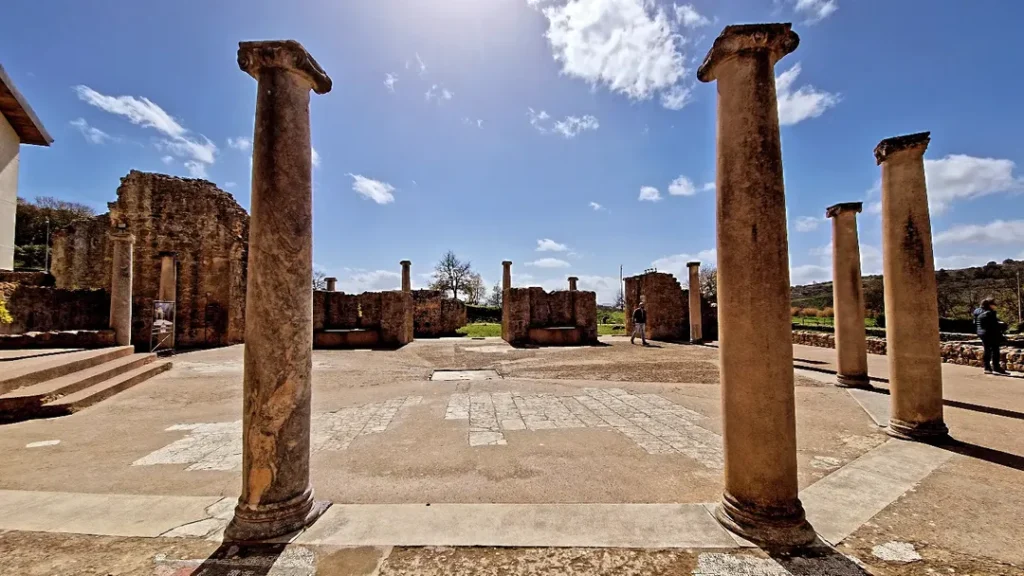
One of the best hidden gems in Europe for Roman mosaics on the grandest scale
Villa Romana del Casale in Sicily is home to what UNESCO describes as “the finest mosaics in situ anywhere in the Roman world.” While you might expect such treasures to be found in the heart of Rome, this exceptionally well-preserved villa, built in the 4th century AD, is nestled in the sun-drenched southern part of the island.
As you walk through the expansive villa, you’ll be surrounded by intricate mosaic tiles that cover every inch of the floor beneath the raised walkways. These stunning mosaics, depicting scenes of daily life, mythology, and sporting events, are truly mind-blowing and completely immerse you in the cultural richness of ancient Roman life. It’s easy to see why this site is a UNESCO World Heritage Site—it provides an unforgettable cultural experience alongside all the other remarkable offerings Sicily has in store.
If you’re not able to make it that far south, you can still witness incredible mosaics in Palestrina, just a 70-minute bus ride from Rome. The Museo Archeologico Nazionale di Palestrina houses the Hellenistic Nile Mosaic, an exquisite piece of artwork that predates Christianity and depicts mythological scenes from Egypt.
Plan Your Journey
The site is covered, making it suitable for visits year-round. Plan to spend at least two hours exploring Villa Romana del Casale. If you’re short on time, day tours from Palermo that combine visits to Villa Romana del Casale and the Valley of the Temples can be a great option.
Pro Tip
When you arrive at Piazza Armerina, you’ll find shared taxis available for a small fee (around €5 per person) if you’d prefer not to walk to the site.
Read More: 21 Beautiful Places Across Italy Perfect for an Unforgettable Trip.
5. Vipava Valley, Slovenia
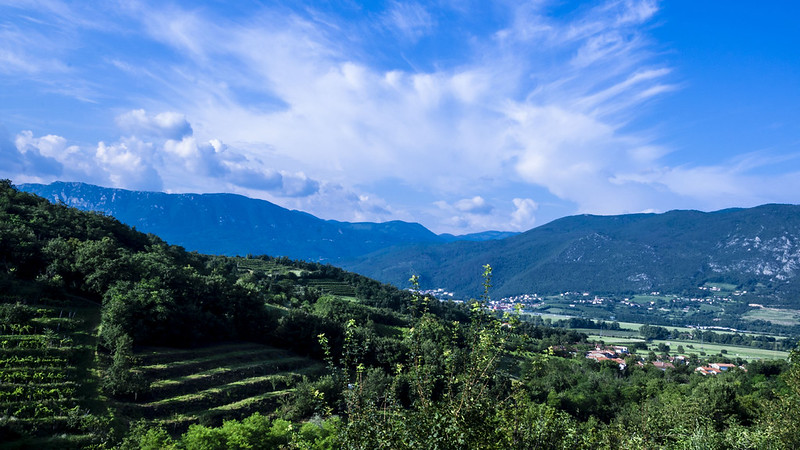
Perfect for a mountain-backed eco-escape cycling between vineyards and private cellars
Slovenia is finally gaining the recognition it deserves. The green city of Ljubljana is quickly becoming a popular weekend getaway, and the enchanting Lake Bled is a must-see for travelers worldwide.
However, as seen from the posts of my Slovenian friends on Facebook, Ljubljana is beginning to struggle with over-tourism, which brings with it the all-too-familiar issue of rising property rents.
Fortunately, much of Slovenia remains blissfully untouched by mass tourism, and Vipava Valley stands as one of Europe’s best-kept secrets for now. This idyllic region offers the perfect escape for anyone seeking slow travel and sustainability, values that are deeply rooted in Slovenian culture. With its rolling hills, lush greenery, and extensive vineyards, Vipava Valley feels like something out of a Tuscan painting.
The real joy of visiting Vipava Valley is found in cycling or hiking between its charming hamlets, exploring the mountains that have inspired many artists, or paragliding in the winds of The Burja—the valley’s beloved breeze. Don’t forget to indulge in the region’s local, zero-kilometre cuisine, where everything served is fresh and homegrown. And of course, there are the wines. The valley is home to a wealth of private cellars, many of which are tucked beneath people’s homes. In these intimate, candle-lit cellars, you’ll sip wines made from local grapes like the Zelen, while hearing fascinating stories about the area’s history. These experiences make for unforgettable memories.
Plan Your Journey
Vipava Valley is perfect for a long weekend or even a week-long getaway. The best time to visit is from spring through autumn. Given Slovenia’s limited flight options, Trieste, Italy, serves as a convenient gateway.
Pro Tip
If you’re looking for a day trip from Ljubljana without the hassle of a designated driver, consider joining one of the available wine tours. Alternatively, contact my friend Jani at Wajdusna for an active e-bike adventure through the vineyards.
6. León, Spain
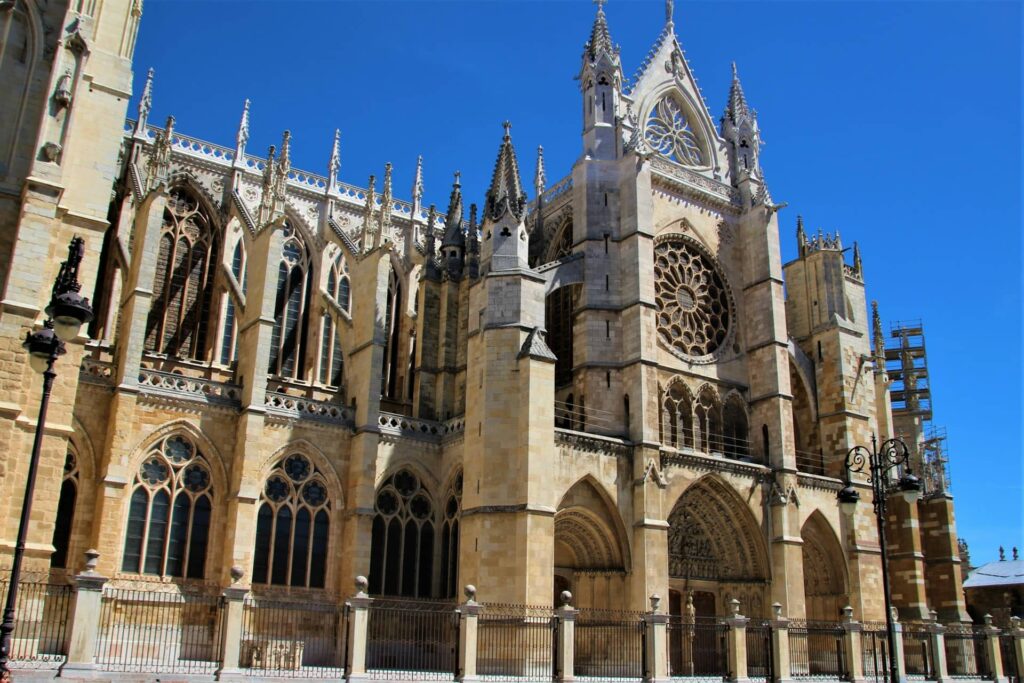
One of the best hidden gems in Europe for architecture-admirers seeking a laid-back city break
Spain is home to many of Europe’s hidden treasures, often nestled within renowned cities. While the country offers countless destinations to explore, León stands as a hidden gem that remains underappreciated by many travelers.
Yet, León has so much to offer. The city boasts a vibrant food scene, with a wealth of free-tapas bars that attract both locals and visitors alike, especially in the pedestrianized center. The nightlife strikes the perfect balance between lively and relaxed, making it an ideal spot for those who want to enjoy a laid-back evening in the company of good food and drinks. The compact nature of the city means the bustling bar quarter is easily accessible, a maze of tempting treats and laughter-filled late nights.
What truly sets León apart, however, is its stunning architecture. The city is home to Casa Botines, one of Antoni Gaudí’s rare works outside Catalonia, which adds a Modernist flair to León’s otherwise historical architectural landscape. The grandeur of León is evident in its 13th-century cathedral, where the stained-glass windows are among the finest in Europe. Also worth exploring are the Romanesque frescoes in the basilica, which showcase exceptional artistry and history.
While León may not be as secret as other destinations, it certainly competes with Spain’s larger cities like Madrid, offering a more tranquil yet equally captivating experience.
Plan Your Journey
León’s architecture and charm make it a year-round destination, though winters can be a bit chilly. If traveling from Madrid, the journey by high-speed rail takes around 2 hours.
Pro Tip
For a truly memorable experience, book a night at the Hotel Real Colegiata San Isidoro, where you can enjoy a stay steeped in history and heritage.
Read More: 15 Budget-Friendly Destinations in Spain Perfect for Affordable Travel.
7. The Georgian Caucasus Mountains
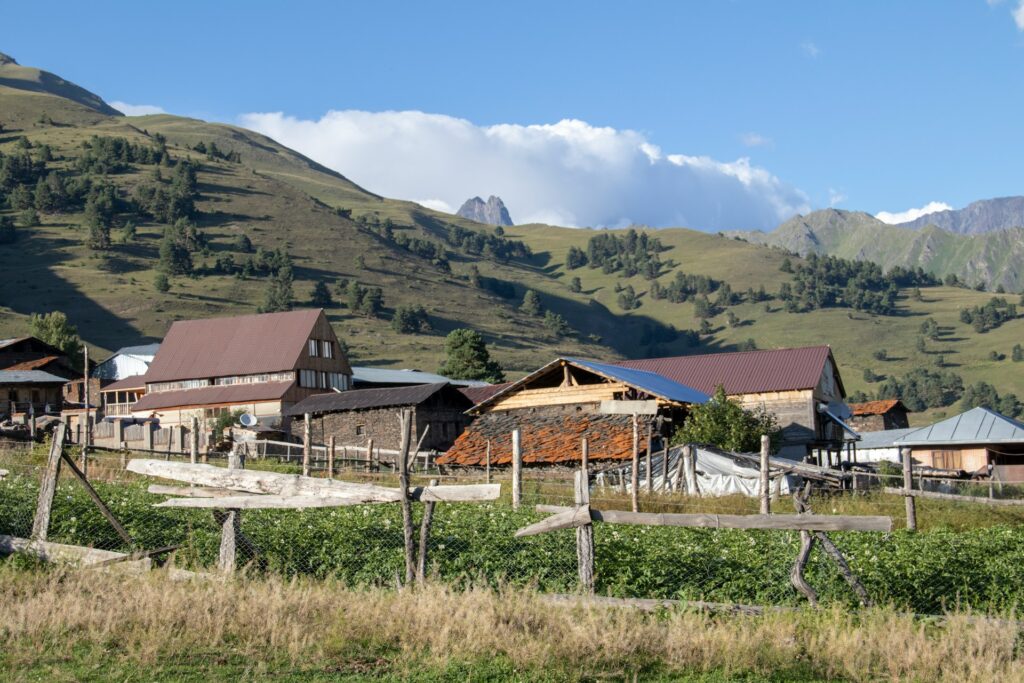
One of the best Europe hidden gems for an affordable mountain retreat of epic hikes
Stretching from Georgia to Azerbaijan, the Georgian Caucasus Mountains are a natural wonder that connects two continents, offering incredible hikes during the warmer months and snowy adventures in winter.
While Tbilisi, the capital of Georgia, has become a hotspot for digital nomads due to its favorable visa policies and low tax rates, the true charm of the country lies high in its mountains. Here, amidst the towering peaks, you’ll find a sense of community and serenity that’s hard to match elsewhere.
Mount Kazbek, a dormant volcano rising to 5,055 meters, is a majestic sight that will leave any visitor in awe. The nearby town of Stepantsminda, located along the main Georgia to Russia highway, serves as a popular starting point for hikes and is accessible year-round, making it a prime base for exploring the region.
The mountains themselves are dotted with ancient monasteries perched above the clouds, while friendly dogs often accompany trekkers as unofficial guides. The homestays in the area offer a warm welcome, where a place to rest soon turns into a second home, complete with homemade Chacha (the local brandy) and hearty hospitality. And then, there’s the food—rich, satisfying, and utterly unforgettable. From Khinkali dumplings filled with savory goodness to the cheese-filled Khachapuri bread, the cuisine is the perfect ending to a day of hiking.
Plan Your Journey
The Georgian Caucasus is an outstanding destination year-round, though winter can make road access challenging due to snow. Kutaisi Airport usually offers more affordable flight options than Tbilisi. Whether you’re visiting for a weekend or planning an extended hiking trip, the region caters to both short escapes and more immersive adventures.
Pro Tip
Public buses are an affordable and frequent way to travel from Tbilisi to the Caucasus Mountains. Alternatively, you can join group day tours, which offer a convenient and budget-friendly way to explore the area.
8. The Hague, The Netherlands
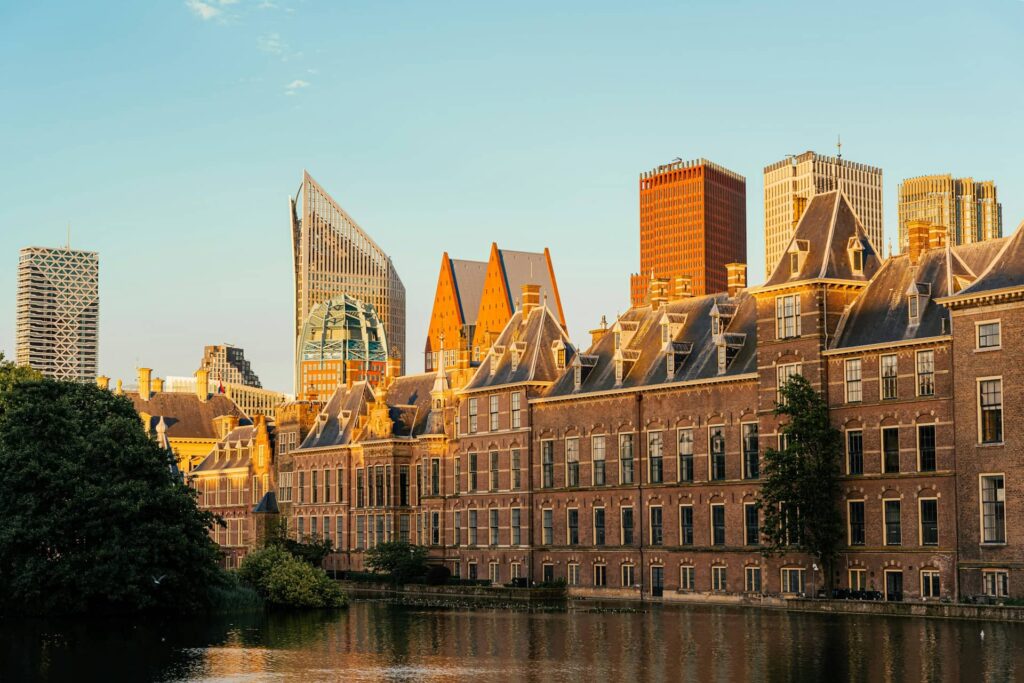
One of the best places to visit in Europe for politics and history, beach bars and brews, and plenty of learning
The Hague is one of my favourite underrated city breaks in Europe, and I was genuinely surprised by how cool it is.
For many, Amsterdam is the go-to destination in The Netherlands, leaving much of the country’s other treasures as hidden gems. While The Hague may not have the same iconic canals or coffee shops, it compensates with a laid-back atmosphere, friendly locals, and a wealth of culture to dive into. Known globally for its international courts, The Hague offers a weekend getaway that’s perfect for those wanting to avoid the often overwhelming crowds in Amsterdam. If you’re searching for a fresh European city break in 2023, The Hague should be on your radar.
Plan Your Journey
The Hague is an excellent destination to visit year-round, with the best time to enjoy the beaches in summer and September offering mild, pleasant weather. It also serves as a more relaxed base for day trips to Amsterdam.
Pro Tip
The Peace Palace, a major landmark, is only open to the public for tours on select days throughout the year. Be sure to plan your visit around the Peace and Justice weekend for the best chance to explore this iconic site.
9. Berat, Albania
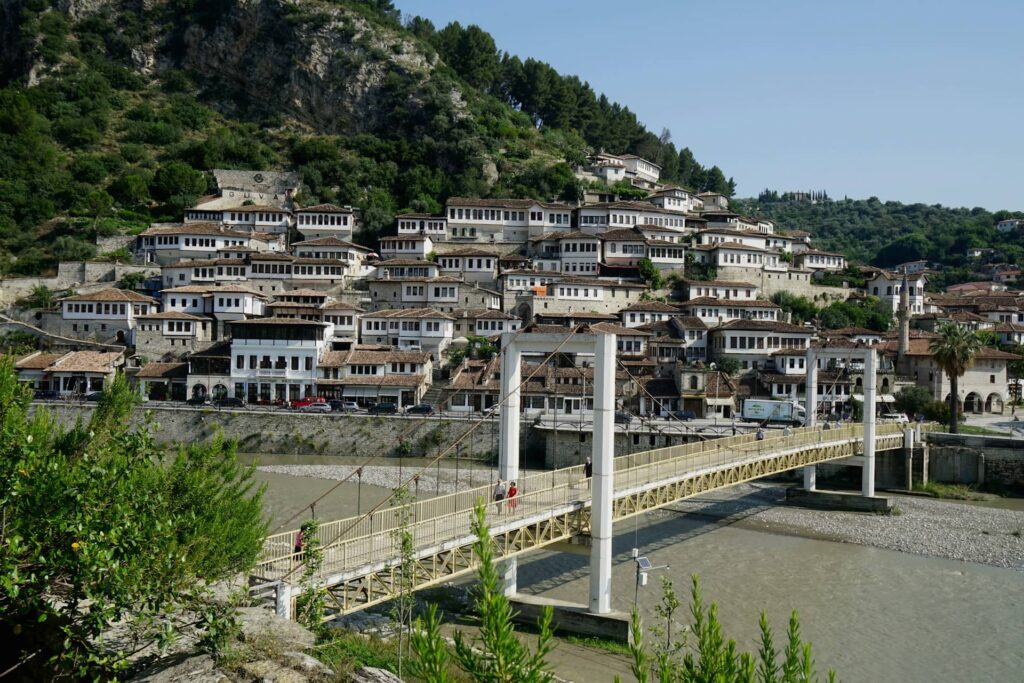
One of the best Europe hidden gems for an enchanting village escape after the beaches
Berat, often referred to as the ‘City of a Thousand Windows,’ is one of Albania’s most charming villages. As soon as you arrive, the sight of the whitewashed Ottoman houses, perched along the hillside below the towering fortress, makes it clear why this nickname fits so well.
At the top of the hill stands Berat Castle, which boasts over 2,500 years of history. While much of the castle dates back to the 13th century, the Byzantine churches scattered throughout offer a glimpse into the region’s ancient past. We originally planned to stay for just one night inside the castle walls, but the town’s enchanting atmosphere led us to extend our stay for two days.
Albania, once a relatively hidden gem in Europe, has recently gained attention as a paradisiacal beach destination. However, the country’s interior holds equally captivating treasures, such as the UNESCO-listed town of Gjirokaster, the stunning Lake Komani, and the secluded Bogovë Nature Park, home to a peaceful waterfall.
If the Balkans haven’t made it to your travel radar, I highly recommend reading Minarets in the Mountains by Tharik Hussain. This captivating book delves into the Muslim history of Europe, a topic that is often overlooked, and provides insight into a different side of the region.
Plan Your Journey
Many visitors pass through Berat on their way between Tirana and the beaches of Ksamil. However, I recommend staying at least one night to fully experience the charm of the village. The view from the wide windows, bathed in the warm orange glow of sunset, is absolutely unforgettable.
Pro Tip
For a truly unique experience, stay within the castle walls. I highly recommend Guesthouse Kris, where the hosts are incredibly welcoming. In fact, we’re still in touch with them years later!
10. The Asitz Mountain, Austria
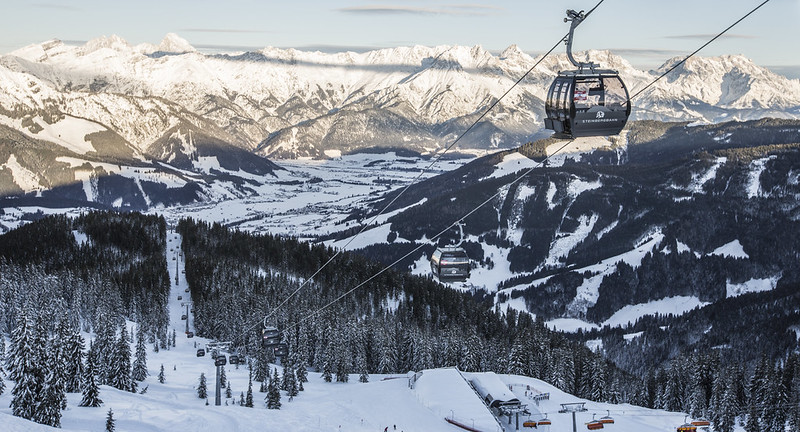
One of the most unique places to visit in Europe for a sustainable summer hike of culture, art, and escapism
One of my recent discoveries in Europe is the region of Saalfelden Leogang, nestled in the Austrian Alps. While many associate this area with winter sports, I visited during the early summer and was blown away by its beauty and charm.
The two towns that make up this region are delightful in their own right. Saalfelden offers a more urban vibe, while Leogang is quaint and rural, surrounded by a stunning valley. However, the main attraction here is the unforgettable experience of hiking or exploring the Asitz Mountain, a place that offers far more than just skiing.
At 655 meters, Asitz Mountain is renowned not only for its winter sports but also for its exhilarating mountain biking routes. Locally known as “the mountain of senses,” it offers much more than just adrenaline-pumping activities. For those seeking a peaceful escape, there’s an artistic side to the mountain that will captivate culture lovers. In the summer, visitors can enjoy art and sculpture trails through the forest, water features for paddling, herb gardens to explore, and even a “nature cinema.” One of the highlights is the outdoor concerts set against the breathtaking backdrop of a mountain lake.
You’ll also find unique wooden huts known as TONspurs scattered across the mountain. Inside, you can relax and enjoy panoramic views while listening to past concert recordings through the headrest. It’s a wonderfully immersive experience and quickly became one of my favorite European spots.
Plan Your Journey
This destination is perfect for a long weekend or even a longer, slower-paced stay. In the summer, it’s all about hiking, art, and nature, while winter brings opportunities for skiing and snowboarding. You can reach the region from the UK by taking an overnight train followed by the Alpine Express. The nearest airports are in Innsbruck and Salzburg.
Pro Tip
Stay at the Stockinggut Leogang for stunning views and a cozy, welcoming atmosphere. It’s an excellent base for exploring the area. Check out my review for more details.
11. Porto Santo Island, Portugal
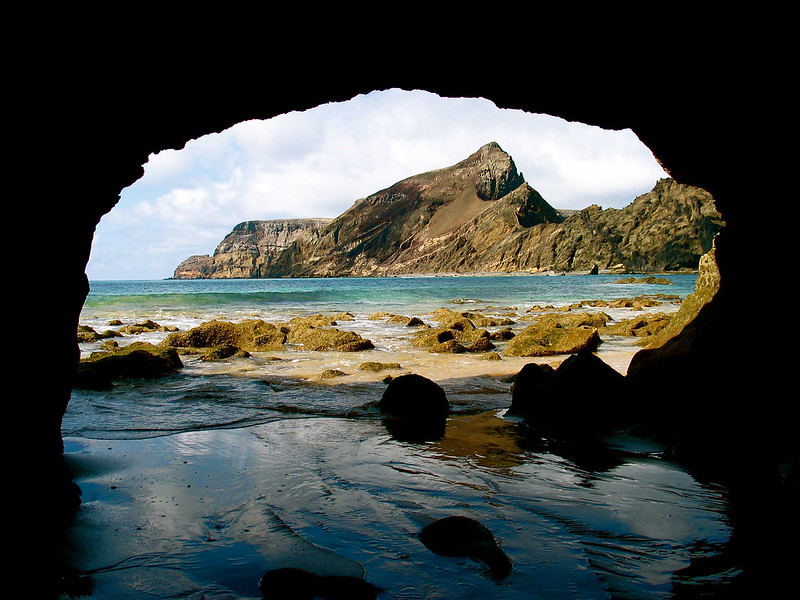
One of the hidden gems in Europe for lazy beach days and winter sun.
While Madeira, with its rugged coastline and dramatic hikes, often steals the spotlight, it’s not the only treasure in the Portuguese archipelago. A short, three-hour ferry ride away lies Porto Santo, the ‘baby-sister’ island, offering a completely different vibe. This lesser-known gem is home to the country’s newest biosphere reserve, making it one of Europe’s best-kept secrets for a peaceful beach escape.
Porto Santo is famous for its nine-kilometer stretch of golden sand—something rare in the region, where darker shores dominate the main island of Madeira. This beach is perfect for those seeking to unwind, burying yourself in a good book and soaking up the sun. If you’re in the mood for a bit of adventure, the rolling hills behind the beach offer easy hiking trails with breathtaking views.
The island offers a range of accommodation options, from luxurious resorts to simple home rentals. But the main draw of Porto Santo is its relaxed pace of life, where you can enjoy leisurely beach days, indulge in fresh seafood, and watch the spectacular sunsets. It truly feels more like a beach with an island, rather than the other way around.
Plan Your Journey
Porto Santo is ideal for a relaxing beach week or can be combined with a short visit to Madeira. The weather is pleasant year-round, and if you visit in winter, you’ll likely have the beach all to yourself—though it’s not quite warm enough for tanning.
Pro Tip
Flying into Madeira and taking the ferry to Porto Santo is often easier and cheaper than flying directly to Porto Santo. In summer, you can even opt for a ferry service from mainland Portugal to Madeira for a flight-free journey.
12. Castelmezzano, Italy
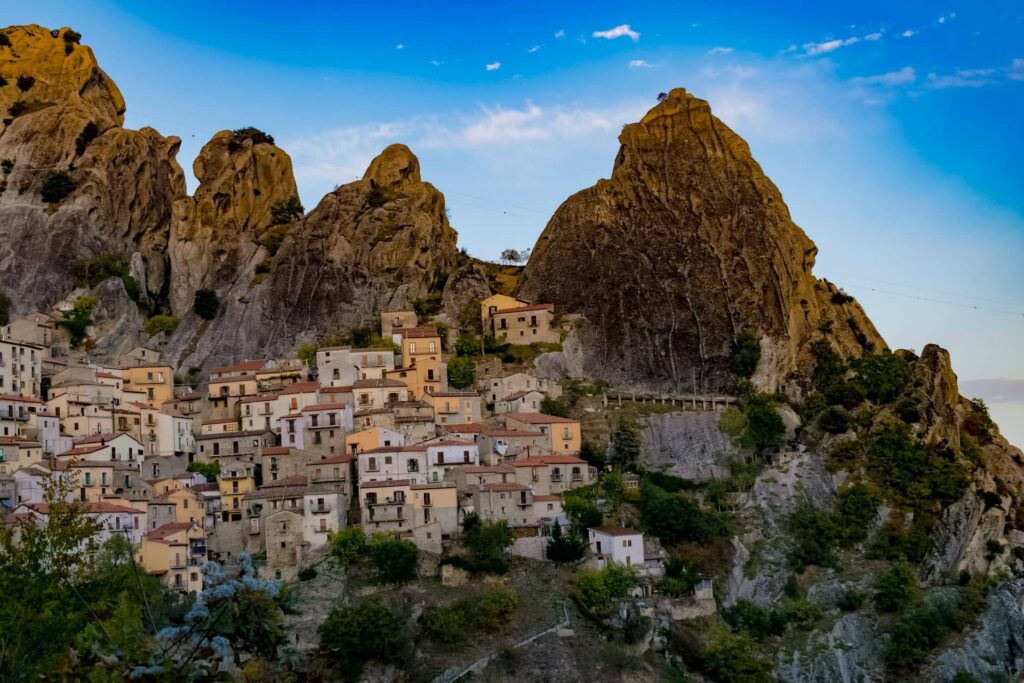
One of the most unique places to visit in Europe for that dream mountain village getaway
Nestled against the stunning backdrop of the Dolomiti Lucane, Castelmezzano is one of Italy’s most charming small villages. We stumbled upon it during a spontaneous detour on a southern Italy road trip, and I’ll never forget the thrill I felt when the cluster of ochre roofs first appeared in the distance. Located in the lesser-visited region of Basilicata, this village offers the perfect countryside retreat.
Across from Castelmezzano lies its ‘twin’ village, Pietrapertosa, and the two are connected by The Angel’s Flight—a high-speed zip line that takes you soaring between these two picturesque mountain-top towns.
Castelmezzano is as enchanting as it looks from afar, with its unique position perched in the mountains. But beyond the town itself, the surrounding area is a haven for outdoor enthusiasts, offering epic hikes, dense forests, and a national park to explore. Spending the night in Castelmezzano’s 10th-century settlement adds a layer of old-world charm, making it one of Europe’s most treasured hidden gems.
Plan Your Journey
Castelmezzano is the ultimate ‘get away from it all’ destination. You can either spend a few days immersed in the village’s timeless charm or include it as a stop on a road trip through southern Italy. The zip line operates from May to October, so be sure to plan accordingly if that’s on your list.
Pro Tip
Be sure to visit the city of Matera, known for its magical caves, ancient underground dwellings, and narrow, story-filled streets. It’s another unforgettable spot in southern Italy.
13. Durham, England
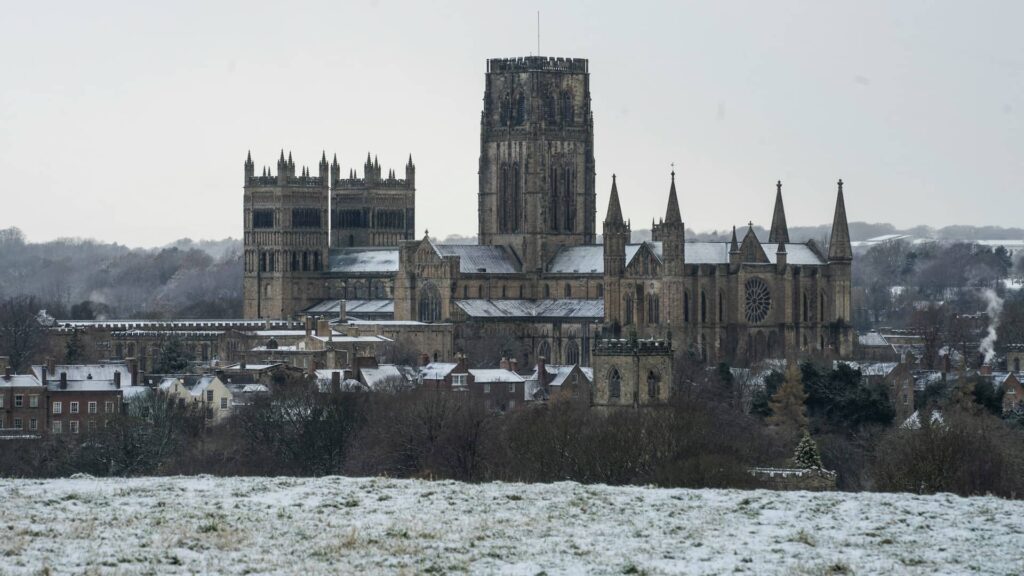
One of the best places to visit in Europe for the quintessential British experience
For those seeking a perfect blend of English city life with a touch of countryside charm, Durham is the place to be.
Known for its UNESCO World Heritage-listed castle and cathedral, Durham offers a glimpse into England’s rich history. The cathedral, dating back to the 9th century, is an absolute must-see and deserves at least a half-day to explore. The city is also home to a prestigious university, which means there’s no shortage of great bars and restaurants, including plenty of vegetarian-friendly options.
Outside the city, the Durham Heritage Coast is a hidden gem, particularly known for its sea glass-strewn beach, perfect for a peaceful walk by the sea. Raby Castle, a medieval treasure that has appeared in Downton Abbey, is also open to visitors and offers a glimpse into English aristocracy.
One of the highlights of the area is the Beamish Museum, an interactive living museum that showcases England’s history from the 1800s onward. I spent an entire day there, completely immersed in the experience. The museum offers a unique combination of old-school charm and theme park-style interactivity, with vintage trams, buses, and actors bringing history to life in the homes and schools of the past.
Plan Your Journey
I recommend at least three days or a busy weekend to take in the sights of Durham, explore a couple of castles, and fully enjoy the Beamish Museum. Like most of the UK, the best time to visit is during the warmer, dryer months.
Pro Tip
Booking your train tickets in advance can save you a lot of money in the UK. Don’t forget, the local buses in the region are reliable and make it easy to explore the sights around Durham.
Read More: 21 Beautiful Places in England That Make Your Getaway Truly Magical.
14. Erfurt and Thuringia, Germany
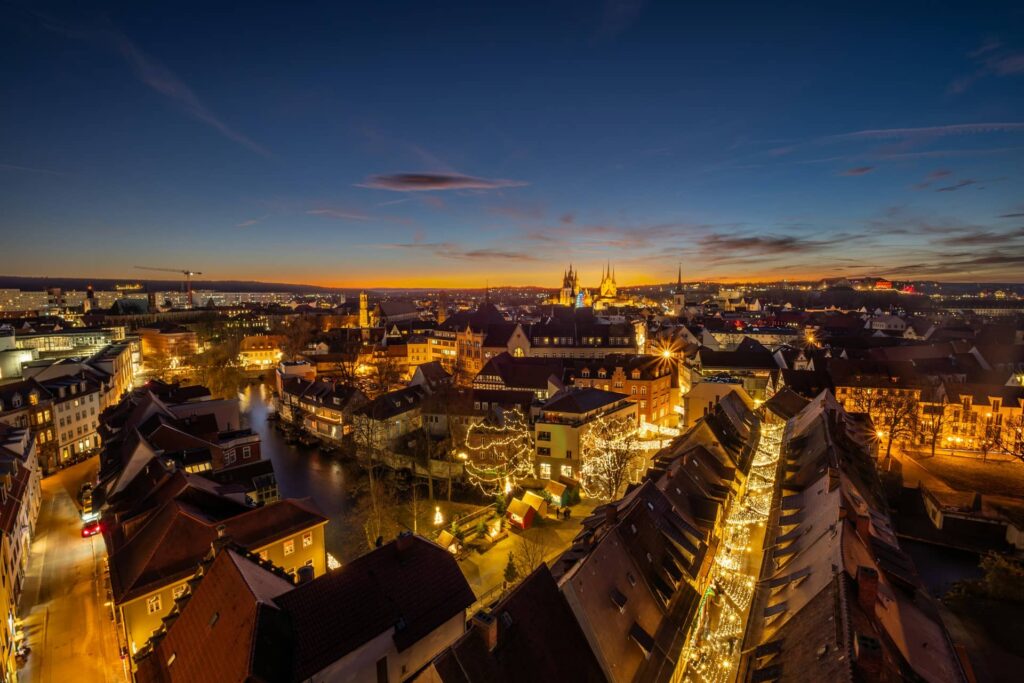
One of the most undiscovered cities in Europe for quaint corners, classical culture, library lovers, and adapted accessibility
Erfurt, the capital of the often-overlooked Thuringia state, offers a charming, historic, and compact escape that feels like a step back in time. Dating back to around 700 AD, the city grew into an important trading hub during the Middle Ages, and much of its Old Town survived WWII, allowing visitors to experience it much as it was centuries ago.
Home to Germany’s oldest university, Erfurt blends rich history with a youthful energy, particularly in the summer. The beer gardens are lively, riverside walks are peaceful, and there’s an undeniable buzz in the warm evening air that makes Erfurt stand apart from other German cities.
Key attractions include the imposing Gothic cathedral and the Petersberg Fortress, but the Krämerbrücke—a charming arched bridge lined with boutique shops—is a must-see for anyone strolling through the Old Town.
Erfurt also makes a great base for exploring nearby hidden gems. Weimar, just a short journey away, is home to the Renaissance-style Anna Amalia Library, one of Europe’s most beautiful literary destinations.
Plan Your Journey
Erfurt is perfect for a weekend getaway or a week-long exploration of Thuringia. The best time to visit is from spring to autumn when the weather is ideal for enjoying the city and surrounding nature. Frankfurt is the nearest major gateway, just a 2.5-hour train ride away, and discounted tickets are available for hotel bookings in the region. Erfurt is also one of Germany’s most accessible cities, making it an excellent choice for barrier-free travel.
Pro Tip
Consider combining a road trip through Thuringia and Saxony, two regions that are often referred to as the Cultural Heart of Germany. Together, they offer a wealth of historical sites, charming villages, and cultural experiences.
Read More: 21 Beautiful Places to Visit in Germany That Capture Fairytale Magic.
15. Bansko & Pirin National Park, Bulgaria
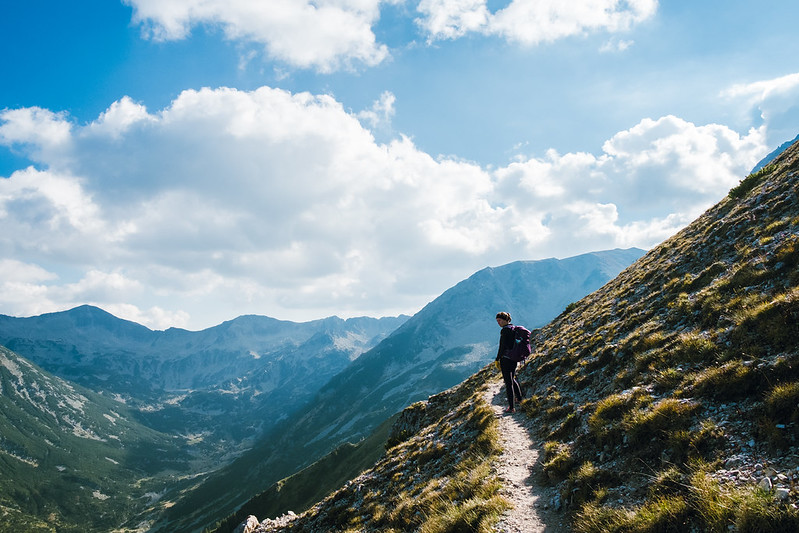
One of the best places to visit in Europe for excellent value skiing in winter and summer hiking
Bansko was meant to be my first skiing trip. However, shortly after arriving, I quickly realized I wasn’t cut out for the slopes and embraced my role as an avid après-skier instead.
Luckily, Bansko offers an affordable ski experience, making it a fantastic choice for beginners who don’t want to commit to expensive trips to the Alps or for pros seeking an off-the-beaten-path European adventure. My week-long stay, which included accommodation, meals, transfers, and drinks with Snomads, cost me around £300. Lift passes and lessons are reasonably priced too. And when you’re off the slopes, the €1.55 G&Ts are an excellent way to unwind.
Bansko’s Old Town is charming and steeped in history. Wander its streets lined with heritage buildings, visit house museums, or stop by a stunning Orthodox church for a dose of culture before hitting the slopes.
If you visit outside of the ski season, you’ll still be treated to the town’s character and have access to the nearby Pirin National Park. Summer brings lush, verdant landscapes and excellent hiking routes, including beautiful lakes perfect for a day of outdoor exploration.
Plan Your Journey
Bansko is perfect for a week of skiing in winter or hiking in summer. If you’re just exploring the town and want a day hike, an overnight stay is plenty of time to enjoy the area.
Pro Tip
If you’re continuing to Plovdiv, take the scenic and slow narrow-gauge train for a relaxed and picturesque journey through the countryside.
16. The Frosinone Valley, Italy
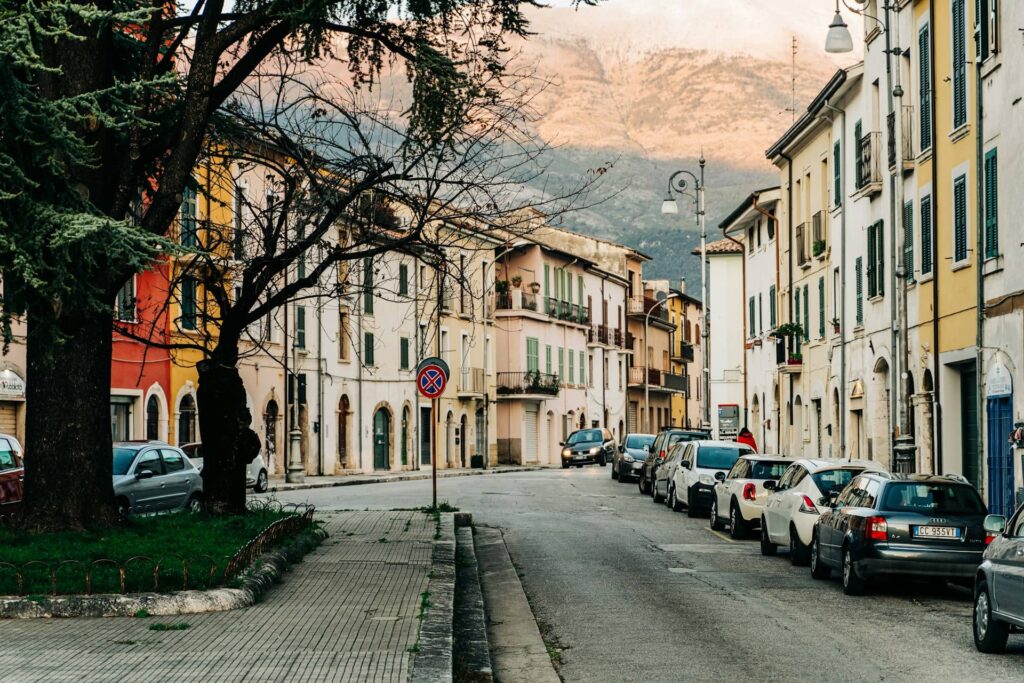
One of the best non-touristy places to visit for a Rome side trip of verdant walks, offbeat villages, and vineyard vistas
Nestled halfway between Rome and Naples, the idyllic Province of Frosinone lies in the southern part of Lazio, offering a peaceful retreat from the tourist crowds.
While the Abbey of Montecassino is the region’s most famous landmark—a vast, historic complex that was rebuilt after World War II—the heart of the Frosinone Valley is truly found in its serene landscapes. I spent most of my time in the Valle di Comino, a region once marked by intense battles but now home to olive groves, towering mountains, and charming small villages.
If you’re seeking that cinematic, lush Italy from the movies, Frosinone delivers. Sip award-winning Cabernet in the vineyards of Atina, explore the ancient ruins of L’Acropoli di Civitavecchia, and discover the historic town of Arpino—known as the ‘city of Cicero.’ Don’t miss San Donato Val di Comino, a picturesque village nestled against the mountains, where you can enjoy hearty, farm-to-fork meals at an agriturismo.
Plan Your Journey
Spring through autumn is the best time to visit, with late September being particularly delightful during the wine harvest. Frosinone makes for a perfect post-Rome getaway or a relaxing stand-alone vacation.
Pro Tip
Arpino is the best base for easy access to decent restaurants and a lively atmosphere. For a more tranquil experience, choose a rural stay in San Donato Val di Comino at one of the local farm accommodations.
17. Nisyros Island, Greece
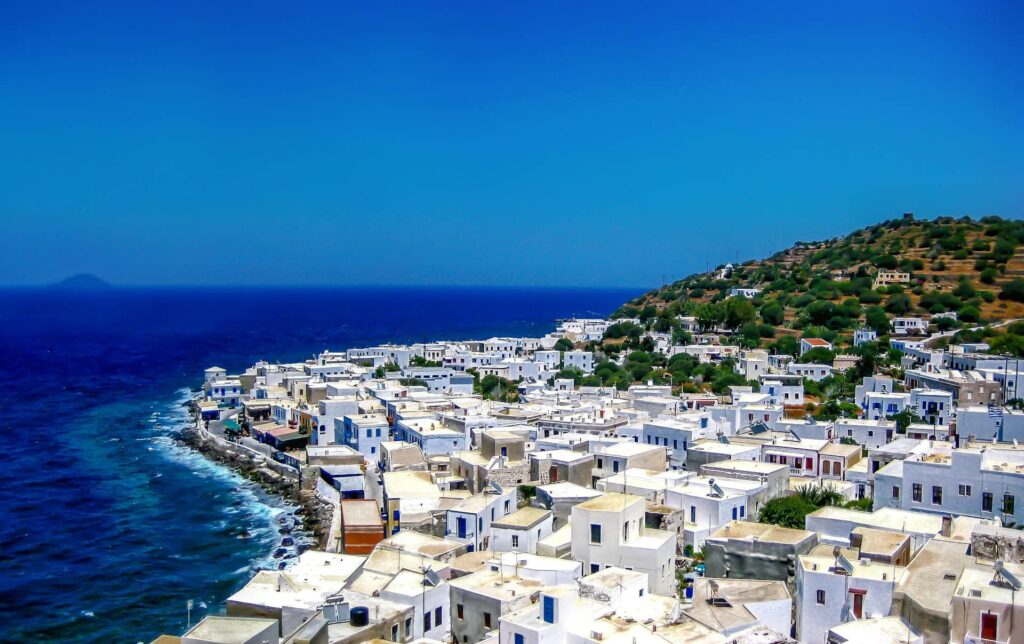
One of the best hidden gems in Europe for a whitewashed village escape on an Aegean-enveloped active volcano
Nisyros Island was one of my most unexpected discoveries. In fact, I didn’t even know I was heading to Greece until I was invited there on a second date. Unfortunately, the romance didn’t take off, but it was replaced by a new love: this hidden gem in the Aegean Sea.
The island is truly unique—it’s essentially one giant volcano, surrounded by picture-perfect whitewashed villages that embody all the classic Greek charm. Think tavernas serving local specialties, white and blue buildings framing the scenery, and vibrant bougainvillea adding pops of color to every corner. But what really sets Nisyros apart is Stefanos, one of the world’s largest hydrothermal craters. It’s not the only one on the island; there are several, and walking into the caldera, standing on its surreal, sulphur-scented floor, is a truly unforgettable experience.
If you stay longer, there’s plenty to explore. The island’s coastal villages are perfect for leisurely strolls, and the dark sand and pebble beaches provide a peaceful spot to relax. Nisyros is a perfect choice if you’re seeking that quintessential Greek island experience without the overwhelming crowds of more famous spots like Santorini.
Plan Your Journey
You can easily take a day trip from Kos—combining both islands makes for a wonderful multi-centre Greek holiday. Alternatively, spend a couple of days hiking or a week enjoying the laid-back atmosphere and escaping it all. While Greece enjoys a mild winter climate, it’s best to visit during the warmer months to fully enjoy the island.
Pro Tip
Ferries depart from Kardamena, Kos, and you can also book a day tour in advance for a more seamless experience.
18. Monsanto and Central Portugal’s Schist Villages
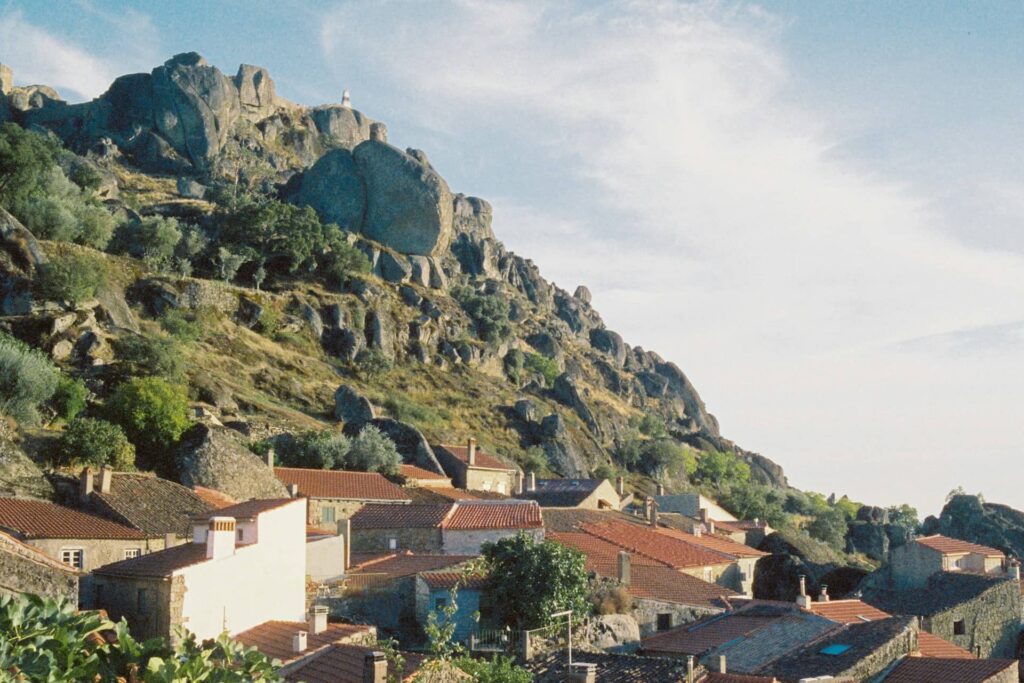
One of the most quirky places in Europe for mind-boggling boulders, creative retreats, and near-empty trails
In the heart of Portugal’s dry interior, Monsanto is a village like no other, where massive boulders seem to rule the landscape. It’s an unexpectedly unique European gem, and its charm lies in the remarkable way nature and architecture have coexisted here for centuries.
Nestled atop a volcanic massif with panoramic views stretching to the Spanish border, Monsanto is dotted with gigantic rocks that locals have built their homes around, between, and even under. These massive stones have become an integral part of daily life in the village, creating a surreal, otherworldly atmosphere.
This is not a destination for a packed itinerary, and that’s part of its allure. Here, the focus is on slowing down—taking in the stunning views, visiting the ruins of a fortified castle, and soaking in the timeless essence of the village, which still remains untouched by mass tourism. For a little more exploration, side trips include Penha Garcia, where you can admire ancient fossils, and Idanha-a-Velha, home to the remains of a Roman settlement.
Nearby, the Serra da Lousã is home to more Schist Villages, including Cerdeira, which has been beautifully restored and is now a haven for creativity. The village hosts a number of tucked-away workshops and retreats, making it one of the most peaceful and inspiring corners of Europe.
Plan Your Journey
Monsanto lies in the sun-drenched heart of central Portugal, where summers can be intensely hot, and winters are chilly. The best time to visit is in spring or autumn, and you’ll want to spend at least a night or two to fully experience the magnificent sunsets and relaxed pace of life.
Pro Tip
Getting to Monsanto on public transport from Lisbon for a day trip is challenging, so it’s best to stay overnight. If you’re short on time, consider booking a tour to get a quick but rewarding glimpse of this unique village.
19. Annecy, France
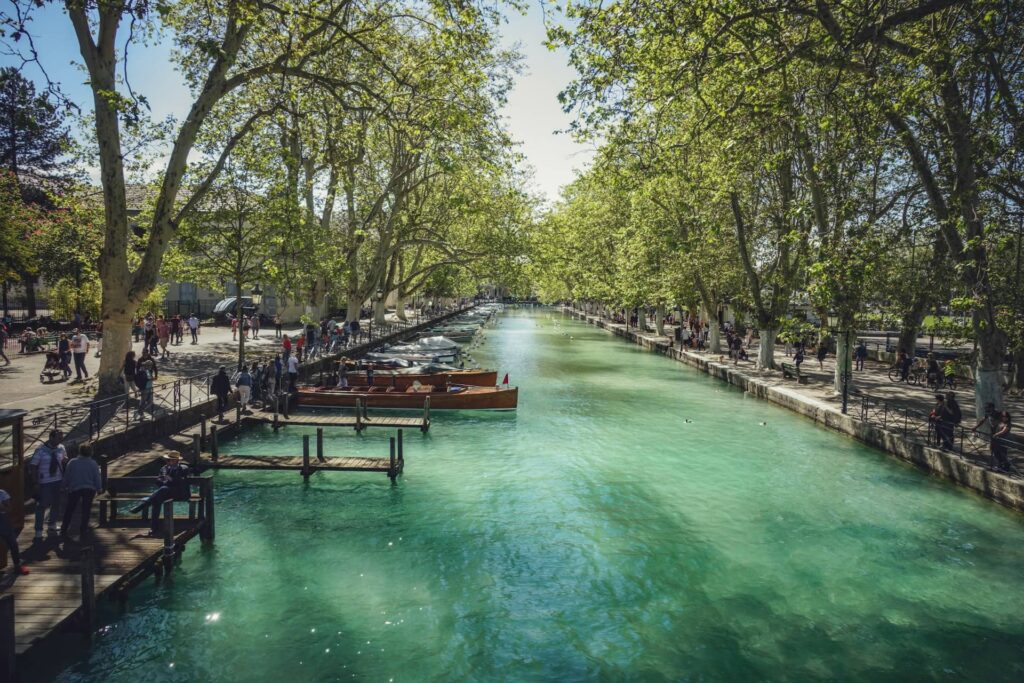
One of the best places to visit in Europe for a pretty-as-a-postcard lakeside getaway
Annecy, tucked away in southeastern France, was my last “off-the-beaten-path” destination of 2022. On a picture-perfect, sunny day, the Christmas markets I’d come for seemed a bit out of place, but the charm of this small alpine town shone through just as brightly as the sun overhead.
The medieval heart of the town, the Vieille Ville, is a delight to wander through, with its canals lined by pastel-hued facades. On an island in the largest canal, Le Palais de l’Île, a small castle hosts a mini museum and is a prime photo spot. Higher up, Château d’Annecy, a historical monument and castle, serves as a more impressive museum, offering sweeping views of the town below.
Yet, for me, the true joy of Annecy lies in simply strolling along the canals, cobbled streets, and lakeside Jardins de l’Europe. Situated at the edge of Lake Annecy, one of the cleanest lakes in France, the town is ideal for peaceful waterside walks. Beyond the lake, the surrounding mountain trails offer a chance to escape the crowds and enjoy the natural beauty of Haute-Savoie.
Plan Your Journey
Annecy is an idyllic destination for a weekend getaway year-round. The Christmas market in December is one of the best winter activities in France, though the town is small enough for a day trip. Alternatively, use Annecy as a base for exploring the nearby snow-capped mountains.
Pro Tip
If you’re a fine art lover, consider a side trip to Grenoble, just 80 minutes away, to visit the Musêe de Grenoble. For a regional museum, it’s packed with impressive masterpieces.
20. Sutherland and Moray, Scotland
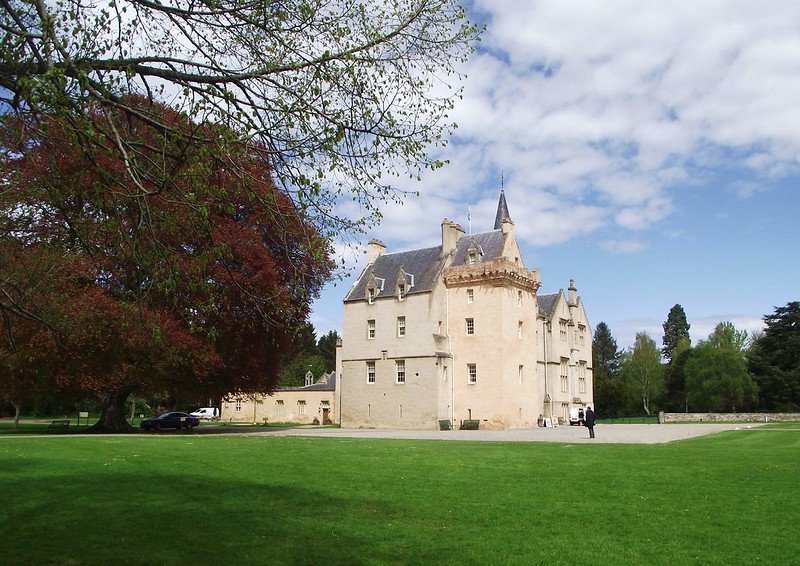
One of the best places to visit in Europe for castle touring, coastal walking, and clan learning
Scotland’s stunning landscapes, steeped in lochs, legends, and history, can often feel crowded, especially during the peak summer months. Popular destinations like the Isle of Skye and the Edinburgh Festivals draw overwhelming crowds, making it harder to find true hidden gems. However, the regions of Sutherland and Moray still offer the chance for an unforgettable, off-the-beaten-path experience.
These two areas are among my favorites in Scotland, and you can easily explore them by using Inverness as a central base. Though Inverness doesn’t have the grandeur of Edinburgh, its cathedral and castle offer a stately backdrop for your stay and a perfect starting point to discover the surrounding areas.
Sutherland is home to Dunrobin Castle, a strikingly beautiful castle with turrets set amidst perfectly manicured gardens. Moray, on the other hand, is where you’ll find the impressive ruins of Elgin Cathedral, dating back to 1224. The coast of Moray is dotted with charming villages and offers breathtaking views, all while avoiding the crowds typically found in the West Highlands and famous valleys like Glencoe. That said, the NC500 coastal route has gained popularity in recent years, so it’s best to avoid the high summer season if you’re seeking peace and tranquility.
Plan Your Journey
You can use Inverness as your base for exploring the region, or better yet, make it part of a road trip around Scotland. While showers are common throughout the year in Scotland, it’s best to visit in the spring or autumn to avoid both the winter weather and the summer crowds.
Pro Tip
Dunrobin Castle is closed from November to March, so be sure to plan your visit accordingly.
21. Lake of the Four Cantons, Switzerland
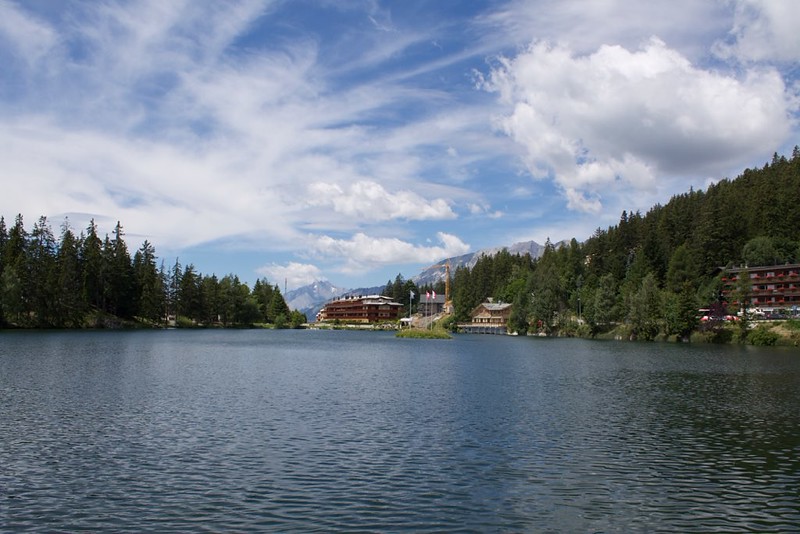
One of the best places to visit in Europe for spectacular backdrops with border-defining history
Switzerland has long been a dream destination for those seeking lakes, mountains, luxury timepieces, chocolates, and banking history. Though it’s certainly not the most affordable country to visit, there are plenty of free outdoor activities that make it possible to enjoy Switzerland on a budget.
The Lake of the Four Cantons, also known as Lake Lucerne, is one of the country’s most stunning bodies of water. Along its shores, you’ll discover hidden gems like Tellskapelle, the chapel dedicated to William Tell, Switzerland’s legendary hero. While Tell’s story may be more myth than fact, the history surrounding the lake is deeply rooted in Switzerland’s formation as a neutral nation. The cantons of Uri and Schwyz, where Switzerland first established its independence, are home to two museums that share the crucial stories of these formative days.
The region is perfect for hiking, with trails that wind along the lake’s edge, connecting smaller towns with scenic views. The surrounding mountains, which can often be reached by cable car, provide even more dramatic vistas.
Finish your visit in Lucerne, a larger city known for its medieval architecture. The Altstadt (Old Town) is charming, with highlights like the Kapellbrücke, a 12th-century wooden bridge adorned with paintings, and the ‘sad Lion statue,’ a memorial to the Swiss Guards who perished during the French Revolution.
Plan Your Journey
The best time to visit is from spring through autumn, with October being particularly lovely. Set aside a couple of days to hop between villages along the lake and at least one day in Lucerne. If you plan to visit multiple stops around the lake, a public ferry pass might be a great value.
Pro Tip
For a more luxurious experience, consider booking a private boat tour, which offers everything from short sightseeing trips to indulgent lunch cruises on the lake.