
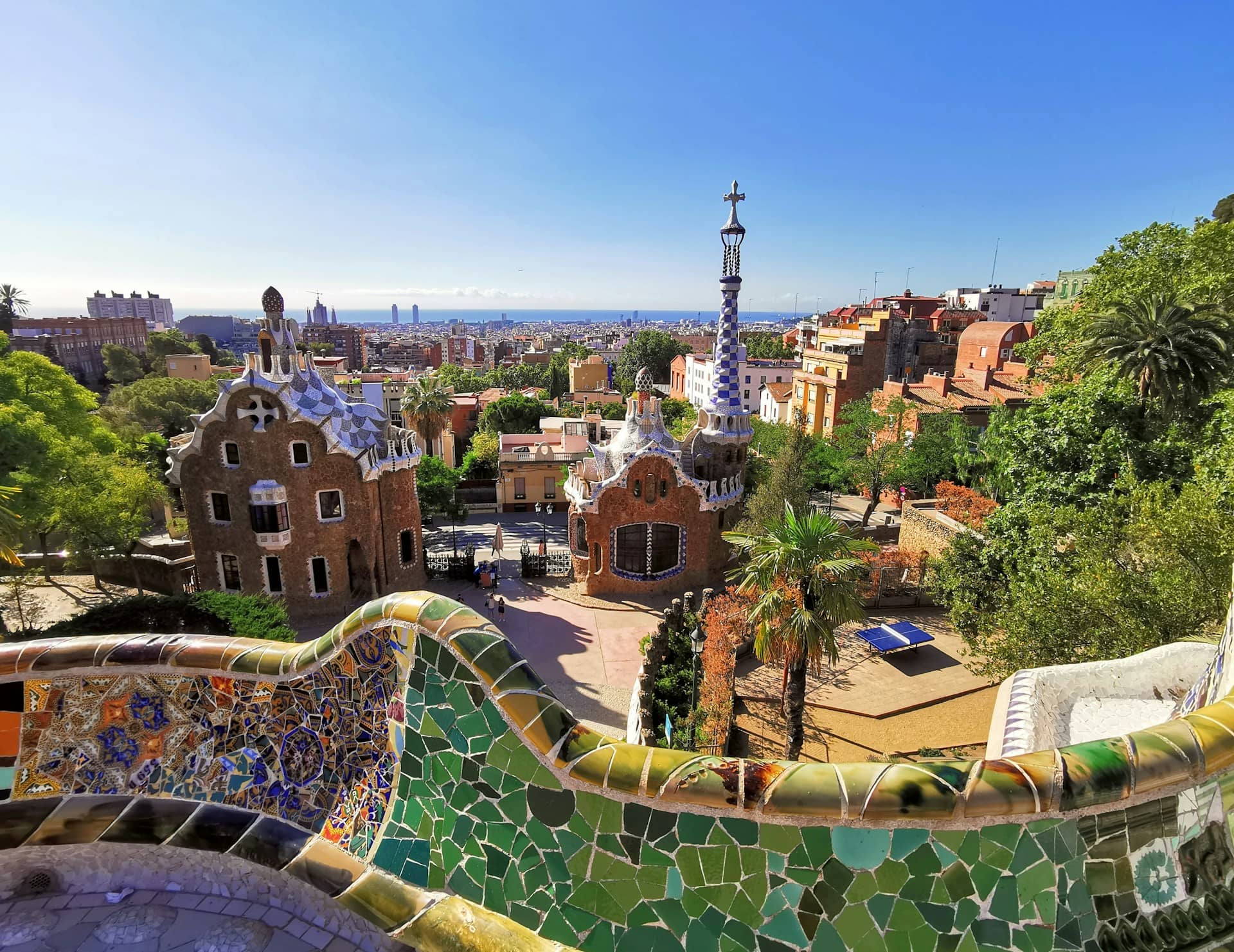
Barcelona, the most frequented destination in Spain, offers visitors a wealth of activities that blend culture, history, and leisure. Whether it’s the awe-inspiring architecture, the vibrant food scene, or the iconic beaches, this city captivates travelers with its diverse attractions and lively atmosphere.
In just two days, you can experience the grandeur of La Sagrada Familia, delve into the sports culture at the FC Barcelona Museum, indulge in fresh local produce at the bustling Boqueria Market, and explore the medieval charm of the Gothic Quarter.
Though time may be limited, Barcelona offers a whirlwind of experiences that pack in all its must-sees. From cultural landmarks to street-side cafes, this itinerary highlights the essential spots to ensure a memorable visit.
With tips on navigating the city, recommendations for ideal accommodations, and guidance on getting around, this 2-day itinerary allows you to maximize your time and enjoy the best of Barcelona’s offerings.
How to Get to Barcelona: Easy Transportation Options for Your Arrival

Barcelona, Spain’s top tourist destination, is easily accessible, making it an ideal choice for travelers. If you’re flying in, you’ll land at Josep Tarradellas Barcelona-El Prat Airport, situated about 15 kilometers (just over 9 miles) from the city center. Several transportation options can get you from the airport to your accommodation quickly.
- For a seamless and stress-free arrival, private transfers offer the most convenient choice. By booking in advance, you can arrange to be picked up directly from the airport and transported straight to your accommodation, without worrying about finding a taxi or haggling over fares. You can book your private transfer here.
- If you’re traveling on a more flexible budget or arriving late, taxis are readily available. Although more expensive, typically costing at least 30 Euros, this option offers door-to-door convenience, especially when you’re eager to get to your hotel quickly. Book your taxi here.
- For a more affordable option, the RENFE train service runs every 30 minutes between the airport and the city center, with the journey lasting around 25 minutes. Book your train tickets here.
- Alternatively, the metro’s L9 link connects the airport to the city center efficiently. You can book your Metro tickets here.
If you’re already traveling around Europe and heading to Barcelona, there are also train and bus routes available to the city.
Getting Around Barcelona: Easy Transportation Options for Tourists
Exploring Barcelona is a breeze, thanks to its efficient and extensive public transportation system. One of the most convenient ways to travel around the city is by using the Hola Barcelona Travel Card. This card offers unlimited access to all modes of public transport—trains, buses, and trams—at a flat rate, making it an ideal solution for hassle-free travel across the city.
If you prefer a more guided experience, a hop-on-hop-off bus tour is another great option. Whether you choose a one or two-day pass, this tour allows you to visit all of Barcelona’s top attractions without the need to navigate the public transport system on your own. These tours give you the chance to easily hop off at your favorite stops and explore, providing a great overview of the city’s sights. I personally find these tours helpful, as they give me a chance to enjoy parts of the city I might not have seen otherwise.
Where to Stay in Barcelona: Top Neighborhoods for Your Stay
When you visit Barcelona, it’s a good idea to stay in a centrally located neighborhood to maximize your experience. Some of the most convenient and enjoyable areas to explore are Barri Gòtic, La Barceloneta, El Born, Eixample, the Gothic Quarter, and Gràcia. Each of these barrios offers something different, whether it’s history, beaches, or shopping, making them ideal bases for your trip.
To help you choose the best place to stay, you can check a map that highlights accommodation options across the city. From apartments to hotels, there’s a wide variety of choices available. Simply enter your travel dates and the number of guests, and you’ll see all the accommodations that fit your needs. This will help you find the perfect spot for your Barcelona adventure.
The Perfect 2-Day Barcelona Itinerary
Day 1: A Full Day in Barcelona
Exploring the Gothic Quarter of Barcelona
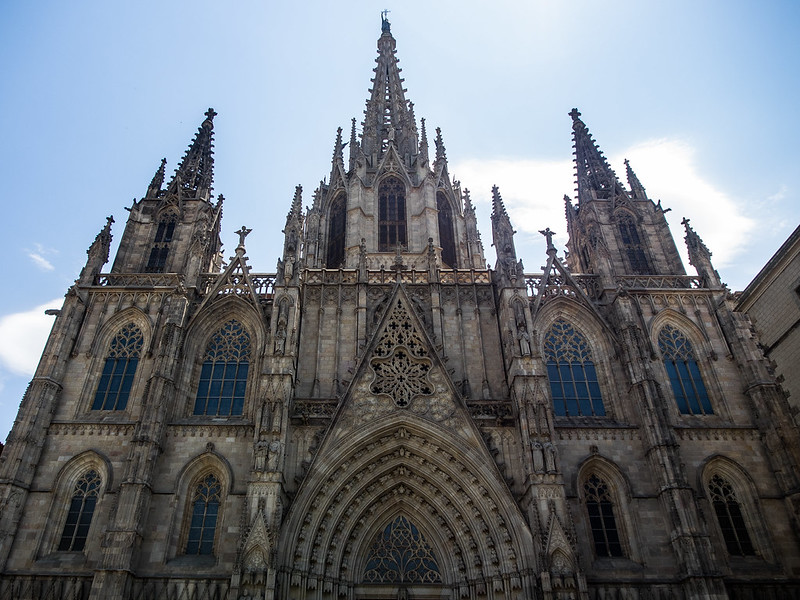
During your 2-day visit to Barcelona, you can’t miss the Gothic Quarter. Once the heart of historic Barcelona, this area still carries the essence of the city’s past while blending it with the energy of the present. Walking through its narrow, cobbled streets, you’ll encounter remnants of the city’s medieval history, from ancient walls to beautiful plazas.
The Gothic Quarter may be small, but it’s packed with things to see and do. Start with a walking tour to get a feel for the area’s rich history and hidden corners. Be sure to stop by the Cathedral of Barcelona, where you can admire its gothic architecture and serene interiors. If you’re interested in learning more about the city’s past, visit the Historic Museum of Barcelona, which offers insights into the city’s transformation over centuries. For a quieter, more relaxed moment, head to Plaça del Pi, a charming and often overlooked square, perfect for enjoying a coffee or taking in the surroundings.
Exploring the Güell Palace
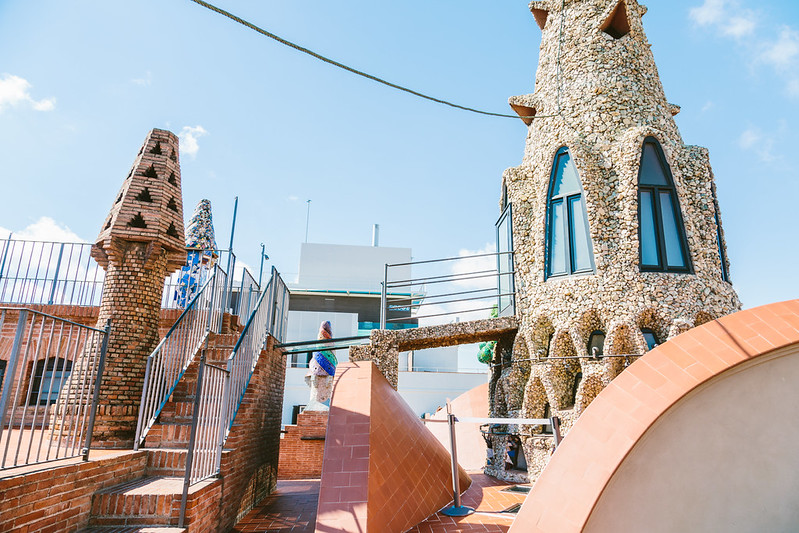
During your stay in Barcelona, you’ll inevitably encounter the works of Antoni Gaudí, one of the most influential architects of the 19th and 20th centuries. Known for his imaginative and organic approach to design, Gaudí’s creations can be found throughout the city, each telling its own story. His works often break traditional architectural conventions, showcasing his creative genius.
A great starting point on your Gaudí tour is the Güell Palace (Palau Güell). While not as famous as some of his other works, it’s still a stunning example of his artistry. The palace offers a fascinating look into his early work and his collaboration with industrialist Eusebi Güell. The building is full of intricate details and unique design elements. You can explore its history through guided tours, and the rooftop terrace provides a breathtaking view of the city—a perfect way to take in Barcelona’s landscape from a different perspective.
Savor the Flavors at Boqueria Market
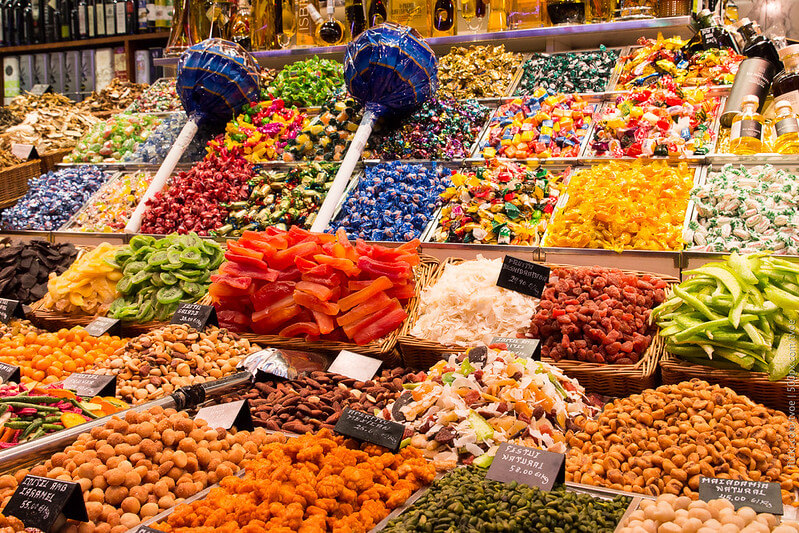
One of the best ways to experience a city’s culture is by exploring its local markets, and in Barcelona, the Boqueria Market (Mercat de Sant Josep de la Boqueria) is a must-see. Since its opening in 1840, it has become an iconic destination for food lovers, drawing locals and tourists alike.
This bustling market is an ideal spot to dive into the heart of Barcelona’s culinary scene. Whether you’re grabbing a quick bite or taking your time to wander through the stalls, you’ll find an impressive selection of fresh ingredients, ready-to-eat meals, and local specialties. A visit to Boqueria Market wouldn’t be complete without sampling some traditional Spanish fare, such as rich manchego cheese, refreshing fruit smoothies, or the famed jamón ibérico.
For an even more authentic experience, consider stopping by El Quim de la Boqueria or Bar Pinotxo. Both are local favorites that serve delicious dishes, offering a true taste of Barcelona’s food culture. It’s a perfect spot to fuel up as you continue exploring the city.
A Stroll Down La Rambla
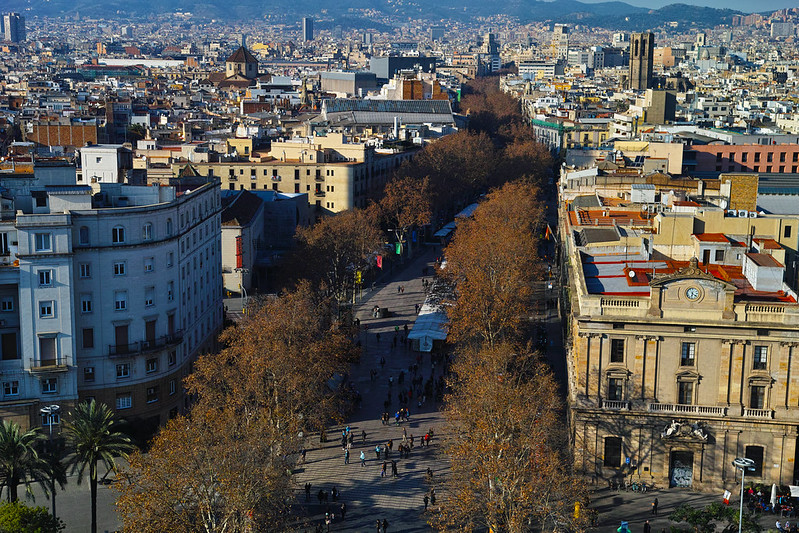
La Rambla is undoubtedly one of Barcelona’s most visited streets. While it may be a bit overhyped, it’s still worth stopping by for a quick look and a few photos.
This bustling street is packed with tourists, street performers, and souvenir shops, offering a lively atmosphere. Despite the heavy crowds, there are a few notable spots worth checking out. Be sure to look for the colorful Joan Miró mural underfoot, catch a live performance at the iconic Liceu Theatre, or take a moment to admire the Columbus Monument at the southern end of the street.
However, it’s wise to be cautious while exploring La Rambla. Due to its popularity with tourists, pickpockets are known to frequent the area. Keep an eye on your belongings and consider making your visit brief to avoid any potential hassles.
The Majestic La Sagrada Familia
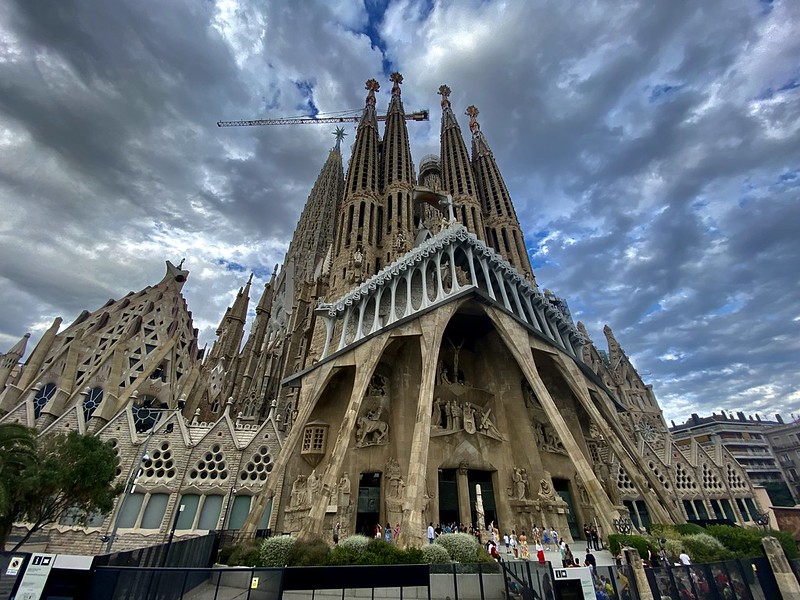
La Sagrada Familia is one of Barcelona’s most iconic landmarks and an essential stop for anyone visiting the city. Construction of this magnificent church began in 1882, and due to the complexity of its design, it remains incomplete to this day. In fact, its completion is projected for 2026, meaning the church will have been under construction for almost 250 years by the time it’s finished.
Even in its unfinished state, La Sagrada Familia impresses with its extraordinary details. From its soaring spires to the intricate facades and breathtaking stained glass windows, every corner of the church invites awe. The architectural creativity and grandeur of this site make it a must-see during your visit.
For the best experience, timing is key. While early mornings are popular for avoiding crowds, I suggest visiting a few hours before sunset. At that time, the sunlight pours through the stained glass, casting stunning colors and giving the church a magical glow that enhances its beauty even further.
Be sure to book your tickets in advance, as entry can fill up quickly. Planning at least two weeks ahead will help secure the time slot you want, allowing you to experience La Sagrada Familia at your own pace.
Explore Antoni Gaudí’s Masterpieces at Casa Milà and Casa Batlló
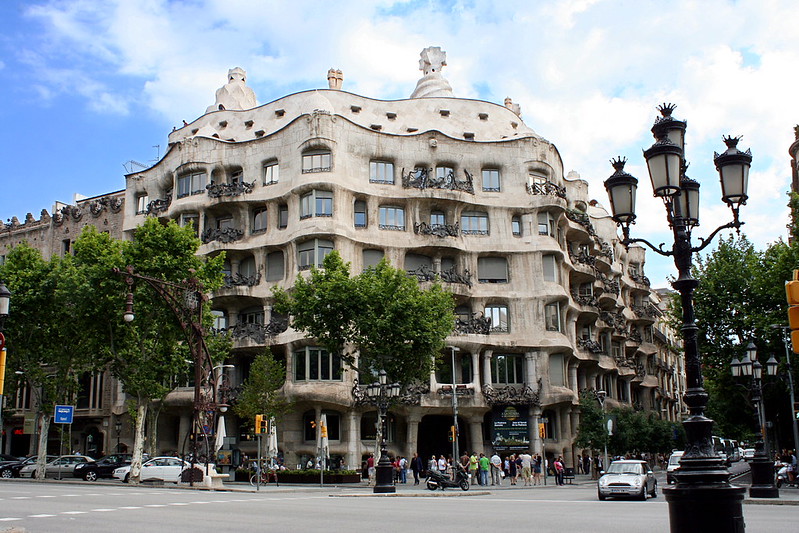
After visiting La Sagrada Familia, it’s time to head to some of Antoni Gaudí’s most celebrated works: Casa Milà and Casa Batlló. Though these buildings are a bit out of the way from La Sagrada Familia, they’re well worth the detour. As you make your way from the church to the Barcelona Museum of Contemporary Art, you’ll likely encounter Casa Milà first.
Casa Milà, also known as La Pedrera, stands out with its striking, stone-like exterior. Its nickname, “La Pedrera,” which translates to “the stone quarry,” reflects the way the building appears to have been carved directly from rock. Gaudí even lived in this remarkable structure from 1906 to 1912. While most people just snap photos from the outside, you can delve deeper into its design with a guided tour that highlights the building’s creative and colorful elements.
From Casa Milà, it’s only a six-minute walk down Passeig de Gràcia to the more famous Casa Batlló. Originally built in 1877, this building looked much like its neighbors before it was purchased by Josep Batlló in 1903. Batlló enlisted Gaudí to redesign it, and Gaudí transformed the structure with sculpted stone, colorful ceramics, and a rooftop that resembles dragon scales.
Today, Casa Batlló is open to the public, offering visitors an immersive experience with an augmented reality tour. You’ll be able to wander through the former home, admire the intricate details, and gaze at the fantastical rooftop, making it a memorable stop on your Barcelona journey.
Immerse Yourself in Art at the Barcelona Museum of Contemporary Art
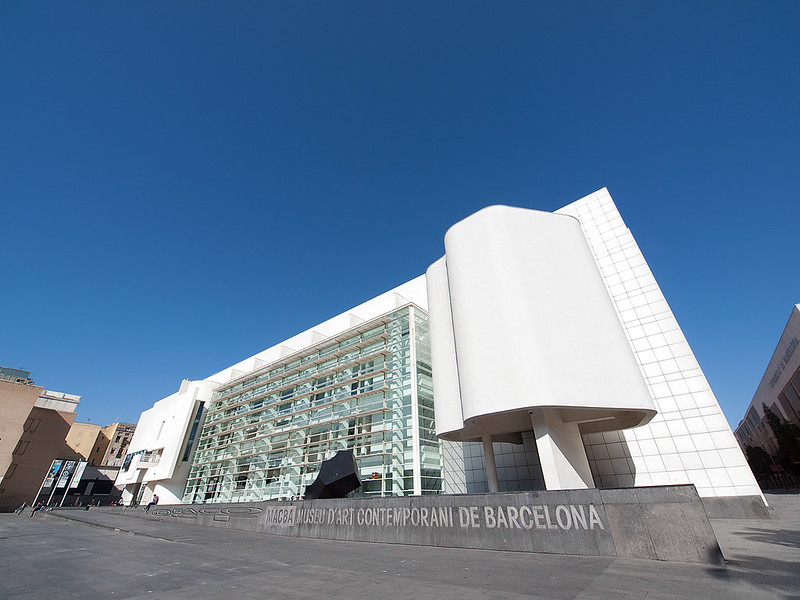
For the final stop of day 1, keep the artistic theme going with a visit to the Barcelona Museum of Contemporary Art (MACBA).
Barcelona has long been a muse for renowned artists like Pablo Picasso, Joan Miró, and Antoni Tàpies, and their works, along with many others, are showcased in this vibrant museum. With thousands of pieces to explore, you could easily lose yourself in the exhibits for hours. If you’re an art lover, feel free to stay until the museum closes to fully immerse yourself in the creative atmosphere.
Afterward, head back to your accommodation for some rest, ready for the adventures awaiting you on day 2 of your 2-day Barcelona itinerary.
Day 2: Continue Your Barcelona Adventure
Explore the Wonders of Park Güell
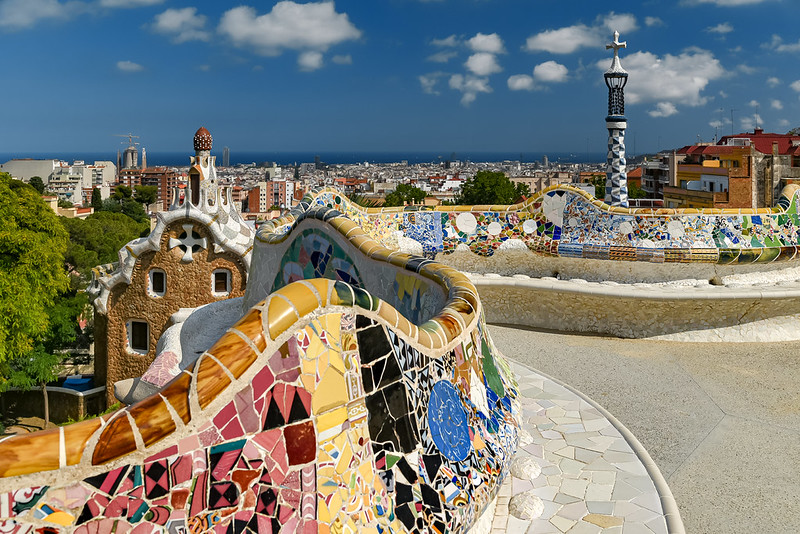
You might have thought that you’d already covered all of Antoni Gaudí’s masterpieces during your first day in Barcelona. After visiting spots like Güell Palace, La Sagrada Familia, Casa Milà, and Casa Batlló, you’ve certainly seen some of his most famous works. However, there’s one more must-see Gaudí creation that you won’t want to miss: Park Güell.
Park Güell is a UNESCO World Heritage Site that offers an enchanting experience, with plenty to explore. The park took 14 years to complete and is full of architectural and natural wonders. You can take a seat on the famous Serpentine Bench, snap a photo with the colorful “El Drac” lizard statue, or stroll through the 86 columns of the Sala Hipostila. There’s a sense of magic around every corner.
For history enthusiasts, the Gaudí House Museum is a highlight. This is where Gaudí lived from 1906 to 1926. While the house was not designed by Gaudí himself, it was filled with his works and personal items, making it an intriguing stop for those interested in the artist’s life.
As with La Sagrada Familia, it’s wise to book your tickets in advance to explore Park Güell, ensuring you don’t miss out on this iconic site.
A Sports-Filled Day with FC Barcelona
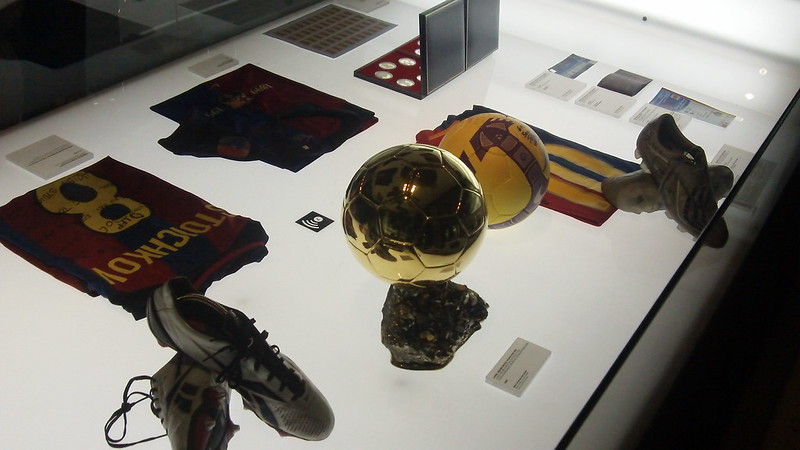
After an arts and history-packed first day, day 2 of your Barcelona itinerary shifts gears for sports enthusiasts. In this city, soccer reigns supreme, and the star of the show is Futbol Club Barcelona, better known as FC Barcelona or Barça. Even if soccer isn’t your passion, you’re likely familiar with some of the team’s legendary players, such as Andrés Iniesta, Xavi, and Lionel Messi.
A visit to the FC Barcelona Museum offers an in-depth look into the team’s storied history. Explore its rich legacy, watch an exciting 3D film about the club, admire an array of iconic sports memorabilia, and check out an entire section dedicated to the career of Lionel Messi, one of the greatest players to ever grace the field.
For those who want to take their experience to the next level, the Players Experience Tour is a must. This tour gives you exclusive behind-the-scenes access to areas like the pressroom, changing rooms, and even the pitch itself. As a special bonus, you’ll also receive a personalized shirt and an official FC Barcelona gift to remember your visit.
Discover Barcelona’s Sporting Legacy at Lluís Companys Olympic Stadium
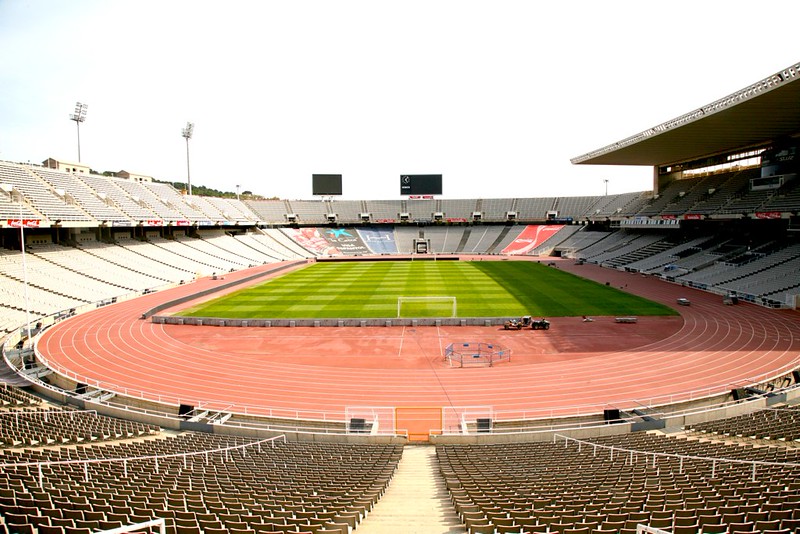
Your sporty day in Barcelona continues with a visit to the Lluís Companys Olympic Stadium, located on Montjuïc. This iconic stadium has hosted numerous major events, making it a key site for any sports enthusiast.
Originally constructed for the 1929 International Exhibition and as part of Barcelona’s bid for the 1936 Summer Olympics (which ultimately went to Berlin), the stadium didn’t serve as the official venue for the Olympics until the 1992 Summer Games. Over the years, it’s also been the home ground for various football clubs. The stadium’s rich history is palpable, and it remains a symbol of Barcelona’s passion for sport.
One of the highlights of visiting the Lluís Companys Olympic Stadium is the opportunity to take a free guided tour. This tour offers fascinating insights into the history of the stadium, the Olympics, and the sport of football itself. The tour also includes a look around the Olympic Ring, which features other notable sites such as Palau Sant Jordi and the Olympic Esplanade, making it a comprehensive dive into Barcelona’s Olympic legacy.
Explore Montjuïc and the National Palace
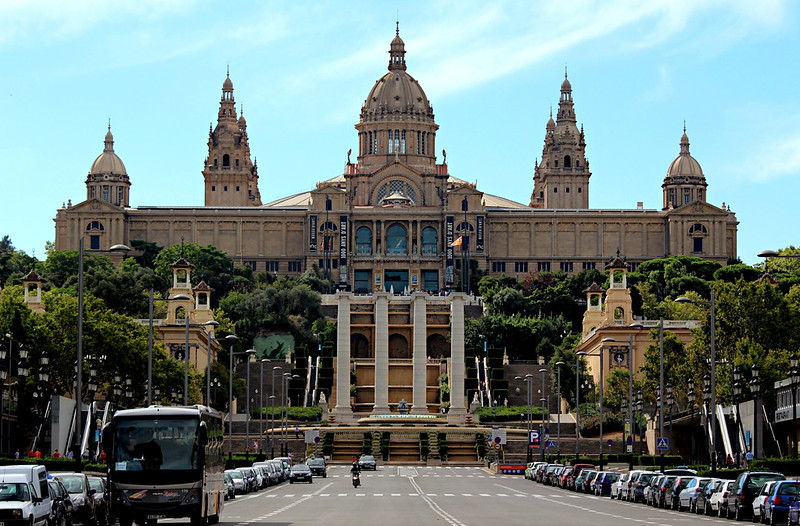
Since you’ll already be on Montjuïc to visit the Lluís Companys Olympic Stadium, it’s worth taking the time to explore everything else this scenic hill has to offer.
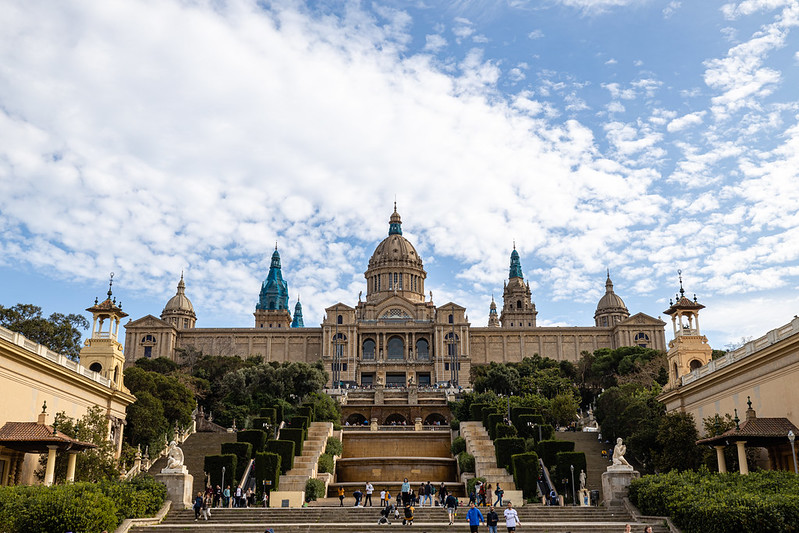
Barcelona is known for its stunning architecture, with Gaudí’s masterpieces scattered throughout the city. However, Montjuïc offers a remarkable building that was not designed by the famous architect: The National Palace, or Palau Nacional. This grand structure stands out with its Spanish Renaissance-inspired design and is home to the National Art Museum of Catalonia (MNAC).
Inside, the museum houses an impressive collection of art from various periods, including Romanesque, Gothic, Renaissance, and Modernist works by renowned Catalan artists. While the interior is certainly worth exploring, it’s the exterior that draws the most attention. The National Palace is surrounded by beautifully manicured gardens and features a stunning four-tiered waterfall, making it a perfect spot for both architecture and nature lovers.
As your day winds down, Montjuïc becomes even more magical. Every Thursday, Friday, and Saturday night, the National Palace hosts the Font Màgica de Montjuïc, a dazzling light and water show. The performance features colorful lights, lively music, and water features, creating an unforgettable atmosphere. It’s the perfect way to cap off your second day in Barcelona.
Essential Tips for Visiting Barcelona
- There’s no bad time to visit Barcelona, but the spring months (March to May) tend to be quieter with fewer crowds. If you’re looking for a more peaceful experience, spring is ideal, and you’ll also benefit from lower accommodation prices. The summer months (June to August) are the busiest, so if you’re after a more laid-back atmosphere, spring is your best bet.
- Barcelona uses the Euro (€) as its currency. Most places accept credit cards, and you’ll find plenty of ATMs scattered around the city, making it easy to access cash when needed.
- Be sure to download Google Translate or another translation app on your phone. While many locals speak English, especially in tourist areas, I found the app especially helpful when interacting with bus drivers who didn’t speak English.
- Barcelona can be pricey, though not as expensive as other European destinations like Norway or Switzerland. To save money, consider visiting during the off-season in spring, fall, or winter. Public transportation is an affordable way to get around, and I recommend avoiding taxis. A great money-saving tip is to eat at a sit-down restaurant only once a day. For lunch, I often grab something from a local market or pick up ingredients at the supermarket to make a simple sandwich.
- Violent crime is rare in Barcelona, but like any major city, pickpocketing can be an issue. Keep your belongings close and never leave them unattended, especially in crowded areas. Lastly, make sure to take out travel insurance before your trip for peace of mind.