
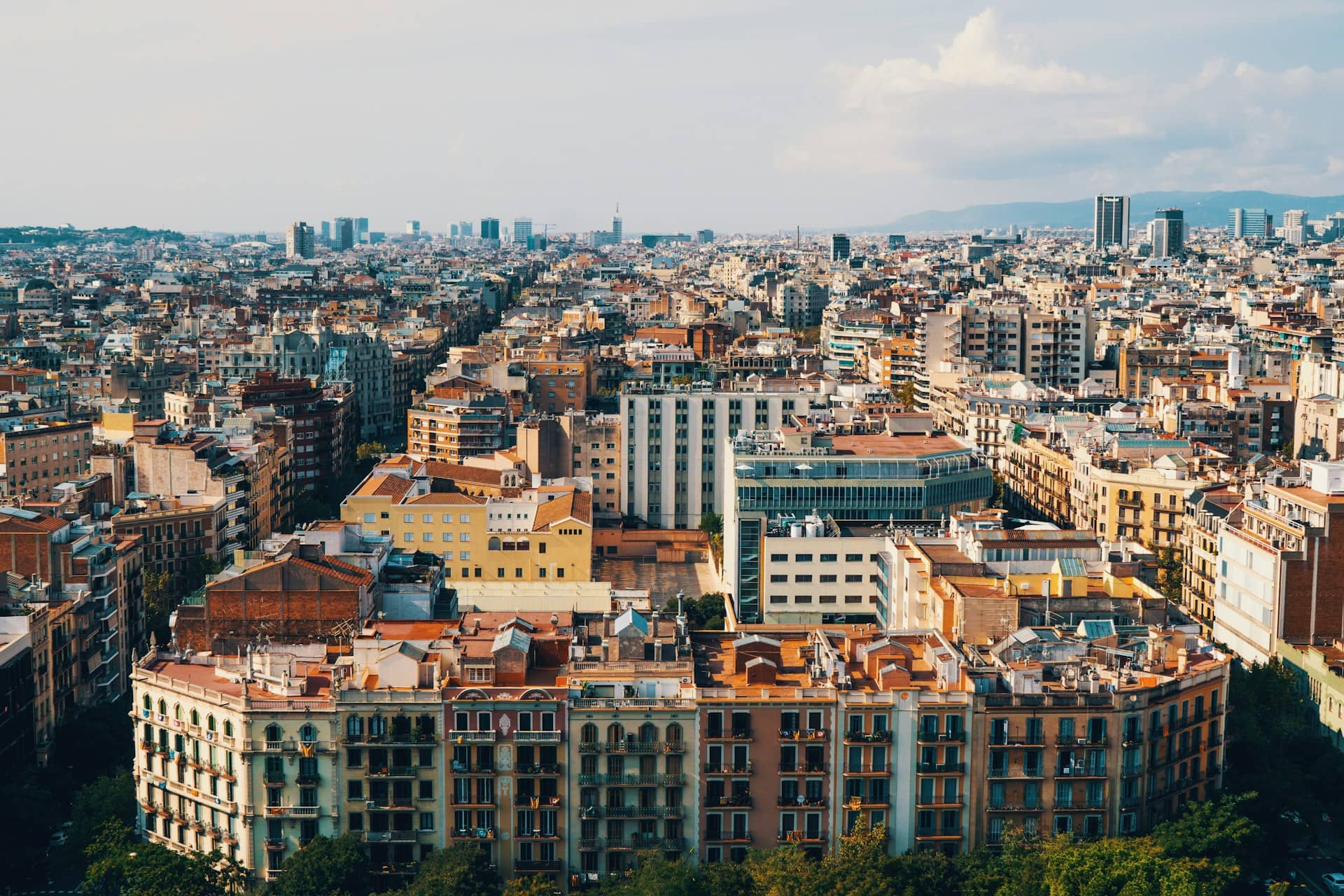
In this guide, we’ll share a detailed plan for spending 3 days in Barcelona. Each day is arranged to reduce unnecessary walking so you can see more while keeping your energy up. You’ll also find ideas for dining, staying, and stretching your budget without missing key experiences.
With three days, you can easily take in the city’s main attractions — Gaudí’s architectural wonders such as the Sagrada Familia, Casa Batlló, Casa Milà, and Park Güell — along with the Gothic Quarter’s narrow lanes and the Mediterranean coast’s breezy charm. Tapas evenings, beach strolls, and rooftop sunsets complete the atmosphere that makes Barcelona unforgettable.
We spent a week exploring every corner, and this 3-day itinerary reflects the highlights that capture Barcelona’s spirit best — a perfect balance of art, food, history, and leisure.
Inside the Barcelona Itinerary
Barcelona stands among Europe’s most visited destinations, drawing travelers with its architecture, energy, and coastal charm. If you’re visiting between June and September, prepare for heavier crowds and higher accommodation rates. To save both time and patience, reserve your attraction tickets ahead — it can make the difference between standing in line for hours and actually experiencing the city’s highlights. Throughout this guide, you’ll find direct links to help with that.
The itinerary arranges nearby attractions together to reduce unnecessary travel. This structure helps you move smoothly through each area, cutting down on metro rides and avoiding repetitive routes across the city. It’s an efficient way to experience more without feeling rushed.
Food is another reason Barcelona wins hearts. In truth, we found our dining experiences as memorable as visiting Casa Batlló or the Sagrada Familia. Over our weeklong stay, we tried countless cafés and restaurants — and within this itinerary, you’ll find our personal favorites that capture the local flavor beautifully.
A quick note about mealtimes: Barcelona follows its own rhythm. Breakfast can linger until nearly 12:30 pm, lunch often stretches from 1 to 3 pm, and many restaurants don’t open for dinner until after 7 pm. It’s common to dine as late as 10 pm — a custom that feels leisurely once you adjust.
We eventually adopted the local pattern of enjoying a late lunch, resting during the heat of the day, and heading out again for evening walks and dinner under the city lights. With only three days to explore, you might skip the siesta — but you’ll still experience the city’s pulse and its unmatched Mediterranean rhythm.
Barcelona Itinerary: 3 Perfect Days in the City
Day 1 – Gaudí, Las Ramblas, and the Gothic Quarter
Start your morning exploring Gaudí’s genius along Passeig de Gràcia. Admire Casa Batlló and Casa Milà, two landmarks that capture his bold creativity.
Then head down Las Ramblas, a lively avenue filled with cafés, shops, and street art.
Spend your afternoon wandering through the Gothic Quarter, where medieval lanes and hidden courtyards create a timeless charm. It’s a perfect first day — a balance of architecture, culture, and city life.
How to Use the Barcelona Map: Use the tab in the upper-left corner of the map to view the list of points of interest or toggle layers on and off. Each icon represents a highlight — click any of them to read more details about that location.
If you’d like to keep the map for later use, select the star beside its title to save it to your Google account. Then, open the Google Maps app, go to “Saved”, and choose “Maps.” You’ll see this map listed there, ready to guide you throughout your Barcelona journey.
Casa Batlló – Gaudí’s Colorful Masterpiece
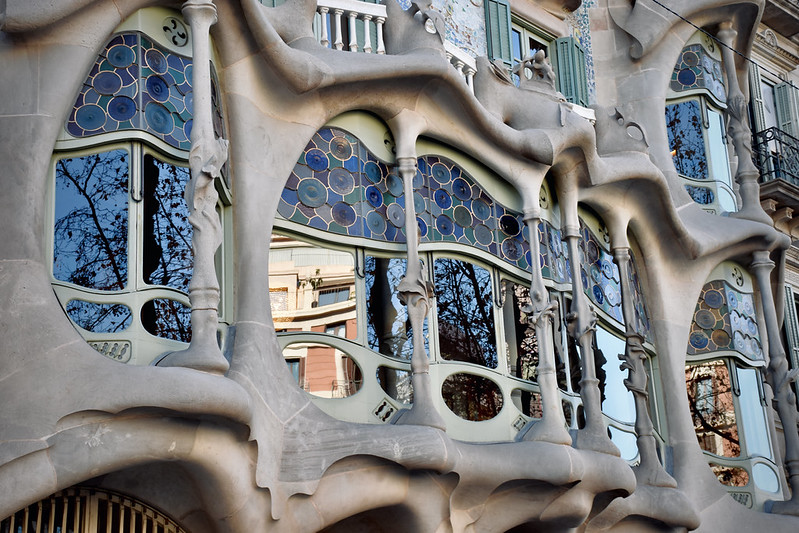
Casa Batlló stands as one of Antoni Gaudí’s most recognized works, a remarkable structure along Passeig de Gràcia, one of Barcelona’s main avenues. Its colorful façade and flowing shapes make it an instant focal point amid the elegant architecture of the area.
If you’re visiting on a tighter budget, admiring it from outside still offers a memorable glimpse of Gaudí’s creativity. However, those who appreciate architecture and art should consider stepping inside — the interior is a fascinating extension of his imagination. We spent around 45 minutes exploring its rooms and capturing photos of the detailed design.
For a smoother visit, book tickets beforehand and arrive close to opening time. Entry begins at 9:00 am, though early-access tickets allow visitors in at 8:30 am, a worthwhile option if you want peaceful photos before the crowd arrives. These special passes cost €45 per person.
How to Visit Casa Batlló
Hours: 9:00 am – 10:00 pm (last entry 9:00 pm; check the official site for current timings)
Cost: Standard tickets start at €25; early-entry tickets (“Be the First”) start at €45 and provide crowd-free access.
Website: Visit the official Casa Batlló site for updated details.
Getting There: Located on Passeig de Gràcia, with the nearest metro stop sharing the same name.
Alternative Booking: Tickets with an audio tour are also available through GetYourGuide.
Casa Milà – La Pedrera
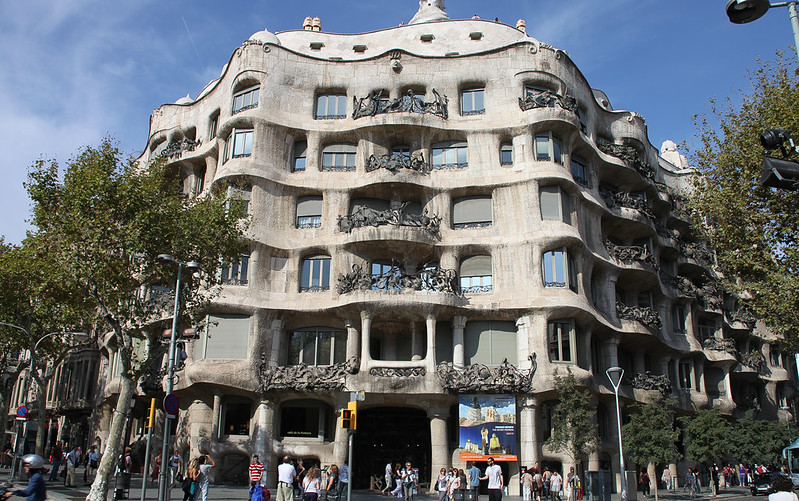
Just a few blocks north of Casa Batlló along Passeig de Gràcia, you’ll find Casa Milà, more commonly known as La Pedrera. This was Gaudí’s final residential project and is now recognized as a UNESCO World Heritage Site for its groundbreaking design and flowing stone façade.
Though it’s another architectural emblem of Barcelona, La Pedrera tends to feel calmer than Casa Batlló. We often passed by without encountering long queues, making it an easy stop for photos or a quick look at its sculpted exterior.
Visitors can admire the building from outside at no cost, or step inside for a closer view of its creative interiors. The tour typically lasts around an hour to an hour and a half, giving ample time to explore the apartments, courtyards, and famous rooftop chimneys.
How to Visit Casa Milà
Hours: Opens daily at 9 am. From March 7–November 9, it closes at 8:30 pm; from November 4–March 6, at 6:30 pm; and from December 26–January 3, again at 8:30 pm. A night tour is also available. Closed on Christmas Day.
Cost: Base tickets begin at €25 online, with additional options for guided or evening tours.
Website: Visit the official site for up-to-date hours and ticket reservations.
Getting There: From Casa Batlló or Casa Amatller, walk about three blocks north along Passeig de Gràcia.
Lunch
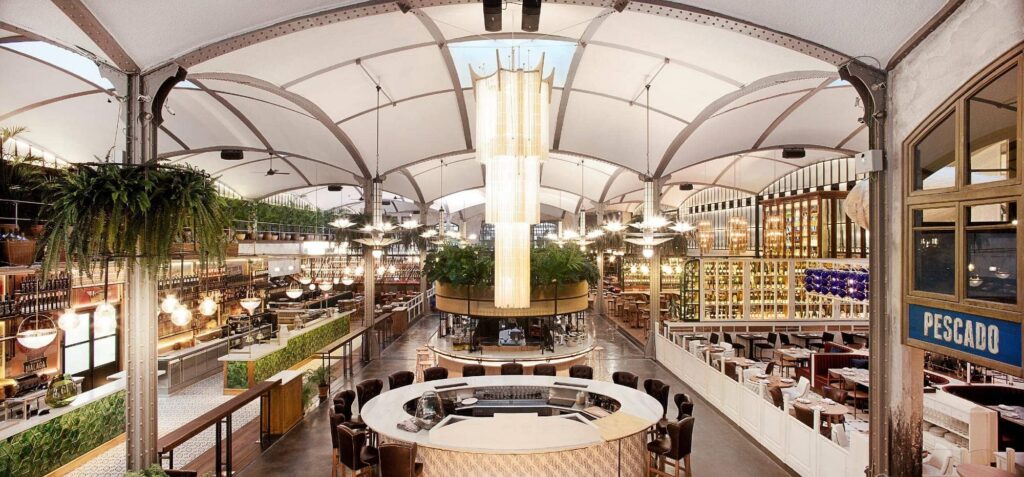
After your morning of architecture and sightseeing, it’s time to take a well-earned lunch break. Here are two excellent nearby choices.
Cerveseria Catalana – We enjoyed this place so much that we returned more than once. The menu offers a wide range of tapas, fresh seafood, and Catalan classics. Dinner hours can draw long waits — sometimes up to two hours — but lunchtime is usually easier. It’s only a five-minute walk from Casa Milà.
El Nacional – Another favorite spot, this stylish food hall gathers several restaurants under one roof, serving everything from tapas to grilled dishes. It sits on Passeig de Gràcia, about two blocks south of Casa Batlló. From Casa Milà, it’s roughly a 10-minute walk, or you can hop on the metro from Diagonal to Passeig de Gràcia.
Walking Along Las Ramblas
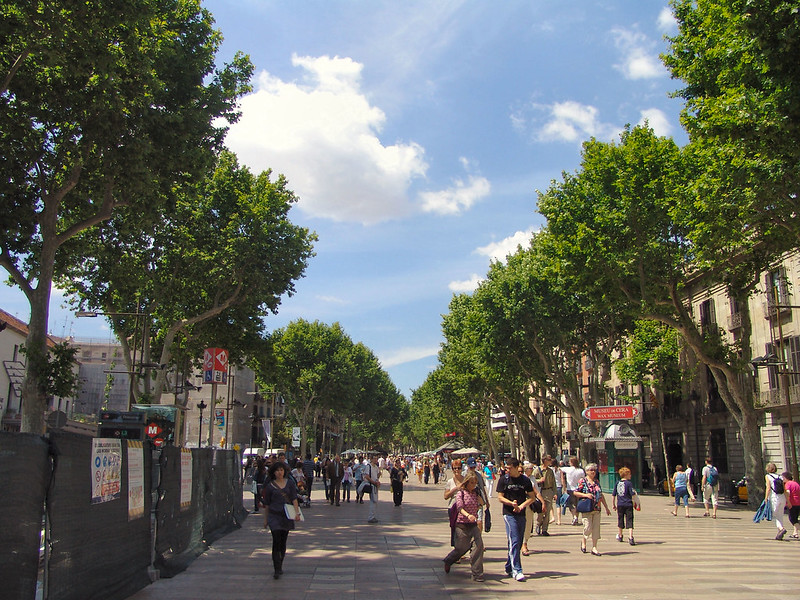
A walk along Las Ramblas remains one of Barcelona’s most recognizable experiences. This wide pedestrian avenue links Plaça de Catalunya with the Christopher Columbus Monument, drawing a mix of locals, visitors, and lively street performers. It’s crowded and undeniably touristy, yet worth seeing at least once — even if just for a few blocks.
While it’s a classic spot, many travelers find the nearby Gothic Quarter or Rambla de Catalunya more atmospheric, with quieter corners and charming architecture. Still, Las Ramblas offers a window into the city’s pulse, especially in the early evening when the energy builds.
Getting Here: If you’ve just finished lunch at Cerveseria Catalana, stroll down Rambla de Catalunya to reach Las Ramblas — about 1.5 km or a 20-minute walk. The street changes name just south of Plaça de Catalunya. To shorten the trip, take the metro from Passeig de Gràcia to Liceu.
La Boqueria Market
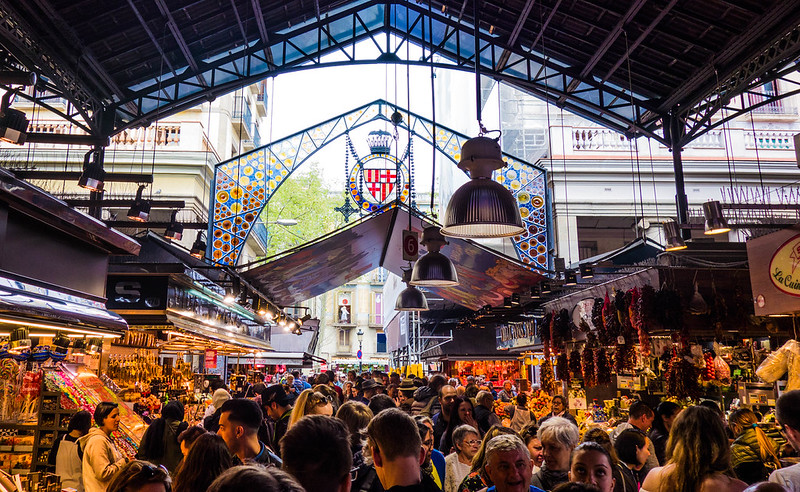
Located directly along La Rambla, La Boqueria stands as one of Barcelona’s most famous markets — a lively space filled with color, sound, and flavor. Inside, stalls overflow with fresh produce, seafood, cured meats, and an endless selection of fruit juices that refresh instantly on a warm day.
Beyond the ingredients and snacks, the market hides several excellent tapas bars tucked between the aisles. One local favorite is El Quim de la Boqueria, known for its fresh dishes cooked right in front of you — an ideal stop if you’re still hungry after exploring the city’s main boulevard.
Exploring the Gothic Quarter
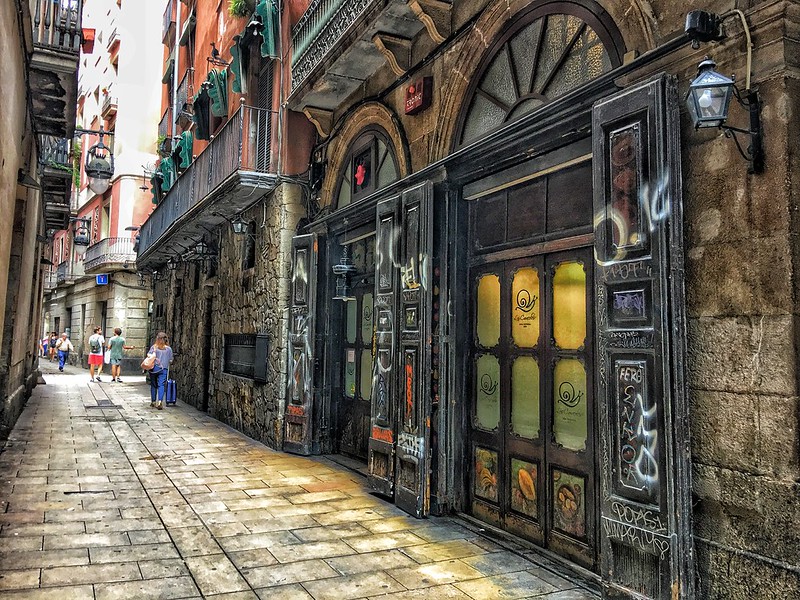
Spend your afternoon wandering through Barcelona’s Gothic Quarter, one of the city’s most atmospheric areas and a true highlight of any visit. This district forms the old city center, where winding alleys and cobblestone lanes reveal centuries of history layered into every stone and square.
Strolling here feels like stepping into another era — lined with tiny boutiques, tapas bars, and wine spots where locals and travelers mingle. The mix of medieval architecture and modern energy gives the neighborhood its timeless appeal.
Be sure to stop by two remarkable landmarks. The Barcelona Cathedral, built between the 13th and 15th centuries, rises just north of the quarter with its stunning façade and rooftop views. Nearby, Santa Maria del Mar offers a quieter but equally captivating example of Catalan Gothic architecture, completing your journey through this storied part of the city.
Dinner
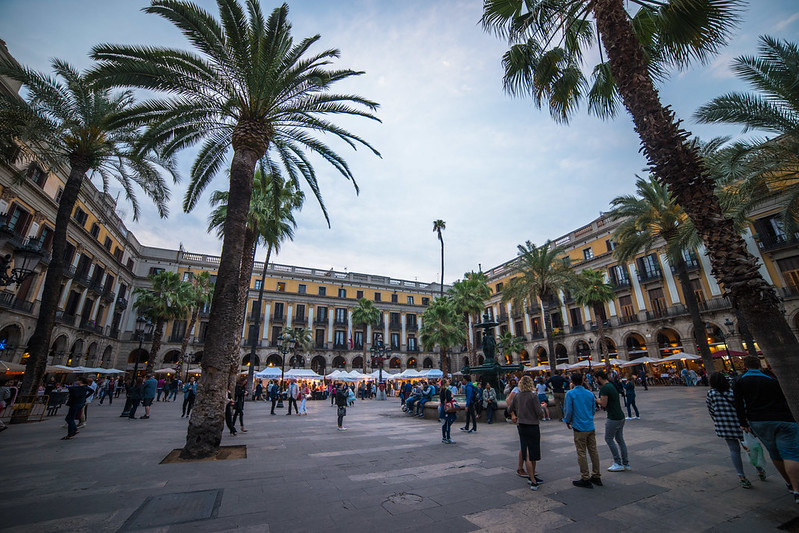
Evening in the Gothic Quarter offers endless dining possibilities. As you meander through its historic lanes, you’ll come across restaurants of every kind — from traditional Catalan taverns to contemporary tapas bars.
A great place to pause before dinner is Plaça Reial, where the lively atmosphere and outdoor seating make it perfect for enjoying a drink as the square glows under its arcades.
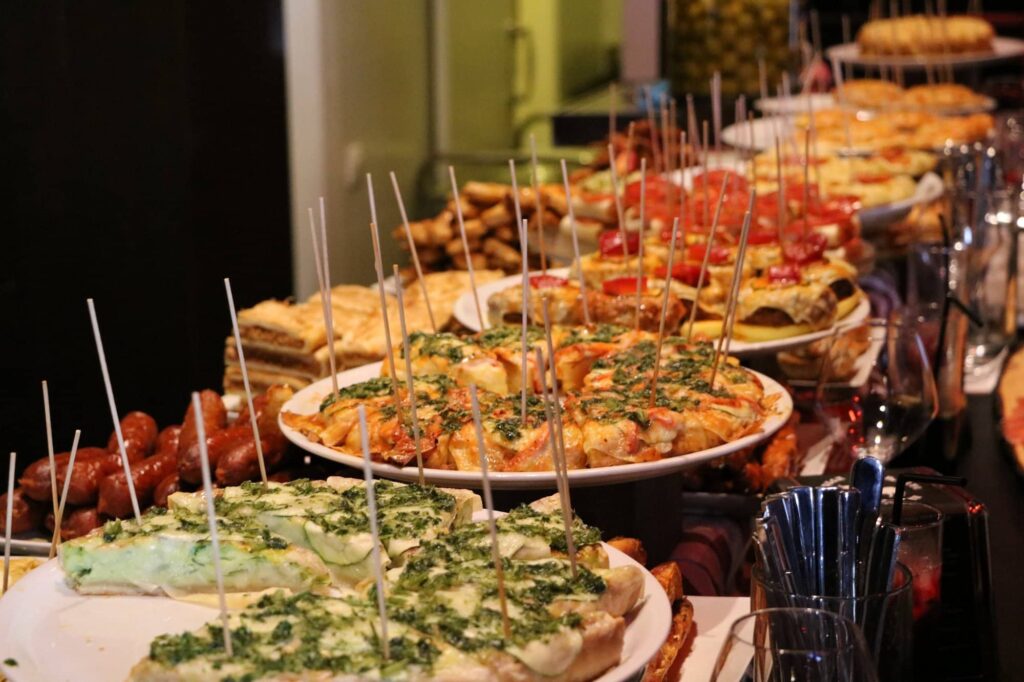
For dinner, Bodega Biarritz is a cozy favorite known for hearty tapas filled with cheese and cured meats. If you’d like something with a twist, Ziryab Fusion Tapas Bar delivers creative plates that blend Spanish and Middle Eastern influences — a flavorful way to end your first day in Barcelona.
Day 2 – La Sagrada Familia, Park Güell, and Tibidabo
Exploring La Sagrada Familia
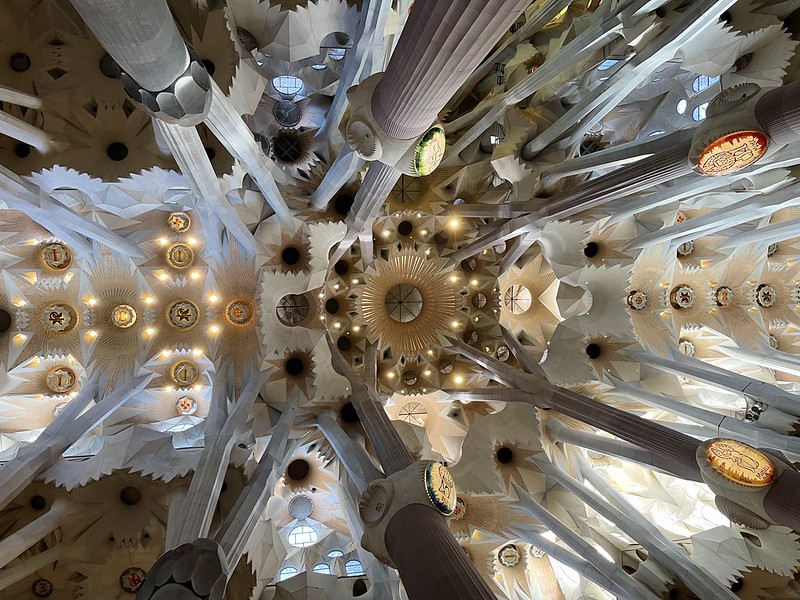
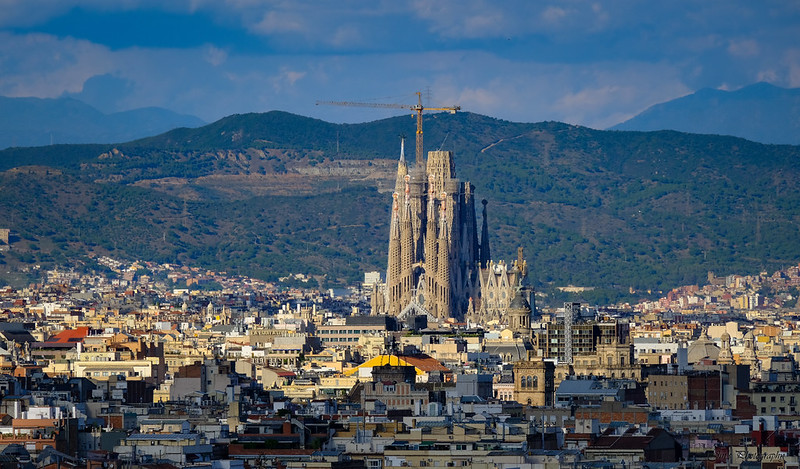
Few landmarks define Barcelona like La Sagrada Familia, Antoni Gaudí’s unfinished masterpiece and a UNESCO World Heritage Site. Though construction continues — expected to conclude around 2026 — it already stands as one of the most extraordinary architectural creations in the city.
Some visitors are mesmerized by its detail, while others find its design overwhelming, but everyone agrees it leaves a lasting impression. The contrast between the church’s interior and exterior is striking. From the outside, its spires appear to melt like sand into the sky; inside, light streams through stained glass in radiant hues, casting color across the pillars and ceiling — a surreal effect that feels almost alive.
There are several ways to visit. The standard €26 ticket grants access to the interior, while upgraded options include an audio guide, guided tour, entrance to the Gaudí House Museum, or a climb up one of the towers.
Passion and Nativity Towers
Visitors can ascend either the Passion Tower or the Nativity Tower. For panoramic city views, the Nativity side is ideal; for vistas stretching toward the Mediterranean, choose the Passion side. During our visit, we opted for the Passion tower, though scaffolding limited much of the view — something to check ahead if clear visibility matters to you.
How to Visit La Sagrada Familia
Hours: 9 am–8 pm (April–September); shorter hours during other months
Cost: Base entry €26. Tickets are sold only online or through the official app.
Website: Check for updated times and ticket links.
Getting There: The nearest metro station is Sagrada Familia.
Tours: Both private and small-group tours are available and consistently receive excellent feedback.
Plan roughly 1–1.5 hours for your visit if you’ve booked in advance and can bypass the ticket queue. If tickets are unavailable on the official site, you can also find entry options on GetYourGuide.
Park Güell
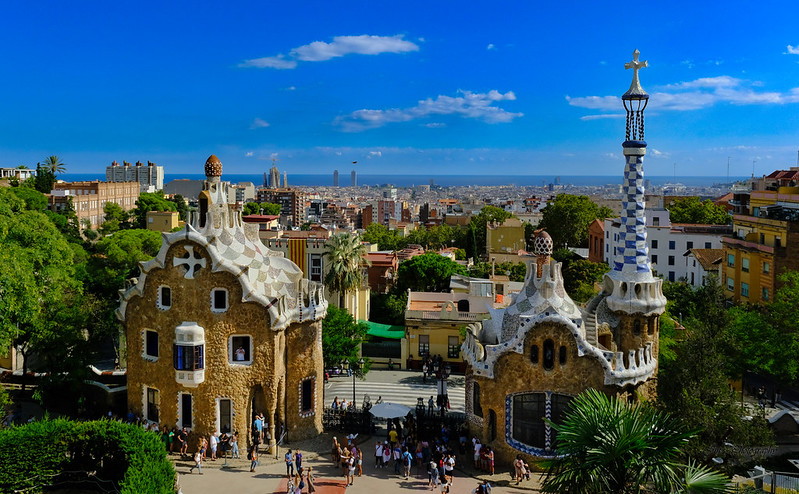
Park Güell stands among Gaudí’s most imaginative creations — a colorful hillside park where curved benches, tiled mosaics, and whimsical architecture form a surreal landscape. Its gingerbread-like buildings and serpentine bench make it instantly recognizable as one of Barcelona’s defining sights.
Though it’s undeniably beautiful, Park Güell can feel overcrowded, especially during midday. The lively tilework and sweeping views are worth seeing once, but expect plenty of visitors. Even with the crowds, the park retains a certain charm that still makes it a memorable stop.
Like Gaudí’s other works, tickets must be purchased in advance to avoid long queues. Entry is limited to 400 visitors every 30 minutes, and tickets often sell out early in the day.
Hours: Typically open from 8:00 am to 9:00 pm, with seasonal variations — always confirm times on the official site.
Cost: Much of the park is free to explore, but the Monumental Area (home to the serpentine bench and the iconic panoramic view) requires a paid entry of €18 when booked online.
Website: Visit the official site for updated information and ticket links.
Getting There: Metro stations Vallcarca, Lesseps, and Alfons X are each about a 15-minute walk away. A taxi can save time, especially on hot days.
If Tickets Are Sold Out: Try booking through GetYourGuide, which offers entry options even after the main site sells out.
Lunch
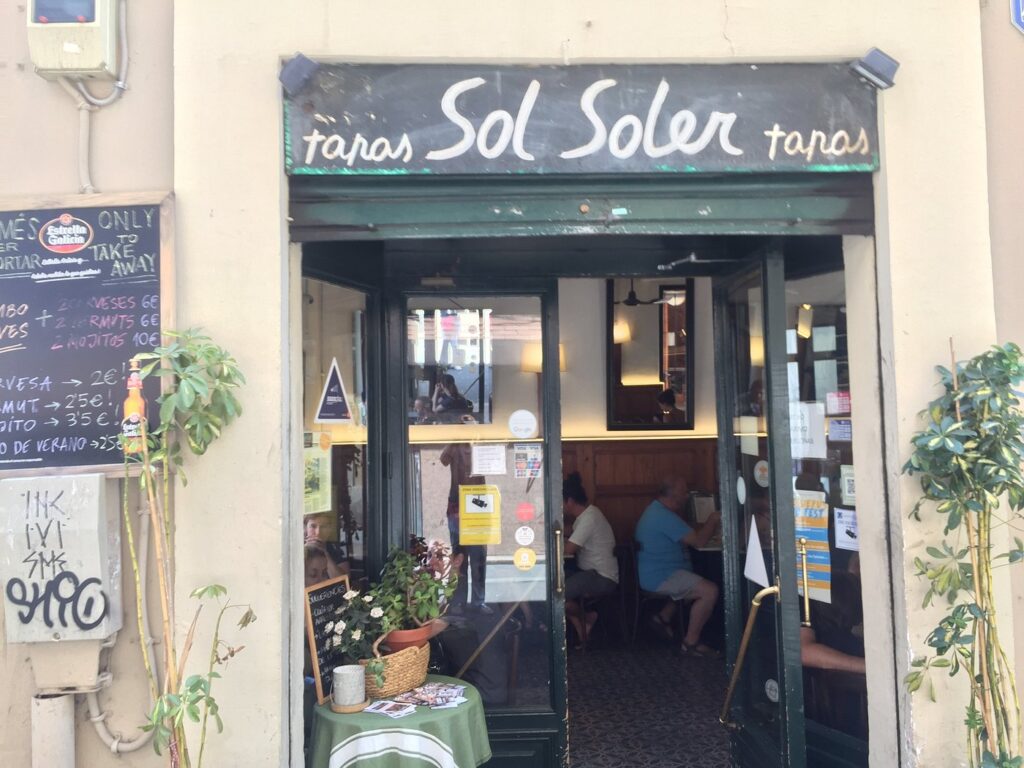
After exploring Park Güell, take a short taxi ride to Sol Soler in the Vila de Gràcia neighborhood — a charming local spot that serves some of the best tapas in the area. This recommendation came from one of our readers, and it turned out to be one of our favorite meals in Barcelona.
The atmosphere is casual yet full of character, perfect for relaxing after a busy morning of sightseeing. Everything we tried was excellent, but the carrot cake stood out — easily the best we’ve ever tasted and worth the visit on its own.
Tibidabo and Sagrat Cor
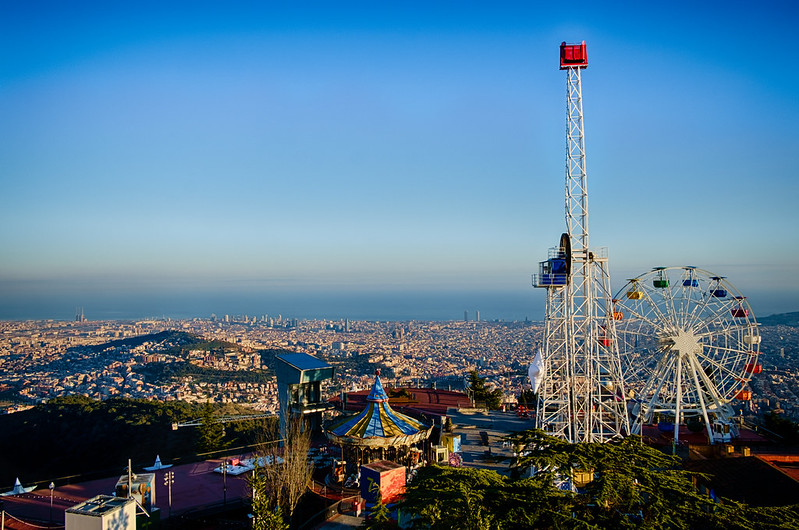
Enjoying the sweeping view of Barcelona from Tibidabo and the Sagrat Cor church was one of the most memorable parts of our trip. High above the city, these two landmarks sit side by side — a small amusement park and a grand basilica — offering a mix of fun and peaceful reflection.
Tibidabo is a compact amusement park perched on the hillside. It’s ideal for families or anyone wanting a lighter, more relaxed afternoon. You can purchase a full-day pass, though we opted to pay per ride, which worked perfectly for a short visit.
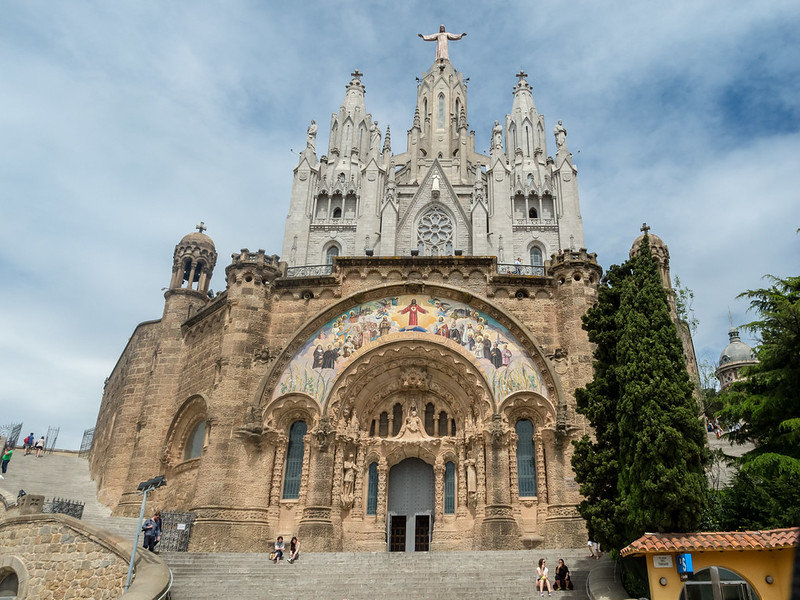
Right beside it stands Sagrat Cor, the Temple of the Sacred Heart of Jesus. This Roman Catholic church crowns the top of Mount Tibidabo and is visible from nearly every corner of the city. For one of the best panoramic views in Barcelona, climb its towers — the perspective is extraordinary.
Getting Here: From Park Güell, walk about 20 minutes to the Tramvia Blau – Tibidabo stop. Take the Blue Tram to the Tibidabo Funicular station, then ride the funicular up to the top. Alternatively, a taxi from Park Güell or Sol Soler to the funicular station saves time.
We’re often asked how we captured our favorite photo of Sagrat Cor. Inside the amusement park is the Talaia Vantage Point, a slow-moving ride that gently lifts you high above the park. From the top, you’ll see Barcelona spread out beneath you — and get that striking shot of the church. It’s calm and scenic rather than thrilling, though those uneasy with heights may prefer to admire it from below.
Sunset and Dinner Options in Barcelona
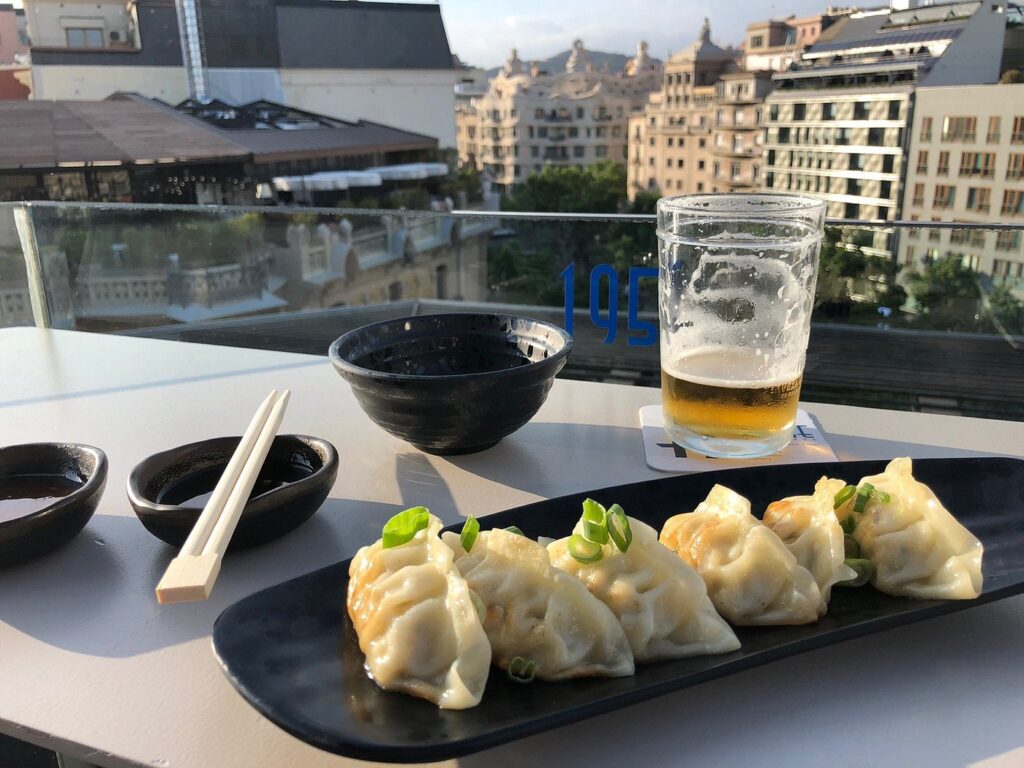
End your second day with one of Barcelona’s most impressive sunsets. You can stay atop Tibidabo, watching the sky fade behind the city’s skyline, or head to the Bunkers of Carmel — once an air-defense site, now a beloved lookout offering sweeping evening views. Both spots provide a remarkable perspective over the city as the lights begin to shimmer.
If you prefer something more relaxed, visit Alaire Terrace, a rooftop bar on Passeig de Gràcia near Casa Batlló. From here, you’ll see Casa Milà glowing under the twilight sky while enjoying a cocktail or light meal.
For dinner, consider these options:
Cerveseria Catalana – As mentioned in Day 1, this local favorite is known for outstanding tapas and lively energy. They don’t accept reservations, so expect a wait, though it’s worth it. It’s also within walking distance from Alaire Terrace.
Blavis – A cozy restaurant with a loyal following, offering excellent dishes at fair prices. Its welcoming, intimate setting makes it one of the most praised dining spots in the city. Since it’s located near Tibidabo, plan dinner here before heading down to the Alaire rooftop for a relaxed evening drink. Reservations are required well in advance.
Day 3 – Choose Your Own Barcelona Adventure
Your final day in Barcelona offers flexibility, giving you the freedom to shape it around your interests. Instead of a single fixed plan, we’ve outlined four distinct ways to spend the day. Each activity takes roughly half a day, so you can pair two that best match your mood — one for the morning and another for the afternoon.
Whether you’re drawn to history, art, the coast, or local life, this open format lets you experience a fresh side of the city before you leave.
Option 1 – Montjuïc Hill
Spend about 4 to 5 hours exploring Montjuïc Hill, a place where culture, history, and scenic views come together. It’s an excellent choice for art enthusiasts and anyone interested in seeing a quieter side of Barcelona beyond its bustling streets.
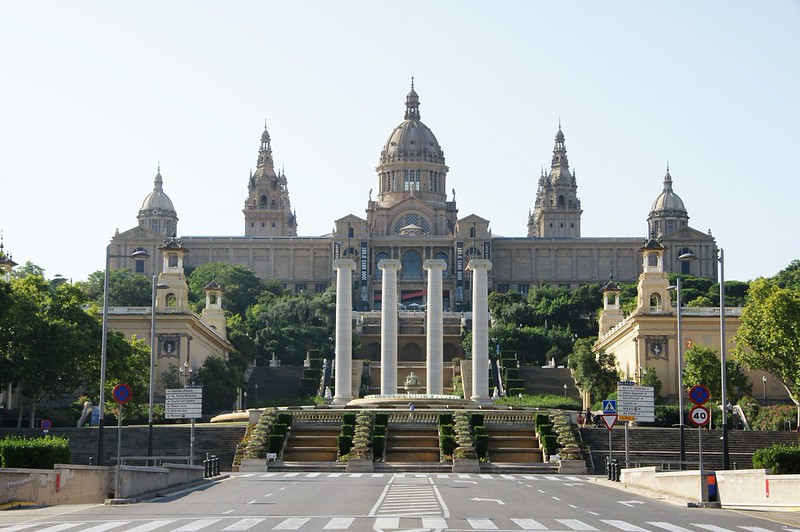
Begin at the Museu Nacional d’Art de Catalunya (MNAC), which houses a vast collection of Catalan art from the 19th and 20th centuries. The building itself is an architectural landmark and offers a panoramic view of the city from its front steps.
Next, visit the Joan Miró Foundation, dedicated to the Barcelona-born modernist artist. The museum blends his surreal and symbolic works with striking views of the surrounding hillside.
Continue upward to Montjuïc Castle, once a military fortress and later a prison. Today, it serves as a municipal site and an impressive lookout point. The best way to reach it is by taking the Montjuïc Cable Car, which provides sweeping 360° views as you ascend.
End your visit at the Magic Fountain of Montjuïc. On select evenings, this massive fountain presents a coordinated display of color, water, and music that lights up the night. Check the official schedule in advance, as show times vary by season.
Option 2 – Gothic Quarter and Nearby Attractions
We enjoyed the Gothic Quarter so much that we returned several times during our stay in Barcelona. Its web of narrow alleys and hidden courtyards seems endless, and even after multiple visits, we kept finding fresh corners and unexpected details that drew us back.
While exploring this area, a few nearby landmarks make excellent additions to your route.
Palau de la Música Catalana – This ornate concert hall, recognized as a UNESCO World Heritage Site, is a masterpiece of Catalan modernista design. Built between 1905 and 1908, it features colorful stained glass and intricate mosaics. Visitors can tour the building or attend a live performance.
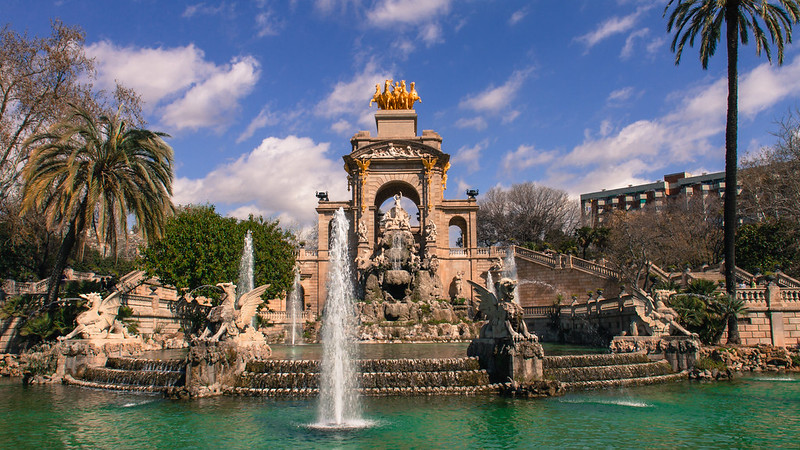
Parc de la Ciutadella – For a peaceful break, head to this lush green park filled with palm trees, fountains, and winding gravel paths. It’s a refreshing change from the narrow streets nearby. Be sure to stop by the Arc de Triomf, which served as the entrance to the 1888 World’s Fair and still stands as a striking symbol of the city.
Palau Güell – Just off La Rambla, this palace was designed by Gaudí for industrialist Eusebi Güell. While smaller than some of his other works, it offers a more personal look at his style and includes an impressive rooftop view over Barcelona. It’s a worthwhile stop for those especially interested in Gaudí’s architectural evolution.
Option 3 – Camp Nou
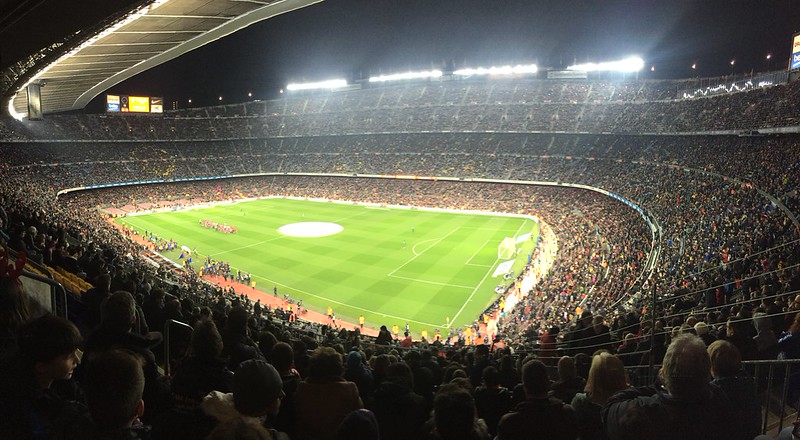
Football fans will want to include Camp Nou on their itinerary. As the largest stadium in Europe and the third largest in the world, it holds a special place in global sports culture. This is the home ground of FC Barcelona, one of the most celebrated football clubs in history.
Visitors can take a guided tour of the stadium, walk through the locker rooms, visit the players’ tunnel, and step onto the edge of the field for a closer look at where countless iconic matches have taken place. The on-site museum also showcases trophies, memorabilia, and interactive exhibits that tell the story of the club’s legacy.
If your visit aligns with a match day, watching a live game here is an unforgettable experience — the energy of the crowd is electric and deeply rooted in local pride. For tour details or ticket availability, check the official FC Barcelona website before you go.
Option 4 – Barcelona’s Beaches
Spend part of your final day unwinding by the sea. Barceloneta Beach and the nearby stretches of coastline offer a perfect escape from the busy city streets. Whether you choose to relax on the sand for a few hours or devote the entire day, the Mediterranean breeze and sound of the waves create an easygoing atmosphere.
If you’re feeling active, try windsurfing or kite surfing, both popular here thanks to favorable coastal winds. When hunger strikes, the beachfront is lined with restaurants and beach bars, making it effortless to enjoy fresh seafood or a chilled drink while watching the sunset.
Wrap Up the Day with Dinner and Views
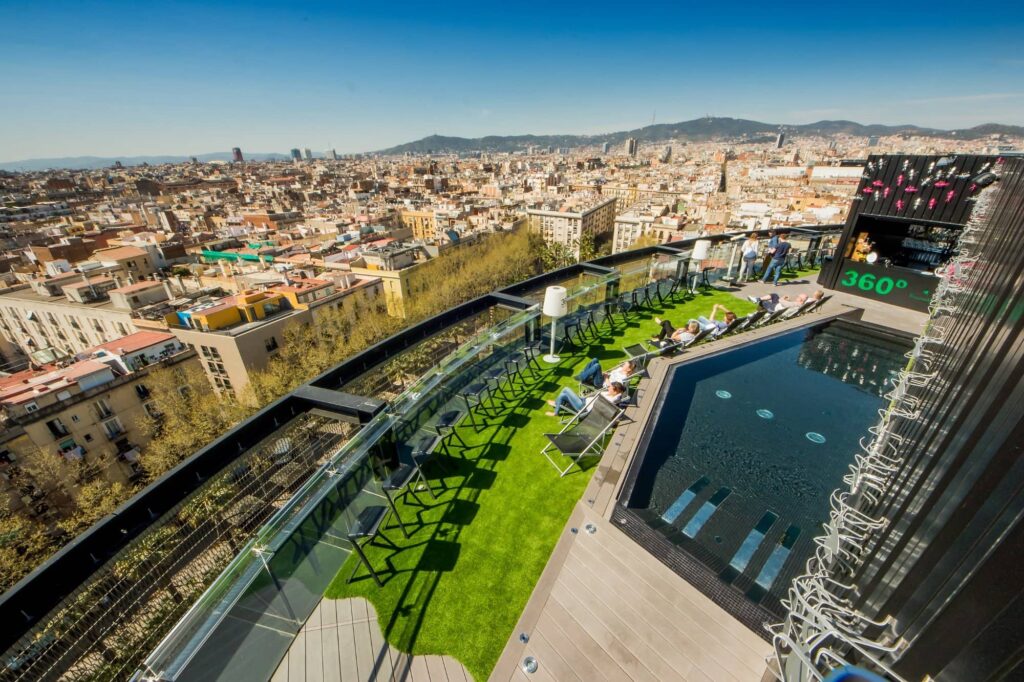
Close your Barcelona adventure with an evening that blends city lights, good food, and a panoramic view. For an elevated experience, head to the 360° Terrace, a rooftop bar perched atop Hotel Barceló Raval. From here, you can take in the city skyline stretching toward Tibidabo, especially striking at sunset when the rooftops glow in warm tones. The nearest metro stations are Liceu and Sant Antoni.
After enjoying the view, have dinner at one of two nearby favorites. Restaurant Arume serves creative dishes and outstanding cocktails in a relaxed setting, while Cera 23 offers a varied Mediterranean menu with fresh flavors and an inviting atmosphere. Either choice provides a fitting finale to your three days in Barcelona.
With More Time – Day Trips from Barcelona
If you have extra days in your itinerary, consider taking a short trip beyond Barcelona. Several nearby destinations are easy to reach by train and offer a refreshing change of scenery without requiring much travel time.
Girona – A Medieval Gem Near Barcelona
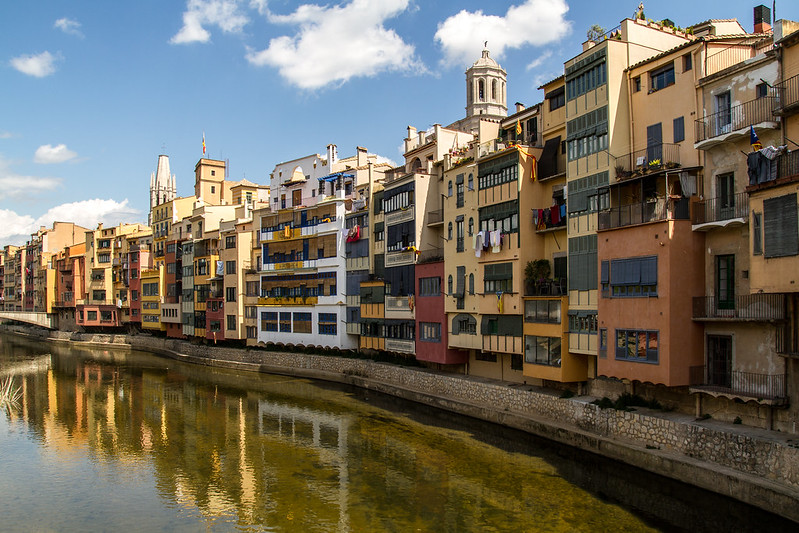
Located between Barcelona and Costa Brava, Girona is a striking medieval city with centuries of history layered within its stone walls. Its narrow lanes, Romanesque architecture, and remarkably preserved Jewish Quarter make it one of Catalonia’s most compelling towns. Walking along the ancient ramparts gives panoramic views over the rooftops and surrounding countryside.
For fans of Game of Thrones, Girona served as the filming location for Braavos in seasons 5 and 6 — adding a cinematic dimension to its old-world charm. It’s an easy and worthwhile day trip, filled with historical character and photogenic corners.
Montserrat – A Scenic Day Trip from Barcelona
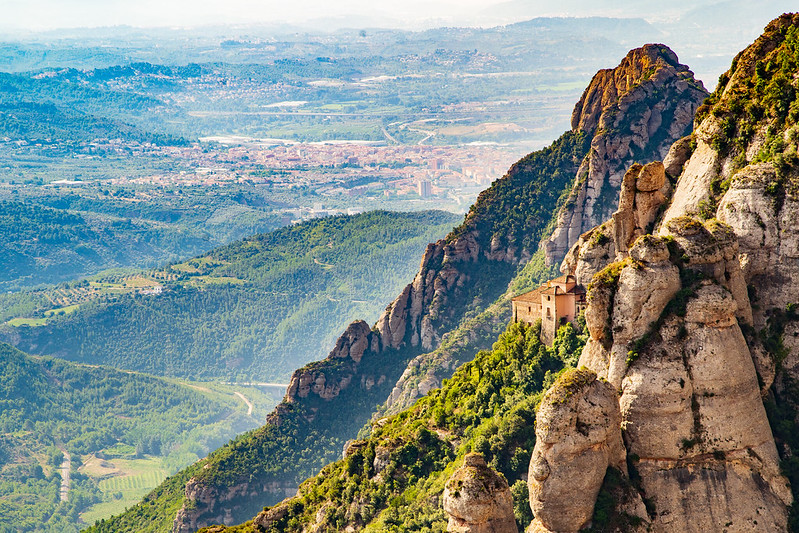
Montserrat stands among the most rewarding day trips from Barcelona, offering a dramatic mix of natural beauty and cultural heritage. This rocky mountain range in Catalonia is famous for its jagged peaks, panoramic views, and spiritual significance.
A visit here provides a refreshing contrast to the energy of the city. You can spend the day exploring the Benedictine monastery, hiking along the mountain trails, or simply admiring the scenery from one of the cable cars or funiculars that climb the slopes.
Whether you come for the landscape, the peaceful atmosphere, or a glimpse into local tradition, Montserrat offers an experience that feels both striking and restorative — an ideal escape just a short train ride from Barcelona.
Getting Around Barcelona
Barcelona covers a wide area, and many of its famous landmarks — such as Park Güell, La Sagrada Familia, and Tibidabo — are spaced far enough apart that walking between them isn’t practical. Fortunately, the city’s transportation system makes getting around simple and efficient.
The metro, trams, and buses connect nearly every corner of the city, making it easy to follow this itinerary without losing time in transit. Public transport is frequent, reliable, and affordable, offering a smooth way to move between neighborhoods.
While taxis cost more, they’re convenient for reaching places that sit on higher ground or outside central areas, like Park Güell, Tibidabo, or the Bunkers of Carmel. For updated routes, ticket details, and travel passes, check the city’s official public transportation website before your trip.
Discount Transport Cards
Hola Barcelona Card
The Hola Barcelona Card is a convenient option for travelers planning to use public transport frequently during their stay. It provides unlimited rides on the metro, bus, and tram, including the Montjuïc funicular and the metro connection between El Prat Airport and the city center.
Cards are available for 48, 72, 96, or 120 hours, allowing flexibility based on your trip length. For example, a 72-hour card costs €23.67, while a single journey costs €2.55 — meaning the pass quickly becomes cost-effective after roughly ten rides.
You can buy the Hola Barcelona Card at any metro station or online through GetYourGuide. It’s an easy way to simplify your travel and save time during your visit. For more information, visit the official Hola Barcelona website.
T-Casual Ticket
Another useful option for getting around is the T-Casual ticket. For €12.55, it provides 10 rides within Zone 1, which covers central Barcelona. Each trip can last up to 75 minutes, allowing as many as three transfers between metro, bus, or tram lines within that time frame.
This pass is intended for individual use, meaning it can’t be shared by two people on the same ride. However, you can pass it to someone else afterward for their separate journey. Note that it doesn’t include travel between the airport and the city center. Tickets are easily available at all metro stations.
Choosing between the Hola Barcelona Card and the T-Casual ticket depends largely on your hotel’s location and how frequently you expect to use public transport compared to walking or taking taxis. Both options make navigating the city efficient and straightforward.
Is a Barcelona City Pass Worth It?
Barcelona offers several discount cards for attractions and public transport. Each pass has its advantages, but not all provide real value depending on your plans.
The Barcelona Pass
The Barcelona Pass grants entry to over 20 attractions, including popular sites and several smaller museums. However, with a 3-day pass priced at €219, you’ll likely spend less if you book individual tickets for the highlights in this itinerary. Many of the included places — such as the aquarium, zoo, hop-on hop-off bus, and the 4D Gaudí Experience — may not appeal to everyone.
You can add the Hola Barcelona Card for transport, but it doesn’t actually reduce your total cost compared to buying it separately. Check the official website for full details.
Barcelona Card
The Barcelona Card combines free, unlimited transportation with complimentary or discounted entry to several museums. A 72-hour card costs €66. It covers admission to the MNAC and the Joan Miró Foundation, and offers small discounts at Casa Amatller, Casa Batlló, Casa Milà, and Park Güell.
This pass is worthwhile if you plan to visit both the MNAC and the Joan Miró Foundation. If those aren’t on your list, it’s better to skip it.
Barcelona City Pass
The Barcelona City Pass includes entry to Sagrada Familia and Park Güell, a hop-on hop-off bus, airport bus transfer, and discounts on other attractions. Starting at €96, it makes sense only if you intend to use the hop-on hop-off bus service.
Our Verdict
Unless you plan to do more than what’s covered in this 3-day itinerary, skip the bundled attraction passes. Instead, purchase the Hola Barcelona Card or the T-Casual ticket for transport, and book attraction tickets online in advance — it saves both time and money compared to buying on-site.
If your itinerary includes Camp Nou on Day 3, the Barcelona Pass might be worth considering. For those visiting the Joan Miró Foundation and the Museu Nacional d’Art de Catalunya, the Barcelona Card offers fair value.
Highly Recommended Tours and Tickets for Barcelona
Here are some top-rated tours and tickets for Barcelona’s most iconic attractions:
Best Time to Visit Barcelona
While Barcelona is a year-round destination, the ideal times to visit are during spring (late April to early June) and fall (September to October). The weather is mild, and the crowds are smaller than during the peak summer months, which run from June to August.
We visited towards the end of October, and it turned out to be a perfect time. The weather was warm and the skies were clear, even though this is typically one of the wettest periods in the city.
To help you plan your trip, the following graphs display the average monthly temperatures and precipitation in Barcelona, giving you an idea of what to expect during different times of the year.
Where to Stay in Barcelona
Barcelona is made up of various neighborhoods, each offering its own distinct charm and character. Whether you prefer the historic streets of the Gothic Quarter, the artistic vibe of Gràcia, or the lively atmosphere of El Raval and El Born, there’s a perfect area for every type of traveler.
We’ve written a detailed guide to help you navigate these districts and make a choice based on your budget and preferences. From budget-friendly options to more luxurious stays, you’ll find recommendations for accommodations that suit your needs in each neighborhood.
FAQ – Your Top Queries Answered
What are the must-see spots in Barcelona?
The city is full of must-see sights, including La Sagrada Família, the historic Gothic Quarter, Park Güell, Casa Batlló, La Rambla, and the iconic Magic Fountain of Montjuïc. These landmarks offer a mix of architecture, art, and culture that make Barcelona an unforgettable destination.
Is Barcelona a great place for families to visit?
Absolutely. Barcelona is an ideal city for families, offering a variety of attractions suited to all ages. Children can marvel at the colorful mosaics in Park Güell, explore the aquarium at Port Vell, or enjoy the Magic Fountain show. There are plenty of opportunities to relax, like spending time at Barceloneta Beach, taking a cable car ride with city views, or enjoying the Tibidabo Amusement Park. The city is safe, walkable, and filled with parks, playgrounds, and family-friendly spots, making it easy to balance sightseeing and relaxation.
How does Barcelona compare to Madrid?
Both cities have their own charm. Madrid boasts world-renowned museums like the Prado and Reina Sofía, along with grand boulevards and royal palaces. It offers a more traditional Spanish vibe with vibrant tapas bars and a lively nightlife scene, while still maintaining a more local feel with fewer international tourists.
Barcelona, on the other hand, is known for its artistic brilliance and coastal beauty. From Gaudí’s architecture to its Mediterranean beaches, the city offers a wonderful mix of art, history, and relaxation. Visitors can explore La Sagrada Família in the morning and unwind by the sea in the afternoon. For first-time visitors, Barcelona often stands out for its combination of art, history, beaches, and excellent cuisine.
In short, choose Madrid for art museums, royal history, and a more local atmosphere, while Barcelona is perfect for its architectural landmarks, beautiful beaches, and laid-back vibe.