
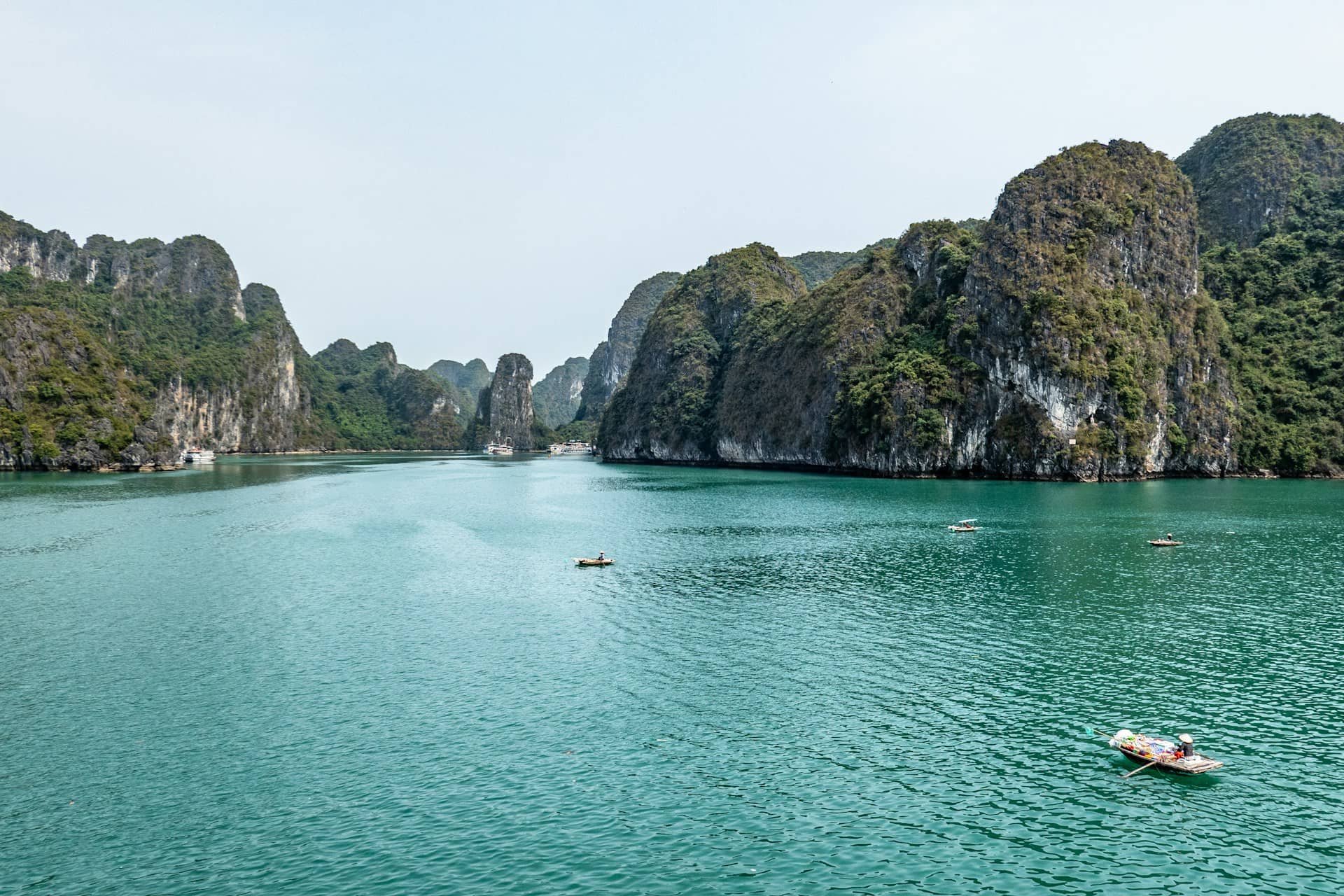
Traveling alone can feel intimidating at first. Planning, budgeting, arranging transportation, and booking accommodation are all on your shoulders. While it may seem overwhelming, careful preparation can turn solo travel into an exciting and empowering experience. With over 12 years of solo travel experience and visits to 66 countries across six continents, I’ve learned lessons that can help you avoid common pitfalls and make the most of your journey. Here’s an expanded guide to help you navigate your first solo adventure confidently.
1. Choose a Solo-Friendly Destination

Some locations are far easier to explore alone than others. Factors such as safety, transport infrastructure, language, and local culture play a big role. Western Europe and Southeast Asia are great starting points because they have strong tourism systems, political stability, and English is widely spoken. When picking your destination, consider:
- Accommodation options: Ensure there are multiple hotels, hostels, or rentals. Platforms like Booking.com, Hostelworld, or Airbnb make it easy to compare options.
- Transportation ease: Dense public transport networks, frequent trains, buses, and domestic flights make navigating the city or region stress-free.
- Tourist-friendly environment: Popular tourist areas make socializing simple and attractions easier to access.
- Language considerations: Visiting places where English or your native language is commonly spoken reduces misunderstandings and stress.
- Safety: Politically stable regions with low crime rates give you confidence to explore without constant worry.
- Local cuisine: Sampling local dishes adds depth and joy to your experience.
- Budget suitability: Choose a place within your financial means so you can enjoy yourself without worrying about overspending.
2. Plan Communication in Advance
Staying in touch with friends and family is crucial for peace of mind. Options include:
- Using your current mobile plan abroad: Confirm with your carrier about roaming fees and international coverage.
- Buying a local SIM card: Prepaid SIM cards often come with affordable data and calling options. Make sure your phone is unlocked.
- Wi-Fi and apps: Free Wi-Fi is common in cafes, hotels, and public spaces. Apps like WhatsApp, Skype, or Messenger let you message and call with ease.
Having a reliable way to communicate ensures you can reach help in emergencies and keep loved ones updated.
3. Keep Loved Ones Informed
Regular updates prevent your family and friends from worrying. Provide them with:
- Your itinerary: Even a rough outline helps others know your location.
- Check-ins: Call, text, or email every few days. If you’re going somewhere remote, notify them beforehand.
- Emergency contacts: Share your hotel info, local contacts, and travel insurance details.
Being transparent about your movements adds a layer of safety and reassurance for everyone involved.
4. Do Thorough Research
Preparation is your first line of defense. Knowing about your destination helps you stay safe, save money, and enjoy your trip. Research:
- Exchange rates: Avoid being cheated by using current rates and official exchange points.
- Common scams: Learn what types of tourist scams exist so you can avoid them.
- Unsafe neighborhoods: Identify areas to avoid and ask locals or hostel staff for advice.
- Prices: Know typical costs for hotels, meals, transportation, and tours.
- Weather: Pack appropriately for climate changes and unexpected conditions.
- Local cuisine: Familiarize yourself with dishes to enhance your dining experiences.
- Basic phrases: Even knowing hello, thank you, and please in the local language goes a long way and often opens doors.
5. Pack Light
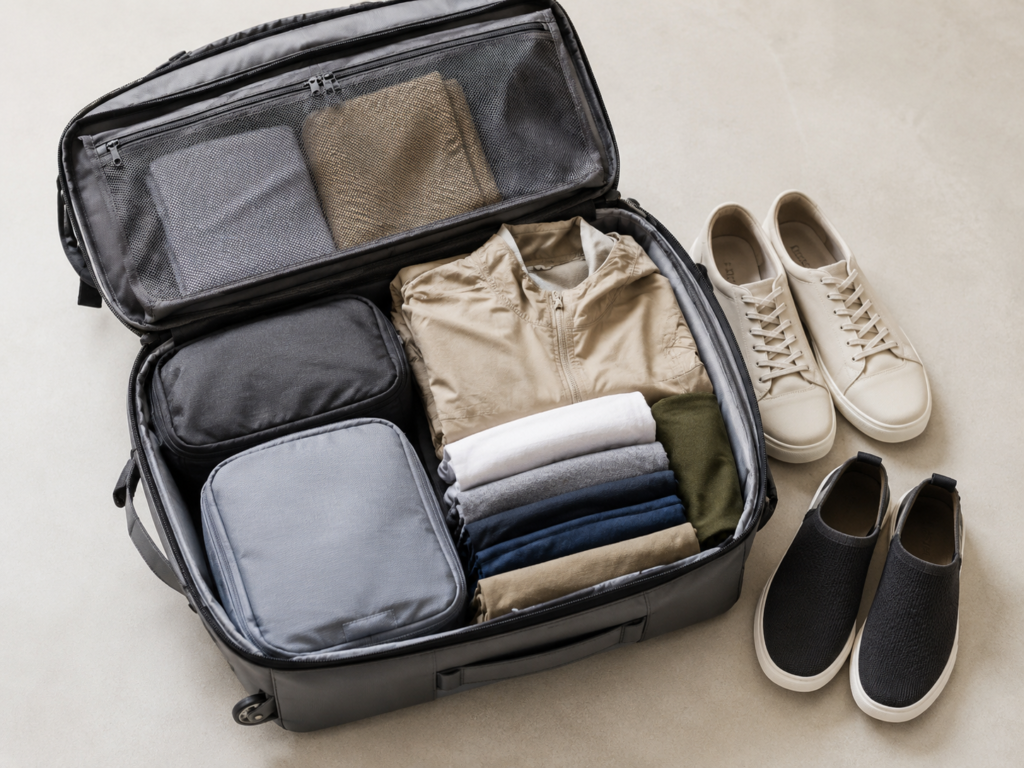
Carrying everything yourself makes traveling simpler and less exhausting. Tips for efficient packing:
- Carry-on or small backpack: Limit to 40–45 liters. Smaller luggage forces you to bring only what’s necessary.
- Mix-and-match clothes: Pack versatile pieces that combine in multiple ways.
- Lightweight fabrics: Use synthetics that compress easily. Avoid heavy cotton or wool.
- Packing cubes or compression bags: Organize and maximize your space.
- Limit shoes to two pairs: One comfortable pair for walking, another for casual outings.
Benefits: Easier navigation through airports, buses, and trains; cost savings on taxis and checked baggage; and reduced risk of losing belongings.
6. Plan Ahead
Planning ahead dramatically reduces stress and uncertainty, giving first-time solo travelers confidence and peace of mind. While spontaneity can be exciting, having a framework for your trip ensures that the essentials are covered and prevents avoidable problems. Here’s what to focus on before departure:
- Travel documents: Check whether you need a visa, vaccination certificate, proof of onward travel, or bank statements. Organize these in a folder or digital backup so you’re prepared at checkpoints.
- Payment methods: Decide whether you’ll rely on credit/debit cards or cash. Consider carrying multiple payment options. Look into international-friendly cards, and know the location of ATMs and currency exchange booths at your destination.
- Transportation: Book flights at least 2–4 weeks in advance to secure the best rates. For buses or trains, plan ahead—usually 1–2 days before is sufficient for most routes, though busy seasons may require earlier booking.
- Accommodation: Reserve your hotel, hostel, or Airbnb a few days in advance. During peak seasons, booking a month or more ahead may be necessary.
- Sightseeing: Research attractions and activities. Many museums, shows, and popular sites require pre-booked tickets to avoid long lines or sold-out days.
- Local travel logistics: Look into buses, trains, or metro routes, ticket costs, and schedules to ensure smooth navigation between destinations.
Planning ahead allows you to relax, knowing where you’ll sleep and how you’ll move from one place to another. You don’t have to plan every hour—just enough to cover accommodations and key transportation. Once you gain experience, you can start leaving room for spontaneity without risk.
7. Carefully Select Your Accommodation
Where you stay will shape your solo travel experience. Different types of lodging offer varying levels of social interaction, comfort, and convenience. Choosing the right accommodation can greatly influence how enjoyable and safe your trip feels:
- Hostels: Perfect for social travelers, hostels offer shared spaces, bars, and organized activities where meeting others is easy. They’re affordable but may be noisy or less private. Be prepared for shared bathrooms and mixed-quality facilities.
- Hotels: Ideal for privacy and comfort, hotels provide private rooms, clean bathrooms, and amenities such as gyms, pools, or room service. They’re often expensive and less social, so connecting with other travelers is limited.
- Airbnb: Offers a local experience, often with kitchens or entire apartments. Usually cheaper than hotels, Airbnbs provide flexibility to live like a resident, but cleanliness and host responsiveness can vary.
Location matters: Stay central and close to public transport. A safe neighborhood reduces anxiety when returning at night, and proximity to attractions makes it easier to explore freely. Choose the type of lodging that matches your travel style: social, comfortable, or independent.
8. Learn About the Local Culture and Customs

Understanding the culture and social norms of your destination helps you avoid awkward or unsafe situations. It also enriches your travel experience:
- Dress code: Some countries have strict guidelines for clothing, often for religious or cultural reasons. Research what’s considered appropriate for both men and women.
- Religious customs: Respect practices and ceremonies. In certain countries, especially in parts of the Middle East or Africa, modesty and behavior rules are strict for tourists.
- Local laws: Know restrictions on photography, public drinking, or entry to restricted areas. Ignorance can lead to fines or even arrest.
- Greetings and etiquette: Learn how to greet locals properly. Small gestures like a handshake, bow, or simple phrase in the local language can make interactions smoother and friendlier.
Studying local culture before arrival not only helps prevent embarrassing moments, but it also signals respect and appreciation, which often opens doors to more authentic experiences.
9. Keep Your Phone Charged
A fully charged phone is essential while traveling solo. It serves multiple purposes: navigation, communication, entertainment, and emergency contact. Here’s how to stay connected:
- Bring a power bank: A portable charger can top up your phone 2–3 times, keeping it functional throughout long travel days.
- Consider a backup phone: Carrying an old or inexpensive phone as a secondary device adds security. If your primary phone is lost, stolen, or damaged, you still have access to maps, tickets, or emergency contacts.
- Use apps wisely: Download offline maps and translation apps to reduce dependence on Wi-Fi. This ensures that you can always find your way, even in areas with poor connectivity.
Phones are not just a convenience—they’re a lifeline. Keeping one charged and having a backup helps you feel safe and prepared for unexpected situations.
10. Leave Your Itinerary Open
One of the biggest advantages of traveling alone is the freedom to be spontaneous. Unlike group travel, where plans often need consensus, solo trips let you pivot on a whim. Maybe you meet a fellow traveler who invites you to explore another city, or a local tells you about a hidden gem a few hours away. Without rigid bookings, you can act on these opportunities immediately.
For example, while traveling in Nairobi, I met an Irish traveler, and we ended up exploring half of East Africa together. In Mexico, a friend mentioned Hierve el Agua, a stunning natural formation, so I hopped on a bus to Oaxaca to experience it firsthand.
Tips for leaving your itinerary flexible:
- Book only essentials, like your first night’s accommodation and airport transfers.
- Keep a list of “must-see” attractions but leave blocks of free time.
- Use apps or offline maps to explore spontaneously without stress.
Being adaptable transforms solo travel into a series of unexpected adventures, turning every day into a new opportunity.
11. Meet Locals and Other Travelers
Loneliness can be a challenge while traveling alone, but it doesn’t have to dominate your experience. Meeting people can enrich your journey, give you insider knowledge, and even lead to lasting friendships. Here are ways to connect with others:
- Hostels: Social hubs designed for solo travelers, with communal areas, bars, and events.
- Couchsurfing: Staying with locals provides instant connections and cultural insight.
- Bars and cafes: Strike up conversations with staff or fellow patrons.
- Dating apps: Tinder, Bumble, or Badoo can be useful for meeting locals or other travelers.
- Free walking tours: Explore the city while meeting like-minded travelers.
- Day tours and pub crawls: Great ways to socialize while visiting sites.
- Meetup.com: Join local events for hobbies, culture, or social gatherings.
- Street interactions: Friendly and outgoing travelers can strike conversations anywhere.
Even if you prefer solitude, having a few social interactions can lift your spirits. Sometimes, just a brief conversation with a local can make your day memorable.
Pro tip: Step slightly out of your comfort zone—it’s often the effort that leads to the most rewarding connections.
12. Learn How to Eat Alone
Dining alone is one of the most common fears for solo travelers. Seeing tables full of laughing groups can feel awkward, but remember: nobody is judging you. Here’s how to make eating alone enjoyable:
- Choose the right spot: Cafes, bars, street food stands, and counter seating are perfect for solo diners.
- Bring a book or journal: Keeps your hands busy and eases self-consciousness.
- Be confident: Eating alone is normal; most people won’t even notice.
- Be open to conversation: If comfortable, chat with staff or other solo diners—sometimes it leads to new friendships.
Alternatives if you dislike dining solo:
- Invite other travelers from your hostel or Airbnb.
- Join a food tour for a social and culinary experience.
- Take food to-go and enjoy it in a park, at your hotel, or on a scenic bench.
Personally, I still struggle with eating alone. I often cook my own meals while traveling or enjoy street food. The key is to find what works for you without adding stress.
13. Don’t Be Afraid to Do Things Alone
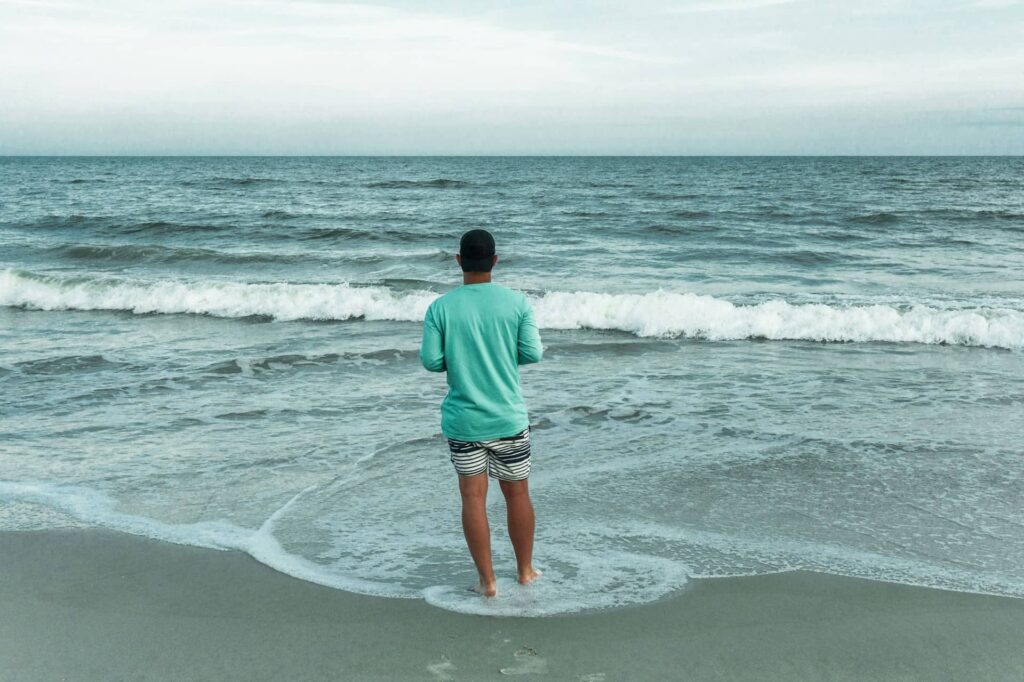
Many solo travelers hesitate to try activities alone, whether it’s dining, visiting bars, or attending local events. Avoid missing out on experiences just because you don’t have a companion.
Tips to overcome self-consciousness:
- Remind yourself that most people are focused on their own lives.
- Confidence is key—carry yourself as if being alone is normal (because it is).
- Engage in activities you enjoy without worrying about perceptions.
Solo travel is about freedom and self-discovery. Embrace the independence, knowing that you’re the only one shaping your experience, and most onlookers won’t remember or even notice you.
14. Bring a Book
Solo travel often comes with a lot of downtime—hours spent on planes, trains, buses, or waiting for your next activity. Having a book with you can make these moments enjoyable and productive. Reading not only keeps you entertained, it also gives you a sense of purpose while alone. In a restaurant, café, or even at a park, a book allows you to relax and enjoy your surroundings without feeling self-conscious.
Tips for choosing what to read:
- Regionally relevant non-fiction: Learn about the history, culture, or politics of the country you’re visiting.
- Local fiction: A novel written by a local author can provide insight into the culture, everyday life, and societal norms.
- Guidebooks: Use them to plan your next destination or discover hidden gems.
- Light reads for travel: Short stories or novels with portable sizes are easy to carry and perfect for transit.
Bringing a book is also a subtle social cue—it can make interactions easier if you want to meet other travelers who notice shared reading interests.
15. Make a Travel Budget and Stick to It
Traveling alone often costs more than traveling with others, as you can’t split expenses like taxis, hotels, or meals. Careful budgeting is essential to avoid financial stress and ensure a smooth trip.
Steps for budgeting effectively:
- Estimate expenses: Calculate costs for accommodation, food, transportation, attractions, and miscellaneous items.
- Track spending daily: Use an app, spreadsheet, or notebook to monitor your expenses and spot overspending quickly.
- Adjust if necessary: Slow down travel, eat more affordable meals, or reduce optional activities if your spending exceeds your budget.
- Emergency buffer: Always include extra funds for unexpected situations.
By sticking to a budget, you can enjoy your trip without constantly worrying about money. It also allows you to make better choices on where to stay, eat, and explore.
16. Carry Extra Cash While Traveling Alone
Always have extra cash on hand. Solo travelers can’t rely on a friend if a card is lost, stolen, or blocked. Being financially prepared ensures you can handle emergencies without stress.
Practical tips for carrying cash:
- Amount: Carry enough to cover 3–7 days, depending on the country’s cost of living—typically $300–$1000.
- Currency choice: USD is widely accepted; Euros or British Pounds are also useful. Bring new bills in denominations of 20, 50, or 100 for easy conversion. Avoid small bills.
- Backup options: Have a secondary card, a backup phone for banking apps, or know how to use services like Western Union in case of emergencies.
- Immediate action: If your card is lost or blocked, contact your bank right away. Arrange emergency cash transfers or online banking access as needed.
Extra cash provides a safety net, allowing you to travel confidently and independently.
17. Tell Your Family and Friends Your Travel Plans
Sharing your itinerary and plans with someone you trust is a crucial safety step. Knowing your location allows others to respond quickly in case of emergencies.
Practical ways to share your plans:
- Send your itinerary, hotel reservations, and activity plans to a trusted friend or family member.
- Notify someone when you move to a new destination or change your schedule.
- For remote activities like hiking, tell a hotel staff member or a local guide where you’re going and when you expect to return.
- Consider registering with your embassy, especially in countries where you may need emergency assistance.
While it might feel awkward to “worry” others, this simple precaution can save time and stress in an emergency. It’s about safety, not control—you’re still free to explore and enjoy your journey.
18. Be Cautious of Pickpockets While Solo Traveling
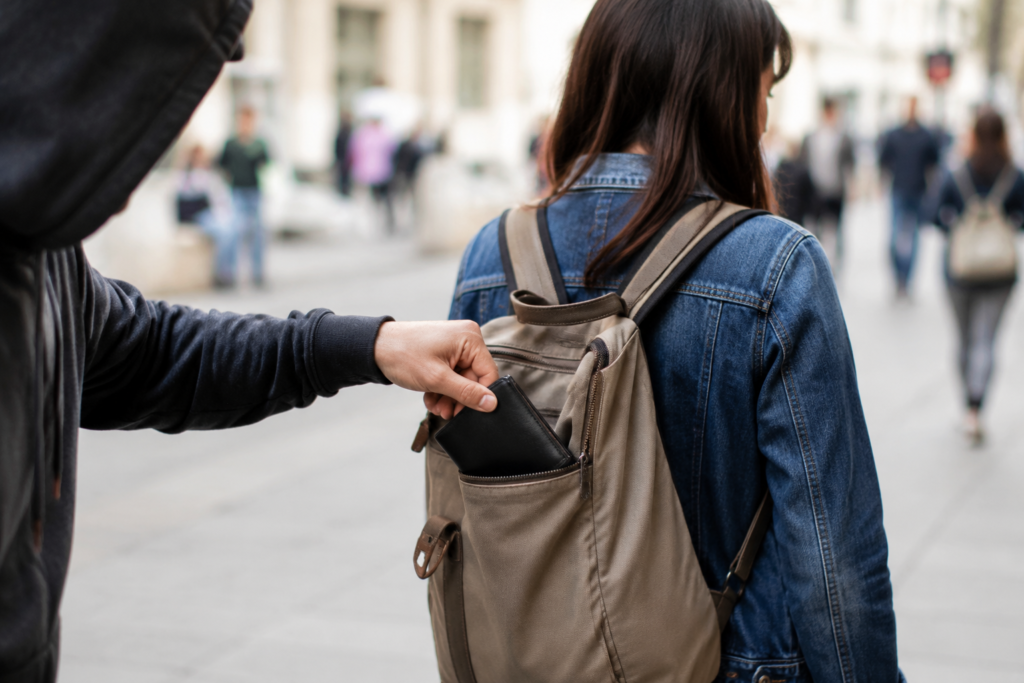
Solo travelers often attract attention from pickpockets. Being alone can make you seem distracted or less aware, and carrying valuables can make you a target. Awareness and preparation are your best defenses.
Tips to protect yourself:
- Stay alert: Be mindful in crowded areas like markets, buses, and tourist hotspots. Avoid checking your phone or wallet openly in busy spaces.
- Use a money belt or hidden pouch: Keep passports, cash, and cards in a concealed belt under your clothing. I personally use the Eagle Creek Silk Undercover Money Belt, which I’ve trusted for over eight years.
- Avoid displaying valuables: Don’t wear flashy jewelry, leave your phone in plain sight, or carry large amounts of cash in your pocket.
- Watch for distraction tactics: Pickpockets often work in pairs—one distracts you while the other steals. Stay vigilant if someone bumps into you or asks questions in a crowded area.
Carrying a money belt and staying aware drastically reduces the risk of theft. For more strategies, see guides on avoiding pickpockets in your destination.
19. Have Travel Insurance
Travel insurance is not just a safety net—it’s a tool for peace of mind. It can cover:
- Medical emergencies: Hospitals abroad can be expensive; insurance helps with treatment costs.
- Theft or loss: Compensation for stolen luggage, electronics, or passports.
- Trip interruptions: Flight cancellations, delays, or lost accommodations can be reimbursed.
Pro tips:
- Purchase insurance before you leave home, as many companies don’t sell coverage to travelers already abroad.
- Compare policies based on medical coverage, evacuation options, and theft protection.
Having insurance allows you to focus on exploring, knowing that unexpected incidents won’t derail your entire trip.
20. Make Copies and Online Backups of All Important Documents
Preparation is essential in case you lose your documents or valuables. Having copies and backups ensures you can quickly recover from theft or loss.
Steps to secure your documents:
- Two sets of copies: One physical set stored separately from the originals, and one digital set saved on your phone, email, and cloud storage.
- Key documents to copy:
- Passport: Scan in color and keep black-and-white prints.
- Visas: Include pre-arranged visas or photos of visas-on-arrival.
- Vaccination certificates: Especially for destinations requiring Yellow Fever or other vaccines.
- Driver’s license: Serves as secondary identification if your passport is lost.
- Passport photos: Carry printed copies and a digital file for replacements.
- Credit and debit cards: Record emergency numbers on the back, but hide the numbers themselves.
Having these backups allows you to quickly replace documents, make bank calls, or prove your identity, even in a worst-case scenario.
Conclusion
I’ve been traveling alone since 2012, and over the years I’ve made plenty of mistakes—some costly, some painful, and some downright embarrassing. Yet, despite all the mishaps, I’ve come to believe that solo travel is one of the best ways to experience the world.
Traveling solo offers unmatched freedom. Want to spend the day exploring a hidden trail instead of the crowded tourist path? Go for it. Feel like socializing at a local café or joining a walking tour? That’s your choice too. You make every decision, and your trip unfolds exactly the way you want it.
Of course, that freedom comes with responsibility. Planning a solo trip requires research, budgeting, organizing transportation, booking accommodations, and preparing for unexpected challenges. Solo travel isn’t for everyone—some people prefer company or find long stretches alone uncomfortable—but for those who embrace it, the rewards are tremendous.
Through this guide, my goal is to make your first solo adventure smoother and more enjoyable. Traveling alone can feel intimidating at first, but it also opens doors to unique experiences, personal growth, and stories you’ll remember for a lifetime. Every trip is a chance to learn, explore, and discover not only the world but yourself.
Related Post: