

The internet loves a clean number. $360. Texas to New York. A cross-country train ride that sounds like it slipped through some hidden travel loophole.
But here’s the part most viral posts skip: this isn’t a packaged deal, and it isn’t a guaranteed fare. It’s a stitched-together rail journey that sometimes happens to cost around that amount when everything aligns perfectly.
And that gap between story and reality is exactly why this trip keeps going viral.
The Illusion of a “Single Ticket” Cross-Country Train Deal
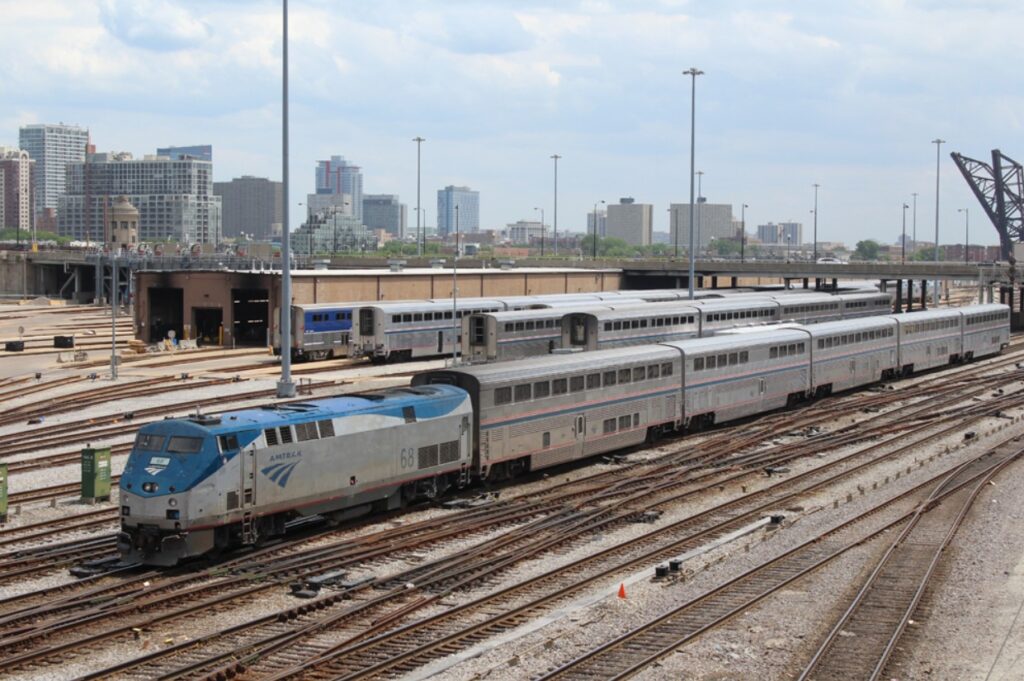
The biggest misconception is that there exists a direct $360 ticket from Texas to New York on Amtrak. There doesn’t.
What actually exists is a combination of two separate long-distance routes, usually booked individually and connected through Chicago. The Texas Eagle carries you from Texas up into the Midwest, and then another train continues the journey toward New York.
When people see “$360,” they’re usually looking at the lowest possible coach fares on both segments combined during off-peak availability. It’s not a curated experience. It’s just pricing math at its cheapest moment.
And that’s why the story spreads faster than the ticket availability.
Texas to Chicago: Where the Journey Really Begins
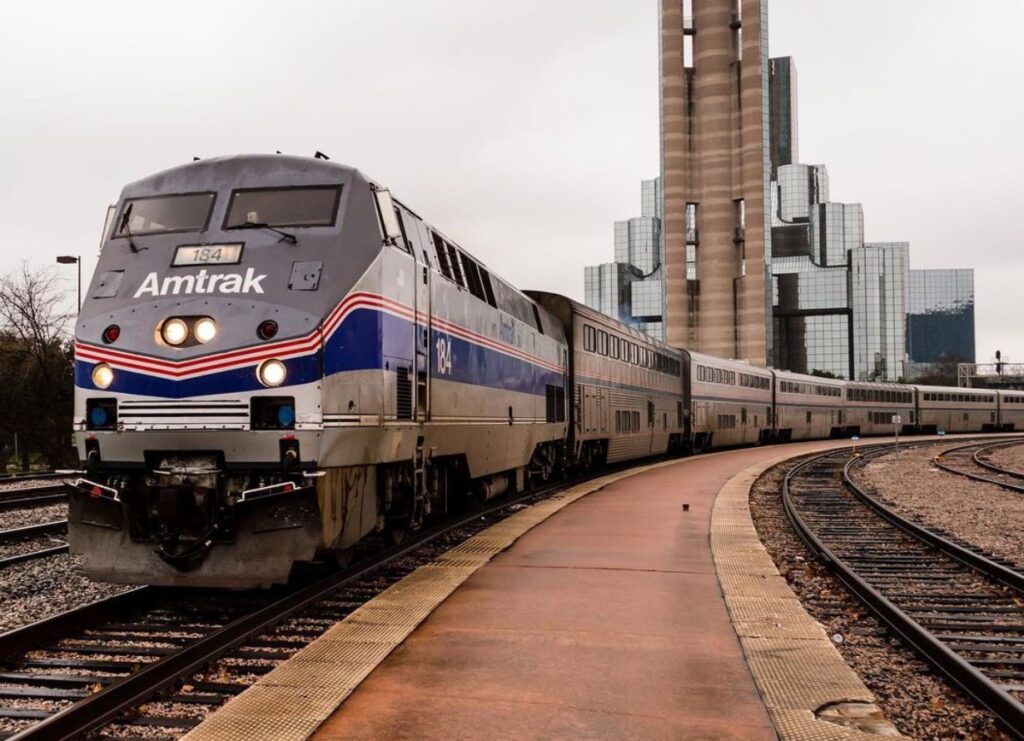
The first half of this trip typically starts on the Texas Eagle, one of the longest passenger rail routes in the United States.
This leg feels less like a commute and more like slow migration. The train rolls through wide Texas plains, small towns that blur into each other, and long stretches where time feels detached from urgency.
Coach seating is basic but functional. Seats recline, there are power outlets, and you get windows that turn the entire trip into a moving documentary. But there’s no illusion of luxury here. It’s endurance travel, not premium comfort.
By the time you reach Chicago, you’ve already crossed a large portion of the country without ever leaving your seat.
Chicago: The Hidden Backbone of American Rail Travel
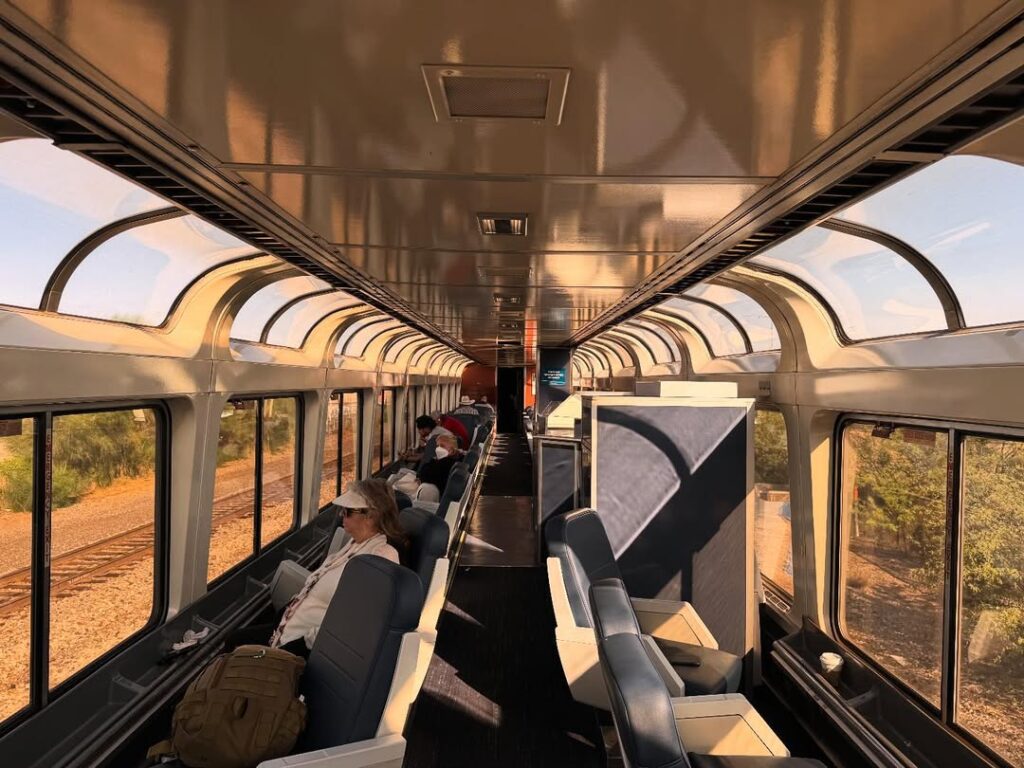
Chicago is where the story quietly resets. Most travelers don’t realize this city is the central transfer hub for long-distance Amtrak routes. If you’re going coast-to-coast by rail, Chicago is almost unavoidable.
Here, the Texas Eagle ends and another train begins. Depending on timing, travelers either connect immediately or wait several hours before continuing east.
This pause is part of the journey’s rhythm. It breaks the illusion that you are on one continuous ride. Instead, it reminds you that American rail travel is a network, not a straight line.
Chicago to New York: The Overnight Stretch Most People Misjudge
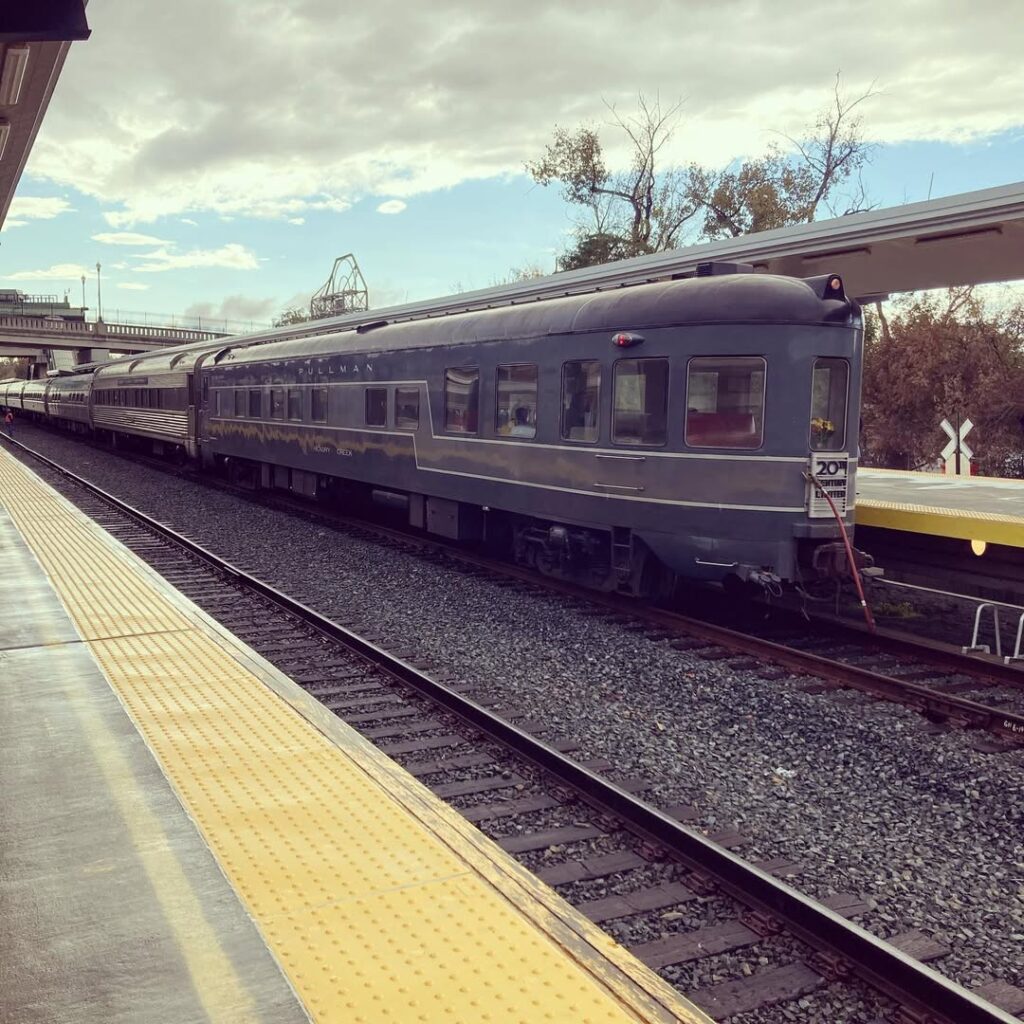
The second leg is usually the Lake Shore Limited, an overnight route that moves through the Midwest and into the Northeast corridor.
This is where the scenery shifts dramatically. Industrial landscapes give way to lakes, forests, and eventually dense urban corridors as you approach New York.
It’s also where expectations often clash with reality. The romance of “train travel across America” meets the practical experience of shared coach cars, limited sleep quality, and unpredictable timing.
Still, there’s something compelling about waking up in a different region of the country without ever boarding a plane.
The Real Price of the Texas to New York Train Trip
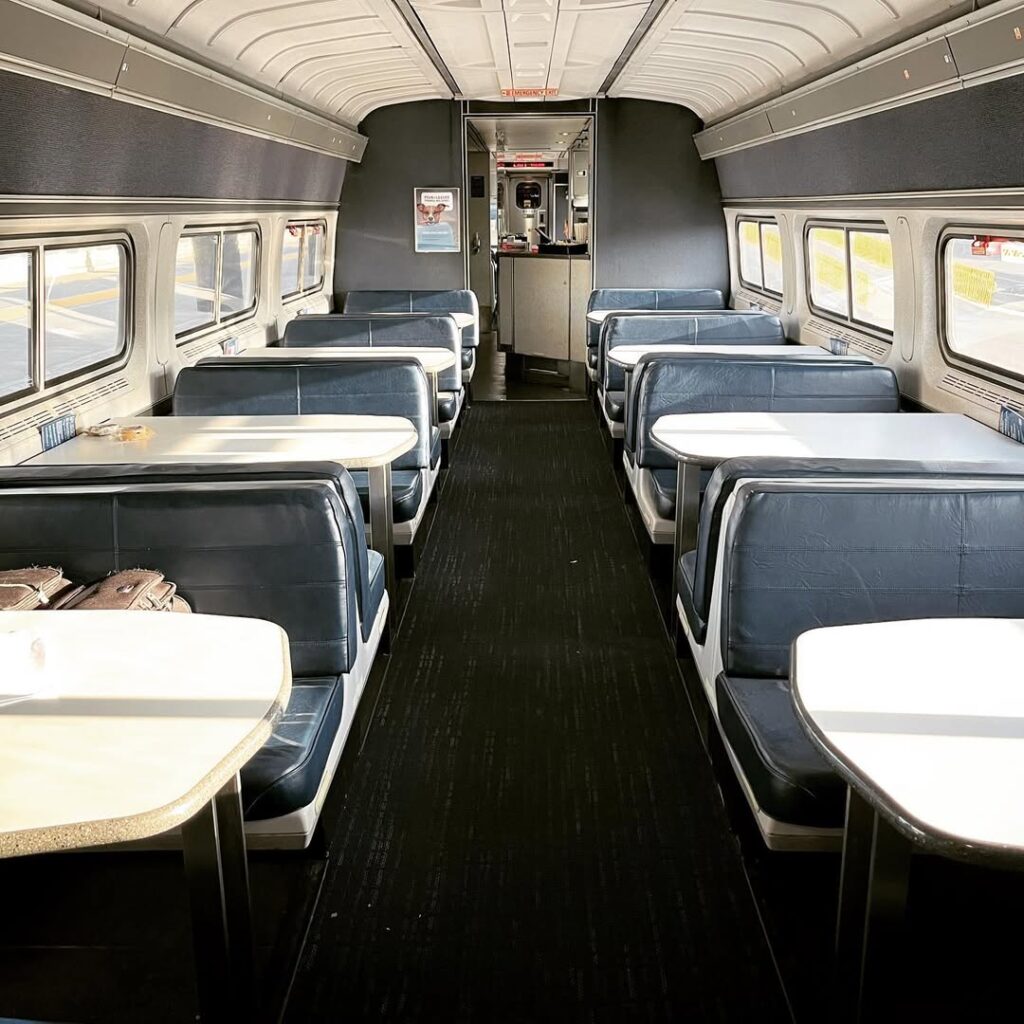
Now let’s talk about what it actually costs in 2026 reality—not viral headlines.
A one-way journey from Texas to New York by train usually falls into a wide price range, depending on timing, route, and demand.
In most real-world bookings, the breakdown looks like this:
- Texas Eagle segment (Texas → Chicago): often $60 to $180 in coach when booked early, but can rise significantly closer to departure
- Chicago → New York segment (Lake Shore Limited or similar routes): typically $80 to $250 in coach depending on demand and season
- Combined total for most travelers: usually $250 to $650 one-way in coach
That means the viral “$360 trip” sits right in the middle of a real pricing window—but only under ideal conditions like early booking, flexible dates, and limited demand.
Once sleeper cabins enter the equation, the price changes dramatically. Roomettes and private accommodations can push the same journey well beyond $700 to $2,000+, depending on availability and season.
So $360 is not the standard price. It is the best-case snapshot of a system that constantly fluctuates.
Why People Believe the $360 Story
The reason this narrative sticks isn’t because it’s always true—it’s because it is sometimes technically possible.
If you book early, travel off-peak, avoid holidays, and catch the lowest fare buckets on both segments, the combined price can land surprisingly close to $360.
But that number is fragile. Shift the date, miss the discount window, or add a sleeper option, and the price changes completely.
What people are really reacting to is not a fixed deal, but the idea that long-distance travel in America can still be affordable if you’re flexible enough.
What the Viral Posts Don’t Show You
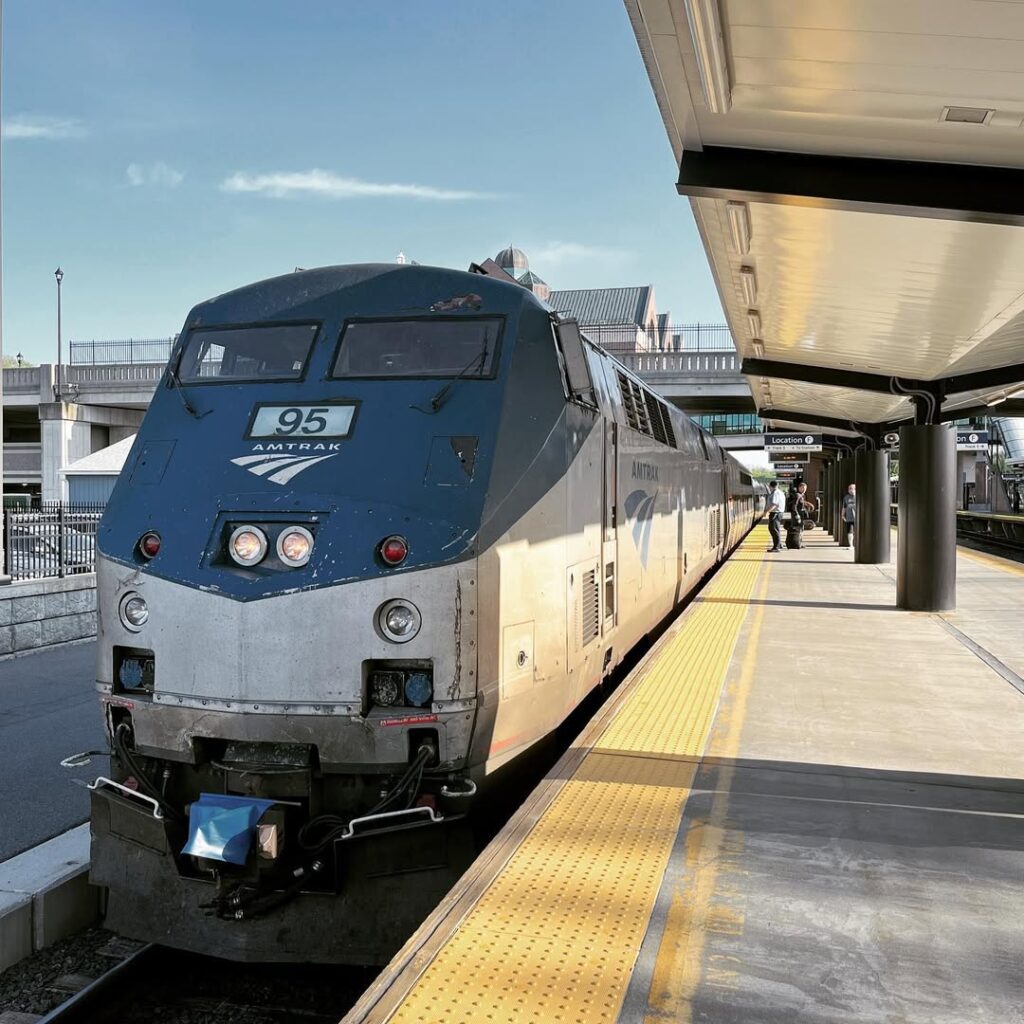
The missing context is where the reality sits. This is not a luxury rail experience. It is slow travel shaped by logistics, delays, shared spaces, and long hours on the move. Wi-Fi can be inconsistent, schedules can shift, and comfort depends heavily on your expectations going in.
Yet none of that fully cancels the appeal. Because the real value of this trip isn’t speed or luxury—it’s distance experienced at human scale.
You don’t just arrive in New York. You watch the country change piece by piece until you’re there.
The Real Meaning Behind the $360 Train Trip
The $360 Texas to New York train trip isn’t a product you buy. It’s a condition that sometimes appears when cost, timing, and patience align.
And that’s why it keeps circulating online. It represents something rare in modern travel: the possibility that crossing an entire country doesn’t have to involve airports, high prices, or speed as the main priority.
Instead, it becomes something slower, longer, and far less predictable.
Not a deal. Not a hack.
Just a route that occasionally becomes affordable enough to notice—and memorable enough to talk about.
You may also like :