
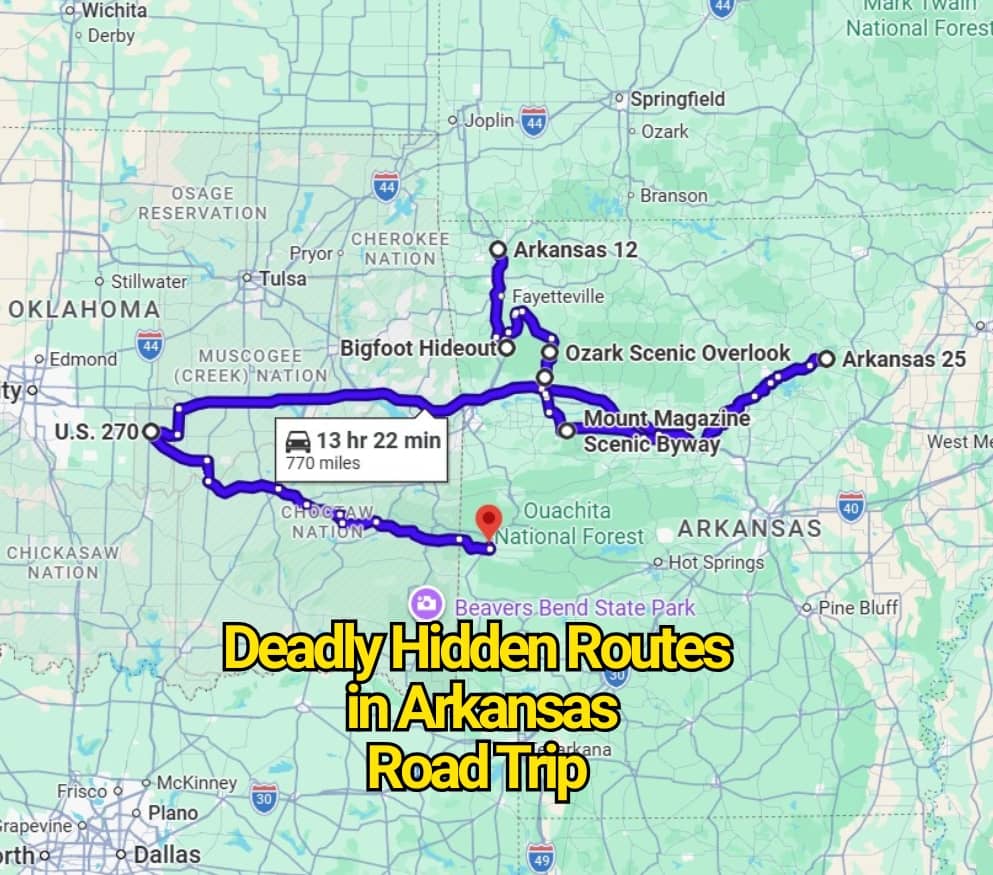
Arkansas can fool drivers fast. A road may begin with soft hills, quiet forests, river views, and a peaceful small-town feel, then suddenly turn into a tight curve, a steep drop, or a shadowy stretch where the next gas station feels too far away. That is why some of the state’s most scenic drives also carry a harder reputation among locals.
The danger is rarely dramatic at first glance. These are not always the busiest interstates or the loudest accident zones. Many of them are rural highways, mountain byways, lake roads, and old scenic corridors where beauty hides the risk. Fog settles low. Deer cross without warning. Gravel shoulders vanish. Curves come faster than visitors expect. Phone service can disappear in the wrong pocket of the Ozarks.
That is the contrarian truth about Arkansas road trips. The prettiest route is not always the easiest one. Some drives deserve attention precisely because people underestimate them. Locals know which roads demand slower speeds, sharper focus, and a full tank before leaving town.
Pig Trail Scenic Byway
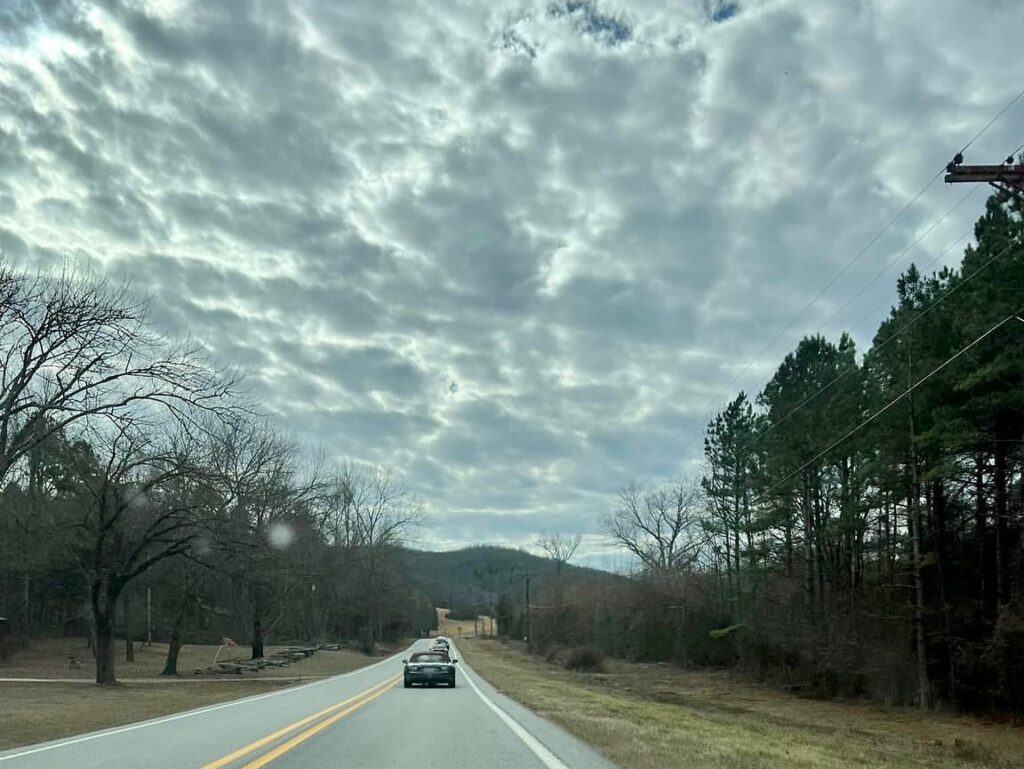
The Pig Trail Scenic Byway is one of the most talked-about drives in Arkansas, and for good reason. It cuts through the Ozark National Forest with a winding, enclosed feel that makes it a favorite for fall road trips and motorcycle rides. The same features that make it memorable also make it one of the routes drivers should treat with respect.
Arkansas Highway 23 has tight curves, steep grades, narrow sections, and tree-lined stretches where visibility can shrink quickly. The road does not always give drivers much time to correct a mistake. In wet weather, leaf season, or low light, the route can feel more serious than its travel-guide reputation suggests.
Locals often warn visitors not to treat the Pig Trail like a casual scenic cruise. It rewards patience. Drivers who slow down before curves and resist the urge to rush get the better version of the road. Those who push it may find out why this famous Ozark route has such a cautious reputation.
Arkansas Scenic 7 Byway
Scenic 7 sounds harmless because the name feels almost gentle. In reality, this long north-to-south route crosses some of Arkansas’s most varied terrain, from the Ozarks down through the Ouachita Mountains and toward Hot Springs. It is one of the state’s classic road trip drives, but it is not a road to zone out on.
The section around Harrison, Jasper, and the Buffalo River area can be especially demanding. Drivers meet curves, elevation shifts, changing weather, and slow-moving sightseers all in the same trip. During peak foliage season, traffic can build in places that were never meant to feel crowded.
What makes Scenic 7 tricky is the way it keeps changing. One stretch feels open and calm, then the next bends through forested hills with limited sightlines. Locals know the road is beautiful, but they also know it asks for full attention from start to finish.
Highway 12
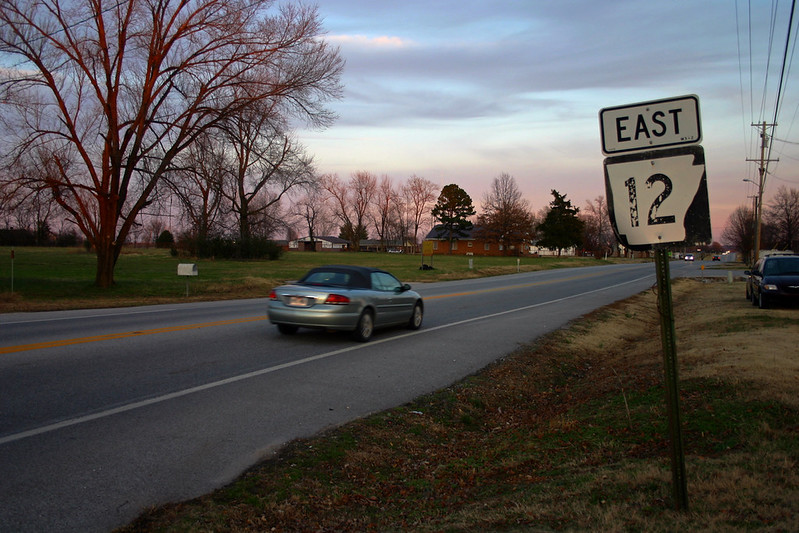
Highway 12 in Northwest Arkansas may not look as intimidating as a mountain pass, but that is part of the problem. It runs through a region that has grown quickly, which means rural-road habits now mix with heavier local traffic, commuters, visitors, and weekend drivers heading toward lakes and small towns.
The risk comes from contrast. Some portions feel like a country road, while others carry the pressure of a busy regional corridor. Drivers may meet curves, driveways, cross traffic, and sudden slowdowns in places where they expected an easy ride.
Locals often treat Highway 12 as a road where overconfidence causes trouble. It is not the most dramatic route in Arkansas, but it can punish distraction. That makes it one of those hidden danger roads people mention after they have driven it enough times to know its rhythm.
Highway 270
Highway 270 stretches across a wide part of Arkansas, connecting city edges, forest country, lake areas, and mountain-adjacent communities. Because it covers so much ground, it changes character again and again. That variety is useful for a road trip, but it also creates risk.
Near busier areas, drivers deal with traffic, turning vehicles, and commercial movement. Farther west, the route begins to feel more remote. Around lake country and toward Mount Ida, the drive can bring curves, hills, darker stretches, and long gaps between services.
This is the kind of road where danger can come from fatigue as much as from terrain. Highway 270 is not just a short scenic detour. It can become a long haul through different driving conditions, and locals know that the calm parts can make drivers relax too much before the road changes again.
Highway 25
Highway 25 cuts through a part of Arkansas where lake traffic, rural travel, and winding roads meet. Around Greers Ferry Lake, the scenery may pull attention away from the pavement, but the road still needs a careful driver. Curves, hills, side roads, and seasonal visitors can all add pressure.
This route is often underestimated because it does not have the same famous name as the Pig Trail or Scenic 7. Yet locals know it can be unforgiving in the wrong conditions. Rain, darkness, and unfamiliar turns can quickly change the feel of the drive.
Highway 25 is a reminder that not every risky road looks dramatic on a map. Some routes become dangerous because they combine ordinary local traffic with vacation traffic, rural speeds, and limited reaction time.
Highway 21 and the Ozark Highlands Scenic Byway
Highway 21 is a serious Ozark drive. It passes through forested highland country and connects travelers with some of the most rugged scenery in northern Arkansas. The road has a remote charm, but that remoteness is exactly why locals warn visitors to prepare before driving it.
The route can bring sharp curves, steep climbs, wildlife, fog, and long spaces where help is not close by. Near the Buffalo National River region, travelers may also meet slower vehicles, hikers, campers, and drivers unfamiliar with mountain roads.
Highway 21 is not a road that rewards rushing. It is better treated like a mountain route than a regular highway. The safest drivers here are the ones who expect the next curve before they see it.
Mount Magazine Scenic Byway
Highway 309 leads drivers toward Mount Magazine, the highest point in Arkansas. That alone should tell travelers something. Any road climbing to the state’s tallest summit brings elevation, curves, grades, and weather changes that can surprise people who are used to flatter drives.
The route is gorgeous, but the climb and descent deserve care. Fog can settle near the mountain. Brakes can heat up on the way down. Curves can feel tighter than expected, especially for drivers in larger vehicles or anyone towing.
Locals know Mount Magazine is worth the trip, but they also know Highway 309 is not just a pretty access road. It is a mountain drive with real demands, and drivers should treat it that way.
Talimena Scenic Drive
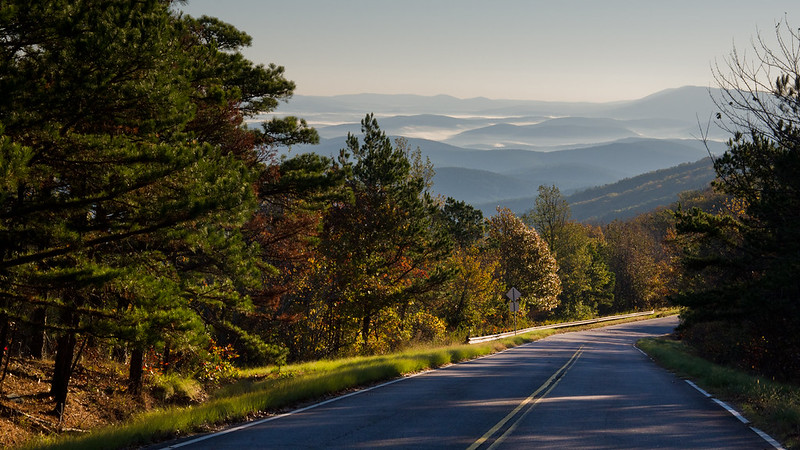
The Talimena Scenic Drive near Mena is one of the most impressive ridge roads in the region. It climbs through the Ouachita Mountains and gives wide views that can make travelers forget they are still driving a demanding route. That is exactly where the caution begins.
Highway 88 can bring curves, drop-offs, changing weather, and sudden fog. On clear days, the views are a reward. On poor-weather days, the same high-country setting can feel much less forgiving. Motorcycle riders and road trip travelers love this drive, but locals know conditions matter.
The Talimena route is not dangerous because it is bad. It is risky because it is beautiful enough to distract people. Drivers who pull over for views instead of slowing down in the lane will have a much better time.
Boston Mountains Scenic Loop and Old Highway 71
The Boston Mountains are some of the most rugged terrain in Arkansas, and the roads that cross them carry that character. Old Highway 71 and the surrounding scenic loop areas have long been known for curves, grades, and mountain weather. Even with modern interstate travel nearby, the older road still has a reputation.
This route can feel nostalgic, but nostalgia does not make a highway easier. Drivers may face tight bends, changing speeds, shaded pavement, and older road design. Rain and fog can make the trip more demanding, especially for people unfamiliar with Ozark driving.
Locals understand why visitors want this drive. It has history, views, and a strong sense of place. Still, they also know that mountain roads do not forgive careless speed. The scenery is better when the driver is not fighting the road.
Great River Road
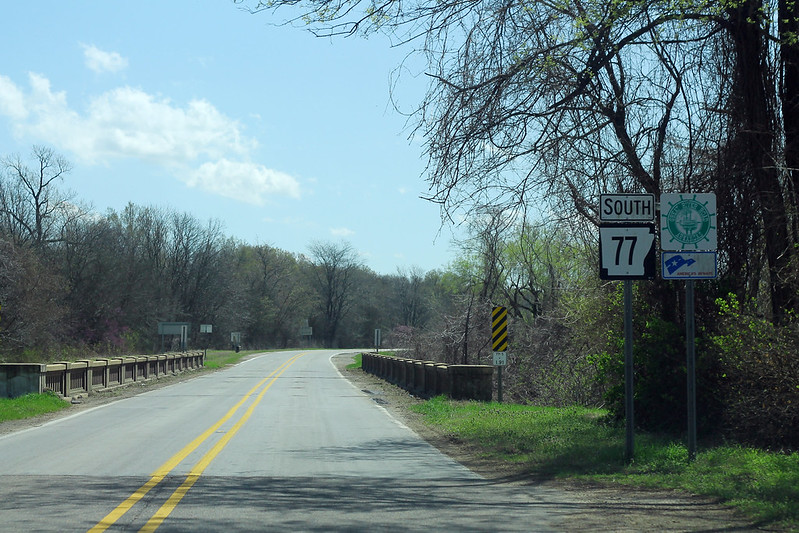
The Great River Road through the Arkansas Delta is a different kind of risky. It does not have the steep mountain curves of the Ozarks, but flat roads can create their own problems. Long straight stretches often tempt drivers to speed, and rural intersections can appear with little warning.
The Delta also brings farm vehicles, deer, low-light visibility issues, and remote segments where services may be farther apart than expected. After rain, lowland roads can feel slick or worn, and nighttime driving can be especially tiring.
This is the route that proves a road does not need cliffs or switchbacks to deserve caution. The Great River Road asks drivers to stay alert in a quieter way. Locals know the danger here is not always the road itself. Sometimes it is the false sense of ease.
Why Locals Warn About These Arkansas Roads
The common thread across these routes is not panic. It is respect. Arkansas has roads that pass through mountains, forests, river valleys, farms, and lake towns, often within the same trip. That variety makes road trips exciting, but it also makes conditions unpredictable.
Many visitors arrive expecting a slow, scenic Southern drive. Then they meet a blind curve on Highway 23, fog near Mount Magazine, a deer crossing on Highway 21, or a fast rural stretch in the Delta. Locals warn people because they have seen how quickly a beautiful drive can become a stressful one.
The smarter move is not to avoid Arkansas road trips. It is to drive them differently. Start earlier in the day. Check the weather. Fill the tank before remote sections. Keep extra space around trucks and motorcycles. Slow down before the curve instead of inside it. Let impatient drivers pass when it is safe.
Arkansas still belongs on a road trip map. Its most memorable drives are part of what makes the state so appealing. But the hidden truth is simple: the roads that look best through a windshield are often the ones that demand the most care.