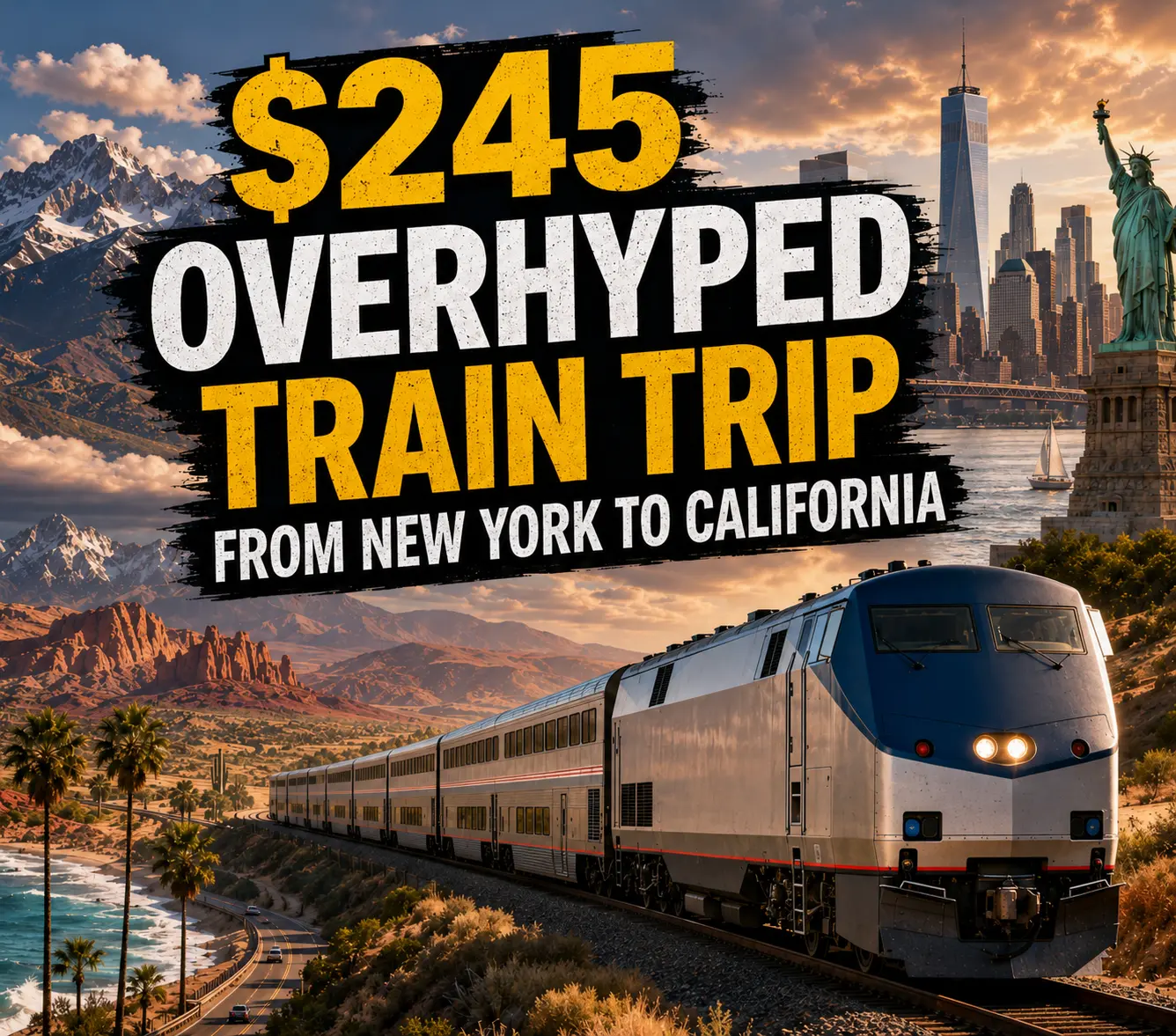
A train trip from New York to California sounds like the kind of dreamy American adventure people save to their travel boards and talk about for years. The headline price makes it even more tempting. A coast-to-coast ride for around $245 feels almost impossible in a country where flights, hotels, gas, and rental cars can drain a travel budget before the trip even begins.
But here is the part most people skip. This journey is not a luxury rail escape. It is not a smooth glass-domed vacation where every mile feels cinematic. It is long, slow, occasionally tiring, and sometimes overhyped by people who only talk about the pretty window views.
Still, that does not mean the trip is a waste. The real story is more interesting than the hype. This New York to California train journey can be unforgettable, but only if travelers understand what they are really buying: time, distance, scenery, discomfort, and a front-row seat to the country changing outside the window.
Why This New York to California Train Trip Gets So Much Attention
The idea is simple. Start in New York City, ride west to Chicago, then continue across the mountains and deserts toward California. On paper, it sounds like a budget traveler’s dream. Instead of flying over the country in a few hours, you watch it unfold slowly from your seat.
That slow pace is the reason people rave about it. A flight turns America into clouds and airport terminals. This train turns it into rivers, small towns, farm fields, mountain passes, old stations, and late-night platforms where passengers stretch their legs under cold station lights.
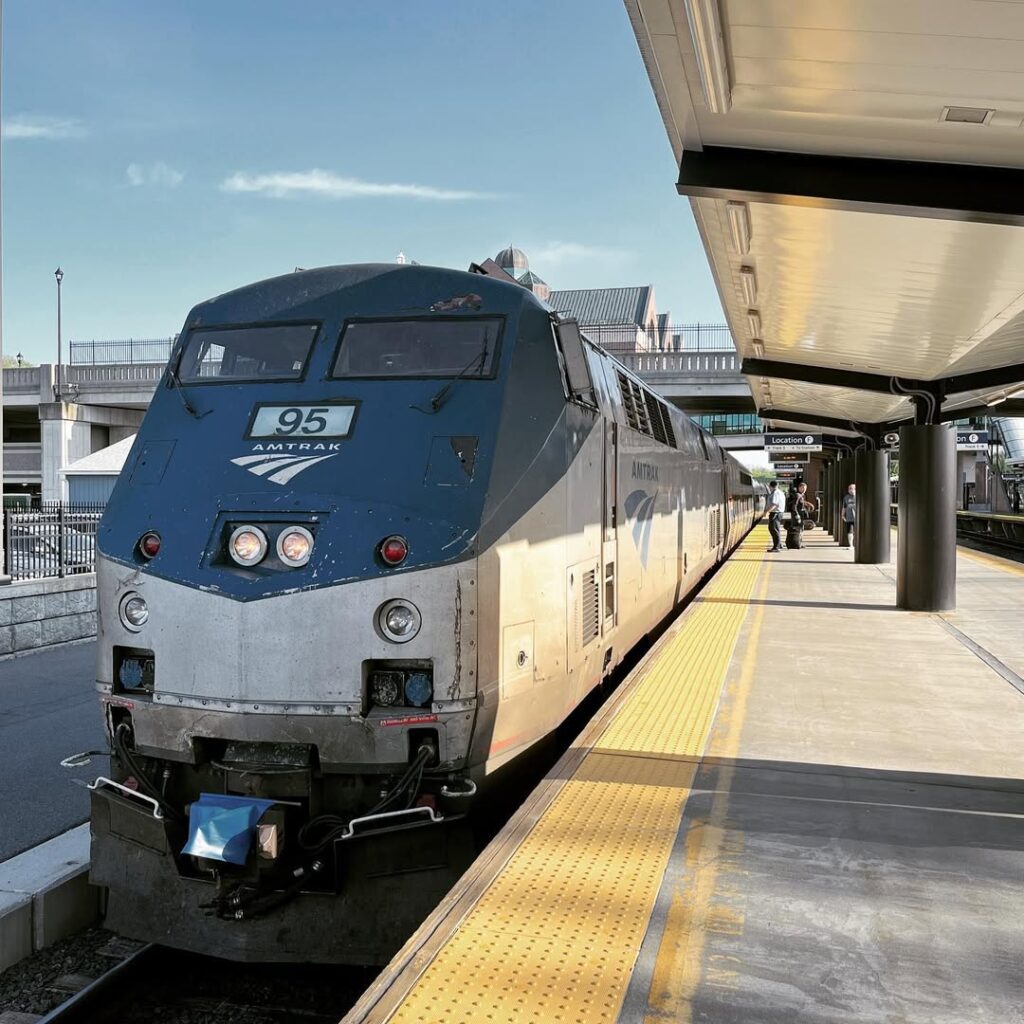
The journey usually begins with Amtrak’s Lake Shore Limited from New York to Chicago. From there, travelers can connect to the California Zephyr, the famous long-distance route that runs through Denver, Salt Lake City, and onward to Emeryville near San Francisco. It is a route with a big reputation, especially because the California Zephyr crosses the Rocky Mountains and the Sierra Nevada.
That reputation is also where the overhype begins. People talk about the views as if every second is breathtaking. The truth is quieter. Some hours are beautiful. Some are ordinary. Some happen while you are asleep. Some are delayed. The magic is real, but it does not arrive on command.
The Truth Behind the $245 Price
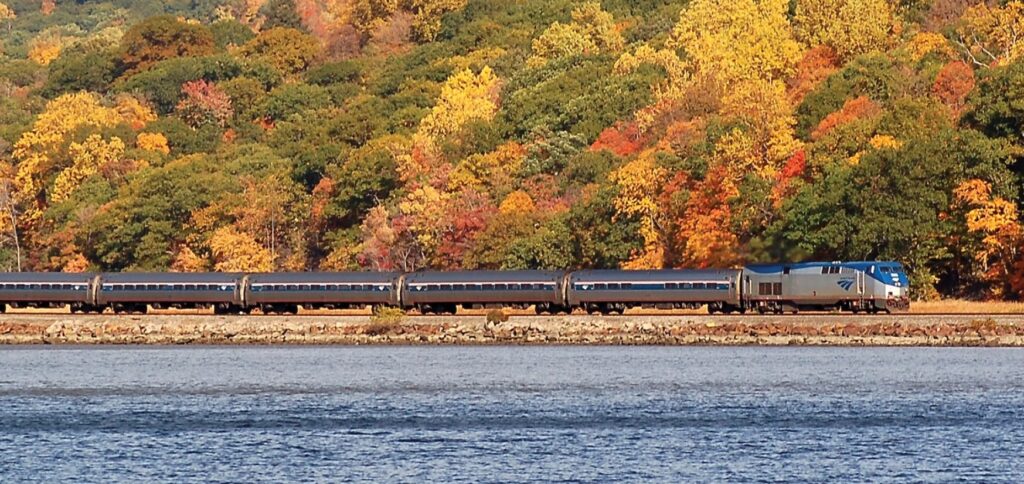
The $245 idea works best as a low-fare hook, not a price promise. Amtrak fares change based on date, demand, seat type, and how early the ticket is booked. A traveler who books far ahead, travels in coach, avoids peak dates, and stays flexible may find a surprisingly low fare. A traveler booking late or during a busy season may see a much higher price.
That is why the trip needs honest framing. The headline gets attention, but the bargain depends on patience. This is not the kind of fare most travelers should expect to find the night before departure. It is the kind of fare that rewards people who search multiple dates and accept basic coach comfort for several days.
There is also a big difference between riding in coach and booking a sleeper. Coach is the budget version. A roomette or bedroom can raise the cost fast, sometimes turning a cheap cross-country idea into a vacation-level purchase. That is where many first-time riders feel surprised. The train itself may be affordable, but privacy is not.
For travelers chasing the lowest price, the deal is really about giving up comfort, speed, and control. You save money, but you pay with time.
The Route Sounds Romantic Until You Count the Hours
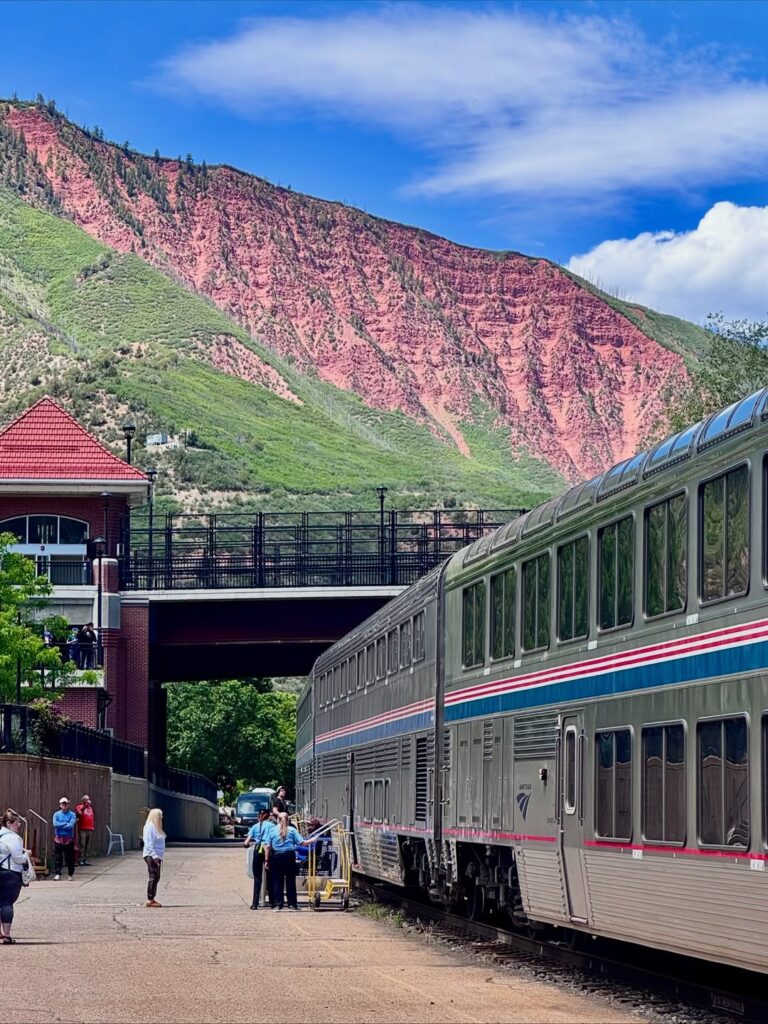
New York to California by train is not a quick getaway. The New York to Chicago portion takes about 19 hours on the Lake Shore Limited. The Chicago to Emeryville leg on the California Zephyr takes about 51 hours and 20 minutes. Add the connection time in Chicago, and this becomes a multi-day journey before you even factor in delays.
That length is part of the appeal, but it is also the biggest reason some travelers feel let down. A long-distance train can feel exciting for the first several hours. The seat feels spacious, the window feels cinematic, and the idea of crossing the country without flying feels bold.
Then the second night arrives. Your back may feel stiff. Your snacks may start looking sad. The same seat that felt generous on day one may feel less charming after hours of broken sleep. The train becomes less like a movie and more like a moving waiting room with occasional amazing views.
This does not ruin the trip. It simply makes the trip more honest. Anyone who expects nonstop romance may be disappointed. Anyone who expects a slow, imperfect adventure may enjoy it more.
Why the California Zephyr Is Still the Star of the Journey
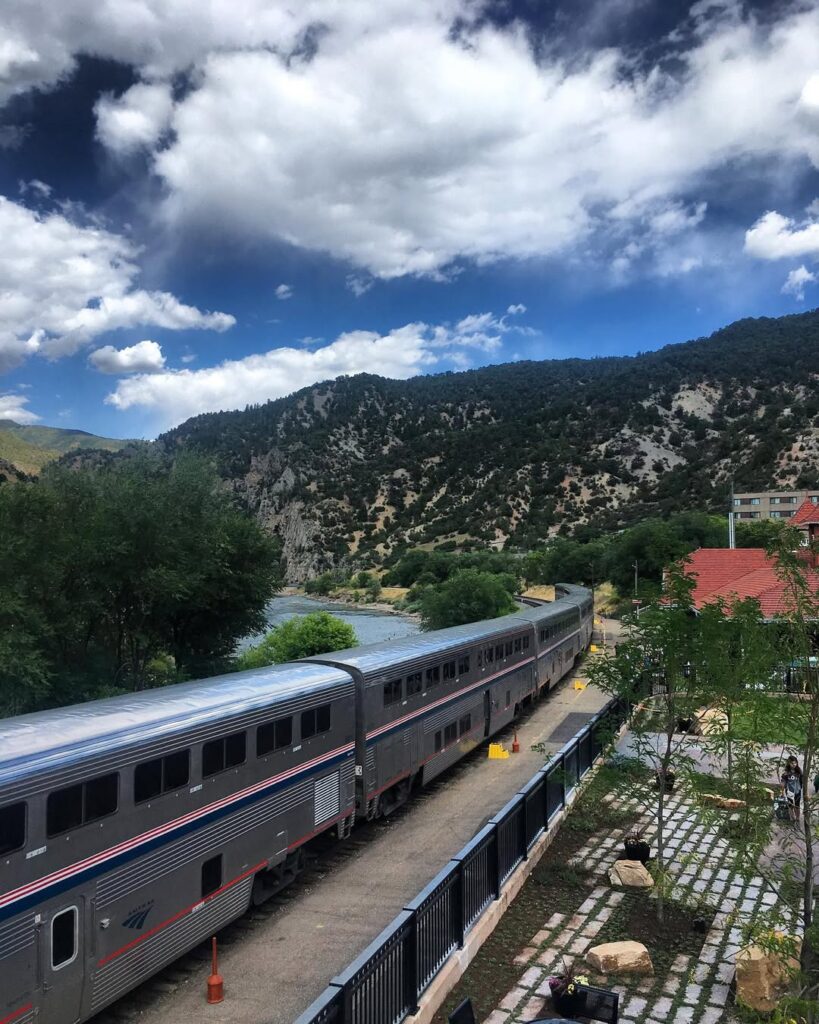
The California Zephyr is the reason this route keeps getting attention. The Lake Shore Limited gets travelers from New York to Chicago, but the Zephyr gives the trip its drama. Once the train leaves the Midwest and begins pushing west, the scenery starts to change in a way that feels bigger and more memorable.
Colorado is often the highlight. The train follows river canyons, climbs through mountain country, and passes through landscapes that feel far removed from interstate travel. The Rocky Mountain portion is where many travelers finally understand why people speak so highly of this route.
Then comes Utah, Nevada, and the approach into California. The scenery shifts again, from rugged high desert to mountain passes and western skies. It is not always polished or postcard-perfect, but it feels wide and raw in a way flights never capture.
The Zephyr earns much of its praise, but it also suffers from the burden of expectation. If someone tells you it is the most beautiful train ride in America, you may expect every mile to amaze you. A better way to think of it is this: the California Zephyr has some truly memorable stretches, surrounded by long, ordinary hours that make those stretches feel earned.
What Nobody Tells You About Riding Coach for This Long
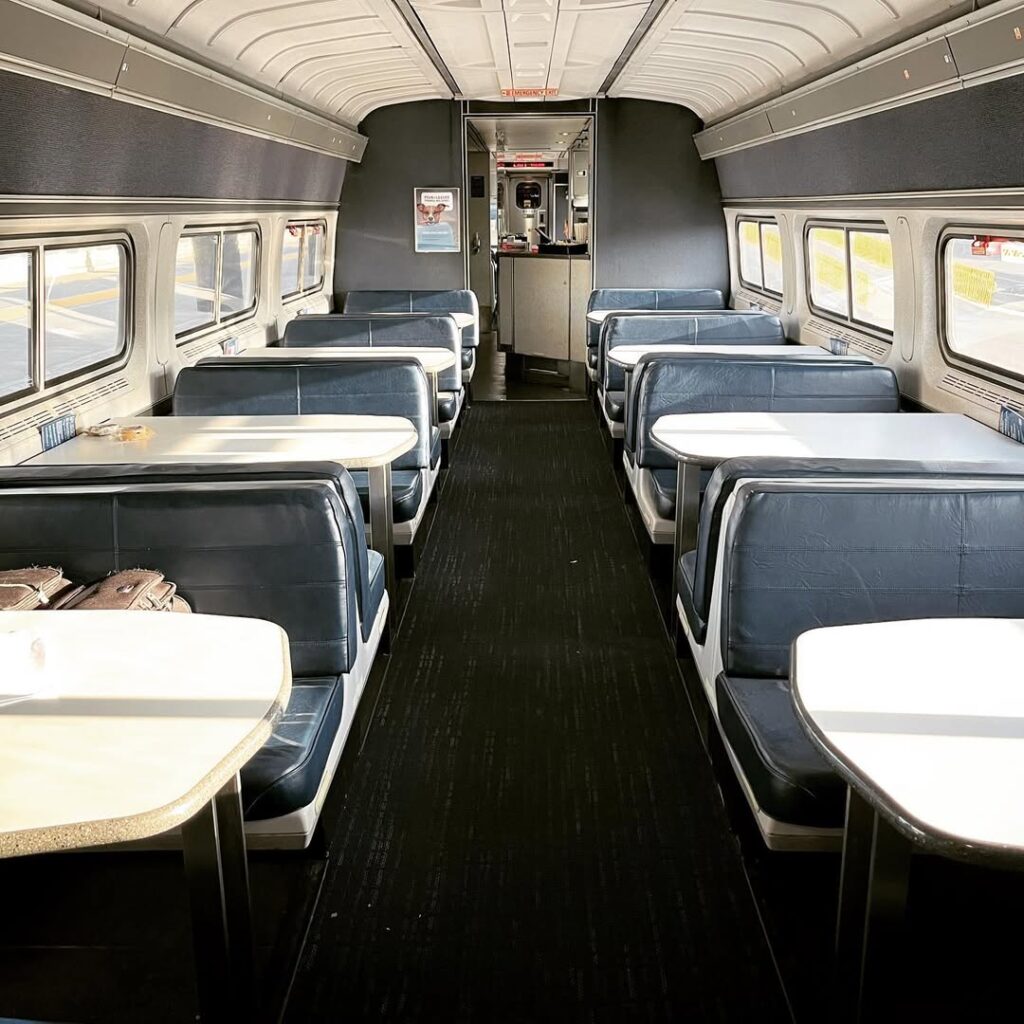
Coach on Amtrak is far more comfortable than a typical airplane seat. There is more legroom, the seats recline, and passengers can get up and walk around. That matters on a trip this long.
But coach is still coach. You are sleeping in a public space. People talk, doors open, lights glow, and the train moves through the night with its own rhythm. Some travelers sleep well. Others barely sleep at all. A neck pillow, blanket, eye mask, and patience can make a big difference, but they do not turn coach into a bedroom.
This is where the $245 dream meets reality. The fare may be low because the comfort level is basic. There is no private shower in coach, no personal cabin, and no guarantee that the passenger near you will be quiet. You may have a peaceful ride, or you may spend hours listening to someone’s phone conversation.
That does not make coach a bad choice. For budget travelers, it can be the only reason the trip is possible. It just needs to be described honestly. Coach is manageable. Coach is affordable. Coach is not glamorous.
The Food Situation Is Better If You Plan Ahead
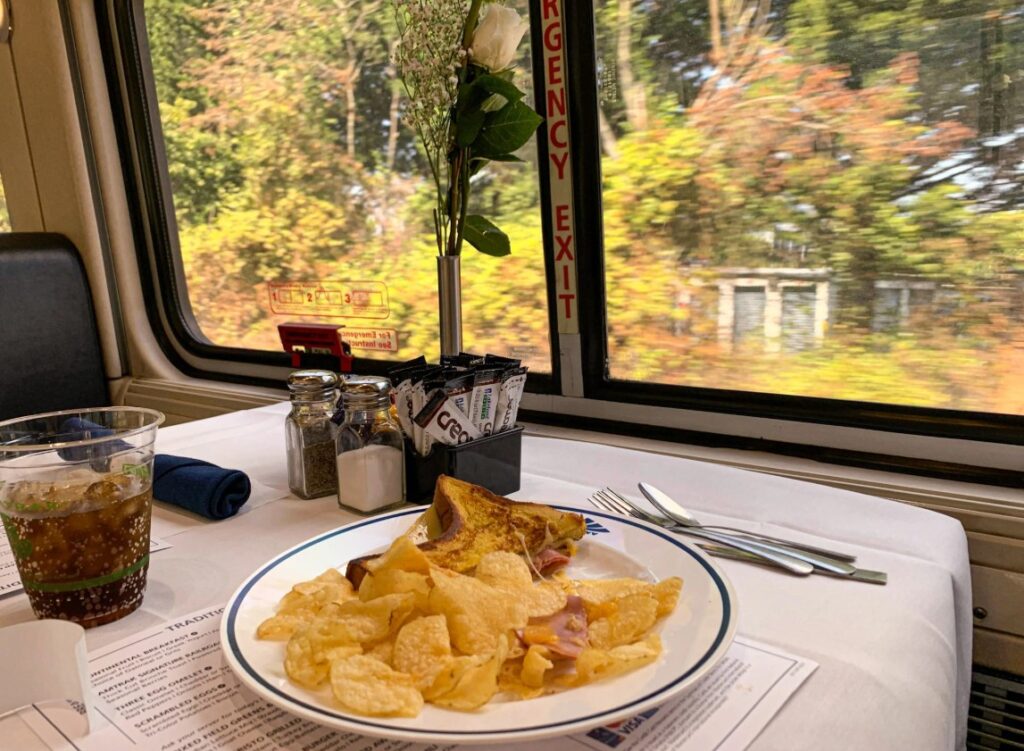
Food can make or break a long rail trip. Amtrak trains usually have a café option where passengers can buy snacks, drinks, and simple meals. Sleeper passengers may have access to more complete dining options, depending on the route and service.
Budget travelers in coach should not rely only on the café car. Prices can add up, and choices may feel limited after a day or two. Bringing your own snacks, water, and easy meals makes the journey more comfortable and keeps the low-cost idea from falling apart.
This is another place where social media often edits the truth. A photo of coffee beside a train window looks peaceful. Eating another packaged snack late at night because the café options are limited feels less dreamy. Both can be part of the same trip.
The best approach is simple. Treat train food as backup, not your full meal plan. The more prepared you are, the less trapped you feel.
The Overhyped Part Is Speed, Comfort, and Convenience
The most overhyped part of this train trip is not the scenery. The scenery can be wonderful. The overhyped part is the way people talk about the journey as if it is an easy substitute for flying.
It is not. Flying from New York to California takes hours. Riding the train takes days. A flight may be stressful, but it is efficient. A train may be relaxing, but it demands time and flexibility.
Delays can happen, too. Long-distance rail travel in the United States depends on many moving parts, and travelers should avoid scheduling anything tight immediately after arrival. If you need to be in California at a certain hour for a wedding, cruise, exam, work event, or paid tour, this route can become risky.
The train is best for people who can let the schedule breathe. It is not ideal for travelers who want total control. That is why the trip can feel either freeing or frustrating depending on the person taking it.
The Underrated Part Is the Mental Reset
For all its flaws, this trip gives travelers something rare: forced slowness. You cannot rush the train across the plains. You cannot skip the quiet hours. You cannot make the mountains arrive sooner.
That pace can feel uncomfortable at first. Then it becomes the point. You start noticing small things. A river beside the tracks. A town you have never heard of. The way the light changes in the observation car. The strange calm of waking up in a different state without packing, driving, or going through airport security.
This is where the journey becomes meaningful. It gives you time to think, rest, read, stare out the window, and feel the size of the country. That may sound simple, but for travelers used to rushing through airports and itineraries, it can feel surprisingly powerful.
The trip is overhyped as a perfect adventure. It is underrated as a reset.
Who Should Actually Take This Trip
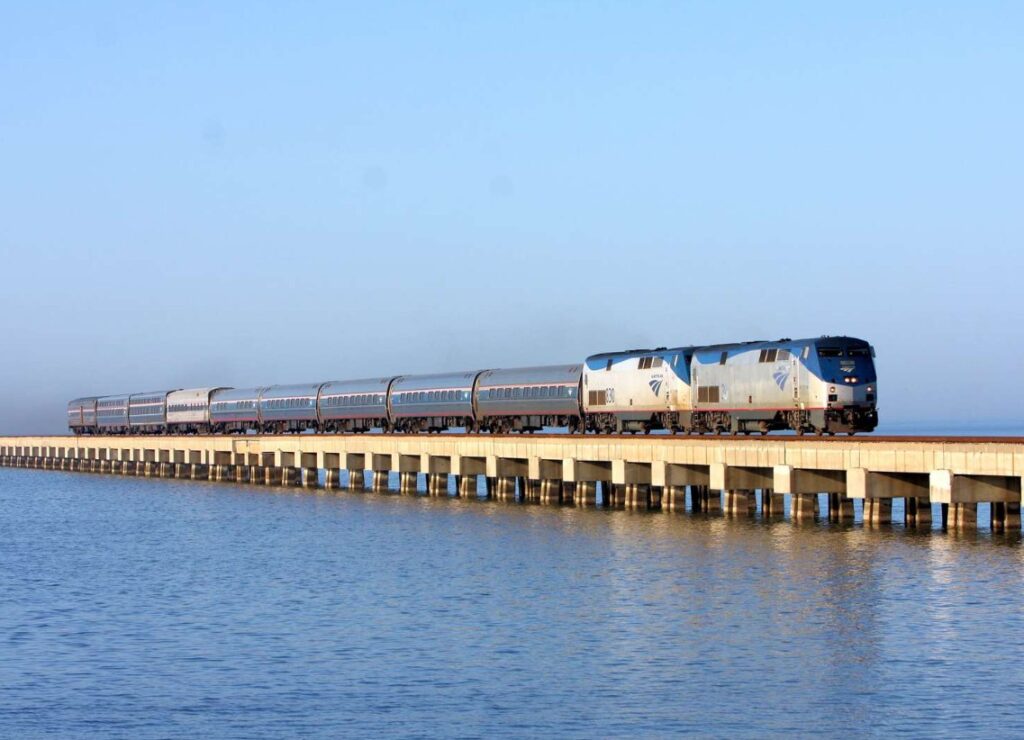
This New York to California train ride makes sense for travelers who enjoy the journey as much as the destination. It works well for budget travelers, rail fans, writers, photographers, students, slow travelers, and anyone who has time to spare.
It is also a good fit for people who are curious about the country beyond major airports and highways. You see a version of America that feels stitched together by tracks, stations, rivers, farms, and mountain towns. It is less polished than a tourist brochure, but that is part of the appeal.
This trip is not the best fit for travelers who need luxury, speed, strong Wi-Fi, perfect sleep, or a predictable schedule. It is also not ideal for anyone who gets restless easily or hates sitting for long periods.
The right traveler may call it unforgettable. The wrong traveler may call it exhausting. Both can be telling the truth.
How to Make the Journey Feel Worth It
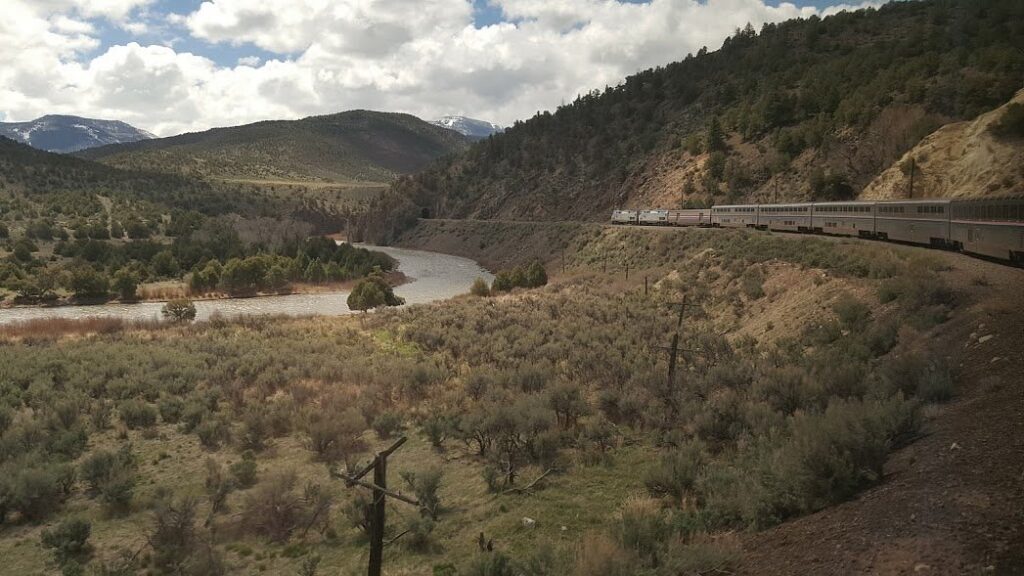
The best way to enjoy this route is to stop treating it like a cheap flight replacement. It is better as a story, a slow crossing, and a budget adventure with tradeoffs.
Give yourself time in Chicago if possible. A rushed connection can add stress, while a planned break makes the trip feel less intense. Pack better than you think you need to. Bring layers, snacks, chargers, downloaded entertainment, basic toiletries, and anything that helps you sleep in public.
Most of all, lower the pressure. Do not expect every hour to feel magical. Let the boring parts exist. The quiet hours are part of the rhythm. The payoff comes when the view suddenly opens up and you remember you are crossing an entire continent by rail.
That is the real value of the trip. It is not perfect. It is not always comfortable. It is not always as cheap as the headline sounds. But it gives travelers a rare kind of memory.
Final Thoughts
The $245 train trip from New York to California is overhyped if you expect luxury, speed, or a flawless coast-to-coast vacation. It is not a hidden first-class secret. It is a long coach journey across a huge country, with delays, tired legs, simple food, and plenty of waiting.
But it is also underrated in a different way. Few trips let you feel the distance between New York and California so clearly. Few trips give you the Rockies, the Midwest, the Sierra Nevada, old stations, night rides, and quiet morning views from the same seat.
The truth sits between the hype and the complaints. This is not the easiest way to cross America. It may not even be the cheapest every time you search. But for travelers who value story over speed, the New York to California train journey can still be worth every mile.
You may also like :