
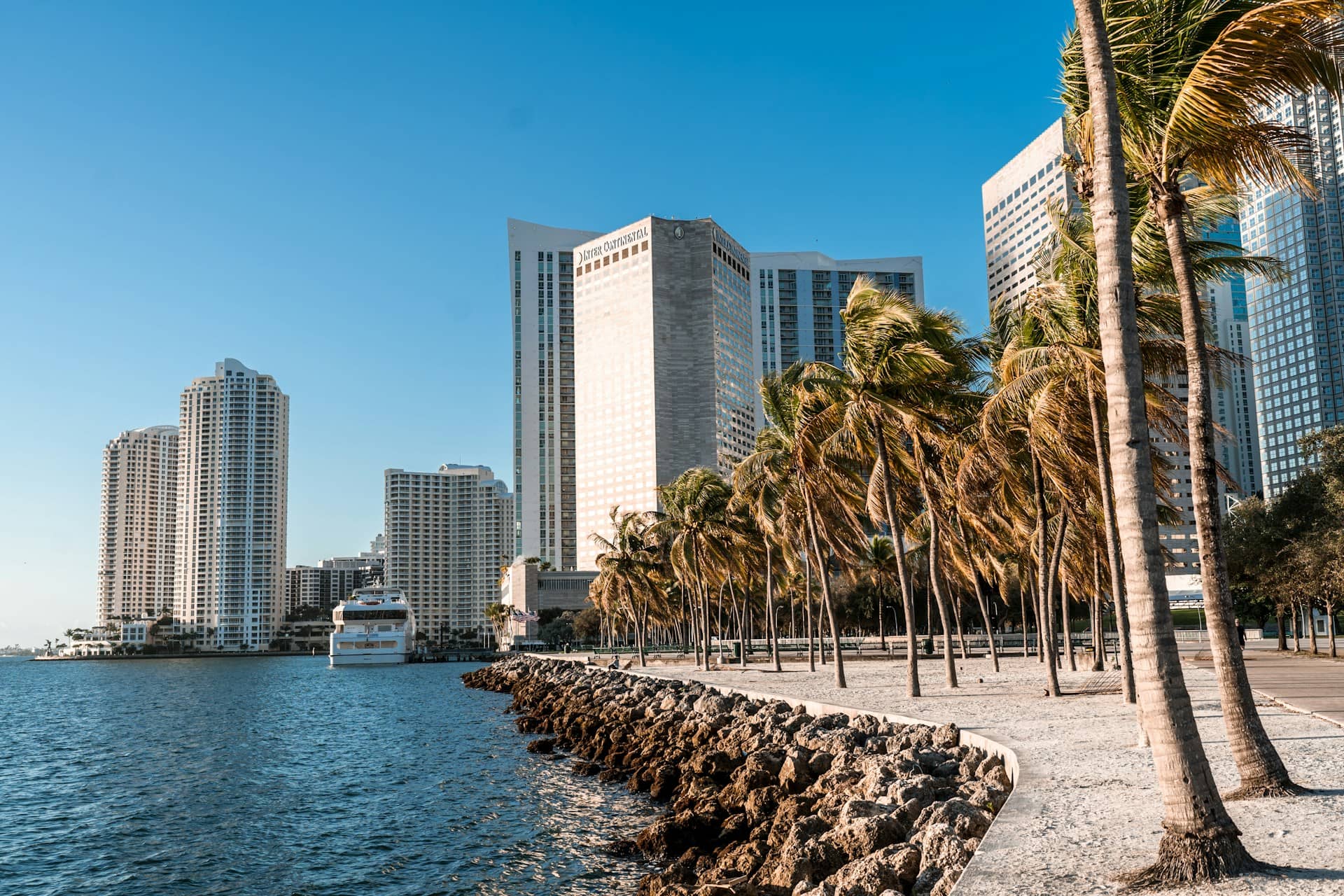
Welcome to my 2-day Miami itinerary! I recently spent an unforgettable weekend in Miami, and the city turned out to be far more exciting and culturally rich than I had imagined.
Before arriving in the United States, I knew little about Miami beyond South Beach, palm-lined streets, and the glamorous scenes often shown on television. What surprised me most was the city’s strong Latin American influence. Spanish fills the air in many neighborhoods, Cuban coffee is part of daily life, and restaurants serve everything from traditional Cuban dishes to flavorful Mexican favorites.
Miami offers much more than sunny beaches. Colorful murals cover the walls of Wynwood; Little Havana hums with music and local conversation; and each neighborhood seems to carry its own personality. In this guide, I’m sharing my complete 2-day Miami itinerary, including favorite attractions, memorable meals, unusual corners, beach stops, and places to experience the city after dark.
Is a Weekend in Miami Long Enough?
A weekend is enough for a rewarding first trip to Miami, particularly if you plan your days around a few key neighborhoods. Two days gives you time to enjoy the beach, try local food, explore cultural areas, and experience part of the city’s nightlife.
With a well-planned schedule, you can walk along South Beach, see the murals in Wynwood, spend time in Little Havana, and still slow down for Cuban coffee or a meal near the water. The trip may feel busy, but it does not have to feel rushed.
A longer stay of three to five days would make room for extra beaches, museums, shopping, and day trips to the Everglades or the Florida Keys. Still, two days offers a strong introduction to Miami and works especially well for travelers adding the city to a wider Florida journey.
Miami is also one of the pricier destinations in Florida. Hotels, dining, parking, and entertainment can quickly increase the cost, so a two-day visit may be the most practical choice for anyone traveling on a limited budget.
Best Places to Stay for a 2-Day Miami Visit
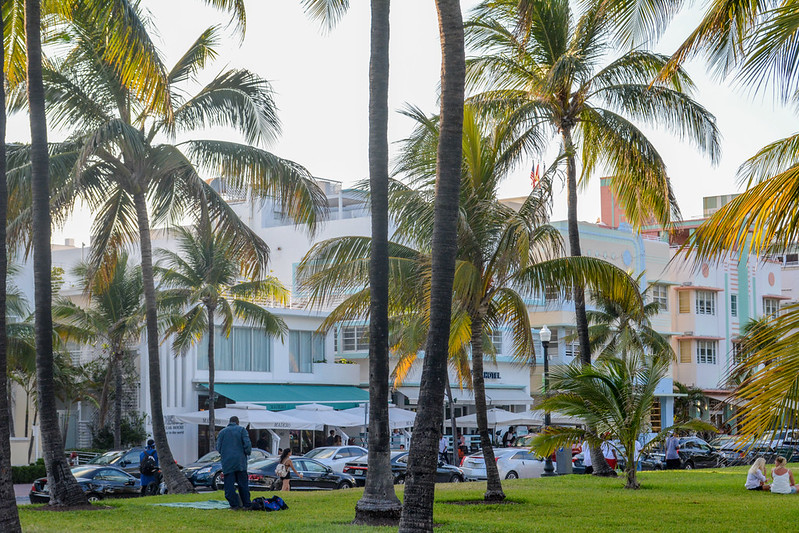
Miami Beach is one of the best areas to use as a base during a short Miami trip. I stayed here and found it easier to explore on foot than many other parts of the city. You can reach restaurants, cafés, shops, nightlife, and the beach without relying on a car for every journey.
Another reason to stay nearby is the Art Deco Historic District. The pastel buildings, curved balconies, neon signs, and retro hotels give Miami Beach its recognizable appearance. Even if you do not book an Art Deco hotel, you can walk around Ocean Drive and the surrounding streets to admire the architecture.
You will find apartments, hotels, and hostels across Miami Beach, so there are choices for different travel budgets.
Apartments in Miami Beach
- Villa Paradiso Apartment Hotel: Suites and apartments with kitchen facilities, with rates starting from around $120 per night.
- Villa Venezia: Apartment-style accommodation with a living room and kitchen, starting from around $150 per night.
Hotels in Miami Beach
- Casa Victoria Orchid: A stylish hotel near Española Way, with rooms starting from around $180 per night.
- Generator Miami: A social hotel with access to a swimming pool and bicycle rentals, with rates starting from around $180 per night.
Hostels in Miami Beach
- Beds N’ Drinks: I stayed at this hostel and would recommend it to budget travelers. It offers dorm rooms and private rooms, along with several comfortable shared spaces. Breakfast and coffee were included during my stay, and the beach was only about a five-minute walk away. Despite the party-inspired name, I had no trouble getting a good night’s sleep. Dorm beds previously started from around $15 per night.
Accommodation prices can change depending on the season, weekends, special events, and how early you book.
The Easiest Ways to Travel Around Miami
Miami is not particularly easy to explore on foot once you leave areas such as South Beach, Wynwood, or Downtown. Many residents rely on cars for everyday journeys, which felt unusual to me after living in Oxford and London.
Still, I managed to spend two full days in Miami without getting into a car. Even my Little Havana tour guide was surprised. She told me she had lived in Miami for 30 years without ever using a public bus.
Here are the main transportation options for your Miami trip:
- Rental car: Hiring a car gives you greater freedom, particularly if you plan to visit places outside the central neighborhoods. It can also be useful for day trips, although parking fees and traffic may increase the overall cost.
- Uber or rideshare: Taxi apps are widely available and convenient for traveling between Miami Beach, Little Havana, Downtown, and Wynwood. Prices can rise during busy periods, so travelers on a limited budget should check the fare before confirming a ride.
- Public transportation: Miami’s Metrobus and Metrorail connect many popular areas. Standard fares were around $2.25 during my visit, although transport prices may change over time.
I took the Metrobus from Miami International Airport to Miami Beach. I also traveled by bus from Miami Beach to Little Havana and later returned from Wynwood, changing services in central Miami on both journeys.
Using public transportation was possible, but it required patience. I did not have mobile data, so I had to load directions whenever I found public Wi-Fi. Some buses arrived later than the times shown on Google Maps, and the transfers occasionally felt confusing, but I eventually reached every stop on my itinerary.
Best Ways to Reach Miami
Miami is well connected to destinations across the United States and overseas. Most visitors arrive by plane, though long-distance buses can be a practical choice for travelers coming from another Florida city.
- By air: Miami International Airport is the main arrival point for domestic and international travelers. I usually compare flight prices on Skyscanner before booking, as fares can vary greatly depending on the season and travel dates.
- By bus: Long-distance bus travel is less popular in the United States than in some other countries, but Miami has connections to many major destinations. You can travel between Miami and cities such as Orlando, Tampa, and Fort Lauderdale, often at a lower cost than flying.F
Flying is generally the fastest option, while taking the bus may suit budget travelers who have more time and want to avoid airport expenses.
Traveling from Miami Airport to Miami Beach
I used public transportation to travel from Miami International Airport to Miami Beach, and the journey was easier than I expected. After leaving the terminal, I followed the signs for the MIA Mover, a free automated train that connects the airport with the Miami Intermodal Center.
Once I arrived at the transport station, I purchased an EASY Ticket and boarded the Route 150 Miami Beach Airport Express. The bus traveled directly to Miami Beach and dropped me only one block from my hostel, making it a convenient option for travelers staying near South Beach.
The Route 150 bus operated approximately every 30 minutes between 6:00 a.m. and 11:40 p.m., seven days a week, during my trip. Schedules may change, so checking the current departure times before arriving at the airport is a sensible idea.
Your 2 Day Miami Itinerary at a Glance
This two-day Miami plan combines cultural neighborhoods, street art, beaches, architecture, and several of the city’s best-known streets. It is busy enough to cover the main highlights while still leaving space to enjoy the atmosphere.
- Day 1: Explore Little Havana before visiting the murals, galleries, and creative spaces around Wynwood Walls.
- Day 2: Spend the day in Miami Beach, including South Beach, Española Way, Collins Avenue, the Art Deco District, Ocean Drive, and Lincoln Road.
Now, let’s begin this tried-and-tested Miami itinerary and see how to make the most of two days in the city.
Day 1 in Miami: Little Havana and Wynwood
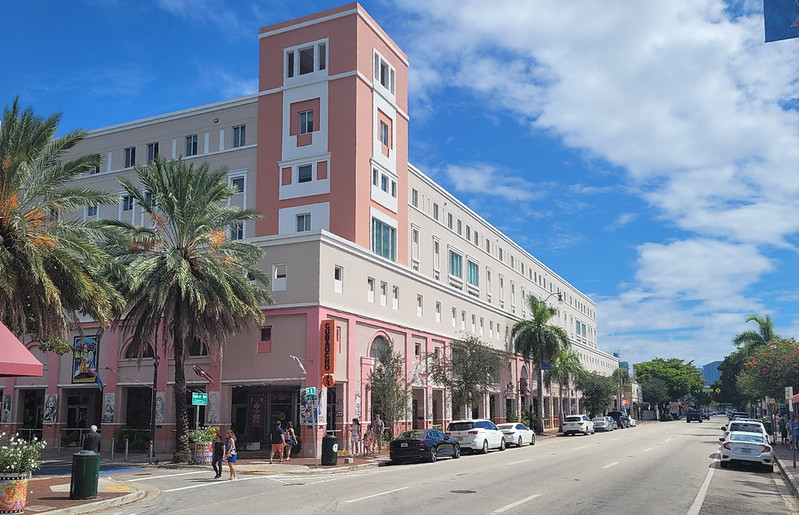
I planned a full first day in Miami so I could slow down and enjoy Miami Beach on the second day. My itinerary began with two of the city’s most interesting neighborhoods: Little Havana and Wynwood.
Although they are only about a 10-minute drive apart, the atmosphere changes completely between them. Little Havana draws you into Cuban traditions, food, music, and community life, while Wynwood is known for bold murals, galleries, and modern creative spaces. Visiting both gives you a broader view of Miami beyond the coastline.
Morning in Little Havana
I was especially excited to explore Little Havana because I planned to visit Cuba a few months later and was curious to see how the two places might compare. Miami was also a stopover on my journey to Mexico, so this neighborhood gave me a welcome chance to practise my Spanish.
However, food was the biggest reason for my visit.
I had booked a Little Havana food tour that promised more than five tastings. Anyone familiar with my food-focused travel stories will know that this was exactly the kind of activity I wanted to add to my Miami itinerary.
Even if food tours and Spanish conversations are not your main interests, Little Havana is still worth several hours. The neighborhood offers a closer look at Miami’s Cuban heritage, local history, family-run businesses, music, and everyday community life.
A Brief History of Little Havana
Little Havana grew largely through waves of Cuban immigration, particularly after Fidel Castro came to power in 1959. Many Cubans left the island because of political restrictions, economic difficulties, and opposition to the new government.
Miami became one of the main places where Cuban families rebuilt their lives. Over time, restaurants, cafés, shops, music venues, social clubs, and Spanish-language businesses helped shape the neighborhood now known as Little Havana.
For many years, the former Wet Foot, Dry Foot policy allowed certain Cuban migrants who reached American soil to remain in the United States and pursue legal residency. The journey across the Florida Straits was extremely dangerous, but many people reached Miami and formed communities whose influence remains strongly visible today.
Things to Do in Little Havana
- Visit galleries and performance venues: Stop at the Cubaocho Museum and Performing Arts Center to experience Cuban art, live music, and cultural history. During my visit, a musician performed around midday while we browsed the artwork. The venue also had a large bar and an impressive rum collection.
- Browse local shops: Calle Ocho has several places selling Cuban-inspired jewelry, paintings, souvenirs, and handmade pieces. I visited Agustín Gainza Arts and Tavern, where the owner explained that some of the jewelry had been created by his daughter.
- Try Cuban food: Little Havana is one of the best places in Miami to arrive hungry. Strong Cuban coffee, empanadas, pressed sandwiches, tropical fruit, pastries, and gelato are all easy to find along and around Calle Ocho.
- Order a mojito: Ball & Chain is one of the neighborhood’s best-known bars. Its long history, live entertainment, and pineapple-shaped outdoor stage make it an entertaining stop during the afternoon or evening. Staying later also gives you the chance to experience Little Havana’s nightlife.
Where to Stay in Little Havana
- Selina Miami River: A stylish hotel option with rooms previously available from around $100 per night.
- Habitación Céntrica Calle 8 Miami: Apartment-style accommodation previously starting near $60 per night.
- Hostel Brazilian: A basic budget option with beds previously offered from about $20 per night.
Accommodation rates can change considerably depending on the season, weekend demand, and local events.
Afternoon in Wynwood: Murals, Galleries, and Creative Streets
Little Havana was exciting, but Wynwood Walls was one of the main reasons I added Miami to my journey. As a huge street art fan, I had seen photographs of Wynwood countless times online and wanted to experience its murals for myself.
When I found a flight from London to Mexico City that allowed me to spend two days in Miami for roughly the same price, the decision was easy. I added the stopover mainly to visit Wynwood, and the neighborhood fully lived up to my expectations.
Wynwood was once an industrial district filled with warehouses and very little foot traffic. Its transformation began after property developer Tony Goldman saw artistic potential in the area’s large, windowless walls. In 2009, he invited artists to turn these plain warehouse surfaces into huge outdoor canvases.
Today, murals by artists from many countries cover buildings throughout the neighborhood. Wynwood Walls has become a major open-air art attraction, while the surrounding streets are packed with galleries, cafés, restaurants, shops, and smaller pieces of public art.
Where to See Street Art in Wynwood
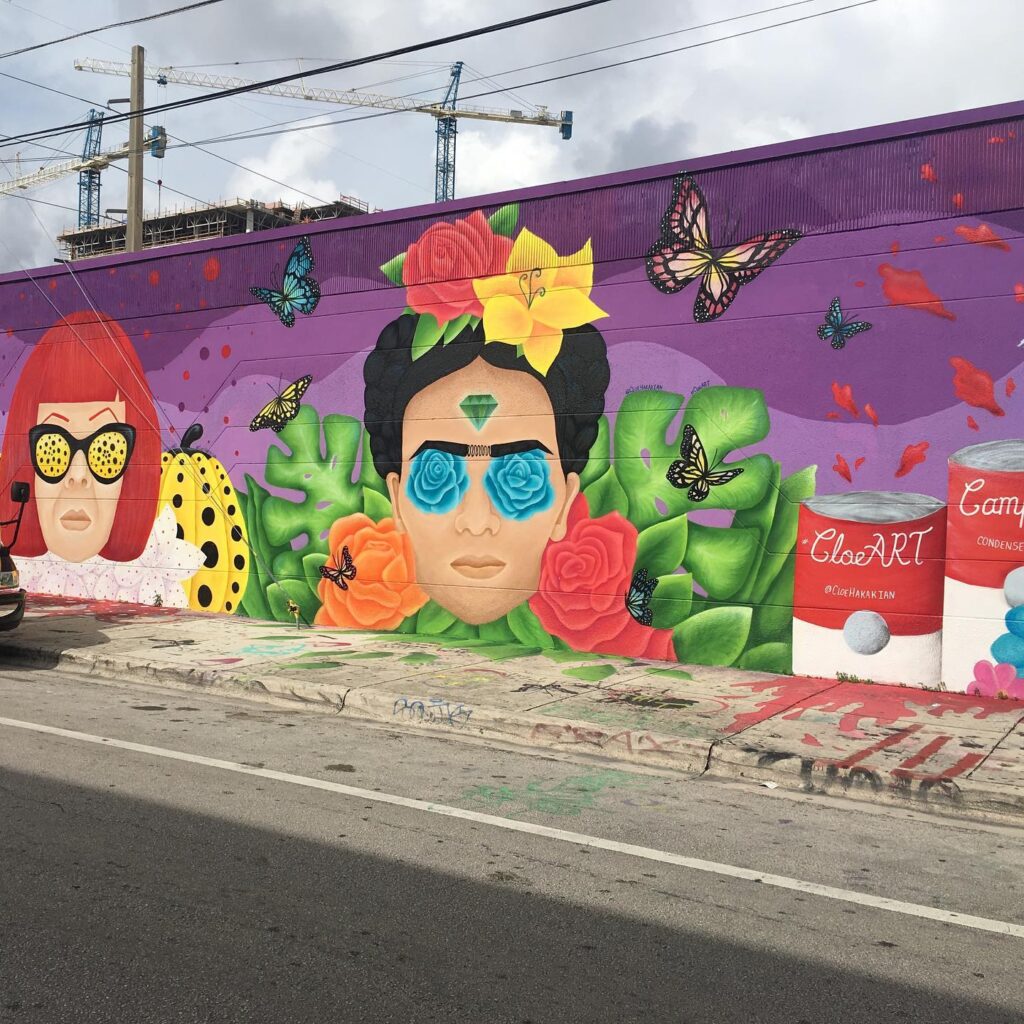
Street art appears almost everywhere in Wynwood, so you do not need a strict route. One of the best parts of visiting is simply walking around and seeing what appears around the next corner.
The murals have also made the district far more enjoyable to explore on foot. Streets that were once mainly associated with warehouses now attract visitors who come to photograph large paintings, search for smaller details, and watch artists working on new pieces.
Serious street art fans may prefer to look for work by particular artists. The official Wynwood map can help you locate specific murals and learn more about the people who created them. Remember to credit or tag the artists when sharing your photographs online.
Make time for the GGA Gallery, located within Wynwood Walls. It hosts a mixture of permanent pieces and temporary exhibitions. During my visit, I was fortunate enough to see work by Kobra, one of my favorite street artists.
Where to Eat and Drink in Wynwood
- World Famous House of Mac – This casual restaurant serves generous portions of creative macaroni and cheese. Menu choices have included jerk chicken mac and cheese and lobster mac and cheese, with dishes previously starting at around $14.
- Zak the Baker – Its rainbow-painted exterior fits perfectly with Wynwood’s mural-filled streets. The kosher bakery serves croissants, bread, salads, deli dishes, coffee, and other light meals. The chocolate croissant is well worth ordering.
- La Tiendita Taqueria – Stop here for tacos, quesadillas, chilaquiles, and flautas. You can pair your meal with a frozen margarita made with tequila or mezcal. Prices are higher than at some casual taco shops, but the food and lively setting make it a popular choice.
Where to Stay in Wynwood
- Studio apartments: Stylish studios with private cooking facilities have previously been available from around $120 per night. Staying nearby places you close to the murals, restaurants, galleries, and evening entertainment.
Extra Downtown Miami Stops
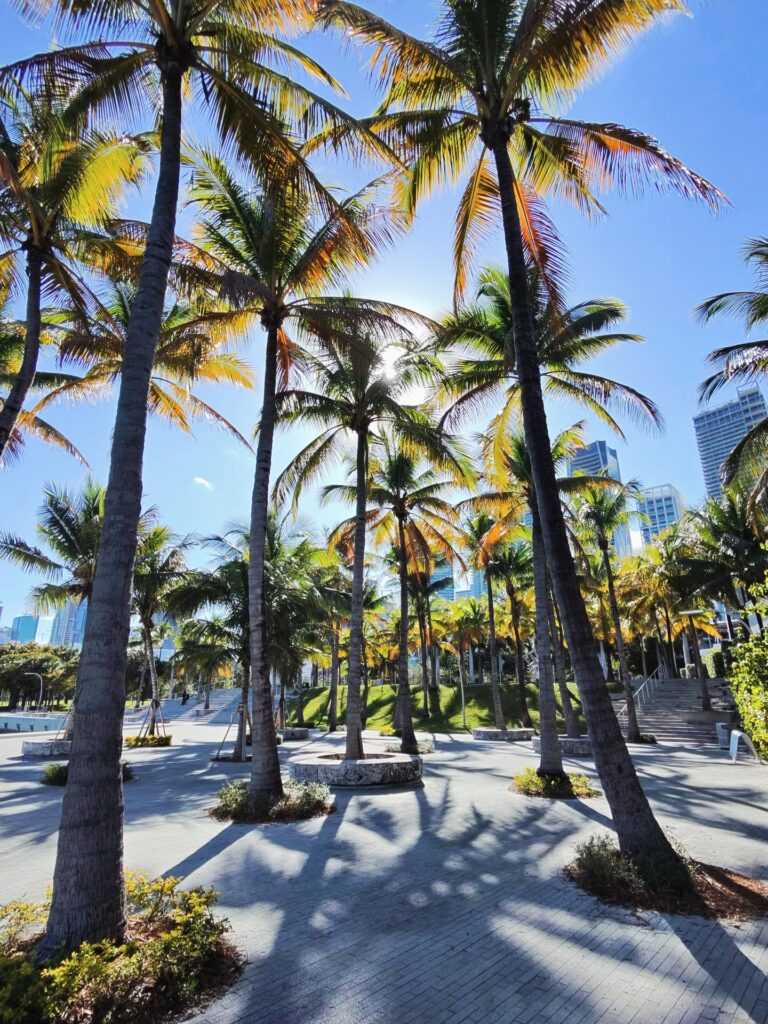
You may have enough time for another attraction if you finish exploring Little Havana and Wynwood by the early afternoon. Two family-friendly and art-focused options are located near Downtown Miami.
- Pérez Art Museum Miami: PAMM is a three-level museum overlooking Biscayne Bay. Its modern and contemporary collections reflect Miami’s multicultural population, with a strong focus on art from the Americas. The hanging gardens and waterfront setting are also worth seeing. Admission previously cost around $16, with complimentary entry offered on selected days.
- Miami Children’s Museum: Families can explore interactive exhibits that introduce children to art, culture, communication, and everyday life through playful activities. Several experiences are presented in more than one language. Admission previously cost around $22.
Day 2 in Miami: A Relaxed Beach Day or More City Exploring
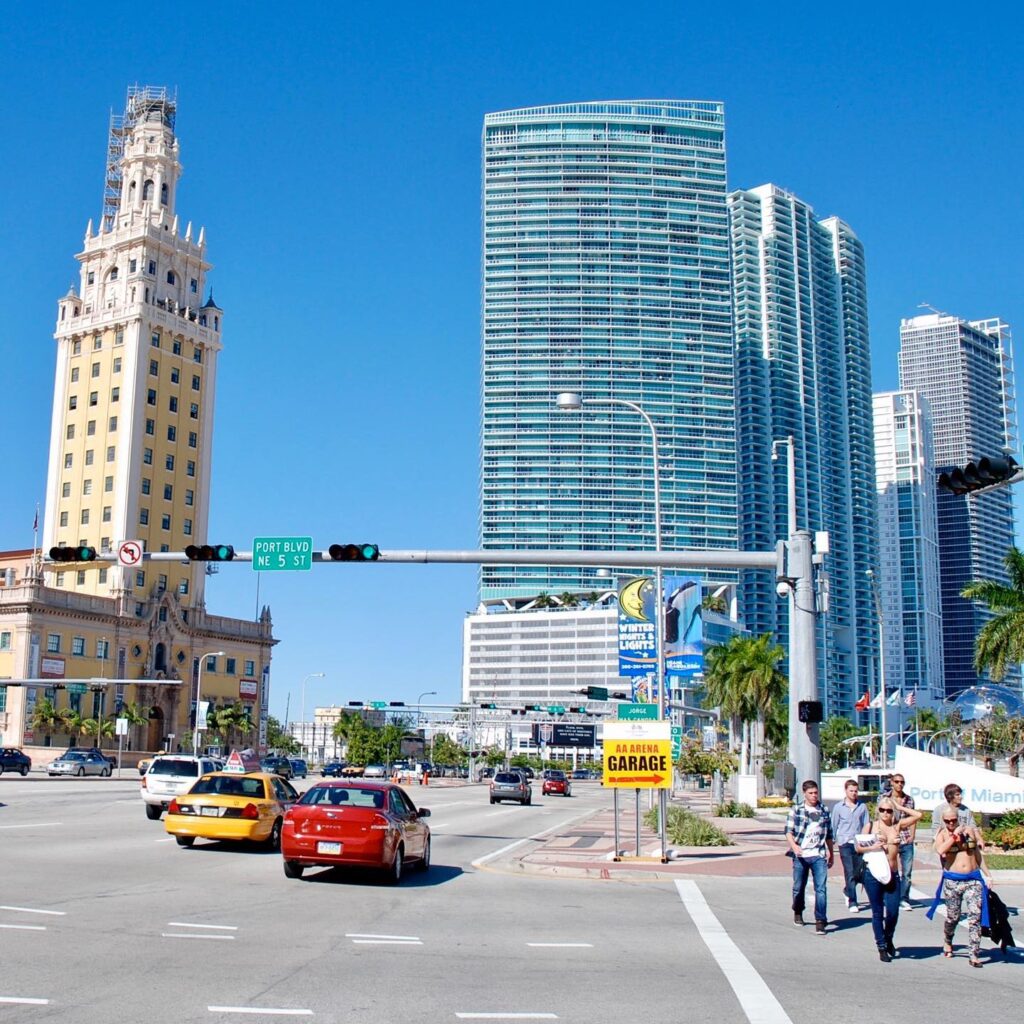
If you have a second full day in Miami, you can choose between slowing down near the coast or adding a few more attractions to your itinerary. After spending the previous day taking several long bus journeys, I was ready for a calmer schedule around Miami Beach.
Staying close to my accommodation meant I could spend less time waiting for public transport and more time enjoying the sand, nearby streets, cafés, and ocean views. It was a welcome change after a busy first day in Little Havana and Wynwood.
Travelers who prefer a more active second day could consider these Miami attractions:
- Vizcaya Museum and Gardens – Located in Coconut Grove, this grand estate is known for its European-inspired architecture, decorated rooms, waterfront grounds, and formal gardens. The property covers around 43 acres and offers a peaceful break from Miami’s busier neighborhoods.
- Fairchild Tropical Botanic Garden – This large botanical garden sits roughly a 30-minute drive from central Miami. Its 83 acres include tropical plants, shaded paths, water features, rainforest-style areas, and seasonal exhibitions or events.
- Bill Baggs Cape Florida State Park: Found at the southern end of Key Biscayne, this coastal park covers about 400 acres. Visitors can relax on the beach, cycle along quiet paths, enjoy a picnic, try water activities, or visit the historic Cape Florida Lighthouse.
Miami Beach: Spend Your Final Day Beside the Ocean
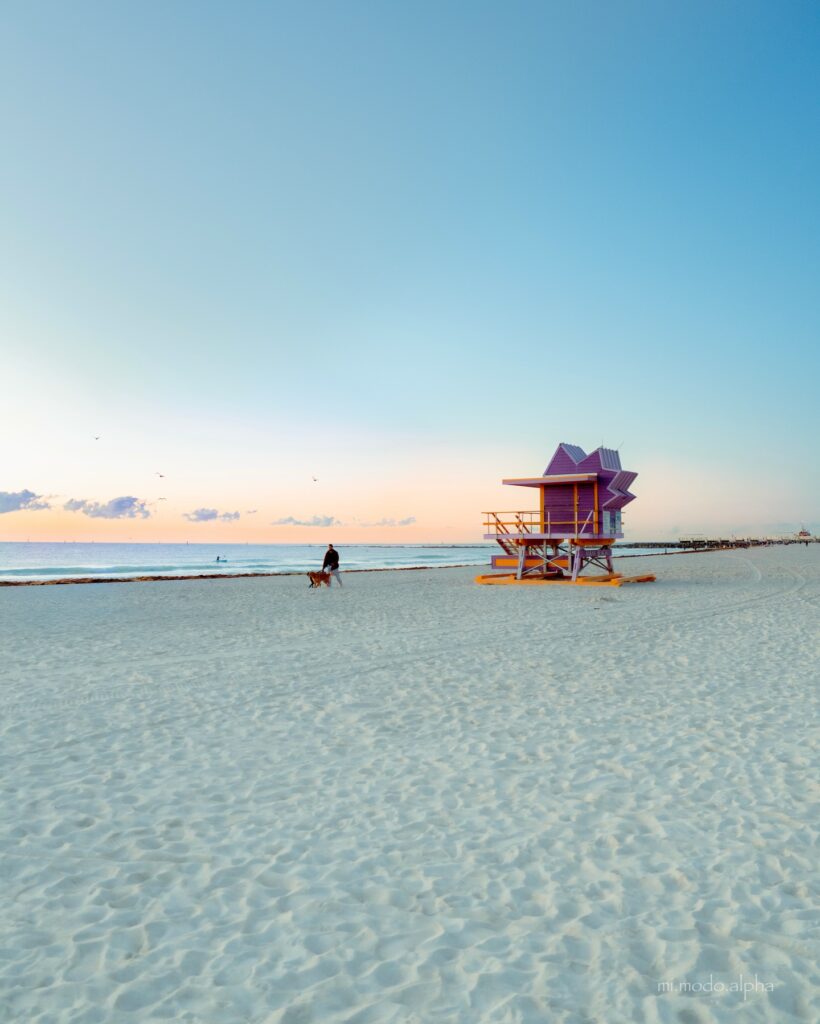
To finish your 2 day Miami itinerary at a slower pace, spend the day exploring Miami Beach and the surrounding streets. Miami Beach is the barrier island connected to mainland Miami by several bridges, and it is divided into three main areas: North Beach, Mid-Beach, and South Beach.
Begin with a swim or claim a spot on the sand for a few quiet hours. Once you feel ready to move again, you will find plenty of architecture, parks, shops, and restaurants within walking distance of the shoreline.
South Beach was the closest section to my hostel, and it quickly became my preferred place to unwind. The broad sandy shore, warm water, palm-lined paths, and steady energy make it an essential stop for first-time visitors. You could easily spend most of the day here without needing a packed schedule.
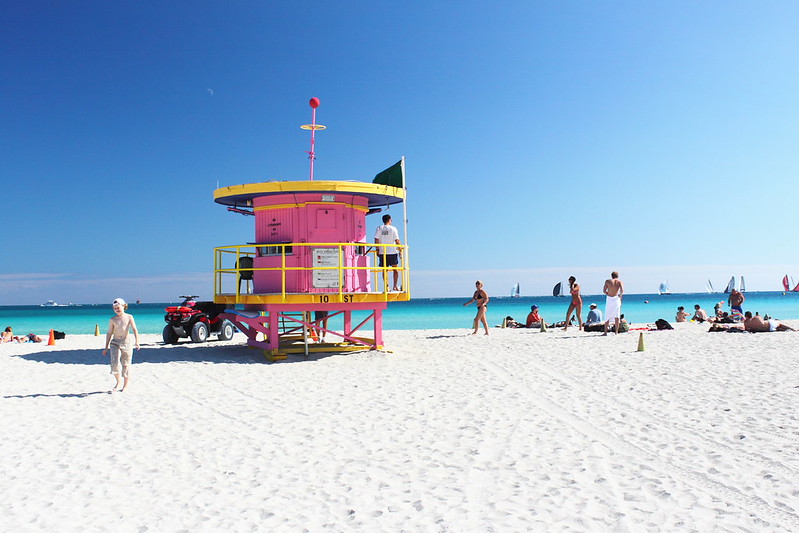
Look out for the colorful Art Deco lifeguard towers scattered along the beach. They are unmistakably Miami and make excellent photo stops. Staying until the evening also rewards you with softer skies and a cooler walk beside the ocean.
Getting around Miami Beach is much easier than traveling between Miami’s wider neighborhoods. Many attractions are close enough to reach on foot, although the walking distances can add up. Renting a Citi Bike is another enjoyable way to travel along the beachfront and nearby streets.
Española Way: Mediterranean Character and Evening Dining
Española Way is another worthwhile stop during two days in Miami. Built during the 1920s, the street was created to resemble the small Mediterranean villages of Spain and France, with tiled roofs, warm-toned buildings, balconies, and narrow pedestrian spaces.
The area was once associated with artists and creative residents. Following a major renovation, it has become a popular meeting place for both visitors and locals.
Today, Española Way is lined with small stores and restaurants serving Italian, Japanese, Mexican, and other international dishes. The street feels especially inviting after dark, when restaurant tables spread across the walkway and the lights begin to glow above the diners.
Consider returning in the evening for dinner before ending the night with a drink at Española Cigars Craft Bar & Lounge.
Miami Beach Botanical Garden: A Quiet Break from the Shore
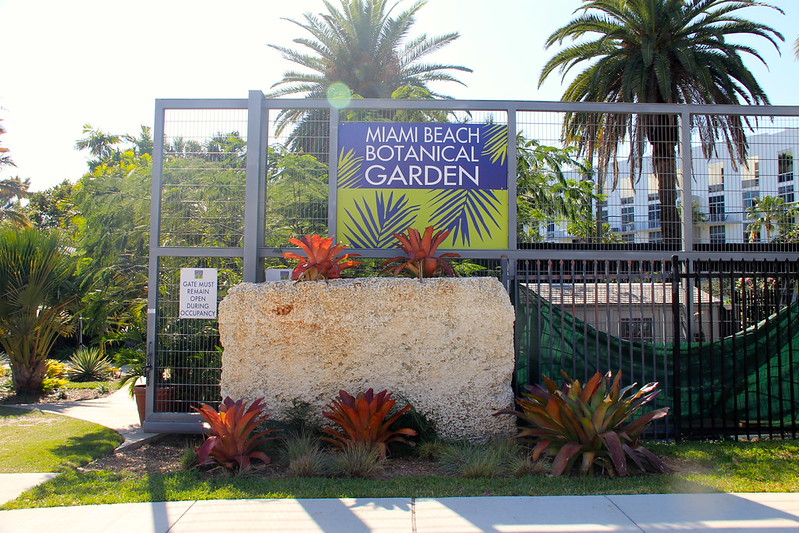
Miami Beach Botanical Garden offers a calm change of scenery between South Beach and Mid-Beach. The four-acre grounds contain tropical plants, shaded pathways, water features, and a Japanese garden where you can escape the heat for a while.
Take a relaxed walk through the grounds before stopping at the garden center. The Botanical Boutique also sells small gifts and garden-related items.
The garden has traditionally opened from 9:00 a.m. to 5:00 p.m. between Tuesday and Sunday, remaining closed on Mondays. Its calendar may include yoga classes, workshops, markets, and coffee gatherings, so check what is happening around your travel dates.
Lummus Park: Green Space Beside South Beach
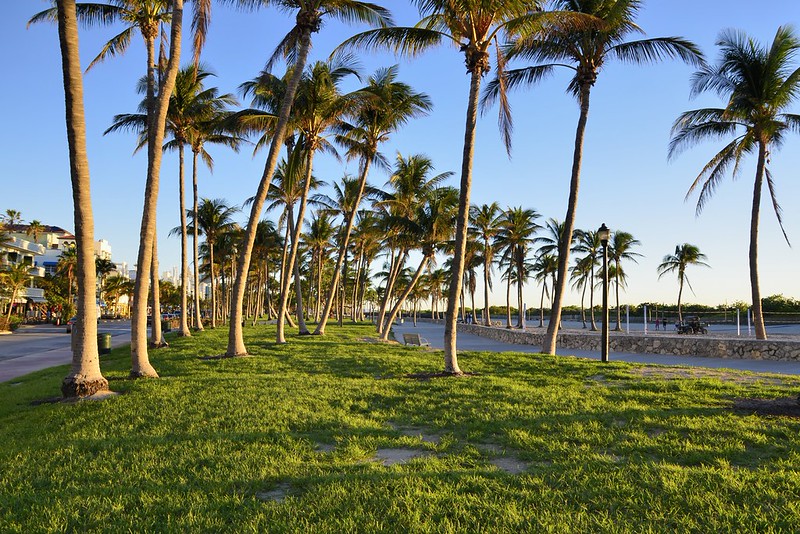
Lummus Park runs between Ocean Drive and the beach, making it easy to include while exploring South Beach. Its lawns, palm trees, walking paths, and direct access to the sand provide a pleasant place to pause between sightseeing stops.
Families can use the children’s playground, while outdoor fitness stations are available for anyone eager to work off the Cuban sandwiches and pastries enjoyed in Little Havana the previous day.
The park is also one of the best places for watching cyclists, skaters, joggers, and the everyday activity that gives South Beach much of its personality.
Art Deco Buildings: Miami Beach’s Signature Architecture
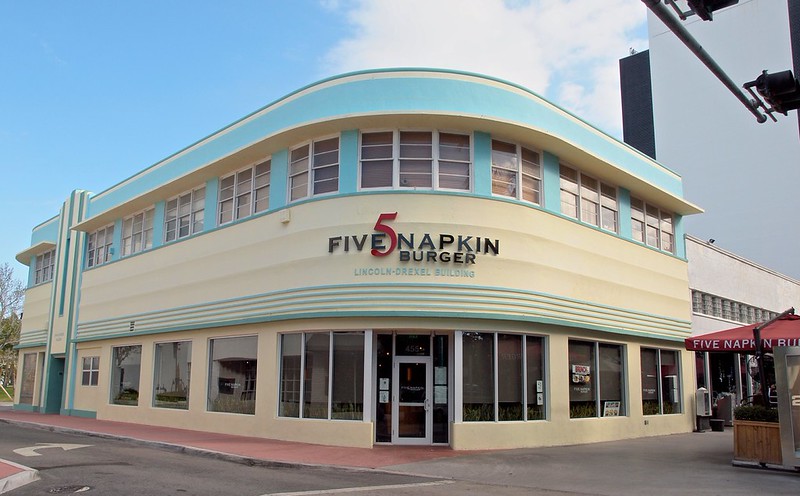
Before visiting Miami, I knew very little about Art Deco architecture. That changed as soon as I began walking through Miami Beach and saw its curved corners, geometric details, pastel façades, porthole windows, and glowing neon signs.
These playful buildings make even an ordinary walk feel like part of the sightseeing. Hotels and apartment blocks around Ocean Drive and Collins Avenue display some of the area’s most recognizable examples.
You do not need to be an architecture expert to appreciate them. Simply wandering through the district and spotting the different designs is one of the most enjoyable ways to experience Miami Beach.
Art Deco Welcome Center: Begin Your Architecture Walk Here
The Art Deco Welcome Center at 1001 Ocean Drive is a helpful first stop if you know little about Miami Beach’s famous architectural style. Located beside Lummus Park, the center contains the Art Deco Museum and provides information about nearby landmarks, tours, and local attractions.
Spend some time learning about the shapes, colors, materials, and decorative patterns used across the district before heading outside to see the buildings for yourself. A guided walking or bicycle tour can also reveal details that are easy to miss during a casual stroll.
Some Art Deco buildings worth adding to your Miami Beach route include:
- Colony Theatre, Lincoln Road: This carefully preserved theatre still operates as a performing arts venue. Its bold signage, curved exterior, and retro appearance make it one of Lincoln Road’s most recognizable buildings.
- Cavalier Hotel, Ocean Drive: The blue exterior is decorated with detailed patterns beneath the windows. Architect Roy France reportedly drew inspiration from ancient cultures, which may explain the building’s geometric ornamentation.
- Park Central Hotel, Ocean Drive: This blue building features rounded windows that resemble ship portholes. Several elements are arranged in groups of three, a design approach often linked with Art Deco architecture.
- Señor Frog’s, Collins Avenue: This building once housed an elaborate cafeteria during the 1940s. It later became a well-known Miami Beach bar, but its decorative exterior still makes it worth viewing from the street.
- The McAlpin, Ocean Drive: The hotel’s white exterior is accented with soft pink and green details. Its balanced shape and matching sides make it an excellent example of the symmetry often used across the district.
- The Breakwater, Ocean Drive: This was one of my favorite buildings in Miami Beach. Its purple frontage and central tower lined with neon lights create a striking appearance after dark. The hotel reportedly contains 99 boutique rooms.
Ocean Drive: Miami Beach’s Famous Seafront Street
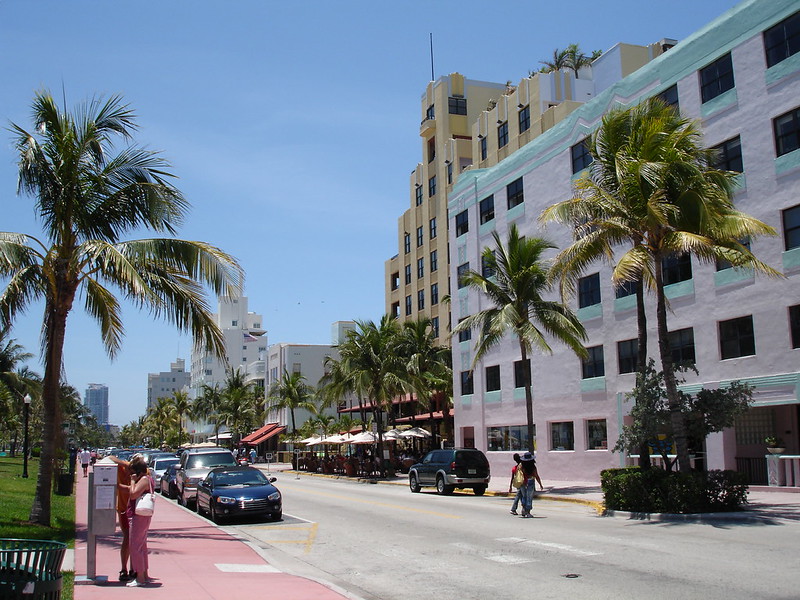
Ocean Drive is difficult to miss, especially while following the Art Deco buildings beside Lummus Park. The street is lined with historic hotels, beach shops, cafés, restaurants, and bars serving oversized cocktails.
It remains busy throughout the day, but the atmosphere changes after sunset. Neon signs illuminate the façades, music flows from the bars, and outdoor tables fill with people. Even if nightlife is not part of your plan, an evening walk offers a memorable look at Miami Beach after dark.
Lincoln Road: Cafés, Restaurants, and People-Watching
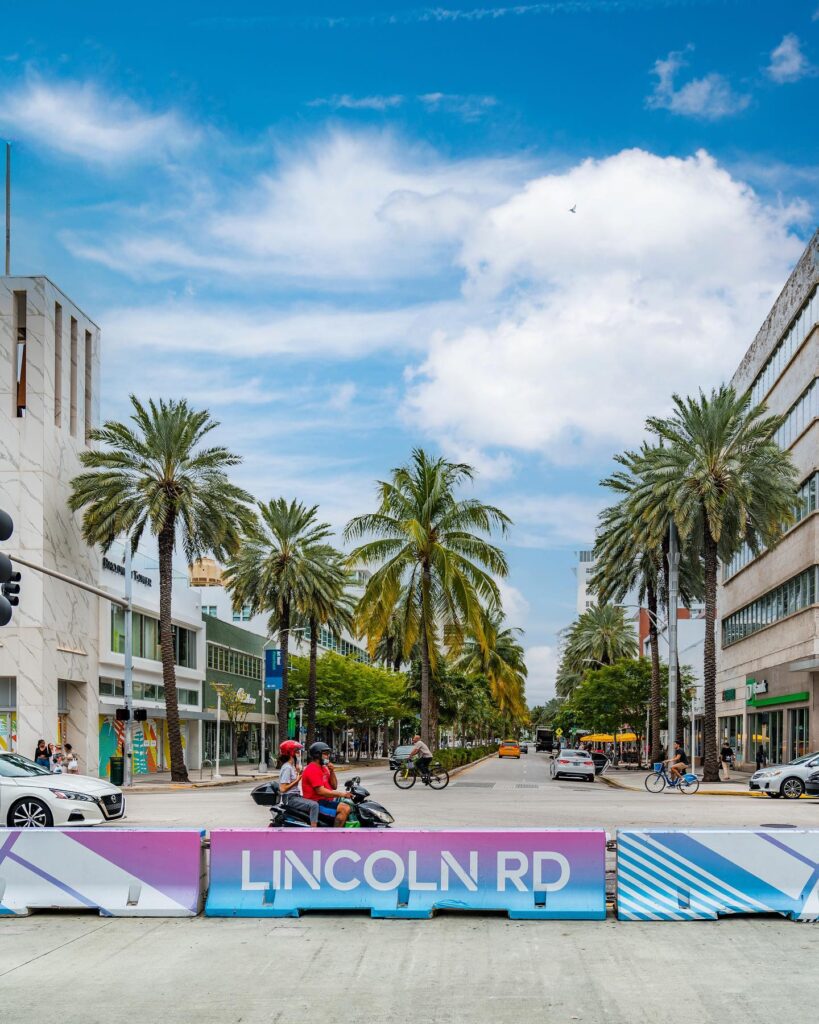
After walking along Ocean Drive, continue to Lincoln Road for a slower part of the afternoon. This broad pedestrian street has plenty of outdoor seating, making it a convenient place to rest after several hours of sightseeing.
Restaurants serve Latin American, European, Middle Eastern, and American dishes, while cafés offer coffee, desserts, and light meals. Many of the shops belong to international chains, so I found Lincoln Road better for dining and people-watching than for browsing independent boutiques.
South Pointe Park: End Your Miami Trip by the Water
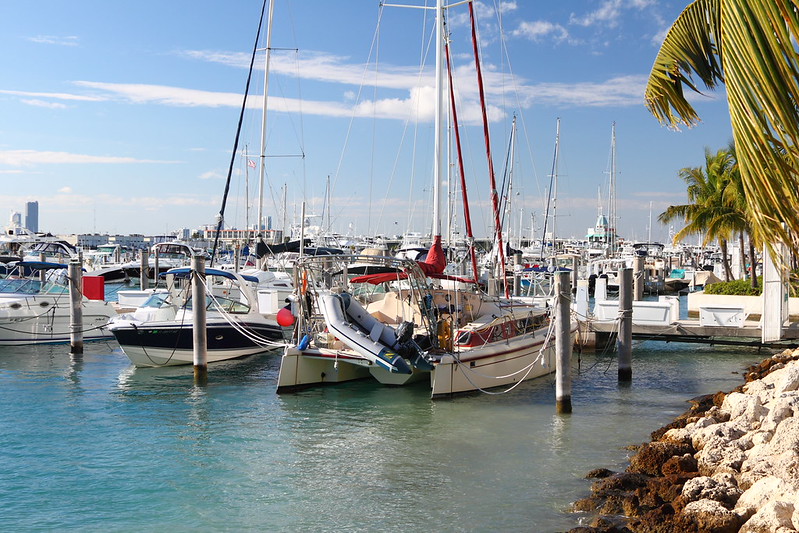
Following Ocean Drive south eventually brings you to South Pointe Park at the end of Miami Beach. The park has paved walking paths, grassy areas, waterfront viewpoints, and access to South Pointe Beach.
You can stop for coffee or a shake near the park before watching boats pass through Government Cut. For a more celebratory ending, order a drink on the outdoor terrace at Smith & Wollensky and enjoy the waterfront scenery as your two days in Miami come to a close.
Affordable Places to Eat During a 2-Day Miami Trip
Miami Beach is known for high restaurant prices, and my experience confirmed that reputation. Dining costs can rise quickly, especially around Ocean Drive and other heavily visited areas.
I did not spend much time in luxury restaurants, but I found several casual spots that worked well for a smaller travel budget. These affordable cafés, takeaways, and relaxed eateries are useful additions to a 2 day Miami itinerary when you want good food without paying premium beachfront prices.
Budget-Friendly Places to Eat in Miami Beach
- Sriracha House – This casual Asian café on Washington Avenue was one of my favorite affordable places to eat in Miami Beach. You can build your meal by choosing egg, rice, glass, udon, or whole wheat noodles, or pick jasmine or brown rice instead. After that, add meat, shrimp, or a plant-based protein along with vegetables and your preferred sauce.I ordered the Vietnamese green coconut milk curry, though the menu also featured interesting options such as Mongolian tamarind and Taiwanese oyster sauce. My lunch cost around $11, which felt inexpensive compared with many other Miami Beach restaurants.
- Hiro’s Sushi Express – I enjoyed this South Beach sushi spot so much that I ate there twice during my two-day trip. The sushi was flavorful, filling, and reasonably priced. You can dine inside, order takeaway, or have your meal delivered through Uber Eats.
Upscale Dining in Miami Beach
Travelers who want to enjoy a more polished meal could visit The Local House. Although I did not dine there myself, I heard excellent comments about its brunch menu, which includes dishes such as caramelized banana pancakes, eggs Benedict, and creative breakfast plates served with cocktails.
For Cuban food in a lively setting, head to one of the Havana 1957 locations. The retro interiors and traditional menu make it an entertaining place to experience Miami’s Cuban influence. Try the ropa vieja with a mojito for a memorable meal during your two-day stay.
Where to Experience Miami Beach Nightlife
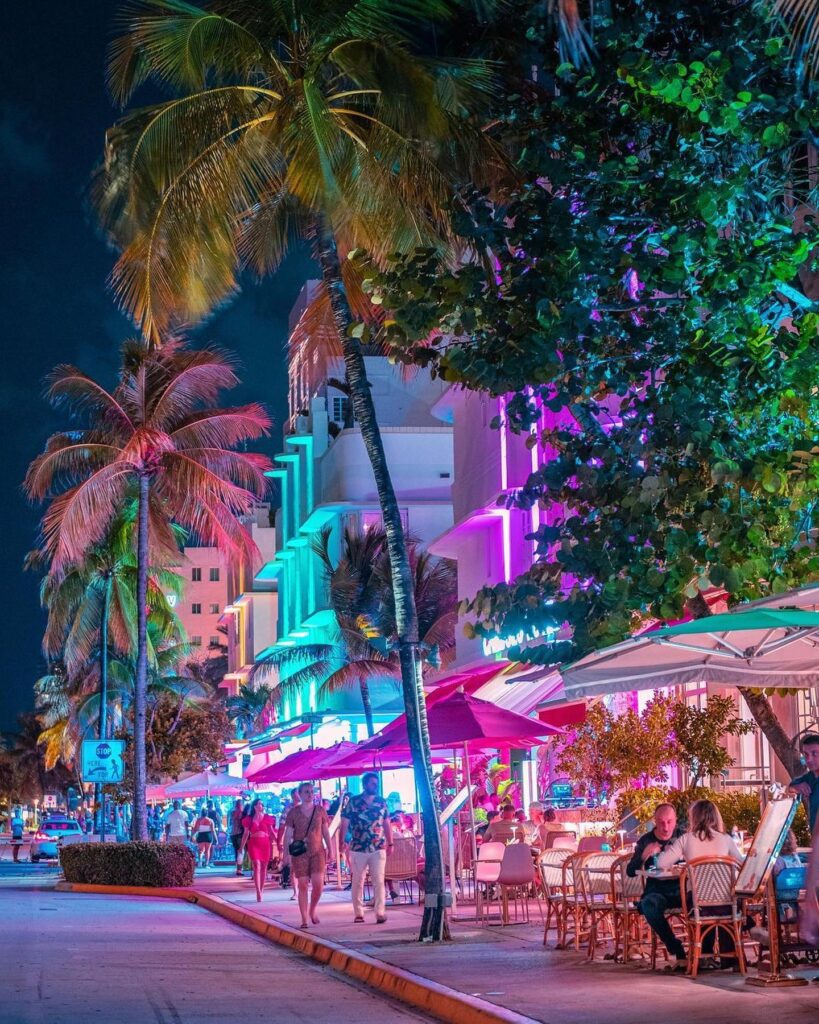
Miami Beach has no shortage of bars, clubs, live music venues, and late-night entertainment. For a full evening out, Twist South Beach is a well-known LGBTQ+ venue with several bars, drag performances, and DJs playing across different rooms.
For a night filled with Latin music and energetic performances, head to Mango’s Tropical Café. This long-running Miami Beach favorite is known for colorful shows, dancing, cocktails, and a lively atmosphere that continues late into the evening.
Best Day Trips to Add After Two Days in Miami
I only had two days in Miami, but an extra day would have opened the door to several memorable places beyond the city. From island roads and wildlife-rich wetlands to coral reefs and coastal boat rides, these trips can add a completely different side to your Florida experience.
- Key West and the Florida Keys: The Florida Keys form a chain of islands linked by the Overseas Highway. Key West sits at the southern end, roughly 90 miles from Cuba, and is known for colorful streets, waterfront views, historic homes, and a laid-back island mood. You can drive there independently or join a guided trip that may include snorkeling, sailing, or dolphin-watching activities.
- Everglades National Park: This vast protected landscape covers around 1.5 million acres of wetlands, mangroves, marshes, and slow-moving waterways. Wildlife may include alligators, turtles, manatees, birds, and the rarely seen Florida panther. Many tours from Miami combine transportation with an airboat ride and a guided look at the local ecosystem.
- Biscayne National Park: Located south of Miami, Biscayne National Park is largely covered by water. Coral reefs, mangrove shorelines, islands, and clear coastal areas make it a strong choice for boat tours, snorkeling, and wildlife spotting. Depending on the day, you may see dolphins, sea turtles, rays, or tropical fish.
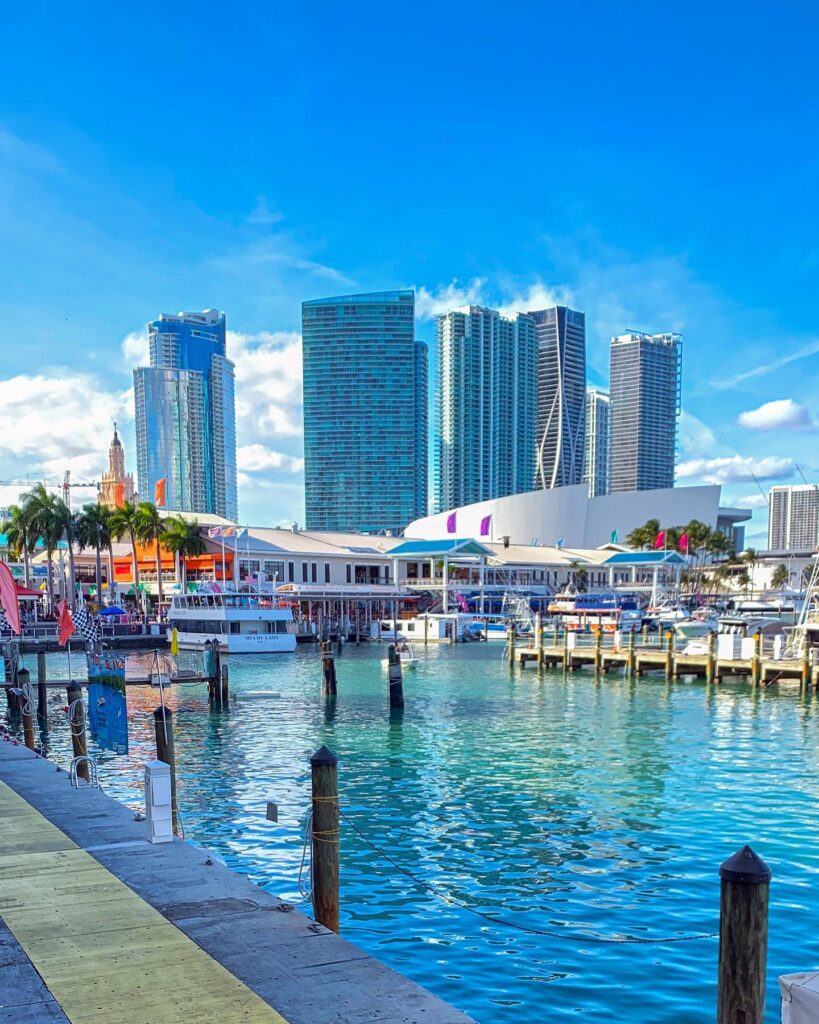
- Boat Tours from Bayside Marketplace: Bayside Marketplace is a waterfront shopping and dining complex that also serves as a departure point for sightseeing cruises. Many boats travel past the Venetian Islands and the luxury homes along Millionaire’s Row. Some basic cruises have previously started near $20, though prices depend on the operator and tour length.
Choosing the Right Season for a Miami Getaway
Miami enjoys warm temperatures and plenty of sunshine throughout the year, but the travel experience changes with the seasons. The busiest period generally runs from November through April, when visitors arrive to escape colder weather elsewhere.
Hotels, beaches, and major attractions can become especially crowded during Christmas, New Year, and spring break. Accommodation prices may also be higher during these popular months.
June through October brings hotter, more humid weather and a greater chance of rain. During my October trip, most days were bright and sunny, although the sudden tropical showers were intense. One downpour left me stranded inside an expensive café where almost everything was beyond my budget!
Helpful Advice Before Visiting Miami
- Prepare for Spanish conversations: Spanish is spoken widely in neighborhoods such as Little Havana. Downloading Google Translate or carrying a small Spanish phrasebook may help with menus, directions, and everyday conversations.
- Pack for heat and strong sunshine: Miami can feel hot and humid, so bring sunscreen, a sun hat, sunglasses, and lightweight clothing.
- Use cafés for free Wi-Fi: McDonald’s, Starbucks, and many local cafés usually provide complimentary internet access, which is useful for checking maps or transportation routes.
- Be cautious after dark: Avoid walking alone along quiet stretches of beach at night. It is also sensible to stay on well-lit streets and avoid unfamiliar parts of Downtown Miami after sunset.
- Consider a sightseeing pass: Travelers planning to visit several paid attractions may save money with a one-, two-, three-, or five-day Miami sightseeing card. Compare the included attractions with your itinerary before purchasing.
Related Post: