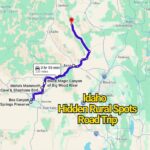
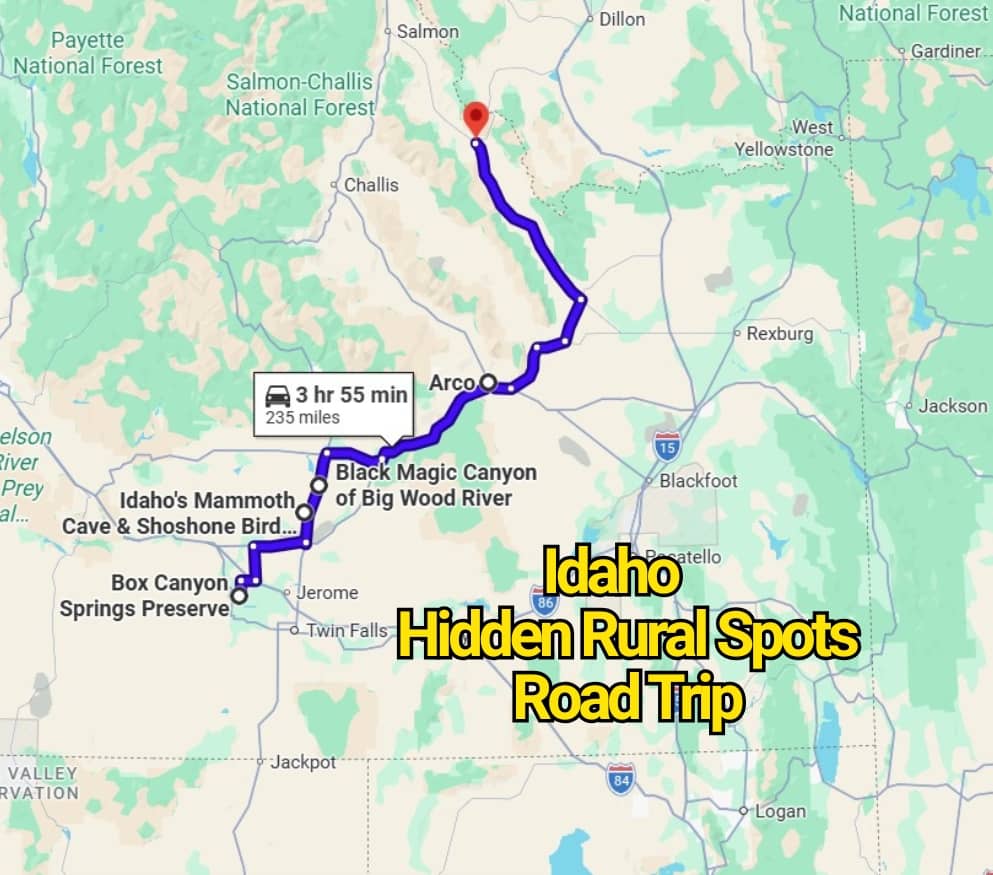
Idaho’s famous mountains and national parks may get most of the attention, but the state’s quieter backroads hold some of its most surprising places. Far beyond the busy tourist stops, small towns, unusual landscapes, forgotten historic sites, and peaceful rural corners wait along roads many travelers pass without a second thought.
This Idaho road trip map takes you away from the standard routes and into parts of the state that feel almost untouched. You may find lava fields, remote canyons, old mining communities, hidden springs, roadside landmarks, and wide-open valleys where the scenery stretches for miles.
The journey is less about rushing between major attractions and more about seeing the side of Idaho that rarely appears in travel guides. Pack snacks, fill the gas tank, and prepare for a road trip filled with quiet roads, unexpected stops, and rural places you may never have heard of before.
1. Birch Creek Charcoal Kilns, Near Leadore: Idaho’s Forgotten Industrial Relics
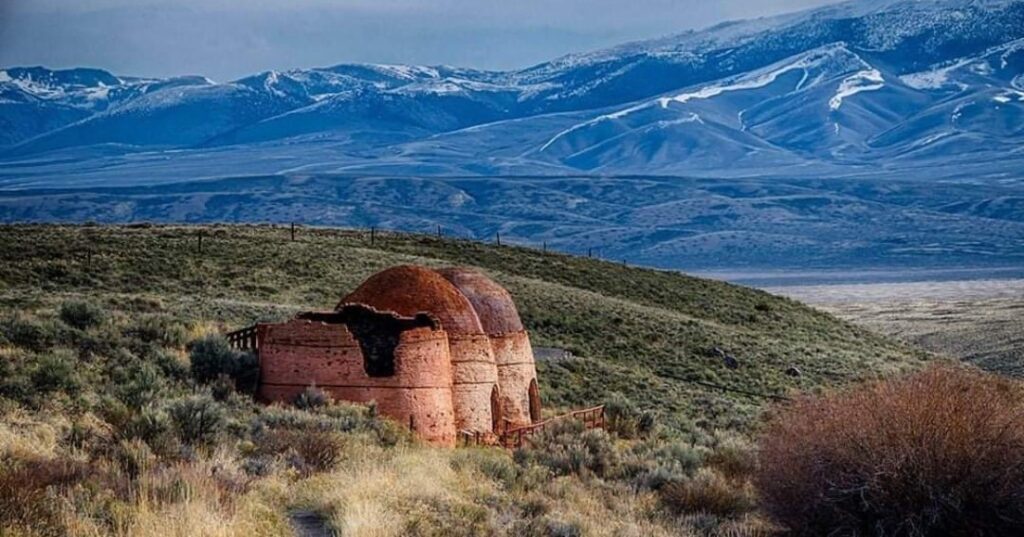
Far beyond Idaho’s busier highways, the Birch Creek Charcoal Kilns rise from an open stretch of land near Leadore. Their rounded stone shapes look almost out of place against the empty valley, making this roadside stop feel both eerie and fascinating.
The kilns were built during the late 1800s to turn timber into charcoal for ore-smelting operations at the nearby Nicholia Mine. Each dome measures roughly 20 feet across and 20 feet high, so they are easy to recognize long before you reach them.
Today, these weathered structures offer a rare look at Idaho’s mining past. The remote setting, wide skies, and surviving masonry make the site a memorable first stop for travelers following the state’s lesser-known rural roads.
2. Experimental Breeder Reactor-I Atomic Museum, Near Arco: Where Nuclear History Changed America
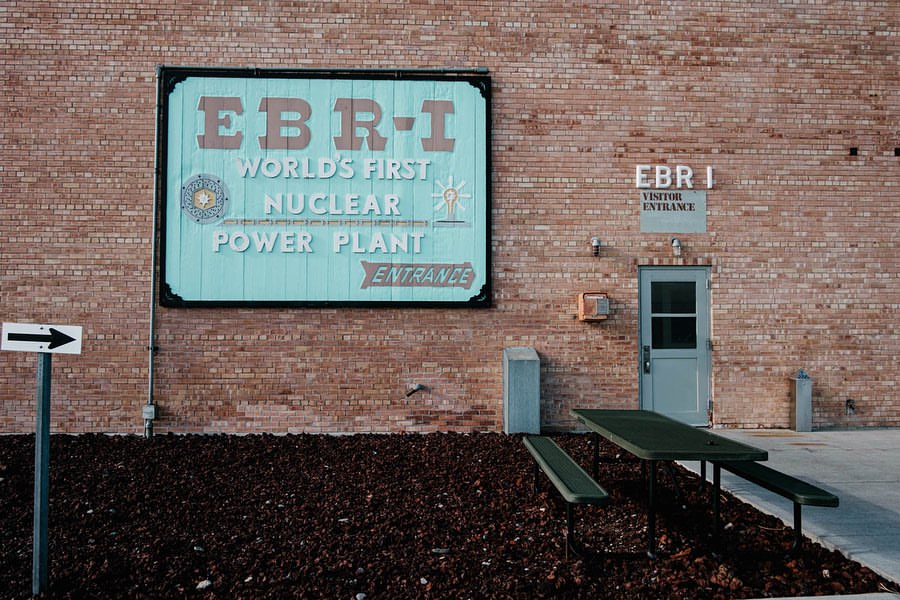
About 18 miles outside Arco, the Experimental Breeder Reactor-I Atomic Museum marks one of Idaho’s most surprising historic sites. The isolated building may look plain from the road, yet the experiments conducted here helped reshape how people understood nuclear energy.
EBR-I became the first nuclear reactor to produce usable electricity in 1951. Visitors can walk through the former facility, examine control equipment, see early reactor components, and learn how scientists generated power during the opening years of the atomic age.
The museum is also connected to Arco’s unusual claim as the first city powered by atomic energy. Because the attraction operates seasonally, check the Idaho National Laboratory’s current visitor information before adding this stop to your road trip
3. Mammoth Cave, Shoshone: Walk Through an Ancient Idaho Lava Tube
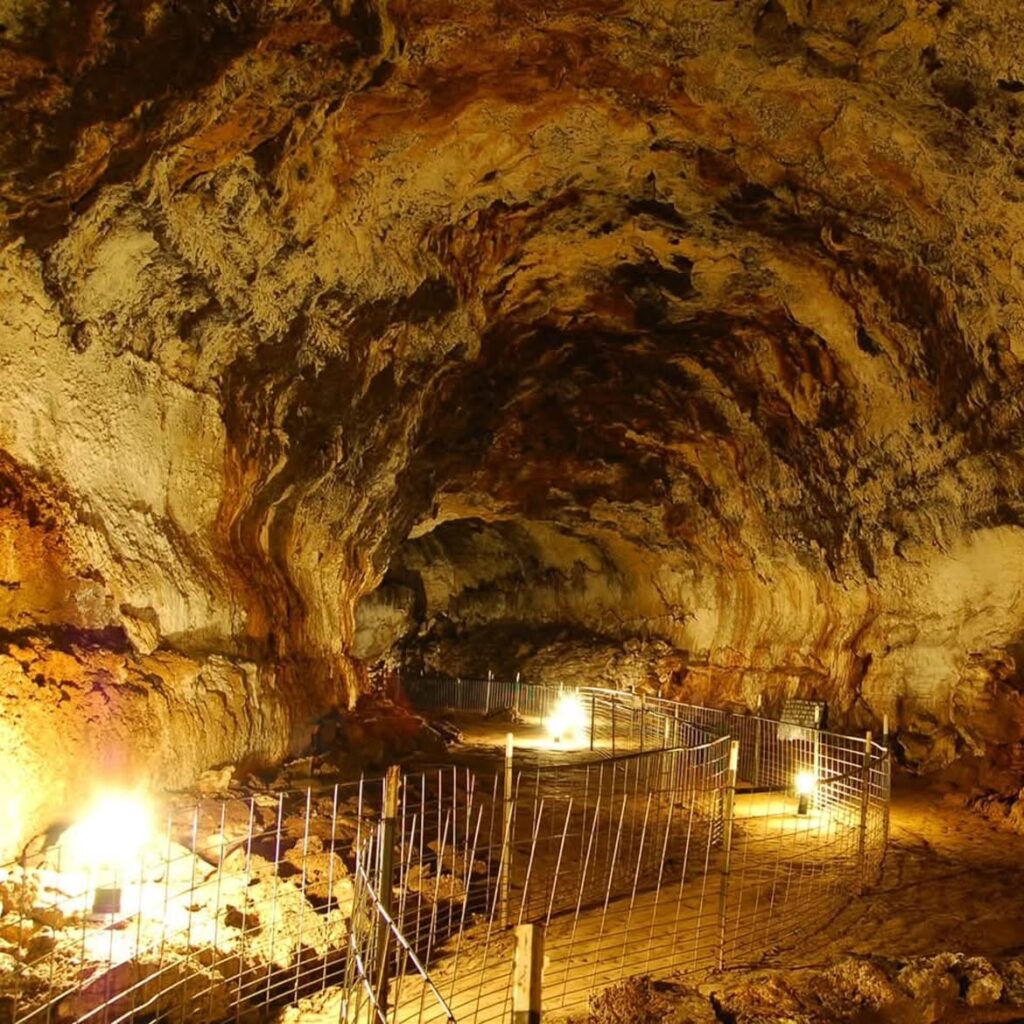
Mammoth Cave near Shoshone offers a striking underground break from Idaho’s open highways and rural scenery. Formed by volcanic activity, this broad lava tube carries visitors beneath the rocky landscape into a dark passage shaped thousands of years ago.
A self-guided journey through the cave covers roughly half a mile round trip. The ground can be uneven, and the interior stays cool even during warmer months, so sturdy shoes and an extra layer are useful. Bring a dependable flashlight as well, since natural light quickly fades after entering the tunnel.
Allow additional time for the Shoshone Bird Museum and the Richard Arthur Olsen Museum of Natural History, both located at the site. These small collections add fossils, wildlife displays, and regional history to the underground experience.
Mammoth Cave operates seasonally, and access hours may change. Check the attraction’s official website before driving to this remote stop.
4. Black Magic Canyon, North of Shoshone: Idaho’s Twisted Volcanic Passage
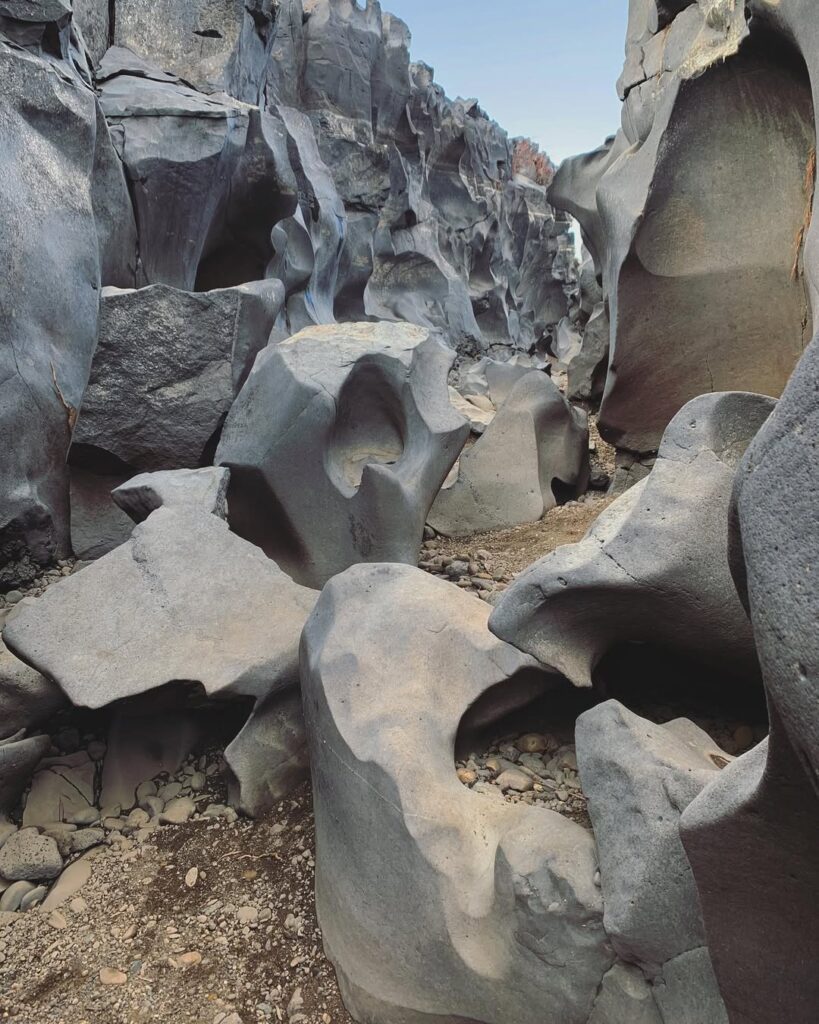
Black Magic Canyon lies just north of Shoshone, hidden within a stark stretch of Idaho’s lava country. Its dark rock walls bend into strange curves, narrow channels, and wave-like formations carved by centuries of rushing water.
Reaching the canyon requires a hike across rough volcanic ground, so sturdy footwear is essential. Inside, the passage can feel almost otherworldly, with polished basalt shapes twisting along the canyon floor and rising sharply on both sides.
Access depends heavily on water conditions. The Big Wood Canal Company diverts water through the canyon during parts of spring and summer, making the route unsafe or impossible to enter.
Travelers visiting between March and September should contact the canal company before arriving to confirm that the canyon is dry. Conditions may shift quickly, so never enter when water is flowing or storms are nearby.
5. Box Canyon, Wendell: A Turquoise Spring Beneath Idaho’s Desert
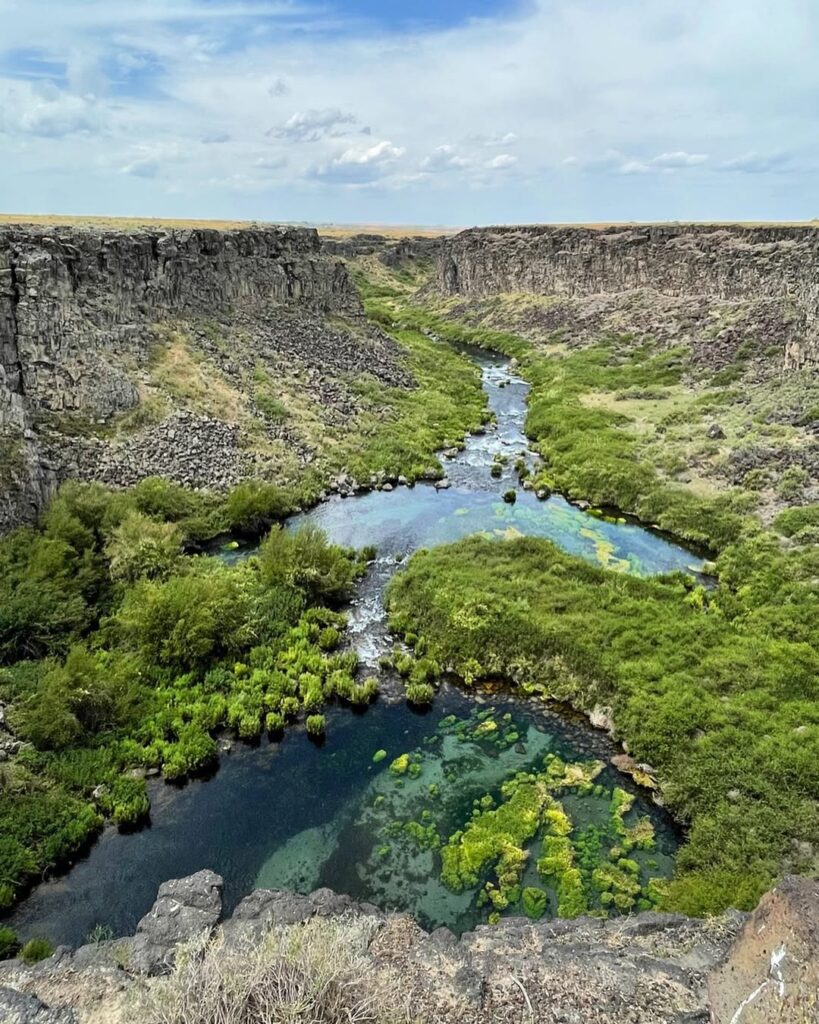
Box Canyon begins with a landscape that feels dry, open, and almost empty. From the trailhead, little suggests that bright blue water is hidden below the canyon rim.
The Box Canyon Trail leads across the desert before dropping into a deep gorge where clear turquoise water flows between steep rock walls. The contrast between the sunbaked terrain above and the cool spring below makes the hike especially memorable.
This canyon is fed by one of the largest natural springs in the United States, commonly ranked as the eleventh largest. Rocky sections and elevation changes can make the route challenging, so wear sturdy shoes and carry enough water for the return climb.
You may also like :