
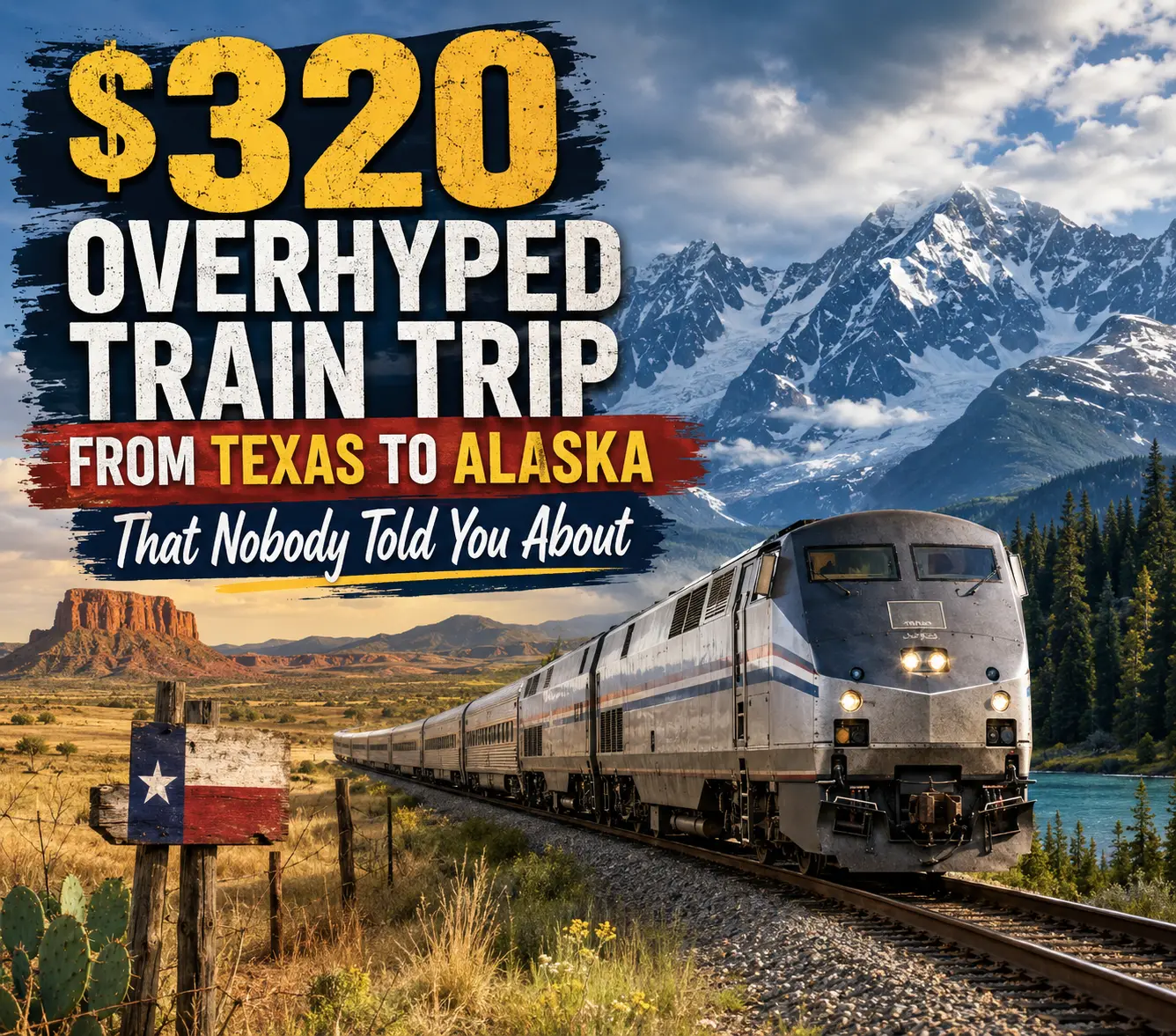
A $320 train journey from Texas to Alaska sounds almost impossible to ignore. The headline promises several days of sweeping scenery, comfortable seats, northern wilderness, and one of America’s greatest long-distance adventures for less than many travelers spend on a single flight.
There is just one important problem. No passenger train runs all the way from Texas to Alaska.
The journey can still be done as a rail-centered adventure, but it requires several separate services. You must cross the Lower 48 by Amtrak, reach Washington, transfer to the Alaska state ferry system, and then arrange additional transportation depending on where you want to go in Alaska.
That does not make the journey fake. It simply means the attractive $320 price tells only the first part of the story.
Why This Trip Became So Easy to Overhype
Train travel content often turns a complicated itinerary into one simple sentence. A writer finds a low coach fare from Texas to Washington, connects that journey mentally with Alaska, and suddenly the route becomes a “Texas to Alaska train trip.”
The reality is less tidy.
The train portion ends in Washington State. Alaska sits beyond Canada and has no passenger rail connection to the continental United States. Travelers who refuse to fly must continue by ferry, vehicle, or a combination of regional transportation services.
The $320 figure is best understood as a possible low-fare target for the Amtrak portion when cheaper coach seats are available. It is not a standard fare, and it certainly is not the total cost of reaching Alaska.
Once ferry tickets, meals, overnight stops, transfers, and Alaska transportation are included, the real budget becomes much larger.
The Most Practical Rail Route From Texas
For travelers beginning in Dallas, Fort Worth, Austin, or San Antonio, the Texas Eagle offers the most logical starting point. The train travels north through Texas, Arkansas, Missouri, and Illinois before reaching Chicago.
Chicago becomes the major transfer point.
From there, passengers can board the Empire Builder for the long westbound ride to Seattle. This section crosses Wisconsin, Minnesota, North Dakota, Montana, Idaho, and Washington. It is the part of the journey that delivers the grand scenery many travelers expect from a northern rail adventure.
The landscapes shift gradually rather than appearing all at once. Texas suburbs give way to farmland, rivers, prairie, mountain country, deep forests, and the cooler terrain of the Pacific Northwest.
After arriving in Seattle, travelers still have to reach Bellingham, Washington. Amtrak Cascades trains and connecting transportation serve the corridor, though schedules should be checked carefully before booking the entire journey.
Bellingham is where the Alaska portion truly begins.
The Missing Link Is a Ferry, Not a Train
The Alaska Marine Highway operates from Bellingham through the Inside Passage to communities in Southeast Alaska. Depending on the sailing, passengers may reach places such as Ketchikan, Wrangell, Petersburg, Juneau, Haines, or Skagway.
This is where the journey changes character.
For several days, railway tracks are replaced by coastal waterways. Instead of watching prairie and mountains from a train window, passengers see forested islands, narrow channels, distant peaks, fishing communities, and long stretches of open water.
The ferry is public transportation rather than a traditional cruise. Cabins may be available for an extra charge, but budget passengers often use indoor seating areas or permitted deck spaces, depending on the vessel and current rules.
The crossing can be memorable, but it is not included in a $320 Amtrak fare. That missing expense is one reason the viral version of this trip feels misleading.
What the $320 Price May Actually Cover
A low coach fare may cover the rail journey from Texas to Seattle or Bellingham when tickets are purchased early and the cheapest fare inventory remains available.
That price depends heavily on the departure city, travel date, connection, and demand. A passenger leaving from Dallas may receive a different quote than someone beginning in San Antonio. Holiday periods, summer travel, and last-minute reservations can push fares much higher.
The advertised price also assumes coach seating.
Coach is usually the only realistic option for travelers attempting to stay near the headline budget. Private rooms can cost several times more, especially when multiple long-distance trains are involved.
Food is another major omission. A journey lasting several days requires more than a few snacks. Café purchases, station meals, drinks, and restaurant stops during transfers can quietly add hundreds of dollars.
The cheapest ticket therefore represents transportation only. It does not represent the complete trip.
What Several Days in Coach Really Feel Like
Long-distance coach travel can feel comfortable during the first afternoon. Amtrak seats are generally wider than airline seats, passengers can move around the train, and large windows make the passing scenery part of the experience.
After the second night, the mood can change.
Sleeping upright is difficult for many people. Station announcements, passenger movement, changing temperatures, and irregular stops can interrupt rest. A delayed train can also turn a long connection into an anxious wait.
There are restrooms aboard the train, but they are shared by many passengers. Café selections may feel repetitive after several meals. Mobile service can disappear in rural regions, while onboard internet access may be limited or unavailable.
None of these issues ruins the journey. They simply challenge the polished version often presented online.
A four-day rail adventure is not the same as sitting beside a panoramic window for a few peaceful hours. It is an endurance trip mixed with extraordinary views.
The Scenery Is the Strongest Argument for Going
The route earns much of its reputation after Chicago.
The Empire Builder travels across the northern plains before entering Montana. Wide fields and enormous skies create a sense of distance that air travel cannot provide. Near Glacier National Park, the terrain becomes steeper, greener, and far more dramatic.
Washington brings another shift. Mountain ridges, rivers, forests, and smaller communities replace the open plains. By the time the train reaches Seattle, passengers have watched the geography of the country change one mile at a time.
The ferry adds a completely different landscape.
Southeast Alaska contains coastal forests, rocky shorelines, mountain-backed towns, and channels where wildlife may appear without warning. The view feels remote even when the vessel is approaching a working port.
This gradual transition from Texas heat to Alaska’s coastal environment is what makes the journey worthwhile. The scenery, rather than the bargain price, is the real product.
Arriving in Alaska Does Not Mean Reaching Anchorage
Many travelers use “Alaska” as though it were one destination. It is not.
A ferry arriving in Ketchikan, Juneau, Haines, or Skagway has reached Alaska, but it has not reached Anchorage, Denali, or Fairbanks. Southeast Alaska is separated from much of the state by mountains, water, and limited road connections.
Juneau, the state capital, is not connected to the continental highway system. Ketchikan is also separated from Alaska’s main road network. Reaching Anchorage may require a flight or a carefully timed seasonal ferry connection.
This distinction matters because many travelers imagine stepping off the ferry and immediately boarding the Alaska Railroad.
That is rarely how the itinerary works.
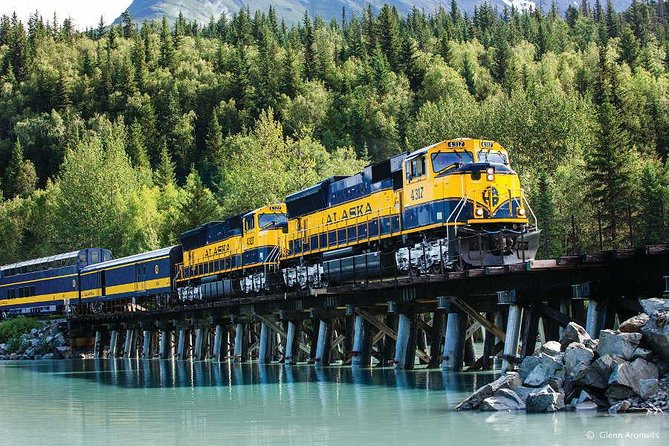
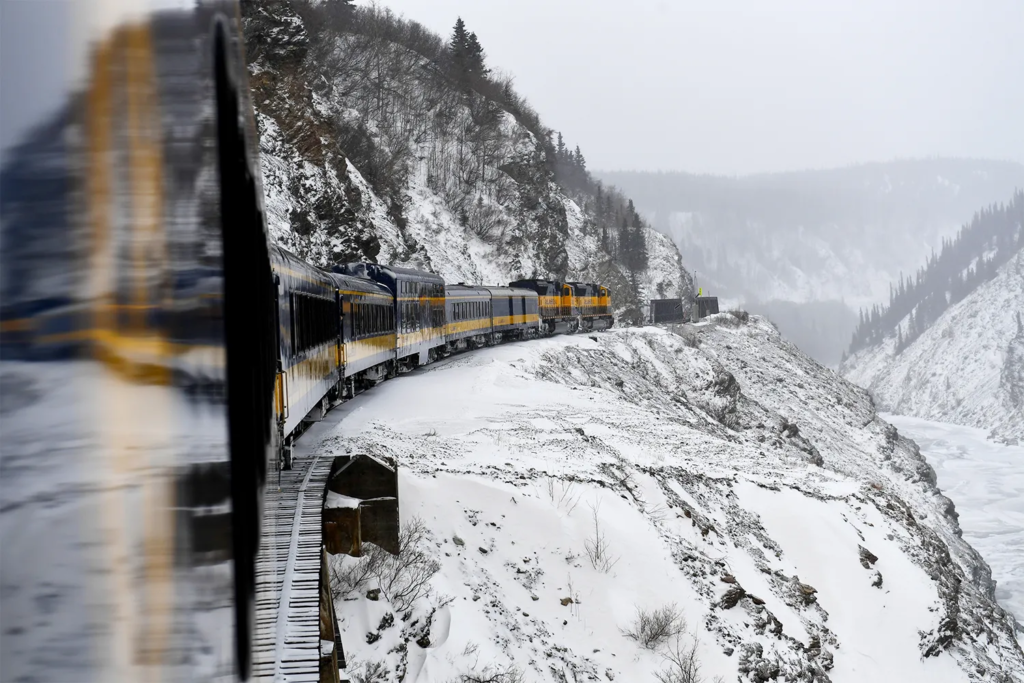
The Alaska Railroad serves communities within Southcentral and Interior Alaska, including Seward, Anchorage, Talkeetna, Denali, and Fairbanks. It is an impressive rail system, but it does not extend into Canada or connect with Amtrak.
Adding an Alaska Railroad trip creates another separate reservation and another major expense.
How the Alaska Railroad Fits Into the Adventure
Travelers who reach Anchorage can continue north on the Denali Star toward Talkeetna, Denali National Park, and Fairbanks. They can also travel south on the Coastal Classic toward Girdwood and Seward.
These routes provide the Alaska train experience most people picture.
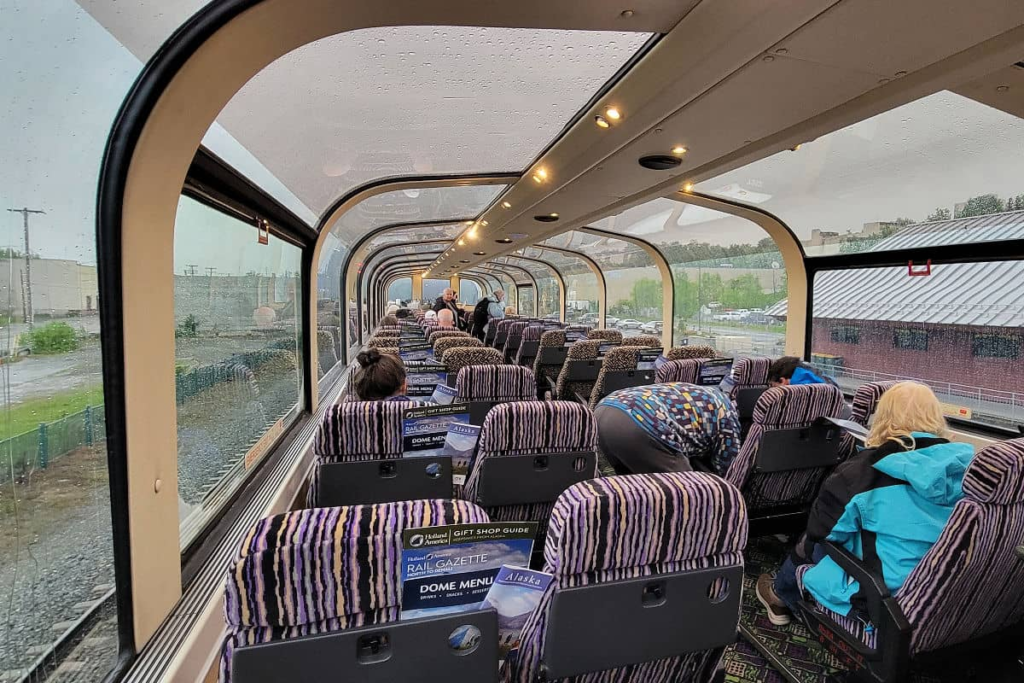
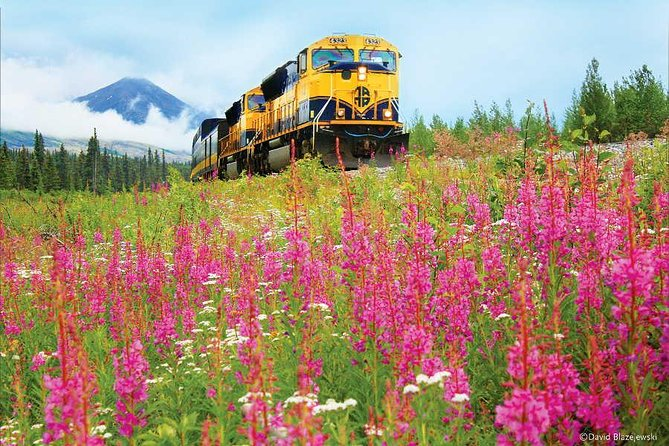
Large windows frame mountains, rivers, wetlands, and broad stretches of undeveloped land. Depending on the route and season, passengers may see glaciers, waterfalls, wildlife, or the high peaks surrounding Denali National Park.
However, the Alaska Railroad should be viewed as a second rail vacation rather than the final segment of one continuous train ticket.
Its fares are separate from Amtrak. Service levels vary by season, and some of the best-known trains operate mainly during the summer tourism period.
By the time a traveler adds the Alaska Railroad, the $320 headline has almost no connection to the final cost.
The Hidden Expenses Nobody Mentions
The first surprise is usually the ferry fare. Prices vary by destination, travel date, cabin selection, and whether a passenger brings a vehicle. A walk-on passenger will generally pay less than someone transporting a car, but the ticket can still exceed the original Amtrak fare.
The second surprise is accommodation.
Train and ferry schedules may not connect on the same day. A traveler could need a hotel in Chicago, Seattle, or Bellingham. Another overnight stay may be necessary after reaching Alaska.
The third expense is food. Bringing snacks helps, but carrying enough food for a multi-day train and ferry journey is difficult. Most travelers eventually purchase meals along the way.
Local transportation also matters. Stations, ferry terminals, airports, and hotels are not always beside one another. Rideshares, taxis, buses, and shuttles add smaller charges that become significant when repeated across several cities.
A traveler beginning with a $320 train ticket could easily spend well over $1,000 before adding major Alaska tours or private rail accommodations.
Why Booking the Cheapest Version Is Complicated
Cheap long-distance fares usually reward flexibility. Travelers may need to leave on a weekday, avoid summer peaks, accept long transfer times, and book months ahead.
One missed connection can damage the entire itinerary.
Amtrak connections booked as part of one reservation may provide more protection than separately purchased tickets. The ferry, however, belongs to a different transportation system. It will not automatically wait for a delayed train.
A cautious traveler may need to schedule an extra day in Washington before the ferry departure. That hotel night increases the budget, but it reduces the risk of losing a far more expensive reservation.
Ferry sailings can also be limited. Some communities receive service on specific days rather than through frequent daily departures. Maintenance, weather, and seasonal scheduling can affect availability.
This is not a journey that should be assembled through optimistic guesses.
What to Expect on the Texas Eagle
The Texas Eagle begins the trip at a gentle pace. Passengers leaving from San Antonio, Austin, Fort Worth, or Dallas travel through a mixture of city corridors, small communities, farmland, and wooded countryside.
Coach seats recline and normally include access to electrical outlets. Passengers can walk between permitted cars and purchase food from onboard service areas.
The atmosphere is slower than flying. There are no security lines comparable to major airports, and downtown stations can make departure feel more straightforward.
However, long-distance trains share tracks with freight traffic across much of the country. Delays can occur, sometimes adding hours to an already long trip.
Anyone booking a tight connection should understand that the published arrival time is a schedule, not a promise.
The Chicago Transfer Changes the Journey
Chicago Union Station is where the route turns from a long domestic train ride into a northern expedition.
Depending on the schedule, travelers may have enough time to eat, stretch, recharge devices, and purchase supplies before boarding the Empire Builder. A longer layover can feel inconvenient, but it may be welcome after spending a night or more in coach.
The Empire Builder then carries passengers toward the Upper Midwest and northern Rocky Mountains.
This segment is often more visually rewarding than the earlier Texas portion. The scenery becomes broader, quieter, and increasingly remote. The train also includes lounge areas on many departures, giving passengers a better place to watch the landscape than a standard coach seat.
The journey remains tiring, but this is where the reason for choosing rail becomes clear.
Is the Trip Really Overhyped?
The answer depends on what the traveler believes before leaving.
It is overhyped as a $320 train ride directly from Texas to Alaska. That journey does not exist as a single train, a single ticket, or a predictable $320 vacation.
It is also overhyped when presented as an easy alternative to flying. The route requires several days, multiple reservations, carefully timed transfers, and a much larger total budget.
Yet the experience itself is not overrated.
Few trips allow passengers to watch so much of North America change at ground level. The route combines Texas, the Midwest, the northern plains, the Rocky Mountains, the Pacific Northwest, and Alaska’s Inside Passage.
The problem is not the adventure. The problem is the headline used to sell it.
Who Will Actually Enjoy This Journey
This route suits travelers who value movement, scenery, and unusual transportation as much as the destination. It works best for people with flexible schedules and enough patience to handle delays.
It may also appeal to photographers, railway enthusiasts, solo travelers, and visitors who dislike rushing between airports.
The trip is less suitable for anyone with a strict vacation window. Families with very young children may also find multiple nights in coach difficult. Travelers who need dependable internet access could struggle across remote sections.
Anyone expecting luxury at a bargain price will probably feel disappointed.
Anyone expecting a demanding overland adventure may remember it for years.
How to Make the Journey Worth the Cost
The strongest version of this trip accepts that cheap and comfortable rarely arrive together.
Travelers can reduce costs by booking early, choosing coach, bringing food, avoiding peak dates, and leaving buffer time before the ferry. However, cutting every expense can make the journey unnecessarily exhausting.
A hotel night in Washington may be worth more than the money saved by risking a same-day connection. A cabin on the ferry may provide better rest before reaching Alaska. A sleeper for one section of the Amtrak journey may make the remaining coach nights easier.
The best plan balances cost with physical comfort rather than chasing the lowest possible number.
A trip that costs $900 and feels manageable may offer better value than a $500 version remembered mainly for fatigue.
Final Thoughts
The $320 train trip from Texas to Alaska is one of those travel ideas that becomes less believable the closer you examine it.
There is no direct railway linking the two states. The Amtrak journey ends in Washington, the ferry carries passengers into Southeast Alaska, and the Alaska Railroad operates as a separate system farther north.
The complete journey can still be extraordinary. It crosses an enormous section of the continent without requiring the traveler to drive. It replaces airport speed with changing landscapes, long conversations, quiet observation, and a growing sense of distance.
Just do not book it because a headline promised Alaska for $320.
Book it because you are willing to spend several days watching North America unfold, knowing that the true cost will be higher and the route far more complicated than the viral version suggests.
The $320 fare is the hook. The slow journey, imperfect connections, and unforgettable scenery are the real story.