New York to Oregon by Train for Around $215
The idea sounds almost too good to question. Leave the towers of New York City behind, cross the entire northern half of the United States, pass mountains and rivers, and arrive in Oregon for roughly $215.
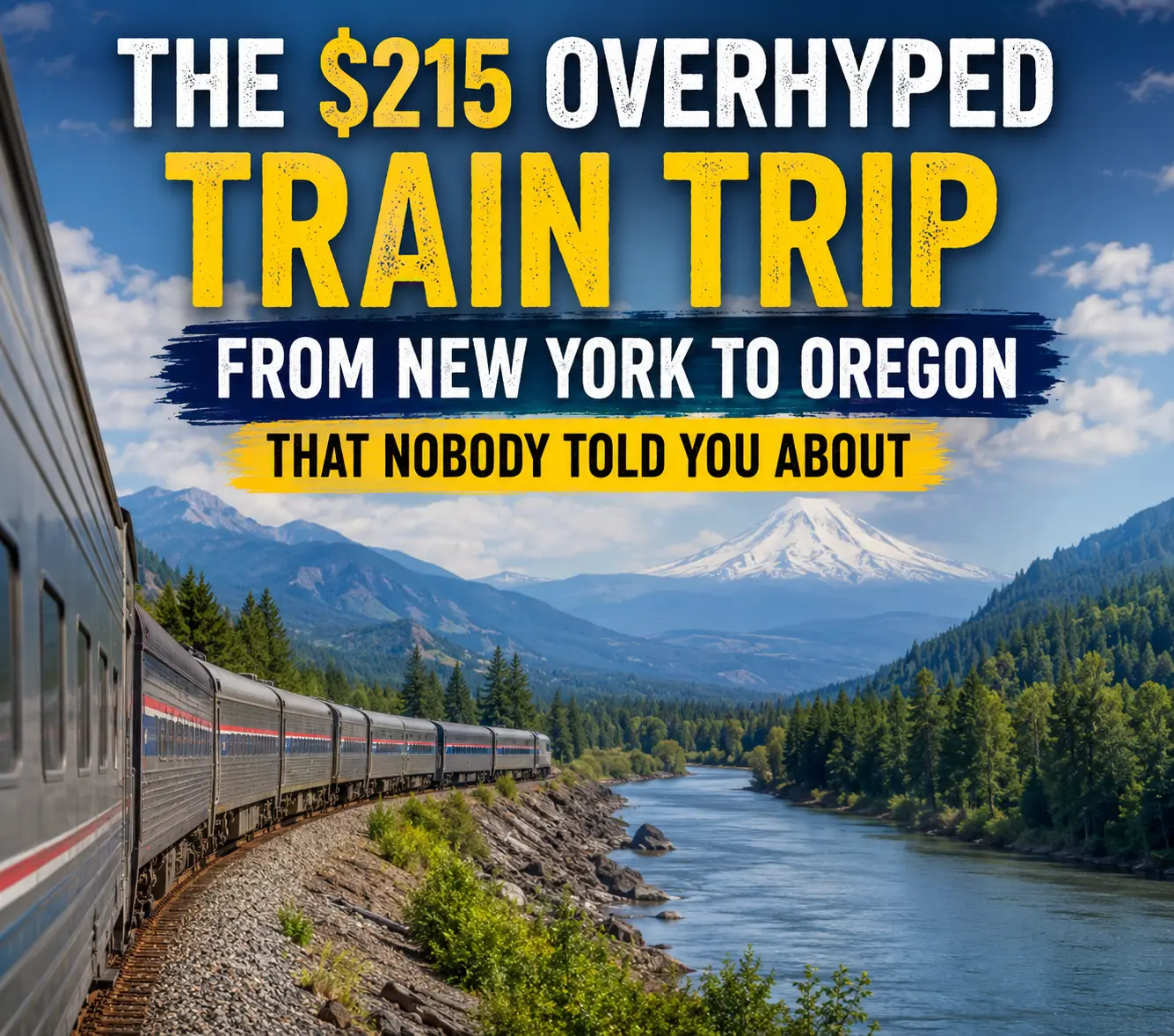
Social media turns this journey into a rolling hotel with endless window views. Videos show quiet mornings beside the Hudson River, glowing sunsets over Montana, snowy peaks near Glacier National Park, and the Columbia River guiding the train into Portland.
What those videos rarely show is the passenger trying to sleep upright for another night, the expensive café meals, the uncertain Chicago connection, or the hours spent crossing flat country after darkness hides the scenery.
The New York-to-Oregon train trip can be memorable. However, the famous $215 price does not buy the polished rail vacation many travelers imagine. It usually buys a coach seat on two long-distance Amtrak trains, more than 3,000 miles of track, several nights without a real bed, and a schedule that requires patience.
That does not make the trip bad. It simply means the truth is far more interesting than the viral version.
Why This Train Trip Sounds Better Online
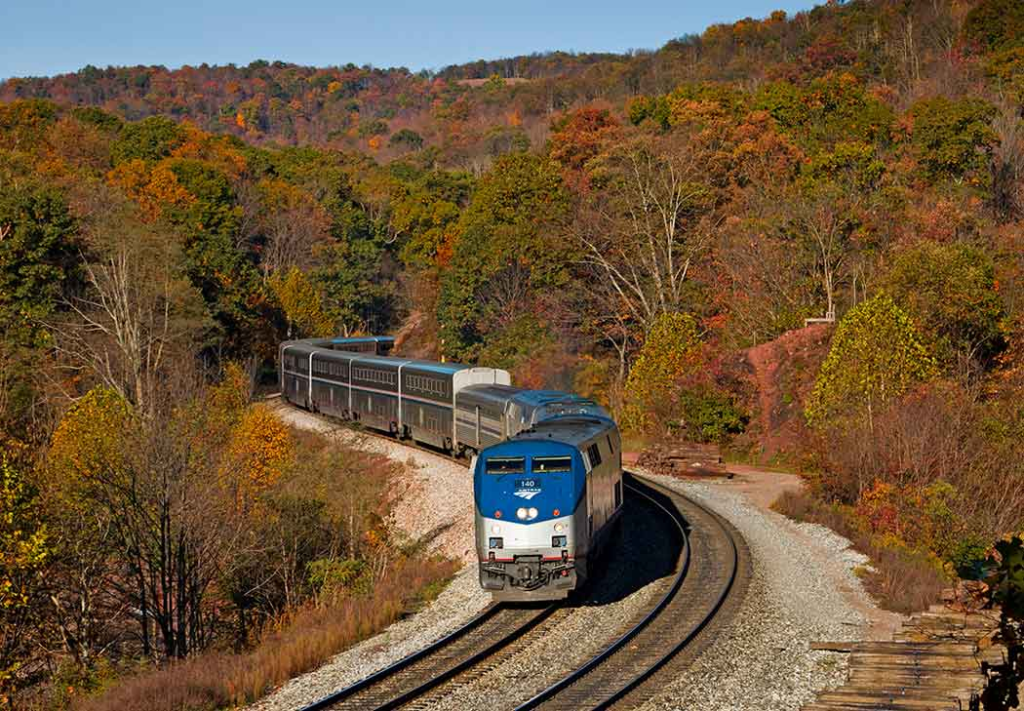
Rail travel content often focuses on the most dramatic minutes of a journey that lasts several days. A creator may record Glacier National Park, the Columbia River Gorge, or a bright sunrise from the lounge car. The long nighttime stretches, crowded seats, station delays, and tired passengers rarely make the final edit.
The phrase “New York to Oregon for $215” also makes the journey sound like one direct train. It is not. Travelers generally ride from New York City to Chicago before transferring to another train bound for Portland.
That transfer changes the experience. You are not simply settling into one seat and staying there until Oregon. You must leave the first train, manage your luggage, spend time inside Chicago Union Station, and board a second train for the much longer western section.
The route deserves attention, but it should be understood as an endurance trip with scenic rewards rather than a cheap moving hotel.
The Real Train Route From New York to Oregon
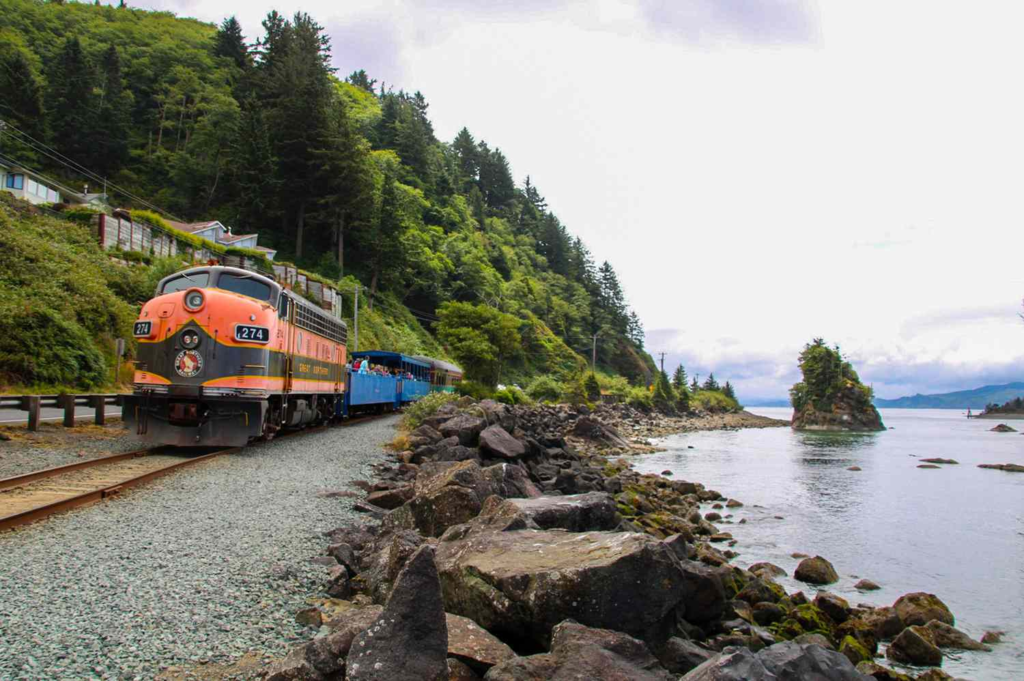
The most practical Amtrak itinerary begins at Moynihan Train Hall in New York City. From there, the Lake Shore Limited carries passengers to Chicago. After the Chicago connection, the Portland section of the Empire Builder continues through the Upper Midwest, Montana, Idaho, Washington, and Oregon.
The two main train rides involve roughly 65 hours onboard before connection time and possible delays are added. Under favorable conditions, the entire trip takes around three days. A late arrival, missed connection, or weather disruption can stretch it further.
This distinction matters because three days on a train feels very different from a three-hour flight. Time becomes part of the cost. Travelers may save money on the ticket while spending more on meals, snacks, transportation, and recovery after arrival.
The route works best for someone who treats the train itself as the destination. Anyone who only wants to reach Oregon cheaply may find that a flight provides better value once food and travel time are considered.
Leaving New York on the Lake Shore Limited
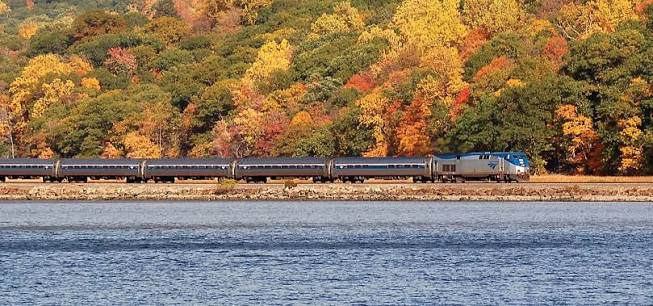
The first section begins with an impressive departure. The train leaves Manhattan and follows the Hudson River north through New York State. On a clear day, passengers may see riverfront towns, wooded hills, bridges, and open water beyond the windows.
After reaching the Albany area, the train turns west through the Mohawk Valley. It continues across upstate New York toward Buffalo before passing cities near the southern Great Lakes and entering the Midwest.
This portion lasts about 19 to 20 hours under the scheduled timetable. It provides a gradual transition from dense urban development to farmland, smaller cities, industrial areas, and wide rural spaces.
However, the scenery depends heavily on daylight. Seasonal sunset times and delays can determine whether a passenger sees a beautiful section or passes through it in darkness. A route map may promise hours beside lakes and rivers, but the window can become a black mirror after sunset.
That is one reason the journey sometimes feels overhyped. The train follows a scenic route, yet there is no guarantee that every celebrated landscape will appear during daylight.
Chicago Is the Most Important Part of the Journey
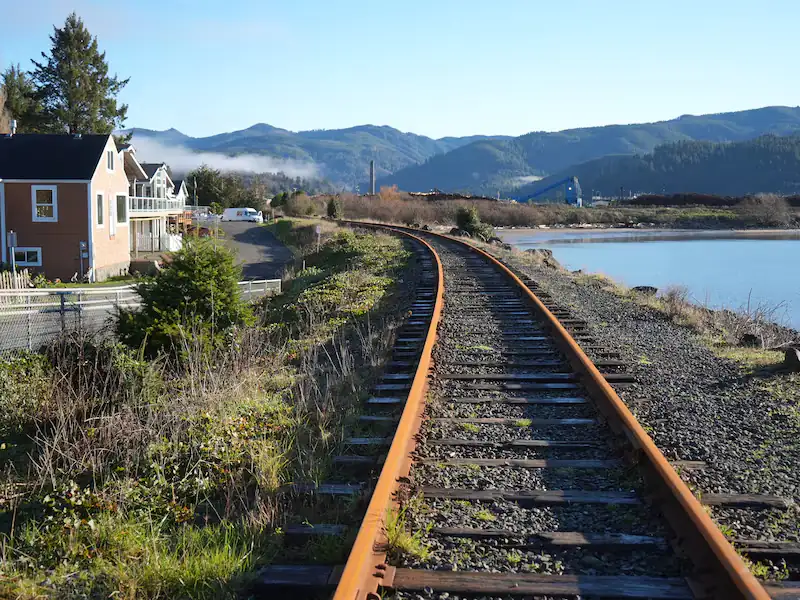
Chicago is more than a convenient midpoint. It is the part of the itinerary where the trip can either remain comfortable or become stressful.
The Lake Shore Limited arrives at Chicago Union Station, where passengers transfer to the Empire Builder. A scheduled connection may provide enough time to eat, stretch, charge devices, or briefly step outside. A late arrival can reduce that break.
Travelers should avoid creating an unofficial connection that leaves little room for disruption. Long-distance trains share tracks with other rail traffic and can lose time during the journey. A tight transfer may look efficient during booking, but it leaves little protection when the first train reaches Chicago late.
When Amtrak sells the journey as a protected connection on one reservation, it can provide more support if disruption affects the itinerary. Separately purchased tickets may create additional complications, especially when the traveler selected the connection without enough time between trains.
Chicago is also the best opportunity to buy fresh food at regular city prices. Relying entirely on the train café for the remaining journey can make the affordable ticket feel less affordable.
The Empire Builder Is Where the Trip Becomes an Adventure
The Empire Builder carries passengers from Chicago toward the Pacific Northwest. The train travels through Wisconsin, Minnesota, North Dakota, Montana, Idaho, and Washington before its western sections separate for Seattle and Portland.
The Portland section is the one New York-to-Oregon passengers need. After the train divides in Spokane, the Portland cars continue through eastern Washington and follow the Columbia River toward Oregon.
This second train accounts for most of the journey. Its scheduled trip from Chicago to Portland takes roughly 46 hours. That means passengers spend two nights onboard unless they interrupt the route with an overnight stop.
The early portion passes through the Midwest, including areas near the Mississippi River and the Twin Cities. North Dakota follows with open plains, agricultural land, and distant horizons. Montana brings the route’s most famous scenery as the train approaches the Rocky Mountains and Glacier National Park country.
The final approach to Portland follows the Columbia River through a broad landscape shaped by cliffs, hills, water, rail lines, and highways. This section often becomes one of the trip’s strongest visual moments.
The scenery is real. The problem is that travelers must remain comfortable and interested long enough to reach it.

Can the Entire Journey Really Cost $215
A $215 coach fare may appear for selected dates, but it should be treated as a low-price example rather than the normal cost of every departure.
Amtrak uses variable pricing. The fare can change according to travel date, demand, remaining seats, holidays, and booking conditions. Two passengers searching the same route for different weeks may see very different totals.
The lowest price normally applies to coach travel. It does not include a private room, a flat bed, complimentary sleeper meals, or a personal shower. It is simply transportation in a reclining seat.
Travelers have a better chance of approaching the advertised price when they book early, search several departure dates, avoid major holidays, and travel during quieter periods. Midweek journeys may sometimes cost less, although no specific day guarantees the lowest fare.
Separately pricing New York to Chicago and Chicago to Portland may reveal different options, but passengers should compare the risks carefully. A cheaper combination is not automatically better when it creates an unprotected or impractical connection.
The honest headline is that the journey can occasionally be found near $215. The misleading headline is that everyone can book it for that price whenever they decide to travel.
What Coach Class Feels Like After Several Nights
Amtrak coach seats are wider and provide more legroom than many airline economy seats. They recline, include tray tables, reading lights, and access to electrical outlets. There is no middle seat, and passengers can stand up and move through the train.
Those benefits feel significant during the first few hours. After the first night, comfort becomes more personal.
Some passengers sleep reasonably well with a neck pillow, blanket, eye mask, and noise-canceling headphones. Others struggle with announcements, movement, hallway traffic, temperature changes, and the challenge of sleeping at an angle.
A coach ticket does not provide access to a private shower. Restrooms are shared, and their condition may change as the trip continues. Passengers are responsible for keeping their personal space manageable while sharing the car with people following different schedules.
The seat may feel spacious compared with an airplane, but it is still a seat. Calling it a bed does not make it one.
Food Can Quietly Break the $215 Budget
The advertised ticket price rarely represents the full cost of the journey. Food is one of the easiest expenses to underestimate.
Long-distance trains generally provide café service where passengers can purchase snacks, meals, and drinks. The Empire Builder also carries traditional dining service, although access, availability, and meal arrangements can depend on accommodation and current operating policies.
Buying every meal onboard for three days can add a noticeable amount to the budget. Even inexpensive café purchases become costly when repeated at breakfast, lunch, dinner, and snack time.
Bringing food from New York and restocking in Chicago helps control spending. Shelf-stable meals, fruit, sandwiches, crackers, protein snacks, and a refillable water bottle can cover much of the journey without taking up excessive space.
Passengers should still leave room in the budget for a hot meal or unexpected delay. A bargain ticket feels less impressive when the traveler must spend heavily to remain comfortable.
The Scenery That Actually Lives Up to the Hype
The strongest argument for taking this trip is the changing landscape. Few forms of transportation reveal the scale of the United States so gradually.
New York begins with dense buildings, busy rail corridors, and Hudson River views. Upstate New York introduces valleys, waterways, and smaller communities. The Midwest brings fields, towns, factories, rivers, and broad horizons.
North Dakota feels almost exaggerated in its openness. The landscape may appear empty to some passengers, but its size helps create the sense that the train is moving across a continent rather than between two cities.
Montana changes the mood. Mountains begin rising beyond the plains, and the Empire Builder moves closer to Glacier National Park. Depending on direction, season, daylight, and delays, passengers may see forests, ridges, rivers, snowfields, and high mountain terrain.
After Spokane, the Portland section approaches the Columbia River. The journey follows the water west as cliffs and dry hills gradually give way to greener scenery near Portland.
These views justify the trip for many travelers. Still, they appear between ordinary stretches of track, nighttime travel, industrial areas, and hours when little changes outside the window.
Why Delays Matter More on This Route
A delay of one hour may feel minor during a short trip. On a cross-country itinerary, it can affect meals, sleep, connections, hotel reservations, and arrival plans.
Long-distance Amtrak trains operate across extensive rail networks where passenger service often shares tracks with freight traffic. Weather, mechanical issues, track work, congestion, and operational problems can all affect arrival times.
The New York-to-Chicago portion matters most because passengers need to connect with the Empire Builder. Travelers should book the route carefully and avoid scheduling an important meeting, expensive tour, flight, or cruise immediately after the expected Portland arrival.
A flexible arrival day removes much of the stress. The journey becomes easier to enjoy when every delay is not threatening the next reservation.
The train should be treated as transportation with an estimated arrival, not a promise that every minute of the published schedule will remain unchanged.
Is a Roomette Worth the Extra Cost
A roomette changes the entire character of this journey. Instead of trying to sleep in a coach seat, passengers receive a private space that converts into sleeping accommodations. Sleeping-car passengers also receive additional services and meal benefits associated with their reservation.
The improvement can be dramatic, but so can the price. A roomette may cost several times more than the cheapest coach fare, especially on popular dates. At that point, the trip is no longer a $215 budget adventure.
That does not mean the upgrade is poor value. For travelers who cannot sleep upright, need privacy, or want the rail journey to feel like a vacation, the roomette may be the difference between a memorable experience and an exhausting one.
The mistake is comparing the cheapest coach headline with the comfort shown in sleeper-car videos. They are two very different products.
How to Prepare Without Overpacking
A small comfort kit matters more than an oversized suitcase. A neck pillow, light blanket, eye mask, headphones, basic toiletries, clean layers, charging cables, portable battery, water bottle, and easy food can make coach travel far more manageable.
Downloaded entertainment is essential because internet and mobile service may weaken in rural areas. The Lake Shore Limited is listed among Amtrak routes offering Wi-Fi, but passengers should never rely on onboard connectivity for important work.
Clothing should handle temperature changes. A car that feels warm during the afternoon may become cool overnight. Shoes should be comfortable enough for walking through moving train cars and spending time inside stations.
Important medicine, documents, money, and electronics should remain in a personal bag near the seat. The journey allows generous baggage compared with many flights, but carrying more does not always improve the experience.
Who Will Love This Journey
This route suits travelers who enjoy slow movement, changing landscapes, train culture, and long stretches of unstructured time. It can be rewarding for photographers, writers, students, rail enthusiasts, and people who care more about the journey than quick arrival.
It also appeals to travelers who dislike airport security, cramped aircraft cabins, and the pressure of driving thousands of miles. The ability to stand, walk, read, watch the landscape, and speak with other passengers creates a different rhythm.
The journey becomes especially meaningful when it is treated as a rare cross-country experience rather than the cheapest possible way to reach Portland.
Who Should Skip It
A passenger who needs dependable arrival times may find this route frustrating. The same applies to travelers who cannot sleep in a chair, become restless after several hours, require constant internet, or expect luxury from a low coach fare.
Families with young children should think carefully about the length of the trip. The freedom to walk around helps, but several days in shared train spaces can still be demanding.
Travelers with only a short vacation may also regret spending so much of it in transit. A three-day train journey in each direction could consume most of a one-week trip.
There is no failure in deciding that flying is the better option. The train is valuable because it offers a different experience, not because it wins every price or time comparison.
A Better Way to Take the Trip
The smartest version of this journey may not be the fastest itinerary. Breaking the trip in Chicago gives passengers a real bed, a shower, fresh food, and time to recover before boarding the Empire Builder.
A longer stop in Montana can also turn the route into a fuller rail vacation. Instead of watching Glacier National Park country pass through the window, travelers can leave the train, stay nearby, and continue toward Portland on another day.
These stopovers increase accommodation costs, but they reduce the physical strain of remaining onboard for several days. They also protect the journey from becoming one long test of endurance.
The lowest-priced itinerary may win the headline. The better-paced itinerary often creates the stronger memory.
Final Thoughts
The $215 train trip from New York to Oregon is both overhyped and worth considering.
It is overhyped because the price is not guaranteed, the route requires a Chicago transfer, coach passengers sleep in seats, meals cost extra, delays are possible, and much of the journey is less dramatic than online videos suggest.
It is worth considering because few trips show the United States changing so slowly and clearly. The Hudson River gives way to upstate New York, the Great Lakes lead into the Midwest, the plains stretch toward Montana, the Rockies rise near Glacier country, and the Columbia River carries the journey toward Portland.
The real reward is not proving that you crossed the country for exactly $215. It is experiencing the scale of America without driving or rushing through the sky.
Book it for the scenery, the slowness, and the story. Do not book it because a viral headline made three nights in coach look like a luxury rail vacation.