The cost for an apartment in the Philippines varies greatly, typically ranging from PHP 10,000 to PHP 100,000 per month. Location, size, and amenities are key factors influencing the price.
The Philippines’ real estate market offers a diverse range of apartment options catering to various lifestyles and budgets. Major cities like Metro Manila, Cebu, and Davao boast luxurious apartments with high-end amenities that command higher rental prices. On the other hand, budget-friendly apartments can be found in provincial areas and the outskirts of urban centers.
Expats, digital nomads, and locals enjoy the flexibility of choosing from fully-furnished studios to multi-bedroom residences. With the Philippines’ growing economy and its appeal as a tourist destination, investing in an apartment here could be both a comfortable living choice and a savvy financial decision. Understand the local property landscape to secure an apartment that meets your needs and budget considerations.
Real Estate In The Philippines
The Philippines’ real estate market offers a diverse array of properties. From bustling city apartments to serene beachfront homes, investors and homebuyers are taking notice. Understanding the current trends and options can help in making an informed investment. Here’s an insight into the real estate landscape in the Philippines, focusing on the growth and types of properties available.
Growth Trends
The Philippines’ real estate sector has seen steady growth in recent years. This growth is driven by both local demand and international investments. The country’s growing economy, enhanced by a robust BPO sector, continues to boost the property market.
- Rising demand for mid to high-end condominiums
- Increased interest in commercial properties due to business expansion
- Government infrastructure projects improving accessibility
Types Of Properties Available
The range of properties in the Philippines caters to varying budgets and preferences. From the hustle of the city to a laid-back island life, there are options for different lifestyles.
| Type of Property | Description |
|---|---|
| Condominiums | Modern living spaces in high-rise buildings, mostly found in cities |
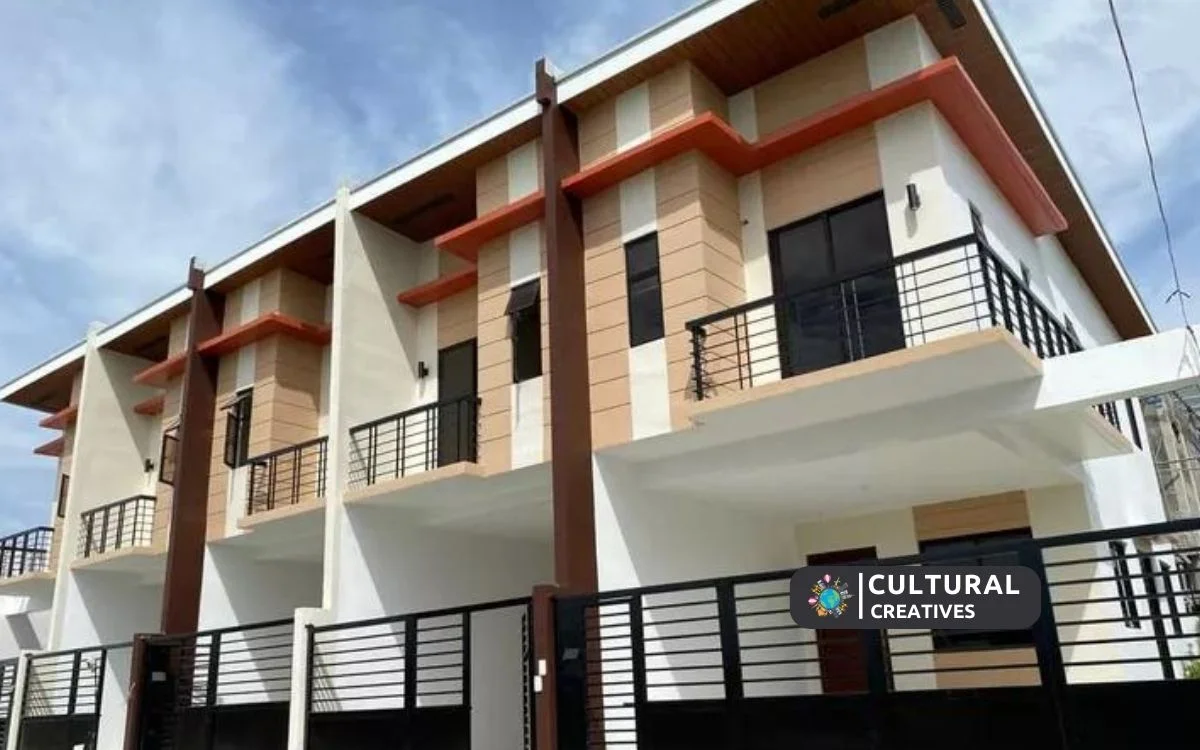
| Townhouses | Multi-floor homes in shared complexes, suitable for families |
| Single Family Homes | Stand-alone houses with more privacy and space |
| Beachfront Properties | Homes located near the sea, perfect for a peaceful retreat |
While the price of an apartment varies greatly depending on location and amenities, the Philippines offers properties that can suit any lifestyle or investment level. Whether looking for a city abode or a beachside getaway, the market is ripe with opportunities.
Factors Influencing Apartment Prices
Thinking of getting an apartment in the Philippines? Prices can vary widely. What makes these prices change? Let’s dive into the key factors that affect the cost of an apartment.
Location And Accessibility
Where you live matters a lot. In the Philippines, some areas are hotter markets than others.
- City Centers: Apartments here cost more because it’s close to where people work and play.
- Transport Links: Good transport means higher prices. If you can get around easily, it’s worth more.
- Neighborhood Reputation: Safer and well-known areas often have pricier apartments.
Size And Amenities
How big your space is and what you have in it can change the price.
A studio is less than a 3-bedroom apartment. A gym or a pool can also make costs go up. Let’s look:
| Amenity | Price Impact |
|---|---|
| Extra Bedroom | Increases price |
| Swimming Pool | Increases price |
| Gym Access | Increases price |
| High-Speed Internet | Increases price |
Local Economy And Infrastructure
What’s happening around your apartment affects its cost too. A growing job market means pricier homes. Strong infrastructure like roads and schools adds value to your apartment. Here’s what you need to watch:
- Job Opportunities: More jobs can mean higher apartment prices.
- Economic Growth: A booming local economy often leads to more expensive housing.
- Infrastructure Projects: New malls, transport systems, and parks can boost prices.
Average Cost Of Apartments By Region
The quest for a new home often starts with a key question: how much does an apartment cost? Prices can vary dramatically depending on the region. Let’s delve into the average costs of apartments across different Philippine regions.
Metro Manila Market
Metro Manila, the beating heart of the Philippines, boasts a diverse property market. Average costs in this bustling metropolis can range from PHP 30,000 to PHP 100,000 per month for a one-bedroom apartment. The area you choose plays a huge role in price—luxurious districts like Makati and The Fort often command higher prices.
| Location | Average Cost (PHP) |
|---|---|
| Makati CBD | 50,000 – 100,000 |
| Quezon City | 20,000 – 50,000 |
| Taguig City | 35,000 – 70,000 |
Cebu City Price Spectrum
Cebu City, a major urban center in the Visayas, presents a more affordable market compared to Metro Manila. Apartments can generally cost between PHP 15,000 to PHP 40,000 per month. Upscale neighborhoods like Cebu Business Park might see higher rents, whereas other areas offer more budget-friendly options.
- Cebu Business Park: PHP 30,000 – 40,000
- Mandaue: PHP 15,000 – 25,000
- Lapu-Lapu: PHP 20,000 – 30,000
Davao And Provincial Comparisons
Davao City and other provincial areas in the Philippines provide the most economical options. In Davao, you can find cozy apartments for as low as PHP 10,000 to PHP 25,000 monthly. Outside major urban centers, the prices are more inviting, which is perfect for those on a tight budget.
- Davao City: PHP 10,000 – 25,000
- Provincial Areas: PHP 5,000 – 20,000
Renting Vs. Buying In The Philippines
Deciding between renting and buying an apartment in the Philippines presents unique challenges and opportunities. The cost of living varies widely across the country. Your choice depends on financial standing, lifestyle preferences, and long-term goals. Understand the economics of both options before making a decision.
Upfront Costs And Mortgages
Buying an apartment involves initial expenses such as down payment, closing fees, and taxes. These can range from a small percentage to a significant portion of the property price. Mortgages are common; however, interest rates and terms vary. Securing a loan requires a steady income and good credit history.
| Expense | Approximate Cost |
|---|---|
| Down Payment | 10-30% of property price |
| Closing Fees | 3-6% of property price |
| Property Taxes | Varies by location |
Rental Market Dynamics
Renters avoid the heavy initial investments linked with purchasing. Monthly rent in the Philippines can range vastly. Most landlords require a deposit plus advance rent payments. Rental agreements favor flexibility and lower immediate costs.
- Average rent for a one-bedroom in the city center: PHP 20,000 – PHP 50,000
- Average rent for a three-bedroom outside the city: PHP 15,000 – PHP 40,000
- Utility costs: PHP 4,000 – PHP 9,000
Tips For Finding Affordable Apartments
Dreaming of a new home in the Philippines without breaking the bank? You’re in luck! With the right approach, finding an affordable apartment can be a breeze. Follow these insider tips, and you’ll unlock the door to budget-friendly living spaces that don’t sacrifice quality or comfort.
Off-peak Season Hunting
Timing is everything when apartment hunting. People tend to move less during certain times of the year. Identify these off-peak seasons to find better deals. Landlords might be more willing to negotiate when there are fewer renters looking.
- Research the local market to know the slow months.
- Look for listings that have been on the market longer; landlords might be eager to lease.
Negotiating Rent And Purchase Prices
Bargaining can lead to major savings on your new home. Whether you’re renting or buying, don’t accept the first price. A polite conversation about pricing can open doors to discounts.
- Arm yourself with price comparisons in the area.
- Be ready to point out any flaws you notice.
- Highlight your strengths as a tenant or buyer.
Legal Considerations For Foreigners
Exploring the Philippines for property investments requires knowledge of local laws. It’s vital that foreigners understand legal conditions before eyeing an apartment. Here we’ll delve into ownership restrictions and investment options linked to visa requirements.
Ownership Restrictions
In the Philippines, foreigners cannot own land. However, foreign nationals can own condominium units as long as foreign ownership in the condo corporation does not exceed 40%. This means that while you may own a unit in a building, the land on which it stands isn’t yours.
Leasehold options exist, allowing foreigners to lease land for up to 50 years, with the option to renew for another 25 years. This is an alternative route to investing in Philippine property.
Visa Requirements And Property Investment
Visa status can impact real estate dealings in the Philippines. Certain visas come with privileges that include property investment opportunities.
- Special Resident Retiree’s Visa (SRRV): Granting non-Filipinos residency, this visa comes in exchange for investments, like purchasing real estate.
- Quota or Non-quota Immigrant Visas: These may allow real estate ownership under specific conditions.
Engaging with a local lawyer is paramount when navigating these legalities. They help ensure transactions adhere to Philippine law and safeguard your interests.
Conclusion
Finding the right apartment in the Philippines fits diverse budgets and preferences. With options ranging from modest studios to luxurious condos, the cost varies greatly. Careful research and consideration of location, amenities, and space will guide your best investment. Start your property hunt now for an ideal Philippine home that meets your financial and lifestyle needs.