
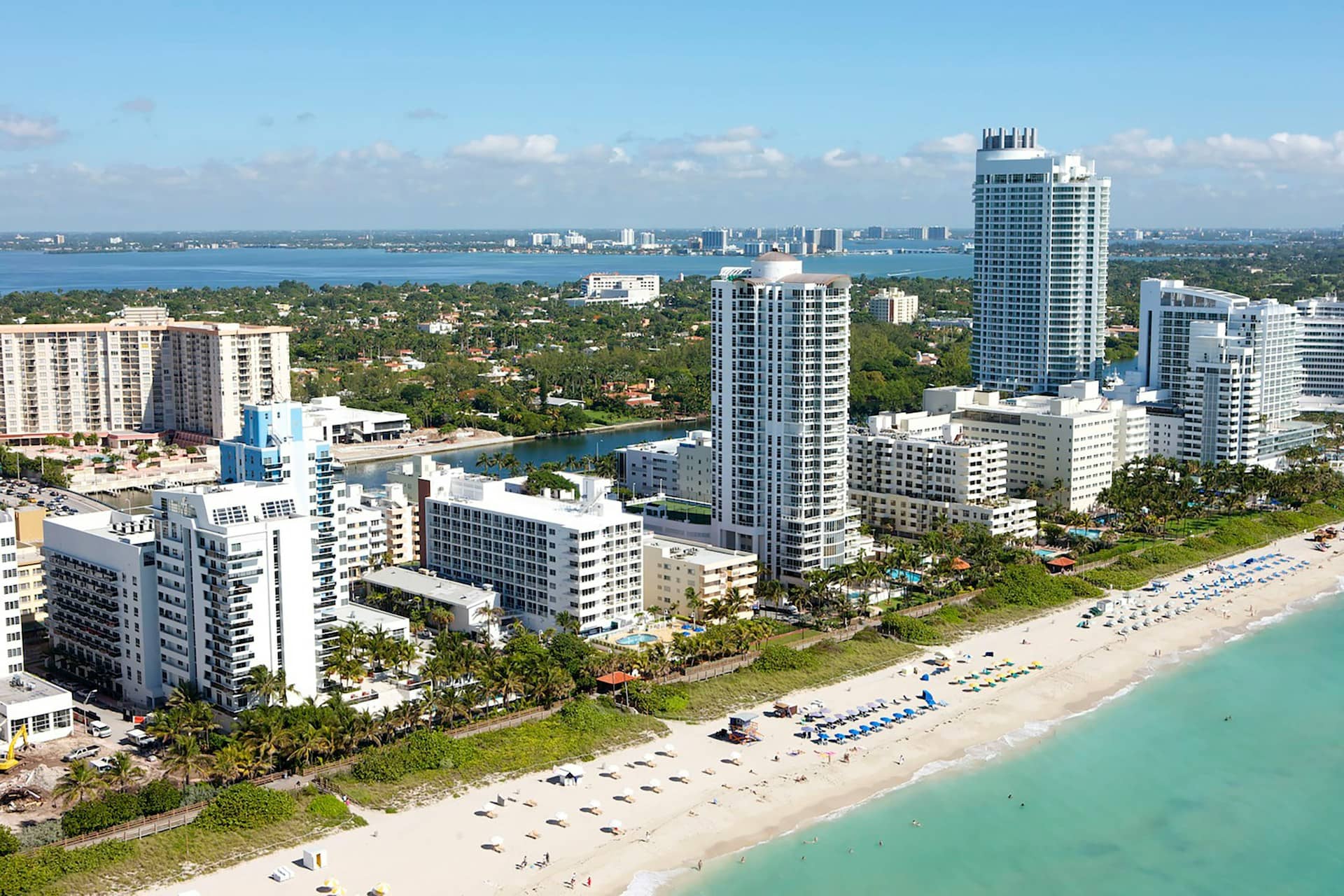
Miami is far more than a stretch of sand lined with palm trees. The city blends warm beaches, upscale shopping districts, bold street art, Cuban flavors, and outdoor adventures into one fast-moving destination. You can spend the morning beside the Atlantic, eat lunch in Little Havana, browse stylish stores by afternoon, and watch the skyline glow from Biscayne Bay before nightfall.
Sunny weather keeps much of Miami life outdoors. Waterfront parks, island trails, botanical gardens, open-air markets, and boat tours give travelers plenty of reasons to leave the hotel. The number of places to visit in Miami can feel almost excessive, especially when one trip rarely leaves enough room for every neighborhood, beach, museum, and food stop.
Like any large city, Miami has areas where visitors should remain alert, particularly after dark. Basic precautions, careful route choices, and awareness of your surroundings can make the trip feel far more comfortable. Most popular tourist districts welcome millions of visitors, including families, couples, and solo travelers.
This guide covers the best places to visit in Miami, from famous coastal landmarks to cultural districts and outdoor escapes. It will help you build a trip filled with sunshine, memorable meals, local character, and plenty of reasons to return.
Need a Place Quick? Here’s the Best Neighborhood in Miami:
Downtown Miami
Downtown Miami is the city’s busy commercial and financial center. Towering skyscrapers rise above crowded streets filled with offices, boutiques, restaurants, and entertainment venues. Its central location also makes it a practical base for travelers who want major Miami attractions within easy reach.
Places to Visit:
- See impressive modern and contemporary artwork at the Pérez Art Museum Miami.
- Visit the Freedom Tower, one of the city’s most recognizable historic buildings.
- Walk through the Downtown Miami Historic District and admire its early-20th-century architecture.
The Best Places to Visit in Miami for an Unforgettable Trip!
Now that you know how much Miami has to offer, the next step is finding the right place to stay. A well-located hotel or rental gives you an easy starting point for beach mornings, cultural stops, shopping trips, and late-night meals.
Choose a base that matches your travel plans, then head out each day ready for bright sunshine, lively streets, and more Miami adventures than one vacation can comfortably hold.
1. Miami Beach: A Fun Coastal Stop for Groups and Families
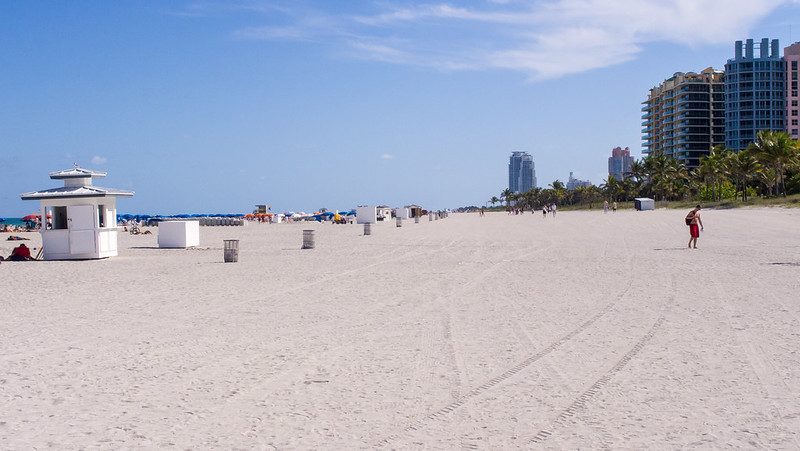
One of Miami’s most famous coastal areas and an easy place to begin your city adventure.
Spend a few hours under the sun, cool off in the Atlantic, or take in the energetic atmosphere along the shore.
Why It’s Worth Visiting: A trip to Miami would feel incomplete without some time beside the ocean, and Miami Beach remains one of the easiest places to enjoy it. The broad shoreline gives visitors plenty of room for swimming, sunbathing, people-watching, and slow walks near the water.
Restaurants, cafés, boutiques, and casual bars sit close to the sand, so you never have to travel far for food or a break from the heat. The area stays lively throughout the day, making it suitable for friends, couples, and families who prefer plenty of activity nearby.
What to Do There: Begin with a swim or claim a spot on the beach and enjoy the warm Florida weather. Afterward, walk through the surrounding streets, browse local shops, or stop for a cold drink at a nearby café.
As evening arrives, choose a waterfront restaurant and settle in for dinner while the temperature begins to soften. Miami Beach takes on a different character after sunset, with illuminated hotels, busy dining spots, and people filling the sidewalks.
Travelers staying for several days may prefer a vacation rental, especially when visiting with family or a larger group. The extra space, kitchen access, and flexible setup can make longer stays easier. Boat trips are another worthwhile option, offering a chance to see Miami’s coastline, islands, and clear subtropical waters from a different angle.
2. Ball & Chain: A Lively Miami Nightlife Stop
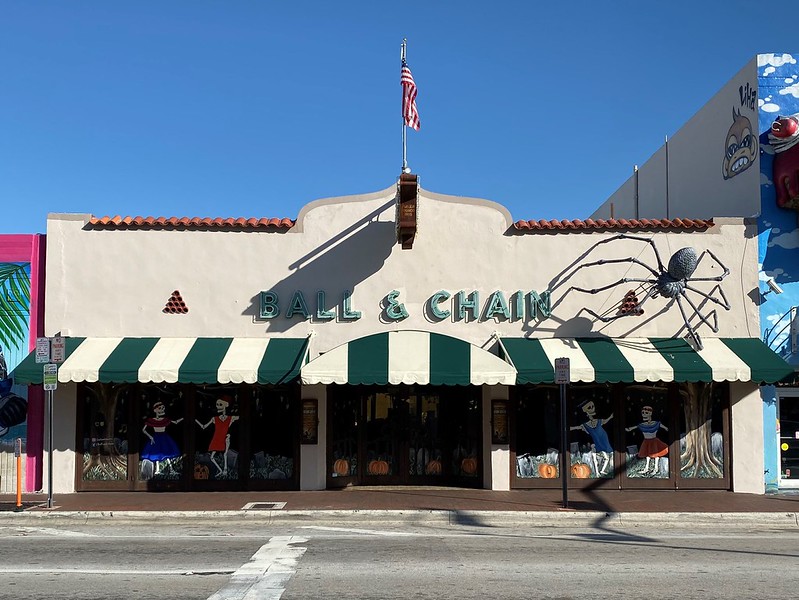
This historic Little Havana venue brings live music, dancing, and Cuban-inspired drinks together under one roof.
It is a strong choice for travelers who want to experience Miami after dark without settling for an ordinary nightclub.
Why It’s Worth Visiting: Ball & Chain traces its story back to the 1930s, when celebrated performers such as Count Basie, Chet Baker, and Billie Holiday were connected to its stage. Although the venue has changed through the decades, its vintage character still gives the space a sense of old Miami.
Today, the bar remains a popular gathering place along Calle Ocho. Colorful interiors, energetic performances, tropical cocktails, and an outdoor pineapple-shaped stage create an atmosphere that feels playful rather than overly formal.
What to Do There: Check the entertainment calendar before your visit, as the schedule may include live jazz, Latin bands, DJs, salsa sessions, and themed evenings. Arriving earlier can make it easier to find a comfortable seat and enjoy the venue before the nighttime crowd fills the room.
Order a Cuban-inspired cocktail, listen to the music, and join the dancing once the floor becomes active. Since Miami evenings can stretch later than expected, drink water between cocktails and plan safe transportation back to your accommodation.
3. Art Deco Historic District: Miami’s Pastel Architectural Landmark
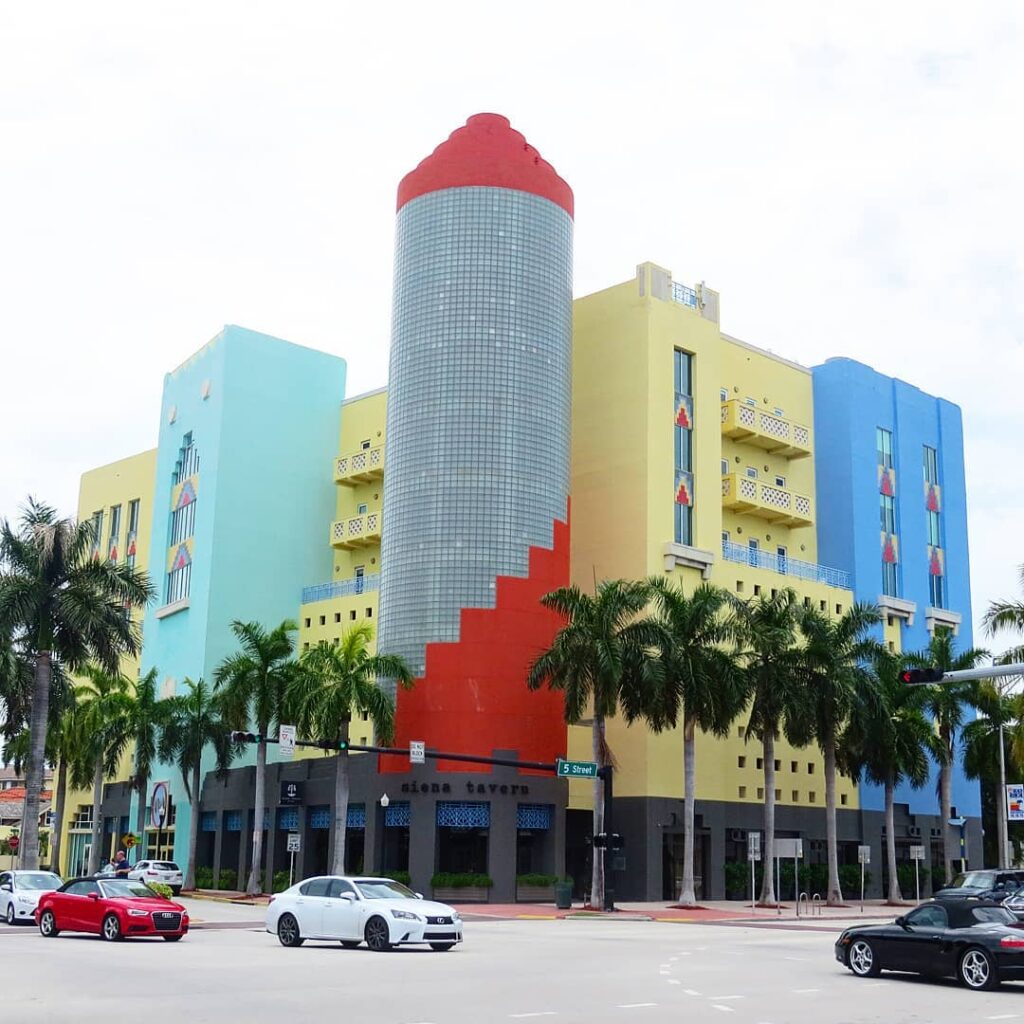
The Art Deco Historic District turns an ordinary walk into a tour of curved facades, neon details, and candy-colored buildings.
It is one of the best places in Miami for architecture fans, photographers, shoppers, and casual sightseers.
Why It’s Worth Visiting: The district contains a remarkable collection of Art Deco buildings, many dating from the 1920s through the 1940s. Rounded corners, geometric decorations, porthole windows, and pastel shades give the streets a theatrical appearance that feels closely tied to Miami Beach.
Even travelers with little interest in architecture may enjoy the area because the buildings remain part of everyday life. Historic hotels, restaurants, cafés, and shops operate inside many of the structures, keeping the district active rather than turning it into a quiet museum zone.
What to Do There: Walk along Ocean Drive and the nearby streets at a relaxed pace, pausing to study the building details and photograph the colorful facades. Morning light often provides clearer views, while evening brings glowing neon signs and a livelier sidewalk scene.
Stop for coffee, browse souvenir shops, or eat inside one of the restored properties. Guided walking tours are also available for visitors who want deeper background about the district’s design, preservation, and connection to Miami Beach history.
Some Art Deco buildings operate as hotels, allowing travelers to stay inside a piece of local history. Room prices vary considerably, so compare location, amenities, and noise levels before booking.
4. South Beach: A Famous Free Miami Attraction
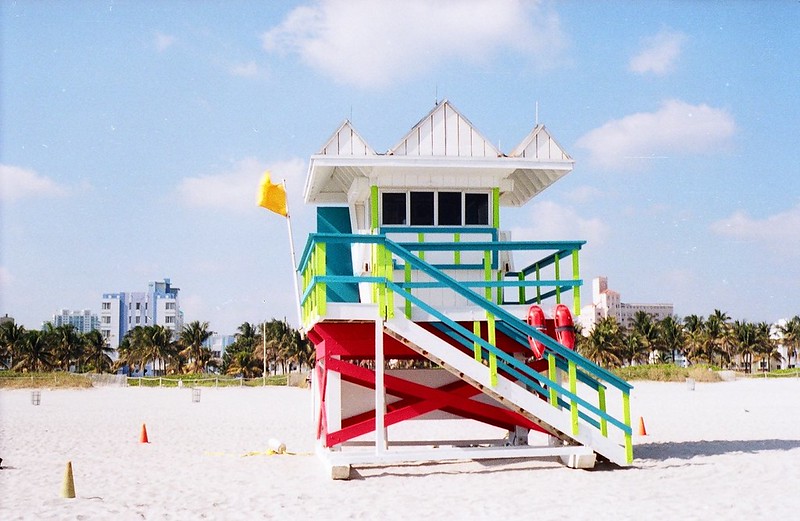
South Beach is known for its broad sand, warm Atlantic water, and constant stream of visitors.
Access to the beach is free, making it an appealing stop for travelers who want a classic Miami experience without adding another ticket to their budget.
Why It’s Worth Visiting: Few locations represent Miami as clearly as South Beach. The pale shoreline stretches beside turquoise water, colorful lifeguard towers, and the recognizable buildings of Ocean Drive.
The beach attracts sunbathers, swimmers, photographers, and people-watchers throughout the year. Its shallow sections can feel approachable for a casual dip, though waves, currents, and swimming conditions can change from one day to the next.
What to Do There: Find a patch of sand, apply sunscreen, and enjoy a slow beach day. Swimming, shoreline walks, and people-watching remain the simplest activities, while the nearby promenade is suitable for walking, jogging, or cycling.
South Beach can become crowded during weekends, holidays, and major events. Arriving early gives you more room and may make parking less troublesome. Bring drinking water, sun protection, and only the belongings you need for the day.
Travelers with a larger budget can book a private boat or yacht trip from the Miami Beach area. These outings may include sightseeing, swimming, or sunset cruising, but prices and routes depend on the operator, vessel, and rental length.
5. Versailles Restaurant: A Classic Stop for Cuban Flavors
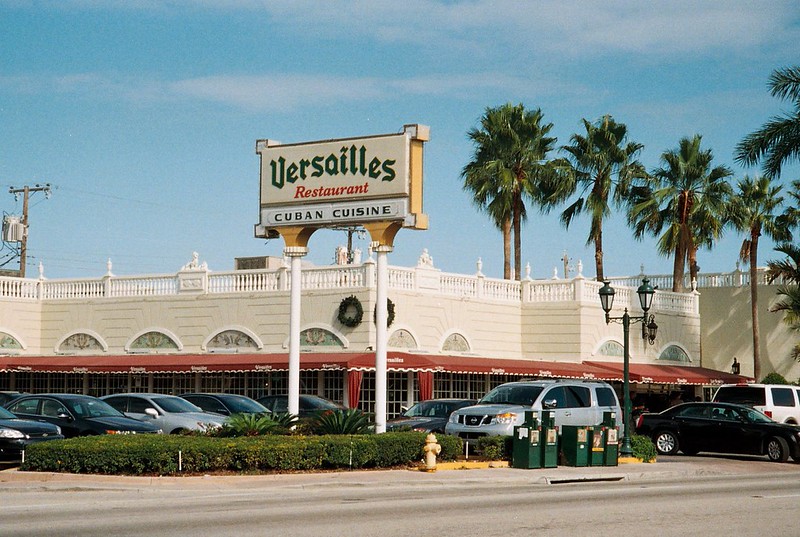
Versailles Restaurant has served Cuban meals, strong coffee, and baked treats to Miami diners for decades.
Its long-standing reputation makes it a fitting stop for travelers who want to taste an important part of the city’s food culture.
Why It’s Worth Visiting: Located along Calle Ocho, Versailles is closely connected to Miami’s Cuban American community. The dining room often feels busy and social, with families, local regulars, and visitors sharing tables over familiar Cuban dishes.
The restaurant is widely known beyond Miami, but its appeal comes from more than fame. Large portions, traditional recipes, quick coffee stops, and an attached bakery make it suitable for breakfast, lunch, dinner, or a small afternoon snack.
What to Do There: Try a Cuban sandwich, arroz con pollo, ropa vieja, or another traditional plate from the extensive menu. A small cup of Cuban coffee offers a bold finish, though its strength can surprise travelers who normally drink milder coffee.
Visit the bakery counter for pastelitos, flan, cakes, and other sweets to enjoy there or take away. Meal periods can become busy, so prepare for a possible wait or arrive outside the busiest lunch and dinner hours.
After eating, continue through Little Havana to see murals, cigar shops, local businesses, and gathering spots along Calle Ocho.
6. Vizcaya Museum and Gardens: A Grand Estate Beside Biscayne Bay

Vizcaya Museum and Gardens presents an unexpected side of Miami through an elaborate waterfront villa and carefully arranged grounds.
The estate appeals to history lovers, architecture fans, garden enthusiasts, and travelers searching for striking photo locations.
Why It’s Worth Visiting: Built during the early 20th century as the winter residence of businessman James Deering, Vizcaya draws heavily from Italian Renaissance and Mediterranean design. Its rooms contain decorative objects, furniture, and artwork collected from several European periods.
The property feels far removed from Miami’s modern towers, even though it sits close to the city center. Ornate interiors open onto formal gardens, stone terraces, fountains, sculptures, and broad views across Biscayne Bay.
What to Do There: Begin inside the main house, moving through its decorated rooms and observing the craftsmanship found in the ceilings, walls, furniture, and architectural details. Taking your time makes the experience more rewarding, as smaller features can be easy to overlook.
Continue outside to walk through the gardens, where hedges, stone paths, pools, statues, and shaded corners create many opportunities for photography. Comfortable shoes are helpful because visitors may spend considerable time moving between the house, gardens, and waterfront areas.F
Check admission details, opening hours, and photography rules before arriving. Visiting earlier in the day may provide cooler temperatures and lighter crowds, particularly during Miami’s warmer months.
7. Deering Estate: A Historic Escape Surrounded by Nature

Deering Estate offers a quieter contrast to Miami’s crowded beaches, busy avenues, and nightlife districts.
The waterfront property combines historic buildings, protected natural areas, archaeological sites, and sweeping views across Biscayne Bay.
Why It’s Worth Visiting: The estate was developed as the winter residence of industrialist Charles Deering, the brother of Vizcaya’s owner, James Deering. Today, the extensive property appears on the National Register of Historic Places and preserves part of South Florida’s cultural and environmental story.
Its grounds contain coastal hardwood hammocks, mangrove areas, historic homes, and traces of people who lived in the region long before modern Miami appeared. Archaeological findings and ancient animal remains add another unexpected layer to this peaceful destination.
What to Do There: Walk through the estate grounds, follow the nature paths, and look for native birds moving through the trees and shoreline areas. Guided tours can provide more information about the houses, local ecosystems, archaeological findings, and the Deering family.
The waterfront lawn is an inviting place to pause after walking around the property. Bring sun protection, drinking water, and comfortable shoes, especially if you plan to spend several hours outdoors.
Special programs may include wildlife walks, cultural events, evening gatherings, and astronomy sessions. Check the official schedule before your visit, as event dates, access rules, and tour availability can change.
8. Sugar: A Rooftop Stop With Sweeping Miami Views
Sugar sits high above Brickell, offering broad skyline views from a garden-style rooftop setting.
It is a polished evening option for adult couples and friends who want a slower start before experiencing Miami’s nightlife.
Why It’s Worth Visiting: Located at EAST Miami, Sugar has gained attention for its elevated views, plant-filled surroundings, and Asian-inspired menu. The rooftop feels removed from the busy streets below, despite sitting inside one of the city’s most active business and dining districts.
The open-air setting becomes especially striking around sunset, when the buildings begin to glow and city lights gradually take over the skyline. Seating can be limited during busy evenings, so the venue often feels more comfortable when visited earlier.
What to Do There: Arrive near sunset to watch Brickell shift from daytime activity into an illuminated nighttime scene. Guests can order small plates, mocktails, or other beverages while taking in views across downtown and Biscayne Bay.
The venue follows a smart dress code, so beachwear and very casual clothing may not be accepted. Check current entry requirements and age restrictions before going, as rooftop policies may vary by time or event.
Adult visitors ordering alcohol should arrange dependable transportation and drink responsibly. Rideshare services offer a simpler alternative to driving through Brickell after a late evening.
9. Phillip and Patricia Frost Museum of Science: An Interactive Miami Attraction
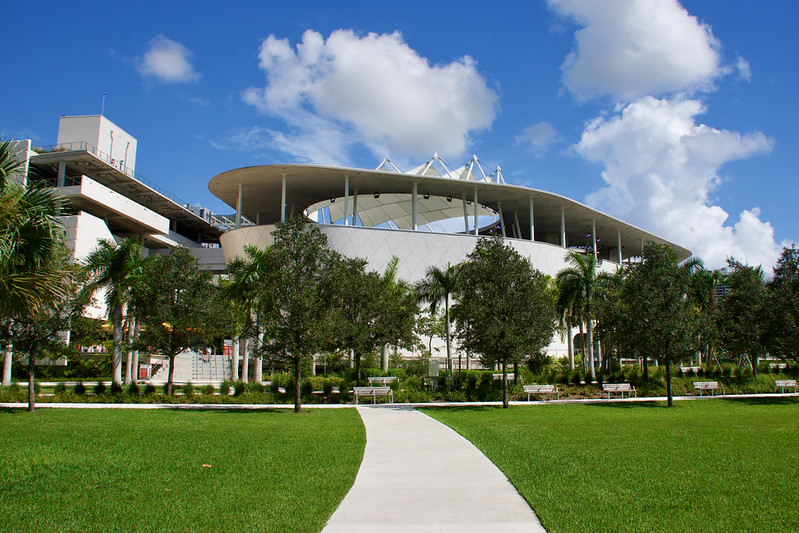
The Frost Museum of Science brings marine life, space, technology, and environmental science into one large waterfront complex.
Its hands-on displays make it an engaging stop for families, students, and curious travelers of nearly any age.
Why It’s Worth Visiting: Located in Downtown Miami’s Maurice A. Ferré Park, the museum is divided into several connected sections devoted to science and the natural environment. Interactive exhibits make complicated subjects easier to understand without turning the visit into a classroom-style lesson.
The aquarium and planetarium are among its biggest draws. Visitors can move from exhibits about South Florida’s ecosystems to deep-space presentations within the same trip, giving the museum enough variety for several hours of sightseeing.
What to Do There: Begin at the multi-level aquarium, where different viewing areas present marine environments from the surface down to deeper water. Sharks, rays, reef fish, and other sea creatures can be viewed through large windows and an impressive overhead lens.
Continue through the science galleries before attending a planetarium show. Presentation times may fill up, so reviewing the daily schedule shortly after arrival can help you arrange the rest of your visit.
Families should allow plenty of time for interactive stations, temporary exhibitions, and outdoor viewing areas. Buying tickets ahead may also make entry easier during weekends, school holidays, and rainy Miami afternoons.
10. Azucar Ice Cream Company: A Sweet Taste of Little Havana
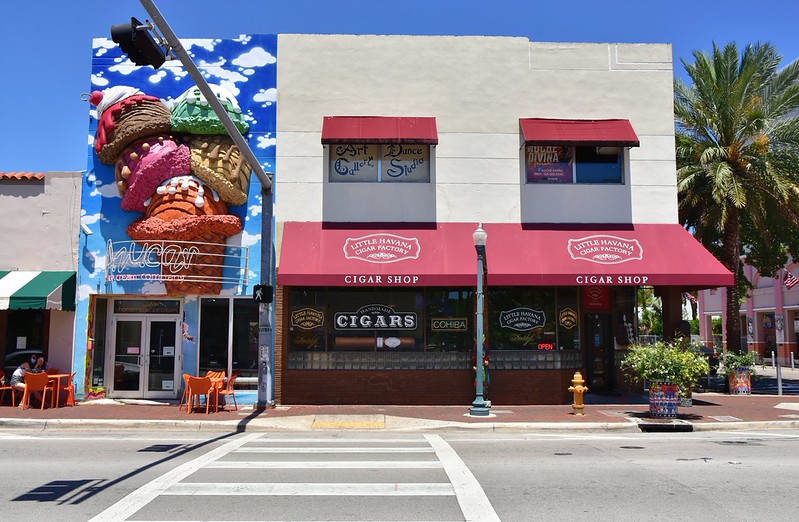
Azucar Ice Cream Company turns familiar Cuban ingredients and family memories into playful frozen desserts.
Its Calle Ocho shop makes an easy refreshment stop while walking through Little Havana.
Why It’s Worth Visiting: The shop was founded by Suzy Batlle, who drew inspiration from Cuban traditions, Miami life, and childhood flavors. The result is a menu that reaches far beyond ordinary chocolate and vanilla without becoming too unfamiliar for first-time visitors.
Many selections feature ingredients closely connected to local food culture, including guava, cream cheese, café con leche, and tropical fruit. The colorful shop and towering ice-cream-cone sign also give the stop plenty of visual character.
What to Do There: Sample a few flavors before choosing, as the combinations can taste quite different from what their names suggest. Guava with cream cheese offers a sweet and slightly tangy option, while café con leche provides a richer coffee flavor.
Abuela Maria is one of the shop’s best-known creations, combining vanilla ice cream with guava, cream cheese, and crushed Maria cookies. More traditional scoops are also available for visitors who prefer familiar choices.
Enjoy your ice cream while walking along Calle Ocho, or pair the stop with nearby murals, cigar shops, Domino Park, and Cuban restaurants. Cakes and larger desserts may also be available for celebrations or take-home treats.
11. Wynwood Brewing Company: A Local Name in Miami’s Craft-Beer Story

Wynwood Brewing Company helped introduce small-batch brewing to a city better known for cocktails and beach bars.
Its connection to the Wynwood neighborhood made it an important part of Miami’s modern food-and-drink movement.
Why It’s Worth Visiting: The company became known as Miami’s first production craft brewery and helped create interest in locally brewed beer. Its early success encouraged more breweries to appear across the city, giving Miami a broader drinking scene beyond its famous nightclubs.
La Rubia, a light American blonde ale, became its signature release and can still be found at restaurants and stores around South Florida. Beer availability, taproom access, and visitor arrangements may change, so adult travelers should confirm current details before making a special trip.
What to Do There: Visitors aged 21 and older can look for the company’s beers at authorized restaurants, bars, or retail locations around Miami. Sampling smaller servings can help adults compare different styles without ordering a full drink each time.
Pairing a local beer with food provides a more relaxed way to experience Miami’s brewing culture. Wynwood’s many restaurants and food counters make it easy to build an afternoon around murals, lunch, and a drink rather than treating the brewery as the only destination.
Anyone drinking alcohol should carry valid identification, remain within personal limits, and use a rideshare service or designated driver.
12. Wynwood Walls: Miami’s Open-Air Art Landmark
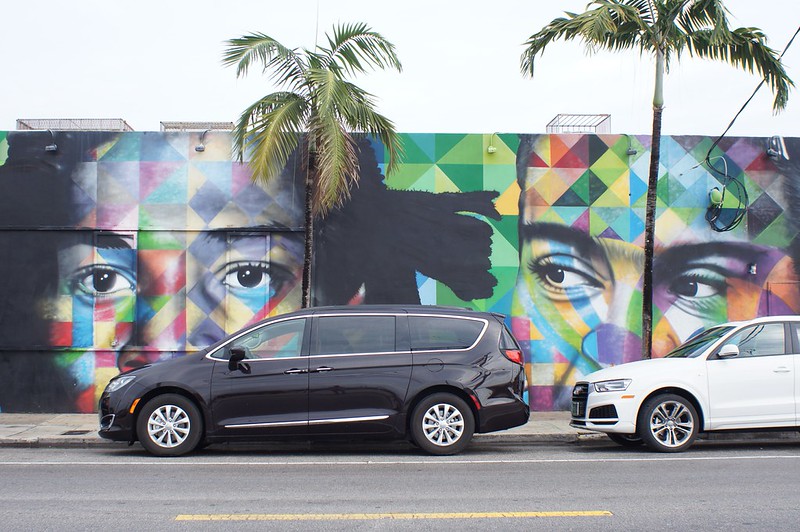
Wynwood Walls fills a former warehouse district with large murals, bold imagery, and work by artists from around the globe.
It is a rewarding Miami stop for contemporary-art fans, photographers, and travelers who prefer creative spaces over traditional galleries.
Why It’s Worth Visiting: The project began during the Art Basel Miami Beach period as an effort to bring new energy to Wynwood’s plain warehouse walls. Over time, the site grew into a major outdoor art attraction featuring large-scale pieces by internationally recognised muralists and street artists.
The artwork covers many styles, from detailed portraits and abstract patterns to social commentary and playful characters. Exhibits and murals may be replaced periodically, which means a return visit can look quite different from an earlier one.
What to Do There: Walk through the main grounds slowly, giving yourself enough time to notice smaller details hidden inside the enormous paintings. Photos are a major part of the experience, but viewing the murals without a camera for a few moments can reveal textures and techniques that are easy to miss.
A guided tour can add context about the artists, painting methods, neighborhood history, and ideas behind selected works. Travelers who prefer moving independently can read available exhibit information and follow their own route.
Continue through the surrounding Wynwood district after leaving the main attraction. More murals, galleries, cafés, shops, and restaurants appear across nearby blocks, turning the visit into a broader neighborhood outing.
13. Fairchild Tropical Botanic Garden: A Green Escape From Busy Miami
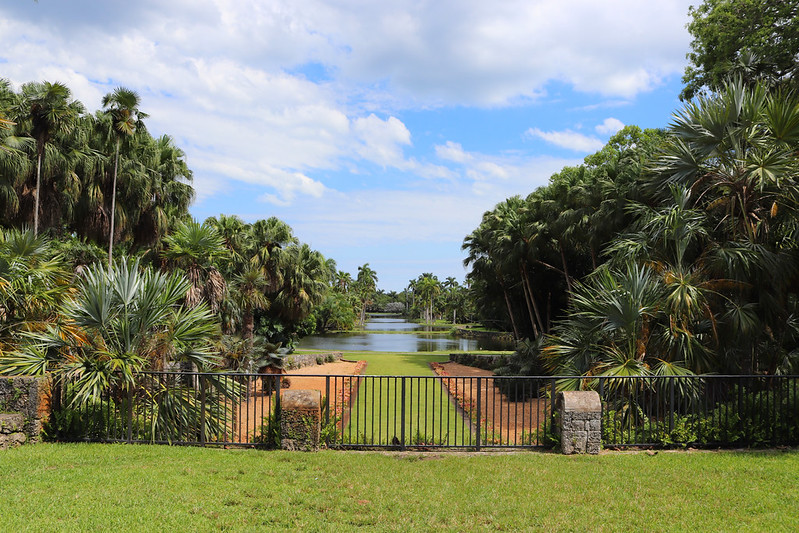
Fairchild Tropical Botanic Garden spreads tropical plants, shaded paths, ponds, and flowering trees across 83 acres.
It offers a refreshing change of pace for travelers who need a few quiet hours away from Miami’s crowded streets.
Why It’s Worth Visiting: Named after botanist and plant collector David Fairchild, the garden protects an extensive collection of palms, cycads, orchids, vines, and other tropical species. Its warm South Florida setting allows plants from many humid regions to grow in large outdoor displays.
Walking through the grounds can feel like moving between several landscapes in one afternoon. Open lawns lead to dense plant collections, while pergolas, water features, conservatories, and shaded paths add visual variety throughout the property.
What to Do There: Start with the rare-plant conservatory before following the garden paths at your own pace. Interpretive signs help explain the plants, their native environments, and the conservation work taking place behind the scenes.
A narrated tram tour may be available for visitors who want to cover more of the property without walking the full distance. It can also provide useful background about the garden’s history and major plant collections.
Fairchild hosts seasonal festivals, food events, workshops, and family programs during the year. Check the current calendar before arriving, especially if you hope to attend one of its popular mango or chocolate celebrations.
14. Lincoln Road: A Popular Miami Stop for Shopping and Dining
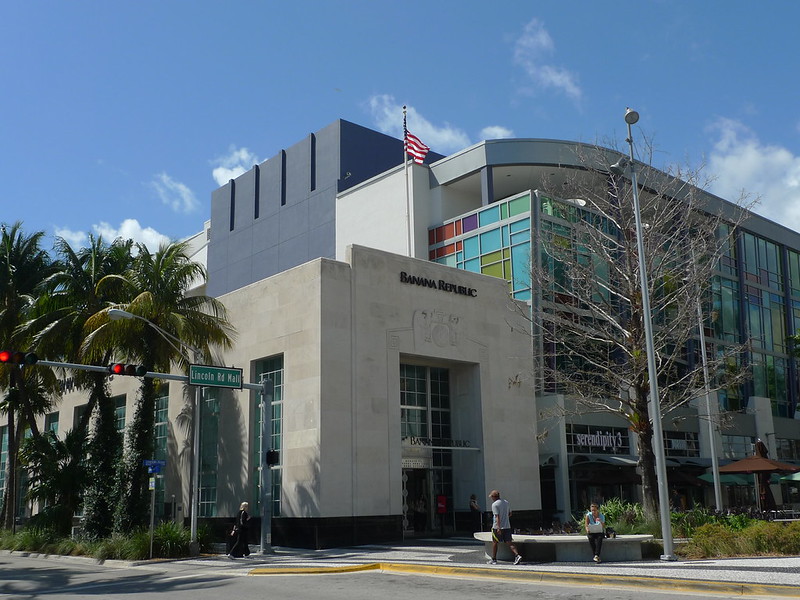
Lincoln Road combines stores, restaurants, cafés, galleries, and entertainment spaces along a walkable outdoor corridor.
It is a practical destination for travelers who want shopping and food without repeatedly driving between different parts of Miami Beach.
Why It’s Worth Visiting: The pedestrian district gained much of its recognizable style through architect Morris Lapidus during the mid-20th century. Decorative structures, fountains, shaded seating areas, and open gathering spaces help separate it from an ordinary indoor mall.
Major retailers stand beside smaller boutiques, art spaces, beauty stores, restaurants, and casual coffee shops. This range makes Lincoln Road suitable for serious shopping as well as an unhurried afternoon walk.
What to Do There: Walk from Washington Avenue in the direction of Alton Road, stopping whenever a storefront or dining patio catches your attention. The route is easy to follow, and plenty of seating areas provide places to rest between stores.
Visit during the afternoon for shopping, then remain into the evening for dinner or dessert. Outdoor tables are especially popular once the strongest daytime heat begins to fade.
Travelers interested in elevated city views can look for rooftop dining and bars in the surrounding blocks. Dress requirements, reservations, and entry policies differ between venues, so check before arriving.
15. Bill Baggs Cape Florida State Park: A Coastal Day Away From the City
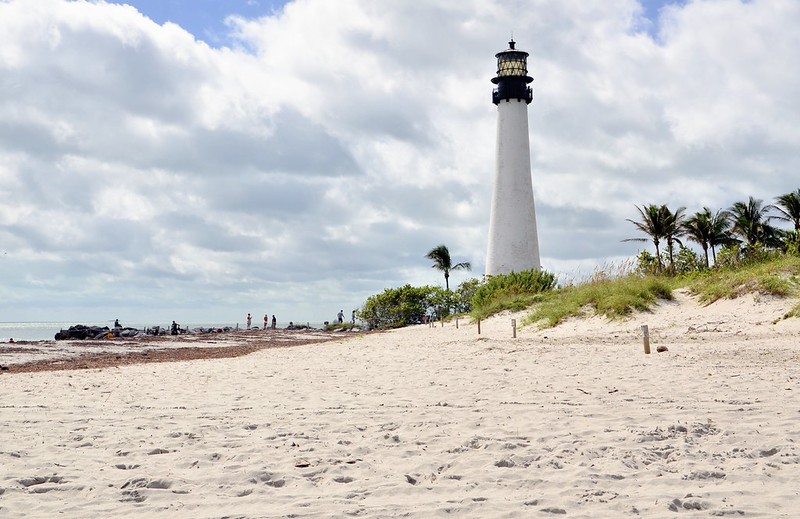
Bill Baggs Cape Florida State Park brings beaches, nature paths, picnic areas, and a historic lighthouse together on Key Biscayne.
The park works well for families, couples, and solo travelers who want outdoor time within reach of central Miami.
Why It’s Worth Visiting: The park feels far removed from Miami’s towers and busy roads, despite being accessible for a day trip. Its shoreline, coastal vegetation, cycling routes, and open recreation areas provide several ways to spend time outside.
Cape Florida Lighthouse gives the park its best-known landmark. The historic structure rises above the surrounding trees and offers a strong reminder of the area’s maritime past.
What to Do There: Spend the morning swimming, walking beside the water, cycling, or relaxing under the palms. Picnic tables make it easy to bring lunch, while fishing and paddling opportunities may also be available in approved areas.
Join a lighthouse tour when access is offered, or photograph the structure from the nearby grounds. Tour schedules can vary, so confirm the day’s program before building your entire visit around a climb.
For a meal near the water, stop at Boater’s Grill, located beside No Name Harbor. Its waterfront setting makes it a pleasant place to rest after several hours in the sun.
16. Miami Children’s Museum: An Imaginative Stop for Young Travelers

Miami Children’s Museum fills its galleries with role-playing spaces, hands-on exhibits, and playful learning activities.
It is especially helpful on a rainy afternoon or when younger visitors need a break from beaches and long sightseeing walks.
Why It’s Worth Visiting: The museum occupies a bold building created by the architecture firm Arquitectonica. Its playful exterior introduces the creative approach found throughout the indoor exhibits.
Children can learn through movement, pretend play, art, music, and problem-solving rather than simply reading information from walls. Many displays encourage parents and children to participate together, making the visit more enjoyable for the whole family.
What to Do There: Let children move between exhibits based on their interests. They may pretend to operate a ship, handle money inside a play bank, create artwork, learn about everyday jobs, or take part in activities connected to Miami life.
The Castle of Dreams remains one of the museum’s most memorable visual features. Other sections give young visitors room to build, climb, create, and experiment in supervised settings.
Entry sessions, activity times, and capacity rules may change. Review the current schedule before visiting, particularly during weekends, school breaks, and wet-weather days.
17. Miami Design District: A Stylish Mix of Art and Luxury Shopping
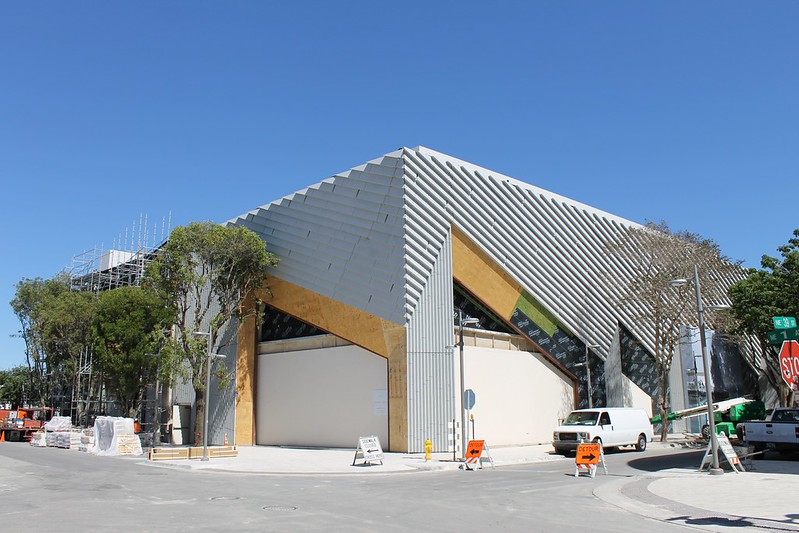
The Miami Design District brings modern architecture, public art, galleries, designer stores, and high-end restaurants into a compact neighborhood.
You do not need a large shopping budget to enjoy its creative buildings and open-air installations.
Why It’s Worth Visiting: The neighborhood developed from Miami’s former furniture and interior-design district into a major center for fashion, architecture, and contemporary art. Carefully shaped plazas and striking commercial buildings make the streets feel like an outdoor design exhibition.
Luxury stores occupy a major part of the area, with international fashion and jewelry brands lining several blocks. Yet galleries, museums, sculptures, and architectural details give non-shoppers plenty to see as well.
What to Do There: Browse the designer stores if luxury shopping fits your budget, or treat the storefronts as part of the visual experience. Even a brief walk reveals unusual facades, public sculptures, shaded courtyards, and inventive display windows.
Visit one of the district’s art institutions or smaller galleries for a cultural break. Some spaces may offer free admission, though hours, reservations, and exhibition schedules should be checked beforehand.
Finish with coffee, lunch, or dinner at one of the neighborhood restaurants. Prices can be high, but more casual choices can usually be found around the surrounding streets.
18. LIV: A Famous Miami Beach Nightclub Experience
LIV is an adult nightlife venue known for large crowds, major DJs, celebrity appearances, and an elaborate interior.
Located inside the Fontainebleau Miami Beach, it remains one of the city’s most recognized clubs.
Why It’s Worth Visiting: The club combines a large dance floor, elevated seating areas, dramatic lighting, and high-profile entertainment inside one of Miami Beach’s landmark hotels. Its appearances in music and popular culture have strengthened its reputation far beyond Florida.
LIV caters mainly to adults looking for a polished, high-energy night rather than a casual neighborhood bar. Admission can be selective, and busy events may attract long lines even for guests who arrive early.
What to Do There: Check the event calendar to see which DJ or performer is scheduled during your stay. Buying an official ticket ahead of time may simplify entry, though it does not replace identification or dress-code requirements.
Guests must meet the venue’s current age rules and carry accepted photo identification. Smart evening clothing is generally a safer choice than beachwear, athletic clothing, or flip-flops.
Arrange transportation before the night begins and keep track of your personal belongings. Adults ordering alcohol should pace themselves, drink water, and avoid driving afterward.
19. Pérez Art Museum Miami: Contemporary Art Beside Biscayne Bay
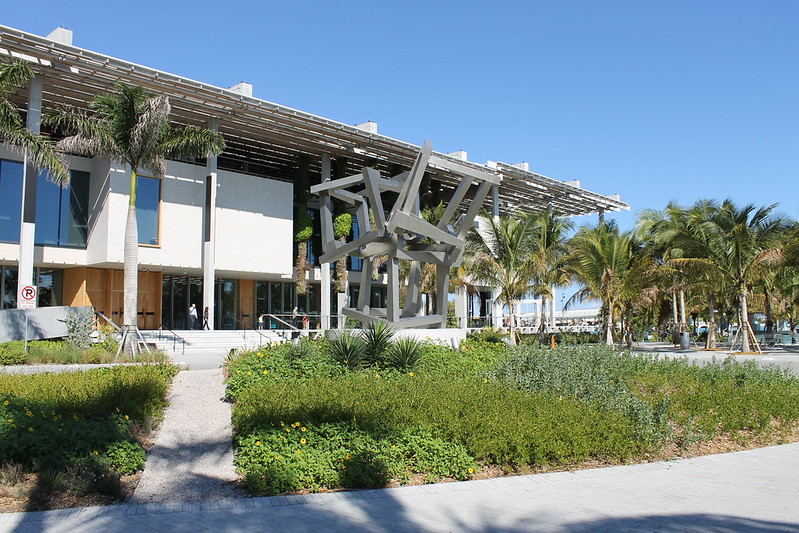
Pérez Art Museum Miami combines international modern art with shaded terraces and open views across the water.
Its downtown location makes it easy to pair with nearby museums, parks, and waterfront attractions.
Why It’s Worth Visiting: The museum focuses on modern and contemporary art from the Americas, the Caribbean, Africa, and other parts of the globe. Paintings, sculptures, installations, photography, and multimedia works create a collection with many different voices and ideas.
The building is also part of the experience. Wide overhangs, hanging gardens, open terraces, and views of Biscayne Bay connect the galleries with Miami’s tropical setting.
What to Do There: Move through the permanent collection before visiting the temporary exhibitions. Exhibition notes and guided programs can add context to pieces that may seem abstract or difficult to interpret at first glance.
Families should check for weekend workshops and hands-on programs connected to current displays. Evening music, talks, and community events may also appear on the museum calendar during selected dates.
After viewing the galleries, spend time on the terrace or eat at the museum restaurant. The waterfront setting provides an appealing pause before continuing through Downtown Miami.
20. Venetian Pool: A Historic Place to Cool Off in Coral Gables
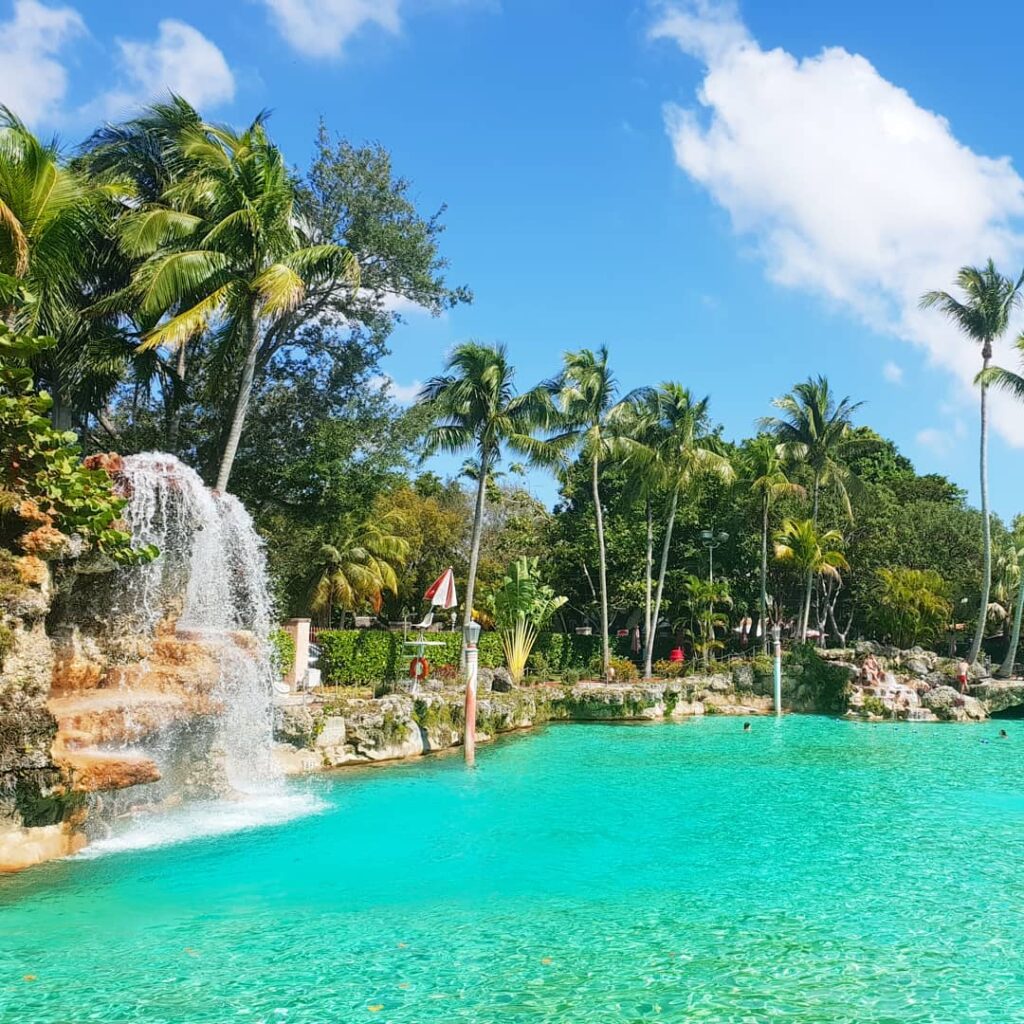
Venetian Pool feels more like an old Mediterranean retreat than a standard public swimming facility.
Its waterfalls, stone bridges, cave-like spaces, and tropical landscaping make it one of Miami’s most memorable places for a swim.
Why It’s Worth Visiting: Located in Coral Gables, the pool dates back to the 1920s and is listed on the National Register of Historic Places. Coral-rock details, towers, archways, waterfalls, and lagoon-style water give the property an atmosphere rarely found at a municipal pool.
Its historic character attracts sightseers as well as swimmers. On warm days, however, the pool can reach capacity quickly, particularly during weekends and school holidays.
What to Do There: Arrive near opening time for a better chance of finding space and enjoying the water before the largest crowds appear. Bring swimwear, a towel, sun protection, and footwear suitable for walking across wet surfaces.
Swim through the open sections, pass beneath the waterfalls, and examine the rockwork surrounding the pool. Strong swimming skills may be needed in deeper areas, so families should review the depth information carefully.
Look at the historic photographs near the entrance to see how the pool, its visitors, and Miami fashion have changed over the decades. Admission schedules, child restrictions, and seasonal operating dates can vary, making an advance check worthwhile.
21. World Erotic Art Museum: An Adults-Only Cultural Curiosity
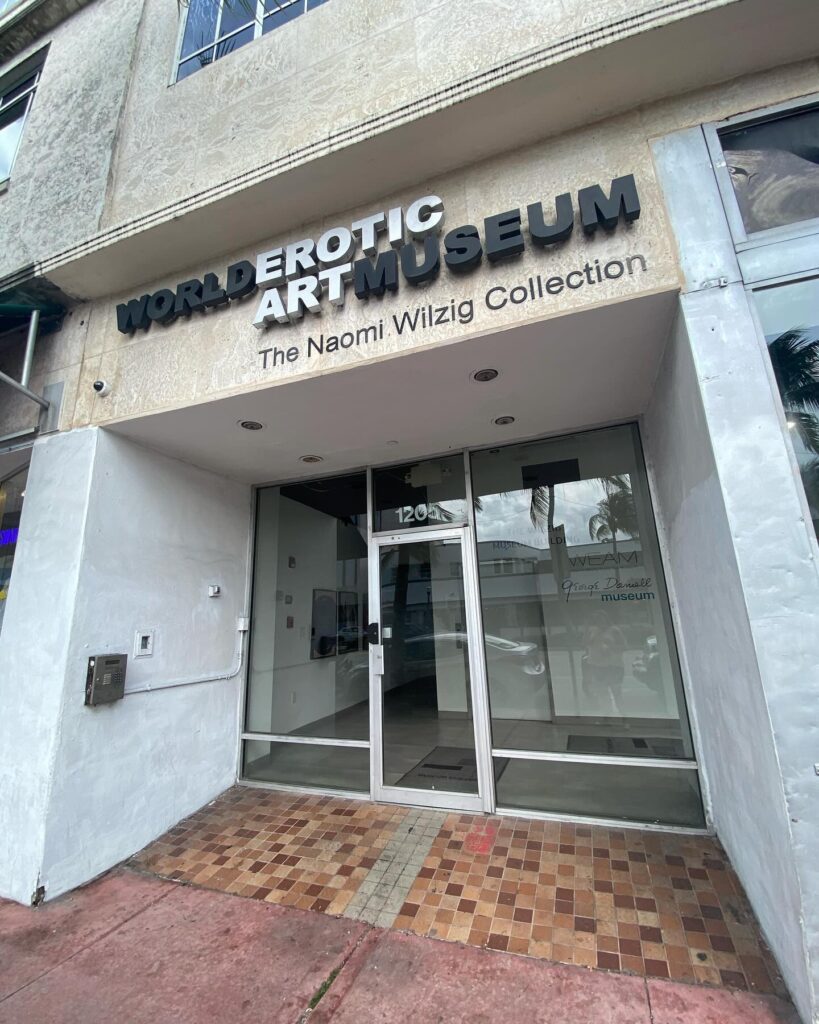
The World Erotic Art Museum examines how artists and societies have represented romance, the human body, and sexuality across different periods.
Because the collection contains mature material, admission is limited to adults, and the museum is not suitable for children.
Why It’s Worth Visiting: The museum began as a private collection before growing into a public institution in Miami Beach. Its galleries bring together paintings, sculptures, decorative objects, and historical pieces from several cultures and centuries.
Rather than operating like a conventional art museum, the collection focuses on how attitudes about intimacy and the body have shifted over time. Some visitors may find the subject unusual, while others may appreciate its historical and artistic angle.
What to Do There: Adult visitors can move through the galleries at their own pace and read the display notes for cultural context. The rooms cover both older and modern works, so the experience can feel more like a social-history exhibit than a standard gallery visit.
Review the museum’s current admission rules, hours, and photography policy before arriving. Anyone uncomfortable with mature subject matter may prefer one of Miami Beach’s architecture, design, or contemporary-art museums.
22. The Wolfsonian–FIU: A Museum of Design and Modern History
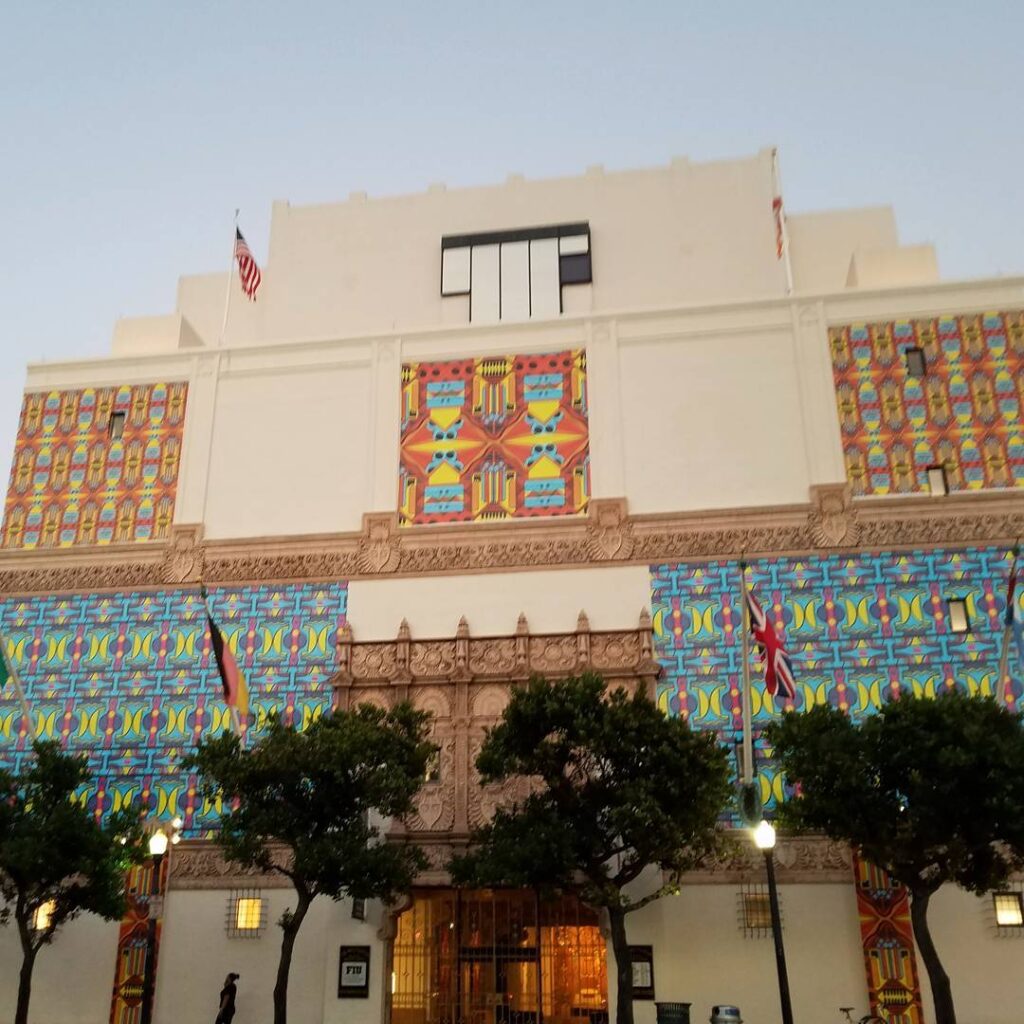
The Wolfsonian–FIU uses posters, furniture, books, household objects, and industrial design to explain how modern life took shape.
Its Miami Beach location makes it an easy cultural stop near the Art Deco Historic District.
Why It’s Worth Visiting: The collection focuses mainly on the period from the late 19th century through the end of World War II. Objects from the United States, Europe, and other regions reveal how design influenced politics, technology, advertising, work, and daily life.
The range is broader than many visitors expect. Galleries may contain ceramics, metalwork, textiles, paintings, printed materials, architectural drawings, and public-information posters within the same visit.
What to Do There: Begin with the permanent galleries to understand the museum’s historical focus, then continue into temporary exhibitions. Reading the labels adds value because many ordinary-looking objects carry political or social meaning.
Look for displays connected to wartime communication, British Arts and Crafts design, transportation, architecture, and mass production. These sections often make it easier to see how design choices shaped public behavior.
Check for talks, guided visits, and educational programs before going. The museum can be paired with a walk along nearby Ocean Drive or a meal in South Beach.
23. Neptune Memorial Reef: An Underwater Memorial Near Miami
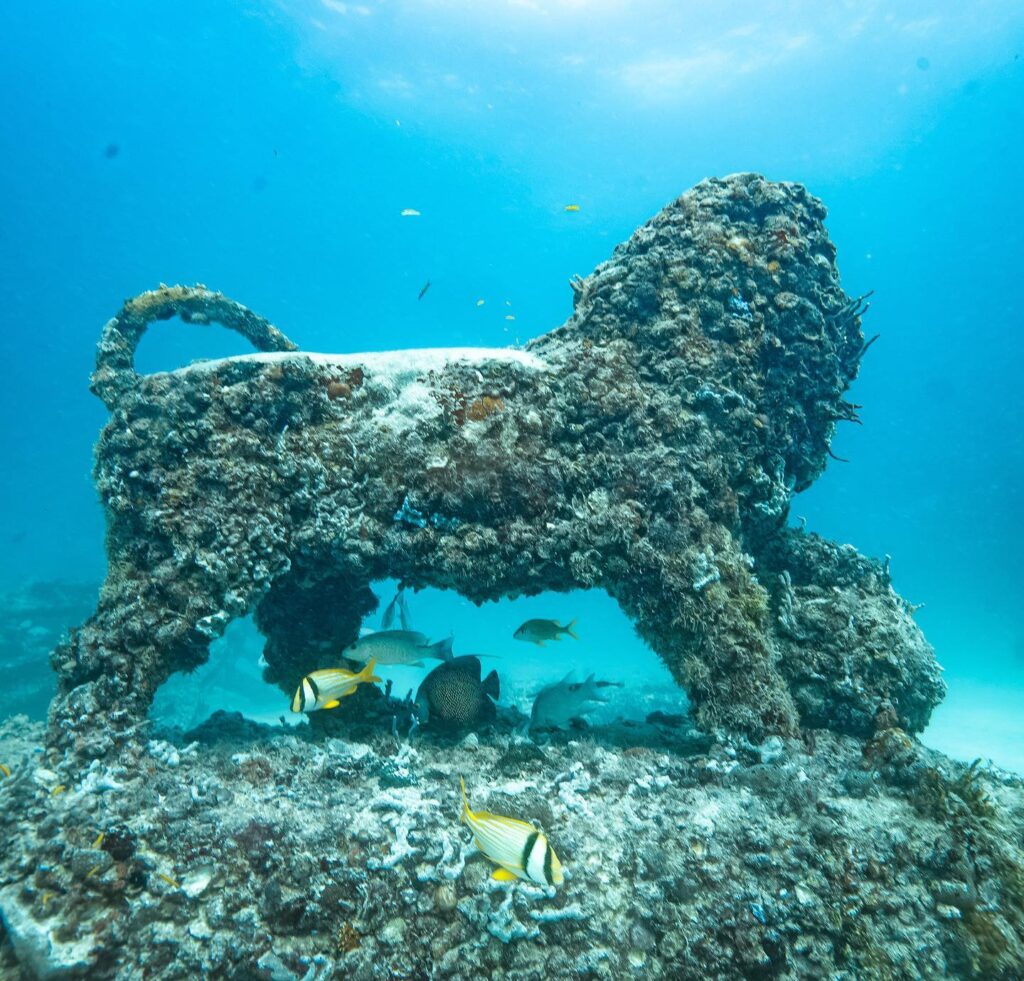
Neptune Memorial Reef is an artificial reef and memorial site placed beneath the Atlantic Ocean off the Miami coast.
Its columns, arches, pathways, and marine growth create the appearance of a submerged ceremonial city.
Why It’s Worth Visiting: The site was created to serve both as a memorial and as a habitat for marine life. Over time, fish and other sea creatures have gathered around the structures, giving the reef an environmental purpose alongside its commemorative role.
Its architecture draws inspiration from the idea of a lost underwater city. Even so, it remains a place connected to families and remembrance, so visitors should approach it with care and respect.
What to Do There: Certified divers can visit through an experienced local dive operator that knows the site and current ocean conditions. Arrange the outing in advance, follow the guide’s instructions, and avoid touching marine life or memorial features.
Travelers who do not dive can ask local boat operators whether surface viewing or nearby marine tours are available. Conditions vary, and access may depend on weather, visibility, and operator schedules.
Treat the reef as both a protected underwater environment and a memorial space. Do not move objects, disturb plaques, or interfere with wildlife.
24. Ancient Spanish Monastery: A Medieval Landmark Rebuilt in Miami

The Ancient Spanish Monastery brings centuries-old stone cloisters from Spain into a quiet corner of North Miami Beach.
Its arched walkways, courtyards, and gardens make it one of the city’s most unexpected historical sites.
Why It’s Worth Visiting: The monastery’s stone sections date from the 12th century. They were dismantled in Spain, shipped to the United States in thousands of numbered pieces, and eventually reconstructed in South Florida.
That long journey gives the site a remarkable background. The cloisters now stand beside an active church, creating a setting that combines medieval architecture with present-day religious use.
What to Do There: Walk beneath the stone arches, spend time in the courtyard, and study the carved details throughout the structure. Photography is often a major reason people visit, though church services and private events may restrict access to certain areas.
Dress respectfully and keep noise low, as the property remains a place of worship. Check opening hours, admission information, and event closures before traveling across the city.
The visit usually does not require a full day, so it can be paired with nearby beaches, parks, or other North Miami attractions.
25. ValuJet Flight 592 Memorial: A Quiet Place of Remembrance
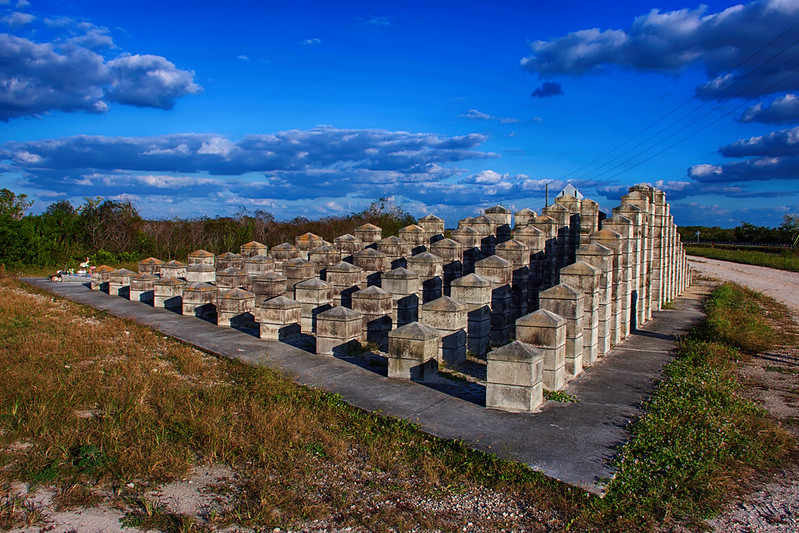
The ValuJet Flight 592 Memorial honors the passengers and crew who lost their lives in the Everglades in 1996.
Its remote roadside setting offers a sober pause far from Miami’s beaches and entertainment districts.
Why It’s Worth Visiting: The memorial was created several years after the disaster to give families and the public a permanent place to remember those on board. Its design points in the direction of the accident location deep within the Everglades.
The site carries a very different mood from most Miami attractions. It is best suited to travelers interested in local history or those wishing to pay their respects.
What to Do There: Pause quietly, read the names, and allow other visitors personal space. This is not a conventional sightseeing stop, so photography should be discreet and respectful.
The memorial stands along the Tamiami Trail in a remote area west of Miami. Mobile service, shade, and nearby facilities may be limited, so confirm the route and road conditions before leaving the city.
Avoid crossing barriers or entering unsafe roadside areas. A brief, respectful visit is usually sufficient.
26. Miami City Cemetery: A Historic Record of Early Miami
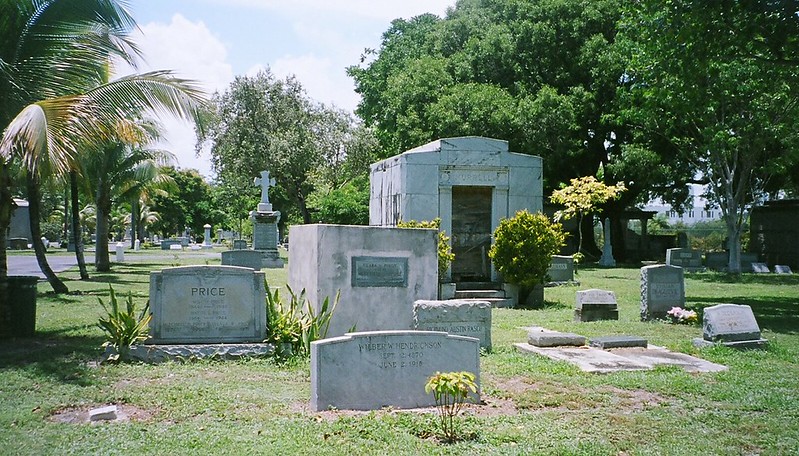
Miami City Cemetery preserves the graves of founders, civic leaders, veterans, and residents from several communities.
Its weathered markers tell parts of Miami’s story that are often missed in museums and beachside districts.
Why It’s Worth Visiting: Established during Miami’s early development, the cemetery contains the burial sites of people closely connected to the city’s growth. Julia Tuttle, military veterans, Black pioneers, and members of Miami’s Jewish community are represented across its sections.
Age, weather, and South Florida’s ground conditions have damaged some monuments, but the cemetery still carries considerable historical value. Its layout also reflects divisions and customs from earlier periods of the city’s history.
What to Do There: Walk respectfully along the established paths and read the markers that remain visible. The Black section is particularly important for understanding residents whose contributions received limited recognition for many years.
Look for veterans’ plots, older family monuments, and the large memorial associated with Carrie Miller. Avoid touching fragile stones or entering damaged areas, as some structures may be unstable.
Visit during daylight, remain aware of your surroundings, and treat the grounds as an active burial place rather than an abandoned attraction.
27. Robert Is Here: A Famous Tropical Fruit Stop Near the Everglades
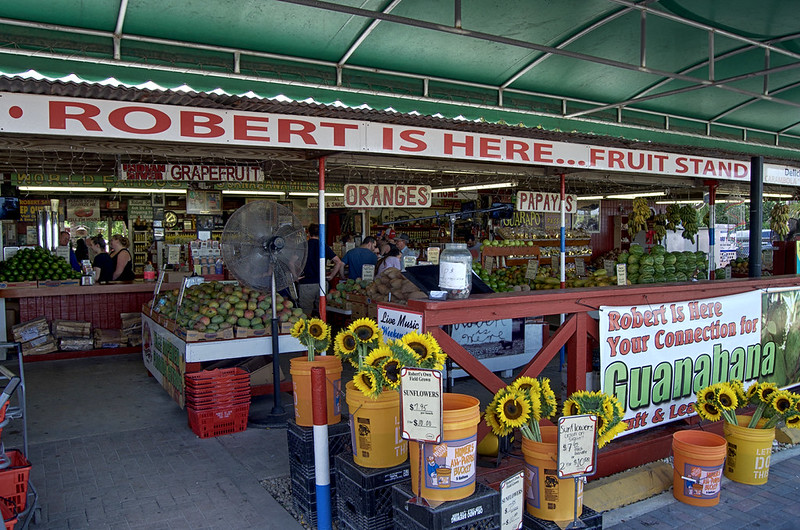
Robert Is Here is a long-running farm stand known for tropical fruit, thick shakes, local produce, and an old-fashioned roadside atmosphere.
Its location near Homestead makes it a popular stop before or after a trip into the Everglades.
Why It’s Worth Visiting: The business began as a small family fruit stand and gradually became one of South Florida’s best-known roadside stops. Shelves and counters may hold mangoes, guavas, passion fruit, dragon fruit, sapodilla, and other produce depending on the season.
Its appeal comes from the mix of local character and unfamiliar flavors. Visitors can ask questions about fruit they have never tried, sample seasonal options, and purchase snacks for the road.
What to Do There: Order a fruit shake made with one or more tropical flavors, or choose fresh fruit to eat later. Availability changes with the growing season, which means the selection may differ from one visit to the next.
Browse preserves, sauces, honey, and other regional goods inside the market. Staff members can often explain how to cut, store, or eat less familiar fruits.
Allow extra time during busy weekends, as the shake counter can attract a line. Pair the stop with Everglades National Park, Homestead, or a drive through South Miami-Dade.
Final Thoughts on the Best Places to Visit in Miami
Miami offers far more than warm sand and late-night entertainment. Its mix of coastal parks, historic buildings, art districts, tropical gardens, Cuban restaurants, museums, and waterfront attractions gives every traveler a different way to experience the city.
Many of the best places to visit in Miami make full use of South Florida’s sunny climate. You can swim at South Beach, walk through colorful neighborhoods, tour grand estates, spend time beside Biscayne Bay, or escape into quieter natural areas beyond the busiest streets.
Use this guide to shape a Miami itinerary that suits your interests, available time, and travel budget. Whether your trip centers on food, culture, architecture, family activities, nightlife, or outdoor adventures, the city provides plenty of memorable stops and strong reasons to return.
Related Post: