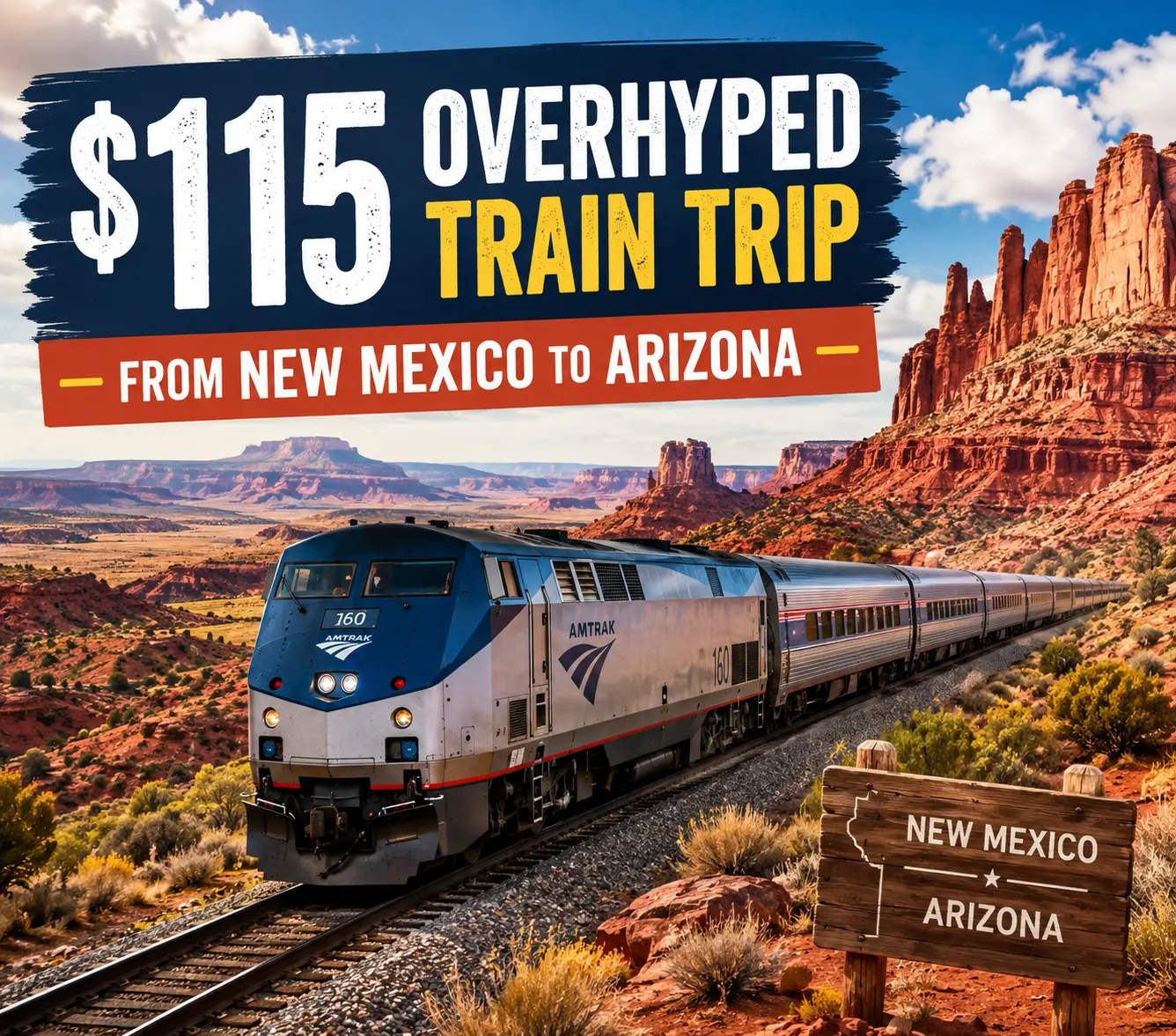
Some train trips sound magical before you ever step on board. A low fare, a desert route, two classic Southwest states, and the promise of watching New Mexico fade into Arizona from a wide Amtrak window all make this journey feel like an easy win. That is why the train ride from Albuquerque to Flagstaff gets talked about with such warm, dreamy language.
But here is the part many travelers skip. This is not a luxury rail vacation. It is not a polished sightseeing tour with perfect timing, glass-domed cars, and a guide pointing out every canyon. It is a regular long-distance Amtrak ride on the Southwest Chief, and that is exactly why the trip can feel both overrated and strangely memorable at the same time.
Why This New Mexico to Arizona Train Trip Gets So Much Attention
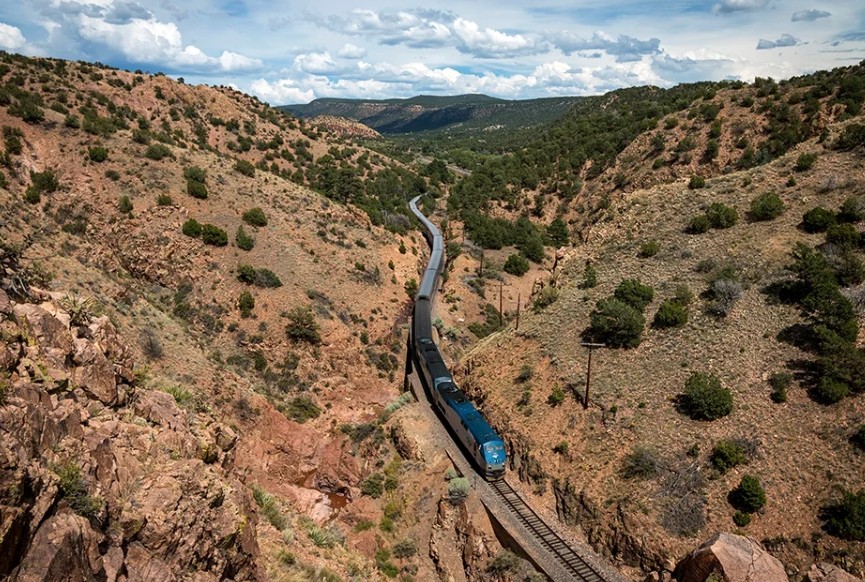
The route has a simple appeal. You board in Albuquerque, a city already tied to Route 66 history, desert light, and old railroad energy. From there, the train heads west across New Mexico and into Arizona, passing through wide-open country that feels far away from airport lines and highway traffic.
For travelers who are used to flying over the Southwest, the slow pace can feel refreshing. The land does not blur past in a quick takeoff. It stretches, shifts, and opens up through the window. Dry plains, distant mesas, small towns, freight yards, and high-desert skies create the kind of view that feels more honest than polished.
That is the reason people rave about it. The ride gives you a ground-level look at the Southwest without needing to drive for hours on I-40. You can sit back, charge your phone, walk around the train, visit the café car, and watch the landscape change without gripping a steering wheel.
The Overhyped Part Nobody Likes to Say Out Loud
The problem is not that the trip is bad. The problem is that people sometimes sell it like a once-in-a-lifetime scenic masterpiece from the first minute to the last. That version is a little too neat.
Some parts of the ride are beautiful. Other stretches are plain, industrial, dark, delayed, or quiet in a way that may disappoint travelers expecting nonstop postcard views. Depending on the direction and time of year, some of the best scenery may pass when the light is fading or after sunset.
That is where the overhyped label comes in. This train trip works best when you understand what it really is. It is a budget-friendly desert rail ride with moments of beauty, not a perfect sightseeing package. The charm is slower and rougher than most travel articles admit.
Albuquerque: The Trip Begins With Old Rail Energy
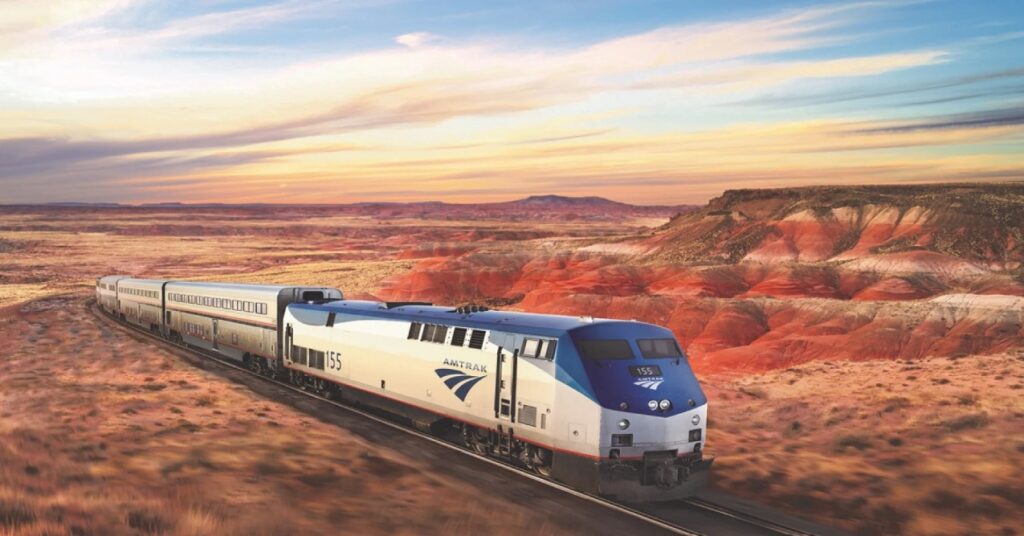
Albuquerque is one of the best places to start this journey because the station sits close to downtown and carries the feeling of a true rail stop. The city has long been tied to cross-country travel, and boarding here feels more grounded than starting from a giant airport terminal.
Before departure, many travelers spend time around downtown Albuquerque or Old Town, especially if they are turning the train ride into a short Southwest getaway. The city gives the trip context. You are not just moving from one state to another. You are leaving a place shaped by desert roads, Pueblo culture, Route 66 history, and rail movement.
Once the train pulls out, the mood changes quickly. The city thins, the land opens, and New Mexico begins to look wider from the window than it does from a map.
What You Actually See Between New Mexico and Arizona
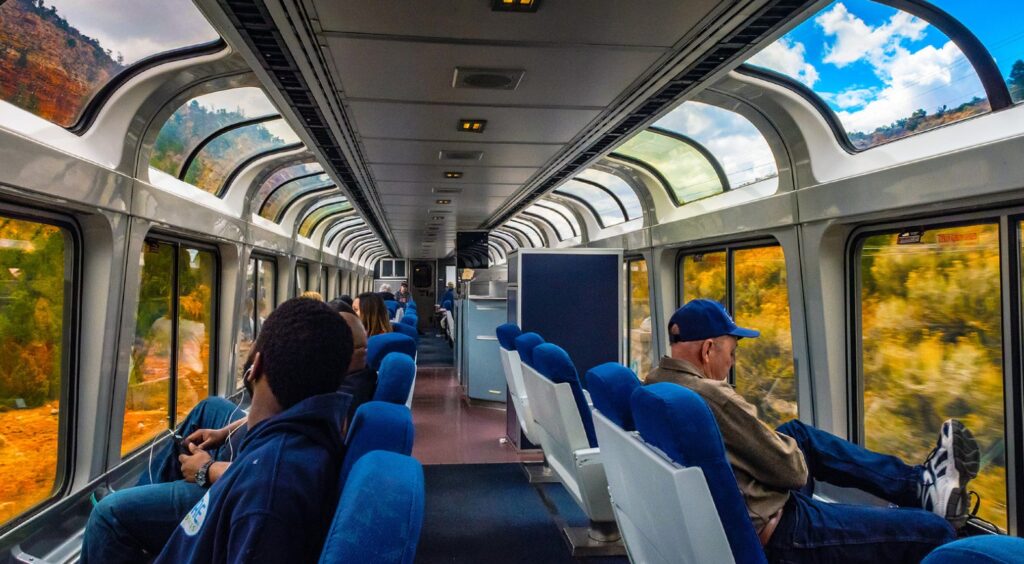
The scenery is not loud in the way mountain routes can be. This is high-desert country, and its beauty depends on patience. You may see red earth, dry washes, long freight lines, distant ridges, scattered towns, and huge skies that seem to sit low over the land.
The route can feel especially atmospheric around western New Mexico and eastern Arizona. Gallup brings another Route 66 layer to the ride, while the crossing into Arizona gives the trip that classic Southwest road-and-rail feeling. It is not always dramatic, but it has a strong sense of place.
This is the kind of train journey where small details matter. A lonely road running beside the tracks. A freight train waiting in the distance. A sunset turning the desert copper. A quiet station stop where only a few passengers step on or off. The ride rewards travelers who can enjoy slow scenes instead of needing constant action.
Flagstaff: The Arizona Ending That Makes the Trip Work
Flagstaff is one reason this ride feels more valuable than it first appears. The city is not just a random endpoint. It is one of Arizona’s best rail-connected bases, with Route 66 character, pine forests, mountain air, and access to some of the state’s biggest outdoor trips.
Many travelers use Flagstaff as a gateway to the Grand Canyon, Sedona, Williams, or northern Arizona road adventures. That makes the train ride feel less like a one-off gimmick and more like the opening chapter of a bigger Southwest itinerary.
Arriving by train also gives Flagstaff a different feel. Instead of rolling in by car, you step off near the city’s historic core, where the railroad still feels central to the town’s identity. For travelers who like old stations, walkable downtowns, and cooler Arizona weather, that ending helps redeem the slower parts of the ride.
Is the $115 Price Actually Realistic?
The $115 idea can be realistic on certain dates, but it should not be treated like a permanent fare. Amtrak prices shift based on timing, demand, seat type, and how close you book to departure. A coach seat booked early may be far cheaper than a last-minute ticket, while sleeper options can cost much more.
That matters because the price is part of the hype. A low fare makes the trip sound like a secret bargain, but travelers should check the exact date before building plans around that number. The smartest way to approach it is to see $115 as a possible budget target, not a promise.
Even so, the ride can still offer strong value. Compared with renting a car, paying for gas, dealing with parking, or flying a short route with airport time added in, the train gives you a slower but more relaxed way to cross from New Mexico into Arizona.
What Coach Class Feels Like on This Ride
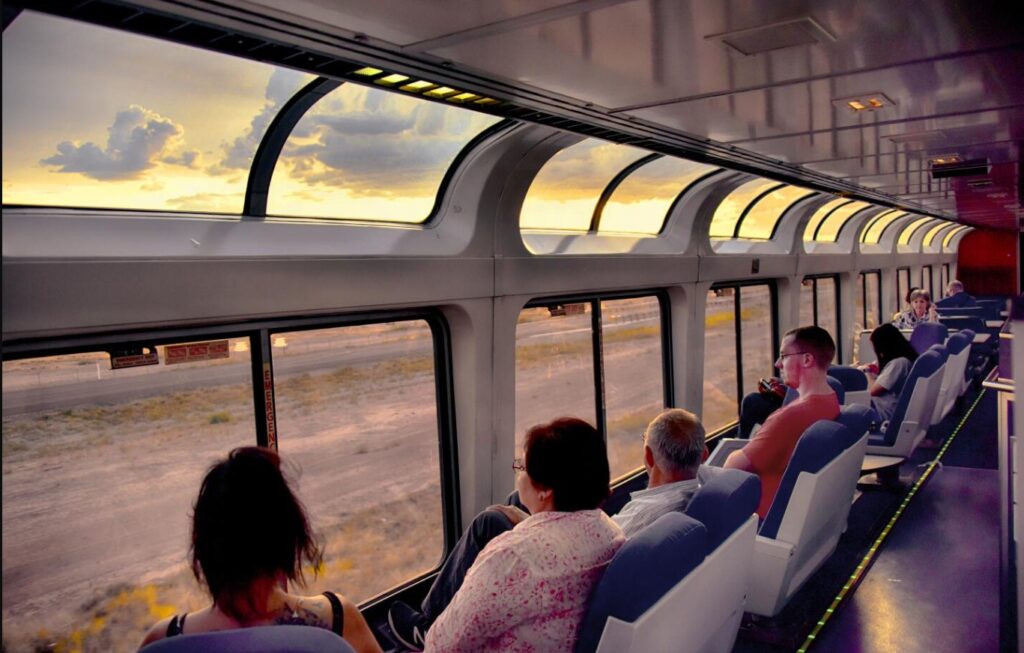
Coach is the most realistic choice for travelers chasing the low-price version of this trip. The seats are wider than standard airline seats, and the extra legroom makes the ride easier than many people expect. You can recline, stretch out a bit, and move through the train when you get tired of sitting.
Still, coach is not private. You may have seatmates, noise, bright lights, and the usual randomness of long-distance travel. The train can feel peaceful one hour and crowded the next. That is why the ride is better for flexible travelers than for people who need full control over their space.
The café car helps break up the trip, but it is wise to bring snacks and water. Food options onboard can be convenient, yet they may not match your taste, budget, or timing. A small bag with simple travel basics can make the whole ride feel easier.
Why Some Travelers Love It Anyway
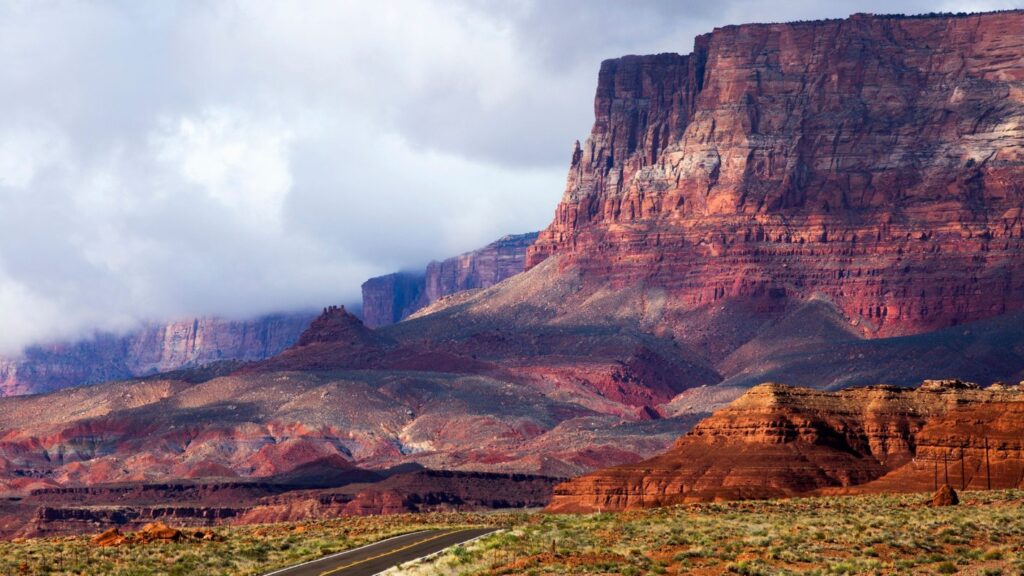
The best part of this train ride is the feeling of leaving normal travel habits behind. You are not rushing through security. You are not staring at highway lanes for hours. You are not trying to beat traffic out of town. You are simply moving west, slowly, through a part of America that deserves more than a flyover.
That slower pace is the real appeal. The train gives you time to notice how the land changes between Albuquerque and Flagstaff. It turns a state-to-state transfer into a small story, with New Mexico’s desert edges giving way to Arizona’s higher country.
For travelers who enjoy quiet routes, old railroad towns, and the romance of long-distance trains, the ride has a pull that is hard to explain. It may be overhyped, but it is not empty hype.
Who Should Skip This Train Trip
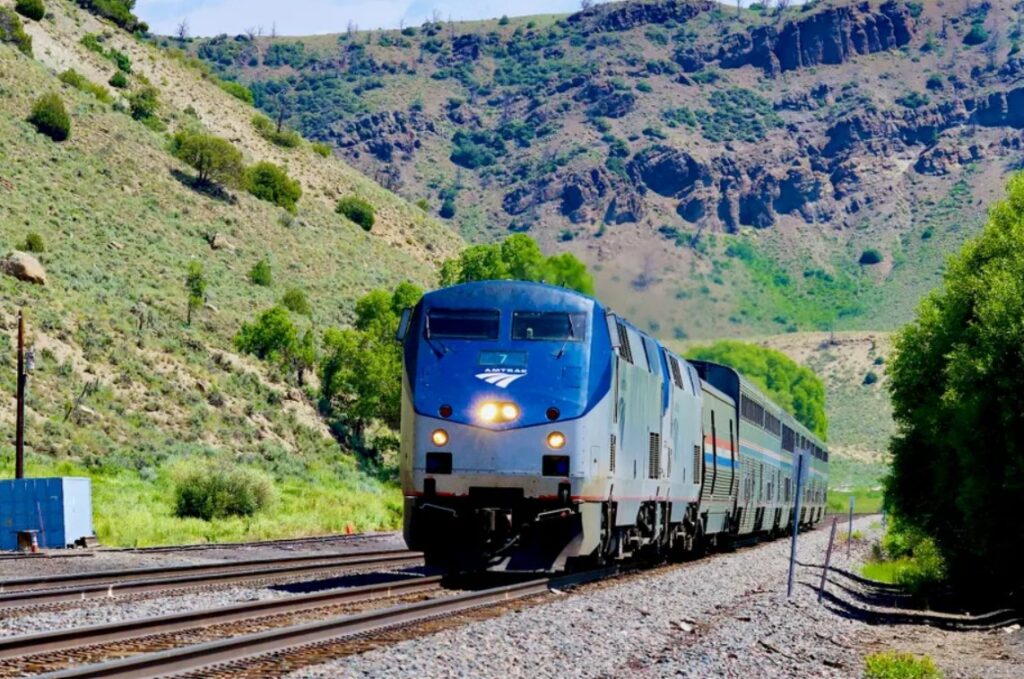
This ride is not for everyone. Travelers who want nonstop scenery, perfect punctuality, luxury service, or a fast transfer may come away annoyed. Amtrak delays can happen, and the schedule may not always match your ideal sightseeing window.
It may also disappoint anyone expecting Grand Canyon-level drama from the train window. The route is scenic in a subtle way, not a constant highlight reel. If you need every mile to feel spectacular, this trip may feel too slow or too plain.
The better fit is a traveler who likes the idea of old-school movement. Someone who can enjoy a quiet window view, a station stop, a changing sky, and the odd charm of crossing the Southwest by rail.
The Real Verdict on This Overhyped Ride
The train trip from New Mexico to Arizona is overhyped only if you expect it to behave like a luxury attraction. It is not that. It is a practical Amtrak segment with desert views, Route 66 energy, and a slow-travel mood that can feel surprisingly satisfying.
For around $115 on the right date, it can be a memorable way to get from Albuquerque to Flagstaff without driving. The scenery has dull patches, the timing may not be perfect, and the experience depends heavily on your expectations. But that is also what makes the trip feel real.
This is not the most dramatic train ride in America. It is not the smoothest, fanciest, or most famous. Yet for travelers who want a slower crossing from New Mexico into Arizona, it offers something flights and highways rarely do: time to watch the Southwest unfold one window frame at a time.