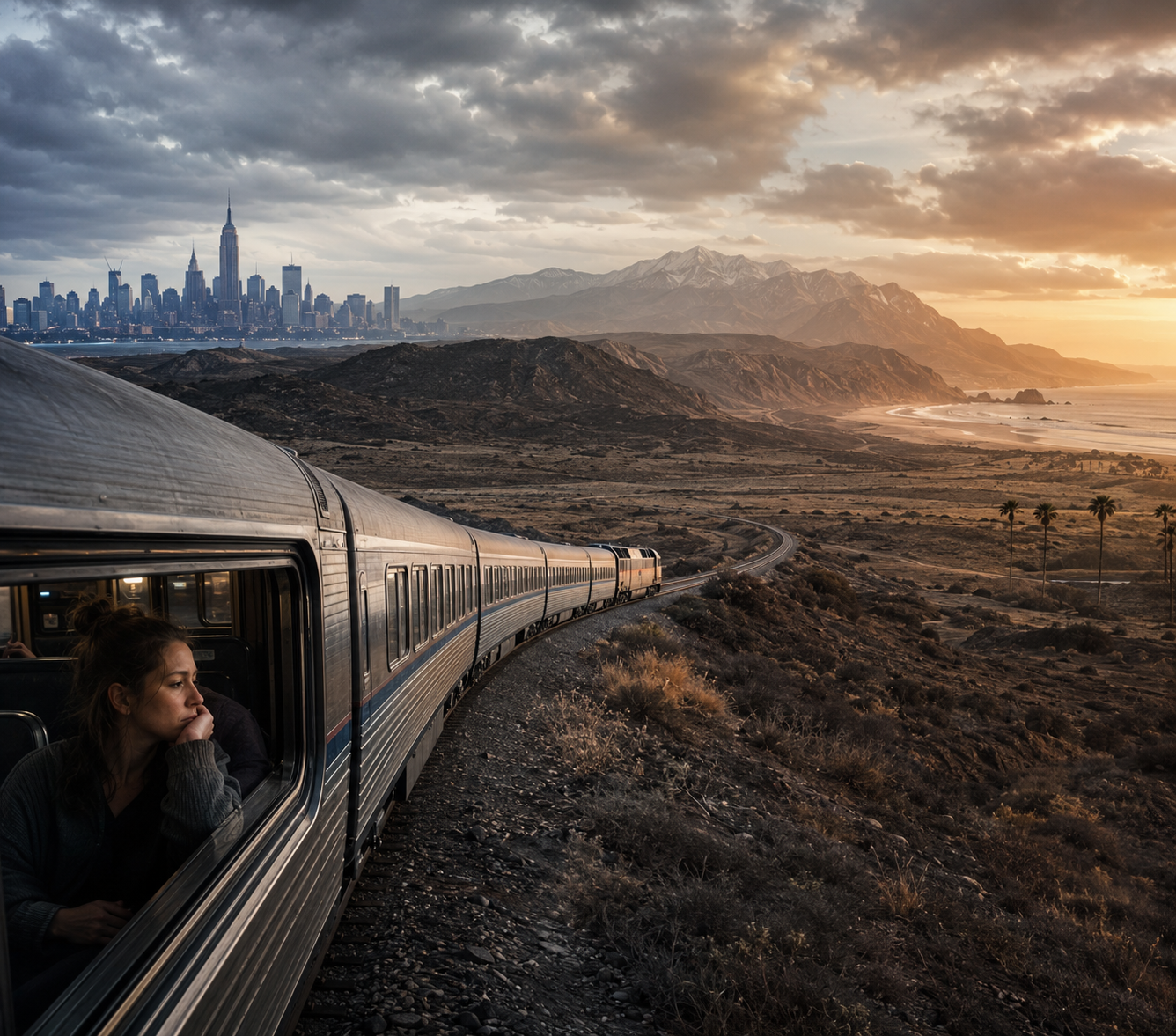
The idea sounds almost too good to ignore — a $299 train ride from New York to California, crossing an entire continent for the price of a budget flight. It’s one of those travel claims that spreads quickly online because it feels like a hidden secret: a cheap, scenic, once-in-a-lifetime journey across America.
But when people actually try to understand it, the story becomes very different. There is no single train that takes you directly from New York to California, and there is no guaranteed $299 coast-to-coast ticket. Instead, what people are really talking about is a long, multi-train journey that crosses several regions of the United States using different routes and connections.
What the $299 Train Trip Actually Is?
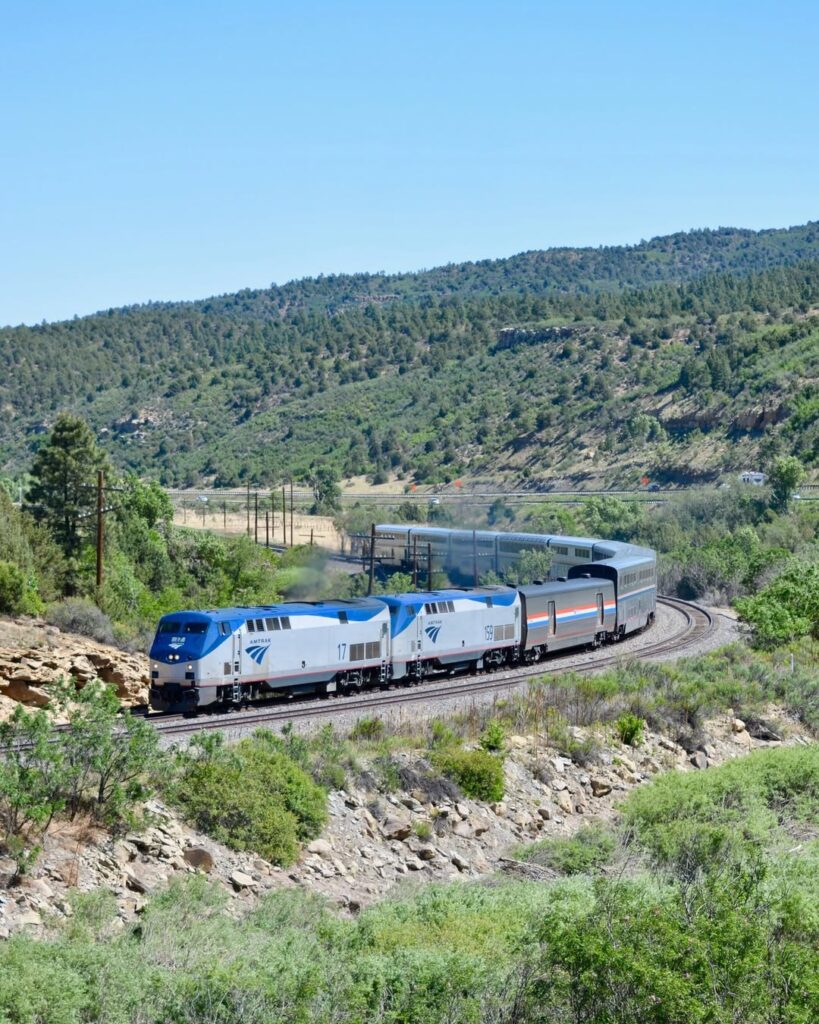
The $299 price is not an official cross-country ticket. It usually comes from promotional fares, partial routes, or selective examples shared online. In reality, the journey is operated by Amtrak, the national passenger rail service in the United States, and it does not offer a single direct train from New York to California.
Instead, travelers must complete the trip by combining multiple long-distance train segments that connect through major transfer hubs, most commonly Chicago. Each segment is a separate route with its own schedule, ticket pricing, and travel duration.
The journey typically begins with an overnight train from New York heading toward Chicago. After arriving there, passengers must transfer to a westbound long-distance service that continues across the country. Depending on the chosen route, this could be a train crossing the Rocky Mountains, one moving through the desert Southwest, or another heading toward the Pacific coastline. Each route offers completely different landscapes and travel times.
Because these segments are booked separately or combined through connecting tickets, the total journey becomes a layered travel experience rather than a single ride. This structure is the main reason why the $299 figure is often misleading—it does not reflect the full multi-train connection required to complete the cross-country trip.
How the Journey Actually Works
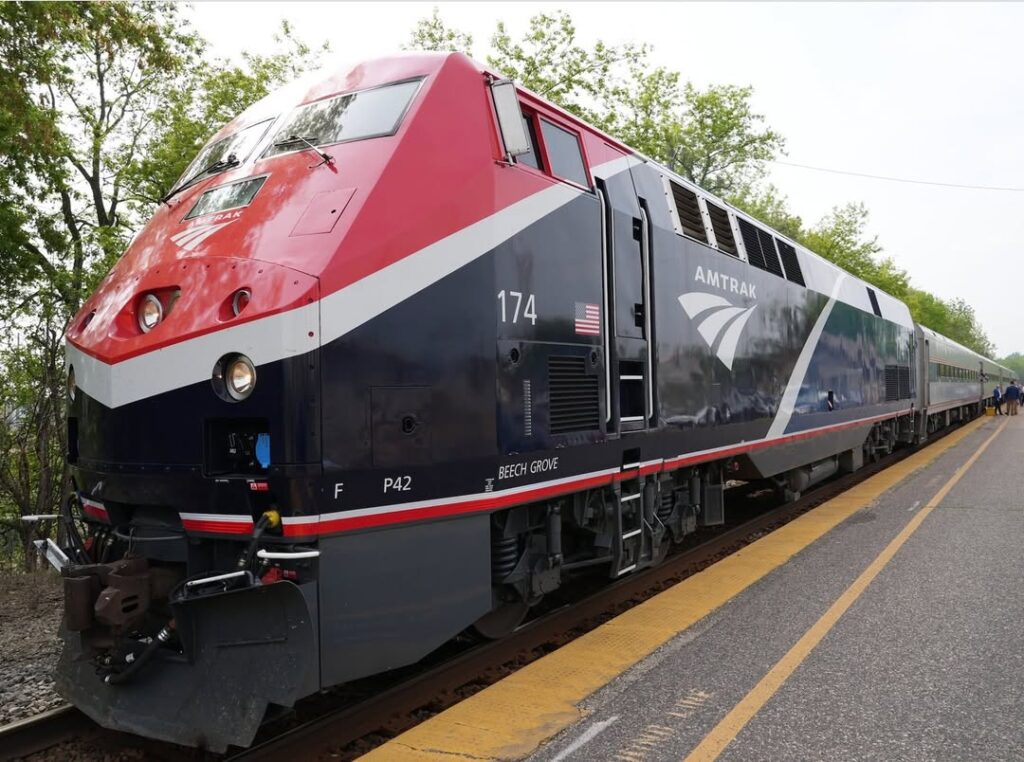
The trip usually begins in New York, where passengers board a long-distance train heading toward Chicago. This first leg takes most of a day and often extends into the night, depending on delays and scheduling.
From Chicago, the journey continues westward. This is where the real cross-country experience begins. Travelers typically choose between different iconic routes depending on direction and scenery preferences.
Some routes pass through the Rocky Mountains, where the landscape becomes dramatic with snow peaks and deep valleys. Others move through wide desert regions with endless open skies and red rock formations. There are also routes that eventually reach the Pacific coastline, where the view shifts again into ocean cliffs and coastal forests.
Altogether, the full journey can take anywhere from two and a half days to four days, depending on connections and travel conditions.
Why People Expect a $299 Luxury Experience
A big part of the confusion comes from how the trip is presented online. The phrase “$299 cross-country train ride” gives the impression of a simple, affordable luxury experience — almost like a scenic hotel on wheels.
In reality, that expectation doesn’t match the typical experience. The lower price points are usually limited deals or short segments of the full route. When people try to book the entire journey, the total cost is usually much higher.
This gap between expectation and reality is one of the main reasons the trip is often labeled as overhyped.
What It’s Like to Actually Travel on the Train
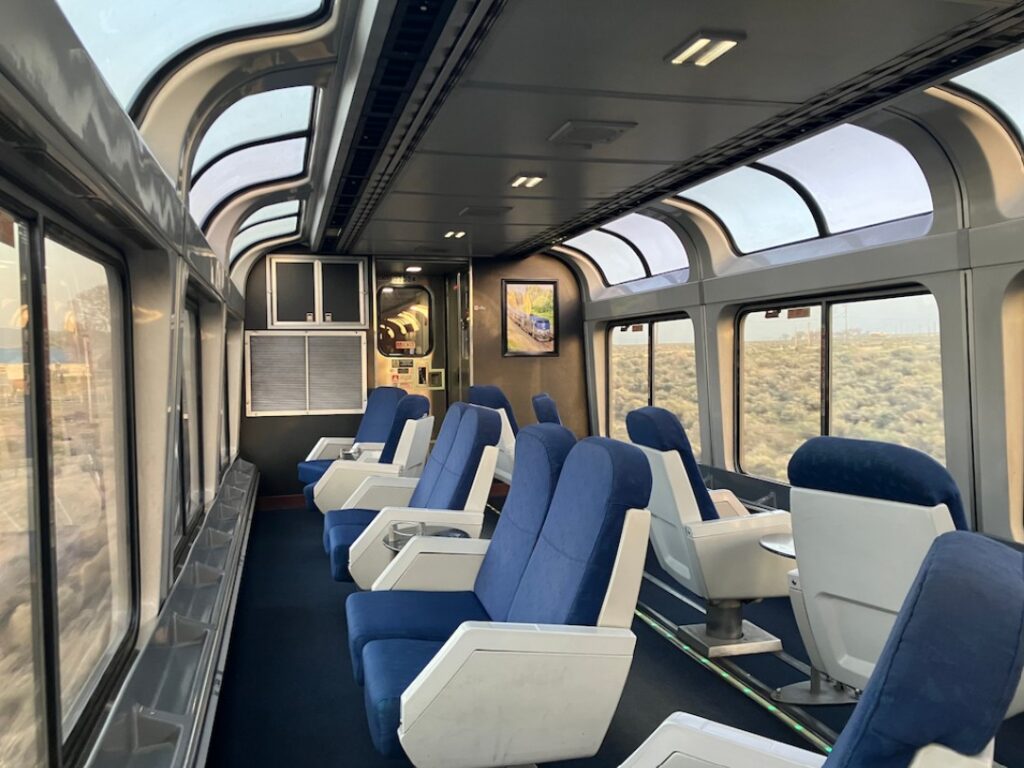
Once onboard, the experience feels very different from flying or road travel. The biggest advantage is space and movement. You can walk around, sit in observation cars, and watch the landscape change slowly outside large windows.
But comfort depends heavily on your ticket type. In coach class, seats are wide and recline, but they are still seats — not beds. Sleeping over multiple nights can become uncomfortable, especially on longer journeys. Food options are available, but they are basic compared to what many travelers expect from a long trip.
Sleeper cabins offer more privacy and a place to lie down, which improves the experience significantly. However, they come at a much higher cost and still feel compact compared to a hotel room.
The Part Everyone Loves: The Scenery
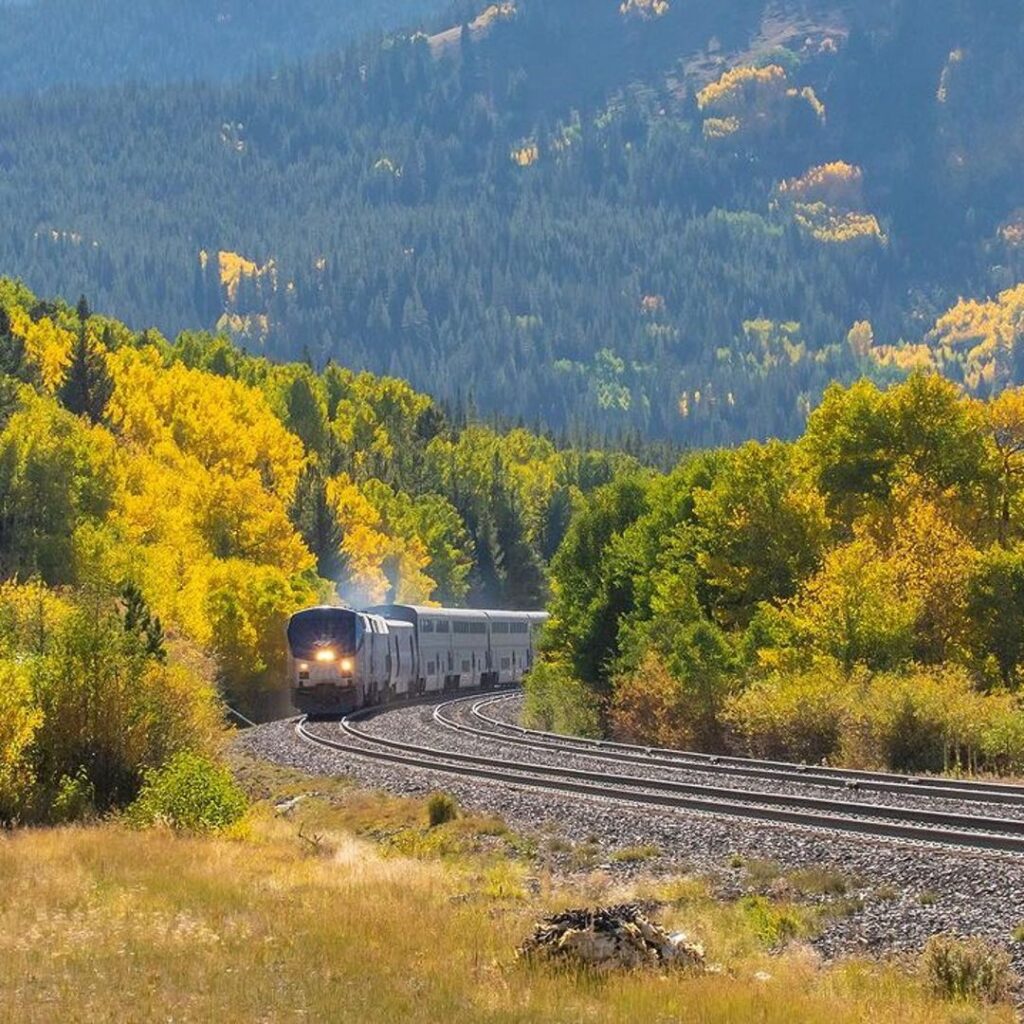
Despite the challenges, this journey is famous for one reason — the scenery.
As the train moves west, the landscape transforms completely. The early part of the trip shows farmland, rivers, and small towns. Then comes the dramatic shift into the Rocky Mountains, where tunnels, cliffs, and snow-covered peaks dominate the view.
Later, the route often passes through desert regions with red rock formations and wide open horizons that stretch endlessly. In the final stretch, forests, mountains, and lakes appear again before reaching California.
These changing landscapes are what make the trip memorable, even for travelers who find it tiring.
Why People Call It “Overhyped”
The word “overhyped” doesn’t mean the trip is bad. It means the expectation doesn’t always match the reality.
Online, the journey often looks peaceful, empty, and almost luxurious. In reality, trains can be crowded, schedules can shift, and long hours can feel repetitive. Delays are also common because passenger trains share tracks with freight traffic.
So while the scenery is real and impressive, the overall experience is less polished than what social media often shows.
Who Will Actually Enjoy This Trip
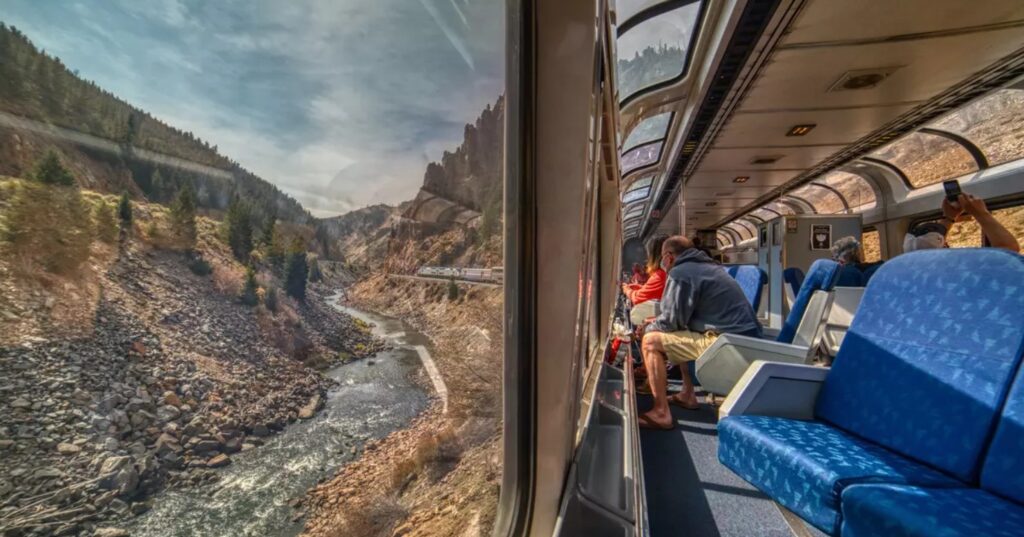
This train journey is not for everyone, and that’s important to understand before booking.
It works best for travelers who enjoy slow movement, long scenic views, and the idea of the journey being part of the experience. It also appeals to photographers, rail enthusiasts, and people who want to disconnect from fast-paced travel.
But it may not be the right choice for those who want comfort, speed, or a short vacation timeline. It requires patience, flexibility, and an appreciation for slow travel.
Final Thoughts
At its core, the $299 New York to California train trip is not a cheap luxury package. It is a simplified idea built from real but complex rail routes across the United States.
The journey is real, the views are real, and the experience can be unforgettable — but only when expectations are realistic.
It’s not about paying $299 for a luxury ride across America. It’s about taking a slow train across an entire continent and seeing the country change, mile by mile.
You may also like :