Tennessee’s forest trails can feel peaceful at first glance. Tall hardwoods, shaded ridgelines, misty waterfalls, and quiet backcountry paths make the state one of the most rewarding hiking destinations in the Southeast. From Great Smoky Mountains National Park to Savage Gulf, Fall Creek Falls, and the Cumberland Plateau, the scenery can pull hikers deep into the woods fast.
But these trails are not risk-free.
Many of Tennessee’s biggest hiking hazards are easy to miss until you are already on the trail. Venomous snakes can hide in leaf litter. Ticks can attach without being noticed. Humid air can make a shaded hike feel hotter than expected. Waterfalls and bluff edges can turn dangerous after rain. Even clear mountain streams may carry germs that can make hikers sick.
Before heading into Tennessee’s forests, here are the hidden dangers every hiker should know.
Venomous Snakes and Ticks: Small Trail Hazards With Serious Consequences
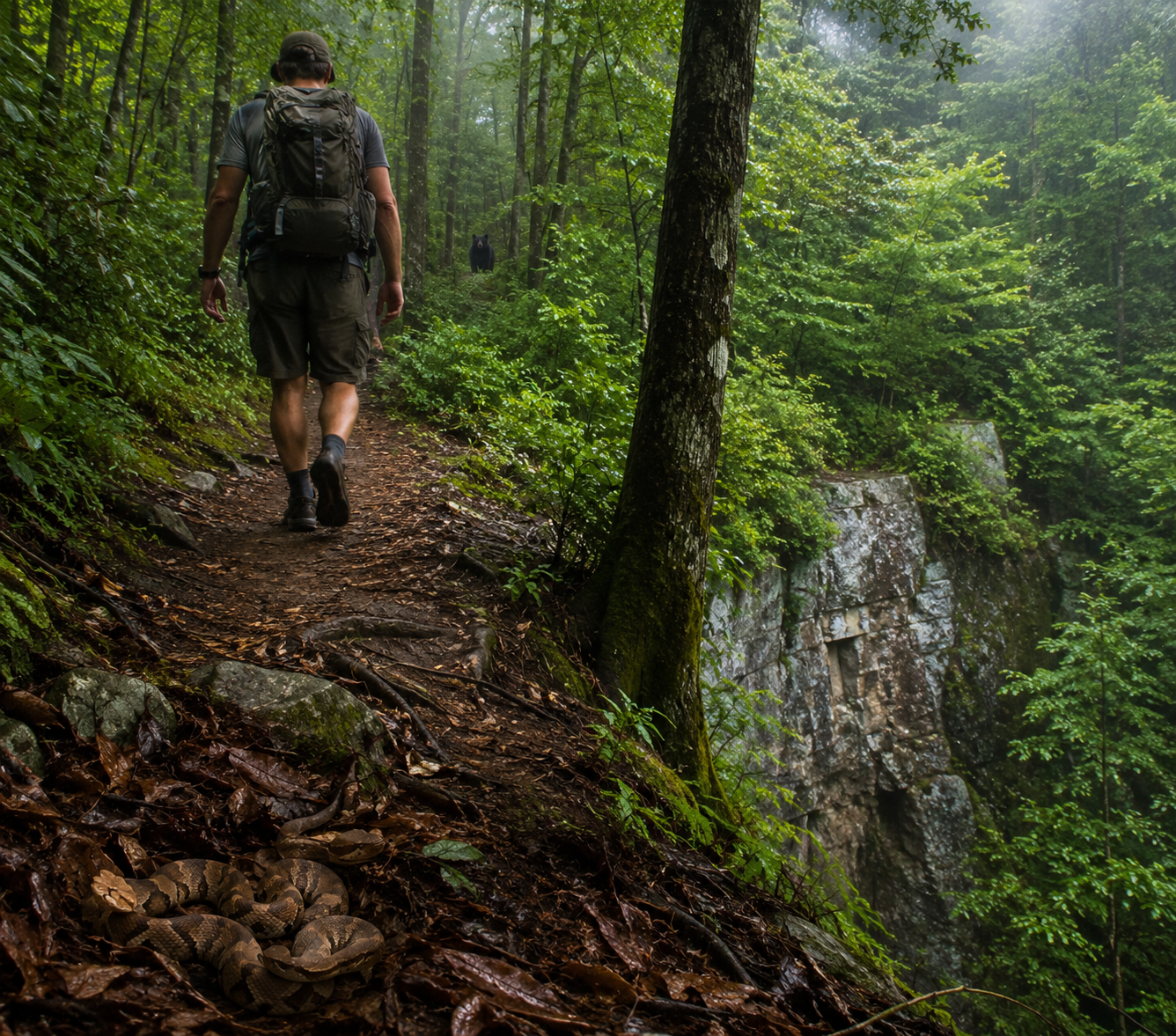
Tennessee is home to several venomous snakes, including copperheads, timber rattlesnakes, cottonmouths, and pygmy rattlesnakes. Copperheads are found across much of the state, while timber rattlesnakes can live in forests, rocky slopes, and remote mountain areas. Most snakes do not want contact with people, but hikers can get into trouble when they step too close, reach into hidden spaces, or move through brush without looking carefully.
The risk is higher around rocky outcrops, logs, leaf piles, warm trail edges, and places where snakes can stay hidden. A snake may be resting where a hiker naturally wants to place a boot or hand.

How to Lower the Risk
Never place your hand into a crack, hollow log, or rock gap without checking first. Step onto a log instead of directly over it, then look on the other side before stepping down. A trekking pole can help you check brushy areas and hidden ground before your feet get there.
Wear sturdy boots on forest trails. For rougher routes, tall grass, or off-trail areas, heavier boots and long pants add another layer of protection. The safest move after spotting a snake is simple: leave it alone and give it room.
Ticks are another major concern in Tennessee’s wooded areas. They can be found in grass, brush, and leaf litter, especially during warmer months. Some ticks can spread illnesses, so hikers should take tick prevention seriously even on short day hikes.
Tick Safety Before and After the Hike
Use an EPA-registered insect repellent, wear long pants when possible, and stay near the center of the trail instead of brushing against tall grass. After the hike, check your legs, waistline, socks, backpack straps, hairline, and behind the knees. Showering after a hike and washing trail clothes can also help remove ticks you did not notice outdoors.
Deceptive Heat and Humidity: The Shade Can Still Wear You Down
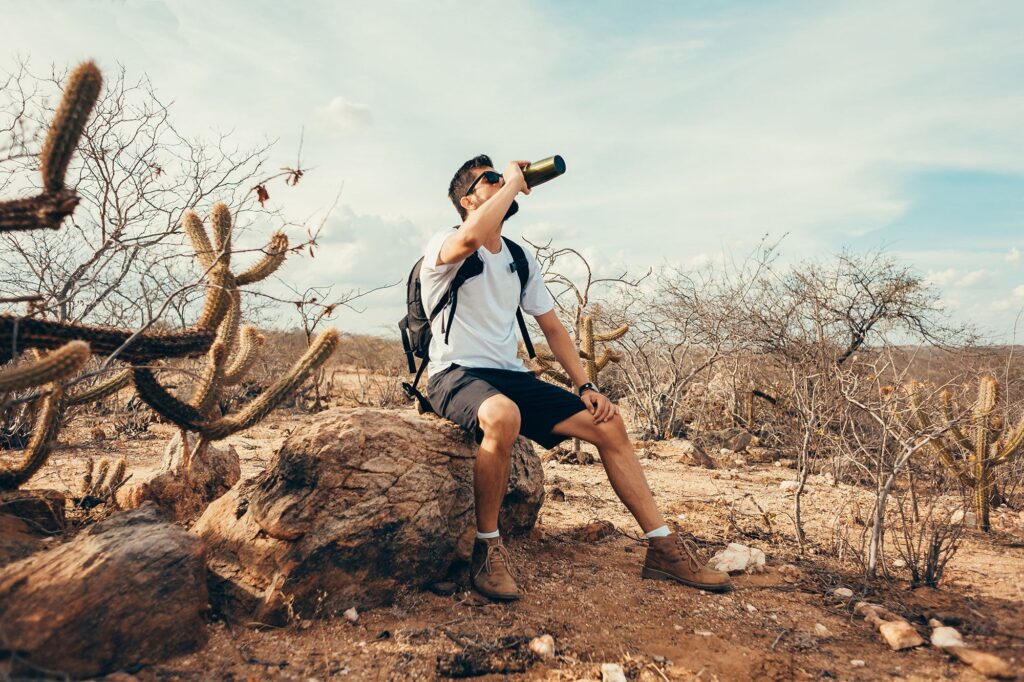
Tennessee’s forest shade can trick hikers into feeling safer than they really are. In Middle and East Tennessee, humid air can make it harder for sweat to cool the body. That means a trail may feel draining even when the sun is not directly overhead.
Heat exhaustion can build slowly. A hiker may start with tired legs, a headache, dizziness, nausea, heavy sweating, or weakness. By the time the symptoms feel obvious, the hike back to the trailhead may already be harder than expected.
Why Humidity Makes Tennessee Trails Tougher
Humidity traps moisture in the air and slows the body’s natural cooling process. A shaded trail in the Smokies or along the Cumberland Plateau may still feel heavy and airless during summer. Long climbs, steep switchbacks, and waterfall trails with exposed rock can add to the strain.
How to Hike Smarter in Hot Weather
Start early in the morning when temperatures are lower. Avoid the hottest part of the day when possible, especially on exposed overlooks, rocky trails, or long routes with major elevation gain.
Carry more water than you think you need. For many hikers, a smart baseline is at least 1 liter of water for every 2 hours of hiking, with extra water for summer heat, steep climbs, or slower groups. Salty snacks can also help replace what your body loses through sweat.
Wear lightweight, breathable clothing. Heavy cotton can hold sweat and feel uncomfortable as the hike continues. Take breaks in the shade before you feel exhausted, not after.
Black Bears
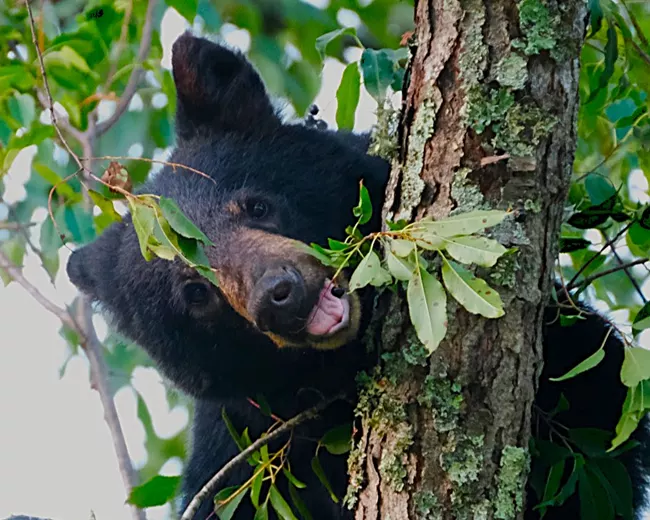
Black bears are one of Tennessee’s most memorable wildlife sightings, especially in and around Great Smoky Mountains National Park. Seeing one can be exciting, but it is also a moment when hikers need to stay calm and make smart choices.
Bears become dangerous when people get too close, block their path, feed them, or leave food where they can reach it. A bear that learns to associate people with snacks, backpacks, coolers, or trash can become a serious problem for both visitors and wildlife managers.
The 50-Yard Rule in the Smokies
In Great Smoky Mountains National Park, visitors must stay at least 50 yards, or 150 feet, from bears. That is about half the length of a football field. Getting closer for a photo is not worth the risk.
If a bear changes its behavior because of you, you are too close.
Food Safety Matters More Than Many Hikers Think
Never leave food, wrappers, scented items, or trash unattended. This includes snacks, sunscreen, lip balm, gum, and anything with a smell. Keep food packed away until you need it, and use bear-safe storage where required.
If you see a bear on the trail, do not run. Back away slowly, speak calmly, and give the animal space. Keep children close and do not crowd the bear for photos.
Falls, Bluffs, and Swift Water: Tennessee’s Scenic Spots Can Turn Dangerous Fast
Some of Tennessee’s most popular trails lead to waterfalls, overlooks, gorges, and bluff edges. These views are a major reason people hike here, but they also create some of the state’s most serious trail hazards.
Wet rocks can be slick even when they look safe. Moss, algae, spray from waterfalls, and mud can make footing unstable. A short scramble near a waterfall can become risky in seconds, especially after rain.
Why Waterfall Trails Need Extra Caution
Waterfalls often attract hikers to the most slippery part of the landscape. The rocks near the brink, base, and stream crossings can be unstable. Even shallow water can move faster than expected, and a small slip can lead to a hard fall.
Bluff edges are another danger. Forest cover can hide sudden drop-offs, and some edges crumble more easily than they appear.
Simple Rules Around Waterfalls and Cliffs
Stay back from cliff edges and waterfall brinks. Do not climb over fences or ignore warning signs. Avoid wet rock scrambling, especially near fast water. After heavy rain, treat stream crossings and waterfall trails with extra care.
A photo is never worth stepping onto slick rock or standing near a drop-off.
Waterborne Contaminants: Clear Streams Are Not Always Safe
Tennessee streams, springs, and mountain creeks may look clean enough to drink from, but clear water can still carry germs. Giardia and other contaminants can be present in natural water sources, especially where wildlife, runoff, or upstream human activity is involved.
Drinking untreated water can lead to stomach illness, diarrhea, cramps, nausea, and dehydration. That can become a major problem if you are miles from the trailhead.
Do Not Drink Straight From Streams
Even if the water is cold, moving, and clear, treat it first. Carry a reliable water filter, purification tablets, or another proper treatment method. For longer hikes, bring a backup option in case your filter fails.
If you are hiking with kids or newer hikers, make this rule clear before the trip: no drinking directly from streams, waterfalls, or springs.
Sudden Weather Changes Can Catch Hikers Off Guard
Tennessee weather can shift quickly, especially in the mountains and on high ridges. A calm morning can turn into an afternoon storm. Rain can make roots, rocks, bridges, and wooden steps slick. Fog can reduce visibility on ridgelines and overlooks.
Thunderstorms are also a concern in warmer months. Open balds, high points, fire towers, and exposed overlooks are poor places to be when lightning is nearby.
Check the Forecast Before You Go
Look at the weather for the specific park or trail area, not just the nearest city. Mountain weather can be cooler, wetter, or stormier than town forecasts suggest.
Pack a rain layer, even for day hikes. Keep your phone charged, but do not rely on service in remote areas. Download maps ahead of time or carry a paper map when hiking deeper trails.
Getting Lost: Tennessee Trails Can Feel Clear Until They Are Not
Many Tennessee trails are well-marked, but not all of them are simple. Backcountry routes, old forest roads, unofficial paths, and confusing junctions can lead hikers off course. Leaf cover, fog, fallen trees, and creek crossings can make the right path harder to follow.
A wrong turn late in the day can turn a short hike into a stressful situation.
Navigation Tips for Forest Trails
Download an offline map before leaving home. Carry a backup map or trail notes, especially in places with limited cell service. Pay attention to trail markers at every junction instead of assuming the path will stay obvious.
Tell someone where you are going and when you expect to return. For longer hikes, share the trail name, parking area, and planned route.
What to Pack Before Hiking Tennessee’s Forest Trails
A smart day pack can make a huge difference. Tennessee hikers should carry more than a phone and water bottle, especially on trails with waterfalls, ridges, wildlife, or limited service.
Basic Safety Gear to Bring
Pack water, snacks, a first-aid kit, a map, a charged phone, a flashlight or headlamp, rain protection, sun protection, insect repellent, and a way to treat water. A whistle, extra socks, and a small emergency blanket can also be useful without adding much weight.
For longer or more remote trails, bring extra food, extra water, navigation backup, and layers for changing weather.
Final Thoughts
Tennessee’s forests are beautiful, but they deserve respect. The same trails that lead to waterfalls, mountain views, quiet creeks, and deep green hollows can also bring snakes, ticks, heat, slick rocks, black bears, and unsafe water.
The goal is not to avoid hiking. The goal is to hike with better awareness.
Check the forecast, carry the right gear, stay back from bears and cliff edges, treat natural water, and do a full tick check after every hike. A little preparation can turn a risky trip into a safer, more enjoyable day on the trail.