
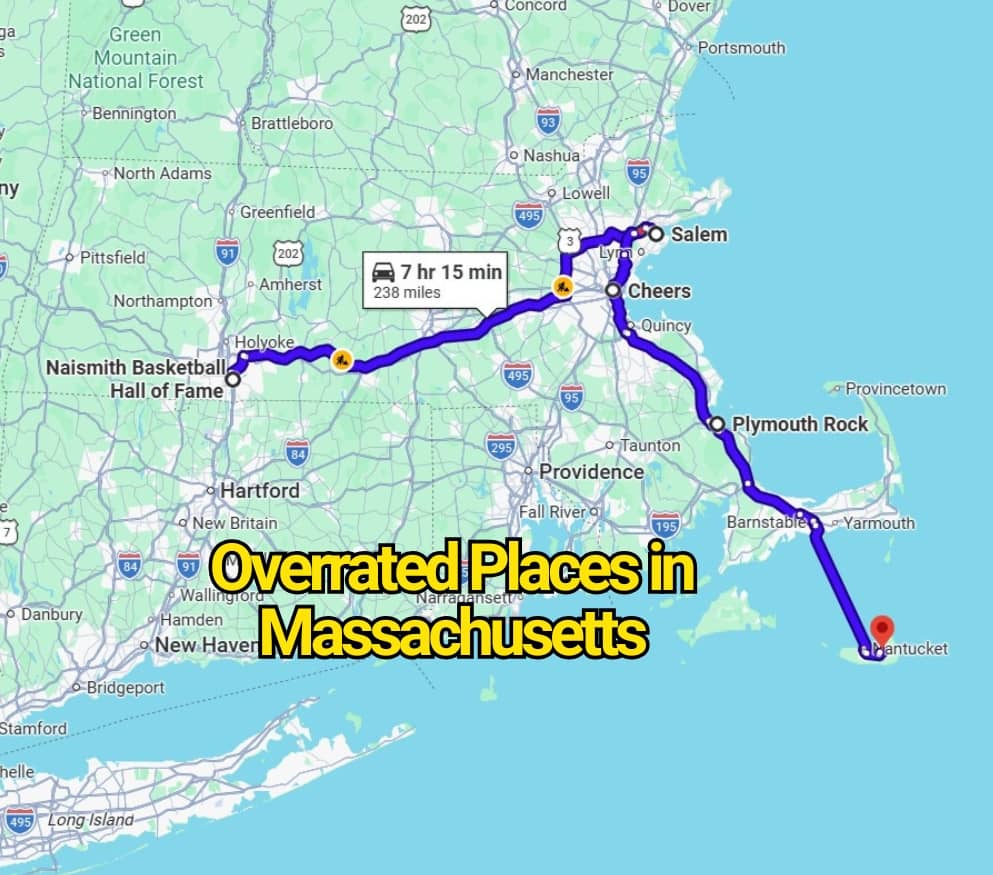
Massachusetts has far more character than many travelers expect. Small towns carry a quiet New England charm, and coastal stretches offer a steady rhythm of ocean air and history mixed together. While Boston often gets most of the attention, the rest of the state spreads out with its own identity and slower pace.
There’s a common stereotype that Massachusetts is unfriendly and that life outside Boston feels uneventful. That view misses a lot of what actually exists across the state—local diners, old mill towns, and coastal communities that carry strong regional personality. Still, travel experiences are personal, and some places simply don’t leave a strong impression for every visitor.
After spending time moving across different parts of the state, there are a handful of spots I personally wouldn’t plan to revisit. It’s less about labeling them as bad and more about preference—certain areas didn’t match my expectations or energy for a return trip. Massachusetts still offers plenty worth seeing, but like anywhere, some stops just don’t call you back a second time.
1. Salem in October: Beautiful but Overcrowded Halloween Season
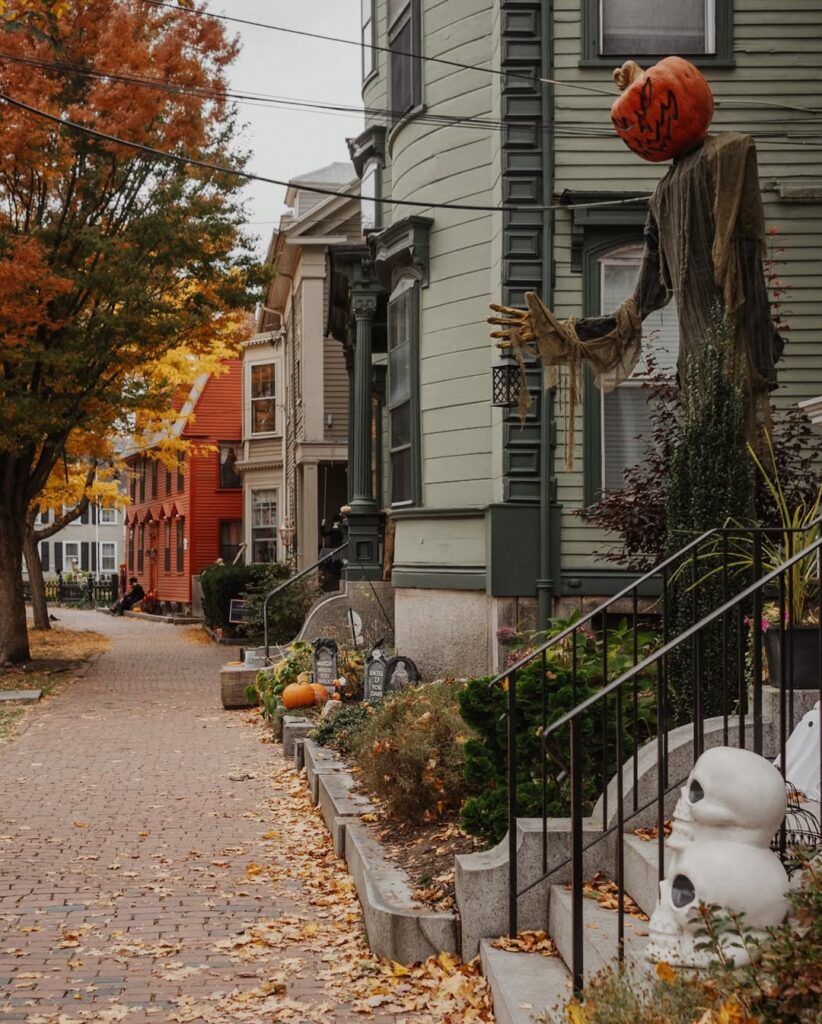
Salem is widely known for its witch trial history and strong Halloween culture. The town carries a long historical shadow, with museums, walking tours, and storytelling experiences built around its past. Outside of October, it feels more manageable and easier to explore at a relaxed pace.
The main appeal comes from its deep connection to the Salem witch trials and the way local attractions highlight that history. Small streets, themed shops, and seasonal events create an atmosphere that draws visitors interested in both history and spooky storytelling. Even so, its popularity means it rarely feels quiet for long.
October is where things shift dramatically. The town becomes heavily packed with visitors, and movement through central areas often slows to a crawl. Crowds gather tightly around major attractions, accommodations fill early, and prices rise noticeably. What might be a fun seasonal visit for some turns into a crowded and stressful experience for others.
While Salem remains an important cultural stop in Massachusetts, the Halloween season pushes it beyond comfortable limits for many travelers. Outside peak weeks, it offers a far more balanced experience, but in October it often feels overloaded and difficult to fully enjoy.
2. Nantucket Island: Beautiful but Expensive and Crowded in Summer
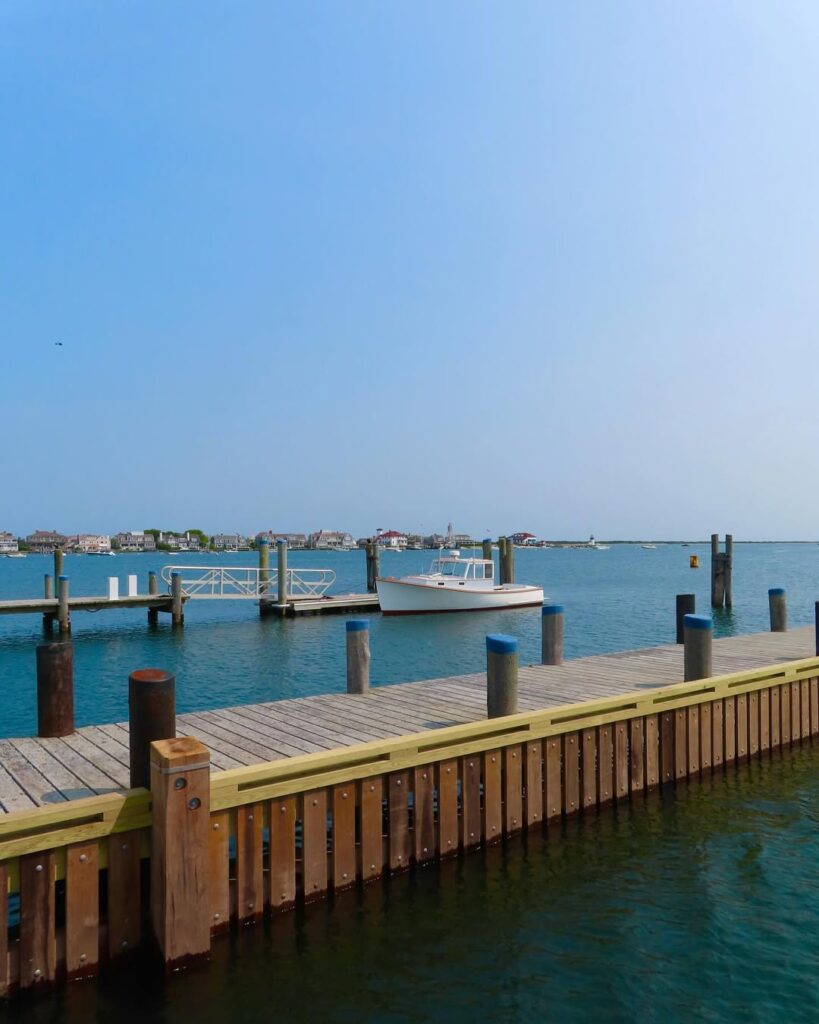
Nantucket Island sits out in the Atlantic Ocean and is widely known for its upscale coastal atmosphere and deep whaling history. The island has a strong New England identity, with weathered homes, harbor views, and a slow coastal rhythm that attracts visitors looking for a classic seaside escape.
The appeal is easy to understand—historic streets, ocean scenery, and a reputation for refined coastal living. Many visitors come expecting an ideal island getaway shaped by calm views and elegant surroundings. The setting does deliver visually, but the experience is strongly influenced by its remote geography and high operating costs.
Prices across the island tend to be noticeably high, from lodging to everyday dining. Because almost everything must be transported by ferry or ship, costs rise quickly and remain elevated throughout the season. This makes even simple stays feel expensive compared to mainland destinations.
During peak summer months, the situation changes again as crowds arrive in large waves. Ferries bring in heavy visitor traffic, and popular areas become busy and congested. While Nantucket still holds its charm, the combination of cost and seasonal pressure can make the experience feel less relaxed than many travelers expect.
3. The Cheers Bar: A Tourist Stop That Feels More Staged Than Local
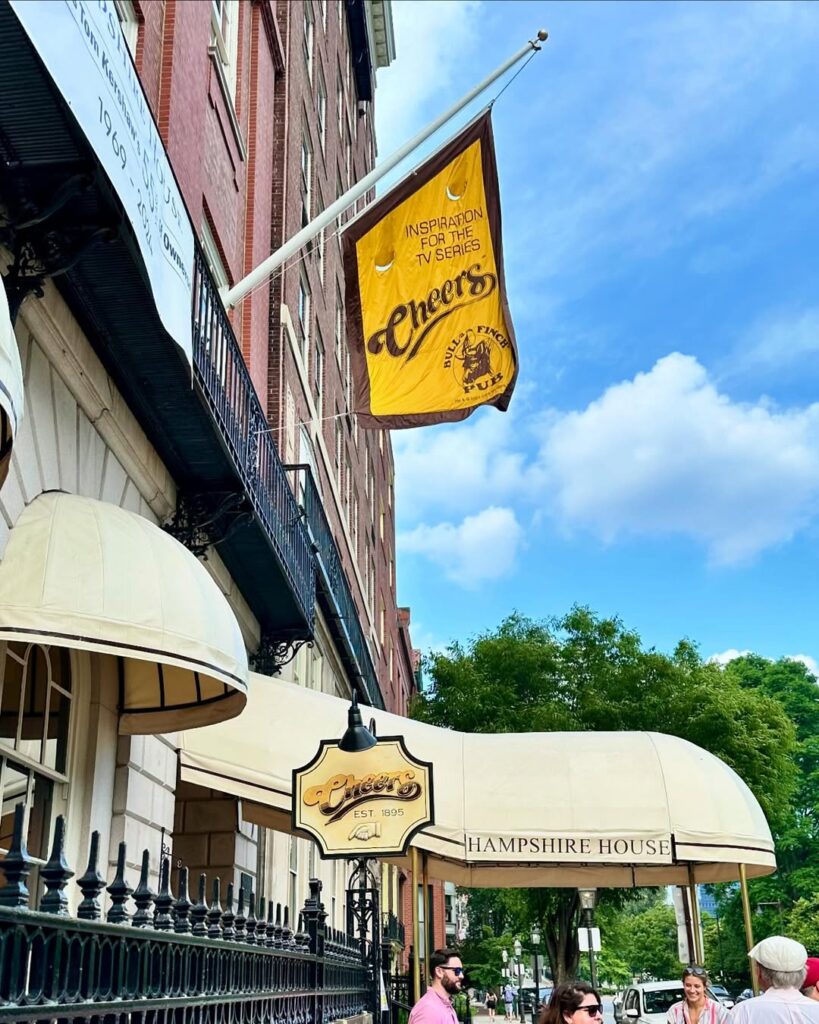
Cheers Boston is widely known as the real-life inspiration behind the classic television show Cheers. The exterior of the building was used for the famous opening shots, making it a recognizable stop for fans visiting Boston. It draws steady foot traffic from visitors hoping to step into a piece of TV history.
The main appeal comes from its connection to the show rather than the actual pub experience itself. The original interior inspiration no longer exists in its former form, having been replaced with a themed setup that mirrors the television version. This creates a setting that feels more reconstructed than historically preserved.
Inside, the atmosphere is friendly enough, and staff generally keep things welcoming. Food and drink options are fairly standard for Boston, without standing out compared to other nearby pubs. The experience is fine for a short visit, but it leans heavily on its fame rather than its everyday character.
Because of its popularity, the space is often filled with tourists rather than regular local patrons. That shift changes the overall feeling of the place, making it less like a neighborhood pub and more like a photo stop. For visitors expecting the warm, familiar spirit of the show, the reality may feel a bit more commercial than expected.
4. Plymouth Rock: A Symbol That Feels Bigger Than the Reality

Plymouth Rock is widely associated with the early landing of the Pilgrims in New England. It has become a symbolic stop for visitors interested in early American history, often included in regional tours through Plymouth.
The main issue is the expectation versus the actual experience. What many imagine as a historic landing site turns out to be a small, protected stone set behind a decorative enclosure. It sits quietly near the waterfront, presented more as a historical marker than an immersive historical environment.
There is also uncertainty about its authenticity. No historical records confirm that this specific rock was the exact landing point of the Pilgrims, and the designation came much later as a symbolic gesture rather than a verified location. That detail changes how some visitors interpret its importance.
In the end, the site holds more meaning as a cultural icon than as a tangible historical landmark. For travelers expecting a dramatic or visually striking experience, the reality may feel understated, but its role in American storytelling keeps it on many itineraries regardless.
5. Naismith Basketball Hall of Fame: Worth the Stop, But the Surroundings Disappoint
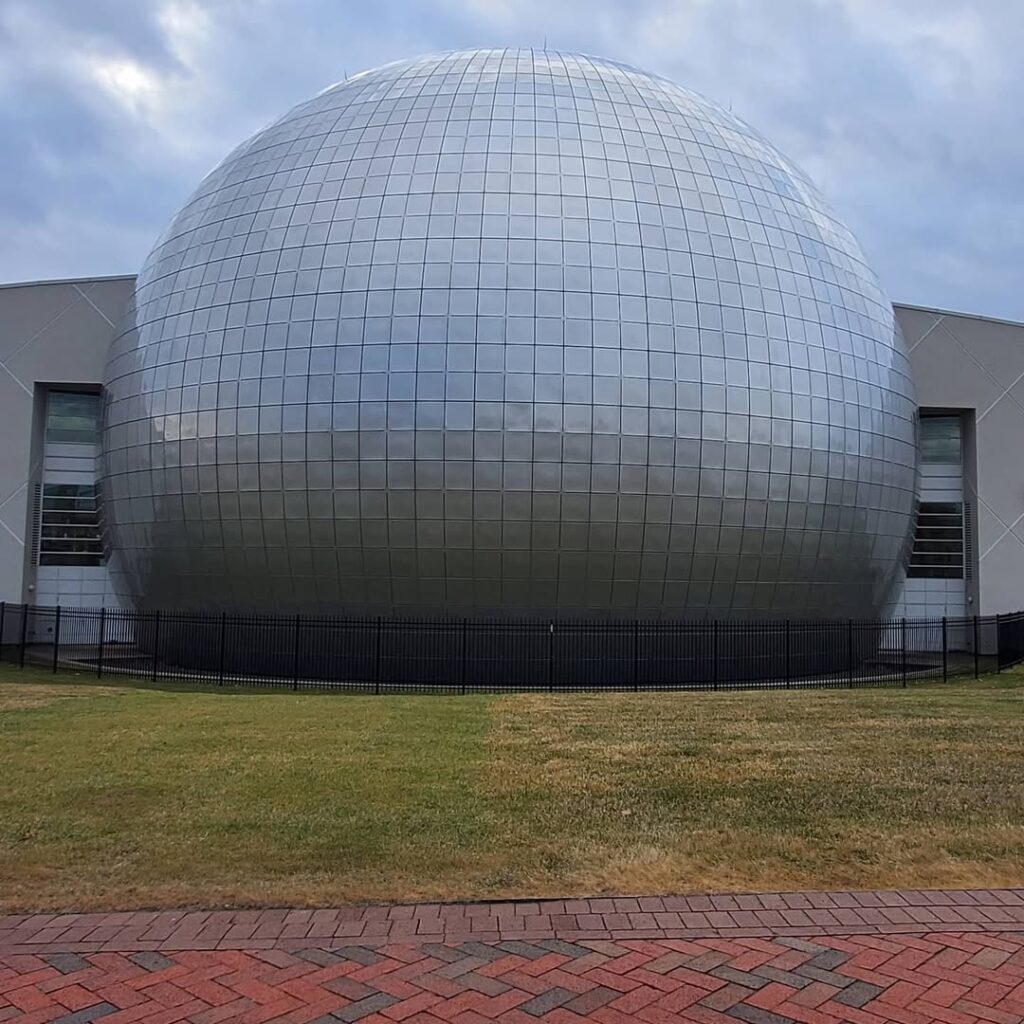
Naismith Memorial Basketball Hall of Fame is one of the most recognized institutions dedicated to the history of basketball in the United States. It houses exhibits, memorabilia, and stories that trace the sport’s growth from its early days to its modern global influence.
Inside the museum, the experience can be engaging for fans of the game. Displays walk through legendary players, historic teams, and defining moments that shaped basketball culture. For dedicated enthusiasts, it can feel like a meaningful visit, even if the time spent inside is relatively short.
The main drawback comes from the surrounding city of Springfield. The broader area does not offer much for tourists to do beyond the museum itself, and many visitors find the urban environment less appealing compared to other destinations in Massachusetts. This creates a travel pattern where people arrive specifically for the Hall of Fame and leave shortly after.
As a result, the overall trip can feel unbalanced—long travel time, a brief museum visit, and limited activities nearby. While the Hall of Fame remains an important stop for basketball fans, the location makes the full experience less rewarding for casual travelers who expect a fuller destination.
More Related Articles :