
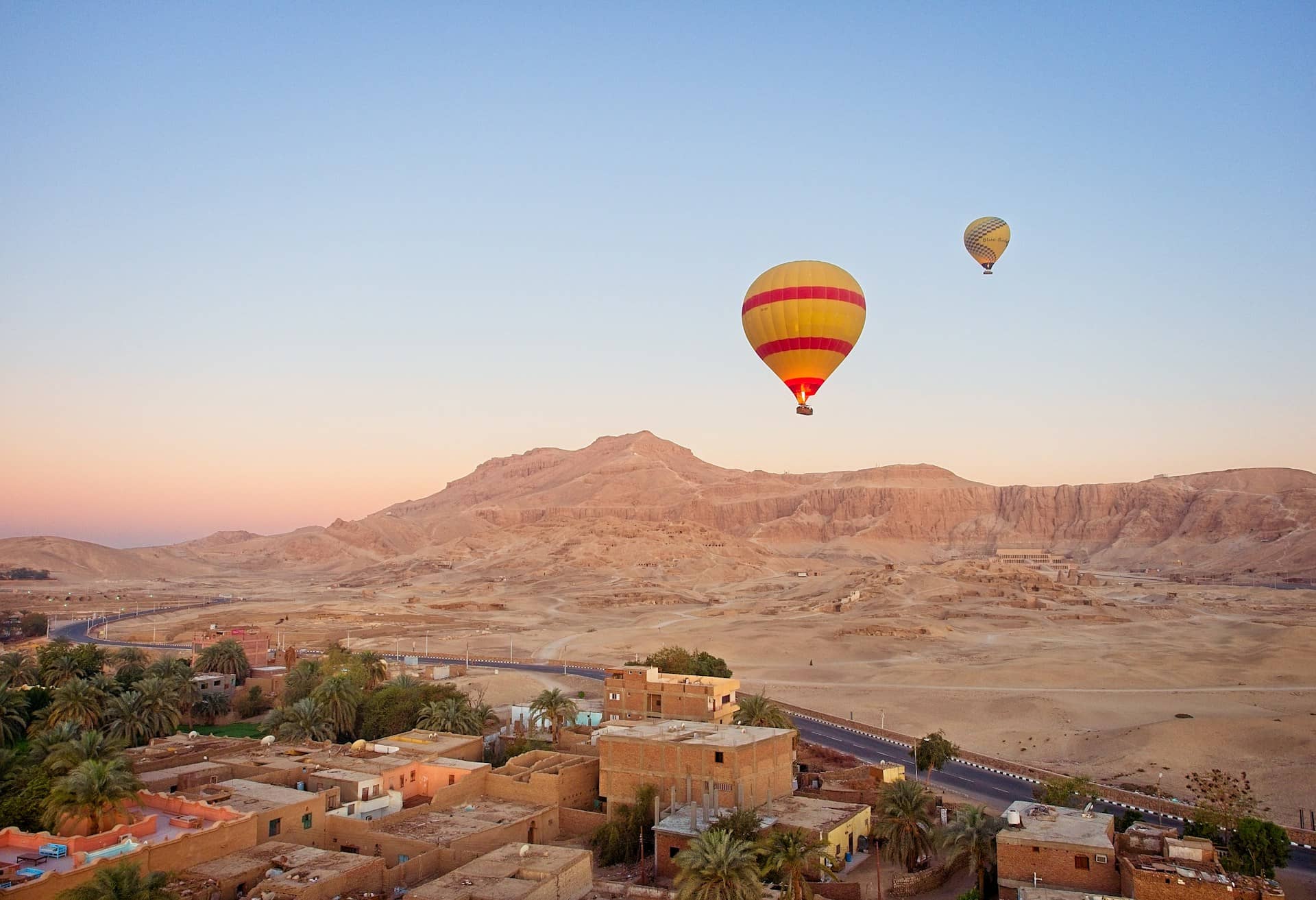
Looking for the best places to visit in Egypt? After several trips, we’ve gathered a list of standout locations that continue to impress—from grand temples and thought-provoking museums to everyday scenes that reveal the country’s rhythm.
Egypt remains a bucket-list destination packed with striking landmarks and cultural depth. Each visit feels different, yet equally memorable, with layers of history and modern life blending in unexpected ways.
From our first trip over two decades ago to our most recent journey in 2026, the sheer scale of Egypt’s past still leaves a strong impression. You’ll stand before temples and tombs that date back over 4,600 years, see carvings that remain sharply detailed after millennia, and witness the last surviving wonder of the ancient world—the Great Pyramid of Giza.
Travel here has changed significantly. Visiting the pyramids now feels far more organized, with efficient shuttle systems replacing the older, slower approach. Meanwhile, the opening of the Grand Egyptian Museum marks a major milestone, offering an expansive look into one of history’s most influential civilizations.
This guide brings together the places that left the strongest impression on us. Expect a mix of iconic landmarks, engaging museums that bring history to life, and a few quieter spots that offer a different perspective on Egypt.
If you want to see how these experiences can fit into a well-paced journey, check out our full itinerary for a clearer picture of how to plan your time.
Cairo: Beyond the Pyramids
Cairo is often treated as a quick stop before heading to the pyramids or starting a Nile cruise, but the city holds far more than a brief visit suggests. It’s a place where ancient history meets busy streets, and every district carries a different mood.
Start with the iconic sites, including the nearby Pyramids of Giza, but don’t rush away too quickly. Spend time wandering through areas like Khan el-Khalili, where narrow lanes are filled with shops, cafés, and local crafts. It’s one of the best spots to get a feel for everyday life.
For history, step inside the Egyptian Museum or the newer Grand Egyptian Museum, both offering a deep look into ancient Egypt’s legacy. The collections here help connect the monuments you see outside with the stories behind them.
If you have extra time, explore Islamic Cairo, where historic mosques and old streets create a completely different atmosphere from the modern city.
If you’re deciding where to stay, take a look at our guide to Cairo’s best neighbourhoods to find an area that fits your travel style.
1. The Pyramids of Giza and the Sphinx
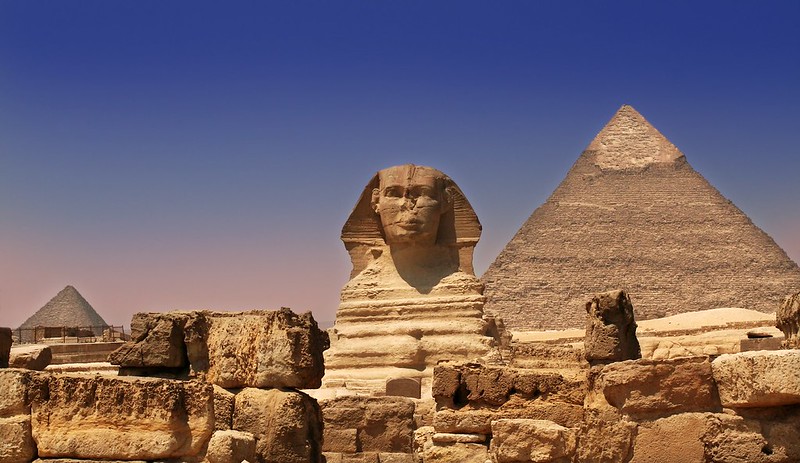
The Pyramids of Giza are one of those landmarks people talk about for years—and once you stand in front of them, the scale feels even greater than expected. These structures have stood for thousands of years, and seeing them up close leaves a lasting impression.
Right beside them sits the Great Sphinx of Giza, a figure that has watched over the plateau for centuries. Its size and presence add another layer to the visit, making the area feel even more remarkable.
On our most recent trip, we noticed how much the site has changed compared to decades ago. Private cars are no longer allowed within the plateau, and a modern shuttle system now connects the main viewpoints. The buses run often, and you can hop on and off throughout your visit, making it far easier to move around.
This new setup also means a calmer experience. The constant interruptions that once defined a visit here have reduced noticeably, allowing you to take in the surroundings at your own pace.
There are also updated facilities, including cafés and well-maintained rest areas, which make spending more time on-site far more comfortable.
For a smoother visit, it’s worth checking detailed guides that cover ticket options, entry points, and tour choices before you go.
2. Khan El-Khalili Bazaar: A Walk Through Old Cairo
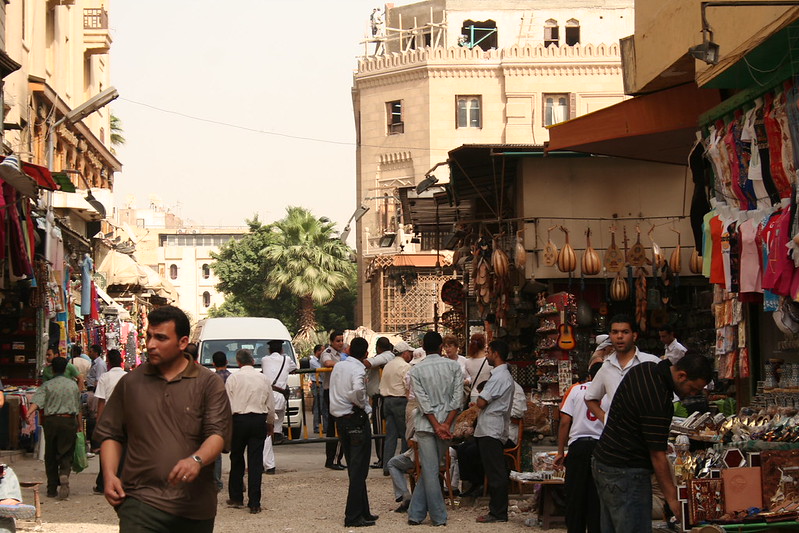
The Khan el-Khalili sits within Islamic Cairo and remains one of the best places to experience the city beyond its major landmarks. It’s busy, layered, and full of character, offering a closer look at everyday life.
Dating back to the 14th century, the market has grown into a maze of tight alleyways lined with small shops and workshops. As you move through the lanes, you’ll come across brass lanterns, hand-crafted boxes, textiles, and jewelry, many of which are still made using traditional methods.
The atmosphere shifts as you walk deeper inside. Some corners feel energetic and crowded, while others slow down near cafés where people sit, talk, and watch the world pass by. It’s easy to spend hours here without noticing the time.
If you have space in your itinerary, this stop is well worth it. It offers a side of Cairo that feels grounded and welcoming, especially for first-time visitors. For more ideas on how to fit it into your trip, take a look at a detailed Cairo itinerary.
3. Al-Muizz li-Din Allah Street: Cairo’s Living History Corridor
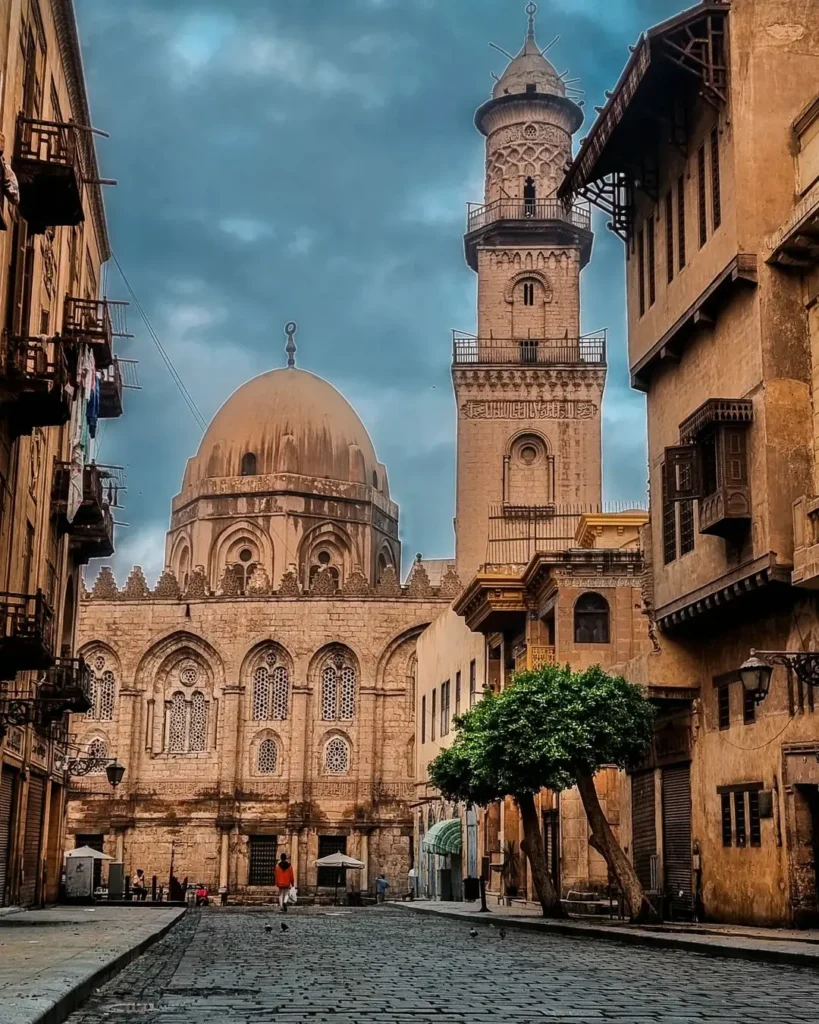
Al-Muizz li-Din Allah Street stretches north from Khan el-Khalili and is one of the oldest streets in Cairo. Walking along it feels like moving through different periods of history, with centuries-old buildings lining both sides.
Now mainly pedestrian, the street is often described as an open-air museum. Along the way, you’ll pass an impressive collection of medieval mosques, schools, and tombs, each reflecting a different architectural style and era.
One of the standout landmarks is the Mausoleum and Madrasa of Sultan Qalawun. Its detailed stonework, large arches, and balanced design make it a highlight for many visitors interested in historic architecture.
Take your time here. The experience works best at a slow pace—step into courtyards, look up at carved facades, and notice how the atmosphere shifts as the light changes through the day.
For more ideas on how to include this street in your plans, check a detailed Cairo guide covering the top things to do.
4. Grand Egyptian Museum: A New Era of Ancient History
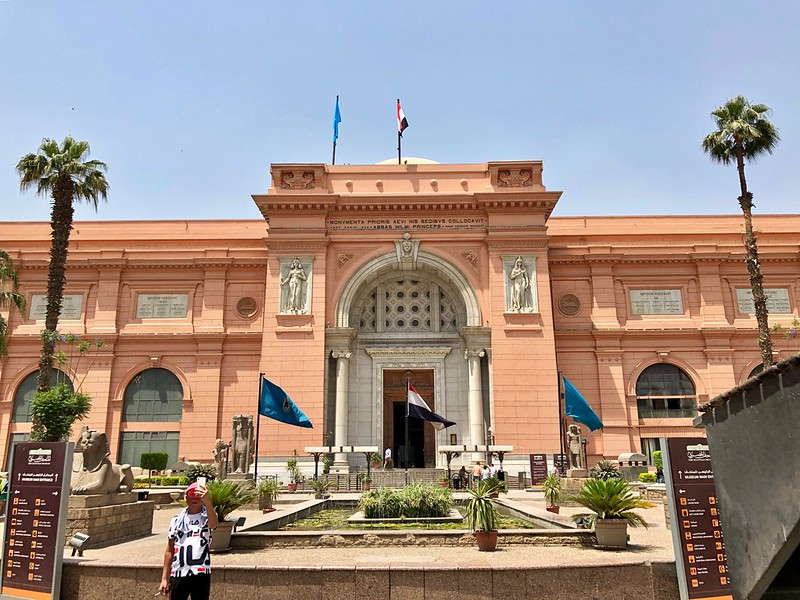
The Grand Egyptian Museum has finally opened after more than two decades of work, and it quickly stands out as one of the top places to visit in Egypt. The scale alone is impressive, but it’s the way the exhibits are arranged that makes the visit feel well thought out.
One of the main highlights is the complete collection of treasures from Tutankhamun’s tomb, displayed together in a way that has never been done before. Seeing these pieces in one place gives a clearer picture of life, power, and ritual in ancient Egypt.
At the center of the museum is a wide staircase that splits the space into two main sections. On one side, you’ll find twelve galleries arranged in chronological order, guiding you through different periods of Egyptian history. On the other side, the Tutankhamun exhibition draws most of the attention, with carefully presented artifacts that highlight craftsmanship and detail.
Entry works on a timed system, so it’s best to book your slot in advance. Checking current schedules and ticket options before your visit will help you plan your day more smoothly.
5. National Museum of Egyptian Civilization: From Ancient Times to Today
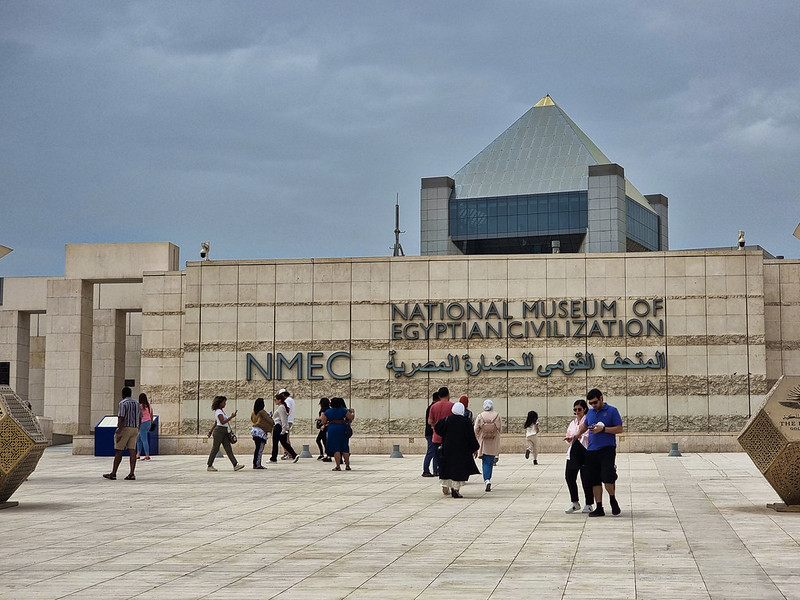
The National Museum of Egyptian Civilization is the first museum in Egypt to present the full story of Egyptian civilization, from prehistoric times right through to the present day. It offers a broad perspective that helps connect different eras in a clear and engaging way.
Inside, the galleries follow a chronological path, covering the Pharaonic, Greco-Roman, Coptic, Islamic, and modern periods. This layout makes it easy to understand how the country changed over time, with each section adding another layer to the story.
One of the main reasons to visit is the overall flow of history presented in a relatively short visit. You move steadily from one period to the next without feeling overwhelmed, making it a good option if your schedule is tight.
The highlight for many visitors is the Royal Mummies Hall. Seeing the preserved remains of kings and queens—figures you may have read about or seen depicted in temples along the Nile—adds a powerful, real connection to the past.
Luxor: Egypt’s Open-Air Treasure Ground
Luxor is one of the most important stops in Egypt, with many of the country’s most well-known sites gathered in a relatively small area. It sits on the ruins of the ancient city of Thebes, giving it a deep historical foundation that’s easy to see as you move around.
The Nile River divides Luxor into two main sides. On the east bank, you’ll find major temples like Luxor Temple and Karnak Temple, both known for their scale and detailed stonework. These sites are often the first stops for visitors arriving in the city.
Cross to the west bank, and the setting changes completely. This is where you’ll find burial sites such as the Valley of the Kings, where ancient rulers were laid to rest. The contrast between the two sides of the river adds variety to your visit.
Luxor makes it easy to experience several major landmarks without long travel times between them. For a deeper look at how to plan your visit, check a full guide covering the top things to do in the area.
6. Karnak Temple: Colossal Columns and Sacred Spaces
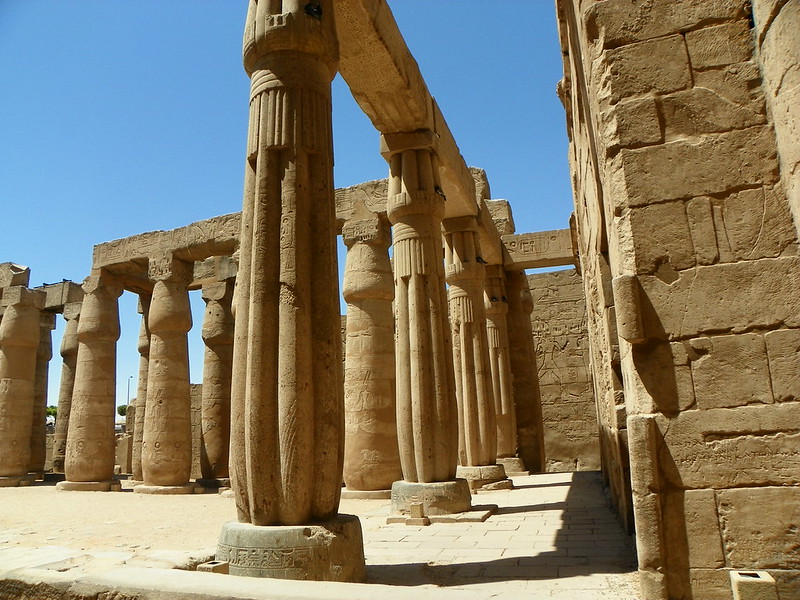
The Karnak Temple is one of the largest religious sites ever built, second only to Angkor Wat in overall scale. Walking through the complex gives a real sense of how ambitious ancient construction could be.
At the center lies the Temple of Amun-Ra, home to the famous Hypostyle Hall. This vast space is supported by 134 towering columns, each covered in carvings that have survived for centuries. The twelve central columns rise around 69 feet high, and standing beneath them makes the entire structure feel overwhelming in size.
Beyond the main hall, there’s plenty more to take in. The Obelisk of Hatshepsut stands tall among the ruins, while rows of ram-headed statues line parts of the complex, adding to its distinct character. The Great Court, with its large statues and open space, offers another striking contrast to the enclosed halls.
Take a moment to walk toward the Sacred Lake. The calmer setting here gives a different perspective on the scale of the site and a chance to pause after exploring the towering structures.
7. Luxor Temple: Layers of History by the Nile
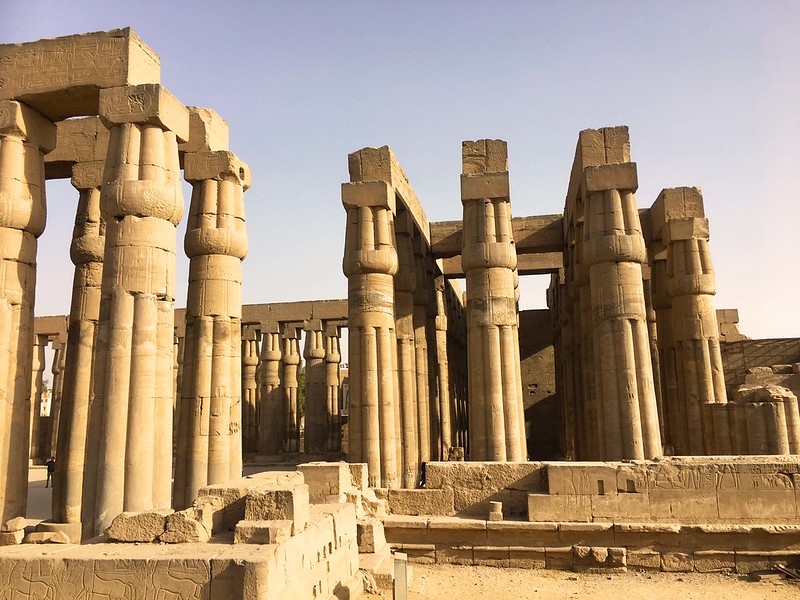
Luxor Temple stands along the east bank of the Nile River, close to the center of Luxor. Its location makes it easy to reach, yet it still feels tied closely to the past.
What sets this temple apart is how it evolved over time. Different civilizations—including the Greeks, Romans, and early Christians—left their mark here. As you walk through the site, you can spot these layers, each adding something new to the structure.
The entrance begins at the massive First Pylon, guarded by seated statues of Ramesses II and a single standing obelisk. Its matching counterpart now stands in Paris, creating an interesting link between the two cities.
Inside, the Colonnade Hall draws attention with its 14 tall columns shaped like papyrus buds. These lead into open courtyards and inner chambers, where carvings and inscriptions line the walls.
We spent around 90 minutes here, taking in the scale and the details carved into the stone. While some itineraries skip this stop due to the number of nearby attractions, it’s a place that rewards those who take the time to visit.
8. Valley of the Kings: Tombs Carved into the Desert
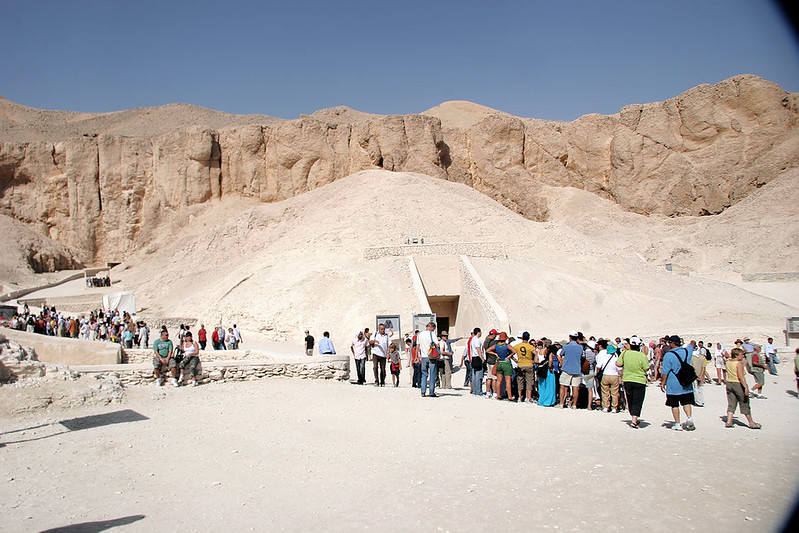
The Valley of the Kings lies on the edge of Luxor, set within a dry, rocky landscape that once served as the final resting place for many of Egypt’s rulers. Among those buried here are Tutankhamun, Ramesses II, and Seti I.
Inside the valley, several tombs are open to visitors. Each one reveals walls covered in scenes from ancient religious texts, with detailed paintings and hieroglyphs that have lasted for thousands of years. Walking through these chambers gives a close view of the beliefs and rituals tied to the afterlife.
Some tombs are included with the standard ticket, while others require an additional fee. Among the ones we recommend on the standard pass are the tombs of Ramesses III, Ramesses IV, and Merenptah. For those willing to pay extra, the tombs of Seti I, Ramesses V and Ramesses VI, along with Tutankhamun’s burial chamber, are worth considering.
For a smoother visit, it helps to review ticket options and plan which tombs you want to see ahead of time.
9. Medinet Habu: A Quiet Temple with Remarkable Detail
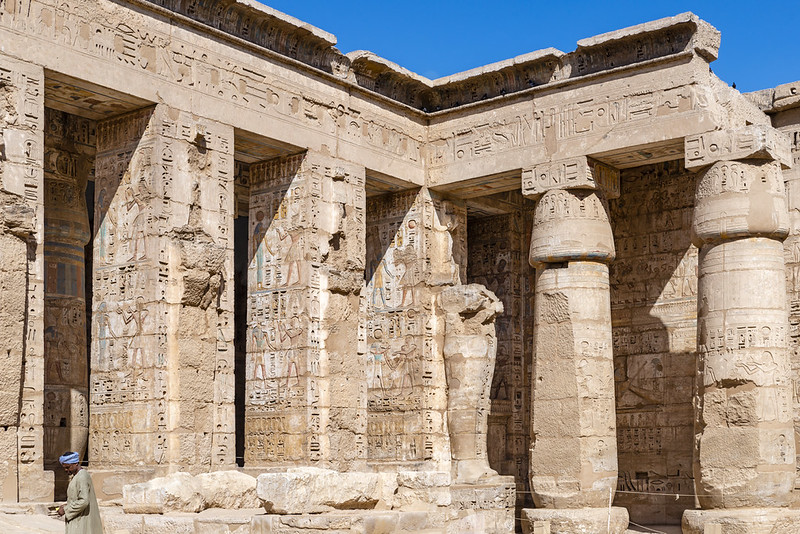
If we had to choose one temple that left the strongest impression in Luxor, it would be Medinet Habu. It stands slightly away from the main tourist flow, which makes the visit feel calmer and more personal.
One of the first things you’ll notice is how well preserved the site is. Many of the carvings remain sharp, and in some areas, the original paint still holds its color. This gives a clearer sense of how these structures once looked when they were first completed.
The temple is closely linked to Ramesses III, and his victories are recorded across the walls. Large columns and detailed reliefs in the first courtyard show battle scenes with striking clarity, telling stories through carved stone.
As you move deeper inside, the artwork becomes even more detailed. The layout leads toward a double-columned portico, where decorated surfaces and surviving color make it one of the most memorable parts of the site.
Despite its quality, this temple is often skipped on standard tours. That makes it a rewarding stop if you want to experience one of Egypt’s standout sites without large crowds.
10. Mortuary Temple of Queen Hatshepsut: A Cliffside Masterpiece
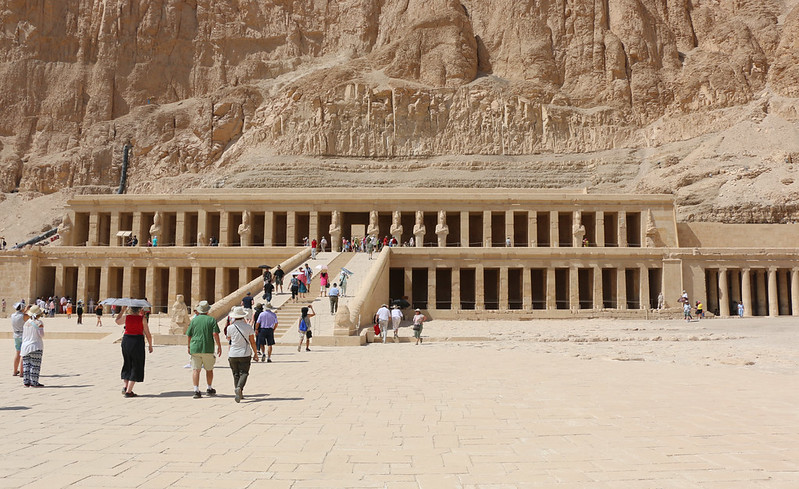
The Mortuary Temple of Hatshepsut stands on the west bank of the Nile River near Luxor, set against a towering cliff that gives the site a striking backdrop. Its design feels different from other temples in the region, with a layout that follows the natural shape of the rock behind it.
The structure rises in three wide terraces, each lined with rows of columns that create a balanced and open appearance. From a distance, the temple blends into the cliff face, making the setting just as memorable as the architecture itself.
At the top level, you’ll find a series of statues of Hatshepsut, each standing over five meters tall. Behind them, a portico displays scenes of her rise to power as ruler of Upper and Lower Egypt, leading into the inner chambers of the temple.
The setting and design combine to create one of the most striking sites in Egypt. It’s a place that feels carefully planned, yet deeply connected to the surrounding landscape, making it a worthwhile addition to any itinerary.
Aswan: A Slower Side of Egypt
Aswan offers a noticeable shift in pace compared to Cairo and Luxor. Life here feels slower, with more time to enjoy the surroundings and take in the scenery along the Nile River.
Many Nile cruises either begin or finish in Aswan, making it a natural stopping point. Instead of passing through quickly, it’s worth adding at least an extra day to explore the area at a more comfortable rhythm.
There are several interesting places to visit nearby, including temples set on islands, quiet riverbanks, and small communities that give a glimpse into local life. The mix of history and everyday scenes makes Aswan feel different from other stops along the Nile.
If you’re planning your trip, a detailed guide to Aswan can help you decide how to spend your time and which sights to prioritize.
11. Philae Temple: An Island Sanctuary on the Nile
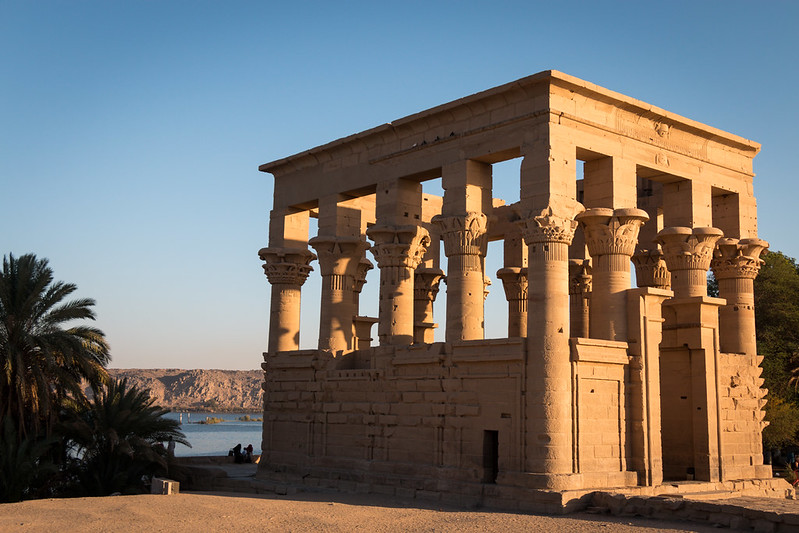
The Philae Temple sits on an island along the Nile River and can only be reached by boat, which adds a different feel to the visit from the start. The short ride across the water sets the tone before you even step onto the site.
Dedicated to the goddess Isis, the temple complex is one of the best-preserved places to see in Egypt. The structures reflect a blend of Egyptian, Ptolemaic, and Roman influences, covering a long period from the 4th century BCE to the 2nd century CE.
At the center is the Temple of Isis, where open courtyards and columned halls lead into smaller inner spaces. The walls are covered with detailed carvings and hieroglyphs, giving insight into religious beliefs and rituals of the time.
The riverside setting adds another layer to the experience. Surrounded by water and open views, the temple feels set apart from the mainland, making it a memorable stop during any visit to Aswan.
12. Unfinished Obelisk: A Glimpse into Ancient Construction
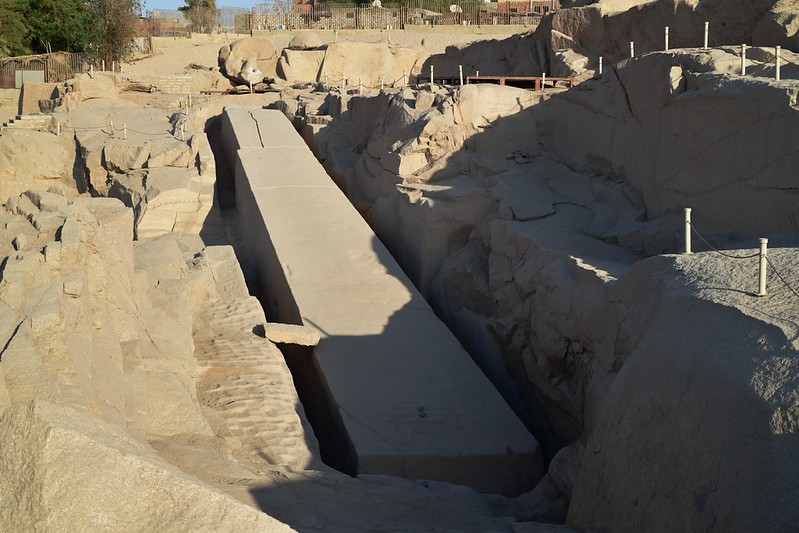
The Unfinished Obelisk offers a different perspective on ancient Egypt—focusing not on finished monuments, but on how they were created. Located in Aswan, it remains in the quarry where it was originally being carved.
For context, one of the tallest completed obelisks stands at Karnak Temple, rising around 30 meters. The structure planned here was meant to be even larger, reaching about 42 meters if completed.
However, cracks formed in the stone during the carving process, forcing workers to abandon the project. As a result, the obelisk still lies partially cut from the bedrock, giving a clear view of the techniques used to shape it.
While it may not be as visually striking as Egypt’s temples or tombs, the site stands out for a different reason. It helps you understand the scale of these construction efforts and the level of skill required to work with such massive pieces of stone.
13. Nubian Villages: Culture, Color, and Community by the Nile
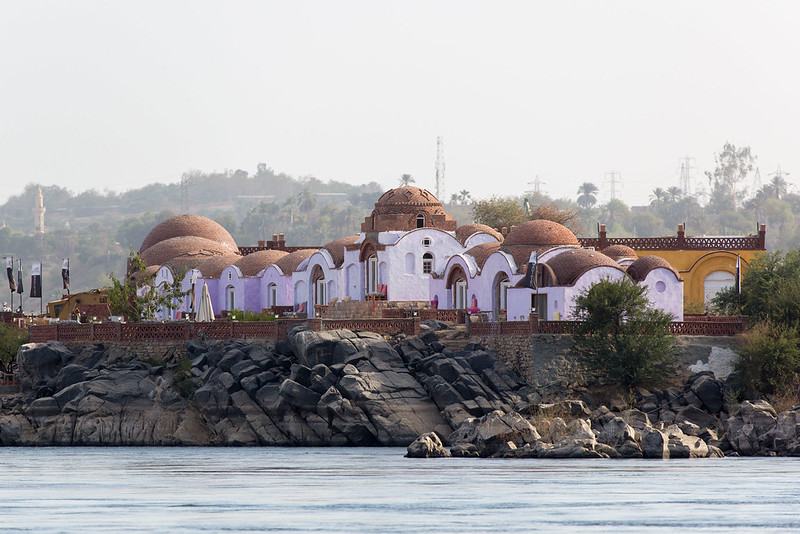
The Nubian people have a long history along the Nile River, but many were displaced when the Aswan High Dam was completed in 1970. Large numbers were moved from their original lands, and many later settled near Aswan, particularly along the west bank.
Today, visiting a Nubian village offers a chance to see a different side of Egypt. The homes are painted in bold colors, with patterns that reflect local traditions, and the streets feel welcoming and lively.
A short boat trip from Aswan will take you to these villages, where you can walk through small lanes, stop by local shops, and sit in cafés by the river. It’s a relaxed experience that contrasts with the country’s major historical sites.
Spending time here also supports local communities directly. It’s a simple way to connect with people, learn about their way of life, and add variety to your journey through Egypt.
14. Abu Simbel: Monumental Temples in the Desert
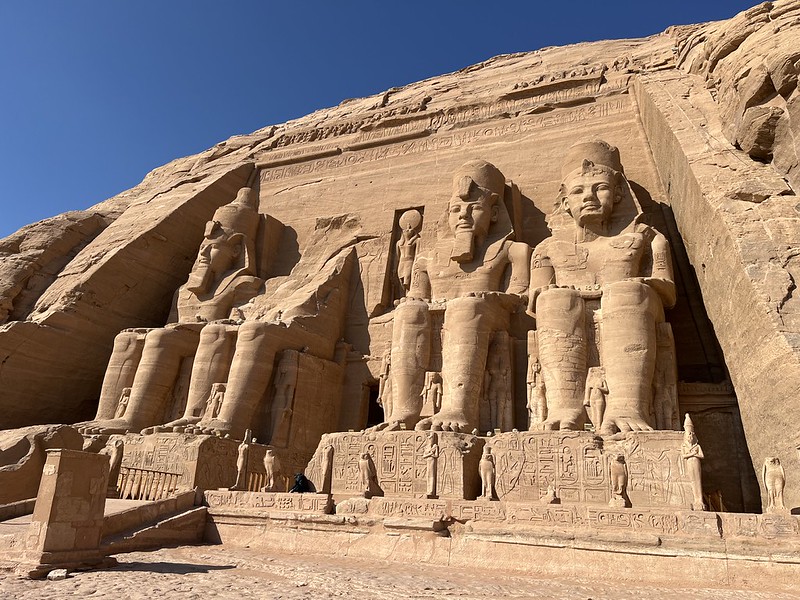
Abu Simbel is one of the most striking places to visit in Egypt. Set deep in the south, the site feels remote, which adds to its impact when you finally arrive.
The Great Temple is the main highlight, with four massive statues of Ramesses II carved directly into the rock face, each rising around 20 meters high. Next to it stands a smaller temple dedicated to his wife, Nefertari, adding balance to the site.
One of the most fascinating parts of its story is what happened in the 1960s. As the waters of Lake Nasser began to rise, the entire complex was carefully cut into large blocks and relocated to higher ground. This effort preserved the temples and remains one of the most impressive engineering projects of its time.
Abu Simbel lies about 300 km south of Aswan. Most visitors reach it by a three-hour drive or a short flight of around 45 minutes. Plan to spend a couple of hours on-site to take in the scale and details of the carvings.
On the Nile: Cruising Between Luxor and Aswan
A cruise along the Nile River between Luxor and Aswan is one of the most enjoyable ways to experience Egypt. Instead of rushing between sites, the journey unfolds at a steady pace, giving you time to take in the scenery along the riverbanks.
Life along the Nile becomes part of the experience. You’ll pass small villages, farmland, and traditional boats moving across the water, offering a glimpse into daily routines that haven’t changed much over time.
Most cruises include stops at several key sites along the route. These breaks allow you to step off the boat and explore temples and historic landmarks before returning to the calm of the river.
The balance between time on the water and time on land makes this journey stand out. It’s a comfortable way to connect major highlights while also enjoying quieter moments in between.
15. Edfu Temple: One of Egypt’s Best-Preserved Sites
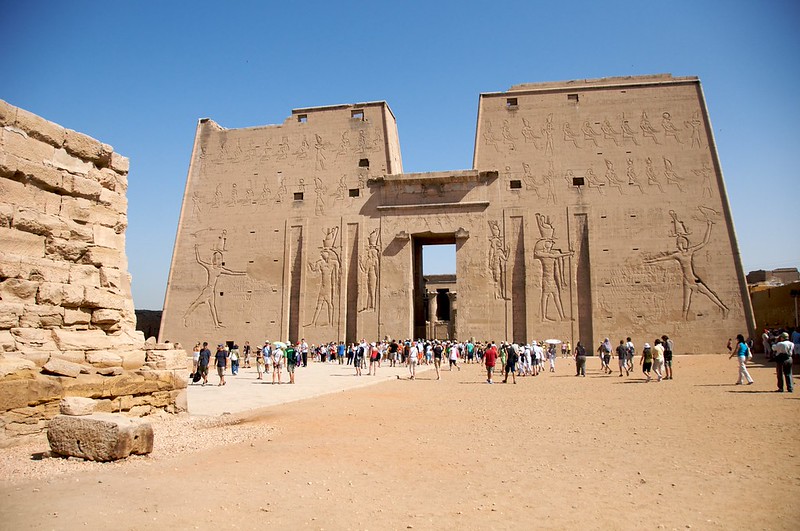
The Edfu Temple remained buried under sand and silt for centuries, which helped protect much of its structure. Because of this, it stands today as one of the most complete temple sites in Egypt.
The main entrance rises high above the surrounding area, leading into a wide courtyard framed by large columns. As you move further inside, the layout becomes more enclosed, guiding you toward inner chambers that once held important rituals.
The walls throughout the temple are covered with detailed carvings and hieroglyphic texts. Many of these tell the story of the battle between Horus and Seth, giving insight into ancient beliefs and storytelling.
We recommend adding Edfu to your route, especially if you want to see a temple that still feels close to its original form. Walking through its halls gives a clearer sense of how these spaces once looked and functioned.
16. Kom Ombo Temple: A Double Design by the Nile
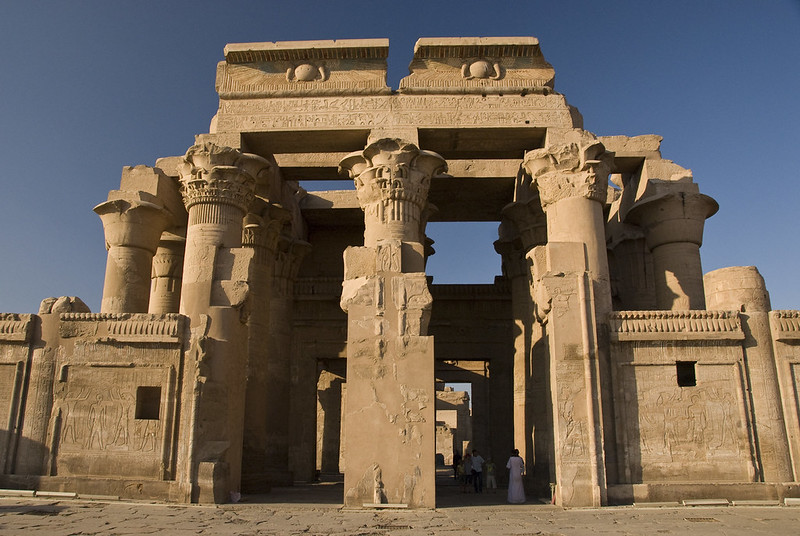
The Kom Ombo Temple stands along the banks of the Nile River and is known for its unusual layout. The temple is dedicated to two deities—Sobek and Horus—and its design reflects this with a balanced, mirrored structure.
As you walk through the site, you’ll notice pairs of entrances, halls, and chambers arranged side by side. This symmetry gives the temple a distinct character compared to others along the Nile.
The walls feature detailed carvings that go beyond religious scenes. Some reliefs show medical tools and calendar systems, offering a glimpse into daily life and knowledge at the time. Nearby, a small museum displays mummified crocodiles, animals that were closely linked to Sobek.
While parts of the temple are more weathered than sites like Edfu Temple, its riverside setting and dual design make it a memorable stop on any Nile journey.
The Red Sea Coast: Egypt’s Seaside Escape
The Red Sea coast offers a completely different side of Egypt, far from temples and tombs. This stretch of shoreline is known for clear water, coral reefs, and a slower pace that makes it easy to unwind after days of sightseeing.
Popular resort areas like Hurghada and Sharm El Sheikh attract visitors looking for beaches, warm weather, and easy access to the sea. Many hotels sit right along the coast, making it simple to step from your room onto the sand.
The main draw here is the water. Snorkeling and diving are among the top activities, with colorful coral reefs and marine life just offshore. Even a short trip into the sea reveals a completely different landscape beneath the surface.
If your itinerary includes a lot of historic sites, adding a few days on the Red Sea coast can provide a welcome contrast. It’s a relaxed way to end a trip, with time to rest while still enjoying one of Egypt’s standout settings.
17. Sharm El-Sheikh: Sun, Sea, and Reef Views
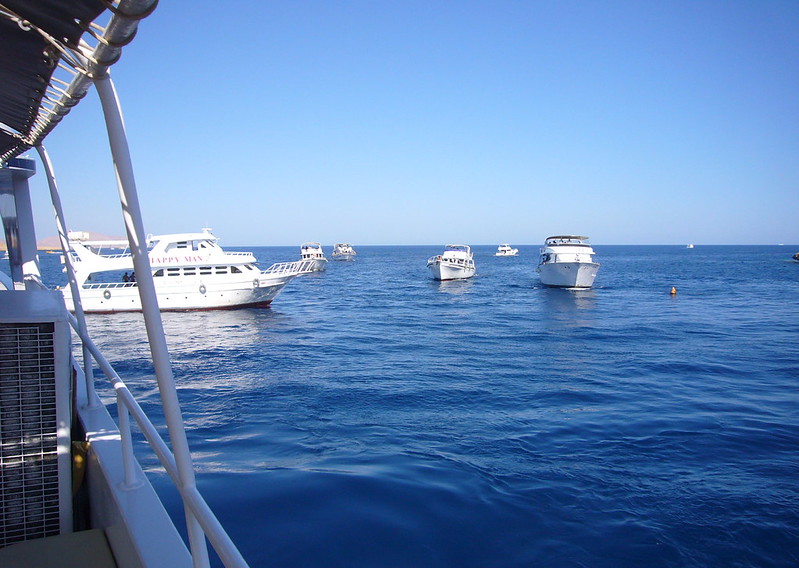
Sharm El Sheikh sits at the southern tip of the Sinai Peninsula, where the Gulf of Aqaba meets the Red Sea. Its location gives it easy access to clear waters and well-known reef systems.
The city is one of Egypt’s main beach destinations, drawing visitors for its coastline and underwater life. Many come here for diving and snorkeling, with coral reefs close to shore and a wide range of marine species to see.
Areas like Naama Bay and Sharks Bay are lined with resorts, hotels, and beaches. These spots offer a range of options, including all-inclusive stays that make it easy to settle in and relax.
With warm weather throughout the year, Sharm El-Sheikh works well as a winter sun destination. It’s a comfortable place to spend a few days by the sea, especially after exploring Egypt’s historic sites.
18. Hurghada: A Lively Red Sea Getaway
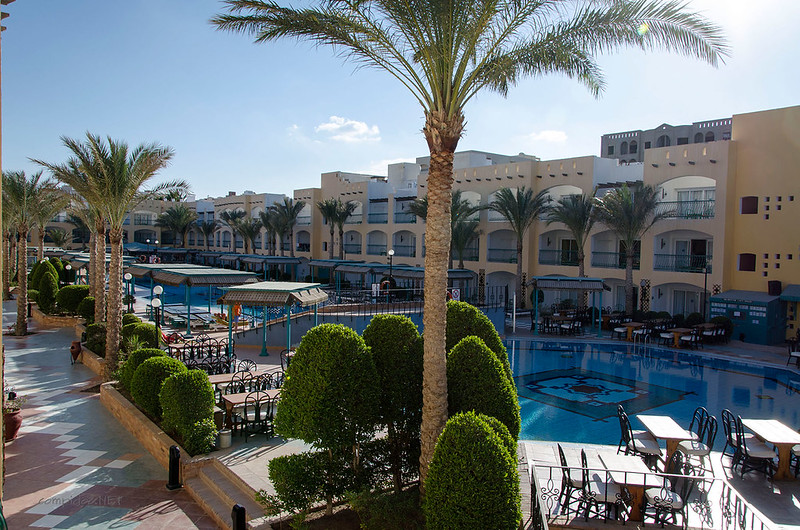
Hurghada is another popular stop along the Red Sea, known for its clear waters and strong diving spots. It’s also relatively easy to reach from Cairo, making it a convenient addition to many itineraries.
Once a small fishing village, Hurghada has grown into a busy beach destination. Despite this growth, parts of the city still feel grounded, with a mix of local life and tourism shaping the atmosphere.
Compared to Sharm El Sheikh, Hurghada often draws more domestic travelers, which gives it a slightly different feel. You’ll find everyday cafés, local shops, and neighborhoods alongside the resort areas.
When you need a break from temples and tombs, this stretch of coast offers some of the best diving and snorkeling in the country. The city itself spreads out along the shoreline, with a layout that feels less compact and a bit more relaxed in its own way.
19. Siwa Oasis: Egypt’s Remote Desert Escape
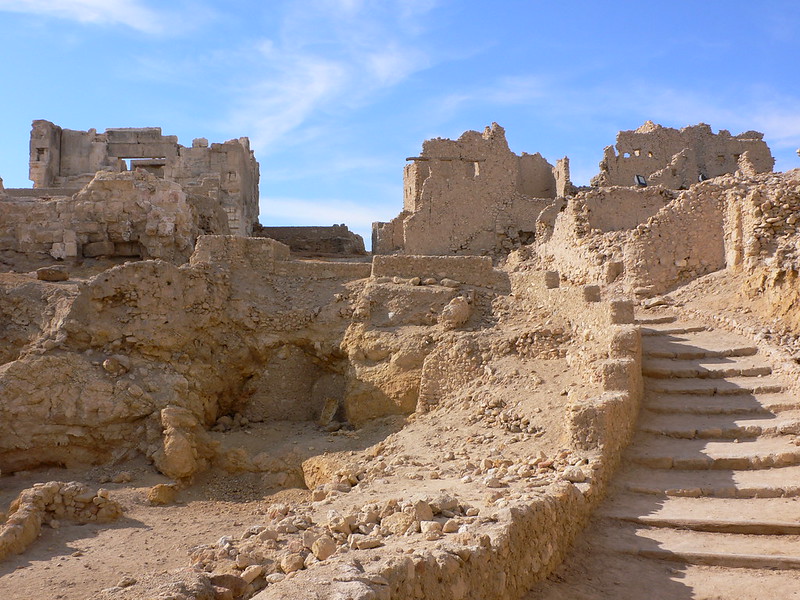
The Siwa Oasis is one of the most remote places to visit in Egypt. Reaching it takes time and effort, which is exactly why it feels so different from the country’s main tourist routes.
Set deep in the western desert, Siwa offers a quieter experience shaped by its landscape and local traditions. Palm groves, salt lakes, and sand dunes create a setting that feels far removed from the busy cities along the Nile.
Because fewer visitors make it here, the atmosphere remains grounded and less influenced by large-scale tourism. Daily life continues at a slower pace, giving you a chance to see a side of Egypt that feels more authentic.
It’s not the easiest addition to an itinerary, but for those willing to make the journey, Siwa stands out as one of the most memorable places in the country.
20. Saqqara: Egypt’s Earliest Pyramid Complex
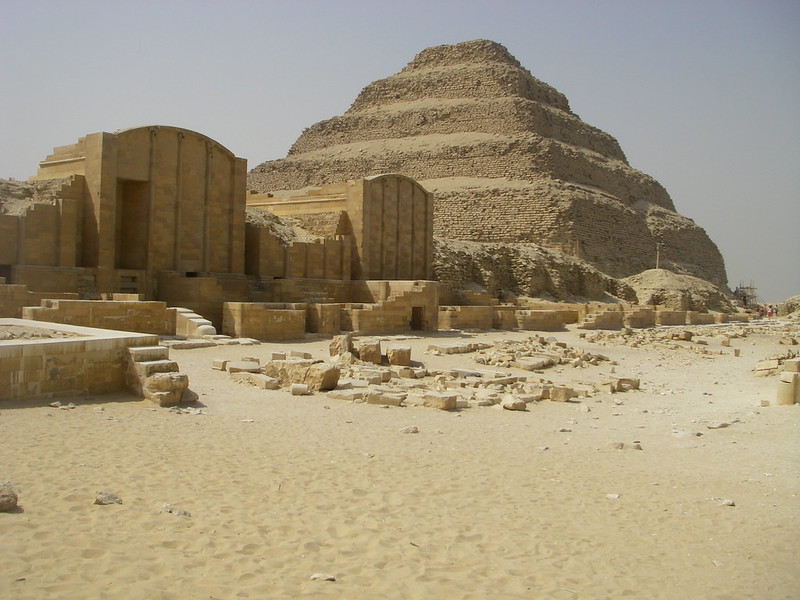
The Saqqara is one of the most important historical sites near Cairo. It’s here that Djoser built what is widely considered the first true step pyramid, dating back to the 27th century BC.
The site is much more than a single structure. It includes a large burial complex, with smaller pyramids, tombs, and ceremonial spaces spread across the desert. Walking through the area gives a sense of how early pyramid design developed over time.
One of the most memorable parts of the visit is the long, roofed colonnade corridor leading into the complex. The stonework feels remarkably well preserved, with surfaces that look far newer than their actual age of nearly 5,000 years.
Saqqara works well as a day trip from Cairo, especially when paired with a visit to the Pyramids of Giza. Combining both sites in a single tour makes it easier to compare different stages of pyramid construction in one day.
21. Nile Cruise: A Journey Through Egypt’s Historic Heart
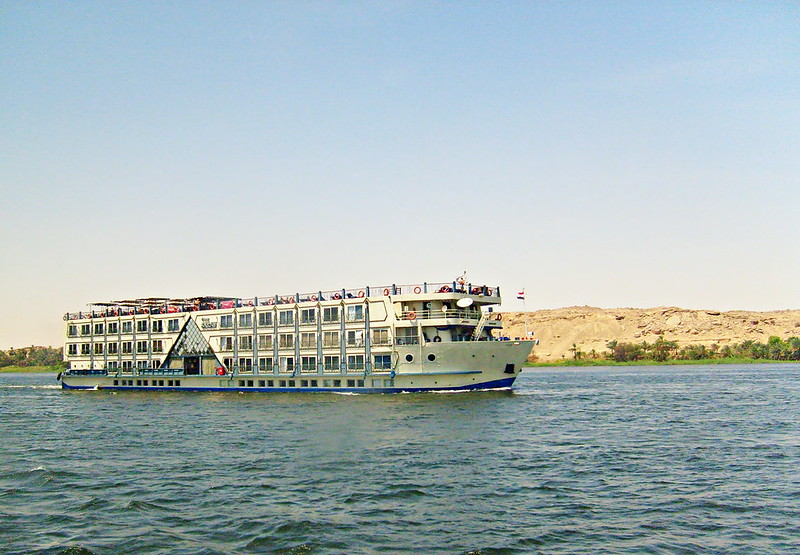
A cruise along the Nile River is one of the most engaging ways to experience Egypt. The river has long been central to life here, and many of the country’s most important temples and historical sites sit along its banks.
Traveling this way allows you to move between major landmarks without constant packing and long transfers. Instead, you wake up in a new location each day, with guided stops at key sites along the route.
In recent years, the number of cruise ships has dropped, so options are more limited than before. Still, there are several well-run boats offering different levels of comfort. A week-long journey gives enough time to take in the main highlights at a relaxed pace.
For those looking for a higher-end experience, ships like the Oberoi Zahra provide spacious cabins, well-organized excursions, and reliable food service—an important detail in Egypt’s warm climate.
While it’s not the most budget-friendly choice, a Nile cruise offers a comfortable and steady way to connect many of Egypt’s key sites in one trip.
Other Places to Visit in Egypt: Beyond the Main Highlights
The list above follows a clear structure, shaped by what we found most memorable during our travels in Egypt. That said, there are many more places and experiences across the country that are worth considering depending on your interests.
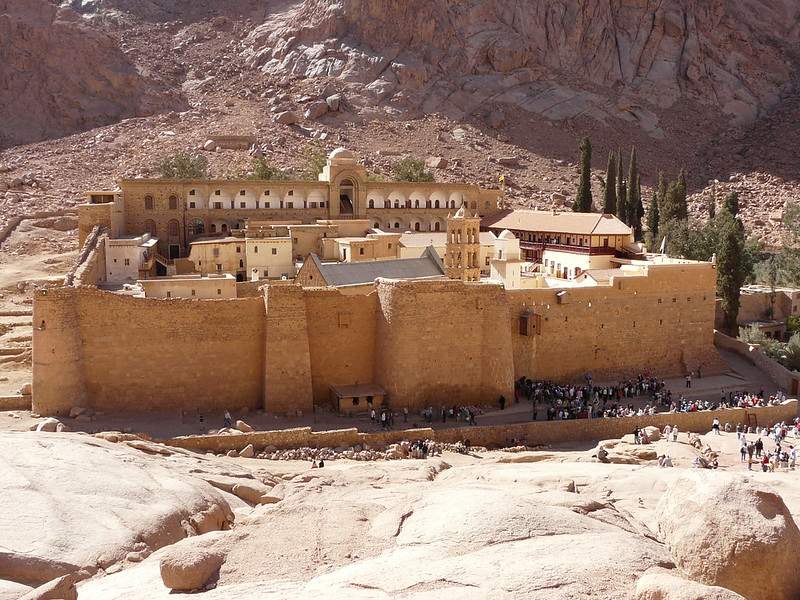
The Sinai Peninsula, for example, includes major attractions like Saint Catherine’s Monastery, which dates back to the 6th century. Meanwhile, Alexandria offers a completely different setting along the Mediterranean, with a mix of history and modern life. Around Lake Nasser, you’ll also find several historic sites that don’t always make it into standard itineraries.
Egypt’s desert regions add another layer to the experience. Places like Wadi Al Hitan reveal ancient fossils and landscapes that feel far removed from the Nile. There are also smaller historical stops between Luxor and Cairo that many travelers pass by.
So why aren’t these included in every plan? Some locations can be harder to access or come with safety considerations, while others offer activities that aren’t specific to Egypt. For us, the focus tends to stay on the country’s long history and the remarkable remains that span thousands of years.
That said, travel styles vary. Many visitors choose to base themselves along the Red Sea—in places like Hurghada—and add one or two day trips to explore sites around Luxor and the west bank.
Related Post:
- Discover 11 All-inclusive Resorts in Egypt for the Perfect Getaway.
- Explore 21 Breathtaking Destinations in Asia You Can’t Miss.
- Discover 21 Beautiful Places to Visit in Japan for Your Next Adventure.
Is It Safe to Visit Egypt?
Safety is one of the first questions many people ask before visiting Egypt. It’s a fair concern, especially given past events like the Egyptian Revolution of 2011 and isolated attacks that followed in the years after.
Today, the situation is very different. Major tourist sites are heavily secured, often with a visible presence of police or military. In some areas, organized transport—especially long-distance travel—may include escorts. While this level of security can feel unusual at first, it also reflects how seriously visitor safety is taken.
From our experience, traveling through Egypt felt comfortable overall. Using basic awareness—like you would in any busy destination—goes a long way. Most visits pass without any issues, and daily interactions are generally positive.
That said, no destination can guarantee zero risk. Incidents can happen anywhere in the world, whether in cities like London, Paris, or Las Vegas. Keeping that perspective helps put things into context.
In practical terms, the most common challenge for travelers in Egypt is not safety, but small scams. You may encounter tactics like incorrect change or being offered “free” items that later come with a charge. Staying polite but firm usually handles these situations.
Overall, Egypt remains a welcoming destination. As long as you follow local advice and avoid sensitive border regions, most travelers find it to be a rewarding and trouble-free experience.
When Is the Best Time to Visit Egypt?
If you’re planning a trip to Egypt, timing can make a big difference. In general, summer months—June, July, and August—are best avoided. Temperatures can rise to extreme levels, making it difficult to enjoy outdoor sites, especially temples and tombs.
Rain is rarely a factor here, with only a handful of wet days each year. That means most of your decision comes down to heat and comfort. Spring can bring occasional sandstorms, so many travelers prefer the clearer conditions of autumn.
October and November are often considered ideal, with blue skies and daytime temperatures around 25–30°C (77–86°F). The weather feels comfortable for walking through sites like the Pyramids of Giza or exploring temples in Luxor.
Late winter into early spring—roughly February to early April—is another good window. The temperatures are mild, making it easier to spend long hours outdoors without feeling overwhelmed by heat.
If your focus is the coast, places like Hurghada and Sharm El Sheikh are best visited in April, May, or October. These months offer warm water and pleasant conditions for snorkeling and relaxing by the sea.
December and January are cooler, especially in the evenings. While still comfortable for sightseeing, you may want a light jacket after sunset.