This state has an unmistakable pull – strong enough to land it as the setting for one of television’s most iconic dramas. But there’s far more to New Mexico than its screen fame. Its landscapes flicker between rugged canyons, windswept deserts, and storied cliff dwellings, offering a journey that’s both scenic and historically rich.
Wander through adobe villages that have stood for centuries, their walls steeped in heritage and time. Then switch gears and find yourself sipping craft beer in a modern brewery surrounded by striking street art. The blend of old and new feels raw, real, and unforgettable.
New Mexico’s natural features are striking — from alien-like rock formations to vivid sunsets that light up the desert floor. Hike trails lined with ancient petroglyphs or soak in a mineral spring tucked away in a quiet canyon.
This list highlights places that have stuck with me long after I left. If you’re craving adventure, story, and contrast, this state might just be your next favorite stop.
1. Santa Fe – Where Art Meets Altitude
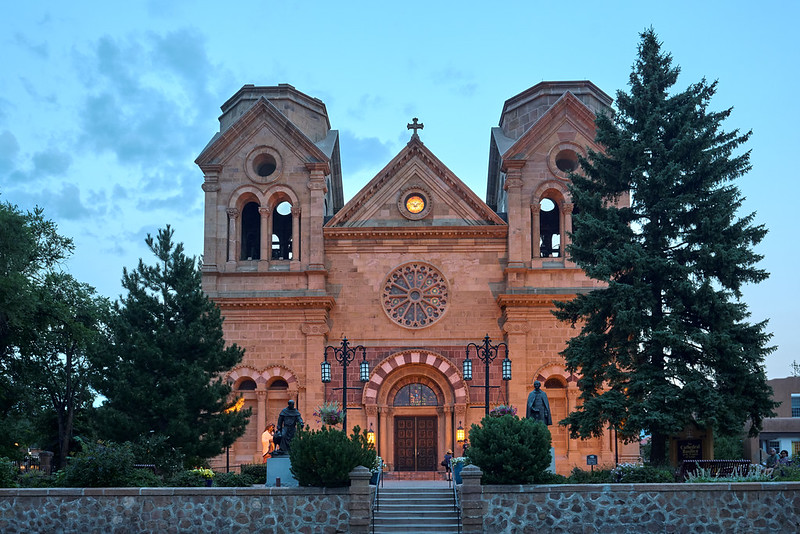
I’ve got a soft spot for Santa Fe — a city that bursts with culture, history, and creative flair. Sitting roughly 7,000 feet above sea level in northern New Mexico, it’s surrounded by the Sangre de Cristo foothills and just an hour away from Albuquerque.
Established in 1610, this is one of America’s oldest cities, and it wears its age beautifully. The mix of adobe-style buildings, dry desert landscapes, and distant peaks gives it a look that feels timeless. Paired with bold blue skies, it’s a place that grabs you visually the moment you arrive.
I spent hours exploring the historic Plaza, strolling past centuries-old architecture, and ducking into the Georgia O’Keeffe Museum and the art-filled stretch of Canyon Road. The city’s layers — Native American roots, Spanish colonial touches, and modern creative spirit — come through in everything from the markets and street music to the spicy food and seasonal festivals.
- Visitor Center: 201 W Marcy St, Santa Fe, NM 87501
- See nearby hotels here.
- Best time to visit: Spring or fall – the weather is much more forgiving.
Personal Highlights
- La Fonda on the Plaza: An eye-catching hotel with hand-painted details, bold decor, and a rooftop hot tub that felt perfect after a day out.
- The Shed: Casual yet buzzing restaurant where the red chile enchiladas were fiery and addictive — just be ready for the heat.
- Winsor Trail hike: About 10 miles one way, this trek offered striking views and crisp air. Afterward, I soaked in the San Antonio Hot Springs — quiet, warm, and tucked away in nature.
Santa Fe strikes a balance between heritage and modernity, with a character that leaves a lasting impression.
2. White Sands National Park – A Surreal Sea of Dunes
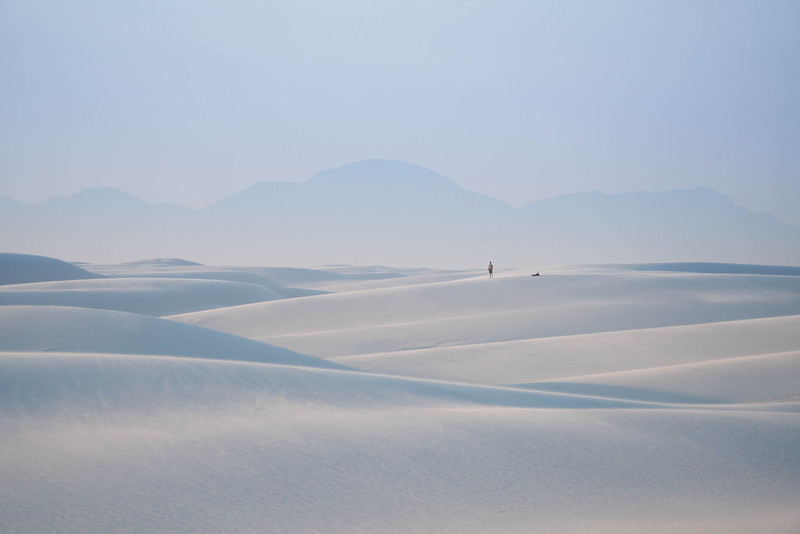
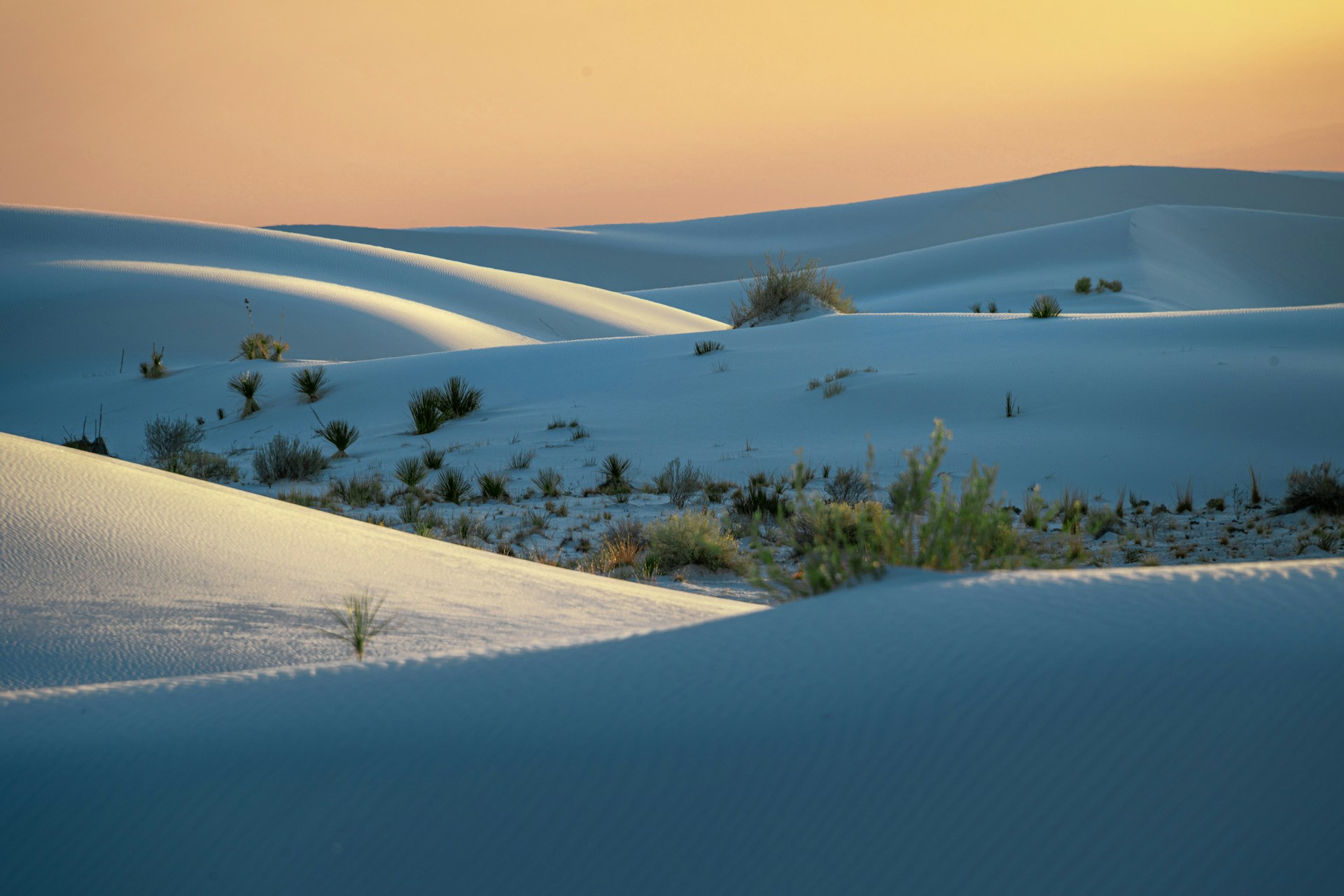
This place caught me completely off guard — in the best way possible. Tucked into southern New Mexico, White Sands National Park is a sweeping expanse of glistening white dunes, covering roughly 275 square miles. It’s the kind of setting that feels more like a sci-fi film than real life.
The landscape is made up of gypsum sand, soft underfoot and shockingly bright, especially under the midday sun. I tried a few of the walking trails during my visit, but the Dune Life Nature Trail stood out — an easy 1.5-mile loop with just enough elevation to offer some wide-angle views. And yes, sledding down those silky hills? Surprisingly thrilling and a must-do for all ages.
- Address: 19955 US-70, Alamogordo, NM 88310
- See nearby hotels here.
- Best time to visit: Spring and fall — you’ll get cooler air and gentler sun.
My favorite highlights
- Ranger-led walk: A standout part of my visit. We learned about plants that somehow thrive in this dry environment, from various types of yucca to the rare white sands pupfish. The ranger gave the whole experience depth I wouldn’t have gotten otherwise.
- Sunset views: As the sun dips low, the dunes pick up this soft, peachy glow. It’s quiet, vast, and felt like stepping into a dream. One of the most visually striking moments I’ve had in nature.
White Sands doesn’t just impress — it leaves a mark. If you want to experience something unlike any other landscape in the U.S., this is it.
3. Bisti Badlands – A Landscape From Another Era
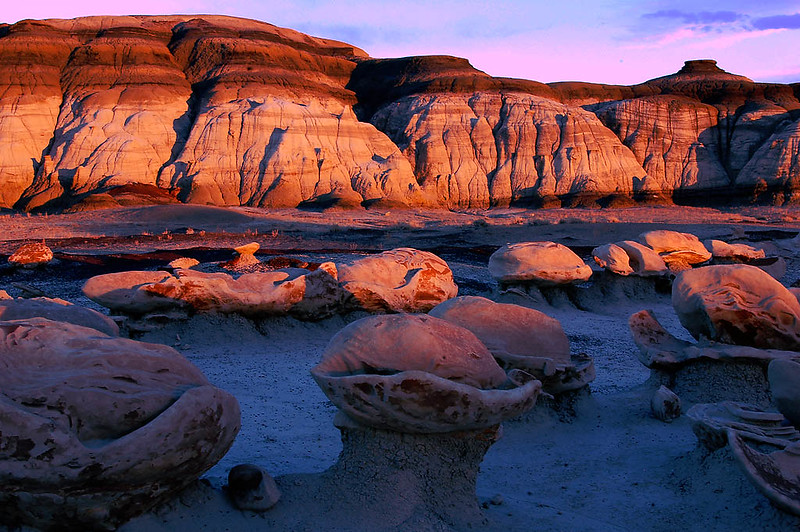
This place felt completely out of this world. Hidden away in the dry stretch of the San Juan Basin near Farmington, Bisti Badlands spans over 45,000 acres of wildly sculpted terrain — filled with ancient rock formations, twisted fossil beds, and petrified wood that has stood for millions of years.
Once a lush swamp on the edge of a prehistoric sea, this desert now looks more like a forgotten planet. Walking through it felt surreal — no crowds, no noise, just wind-carved rocks and towering hoodoos that almost seemed alive.
I spent hours wandering between formations, including a side trip into the De-Na-Zin Wilderness, where remnants of long-extinct creatures still rest in the soil.
- Address: Bisti Access Road, Farmington, NM 87401
- See nearby hotels here.
- Best time to visit: Spring and fall — the temps are manageable, and the light’s ideal for photos.
My favorite highlights
- The “Cracked Eggs”: Found by heading east from the main parking area — these formations look like massive alien fossils, and the setting around them only adds to the eerie effect.
- Photographing the hoodoos: Their jagged forms threw dramatic shadows across the desert floor. Watching the sun dip low while the rocks shifted in color was one of the best parts of the trip.
Bisti is quiet, raw, and oddly beautiful. It’s not marked by signs or paved paths — just open wilderness waiting to be explored.
4. Wheeler Peak Wilderness – New Mexico’s Alpine Crown
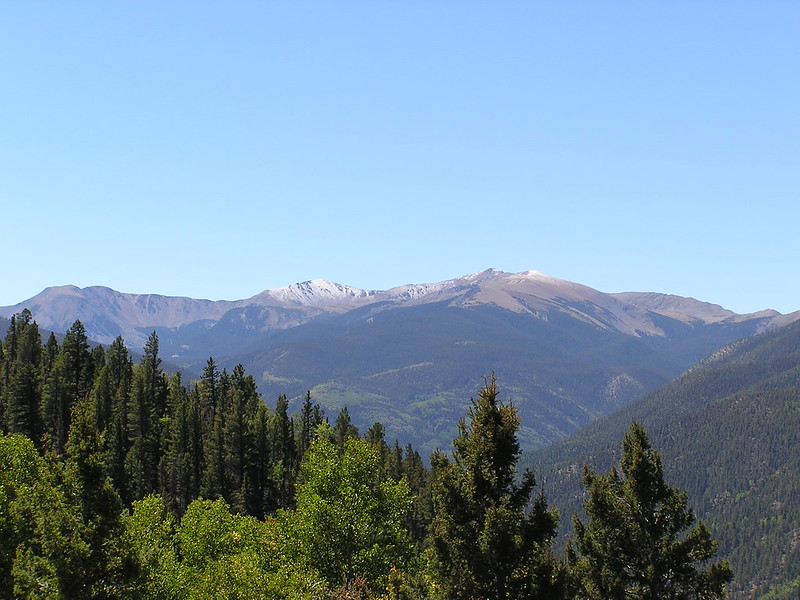
This area stands out to me as one of the most breathtaking alpine zones in the state. Found in the northern stretch of New Mexico, near Taos County, Wheeler Peak Wilderness offers a cool escape into high elevations and wide-open scenery. It’s part of the Sangre de Cristo range, and it feels worlds away from the desert lowlands.
The landscape is a rich mix of jagged mountains, meadows blanketed with wildflowers, pine-filled forests, and icy lakes so clear they reflect the sky. I spent time hiking through the trails — there are four primary routes — and camped overnight in the backcountry beneath an endless canopy of stars. Williams Lake made a perfect midday stop for a quiet picnic surrounded by nature.
- Address: NM-150, Taos Ski Valley, NM 87525
- See nearby hotels here.
- Best time to visit: Late spring through early fall — ideal for clear trails and colorful scenery.
My favorite highlights
- Summiting Wheeler Peak: This 9-mile out-and-back hike took about five hours. The climb was tough, but standing on the highest point in New Mexico with sweeping views in all directions felt like a true reward.
- Spotting wildlife near Williams Lake: From elk grazing in the distance to a red-tailed hawk spiraling overhead, the area felt alive. The quiet, open meadows offered a great chance to slow down and just observe.
Wheeler Peak Wilderness doesn’t shout — it hums. It’s perfect if you’re after altitude, solitude, and landscapes that stay with you long after you’ve left.
5. Shiprock – A Monument of Myth and Stone
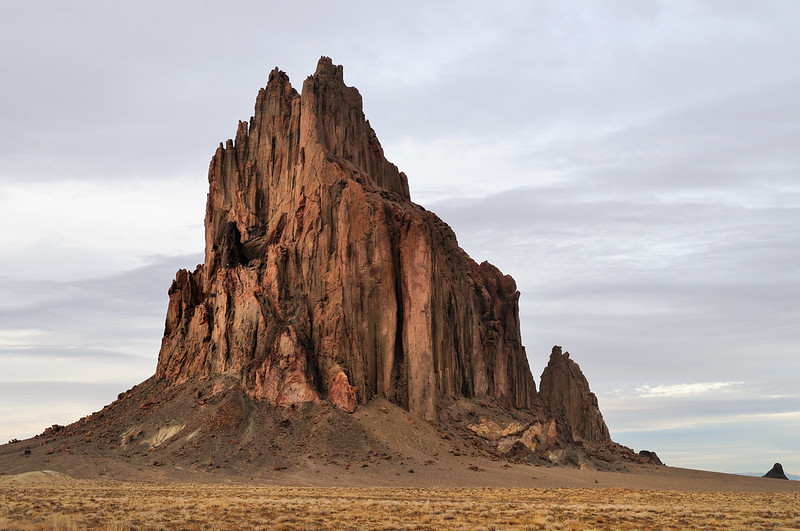
There’s something about Shiprock that stops you in your tracks. Rising dramatically from the desert floor in the northwest corner of New Mexico, this towering formation — over 1,500 feet tall — looks like it was plucked straight from a legend. And in many ways, it was. Considered sacred by the Navajo Nation, Shiprock is the remnant of a long-extinct volcano and carries deep cultural and spiritual meaning.
From a distance, it resembles a ship’s sail cutting through the desert — and up close, it’s even more commanding. I visited during the cooler season and spent time hiking in the area and photographing the rock as the sun dipped low, turning the landscape gold and amber.
- Address: Shiprock, NM 87420
- See nearby hotels here.
- Best time to visit: Spring or fall — for pleasant weather and softer light.
My favorite highlights
- Joining a Navajo-led tour: I booked through Navajo Tours USA. Hearing about the stories and beliefs surrounding the rock gave the visit a whole different weight. It wasn’t just geology — it was heritage, passed down through generations.
- Hiking the Shiprock Peak Trail: A moderately challenging 4-mile round trip with some steeper, uneven terrain. The payoff? Sweeping views of the desert plain and a closer perspective of the towering formation itself.
Shiprock isn’t just a place you see — it’s one you feel. With its massive presence and layered history, it leaves a lasting impression on anyone who makes the journey.
6. Bandelier National Monument – Echoes from an Ancient Past
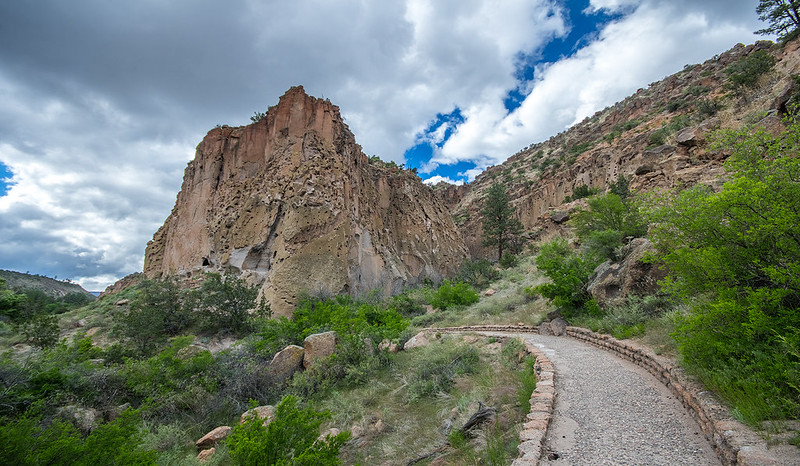
This place really stuck with me. Tucked into the northern section of the state near Los Alamos, Bandelier National Monument protects what remains of a civilization that lived here over 11,000 years ago. Set within the Jemez Mountains, the site is a mix of rugged terrain, history carved into stone, and quiet stories whispered from the cliffs.
I wasn’t prepared for the sight of entire homes carved directly into the soft volcanic rock of Frijoles Canyon. The cave dwellings, masonry walls, and faded petroglyphs all speak to a way of life shaped by the land. With over 70 miles of trails, there’s plenty to explore, and I ended up wandering far longer than I’d planned.
- Address: 15 Entrance Rd, Los Alamos, NM 87544
- See nearby hotels here.
- Best time to visit: Spring and fall — for mild weather and clear trails.
My favorite highlights
- Climbing into the cliff dwellings: Wooden ladders let you step directly into the carved homes once used by the Ancestral Puebloans. Being inside these small rooms gave me a real sense of connection to the people who once lived here.
- Walking the Main Loop Trail: A two-hour walk through the core of the monument. Along the way, I found etched petroglyphs that hinted at beliefs, animals, and daily life from centuries ago.
Bandelier blends raw beauty with deep cultural layers. It’s a place that doesn’t just hold history — it lets you walk through it.
7. A Road Trip Along the Rio Grande – Canyons, Culture & Hot Springs
This stretch of road is one of my all-time favorites in New Mexico. The route I usually take runs from Taos all the way to Big Bend National Park, and though the direct drive takes about 9 hours, I always give myself a few days to enjoy it properly. The route is rich in contrasts — dry mesas, jagged canyons, green valleys, and desert towns that feel frozen in time.
No matter the season, there’s always something to see. You’ll pass by sweeping mountain views, historic landmarks, artistic enclaves, and places where geothermal waters rise up from the earth. It’s the kind of trip where the journey itself is the highlight, not just the stops.
- Location: Western New Mexico and beyond
- See nearby hotels here.
- Best time to visit: Anytime — each season brings a different kind of beauty.
My personal highlights
- Standing on the Rio Grande Gorge Bridge: The views were jaw-dropping — deep canyon walls cut by the winding river far below.
- Ghost Ranch near Abiquiu: This place feels like it was painted into existence. The red rock cliffs and dramatic hoodoos were unforgettable.
- Truth or Consequences: A quirky little town with steamy hot springs tucked into the hillside. I stopped here to soak and recharge — highly recommend it.
- The Inn at Ten Thousand Waves: Just outside Santa Fe, this serene mountain spa felt like stepping into another world. I stayed overnight and indulged in a traditional Japanese-style bath — calm, quiet, and incredibly soothing.
This road trip isn’t just about the sights — it’s about the shifting rhythm of the road, the sense of space, and the small surprises that make it all feel alive.
8. Kasha-Katuwe Tent Rocks – Formations Carved by Time
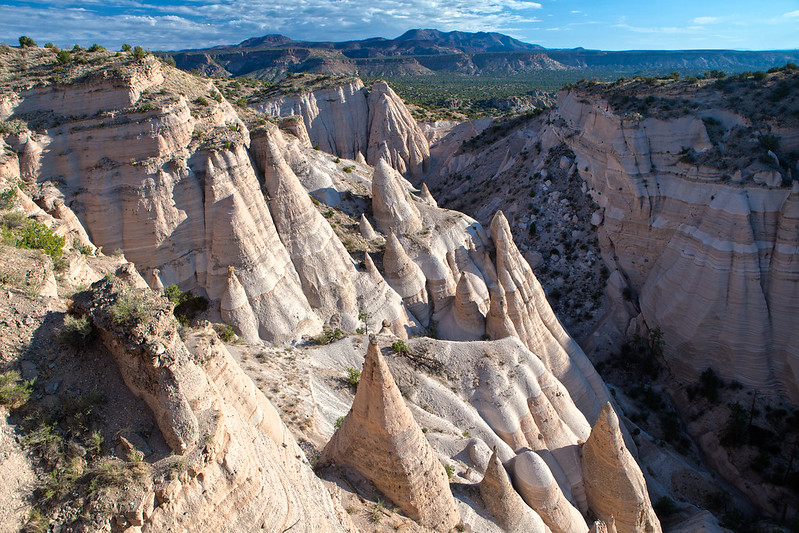
This spot never fails to impress. Set in north-central New Mexico near the town of Cochiti Pueblo, Kasha-Katuwe Tent Rocks National Monument spans around 4,000 acres of sharply sculpted terrain. The name might be a mouthful, but what you’ll find here is unforgettable — cone-shaped rock towers, twisting slot canyons, and a sweeping desert backdrop anchored by the Jemez Mountains.
The landscape was shaped by volcanic activity millions of years ago, and it shows — everything feels dramatic and precise. The light hits the rocks differently throughout the day, turning their pale surfaces into shades of pink, cream, and gray. It’s a favorite among hikers and photographers, and once you’re there, it’s easy to see why.
- Address: 6 Tent Rocks Rd, Cochiti Pueblo, NM 87508
- See nearby hotels here.
- Best time to visit: Spring or fall — the air is cooler and the colors seem more vivid.
My favorite highlights
- Summit Trail hike: This 3-mile trail is a bit steep in parts, but once I reached the ridge, I was rewarded with wide-open views of the entire monument. The trail took about two hours and was filled with visual surprises at every turn.
- Wildlife spotting: Along the trail, I caught glimpses of lizards darting between the rocks and heard the call of a canyon wren echoing through the cliffs — small moments that added depth to the whole experience.
Kasha-Katuwe feels like nature showing off — bold, raw, and shaped by time into something truly unforgettable.
9. Acoma Pueblo Village – Sky City’s Living Legacy
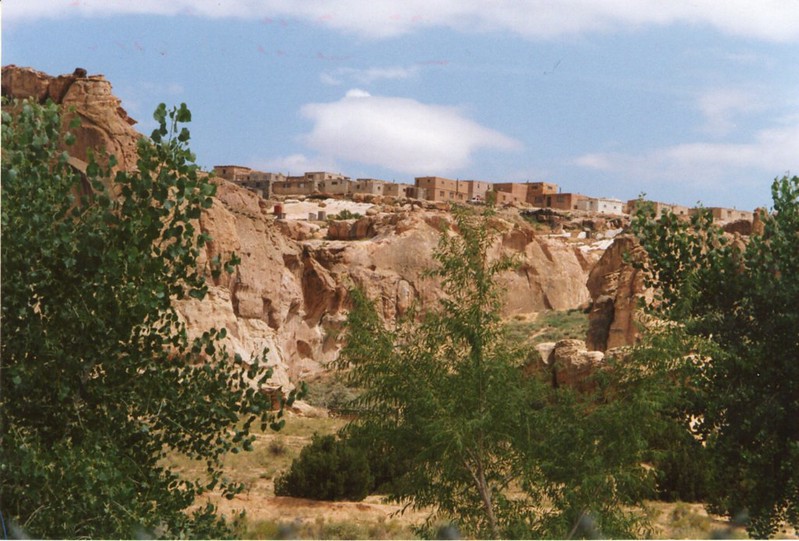
This place left a deep impression on me. Situated about 60 miles west of Albuquerque, Acoma Pueblo — often called “Sky City” — rises dramatically from the desert on top of a 367-foot sandstone mesa. It’s not just visually striking; it carries centuries of living history in its walls and traditions.
With over 1,000 years of continuous settlement, Acoma Pueblo is considered one of the oldest inhabited communities in North America. About 50 residents still live year-round in the earthen homes built from adobe and stone. Visiting felt like stepping into a living museum — one that’s still deeply rooted in culture, ceremony, and community.
- Address: 1 Sky City Drive, Acoma, NM 87034
- See nearby hotels here.
- Best time to visit: Spring or fall — the air is cooler and ideal for walking tours.
My highlights
- The panoramic views: Standing atop the mesa and looking out was unforgettable. The desert stretched endlessly below, broken only by Mount Taylor and scattered rock outcrops. The vastness gave the village an almost mythical feel.
- Inside a Pueblo home: Simple but smartly designed. Thick walls kept the space cool, wooden beams supported the ceilings, and pottery lined the shelves — all handmade and filled with history.
- Haak’u Museum and San Esteban del Rey Mission: The museum offered a look at traditional pottery and oral histories, while the 17th-century church stood as a reminder of the community’s resilience through centuries of change.
Acoma Pueblo isn’t just a stop — it’s a conversation with the past, still echoing into the present.
10. Blue Hole of Santa Rosa – An Oasis in the High Desert
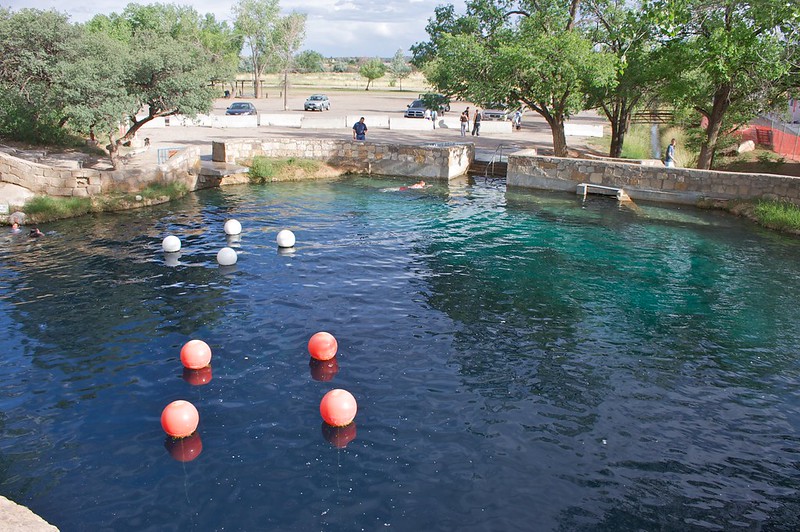
This place never gets old. Found in the small town of Santa Rosa in eastern New Mexico, the Blue Hole is a deep, crystal-clear natural spring that feels completely out of place in the middle of the dry, rugged terrain. The water is an intense shade of blue — almost unreal — and stays at a steady temperature year-round, making it a hotspot for divers and swimmers alike.
It’s part of a group of seven connected lakes, all fed by underground aquifers. With visibility reaching up to 100 feet, it’s known as one of the top inland diving spots in the country. Whether you’re here to scuba dive, cliff jump, or just dip your toes in, it has a laid-back energy that draws people back again and again.
- Address: 15 Blue Hole Rd, Santa Rosa, NM 88435
- See nearby hotels here.
- Best time to visit: Spring through fall — the water stays cool, but the sun helps balance it out.
My personal highlights
- Swimming and relaxing by the edge: The contrast between the desert heat and the refreshing water is unbeatable. I’d float for a bit, then find a sunny spot to warm up.
- Picnicking in the shaded area: There’s a spot near the parking lot with tables and just enough cover from the sun. Great for taking a break, watching the action at the water, and recharging before jumping back in.
The Blue Hole feels like one of those unexpected treasures — small in size but packed with character and the kind of cool surprise you don’t forget.
11. The Taos Mountain Trail – A High-Altitude Journey Through Wild Beauty
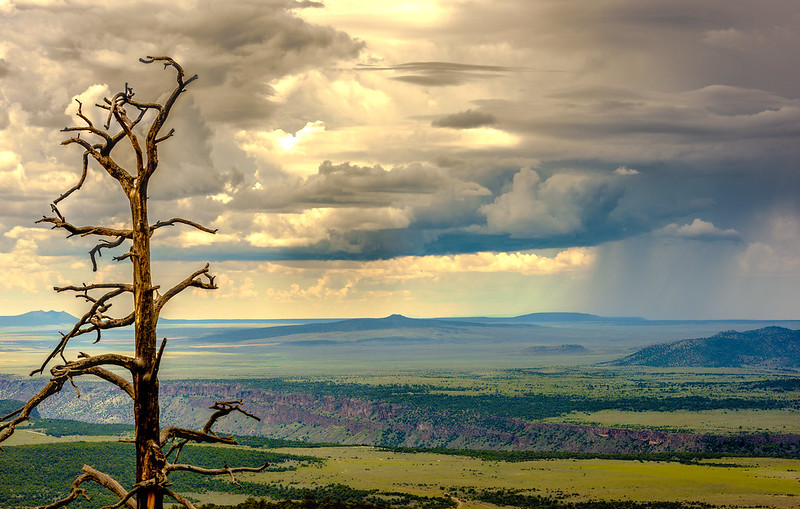
This trail is one of my go-to favorites for a serious dose of alpine adventure. Located in the Taos area of northern New Mexico, the route weaves through high mountain terrain — think steep ridgelines, meadows scattered with wildflowers, groves of aspen, and the ever-present backdrop of the Sangre de Cristo Mountains.
I kicked things off at Taos Ski Valley and followed the trail all the way to Wheeler Peak, the highest point in the state. The one-way hike came out to about 7.5 miles and took me four hours at a steady pace. Some hikers opt for the full 15-mile round trip, which can stretch anywhere from six to eight hours depending on conditions and stops.
- Address: 6 W. D. Road, Taos Ski Valley, NM 87525
- See nearby hotels here.
- Best time to visit: Spring or fall — the weather’s cool and the trail is less crowded.
My highlights
- Summiting Wheeler Peak: Reaching the top was a moment I won’t forget. From the summit, you get full-circle views of the Sangre de Cristo range, deep valleys, and even glimpses of the Rio Grande Gorge in the distance. It felt remote and powerful — a payoff that made every uphill stretch worth it.
The Taos Mountain Trail is one of those hikes that demands effort, but gives so much in return — scenery, solitude, and the kind of satisfaction that only comes from reaching the top under your own power.
12. Cumbres-Toltec Scenic Railway – A Ride Through Time and Terrain
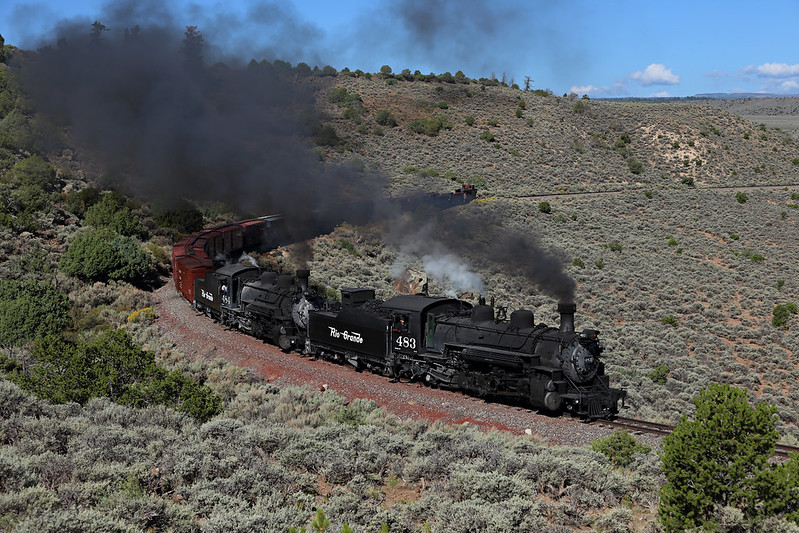
This old-school rail journey surprised me in the best way. Tucked into the northern section of New Mexico, the Cumbres-Toltec Scenic Railway winds through the San Juan Mountains and crosses the state line into Colorado. Operating since 1880, it’s one of the last remaining narrow-gauge steam railways in the U.S. — and it feels like stepping straight into the past.
I booked a one-way ride from Chama to Antonito and spent six hours aboard this slow-moving, vintage train. The 64-mile route offered nonstop views — from steep canyons and alpine meadows to dense pine forests and sweeping Rocky Mountain ridges. The rhythm of the train, the whistle echoing through valleys, and the gentle sway of the cars made it all feel timeless.
- Address: 500 Terrace Ave, Antonito, CO 81120
- See nearby hotels here.
- Best time to visit: Late May through mid-October, when the trains are running and the landscapes are at their most colorful.
My highlights
- Lunch at Osier Station: Midway through the ride, we stopped for a meal. I went for the green chile enchiladas, pinto beans, and sweet potato salad — flavorful, hearty, and just what I needed after hours of riding.
- Open Gondola car: One of my favorite parts of the experience. Standing in the open-air car with the wind in my face and uninterrupted views of the surrounding mountains was unforgettable. It added an entirely different dimension to the ride.
The Cumbres-Toltec trip isn’t just a scenic train ride — it’s a step back in time that makes you slow down and really take in the world around you.
13. El Malpais National Monument – A Land Shaped by Fire and Time
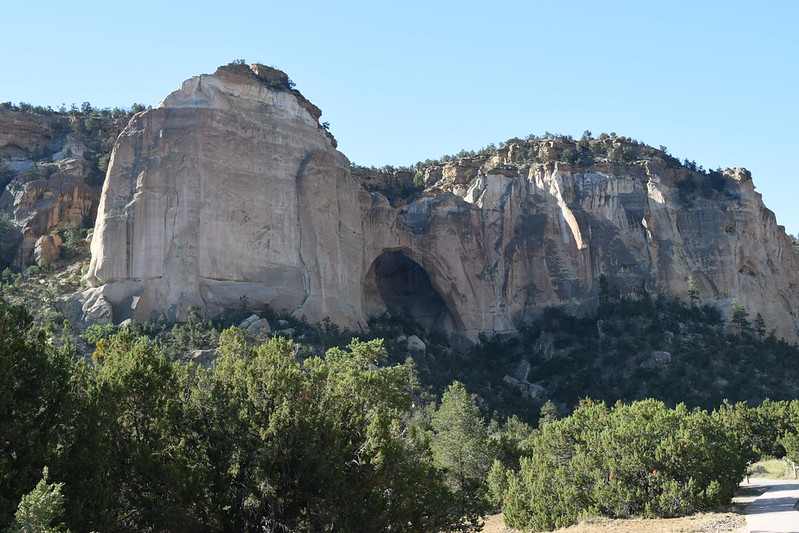
El Malpais is one of those places that grabs your attention and doesn’t let go. Located near the town of Grants in western New Mexico, this rugged national monument stretches across more than 115,000 acres of volcanic terrain — from jagged lava fields and collapsed tubes to sandstone bluffs and hidden arches.
On my visit, I was struck by how different it felt from anywhere else. The landscape told stories — ancient eruptions, shifting plates, and the resilience of life adapting to such harsh ground. I explored several trails (there are about 20 miles of designated paths), wandered through lava tubes, and stopped at the visitor center to get a clearer picture of how all of this came to be.
- Address: 5051 New Mexico 117, Grants, NM 87020
- See nearby hotels here.
- Best time to visit: Spring and fall — cooler air makes hiking a lot more enjoyable.
My favorite highlights
- The Lava Falls Trail: Just 2.6 miles long, but rugged and unforgettable. Walking through cracked lava fields and uneven terrain felt like being dropped onto another planet.
- Bandera Ice Cave: An old lava tube with a thick layer of ice that stays frozen even in summer. The icy floor, glowing faintly green under the dim light, looked like something out of a fantasy novel. Giant icicles and chilly air added to the surreal vibe.
- La Ventana Natural Arch and Cebolla Canyon: The arch is massive and striking against the sky, and Cebolla Canyon offers quiet, raw scenery with ancient rock carvings that tell stories older than most civilizations.
El Malpais is wild, raw, and strangely beautiful — a true showcase of the earth’s power and patience.
14. Carlsbad Caverns National Park – Beneath the Desert, Beyond Expectation
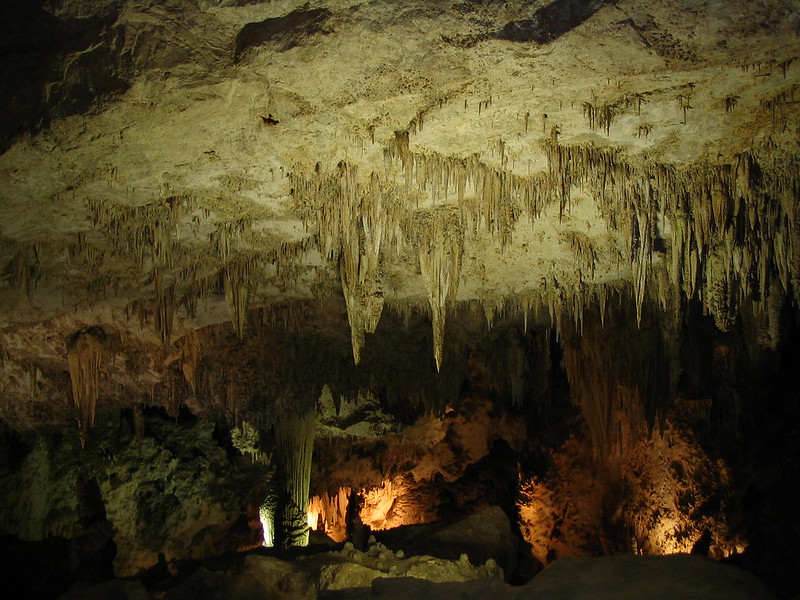
Carlsbad Caverns blew me away. Located in the southeastern corner of New Mexico, this national park covers nearly 47,000 acres — and while the surface has its fair share of rugged desert beauty and rocky ridges, it’s what lies beneath that makes this place unforgettable.
Once part of a prehistoric coastline, the area hides 119 caves created by sulfuric acid slowly dissolving limestone over millions of years. The result? An enormous underground world filled with strange, dramatic formations — jagged stalactites, towering stalagmites, and otherworldly textures that left me speechless.
- Address: 727 Carlsbad Caverns Hwy, Carlsbad, NM 88220
- See nearby hotels here.
- Best time to visit: Spring, summer, or fall — especially for seasonal programs.
My highlights
- The Big Room: Walking into this vast chamber — one of the largest in North America — felt like stepping into a hidden kingdom. The sheer scale and complexity of the formations made it hard to believe it was all natural.
- Hiking the Natural Entrance Trail: This 1.25-mile path descends about 750 feet into the caverns. It’s dim, cool, and dramatic, with every turn revealing something new. The sense of descent adds to the mystery.
- Bat Flight Program: At dusk during summer, I watched thousands of Mexican free-tailed bats spiral out of the cave entrance into the night sky. It was eerie, powerful, and completely mesmerizing.
- Rattlesnake Springs Trail: Above ground, I trekked this peaceful 1.5-mile trail to a rare desert oasis fed by natural springs. The change in landscape — from dry terrain to a pocket of greenery — was unexpected and refreshing.
Carlsbad Caverns isn’t just a geological wonder — it’s a full experience, combining science, history, and raw natural spectacle, both above and below the surface.
15. Chaco Culture National Historical Park – Traces of a Forgotten Civilization
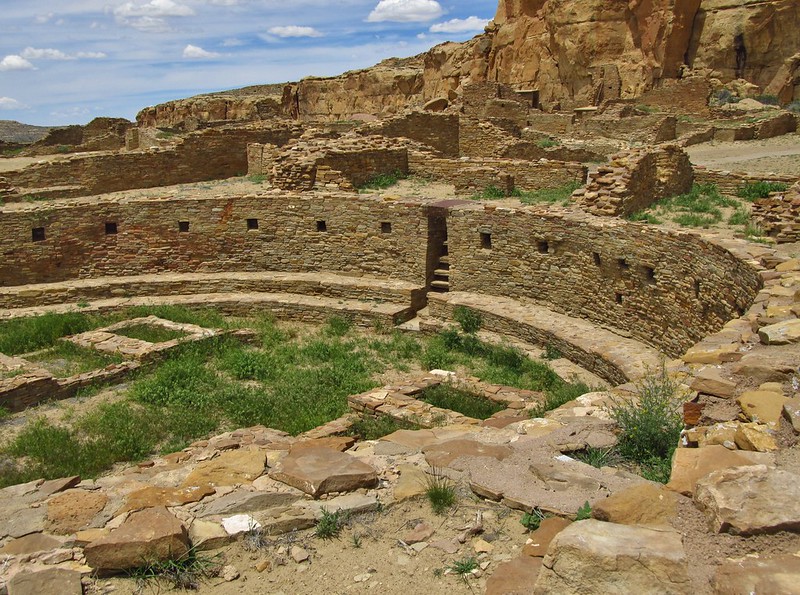
If you’re into ancient history and wide-open landscapes, this place delivers on both. Located in a remote corner of the San Juan Basin in northwestern New Mexico, Chaco Culture National Historical Park feels worlds away from the modern day. It’s quiet, expansive, and holds centuries of stories in its stones.
The park is a UNESCO World Heritage Site and features one of the most significant concentrations of ancestral Puebloan architecture in North America, with structures that date back over a thousand years. As I wandered through the area, I couldn’t help but feel the deep sense of mystery — especially under those endless skies and beside the timeworn ruins.
- Address: 1808 CR 7950, Nageezi, NM 87037
- See nearby hotels here.
- Best time to visit: Spring or fall — for bearable temps and better hiking conditions.
My favorite highlights
- Pueblo Bonito: With over 600 rooms, this sprawling ruin felt like the ancient heart of the canyon. The scale alone was mind-blowing.
- Casa Rinconada and Chetro Ketl: I explored these two important sites and was especially drawn to the sunken kiva at Chetro Ketl — an ancient space built for ceremony and gathering.
- Fajada Butte: A hike to this high point revealed spiral petroglyphs etched into the rock. It felt like a secret message from the past, preserved by time.
- Pueblo Alto Trail: A 5.4-mile round trip with rocky climbs and expansive views. It took about three hours, but the payoff was worth it — sweeping vistas of the ruins below, and glimpses of ancient rock art tucked into the cliffs.
Chaco is one of those places that makes you slow down. It’s not just ruins in the desert — it’s a glimpse into a civilization that once thrived here, carved into the stone and echoed across the canyon.
16. Taos Gorge Bridge – A View That Stays With You
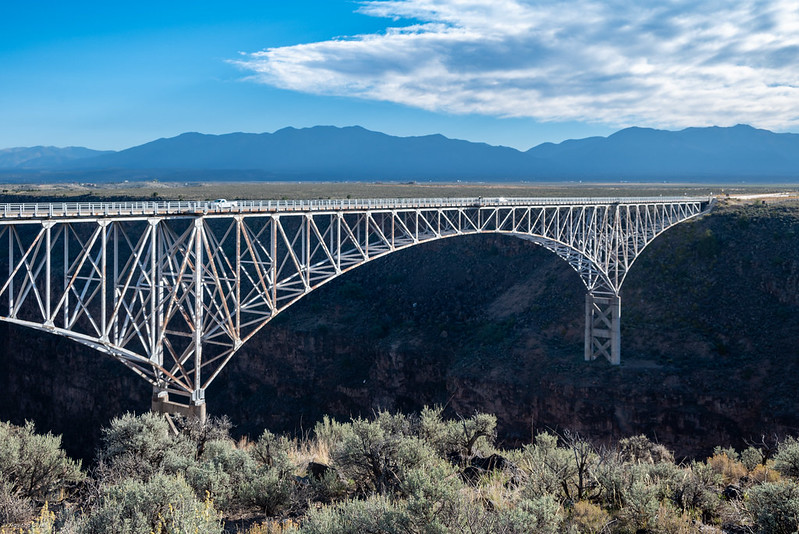
This bridge truly takes your breath away. Just 10 miles from Taos in northern New Mexico, the Rio Grande Gorge Bridge — completed in 1965 — spans a dramatic chasm carved by the powerful Rio Grande River. At 650 feet above the canyon floor, it ranks as one of the highest bridges in the country.
What struck me wasn’t just the scale, but the raw beauty surrounding it. Rugged cliffs drop sharply into the gorge, and the surrounding landscape feels vast, open, and untamed. It’s a place where earth meets sky in a striking, sometimes startling way.
- Address: NM-570, Taos, NM 87571
- See nearby hotels here.
- Best time to visit: Year-round — every season brings a different mood and light.
My highlights
- Walking across the bridge: Standing on the pedestrian path, peering down into the deep canyon, and listening to the faint roar of the river below was unforgettable. The sound echoed up through the walls of the gorge, and the wind added just enough edge to the moment.
- Photography: It’s no wonder filmmakers love this spot — the contrast between the steel frame and the rugged backdrop makes every angle striking.
Whether you’re here to take photos, watch the sunset, or just feel the magnitude of the landscape, this bridge delivers a powerful sense of place — one that captures the essence of northern New Mexico’s wild spirit.
17. Ghost Ranch (Abiquiu) – Color, Silence, and Open Space
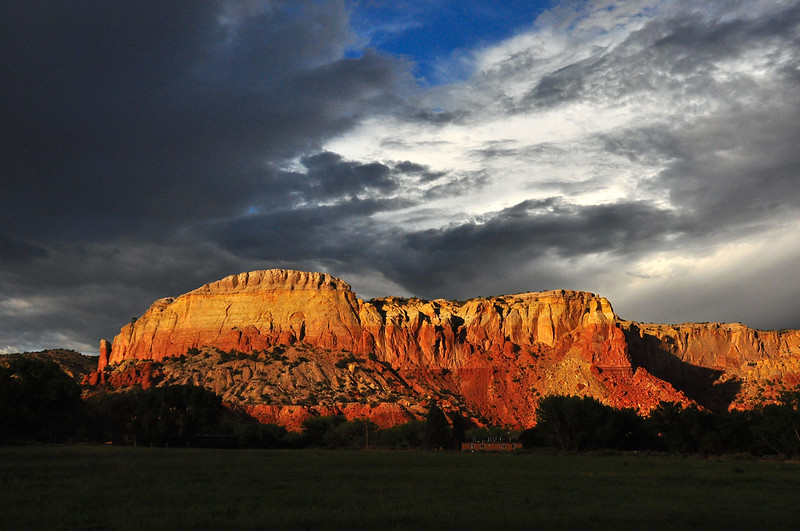
Often called “O’Keeffe Country” for good reason, Ghost Ranch in Abiquiu is where artist Georgia O’Keeffe drew much of her inspiration. After visiting, it’s easy to understand why — the area is a bold mix of crimson cliffs, golden mesas, and layers of rock that stretch out beneath an enormous sky. The contrast between land and light here is something you feel as much as see.
There’s a stillness to Ghost Ranch that makes everything seem more vivid. Whether you’re hiking, taking a guided tour, or simply sitting in the dirt watching shadows move across the canyons, it leaves a lasting impression.
- Location: 280 Private Drive 1708, Abiquiu, NM 87510
- See nearby hotels here.
- Best time to visit: Spring and fall — cooler air and striking seasonal colors.
My favorite moments
- Exploring the hiking trails: I took a short trail that led to a scenic overlook — a wide view of the sculpted desert framed by jagged rock faces.
- Learning about the land’s history: The visitor center shares stories about the ancient fossils found here and O’Keeffe’s time living and painting in the area.
- Watching sunset hit the cliffs: As the light changed, the rock faces lit up in deep oranges and purples. The colors almost didn’t seem real.
Ghost Ranch isn’t flashy, but it’s unforgettable — a place where art, history, and nature all seem to speak at once.
18. Bosque del Apache National Wildlife Refuge (Socorro County) – Where the Skies Come Alive
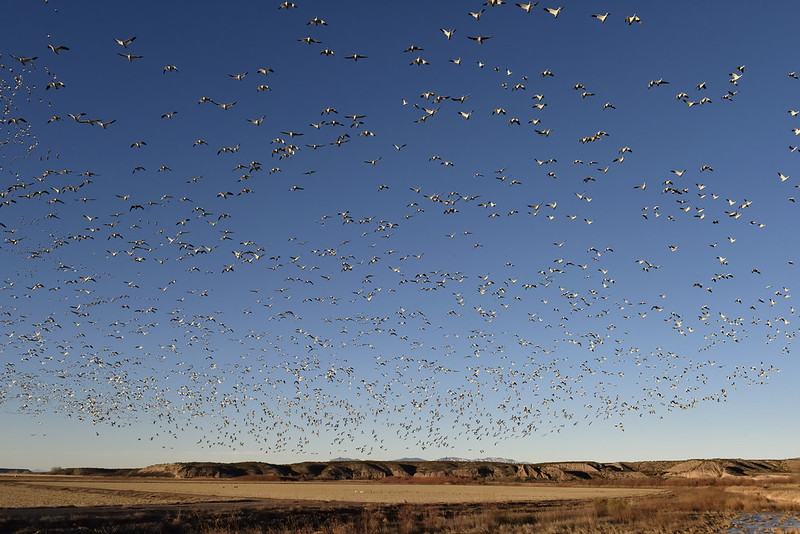
Located in central New Mexico, Bosque del Apache means “woods of the Apache” — a name that speaks to both its history and its wild setting. This refuge covers over 57,000 acres of wetlands, grasslands, and desert plains and has become a sanctuary for birds — especially during migration season.
It’s one of the top birdwatching spots in the country, with over 350 species recorded, including sandhill cranes, snow geese, herons, and a variety of raptors. From late November to late February, the skies erupt at dawn and dusk as thousands of birds lift off or come in to roost, wings beating in unison and voices echoing across the landscape.
- Address: 1001 NM-1, San Antonio, NM 87832
- See nearby hotels here.
- Best time to visit: Late fall through winter — migration season is at its peak.
My favorite moments
- Morning liftoff: Standing along the viewing decks as the sun cracked the horizon and entire flocks rose into the air was unforgettable. The sound, movement, and scale of it all felt almost cinematic.
- Driving the auto tour loop: A slow cruise through the refuge gave me the chance to spot different species from a distance — cranes wading, geese resting, even a few deer and coyotes wandering through.
Bosque del Apache isn’t just for bird lovers — it’s for anyone who appreciates wide skies, still water, and the quiet energy of the natural world unfolding on its own schedule.
19. Valles Caldera (Sandoval County) – A Vast Landscape Formed by Fire
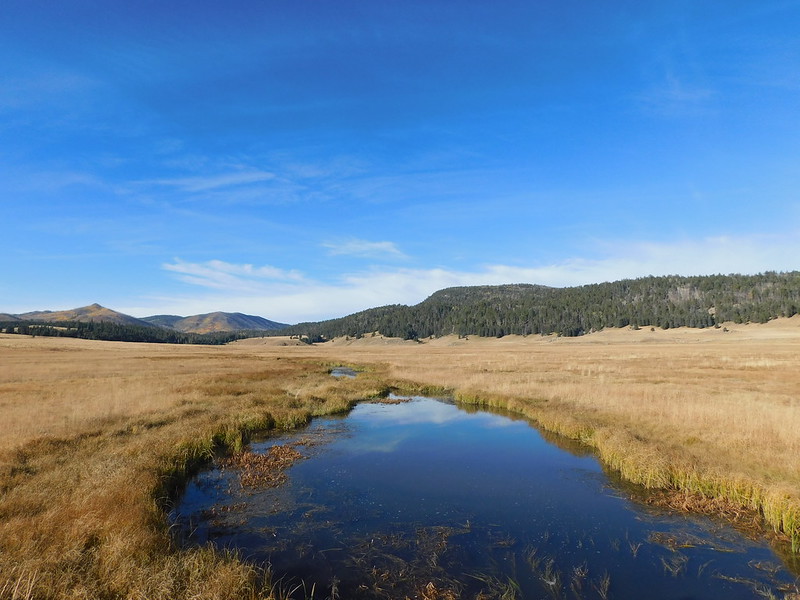
Valles Caldera feels like one of New Mexico’s best-kept open secrets. Tucked within the Jemez Mountains, this massive volcanic crater spans over 13 miles wide and offers sweeping views of high-altitude meadows, winding streams, and distant pine-covered hills. Even from the rim, the scene below feels wide and wild — a quiet blend of grassland and forest shaped by ancient eruptions.
In winter, snow blankets the valleys, transforming the landscape into a hushed white expanse. Come spring and summer, it shifts into rolling green with pockets of wildflowers and roaming elk. Herds often graze in the open, and their presence gives the land a living, breathing quality.
- Location: Sandoval County, NM
- See nearby hotels here.
- Best time to visit: Late spring to early fall for hiking and wildlife; winter for snow-covered views.
What stood out to me
- Scenic drive along the caldera’s rim: The road hugs the edge and offers a high perspective of the crater’s full span — soft hills folding into each other with rivers cutting across the floor.
- Wildlife watching: Spotting elk in their natural habitat felt surreal. There’s something grounding about seeing animals at home in such a vast, open space.
- Peace and space: Whether hiking or just stopping to take it all in, the silence and sheer size of the caldera leave a lasting impression.
You can learn more about visiting and trail access through the National Park Service website, but even without stepping far from your car, Valles Caldera offers a rare kind of quiet drama.
20. Brazos Cliffs (Rio Arriba County) – Where Time Is Etched in Stone

Just south of the Colorado state line, the Brazos Cliffs stand tall and silent — a towering wall of ancient rock formed over 1.8 billion years ago. These dramatic granite formations soar more than 2,000 feet above the winding Chama River and are among the oldest geologic features in New Mexico. Their sheer faces and rugged profile speak of a time shaped by volcanic forces and relentless erosion.
The cliffs hold a kind of quiet power. Whether you’re viewing them from the valley floor, across the river, or at a distance from Highway 64, they dominate the skyline. As daylight fades, the stone catches the warm glow of sunset, turning shades of deep gold and soft rose. It’s a sight that lingers.
- Location: Rio Arriba County, near the Chama River
- See nearby hotels here.
- Best time to visit: Late spring through fall for clear skies and striking evening light
What left a mark
- Watching the sunset: I arrived just as the sun was beginning to dip and saw the cliffs shift through layers of color — bold, soft, and fleeting.
- The sense of scale: Standing beneath them, you feel small — but in a good way. The cliffs seem to hold stories older than anything around.
Brazos Cliffs aren’t flashy or overrun — they’re quiet, raw, and absolutely worth the detour. A perfect example of how nature’s age-old artistry still holds the power to stop you in your tracks.
21. Sandia Peak Tramway – A High-Altitude Ride with Big Views
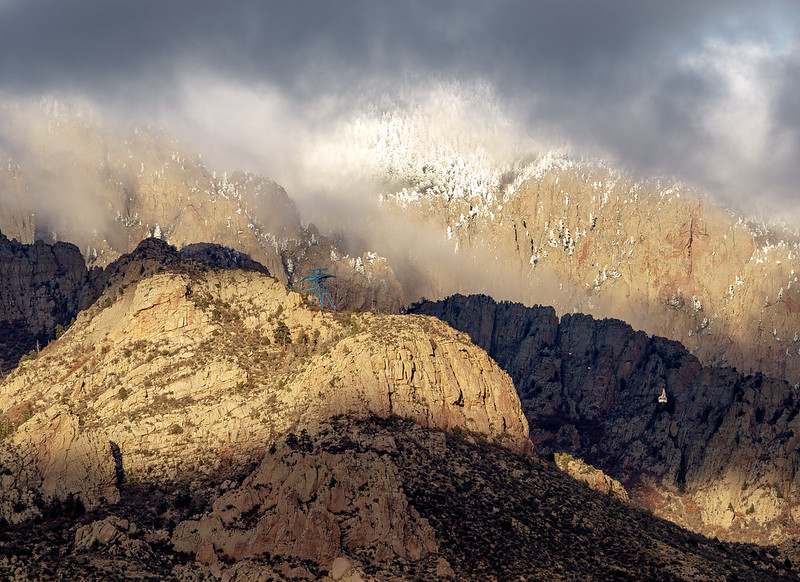
Just outside Albuquerque, the Sandia Peak Tramway offers a dramatic ascent into the mountains — and some of the best panoramic views in the entire state. The aerial tram stretches nearly three miles and climbs to over 10,000 feet, carrying you high above rugged terrain and forested slopes.
It holds the distinction of having the second-longest single span in the world, which makes the ride itself part of the adventure. As the tram glides upward, the city of Albuquerque slowly shrinks behind you while the vast New Mexican landscape opens up in every direction.
- Location: 30 Tramway Rd NE, Albuquerque, NM 87122
- See nearby hotels here.
- Best time to visit: Year-round — visit during the day for clear views, or catch sunset for dramatic colors
Why it stuck with me
- That view at the top: From the observation deck at the peak, you can see the sprawl of Albuquerque, distant mountain ranges, and the desert floor stretching for miles.
- The ride itself: Suspended high above rocky cliffs and deep canyons, the journey felt like floating — smooth, quiet, and awe-inducing.
- Easy access, big payoff: You don’t need to hike or drive far to feel like you’ve been transported to another world.
Whether you’re into photography, looking for a memorable date idea, or just want a break from the city below, the Sandia Peak Tramway delivers an unforgettable experience with minimal effort.