
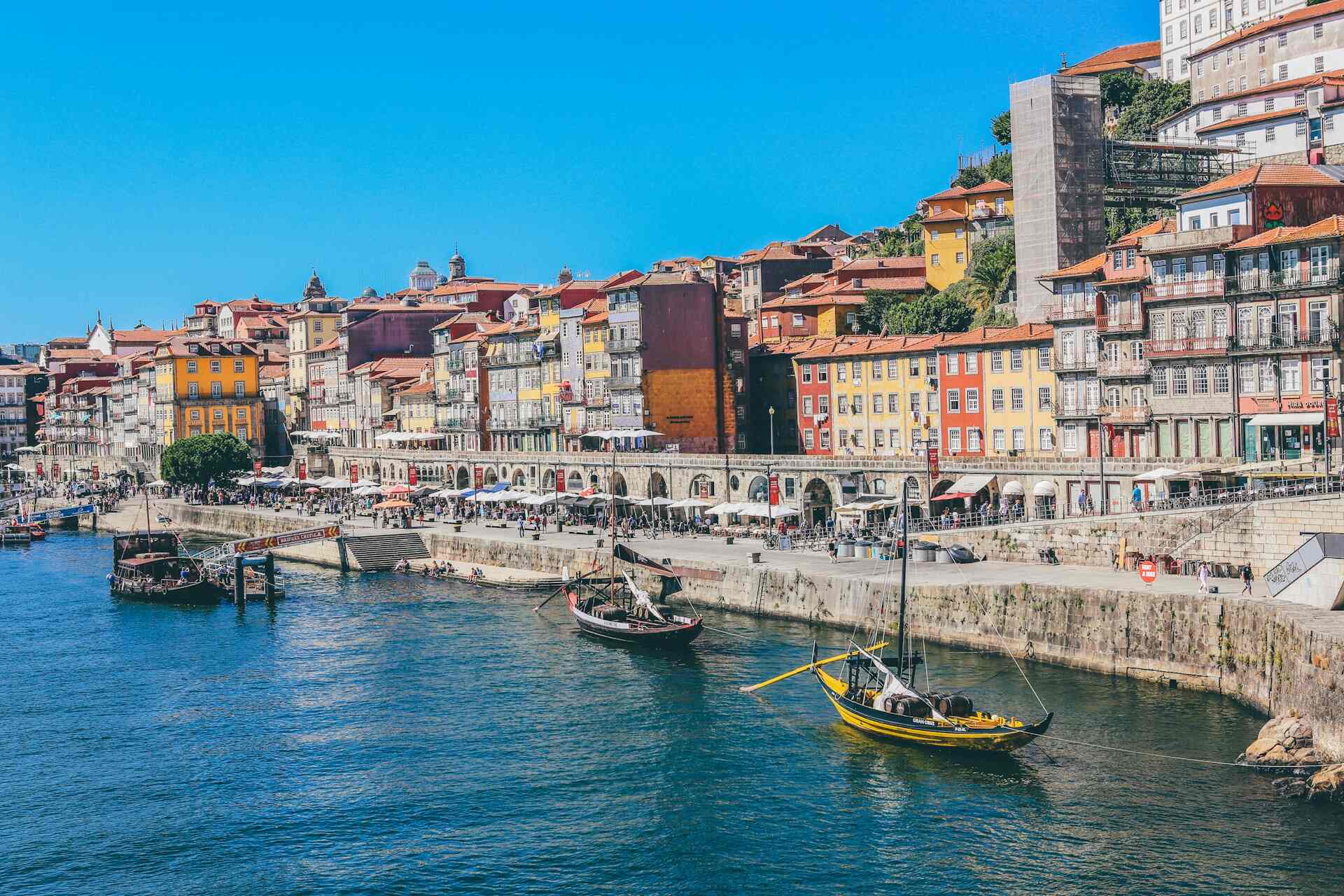
Portugal stands out as one of Europe’s best-value destinations, where memorable meals and excellent wine rarely strain the budget. Centuries of history sit in plain sight, from weathered castles to bold architectural styles that reflect layers of past influence. Add long stretches of sunlit coastline, and it’s easy to see why the country leaves such a strong impression.
What makes Portugal especially compelling is how naturally old and new coexist. Traditional neighborhoods share space with creative energy, modern cafés, and a growing cultural confidence that feels fresh without trying too hard. Each visit reveals a slightly different mood, shaped by region, season, and pace.
After many journeys—some slow road trips, others short escapes—certain places keep pulling me back. These are the towns, coastlines, and cities that linger in memory, the ones I’m always excited to pass along because they capture Portugal at its most rewarding and real.
1. Praia da Marinha, Algarve
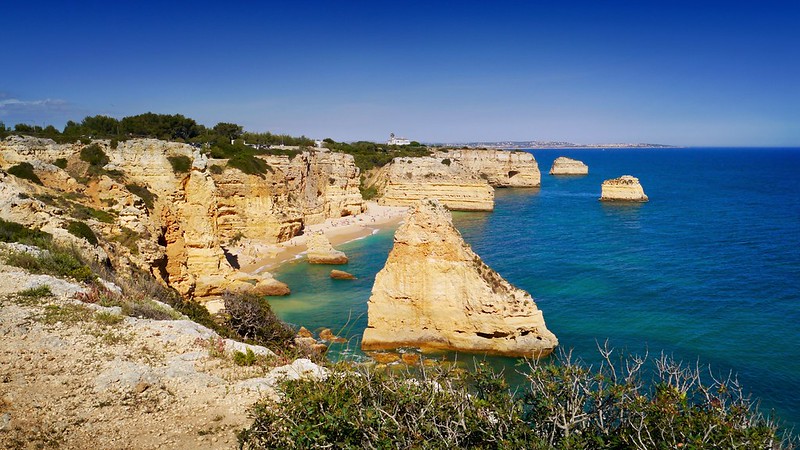
Praia da Marinha earns its reputation the moment you see it from above. Tall honey-colored cliffs curve around a small sandy bay, while clear blue-green water shifts shade with the light. The rock stacks and arches give the shoreline a sculpted look, almost unreal at certain hours. Even with its fame, you can still find quieter corners between the formations if you walk a little farther along the edge.
I took my time here instead of rushing it. The water is great for snorkeling, with fish moving around the rocks and pockets of calm between waves. Natural caves and tide pools appear along the base of the cliffs, and the upper walking paths give wide sea views with steady coastal wind. Boat tours also pass by, including playful “pirate ship” style cruises that swing close to the arches and grotto openings.
Benagil Cave is often paired with this stop, and it’s easy to see why. The massive dome and roof opening drop a column of sunlight onto the sand inside, creating a bright spotlight effect. If you enjoy short hikes, swim spots, and dramatic coastal shapes in one place, this beach delivers plenty without needing a full-day trek.
Location: Algarve, Southern Portugal
Type: Small beach cove
Feel: Bold cliffs, curved bay, striking coastal scenery
Highlight: I stayed at the stylish 4-star Jupiter Marina Hotel – Couples & Spa and really enjoyed the rooftop infinity pool and the sandy rooftop lounge area. The Balinese beds were perfect for slow afternoons, and the Turkish bath added a relaxing break after long days out. The interiors felt clean and modern, with a polished, design-forward look throughout.
2. Lisbon, Portugal
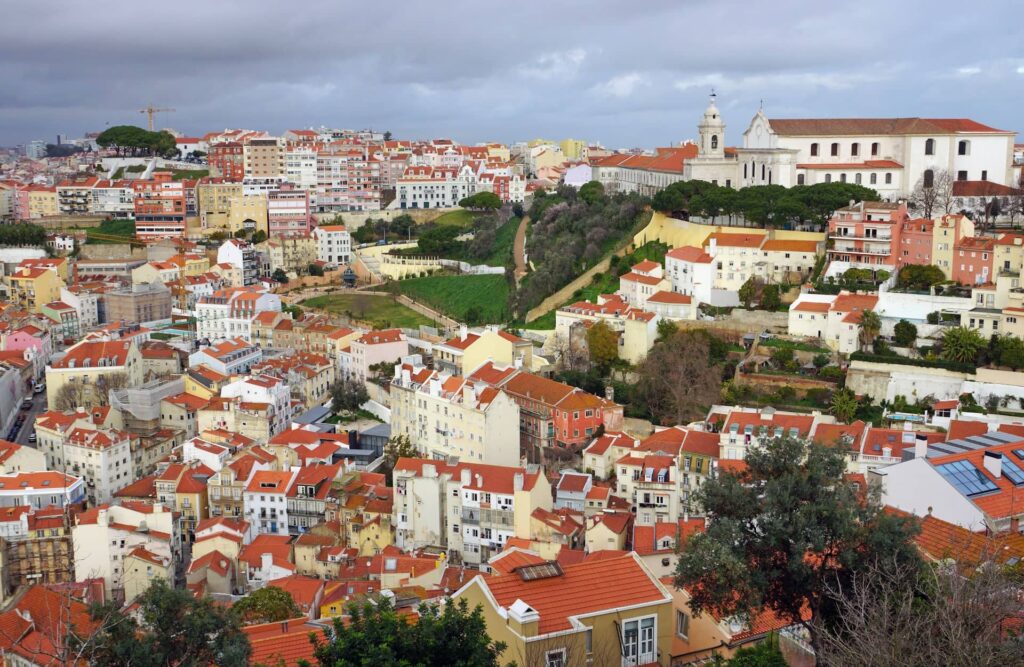
Lisbon caught my attention right away with its faded pastel walls, patterned tile façades, and maze-like stone streets that twist up and down the hills. Parts of the city feel weathered in a good way, where peeling paint and old balconies add character instead of polish. Between the slopes, you’ll find lookout terraces, small bakeries, and old churches, with the ocean never far away.
Getting around felt simple. I flew straight into Lisbon Airport and spent a warm week moving between major landmarks and side-street surprises. Stops included Belém Tower and Jerónimos Monastery, rides on the classic yellow Tram 28, and repeat visits for custard tarts at Manteigaria. Bairro Alto added late-day color with wall murals and indie shops, while hilltop viewpoints like Miradouro da Senhora do Monte gave wide city panoramas. Café da Garagem became my go-to break spot for slow drinks and long people-watching sessions.
The city blends old tradition with a youthful creative streak. You’ll see centuries-old buildings beside modern galleries and concept cafés, with music drifting out from doorways at night. It works well for both short breaks and longer stays, with beaches just a short train ride away when you want a change of scene.
Location: Western Portugal
Size: Population ~545,000
Feel: Sun-washed streets, historic layers, relaxed creative energy
Highlight: Madalena by The Beautique Hotels — bold design, boutique scale, and retro pink tile details that really stand out.
3. Cascais, Portugal
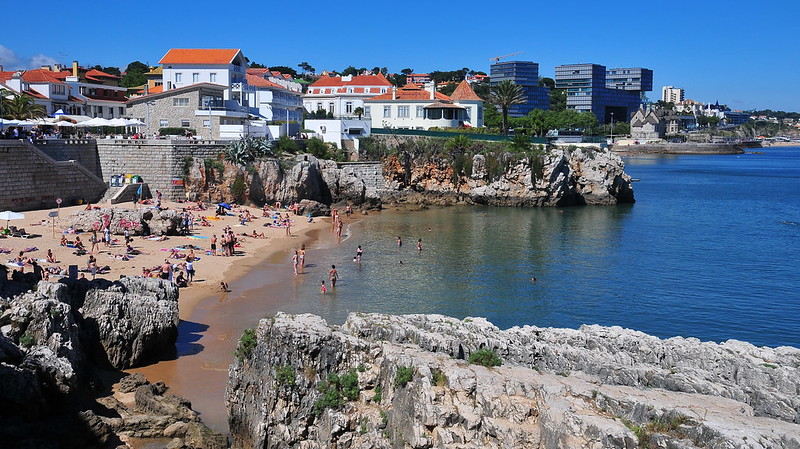
Cascais grew from a working fishing town into a stylish seaside escape, yet it still keeps its laid-back soul. The town blends sandy coves with rough Atlantic cliffs, grand old villas, small forts, and a walkable old quarter filled with tiled buildings and corner cafés. The streets feel calm and personal in scale, but there’s also a creative, polished side that shows up in galleries, boutiques, and waterfront dining.
I flew directly from Lisbon Airport (LIS) to London and then drove for just over 45 minutes to spend a week at the Instagram-worthy 4-star Legacy Hotel Cascais. I based myself here for a week and used it as both a beach break and a culture stop. Days included slow loops around the Bay of Cascais, watching waves crash at Boca do Inferno, stepping inside the Santa Marta Lighthouse, resting on Praia da Rainha, and touring the Castro Guimarães Museum. Long marina lunches often stretched into the afternoon, with boats rocking gently in the background.
The historic center was my favorite area to wander without a plan. Local shops sold tile-pattern tableware, textured linens, and small art pieces, while painters worked near vine-covered doorways and sunlit walls. It’s the kind of place where short walks turn into long strolls without trying.
Location: Western Portugal, Estoril Coast (near Lisbon)
Size: Population ~214,000
Feel: Easygoing seaside town with an artistic, refined touch
Highlight: Roaming the old center streets and browsing craft shops and working artist corners near the plazas.
4. The Algarve Region, Portugal
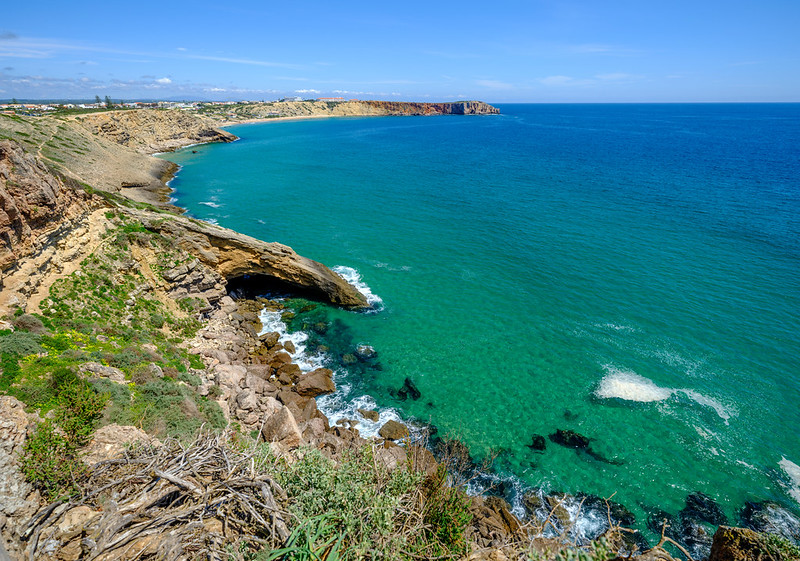
Algarve Region is busy with visitors and built up in many areas, but the natural setting explains why so many people keep coming back. The coastline runs long and varied, with amber cliffs, wide sand stretches, pocket-sized coves, and hill towns painted in white with Moorish-style details. Under strong southern light, the colors feel bold and high-contrast, especially near the water.
I flew directly into Faro from the UK and spent an amazing time at the stunning 4-star boutique Central Monchique Hotel. My days were filled with sunbathing on beautiful beaches like Praia da Marinha, Praia da Falésia, and Praia da Cordoama, wandering through Tavira’s charming old town, and hiking the breathtaking cliffs of Ponta da Piedade, while my partner enjoyed the world-class golf courses in Vilamoura!
The Algarve works well if you like mixing slow hours with active ones. You can spend the morning by the ocean, the afternoon on walking trails, and the evening in a harbor town with music and lights. Golf courses near Vilamoura draw plenty of players too, so travel partners with different interests can split the day and still stay close.
Location: Southern Portugal, from the Spanish border to Cape St. Vincent
Size: Population ~451,000
Feel: Warm, beach-focused, relaxed by day and lively after dark
Highlight: Wine tasting at the historic Morgado do Quintão estate, especially a light ruby Clarete made from the Negra Mole grape.
5. Porto, Portugal
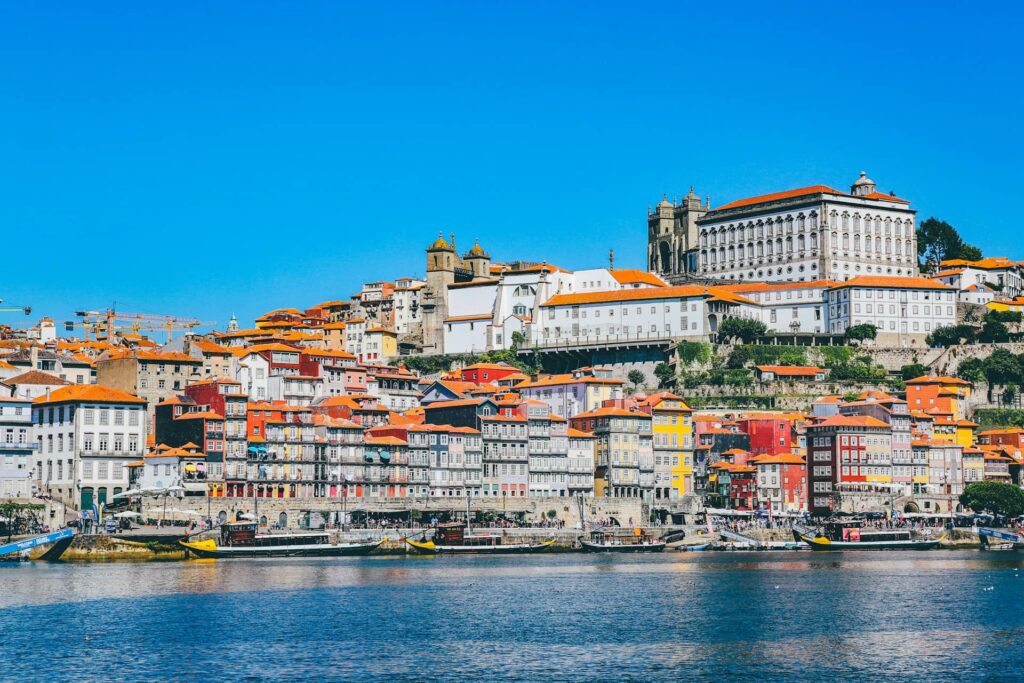
Porto left a strong impression on me from the first walk through its old quarters. The historic center, listed by UNESCO, mixes worn stone streets, decorated churches, tall riverfront houses, and grand civic buildings. Some blocks feel rough around the edges, which actually adds character instead of taking it away. The Douro River ties everything together, with bridges and viewpoints giving wide angles over the city.
I flew into Porto Airport (OPO) and spent five unforgettable days soaking in the charm of the city. I stayed at the charming 4-star boutique Vincci Bonjardim, explored the Insta-famous Ribeira district with its colorful old buildings and cobbled streets, relaxed under the arches of Praça da Ribeira watching boats glide by, and enjoyed a Sandeman Founder’s Reserve across the river in Vila Nova de Gaia.
There’s a strong creative pulse here, visible in bookshops, design stores, street murals, and small galleries tucked between older façades. Porto feels lived-in and expressive, with daily life happening right beside major landmarks. It suits travelers who like history, food, and river views all in one compact city.
Location: Northern Portugal
Size: Population ~214,000
Feel: Historic river city with depth and artistic spirit
Highlight: Sunset snacks and Tawny Port at Miradouro Ignez, looking out across red-tiled roofs and the Douro.
6. Douro Valley, Portugal
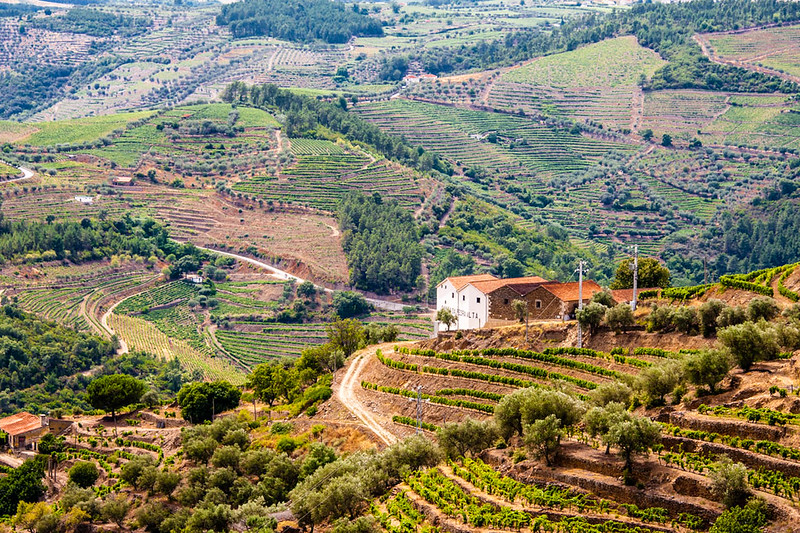
Douro Valley is one of those landscapes that makes you slow down without trying. Layered vineyard terraces climb the hillsides, old wine estates sit above the bends, and the Douro River cuts a calm path through the valley. Roads curve tightly along the slopes, opening to long views over vines, villages, and passing boats. Even short drives here feel scenic from start to finish.
I drove two hours from Porto and spent three blissful days at the picture-perfect 4-star Lamego Hotel & Life. My time was filled with wine tasting at historic quintas, cruising along the peaceful Douro River, cycling through vineyard-covered landscapes, and exploring the charming villages of Pinhão and Peso da Régua, all before visiting the stunning Mateus Palace.
Wine tourism shapes daily life here, but it doesn’t feel rushed. Tastings move at an easy pace, meals run long, and river traffic stays gentle. It works well for travelers who enjoy food, views, and slow travel rather than packed schedules.
Location: Northern Portugal
Area: Douro wine region
Feel: River valley, vineyard hills, calm rural atmosphere
Highlight: A wine-and-food boat trip past the Maria Pia Bridge by Gustave Eiffel, paired with a smooth 10-year Tawny Port onboard.
7. Sintra, Portugal
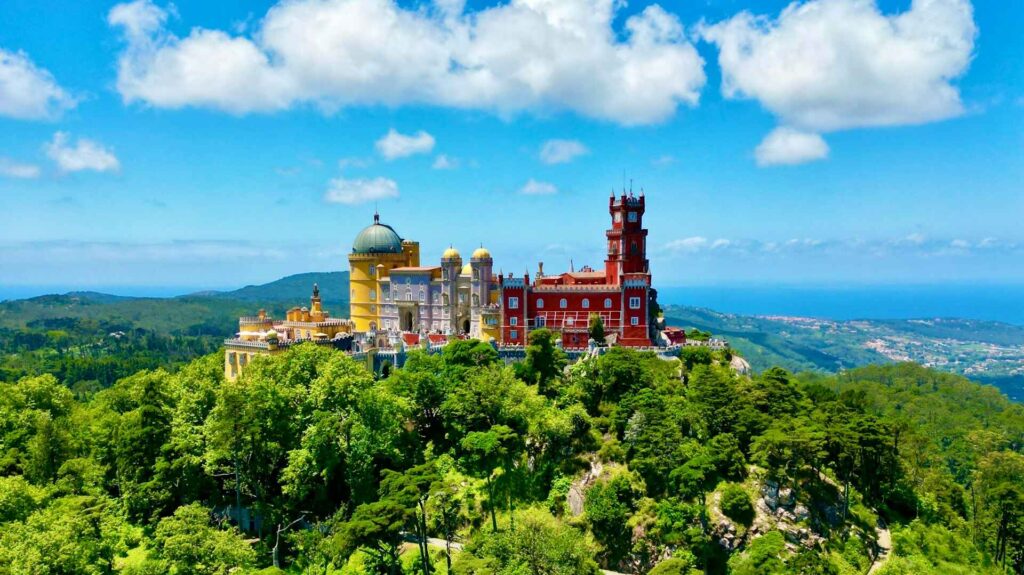
Sintra feels like a storybook setting brought into real terrain. Palaces rise above wooded hills, castle walls trace the ridges, and Atlantic viewpoints sit just a short drive away. Morning fog often rolls through the trees, giving the whole area a dreamy, slightly dramatic mood. The mix of bright royal buildings and dark forest paths creates a strong visual contrast you don’t see in many places.
I drove 45 minutes from Lisbon and spent five wonderful days at the elegant and romantic 4-star boutique Chalet Saudade. Pena Palace stood out with its bold colors and hilltop position, while Quinta da Regaleira offered hidden tunnels, towers, and symbolic garden features. Climbing the Moorish Castle walls rewarded the effort with wide views over the hills and out to the coast. I also took breaks at Praia da Adraga and walked sections of Sintra-Cascais Natural Park, where shaded trails wind through thick greenery.
The town works well if you like mixing landmarks with outdoor time. You can tour grand estates in the morning, hike forest routes in the afternoon, and reach the ocean before sunset. Distances are short, but the variety feels wide.
Location: Western Portugal, near Lisbon
Size: Population ~385,000
Feel: Fairytale hills, castle ruins, romantic atmosphere
Highlight: Riding the historic Sintra Tram to Praia das Maçãs, watching the mountain scenery shift gradually into open Atlantic coastline.
8. Aveiro, Portugal
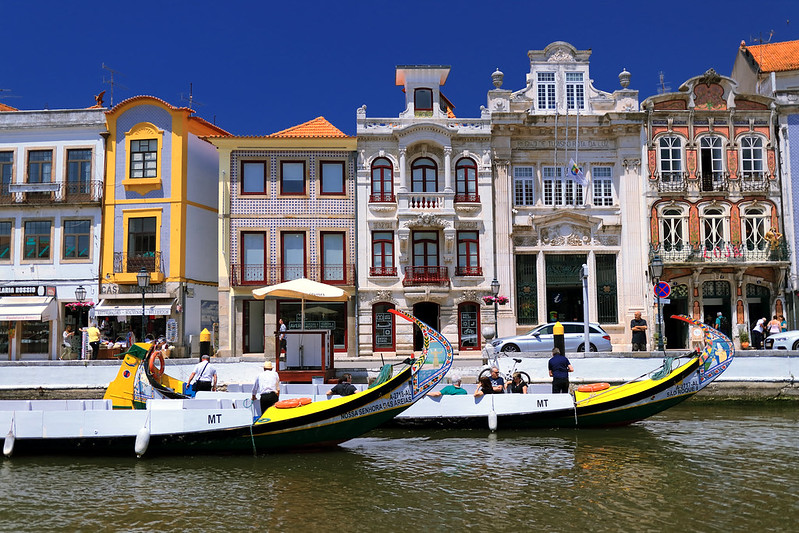
Aveiro quickly won me over with its canal network, painted boats, and decorative early-20th-century buildings. Often compared to Venice, the city has its own personality — flatter, brighter, and easier to explore on foot. The waterways cut through the center, crossed by small bridges and lined with cafés and tiled façades, giving everyday walks a postcard feel.
I drove an hour from Porto and spent three vibrant days at the incredibly Instagram-worthy Barcos Casa Aveiro. I cruised the canals on a moliceiro boat tour, wandered along the colorful Costa Nova beach to admire its iconic striped houses, indulged in the local delicacy ovos moles (a traditional Portuguese pastry), and soaked in the city’s stunning Art Nouveau charm.
Costa Nova beach was another highlight, known for its bold striped houses set near the sand. I spent time walking the seafront, sampling ovos moles — the city’s famous sweet pastry — and hopping between bakeries to compare versions. Aveiro works well as a short break or a side trip, with color, water, and coastal air all close together.
Location: Central Portugal, south of Porto
Feel: Canal city with bright streets and coastal flair
Highlight: I dined on a delicious codfish and beans, paired with a divine Quinta Portal Reserva Douro white wine, at the unique Michelin-starred restaurant Salpoente. I loved how the restaurant, housed in a former salt warehouse, blended its historic charm with a chic, contemporary design.
9. Sagres, Portugal
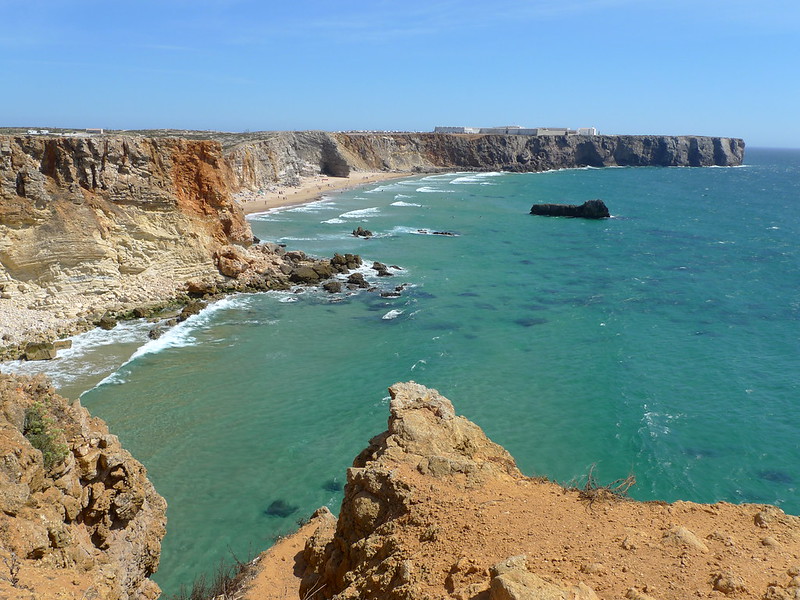
Sagres sits on the far southwestern edge of Portugal and feels open, windy, and raw in the best way. The coastline is shaped by steep cliffs and wide Atlantic views, with sandy beaches tucked between rock walls. It’s widely known for surf conditions, and the town draws wave riders, remote workers, and creative travelers who prefer space and sea air over busy resorts.
I drove just over 1.5 hours west from Faro and enjoyed a peaceful week at the sleek, design-focused 4-star Memmo Baleeir. In Sagres, I embraced the laid-back surf-town vibe, explored the historic Fortaleza de Sagres, watched surfers at Mareta and Tonel Beaches, marveled at breathtaking sunsets at Cape St. Vincent, and spent my days hiking the cliffs, wandering around lighthouses, and café-hopping at cozy, organic spots.
Sagres keeps things simple. You won’t find big-city nightlife, but you will get good coffee, casual bars, and relaxed hangouts with sea views. It suits travelers who like nature, surf culture, and slow daily rhythms.
Location: Southwestern Algarve, Portugal
Size: Population ~1,900
Feel: Windy coastal town with surf culture and open horizons
Highlight: Regular stops at Cafetaria Picnic Sagres for sourdough bread, cortados, pét-nat, and local pale ale while flipping through indie magazines.
10. Óbidos, Portugal
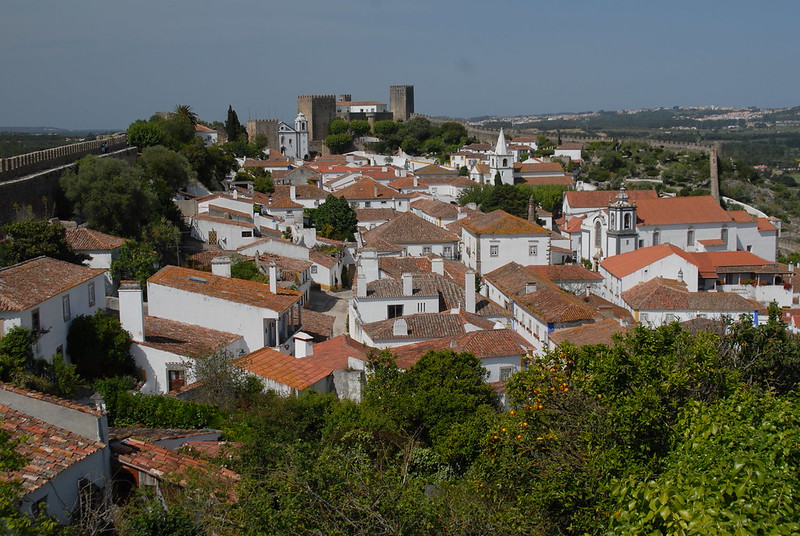
Óbidos is a small walled town that feels like stepping into an older century. Thick stone ramparts circle the settlement, with narrow cobbled lanes, lime-washed houses, and bright flowers spilling from balconies. The castle towers above the rooftops, and viewpoints along the walls open to rolling countryside beyond. The scale is compact, which makes it easy to explore slowly without a fixed plan.
I drove an hour north from Lisbon and spent the night at the charming 4-star Pousada Castelo de Obidos. I strolled along the ancient walls, explored artisan shops, savored Ginja in chocolate cups, and wandered through the well-preserved medieval castle. Locals shared stories about the town’s Medieval Fair, Chocolate Festival, and vibrant Christmas events.
Seasonal events bring extra life to the streets. Residents often talk about the Medieval Fair, Chocolate Festival, and winter celebrations that fill the lanes with costumes, stalls, and music. Even outside festival dates, there’s plenty to enjoy just by walking and sampling local treats.
Location: Central Portugal, north of Lisbon
Size: Population ~11,000
Feel: Walled medieval town with a storybook setting
Highlight: Wandering Rua Direita for artisan boutiques, small bookshops, and repeated stops for ginja served in edible chocolate cups.
11. Marvão, Portugal
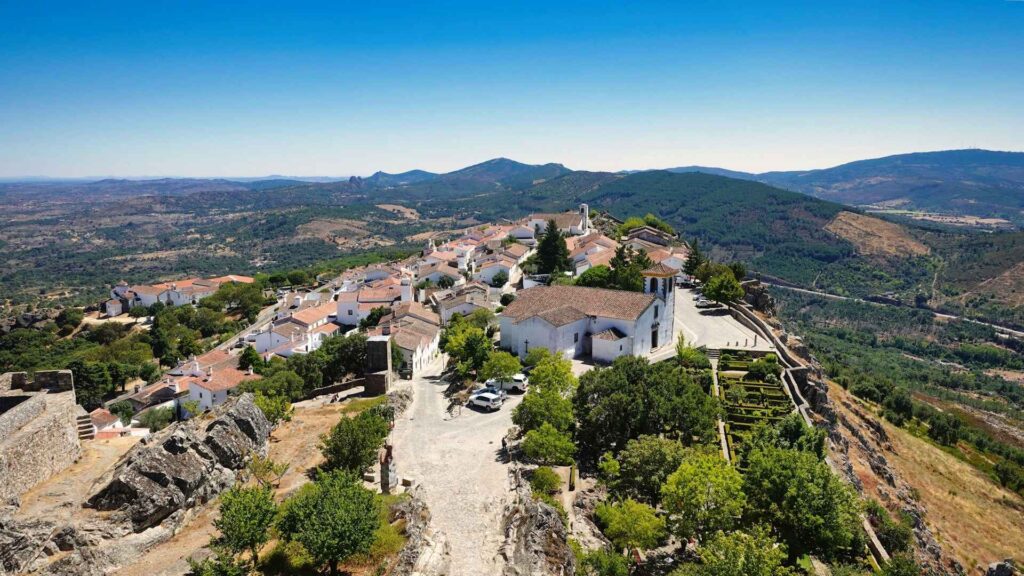
Marvão sits high on a rocky ridge near the Spanish border, with stone defenses wrapping around a tight cluster of white houses. From a distance, the village almost blends into the hilltop, while up close you get narrow lanes, heavy gates, and lookout towers facing open countryside. The elevation gives long, uninterrupted views across the Alentejo plains, especially near sunset.
I drove three hours from Lisbon and spent the night at Dom Dinis Marvão, taking in breathtaking views, exploring the 13th-century castle, wandering through cobbled streets lined with whitewashed houses, visiting the Church of Santa Maria, retreating into Serra de São Mamede Natural Park, and admiring the ancient Roman bridge in nearby Portagem.
The fortress is the main draw, and it’s easy to spend a full afternoon there. Thick walls, cannon positions, narrow window slits, and small garden patches sit inside the complex. Paths along the ramparts give wide angles in every direction, making it one of the best viewpoint spots in this part of the country.
Location: Eastern Portugal, near the Spanish border
Size: Population ~3,500
Feel: Hilltop medieval village with wide-open views
Highlight: Walking the castle ramparts past old cannons and herb gardens, with sweeping vistas over the Alentejo landscape.
12. Salema, Portugal
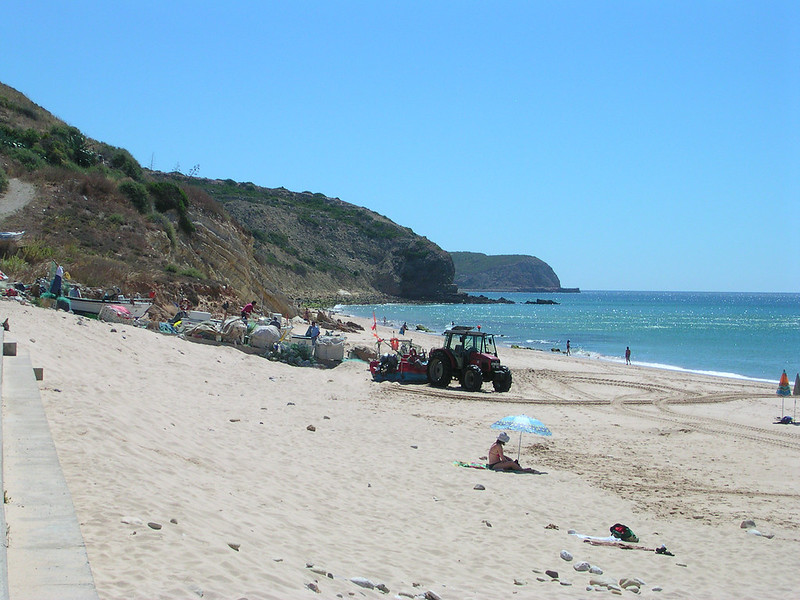
Salema is a small fishing village on the southwestern Algarve coast, set between two rocky headlands with a long sandy beach in the middle. The scale is modest — low white houses, a short waterfront strip, and boats pulled up near the shore. Compared with larger resort towns nearby, the mood here stays calm and local, with fewer crowds and slower days.
I drove a little over 20 minutes east from Sagres and spent my time mostly outdoors. Praia da Salema was perfect for long beach breaks and short swims, while the surrounding cliffs held fossilized dinosaur tracks pressed into the rock — an unexpected bonus if you like natural history. Meals were easy and relaxed at seafront restaurants, and village walks took only minutes from end to end.
Coastal trails link Salema with nearby beaches such as Praia do Zavial, giving wide Atlantic views along the way. These paths are good for sunset walks and photo stops, with waves and wind as a steady background. It’s a strong pick if you want a quieter base by the water without big-hotel crowds.
Location: Southwestern Algarve, Portugal
Size: Population ~400
Feel: Small beach village with a slow, local rhythm
Highlight: Staying at Vila Luz and enjoying migas de espargos with garlic on a sea-view terrace after a day on the coastal trails.
13. Évora, Portugal
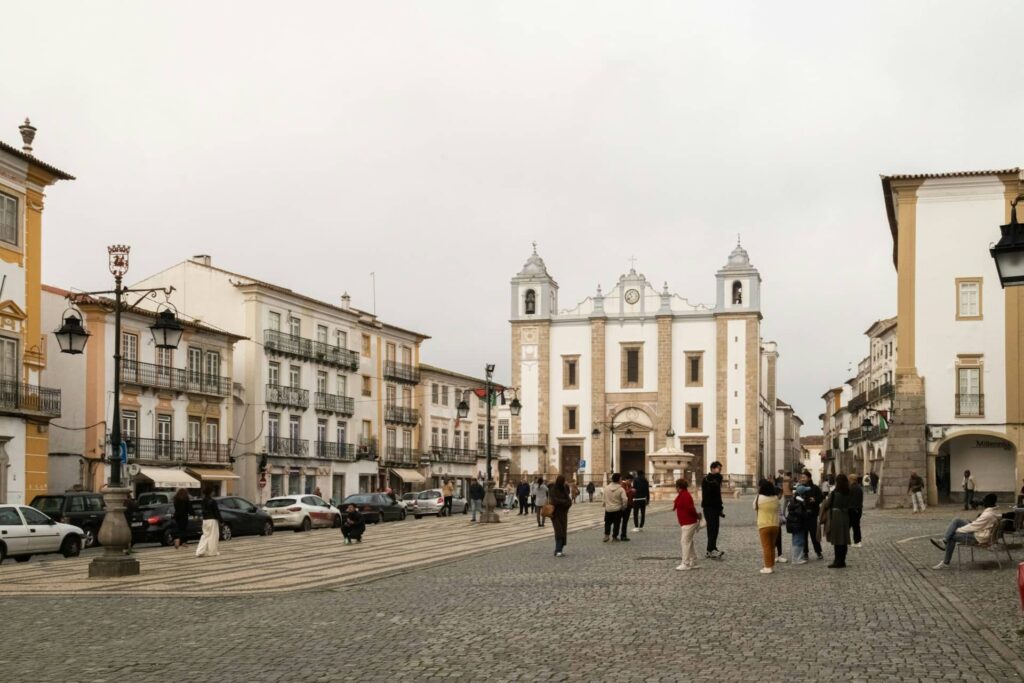
Évora stands out as one of Portugal’s best-preserved historic towns, with layers of Roman, medieval, and later architecture packed inside old defensive walls. Walking through the center means passing stone ruins, tiled façades, churches, and shaded squares within a short distance. The layout is compact, so major landmarks appear one after another without long detours.
I drove about an hour and a half from Lisbon and spent a weekend at the romantic CICIOSO boutique hotel in Évora. I wandered past the 16th-century Roman Temple, stepped into the eerie Chapel of Bones with its walls lined with skulls and skeletons, admired the dramatic Gothic architecture of Évora Cathedral, and strolled through the lively Praça do Giraldo.
The Alentejo setting adds a dry, sunlit backdrop that changes color through the afternoon. Even simple walks feel meaningful here because so much history sits in plain view — gates, arches, and carved stone details built centuries apart.
Location: Alentejo, Southern Portugal
Size: Population ~56,000
Feel: Walled heritage town with strong historic character
Highlight: Sitting in Praça do Giraldo watching daily life unfold, as locals gathered under old trees to play cards and dominoes.
14. Sado Estuary, Portugal
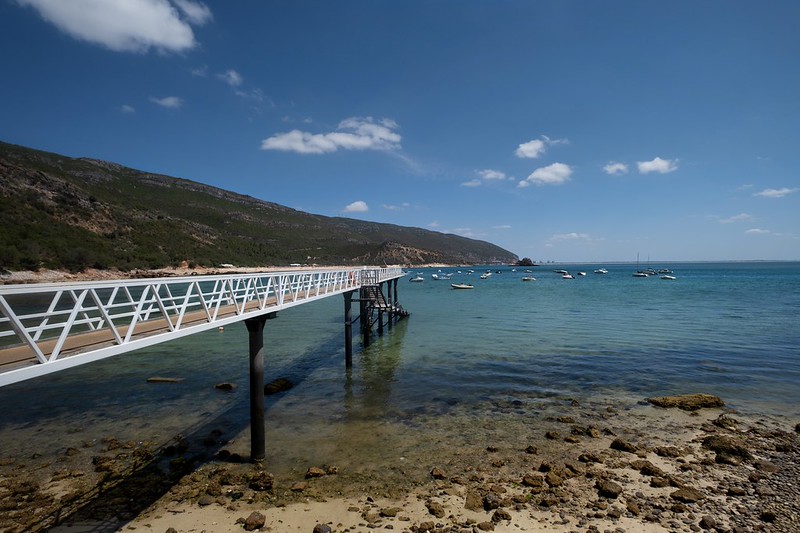
Sado Estuary is a protected coastal reserve southwest of Lisbon, known for open wetlands, sandbars, quiet beaches, and small waterside communities. The scenery shifts between marsh channels, pine groves, and wide Atlantic-facing shores. Large sections remain lightly built, which gives the area a calm, natural feel compared with busier beach zones.
I drove about an hour from Lisbon on a day trip and joined a dolphin-watching tour on the river. The resident bottlenose dolphins are one of the main draws, and seeing them surface near the boat was a highlight of the visit. Afterward, I spent time on the beaches around Comporta and Tróia, walked through the fishing city of Setúbal, and followed trail routes in Arrábida Natural Park, where cliffs and sea views sit side by side. The Roman ruins of Tróia added a historical stop with old foundations and excavation areas near the shore.
This region suits travelers who prefer open landscapes and wildlife over packed resort strips. Activities are simple — boat trips, beach walks, birdwatching, and coastal hikes — but the variety across short distances keeps the day interesting.
Location: Southwest Portugal, near Setúbal
Type: Protected estuary reserve
Feel: Open, quiet, and nature-focused
Highlight: Sunset waffles and coffee at Rockalot Praia in Setúbal after a day around the estuary and coastline.
15. Coimbra, Portugal
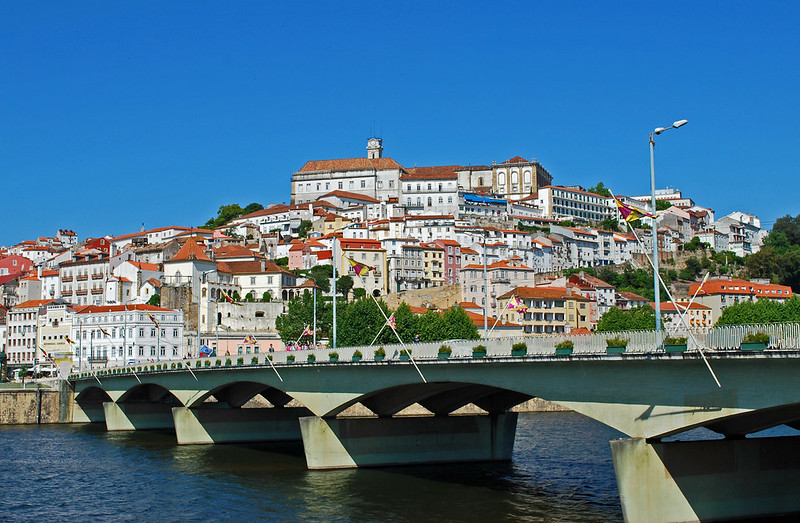
Coimbra is one of Portugal’s great university cities, built across a hillside above the Mondego River. Old academic buildings crown the upper town, while churches, stone lanes, and river parks spread below. The setting blends long scholarly history with a steady student presence, so the streets feel both historic and active at the same time.
Located in the center of the country along the banks of the Mondego River, Coimbra is about 120 kilometers south of Porto. Once Portugal’s medieval capital, it’s home to one of Europe’s oldest universities, founded in 1290. Today, the city has a population of around 143,000, and its University of Coimbra, Alta, and Sofia areas are listed as UNESCO World Heritage Sites.
I drove an hour from Porto and stayed overnight at the cool and unique 4-star boutique Solar Antigo Luxury Coimbra Hotel.
The lower riverfront contrasts nicely with the upper old town. Parks, cafés, and cycling paths line the water, giving you space to relax between sightseeing stops. It’s a good choice if you like history, architecture, and a student-city atmosphere in one compact destination.
Location: Central Portugal
Size: Population ~143,000
Feel: University city with layered history and steady energy
Highlight: Cycling through Parque Verde do Mondego and crossing the wooden footbridge, listening to the soft hum of the boards over the river.
16. Amarante, Portugal
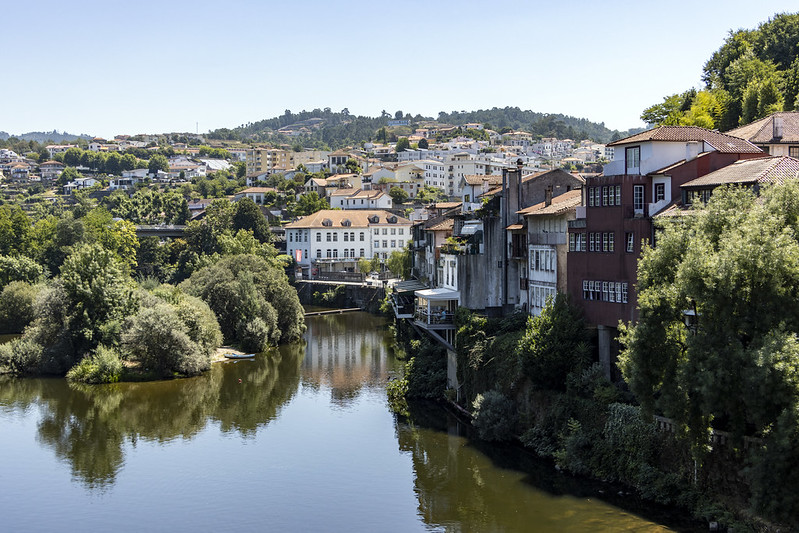
Amarante is a small riverside town north of Porto that feels intimate and slow-paced. Stone streets lead down to the water, where traditional houses with wooden balconies lean slightly over the riverbanks. The broad arch of São Gonçalo Bridge draws your eye first, followed by the large church beside it, whose baroque details give the center a strong focal point.
I drove 50 minutes from Porto and stayed at the enchanting Oliveiras Village – Agroturismo, nestled amidst vineyards. Crossing São Gonçalo Bridge on foot gave wide river views, while stops at local bakeries introduced me to the town’s well-known convent sweets. The Museu Municipal Amadeo de Souza-Cardoso added a different layer, with bold modernist artworks inside a historic building — a nice contrast to the older streets outside.
Everything here is close together, so visits feel relaxed rather than scheduled. A few hours of walking, a museum stop, and a long lunch by the water can easily fill a day without rushing between sights.
Location: Northern Portugal, near Porto
Size: Population ~11,000
Feel: Riverside town with historic charm and a calm rhythm
Highlight: Lunch at Ciao Tílias, enjoying arroz de grelos with olive oil in a restored 19th-century setting near the river.
17. Azores, Portugal
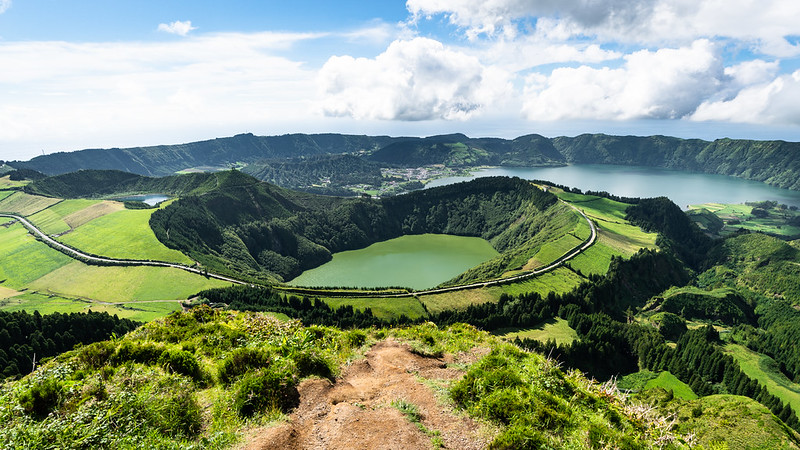
Azores sit far out in the North Atlantic and feel very different from mainland Portugal. The islands are shaped by volcanoes and weather, with crater lakes, lava fields, high cliffs, and green pastures spread across the landscape. Small towns with white houses and dark stone trim appear between hills and coast, often with the ocean in full view.
I flew about four hours to Ponta Delgada on São Miguel and then moved between several of the nine islands. Highlights included hiking around the twin lakes of Sete Cidades, bathing in the geothermal pools of Furnas, and seeing the steep slopes and vineyard plots on Pico Island. Boat trips for whale watching were another standout, along with swims in natural volcanic pools on Terceira and beach time on Santa Maria.
The Azores suit travelers who like outdoor activity mixed with quiet downtime. You can hike in the morning, soak in warm mineral water in the afternoon, and end the day with simple local food by the sea. Distances are short on each island, but the terrain keeps every drive interesting.
Location: North Atlantic Ocean, west of mainland Portugal
Size: Population ~245,000 (across nine islands)
Feel: Volcanic islands with raw scenery and open space
Highlight: Staying at Octant Furnas for its thermal pools, garden setting, and meals built around island-grown produce and Atlantic seafood.
18. Belém Tower, Lisbon
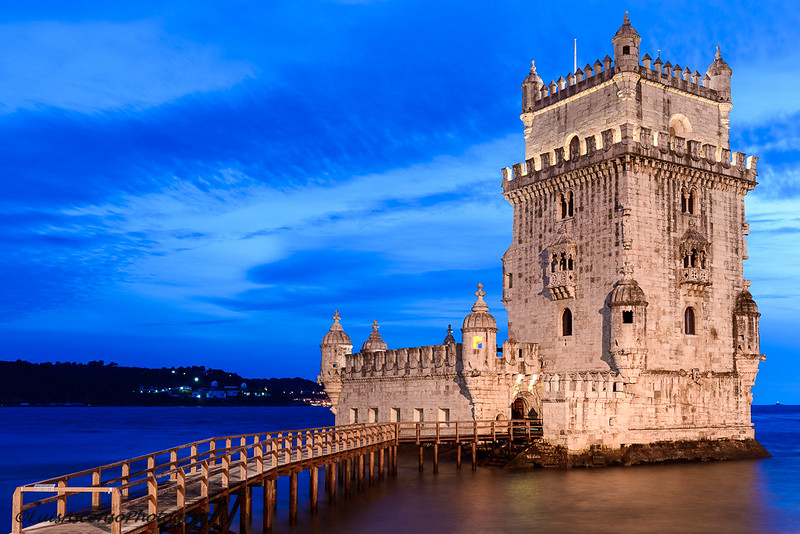
Belém Tower has stood along Lisbon’s riverfront since the early 1500s, built in honor of Portugal’s patron saint, St. Vincent. Set just off the shore on the Tagus River, the stone bastion once served as both a defensive post and a ceremonial gateway for ships arriving in the city. Its riverside position still gives it a commanding presence when viewed from the promenade.
Designed by architect Francisco de Arruda, the roughly 100-foot tower blends late Gothic Portuguese style with Moorish decorative touches. You’ll notice domed watch turrets, carved stone balconies, rope motifs, and detailed façades that reward a closer look. The structure feels compact from afar but reveals many layered elements as you walk around it.
Inside, several chambers are open to visitors, including the Governor’s Room and the Kings’ Room, along with a small chapel marked by a ribbed vaulted ceiling. A tight spiral staircase leads to the rooftop terrace, where wide river views stretch toward the 25th April Bridge and the Lisbon shoreline.
Location: Belém district, Lisbon, Portugal — on the Tagus River waterfront
Highlight: Climbing to the rooftop terrace for open river views and close-up looks at the carved stone towers and domes.
19. Sete Cidades, Azores
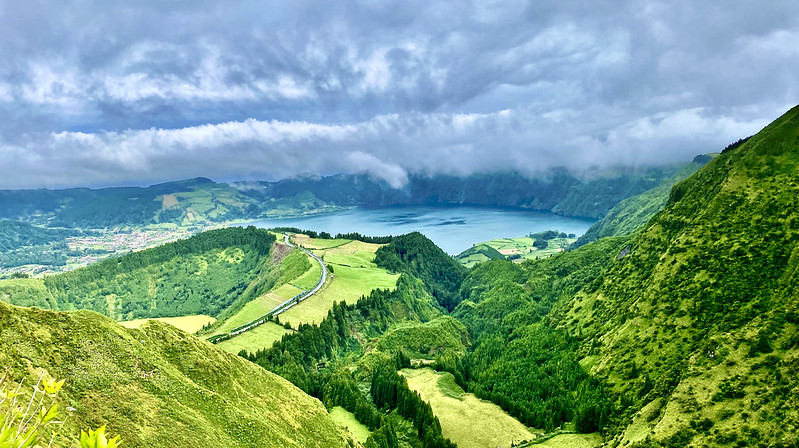
Sete Cidades lies on the western side of São Miguel Island and forms one of the most striking volcanic landscapes in the Azores. A massive crater holds two adjoining lakes — one appearing deep blue, the other green — ringed by steep, forested slopes. From above, the basin looks almost perfectly drawn, with village houses and small fields set near the water’s edge.
The drive from Ponta Delgada passes through farmland and hillside roads lined with seasonal color. In late spring and early summer, hydrangeas, marigolds, and citrus trees add bright patches along the route. Several trailheads start near the crater rim, giving walkers long, elevated views across both lakes. The Vista do Rei viewpoint is a top stop, offering a wide-angle look across the full basin and, on clear days, out to the Atlantic.
Down by the shore, you can rent kayaks or stand-up paddleboards and head onto the water for a closer perspective. Weather can shift quickly here — sun, mist, and light rain sometimes rotate within the same hour — so carrying a light rain jacket and sun protection is a smart move.
Location: Western São Miguel Island, Azores, Portugal
Highlight: Standing at Vista do Rei viewpoint and seeing both lakes and the outer coastline in one sweeping view.
20. Jerónimos Monastery, Lisbon
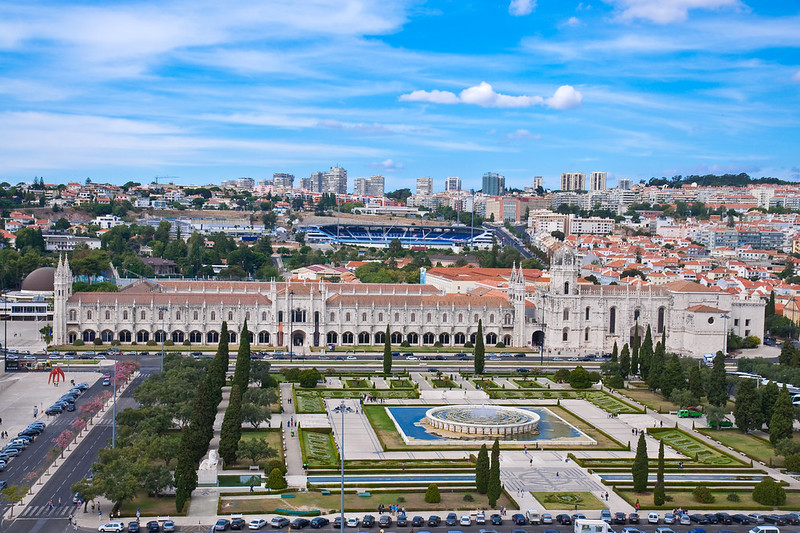
Jerónimos Monastery ranks among Portugal’s most important historic landmarks and stands near the riverfront in the Belém district. Construction began in 1502 under King Manuel I, during the Age of Discovery, when Lisbon served as a launch point for major sea voyages. The complex replaced an earlier hermitage where Vasco da Gama is said to have prayed before departing on his journey to India.
The monastery later became home to monks of the Order of Saint Jerome, who offered spiritual support and practical guidance to sailors heading out across the oceans. Near the entrance, visitors can see the tomb of Vasco da Gama along with that of poet Luís de Camões, linking the site to both exploration and literature.
Architecturally, the building is a prime example of Manueline style, marked by carved stonework with maritime themes. The cloisters show detailed columns, arches, and decorative motifs inspired by ropes, shells, and sea life. Outside, the two-story South Portal stands out with layered carvings and statues, including a central figure of Henry the Navigator.
Location: Belém district, Lisbon, Portugal
Highlight: Walking through the cloisters and studying the carved nautical motifs along the arches and columns up close.
21. Madeira Botanical Gardens, Funchal
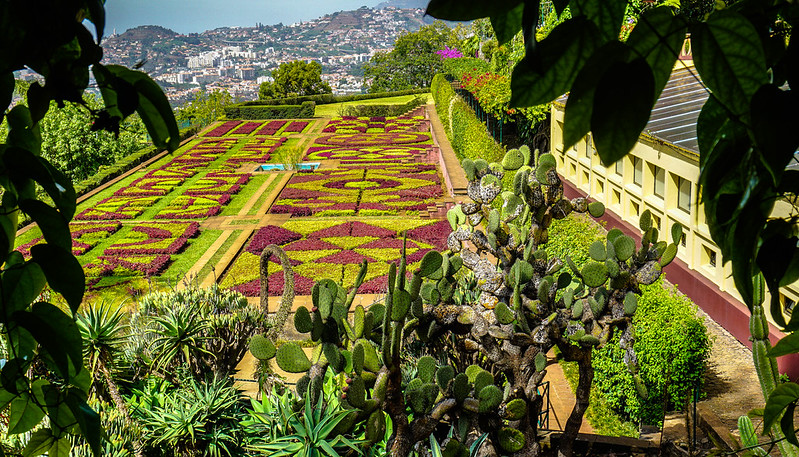
Madeira Botanical Garden sits on a hillside above Funchal and is widely known for its layered plant collections and sweeping city-and-ocean views. Opened in 1960, the gardens spread across stepped terraces where patterned flower beds, cactus zones, and shaded tree areas sit side by side. From many paths, you can look down over the red roofs of Funchal and out across the Atlantic.
Several sections focus on plant groups from different regions. One area is set aside for native and regional species from Madeira, the Azores, the Canary Islands, and Cape Verde. Other zones feature global tree varieties and succulent collections, including thick-leaved desert plants from South America. Labeling along the paths helps visitors follow what they’re seeing without needing a guide.
There are also tropical and medicinal plant sections with fruit trees, herbs, and traditional healing plants. Inside Loiro Park, part of the garden complex, you can spot brightly colored birds such as parakeets, parrots, and cockatoos. The mix of botany and birdlife adds variety to the visit and keeps the walk engaging.
Location: Funchal, Madeira Island, Portugal
Highlight: The upper terraces, where geometric flower beds line up with wide views over Funchal and the Atlantic beyond.
Related Posts: